




Possible end of the road for Froomey, another “optical illusion” cycle lane, radical aero bike, and new Cervelo review — here’s what you might have missed on the weekend
It was a weird weekend in Cardiff — Saturday was weirdly sunny, but yesterday was a return of the usual Welsh downpour. So your live blog host was back in his cave writing up some news, and here’s a round-up of that, plus all the other great cycling stuff that was on our website this weekend…


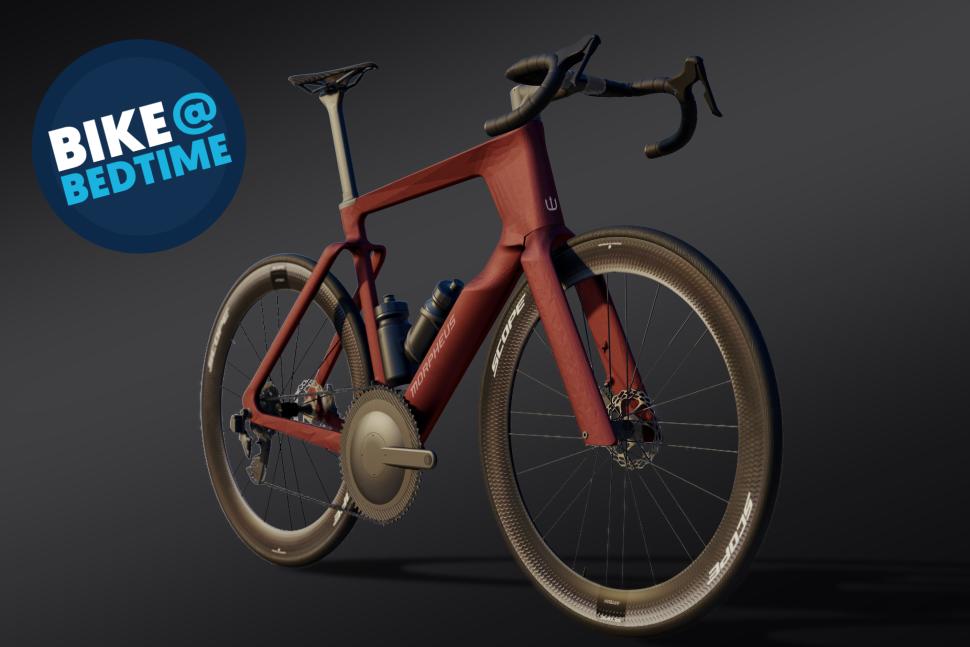
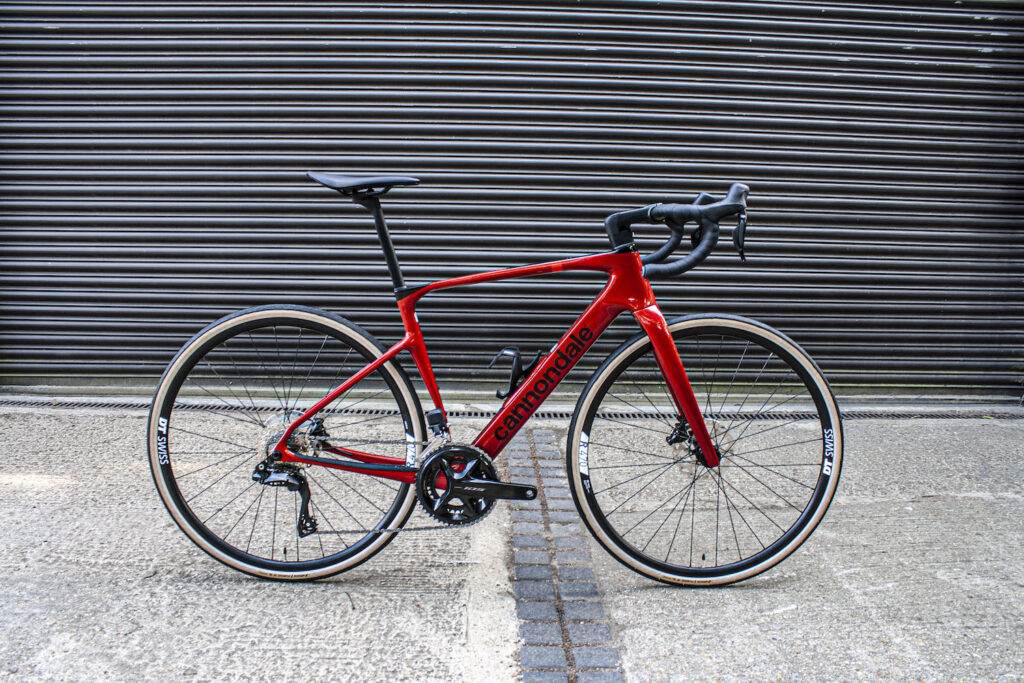
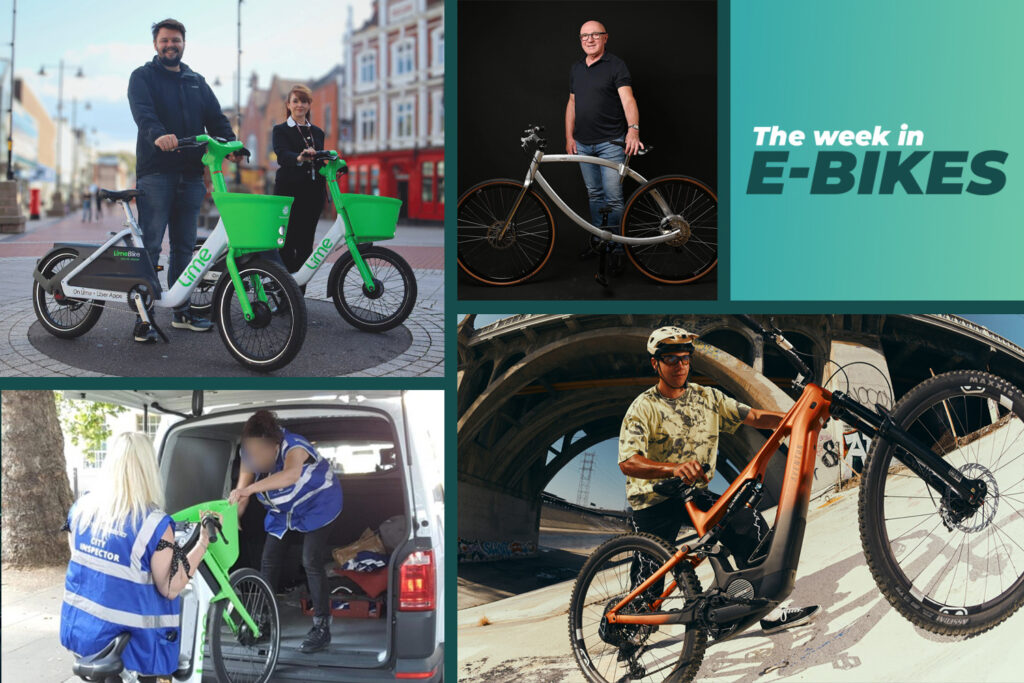
> Will the radical Morpheus Reppit change the direction of aero road bike design?

“Enough zone 2, time to race”: Tadej Pogačar’s unbelievable numbers on Jebel Hafeet at UAE Tour
How many times are we going to see more of the same this year? Pogačar gets off his saddle, digs deep, passes everyone, and then sits back down and carries on to build a gap to all his pursuers on a climb like it’s nothing.
Well, that’s exactly what happened yesterday, as Lidl-Trek’s Giulio Ciccone, winner of the mountains jersey at the 2023 Tour de France, tried all he could but couldn’t reign in the Slovenian world champion as he went on to win the final stage of the UAE Tour with a 7.8km attack, and ultimately finished ahead of Ciccone in the general classification by 1:14.
Here are the unbelievable power numbers he put up while doing so. At an approximate weight of 67 kilograms, calculate the VO2max numbers at your risk…
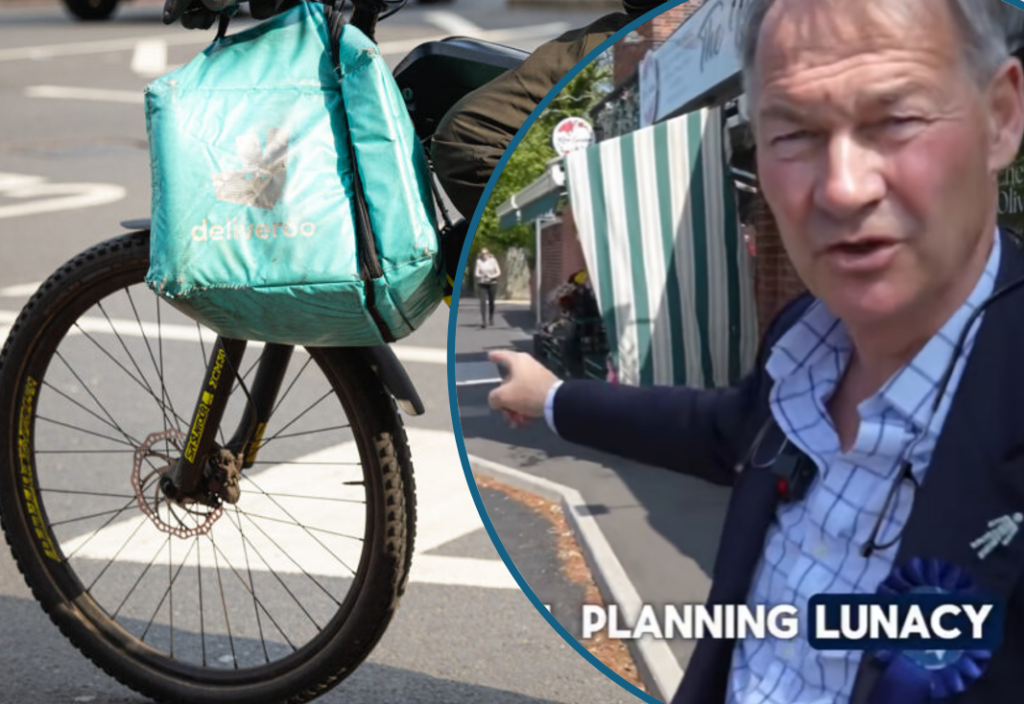
Motorists' group brands council "snowflakes" as cycle lane meeting cancelled, despite police advising councillors not to attend over safety fears

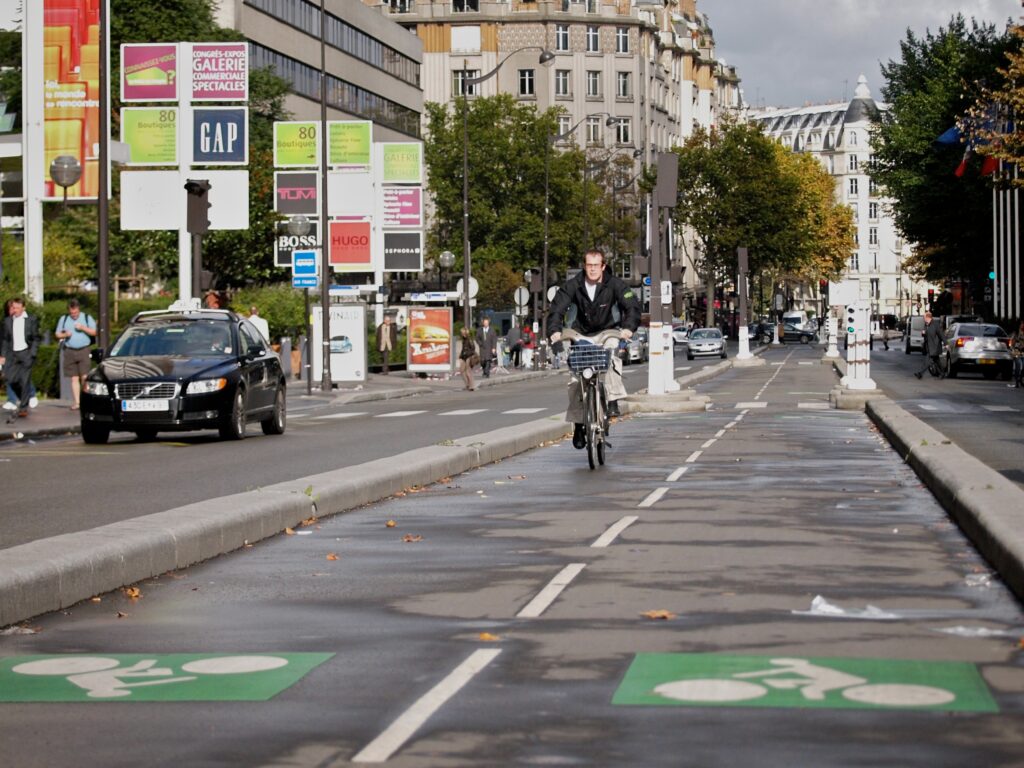
“Framing it as a battle is false equivalence”: Former cycling commissioner says BBC’s claim of ‘a war on our roads’ is “exhausting” and “troublesome”
Would it be safe to say that the BBC, having presumably reached its quota of traffic culture war stories in the UK, has now found fertile grounds just across the Channel?
Because the murder of Paul Varry, the Parisian cyclist who was run over by a road rage SUV driver, seems to have launched a new “war on roads” in the city, according to the BBC, with “drivers, cyclists, and pedestrians trying to navigate the new balance of power”.
It’s true that the local authorities of the French capital, led by Mayor Anne Hidalgo, have done their due share in laying down improved cycling infrastructure and implementing policies that disincentivise motorists to drive in the city. However, the murder of cyclist and active travel campaigner Varry, described as “sickening” and “unprecedented”, has shown the war, if there is one, is really lopsided in terms of power dynamics.
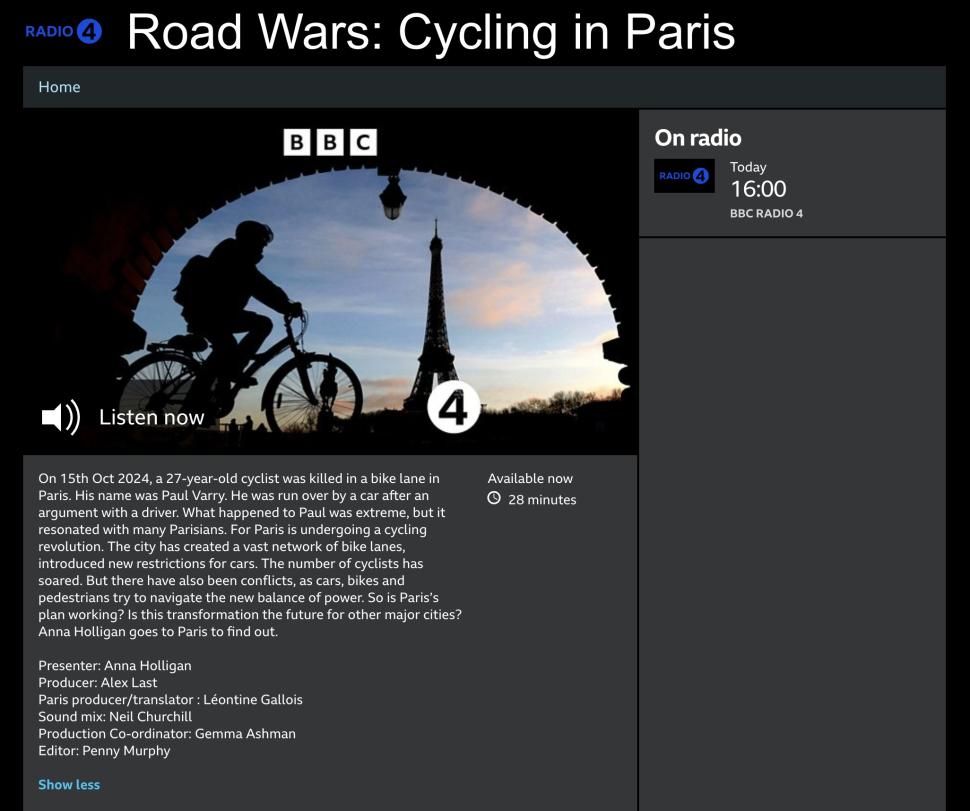
BBC’s latest coverage of the incident, through a written feature as well as a Radio 4 show titled ‘Road Wars: Cycling in Paris’, hosted by the foreign correspondent Anna Holligan who rose to fame for her ‘Bike Bureau’, a mobile broadcasting studio in a cargo bike in the Netherlands, has now come under scrutiny for insinuating the same.
The summary of the show reads: “On 15th Oct 2024, a 27-year-old cyclist was killed in a bike lane in Paris. His name was Paul Varry. He was run over by a car after an argument with a driver. What happened to Paul was extreme, but it resonated with many Parisians.
“For Paris is undergoing a cycling revolution. The city has created a vast network of bike lanes, introduced new restrictions for cars. The number of cyclists has soared. But there have also been conflicts, as cars, bikes and pedestrians try to navigate the new balance of power. So is Paris’s plan working? Is this transformation the future for other major cities? Anna Holligan goes to Paris to find out.”
Former West Midlands cycling and walking commissioner Adam Tranter posted a screenshot of the BBC’s show, captioned: “The BBC’s claim of a “war on our roads” between cyclists & drivers is exhausting.
“Cyclists are vulnerable road users, and framing it as a battle is false equivalence.
“If it were a war, one side would have assault rifles & body armour – the other, people cycling: water pistols.”
He added: “To be clear, I don’t really have an issue with the programme, Anna Holligan is a great reporter and very clearly understands the issues that face people cycling. But the constant hyperbole and framing by editors is troublesome, for me.”
One person replied to the tweet saying: “That’s nonsense. How many car drivers have been killed by a bike? The death toll is only on cyclists.”
road.cc reader Rendel Harris also commented: “Doesn’t seem very promising for an unbiased programme, does it? As ever, substitute ‘a gay man’ or ‘a black man’ for ‘cyclist’ , would they even think for a second of saying ‘A black man was killed after an argument. What happened to him was extreme but it resonated with many Parisians’?”
The show itself tries to take a surface-level neutral and balanced approach at the overall situation in Paris, featuring both cyclists and active travel campaigners, but as we’ve seen so many times in the past — the counterpoints are provided by disgruntled shop owners who claim they are losing business because their customers cannot drive to the city centres, as well as a very agitated and persuasive member of a motorists’ lobby group, titled ‘Ligue de Défense des Conducteurs’, translating to Drivers’ Defence League.
This is far from the first time the BBC has tested the culture war territories, framing road safety as a cyclists versus drivers versus pedestrians situation. Recently, the public broadcaster was in hot waters for the Adrian Chiles Panorama show on e-bikes, leading to outrage from both cyclists as well as the industry.
In October, there was another instance of backlash, not much dissimilar to the current Paris one, with British road safety campaigners claiming there was “no war between cyclists and drivers”, as the BBC apologised for “inappropriately” describing a camera cyclist as a “vigilante”.
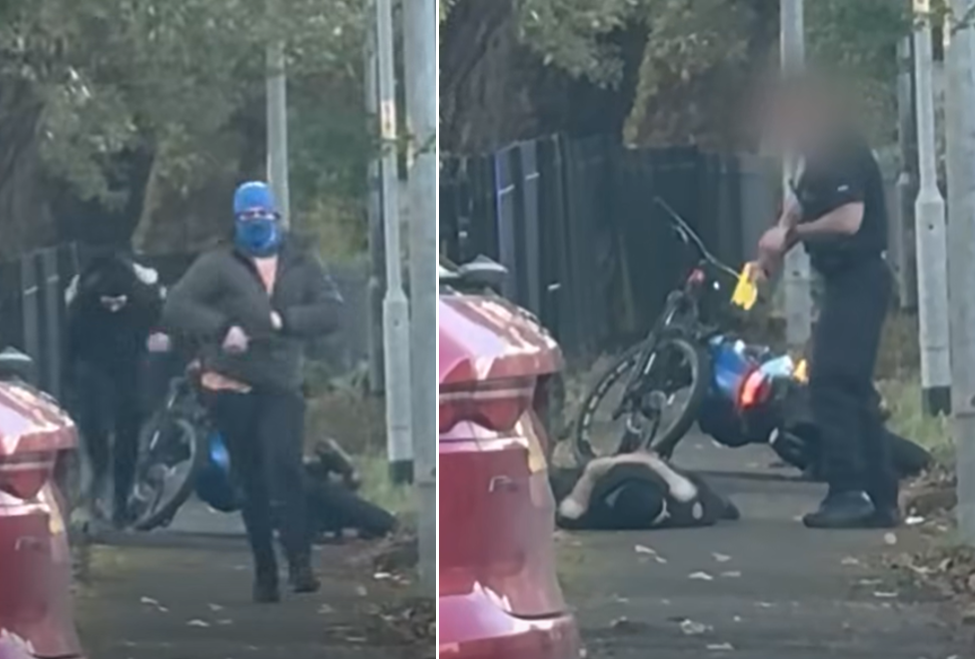
"They told me to 'get off the f***ing bike' and pulled out a hammer": Cyclists demand urgent police action after latest violent bikejackings at Regent's Park


Rapha issues apology over not mentioning Brian Lambert’s effort in Lachlan Morton’s 648km Auckland to Wellington record ride, as Lambert’s son slams company over video
This Lachlan Morton guy loves riding a bike, doesn’t he?
After setting a monstrous record for his Around Australia ride, completing the 14,210km lap around the island in 30 days and 10 hours and beating the previous record by over a week, the Aussie rider has now broken the Auckland to Wellington ride by cycling 648km from New Zealand’s biggest city to its capital in 18-and-a-half hours, after Kiwi rider and his friend Hayden McCormick proposed the idea to him.
But wait, there’s a new twist to the tale — a bizarre controversy has popped up over Rapha’s Instagram video of the EF Education–EasyPost rider’s historic ride, after the cycling clothing company failed to mention Brian Lambert’s achievements of the record, with fans swarming the replies critical of the omission, instead showcasing Brian Fleck, McCormick’s coach.
Fleck himself had set the Auckland-Wellington record in 1983 across 20 hours on the bike, beating Lambert’s 1982 record. However, it was beaten once again in 1984 by — you guessed it — Lambert, who set a time of 19 hours and 59 minutes, which stood for over 40 years until Morton’s effort.
The criticism was charged by none other than Brian Lambert’s son James, who disappointingly wrote: “Amazing to see my father Brian Lamberts record taken after 40 years.”
He also added: “I like the part where Fleck mentions the actual record is 19hrs 54 minutes but fails to mention that it wasn’t his time or his record.”
“The real story of the man who set the time of 19hrs 59minutes. The official public record ratified by CNZ in 1984 and the official record holder that Lachlan bettered the time of. Gold mining, goat farming bookie would have made a much better film.”
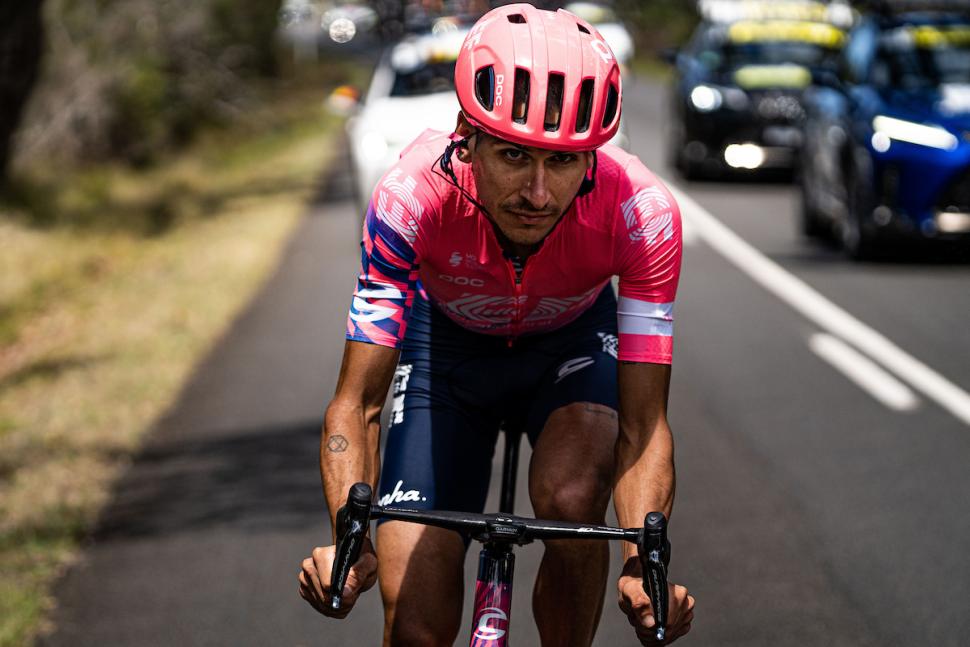
Rapha has now apologised for its mistake, writing under the post: “Thank you to those who have highlighted an error in this narrative. In this film, we focused on Brian Fleck’s story due to Hayden McCormicks’ connection with him and his personal memory of that record, however, in hindsight, we regret not recognising Brian Lambert’s record-breaking rides and the place he holds in this history.
“Brian Lambert broke the Auckland to Wellington record twice, first in 1982 and again in 1984, fulfilling his ambition of breaking the 20 hour barrier by finishing the 650km ride in an incredible 19 hours, 59 minutes and 27 seconds. He held this record for over 40 years, until Lachlan’s ride in January 2025 in 18 hours, 26 minutes and 56 seconds.
“Challenges like this are life-defining, and we have the utmost respect for all who go out to set them and shape what true human endeavour looks like.
“We would like to sincerely apologise to Brian Lambert’s family, friends, and fellow riders for this omission.
Family of previous Auckland to Wellington record holder demands Rapha takes down documentary on Lachlan Morton's new mark for failing to mention late ultra cyclist
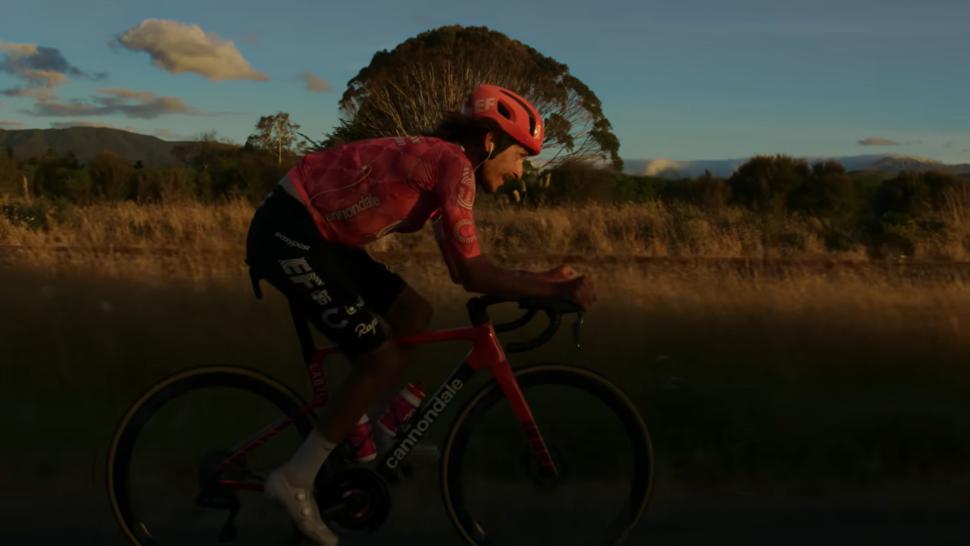
More on Rapha’s Lachlan Morton documentary…
Trimmed visor, breathing sensor and 150mm cranks! Check out Visma-Lease a Bike’s latest tech from Volta ao Algarve
Jonas Vingegaard rode his way to a time trial win in the last stage of the eventful Volta ao Algarve, beating his teammate Wout van Aert by 11 seconds and winning the general classification by finishing 15 seconds ahead of UAE Team Emirates’ João Almeida, and the talk of the two was the trimmed visor he used in the Giro Aerohead 2 TT helmet, as opposed to Van Aert’s full visor.
The Visma riders were also seen sing a Tymewear breathing sensor to measure rate and tidal volume, which for some riders can also be a good indicator and even controller of fatigue.
And finally, Vingegaard was also seen riding 150mm SRAM Rival cranks, continuing the trend of pros moving to shorter cranks to improve turnover. Recently, world champion and three-time Tour de France Tadej Pogačar had also shfited from 172.5mm cranks to 165mm cranks, but his Danish rival has taken it even further — looks like bigger chainrings and shorter cranks is taking over the pro space…
Drug driver who killed teenage cyclist while speeding at 70mph in 30mph zone jailed for eight years

Plain rice, boiled eggs (with shells)… “overdosed with sriracha”: Fans label cyclist’s ‘pro nutrition meal’ as “hate crime against food”
If you’ve never pitied the poor pro cyclists trying to hit the ideal carb intake, here’s something that might change your mind forever…
The 22-year-old Team Picnic PostNL rider Oscar Onley in a ‘photo dump’ has managed to sneak in an absolute horror, a travesty in the name of food that he seemed to enjoy (at least ironically), and it goes something like this: A plate full of plain boiled rice, three and a half boiled eggs (one of them still with some of its shells on), a few cracks of fresh (I hope) black pepper and a generous spill of sriracha.
If you haven’t decided your dinner plans for tonight, now don’t be getting any ideas…
(Scroll all the way to the 12th image for the glorious feast)
One person commented “Proper scran” under the post, to which the Scottish rider replied: “Overdosed on the sriracha”. Another person asked: “How was the egg shell?”
Cycling fan and writer Anna Mac shared the image on Twitter saying: “I need to start an account showcasing cyclists hate crimes against food.”
“He’s eating like a 4 year old, drowning *every* meal in ketchup,” said one social media user, while another joked: “Scottish delicacy”. To be fair, I don’t see anything battered and fried, although I’d completely expect him to take a couple deep-fried Mars bars in his back pocket on rides.
However, some people also defended the pro’s culinary choices. “Quick n easy carbs and proteins… In my running days I used to have a massive plate of pasta with honey to carb up,” wrote one person.
Another wrote: “I’d argue these guys each so much and so often that they need some distraction to make the process tolerable. Yes, it’s a crime, but they get a pass.”
> How to eat right for sportives and long rides
Either way, Onley is in elite company in committing hate crimes against food… the legend of the game obviously being the one and only Mathieu van der Poel, otherwise known for his wonderfully sophisticated food preferences like spaghetti with Heinz ketchup and pizza with pineapple.
Erm, okay, maybe the last one is acceptable… *throws grenade and ducks for cover*







22 thoughts on “Plain rice, boiled eggs (with shells)… “overdosed with sriracha”: Fans label cyclist’s ‘pro nutrition meal’ as “hate crime against food”; Former cycling commissioner says BBC’s ‘war on our roads’ is “exhausting and troublesome” + more on the live blog”
So, did Chris Froom hit the
So, did Chris Froom hit the optical illusion and come off his bike?
Nope – clearly the whole
Nope – clearly the whole thing was an optical illusion and he’s living it up on a party island somewhere…
Eburt? Paging eburt??
Eburt? Paging eburt?? 😉
brooksby wrote:
eburt is out of the office. It’s sunny here.
I saw that BBC story and
I saw that BBC story and thought it was odd and disturbiung.
There is no war – except the one they falsely try to create.
Seems it’s pretty common for
Seems it’s pretty common for those with power to start laying into others, then say “six of one…” or even “they started it”…
“War” makes a nice headline but “massacre” would be more appropriate. Of course, both are unhelpful except for sloganeering. A more accurate and thoroughly boring headline might be “We’re increasingly noticing the negative effects of a series of often incremental changes – plus some definite decisions – over the course of several generations …” followed by a bunch of statistics, or worse, graphs…
Quote:
Bit judgy…
I think they must be
I think they must be referring to the fact that he left the apostrophe out of “my father Brian Lamberts record”?
“… I don’t see anything
“… I don’t see anything battered and fried, although I’d completely expect him to take a couple deep-fried Mars bars in his back pocket on rides.”
Typical xenophobic pish.
“What happened to Paul was
“What happened to Paul was extreme, but it resonated with many Parisians.”
Jesus fucking Christ. Really, BBC?
Johnny Rags wrote:
That was my reaction too on another thread but actually, as mdavidford pointed out, it’s probably intended to mean “the experience of being aggressed by a driver resonated with many Parisian cyclists” rather than “the idea of attacking a cyclist resonated with many Parisian drivers”.
Rendel Harris wrote:
That was my reaction too on another thread but actually, as mdavidford pointed out, it’s probably intended to mean “the experience of being aggressed by a driver resonated with many Parisian cyclists” rather than “the idea of attacking a cyclist resonated with many Parisian drivers”.— Johnny Rags
My initial interpretation, having read the article on the BBC before reading about it here, was that it resonated with Parisian cyclists. I think the framing on here is often quite sensationalist and designed to encourage enagement by provoking anger.
It could be some aggressive and agnry drivers would identify with the drivers when they see that headline, but I think it’s a bad faith take for us to presume the BBC expected their readers/listeners to take the side of the aggressor. At worst, it was an oversight by the BBC headline writer to have too high an opinion of British listeners (or awareness of other headlines) that they’d not automatically take the side of the victim.
Really, really poor
Really, really poor journalism, I thought. Complete lack of clarity.
The BBC has track record in ‘unspeak’ and deleting the voices of minorities. Last week the BBC removed from its platform the documentary “Gaza: How to Survive a Warzone”, which followed four young Palestinians in the Gaza Strip who have been enduring and surviving Israel’s genocidal assault.
This is only one example of the BBC contributing to the dehumanisation of Palestinians which includes its failure to adequately platform Palestinian voices and suppression of the contemporary and historical realities of Palestinian life and Israel’s decades long violations of Palestinian rights.
The documentary itself represented one of the very few occasions where the BBC has allowed Palestinians to speak these truths and to speak for themselves, and it is shameful that the BBC has reached the point that it is now censuring Palestinian children.
The BBC engages in propaganda
The BBC engages in propaganda, in at least some topics.
“Propaganda” is in the eye of
“Propaganda” is in the eye of the beholder. Simple selection from all the stories in the world of what to run, and how prominently, and how long for is always going to trigger someone’s spidey-senses.
(FWIW looks like at the very least the Beeb missed a very important fact concerning that particular documentary. That should at least have prompted a lot more investigation – even though they just got this from a “respected external production company”. But that conflict is an exemplar of “no neutral position” anyway – it’s existential “for us or against us” on both sides).
I just note they don’t often run “propaganda” on cycling *, and it’s generally negative when they do…
* Sports cycling – that’s OK on the few times it becomes prominent e.g. Tour of Britain, Olympics. Other mentions? Reflecting the prevalence of this in the UK (almost none compared to walking, driving, public transport) and the fact that this is normally in general public discourse only as a source of irritation? You could say they’re playing it very impartially! You could …
Ref cycling in Paris, how
Ref cycling in Paris, how many commenting here have actually listened to the programme? I caught the second half on R4 yesterday, before any comment here and it came across to me as very positive about all the things that Paris are doing to get integrated transport and reduce car use.
The Paris authorities have a set agenda to make every route in the whole city safely accessible for cycling, at the cost of much of the parking and closing a lot of roads completely to motorised traffic.
Comments were made by the businesses in the area about that having too big an impact, but also that cycle use has doubled in the centre of Paris as a result in the last 12 months and how a bike is the best way to explore the city. The article title was sensationalist I accept, but would dyed in the wool UK motirists listen to an article called “Triumphant Sucess for Increased Cycle Use in Paris”? I don’t think so. I reckon the BBC have done cycling a great service with this articlle and it deserves praise from the cycling community as far as I’m concerned.
danhopgood wrote:
It’s always worth remembering that very rarely does the person who writes the article also write the headline. This applies to a lot of fairly high profile columnists who frequently have to distance themselves from headlines linked to their work. They themselves are often just as disgruntled that what they might hope was a well researched, or at least well balance and nuanced piece is reduced to a clickbait phrase.
As I said elsewhere, and having first read the article on the BBC before coming here, it didn’t occur to me that the BBC wanted me to think everyone identified with angry and aggressive drivers. But as you say, a bit of ambiguity in the headline is going to attract a much wider audience, including the audience that is most in need of tuning in.
“What difference three years
“What difference three years makes”
2020 was five years ago.
2020 and 2021 don’t count,
2020 and 2021 don’t count, though – they didn’t happen.
I thought the programme was
I thought the programme was pretty reasonable, as long as you know as much about cycling and cyclists as we do: we know that there are always anti-cyclists blaming cycling for loss of business at shops no matter how ridiculous the claim; we know that there are always claims about almost every cyclist going through red lights while the same people ignore all the drivers RLJ-ing because they think, as do the police, that’s OK because everybody does it; we know that, as CoaB says, drivers have to drive because they’re usually carrying fridge-freezers, or because of their hair etc. etc; we know that most anti-cyclists ‘are cyclists themselves’. Most of the population of the UK doesn’t know these things, and automatically infers the wrong conclusions from programmes like these which are not explicit enough. Much of the time it was like listening to, or reading UK MSM- people who can’t use public transport because they like to come home after 02:00 when the Metro closes and so on. My lesson from this brave Paris experiment is that CoaB is right: if you want to increase active travel, you’re going to have to ruffle the feathers of drivers, and you have to ignore their complaints. Mostly, our politicians, local councils…are not brave enough the face down the loud-mouthed, entitled…anti-cycling militia.
I hope I’m wrong – as we seem
I hope I’m wrong – as we seem to be prepared to do anything in the UK except trouble the “hard working motorist” *.
But … history seems to show the opposite. It’s “nothing to offer but blood, toil, tears and sweat” bad news for those who want change that does more than tinker around the edges.
In NL they had more, better cycle infra than the UK does now over 50 years ago. And far more people cycling. But even there the notion that they were going to reverse the policies of knocking down historic architecture to build highways, and indeed start “taming the motorist” … there were actual riots in the streets, arguments about consultations and angry protests by shopkeepers, people tearing up cycle paths etc!
* Because of course we don’t want to “penalise” people “just going about their lives”. In fact there’s a believe they’re mostly making “vital journeys” – and of course all motoring “contributes to growth” etc. (As a reminder – some calculations have the overall economic effect of mass motoring coming out as a *cost* to us all…)