
This thing was, as a lifelong cyclist and follower of most disciplines, I was lapping up the action of the two televised UCI Gravel World Championship Elite races last month. The riders were top draw, and no pesky race radios were controlling every tactical move of the riders. It was top draw, old-school bike racing… but was it really gravel racing?
- Gravel racing – what’s next for cycling’s fastest growing discipline?
- Gravel bike suspension and dropper posts – do you need them?
- Best gravel bikes 2025 — drop-bar bikes for off-road riding
There’s no getting away from the fact that there was a fair amount of gravel/farm/dirt road covered in this very fast setting. Yet, little of it was as gnarly as you would find in pro road races such as Tro-Bro Leon, or as brutal as the cobbles of Paris-Roubaix, and it was perhaps more akin to the gravel sectors of the Paris-Tour classic road race, which was run in France on the same day – yes, a road race!
As much as I fully applaud the organisers, Golazo, for once again pulling off a generally well-ran and efficient bike race, I couldn’t (once again) help but wonder if things simply weren’t, erm, ‘gravel’ enough; or at least for an official UCI Gravel World Championship anyway.

Is this ‘smoothing out’ from a lack of understanding or acceptance of the discipline from the powers that be (largely the UCI in this case, we understand), or is there actually any definition in existence yet? Was it tailored to fit hybrid road-gravel sensibilities, or was it to attract more road pros and Golazo-organised Gran Fondo World Series road riders?
Who knows, though, from the four official championship races so far. The second Italian edition was the only one that I would personally say was a worthy interpretation of what gravel racing should be, or at least in UCI Championship form. Even then, it was the road pro duo of Kasia Niewiadoma and Matej Mohoric who triumphed, clearly showing that the terrain isn’t the prime factor in the outcome anyway, but that’s not the point.
Alternative dirty takes on gravel racing
We’ve covered the assumed origins of gravel racing in the past, and it’s widely accepted that the American Midwest is where racing drop bar bikes on gravel roads really came into its own, and that is where the most prestigious and oldest official gravel races are, such as Unbound.
Given the mass participation numbers in events like Unbound, followed by the bike industry taking the opportunity to introduce us to a new kind of cycling (or a new-old kind of bike for it), the concept spread far and wide. Gravel races of all kinds have since sprung up around the world, with many of them snubbing the almighty rules and restrictions of the UCI, with most fearing that any intrusion from the “feds” would lead gravel (the latest bastion of freedom in competitive cycling) along the sensible flat shoed official path of conformity and uniformity. This would be a real party pooper for the vast majority of early gravel converts – particularly in the USA, who came here to escape that as much as for the ride.
Thankfully, thus far, most of the original North American classic gravel races have managed to hold true to their origins, albeit that many are now part of larger commercial entities or profitable home-brewed series that can afford to stand alone.
Outside of these, we have the unruly ultras, such as the Silk Road Mountain Race, which is not a gravel race, but an off-road bike race, which many ride on gravel bikes. Also standing tall and flying solo is the Gravel Earth Series, a compendium of individual races that includes such neo-classics as the Traka, The Rift, and Migration Gravel Race.
Although a couple of these races have struggled with entry numbers of late, in my opinion, these are kinds of races that would be worthy of official World Championship status. Though I’d guess there’d be a whole lot of bumpy middle ground to be negotiated if that was ever likely to happen.
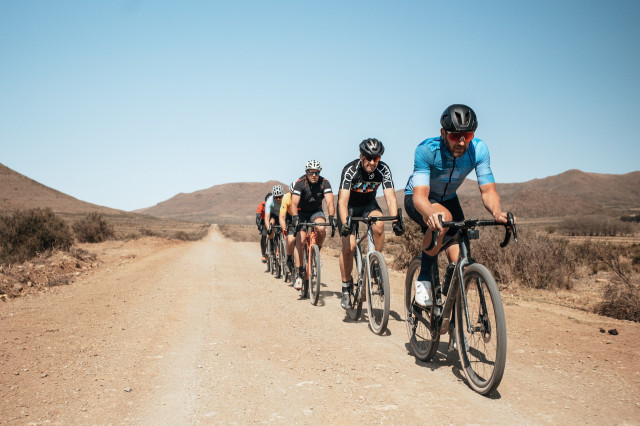
We’ve also got the first-ever Gravel Burn stage race in South Africa that finished last weekend, which has been great to see on its YouTube channel. This race could well set a whole new level in gravel stage racing, much as the Cape Epic did for mountain biking in the past, which will be a boon for the discipline.
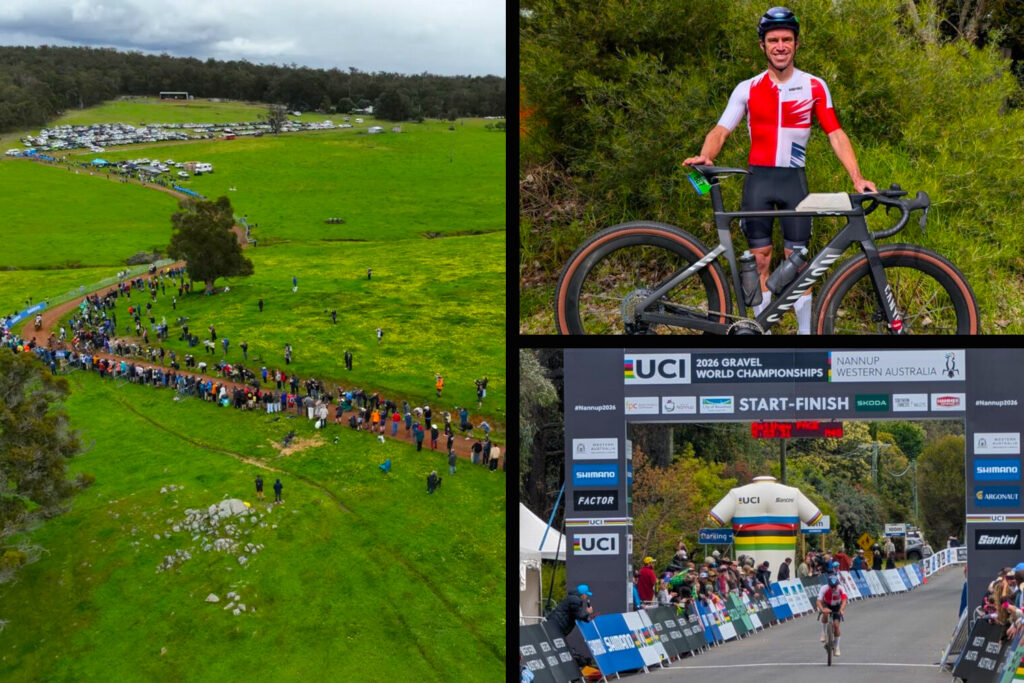
Although the official UCI Gravel World Series does have a fair amount of uniformity to it, many of the rounds are what could be considered ‘true’ gravel races, with the Seven Gravel Race 2026 World Championship course in Western Australia being a prime example. It would be fair to predict that this race will help dispel any doubts about the gravel racing’s identity, although the timing and location may deter a few top road pros from riding.
Personally, I think it’s great to have such variation – and hope that the UCI maintains a respectful distance and doesn’t intrude in the existing classics. If it did, it would be a killer blow for many.