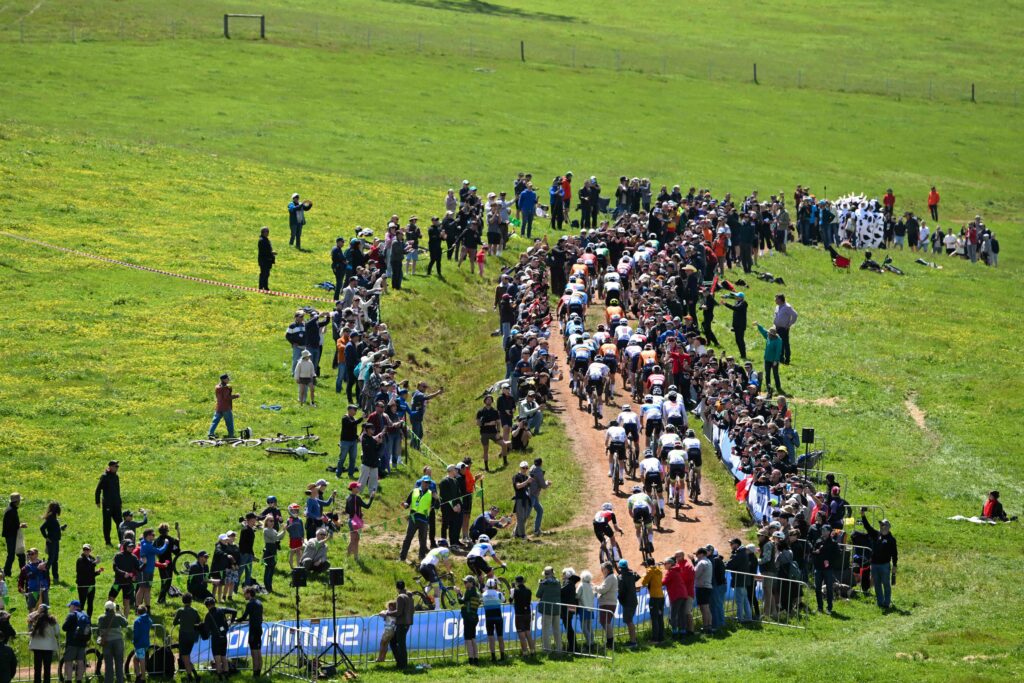

Mont Saint Anne in Canada is a long-standing and legendary World Cup race venue, and so it was quite poignant that in 2019 it hosted the first-ever UCI E-XC World Championships, a race that was won by current XCO World Champion Alan Hatherly of South Africa. In his wake were some of the greatest XC riders of the time, including Tom Pidcock.
A while back I spoke to Alan about that race, and many would be surprised to hear that he rated it as one of the toughest races he’s ever done, which adds a depth of top-draw rider-proven clarity to the discipline and just how hard it can be. We’ve also seen this despite the solid evolution of e-bikes and the increasing showroom sales numbers of e-MTBs. With this evolution, there’s been a lot of confusion and mist as to e-bike power balance, which the UCI has since addressed in sanctioned World Championship races by introducing strict power limit regulations, testing, and motor approval requirements, which aim to make for a level playing field on that score, and we understand that this also applies to the new British title races.
To learn more about the Championship races, how they came around, and also about the direction of e-MTB in the UK, we spoke to the race organiser Matt Williams, and former Downhill World Champion and passionate e-bike rider and racer Tracy Moseley, who also had a guiding hand in the race mix, and who will be racing it this coming Sunday.
Matt Williams
off.road.cc: How and when did the decision to create the first E-XC National Championships come about?
Matt Williams: We’ve been organising e-MTB XC events for a few years now as part of our Cannock Classic events. Three years ago the e-MTB entry numbers were only around nine, and this year we had over 40. That was back in the beginning, and then we could see numbers starting to drop off in certain race categories and age groups, and also in our shop (Run & Ride), we could see the number of XC bikes being sold declining, while e-bike sales have been rising.
We figured that we would be best to change things some, and offer something for those people that used to come to our races, but now couldn’t ride because we didn’t have an option for them. It was kind of ‘offer something different or lose them forever’. Fast forward three years, and I knew British Cycling had been looking at an E-XC framework for a while, so I put the idea to them. Thankfully, they were really keen, and so we made it happen.
ORCC: At this stage, is this race considered as a one-off official race or a trial event? Or has British Cycling committed to more, and maybe a bigger e-MTB program in the future – are they embracing it more?
MW: Right now it’s certainly a test event. We’ve got small entry numbers, but it gets things started. I believe there is some enthusiasm for e-bike racing at this level, and I think this will be the start of us seeing more events like this in 2027. I’ve already heard of regional organisers adding similar categories/formats to their races for next year.
ORCC: With the course, what are the extra considerations in design and layout you’ve had to take into account?
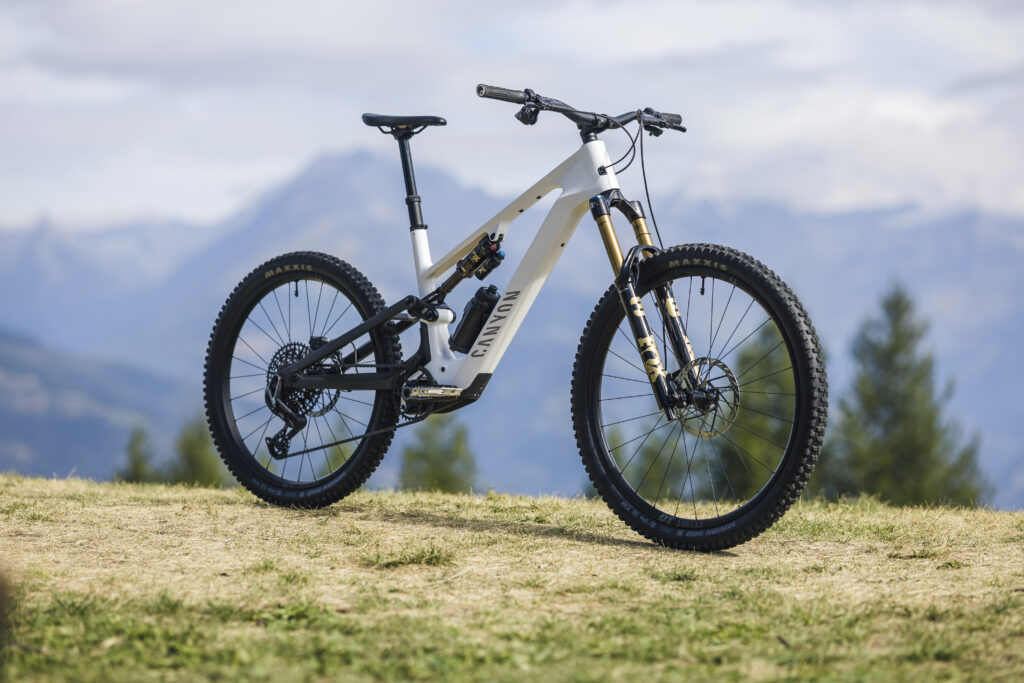
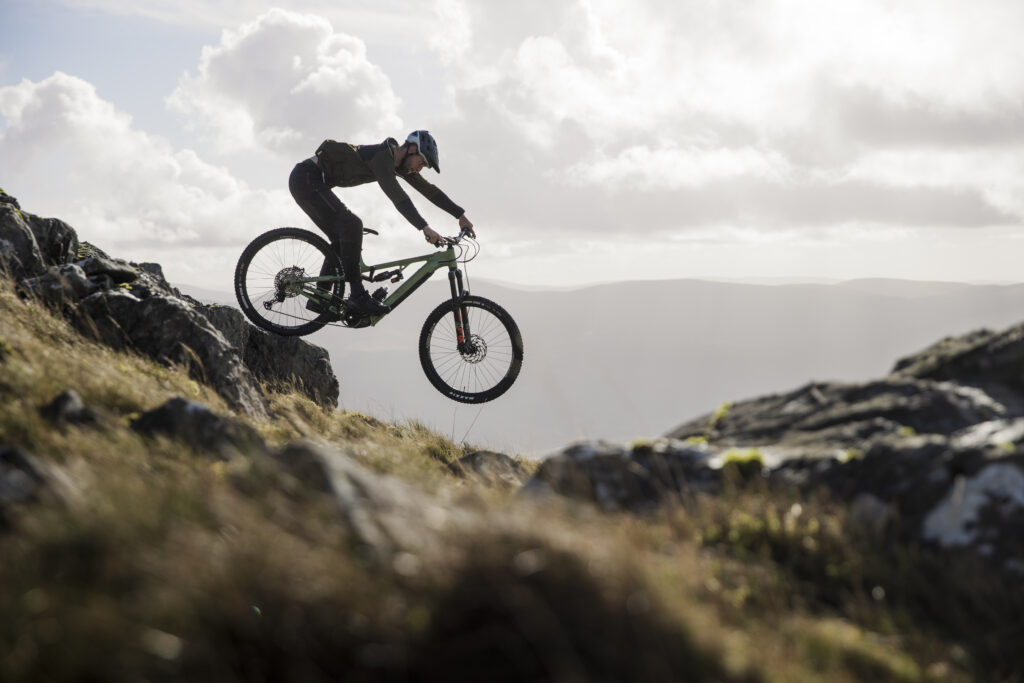
MW: We’ve had some input from the likes of Tracy Moseley on how the course should be set out. We’ve tried to add extra tech elements, both up and downhill, to more suit the style of bikes, with them having far more travel than a normal XC bike.
Also, we’ve added a few more tighter trail sections, so riders have to slow down and then accelerate. This is different to a standard XC course, where we try to encourage more flow. We’ve also had to think about the type of riders that we’re going to attract at this early stage; whilst we do have some very technically skilled riders interested, we also need to make sure we don’t scare away everybody else. It’s a balancing act.
ORCC: What has the entry/interest, and make-up of the riders been for the race, and what do you feel would be needed to help make the discipline grow?
MW: First of all, we need to work on the formats, course lengths, and distances. This event will really help us to gain some valuable feedback. From then on, we need to start breaking down some barriers: the thought that e-bike racing isn’t really racing, and that just because a rider has the biggest and most powerful setup, that doesn’t mean they are the fastest.
And of course, we need to make it entertaining and enjoyable. If we can do that, then I’m sure we’ll get more interest from people like yourselves (media) who will, hopefully, help us reach new riders, those who may never have been interested in XC racing before.
ORCC: Have many riders signed up for E-XC and Marathon title races this weekend?
MW: We’re only in the teens for the E-XC race, but have nearly 200 for the marathon. It’s low numbers, but we’re happy with that; we can learn and build on it for a better event next year.
Tracy Moseley
off.road.cc: What has been your input/involvement with the race and it coming to be?
Tracy Moseley: As soon as I found out the race was happening, I offered to support it by making sure I was available to race and support it. I also had meetings with the race organiser and British Cycling to try and share my knowledge of the last six years, which I’ve gained from the e-bike races I have attended.
I wanted to make sure it would be a positive experience and step for e-bike racing in the UK.
ORCC: Do you think it’s a sign of BC and regular riders embracing the discipline more?
TMO: I think it’s British Cycling bringing enduro in line with the UCI, as there has been a World Championship for E-XC since 2019, so it makes sense to have a National Championship in the same discipline, and to look to the future.
ORCC: What are your expectations from the race – in terms of numbers, what it could do for the future of e-MTB racing in the UK?
TMO: I don’t expect the race to have big numbers as it’s not part of a bigger cycling festival, which seems to be the place to attract large numbers of e-bikers. It was also a late addition to the calendar. It’s in the middle of the summer holidays, and it’s also linked with Marathon Champs, which, again, isn’t an event with huge participation.
So, I am not expecting a huge turnout, but I am happy that it’s the beginning of the journey for E-XC, and it’s being run by a passionate and experienced race organiser, so it will be a great start for the history of e-bike racing in the UK.
ORCC: There have been lots of debates about fairness and restrictions on power outputs for racing – what are your thoughts on this and where lines should be drawn?
TMO: This is definitely a hot topic – and a really important one, which I feel is going to take time to really find the best solution to, but it’s really important that it’s been discussed, and that regulations are adhered to at world-level races.
We now have a white list of legal motors that can race at UCI events, and testing is taking place at some events. It’s definitely not perfect, but it’s a start, and I feel this will only improve as the regulations and rules get defined more in the future.
I think the biggest thing that needs to happen is for people buying e-bikes to have an understanding of their responsibilities, of the rules and regulations, and also of the impact of what riding illegally, and in ways that are not respectful to other users, could have in the future.
e-Bikes need to maintain the connection of the combination of human and motor power working together. When the power becomes so great, we lose the human interaction and the beauty of the bicycle and human-powered part of it. Then I feel we move too close to a motorbike, and this is a very different world.
We need to stay as a bicycle – EPAC (electric pedal-assisted cycle).
ORCC: How have you seen e-MTB racing of all kinds evolve in the UK, and what do you think is needed to give it a boost – and would that be best served through official federations, or through independent series/organisers – or a combination?
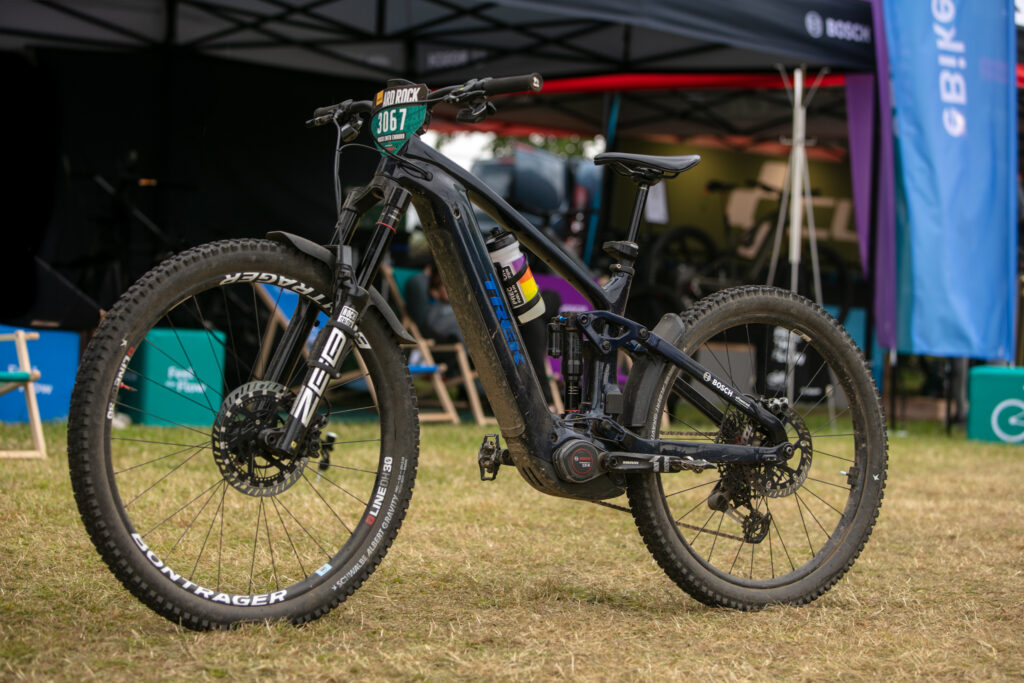
TMO: I think we are seeing more and more e-bikes out on our everyday trails, and also in time we are seeing more at events. At the moment, the biggest numbers of e-bikes are at festival/fun events (like Ardrock this year, with over 800 in the e-bike race).
With the serious competitions, there is definitely a lot less, but this trend is also the same for pedal bikes too; numbers of people racing at a competitive level aren’t high at the moment. I think for e-bike racing to grow, there first needs to be opportunities to race – which is why I am excited for this weekend’s National Champs.
There needs to be continued work on regulations to keep the racing fair. There needs to be positive media and storytelling, so people can see it happening and learn about it. We need the bike industry to support racing, and to support making legal and responsible bikes.
A mix of competing high-level events and fun participation is the key to reaching all people.