
One of the beautiful things about mountain biking is that there’s a bike for every type of terrain. While that is such an excellent facet of the sport we all love, the glitz and glamour of big travel machines leads to one problem – overbiking – and you may not ever know that you’re overbiked. But I would pick a small travel ripper over a burly enduro bike any day of the week.
I’m not going to spend this column slagging off big enduro and downhill bikes. They have their place in the market and over the right terrain, there’s absolutely nothing else like them. I can’t say that much about downhill bikes because my experience with them is very limited, but I’ve ridden plenty of enduro bikes and when it comes to going fast down terrain that’ll make any other bike quake in its boots, there’s no better tool for the job.
Every type of bike comes with some kind of limit, where it starts to get squirrely, a little more unpredictable, and where the ride starts to get wild. On enduro bikes, that limit is way beyond the skill set of the regular rider, myself very much included. And that’s a comforting thing, really. That comfort is found in the fact that what’s holding the riding back is the rider, rather than the bike.
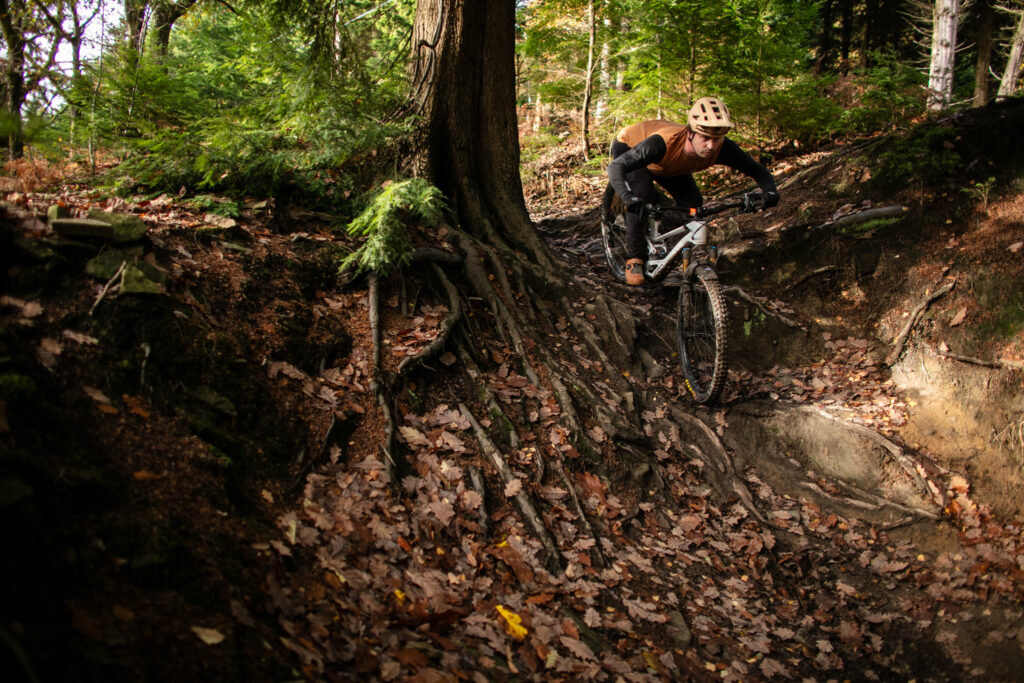
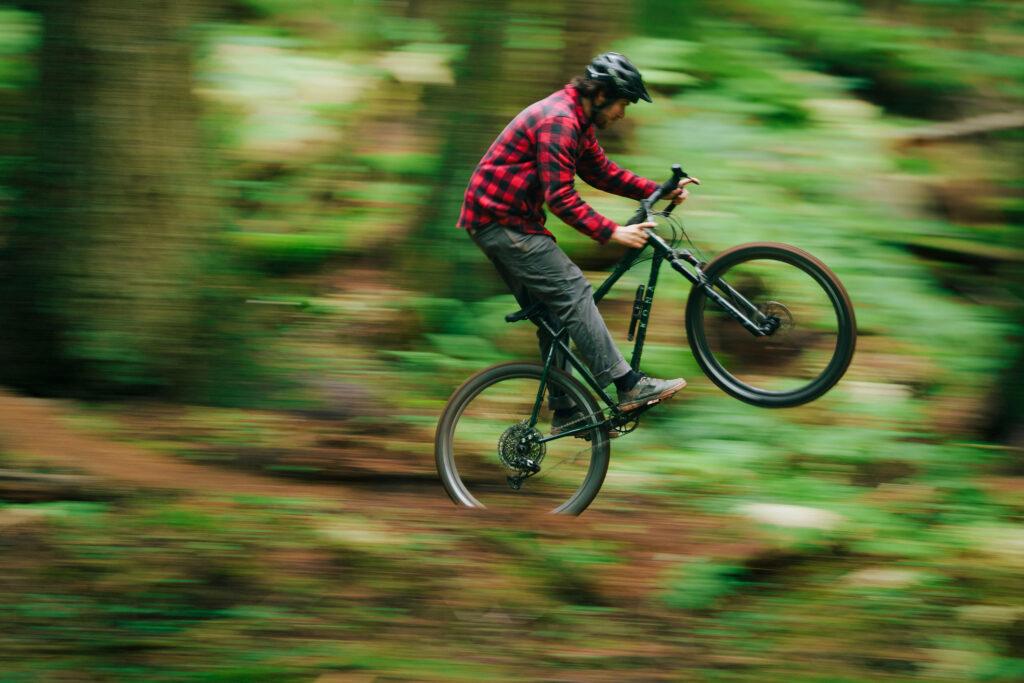
On a smaller travel bike, that limit can be found sooner and is more accessible to the average rider. To some, this may be off-putting, but it can also be where a mountain bike becomes the absolute pinnacle of fun. Riding a bike towards the edge of its capability can be hugely confidence-inspiring, and I’ve only found myself riding at hero-state when aboard smaller rigs. Though that definitely says something about my skill.
But where enduro bikes, or any bike with lots of travel, really make sense in the way that they ride over proper gnar, they’re not really built to excel over much of the riding that the UK has to offer. Yes, there are some places where big travel is really useful, but those venues are usually Dyfi Bike Park and Fort William’s downhill course.
Over a lot of the terrain in the UK, these types of bikes just aren’t in their happy place. These bikes are at their best being pushed down some of the most progressive terrain known to mountain biking, and when they’re not, their downsides come clear. They can become sluggish and wallowy, and often, riders will just be pedalling around a lot of weight and equipment that they just don’t need.
That’s where the humble, and perhaps not as glamorous, trail bike steps in. In fact, even modern cross-country bikes are pretty fit for purpose, if set up correctly.

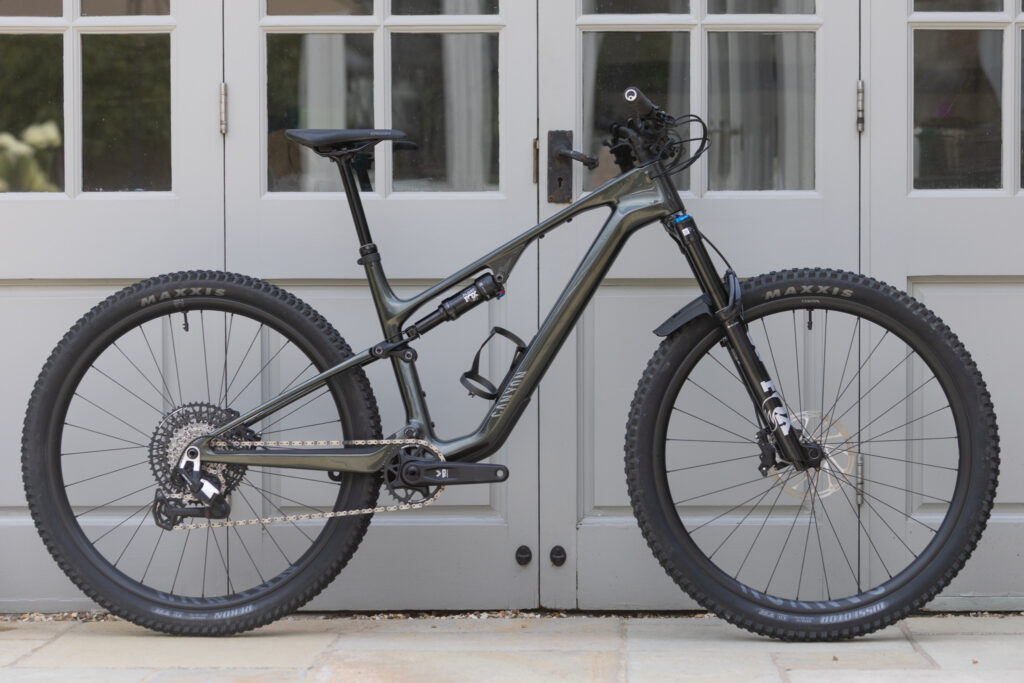
The modern trail bike is where mountain biking’s real engineering is found, I reckon. These bikes are more modest in travel, but they’re getting incredibly capable, and they’re the peak of MTB versatility. A great example is the Santa Cruz Tallboy I reviewed earlier this week. That’s a 130mm travelled machine. Alongside that, I’ve been riding Santa Cruz’s 150mm Bronson on a long-term basis. But owing to its geometry and well-designed suspension kinematic, the Tallboy really treads on the Bronson’s toes in the descending department while being easier on the pedals and richer in ride feel.
Admittedly, this isn’t a small-travel trail bike compared to a big-travel enduro bike, but the sentiment’s there.
Trail bikes are then much easier to pedal around because they’re lighter, and their suspension has been designed to promote a more solid platform to pedal on. Then, their frames may not be as excruciatingly stiff; thus they can a little kinder on the body when tackling techy trails.
There’s one key downside though. That level of comfort and forgiveness that comes with masses of travel is definitely lost when that travel is reduced. Bikes of smaller travel figures aren’t as forgiving when mistakes are made. Tip a trail bike into a corner slightly wrong, pull the brakes too hard at the wrong time, or land a drop into the wrong kinds of roots and you’ll definitely know about it.
But something that really draws me to mountain biking is the constant pursuit of self-improvement. As a big bike can let the rider get away with murder, smaller bikes require more finesse and a better considered approach to riding. If you like to plow through everything with reckless abandon, that’s definitely a downside, but should you be plowing through everything?
As with flipping everything in cycling in general, bike choice is horses for courses. Enduro bikes make the most sense when navigating horrible terrain at warp speed, but then, you might enjoy their forgiving nature or just want the easiest time while descending.
But as I’ve gotten older, I’ve come to appreciate pedalling efficiency and a lightweight, manoeuverable and more fun-oriented ride. Plus, the capability that can be found in the humble trail bike has become very, very impressive. Because of that, I’d much rather be under-biked than over-biked.