



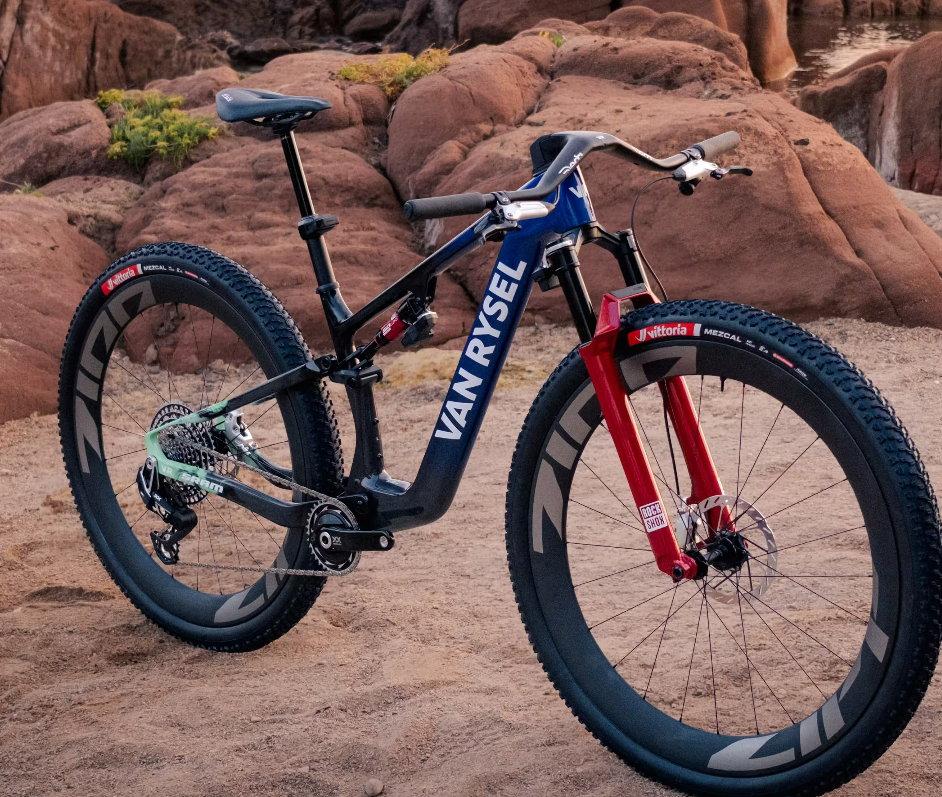
Although gravel is getting very racy thanks to the UCI finally recognising the sport and holding the Gravel World Series, the genre is still drawing from its mountain bike side. Suspension forks and dropper posts are finding their way onto OEM gravel builds, but for a genre with such deep roadie roots, do these bouncy components really offer benefits, or just add extra weight?
Gravel is a super broad genre with gravel bikes creating something more reminiscent of a spectrum that stretches from proper aerodynamic race rigs through to comfortable long-distance bikes and even bikes that straddle the lines between mountain and gravel. With that, there’s no real ‘purist’ about the genre, as gravel definitely means many things to many people, and that’s what makes it so excellent.
But perhaps the most controversial components to grace gravel bike spec sheets are suspension forks and dropper posts. They come from more mountain bikey roots, which definitely raises suspicions and more claims that modern gravel bikes are just old-school mountain bikes. While there is a point there, would you rather ride an elastomer-sprung bike or a modern air-sprung and rebound adjustable fork? It’s much like rim brakes vs hydraulic. I digress…
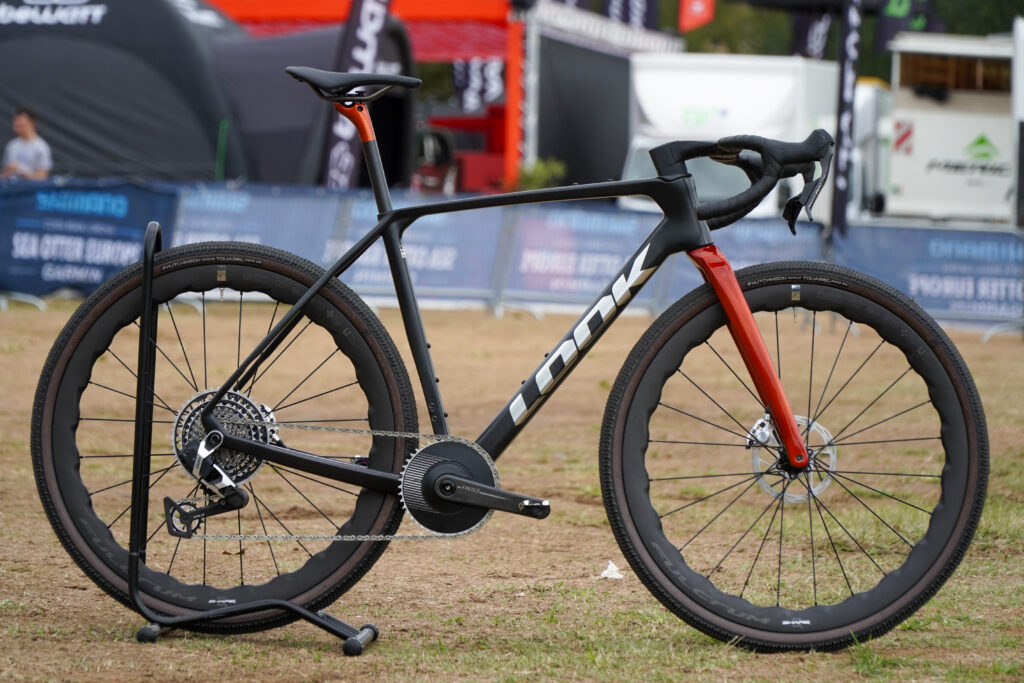
We’re seeing more of both on modern gravel, though. Take Canyon’s most recent Grail, for example. That dons a DT Swiss fork, and that’s a bike that’s pointed more towards the racy end of the sport.
The benefits of a suspension fork
At the end of the day, a gravel bike is an off-road-going machine, for the most part. With lumpy and uneven terrain littered throughout the UK’s gravel tracks, it just makes sense to equip your bike with something that’s designed to absorb the chatter.
This is where suspension forks for gravel bikes make loads of sense. Most of the time, they’re adjustable for your weight and to speed up or slow down the rebound damping, so you can tune most suspension forks for your style of riding.
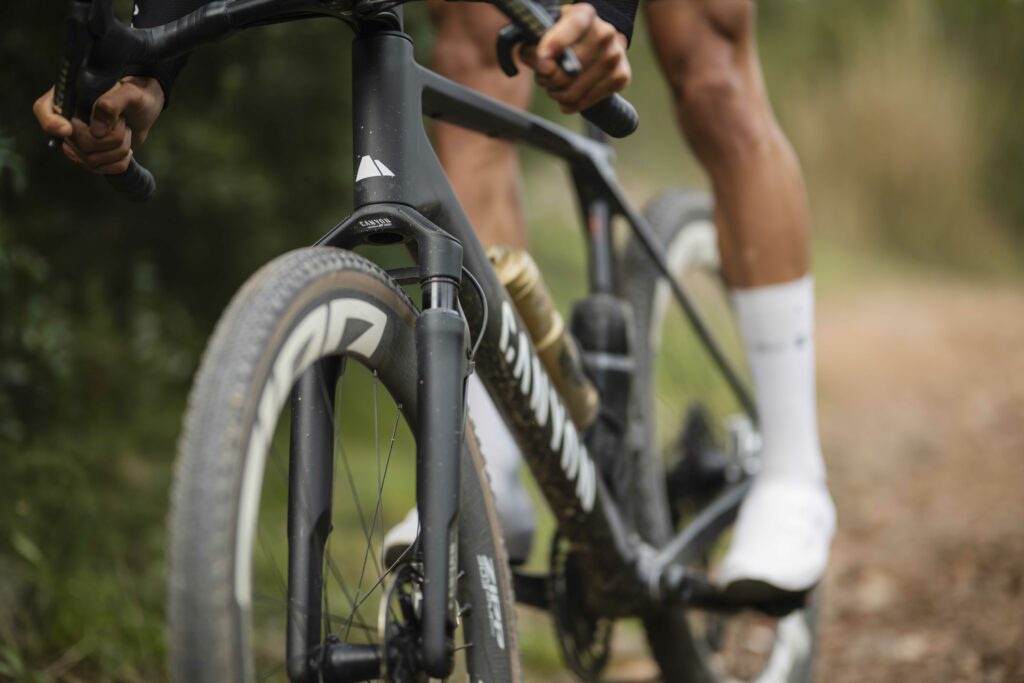
Then, as they allow the front wheel to move with the terrain, rather than against it, suspension forks boost comfort significantly. When things get serious, more comfort means less fatigue later in a ride, and when gravel’s bumps are often high-frequency, that’s a serious positive.
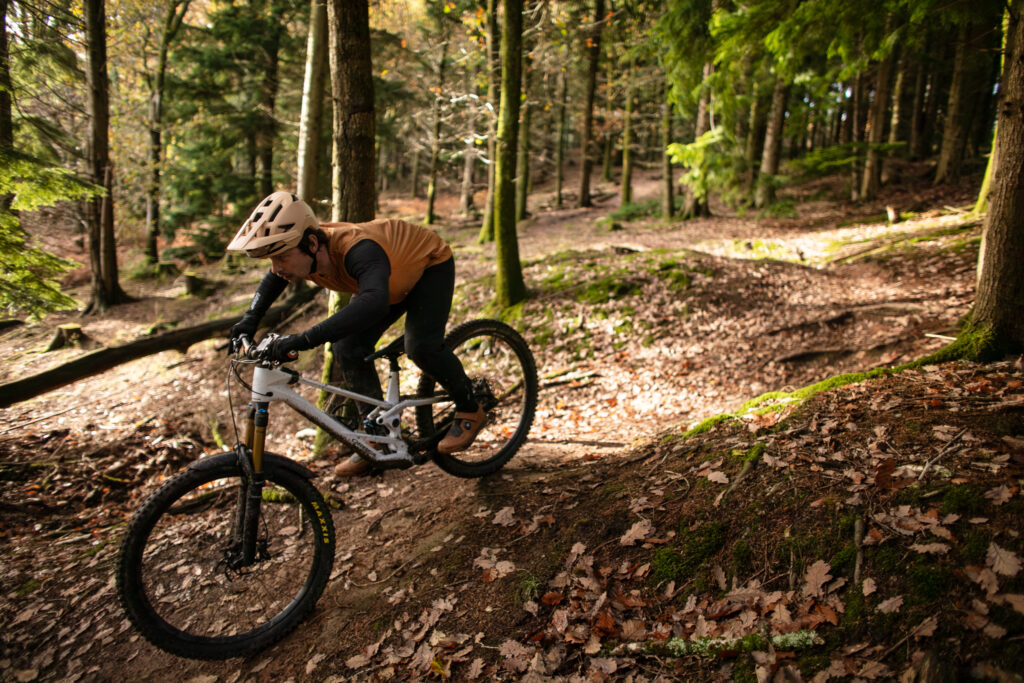
But suspension forks are about a lot more than just comfort. Again, as they move with the terrain, they produce more front-wheel traction. More traction means faster and more confident cornering, and more braking power before the wheel locks up.
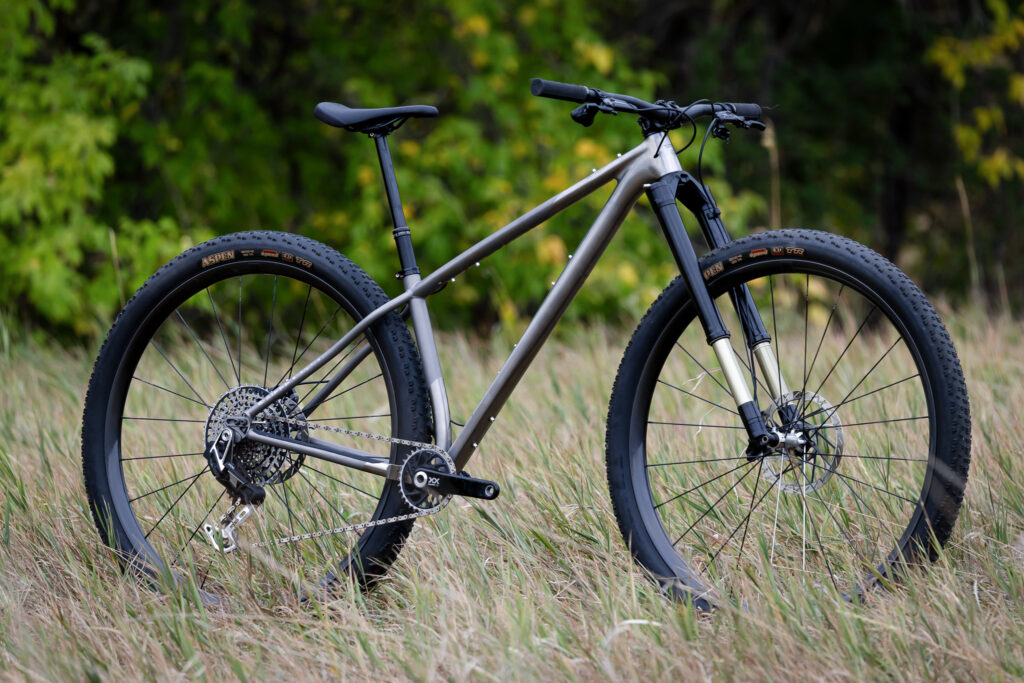
For gravel, suspension forks come in a few shapes and forms, with the most common being telescopic, which is a similar build to what you see on mountain bikes. Generally, they come with only a bit of travel, from 40mm up to 60mm, however, we have seen some gravel bikes equipped with 100mm cross-country MTB-type forks.
Then there are outliers like Lauf’s True Grit fork. It’s built of carbon and uses carbon leaf springs to produce around 30mm of travel. That travel isn’t adjustable, but the system saves a bunch of weight compared to traditional designs.
I’m a firm believer that a suspension fork can make your gravel bike faster, as it stops you from battling low-level chunk, makes for a smoother and more comfortable ride, while improving traction. They’ll also improve rolling resistance, as the front wheel can move over a trail obstacle, rather than hang up on it. Although I’m sure many will disagree with me there.
Dropper posts might make more sense than suspension forks
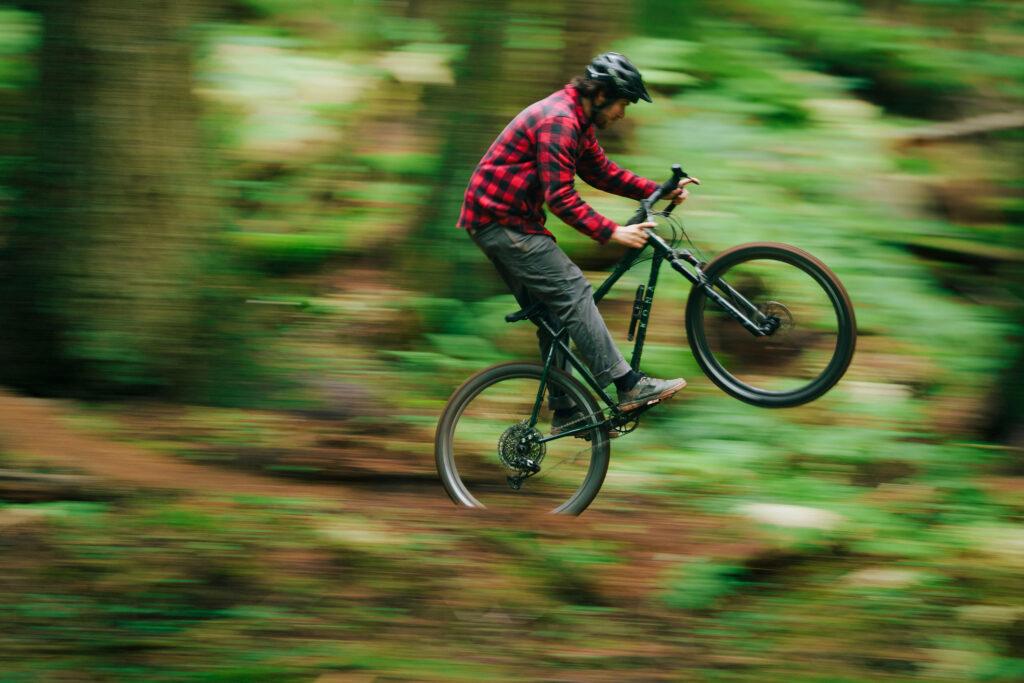
In fact, you’ll see dropper posts on OEM builds much more frequently than you might suspension forks. Dropper posts are wonderful things that have become standard on nearly all kinds of mountain bikes. At the push of a lever and a press of some weight, they drop your saddle well out of the way, offering up more room for maneuver over the bike and potentially some aero gains.
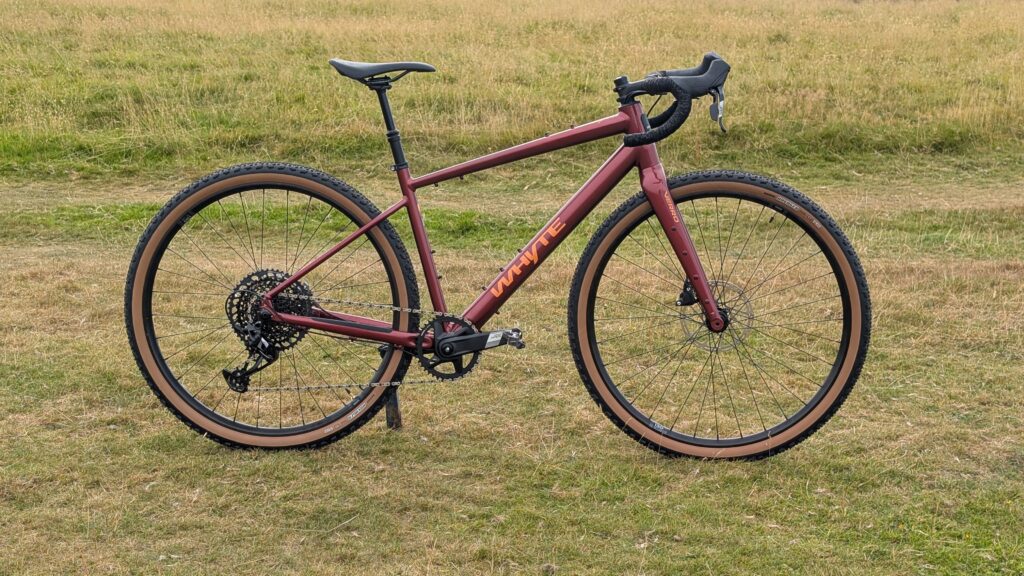
Being able to lower your saddle on the fly brings benefits that are tough to ignore. With the saddle lowered, you’ll be able to lower your whole body, and drop your centre of gravity. This can help deliver a more controlled character to your bike while descending, while allowing your legs more freedom to absorb bumps at the rear wheel.
Then, there’s more room to move around on the bike. When cornering, your saddle doesn’t need to be right up against you with a dropper post, so you can throw in more lean angle, and move fore and aft over the bike with ease.
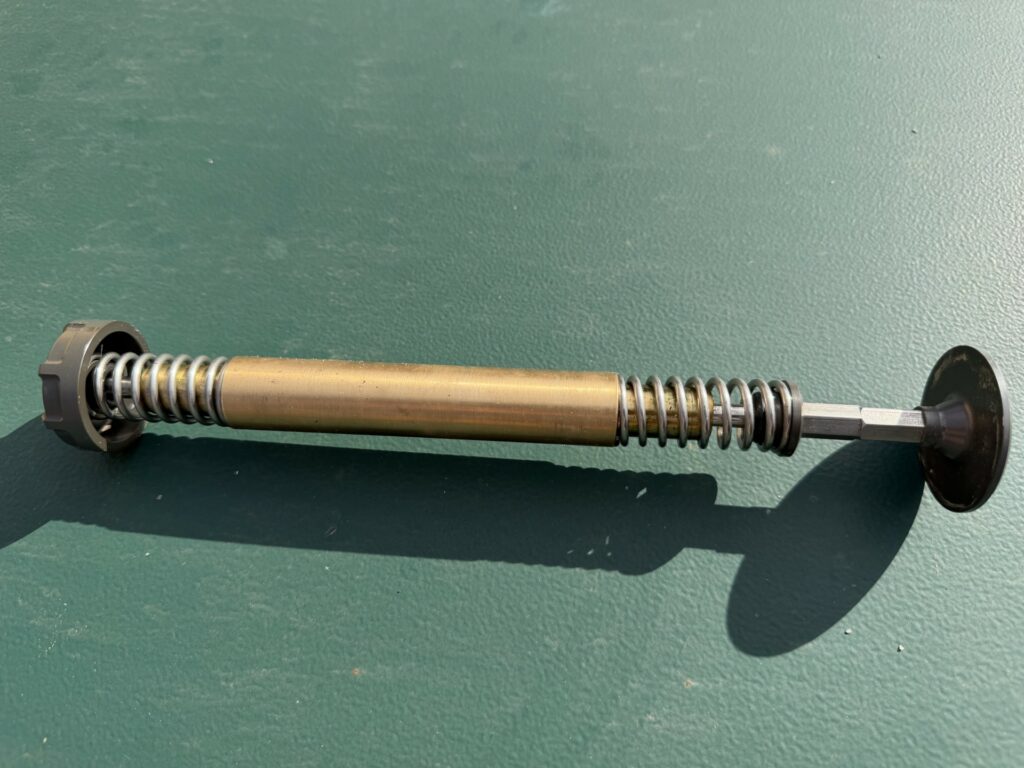
Some dropper posts even come with fancy technology, like RockShox Reverb XPLR, that introduces a bit of squish to the post when dropped slightly. This acts very much like a suspension seat post, so there’s potential for even more comfort.
The downsides of a suspension fork and dropper post
While all of that sounds rather good, there are some key trade-offs when bolting a suspension fork or dropper post onto your gravel bike. The most notable is weight. There’s a lot going on inside these bouncy items to make them work: more componentry, oils and seals. There’s a lot more aluminium used in their construction, too.
All of that simply weighs more than your standard, rigid components, which are typical on most gravel bike builds. Even that Lauf fork adds some weight.
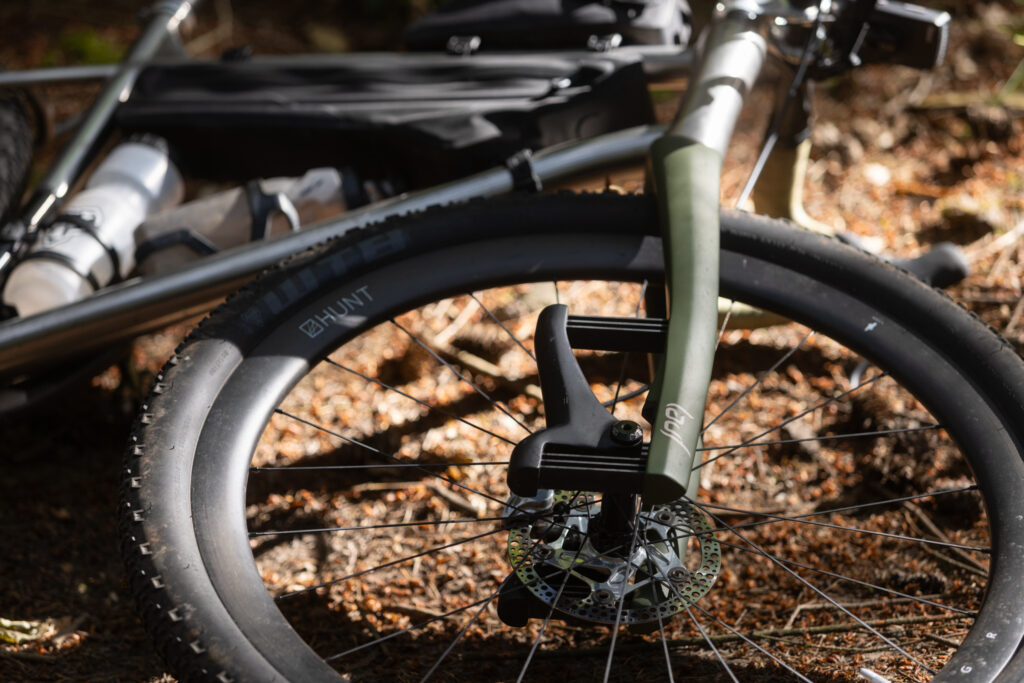
Another is maintenance. With all of the gubbins inside of a suspension fork or dropper post that are designed to keep them moving freely, it all needs looking after. Suspension forks need lower and full services, while dropper posts need servicing, too. All of this maintenance is then best done after specific time intervals. If your idea of gravel means as little maintenance as possible, these components aren’t for you.
There are a couple of more serious downsides that are specific to suspension forks. Firstly, they typically use a longer axle-to-crown measurement, so they won’t fit all gravel bikes without affecting their geometry. Bolting a bouncy fork onto a bike that’s not built to accommodate one will raise your stack and bottom bracket, while slackening the head and seat tube angles. That’s not ideal.
Another downside is that as a suspension fork compresses and extends, it can affect your bike’s dynamic geometry. When the fork sinks into its travel, it’ll steepen the angles and bring your handlebar closer to the ground, pitching weight forwards. On most gravel-specific suspension forks, this isn’t much of an issue as there’s not much travel to play with. But if you’re adding a mountain bike-type fork, or one with more travel, you’ll notice this effect more.
Does proper tyre choice matter more than suspension?
Proper tyre choice is key whether or not you’re running a suspension fork. Riding slick tyres in the wet, for example, is a recipe for disaster. And a suspension fork will not completely make up for that lack of traction.
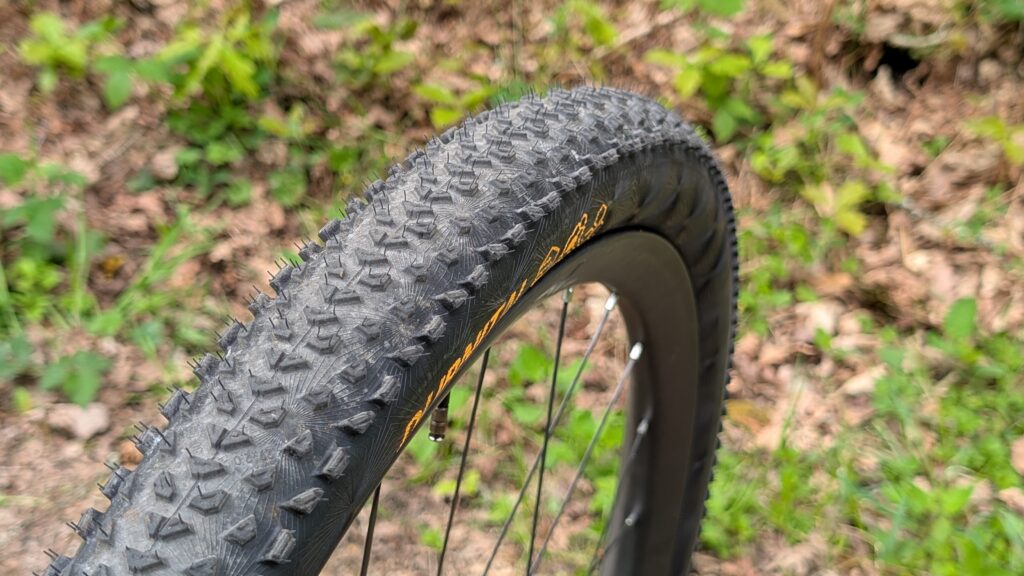
But modern gravel bike tyres are moving in a great direction. They’re getting wider, which means that riders can inflate them to lower pressures to revel in more traction and comfort, while reducing the risk of punctures.
Though, most suspension forks provide a bunch of adjustments that just cannot be achieved with tyres, and they work very differently. Adding a suspension fork to a well-chosen tyre setup will just improve performance, but at the expense of extra weight, of course.
Whether or not one matters more than the other isn’t really a conversation in my books. Rather, a suspension fork can supplement and bring advantages to an already excellent tyre choice.
Is there a benefit to gravel bike suspension and dropper posts?
The short answer is yes, but as with everything bike-related, they’re not without their compromises. If you’re looking for a more capable, comfortable, and potentially faster gravel bike, adding these components is one way of achieving that.
However, they add weight and complexity, and that’s just not ‘gravel’ to a bunch of people. That extra performance benefit of these components may not be enough to balance out the cons for some, and with the maintenance they require to work properly for longer, that does mean you’ll need to spend more money in the long run.
Pros and cons aside, suspension and dropper posts might not fit into everyone’s idea of what gravel should be, and I get that. Maybe gravel is simplicity, or a more ‘pure’ experience of feeling every imperfection through the bike, or being one with the trail. Thankfully, these products do exist for those who want to try them but as with everything, you don’t need to invest in them to have a great time on the bike. And sometimes, depending on your terrain, they’re just not necessary.








10 thoughts on “Do gravel bikes really benefit from suspension and dropper posts?”
Don’t care. Please remove this from ROAD CC – not relevant. You’re just padding out content.
You’re commenting on an ‘offroad’ article. I think the complaint might be better framed as ‘don’t link it from the road.cc homepage’.
Or just don’t read it (said pot to kettle, as I’m in the ‘don’t post Tour spoilers’ camp)
As someone that is fortunate enough to be riding road, gravel and MTB regularly, I’m not fussed where the article is linked.
The dropper post was transformational for my MTB riding & even last night on a gravel ride on some more “steep” (ish) rooty stuff it was one thing that I thought I’d like to have had available. But then again, I ride my gravel bike because basic offroad riding is more fun on a drop bar, suspension-less machine, it just creates more smiles than you get even on a hardtail in similar conditions where you can be over biked (just my opinion, others are available).
I can see why you might want suspension, but then why not just buy a hardtail MTB? All depends on your riding requirements & preferences I guess. Either way, being on two wheels on & offroad is fun, so it’s all good.
@Surreyrider Stop padding out your comment count.
Gosh, comment counts, remember them?
@Surreyrider But your clicks and comments are such a great help!
You know the article has gone live when Surreyrider arrives to explain why it shouldn’t be on road.cc.
Is there a sweepstake at road.cc HQ, where the staff member who nominates the closest minute to the timestamp of the first “off-road feature on road.cc” comment to be posted wins the pot?
“I’m a firm believer that a suspension fork can make your gravel bike faster, as it stops you from battling low-level chunk, makes for a smoother and more comfortable ride, while improving traction. They’ll also improve rolling resistance, as the front wheel can move over a trail obstacle, rather than hang up on it. Although I’m sure many will disagree with me there.”
The traction bit is a very bold statement that only holds true on a perfectly tuned suspension (most are not). Drop tire pressure by 0.3 bar and the effect in that respect will be the same, minus the weight penalty.
If suspension makes gravel bikes faster, how comes that companies like Canyon, Rose, Pinarello….who invest millions in research don’t bolt suspensension forks on all their gravel bikes?
@Xenophon2 Tyres aren’t necessarily tuned components. While some constructions will offer more comfort and traction than others, the rebound is pretty much what you get and is dictated somewhat by the pressure. Adding a suspension fork just adds an extra layer of cush as long as it’s inflated properly, ignoring the Lauf True Grit for a sec, which doesn’t need a setup. If people are willing to fiddle with dials, then there’s more adjustment.
Canyon caught many, many eyes for releasing a Grail with a DT Swiss fork; it also has a Grizl model or two with a suspension fork, Trek released the CheckOUT, and Pinarello released that Grevil MX. So brands are picking up on it, but having spoken to a brand or two about speccing gravel bikes with suspension, I gather that the main reason why they’re doing so slowly is consumer reception – many people don’t like it, and fewer will put down the cash for a bike equipped as such.