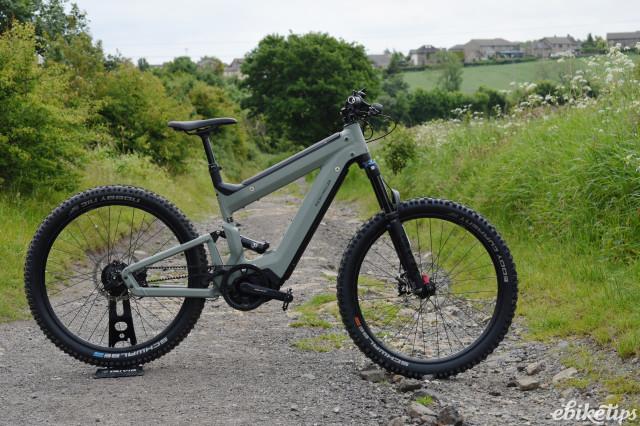
Riese & Müller has halted shipping its electric bikes to the United States due to import rules placing a 50 per cent tariff on steel, one of the materials used in the brand’s e-bikes.
The German company informed retailers on Monday, industry news website Bicycle Retailer and Industry News sharing an email which suggested the brand would “take a few days to carefully evaluate this situation and its implications before proceeding with further steps”.
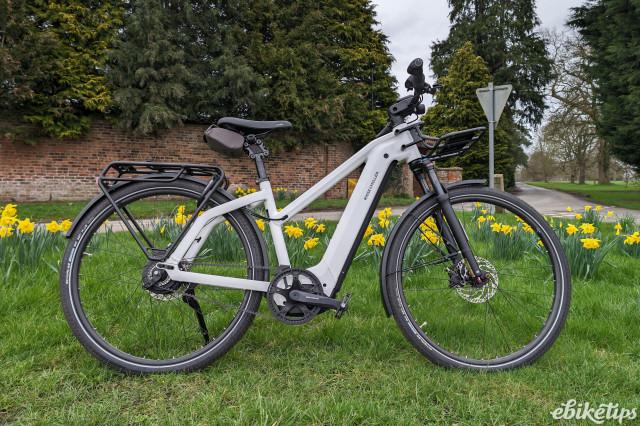
In the latest impact on the bike industry from the controversial tariffs that US President Donald Trump has imposed this year, Section 232 tariffs on steel (used in various bikes and other cycling products) see a 50 per cent tariff imposed on products imported from most of the world, or 25 per cent on those imported from the UK. This tariff stands unless it was melted and poured in the US and assembled elsewhere, something not applicable to the material used for Riese & Müller’s bikes.
Consequently, the brand has asked retailers to hold off on “daily orders for just a few days until we share the next steps.”
Last week, the bike industry was said to be on hold due to the ongoing uncertainty around Trump’s controversial tariffs, a new executive order now signed to extend the pause on tariffs on Chinese goods, an extra 90 days now cited for negotiations between the two countries to hopefully avoid a return to the 145 per cent rate seen earlier in the year.
In the interim the tariff will be 30 per cent, until the start of November, while China’s reciprocal tariff on US goods will stay at 10 per cent.
Last month, PeopleForBikes warned the US bike industry may not recover from the “devastating consequences” of Donald Trump’s controversial tariffs until 2030.
“Many of our CEOs say in their many decades of experience, they’ve never experienced a time like today,” chief executive Jenn Dice said.
Canyon’s chief executive Nicolas de Ros Wallace also said that demand in the US was “slowing down” and that the company had reviewed its growth plans as a result, with some product meant to be shipped to the US now diverted to other regions.

Trump’s economic policy remains a source of frustration for many across the bike industry, with the situation unpredictable. In June, Lauf Cycles became the latest bike brand to add a Trump surcharge due to “extraordinary tariffs” on imported components.
In May, reports suggested that BMC was set to slash a quarter of its workforce, the brand blaming tariff uncertainty for having influenced the decision. Likewise, high-end bike component brand Rotor recently closed its US office.
The impact of Trump’s tariffs on business has been the big talking point in the bike industry this year, numerous brands such as Trek, Specialized and Giant raising prices in the US as a result.
In April, Brompton boss Butler-Adams called the tariffs “naive”, with the folding bike brand’s US prices also likely to rise.
Silca sold out of its new electric pumps almost instantly, the brand blaming the “global tariff issues” for the product being “not currently economically viable” in the US, meaning that just 100 would be available to its American market.

Meanwhile, a trade association representing the cycling industry in the United States has also claimed that the tariff trade war could lead to bike helmets becoming less affordable, leaving children “unprotected from potential injury”.