



High-end crankset and power meter manufacturer Rotor has announced that it will close its North American subsidiary in June, citing the ongoing “insecurity” surrounding Donald Trump’s tariffs as the key factor behind the decision.
Launched in 1994, the Spanish brand is perhaps best known for its non-round Q-Ring chainrings, used by a number of WorldTour pros, while also branching out to manufacture cranks, power meters (including its dual-sided 2INPower model), stems, and seatposts.
Rotor, which continues to manufacture most of its products in Spain, established its US office in Salt Lake City a decade ago, but says the recent and continuing uncertainty surrounding President Trump’s global tariffs have forced them to close the branch’s doors from 15 June.
Unveiled at the start of April, the Trump administration’s controversial so-called ‘reciprocal’ tariffs aimed to revitalise American manufacturing and counter what the US president views as unfair trade practices inflicted on the United States – by imposing additional taxes on imports from the vast majority of other countries.
The so-called ‘reciprocal’ tariffs, which are currently in the midst of a 90-day pause, have dominated discussion in the cycling industry, especially due to the hefty rates imposed on several nations in the Far East, the manufacturing focal point of the global bike market.
The European Union, however, is also facing a 20 per cent tariff on goods imported to the US, on top of a 10 per cent baseline rate and an additional 25 per cent tariff on aluminium and steel products.

And, as American cycling campaigners warn of increasing financial pressures faced by domestic businesses, Spanish brand Rotor has responded to Trump’s policy by closing Rotor America, its North American subsidiary.
The Salt Lake City-based branch will close on 15 June, with Rotor now planning to ship to US customers and dealers direct from its Madrid warehouse.
According to Rotor America Managing Director Lori Barrett, the “ongoing tariff insecurity” was one of the contributing factors behind the decision.
“I am grateful to the current US team for their professionalism in light of the difficult situation,” Barrett said in a statement.
“It’s been an honour to help develop the amazing Rotor America staff over the last decade, and I know this team will continue in to find their places in this industry.”
The company says bike shops can continue to place orders with Rotor America up until 15 June, after which all orders will be fulfilled by its Madrid team.
Rotor’s decision to close its US subsidiary comes amid a period of uncertainty for the cycling industry as a whole, with several brands and industry experts warning of the need for businesses to scale back their US operations or close entirely in the wake of the tariffs.
Over the past month, we’ve seen Trek, Giant, Specialized, and Brompton all announce that the prices of their bikes are likely to rise – or have already risen – for American customers.
Last month, PeopleForBikes, a US bike industry trade association representing 340 suppliers, manufacturers, and distributors across the country, warned that higher import costs as a result of the tariffs could force many companies either into insolvency or into mergers with rivals.
“The mood in the industry is fairly grim because we are facing a potentially existential threat,” the group’s Matt Moore said.
“Companies with better access to capital and operational advantages will raise prices to cover costs and preserve margins. Companies that cannot do that may succumb to this new trade environment.”















4 thoughts on ““Ongoing Trump tariff insecurity” to blame as high-end bike component brand Rotor shuts US office”
Sounds like a case for a mass
Sounds like a case for a mass bike ride around Pennsylvania Ave. A few thousand cyclists repeatedly circling the White House making as much noise as they can would get right up that loon’s nose. Give Trump Towers NYC and Mars-A-Largo Fl. the same treatment.
Nah, cyclists are irrelevant
Nah, cyclists are irrelevant to him since cyclists don’t increase his wealth or fluff his ego. No, the short fingered vulgarian would just send the capitol police out to intimidate and arrest folks.
That’s a pity – from the
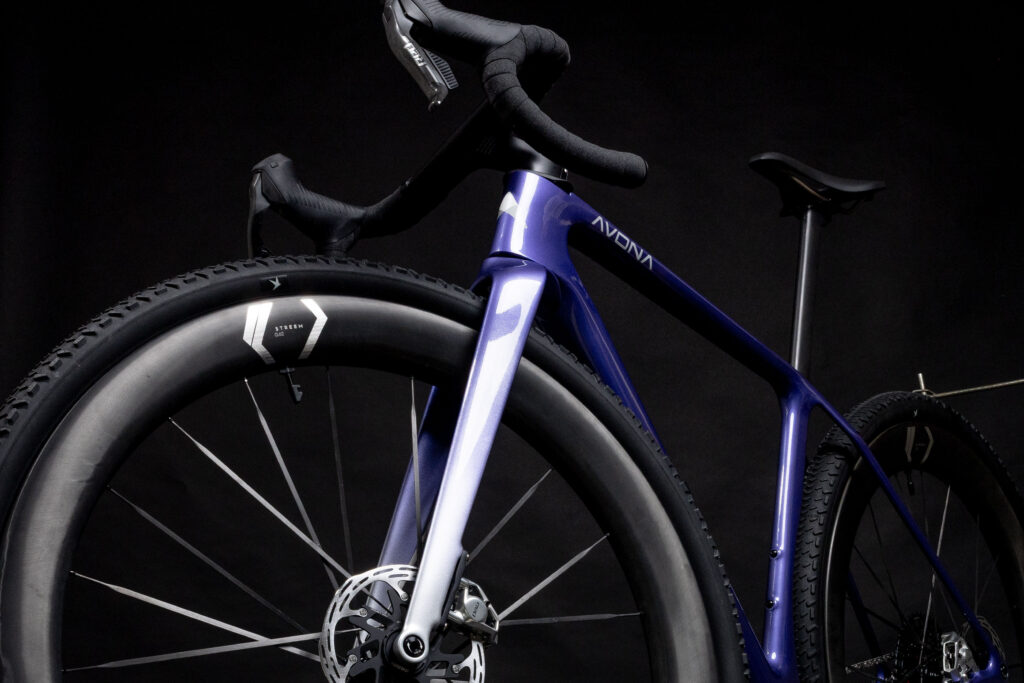
That’s a pity – from the pictured chainset * they had backed the right horse too.
* Presumably these are “Q and on!”
Quote:
Are chainrings the in thing to accessorise with this season?