


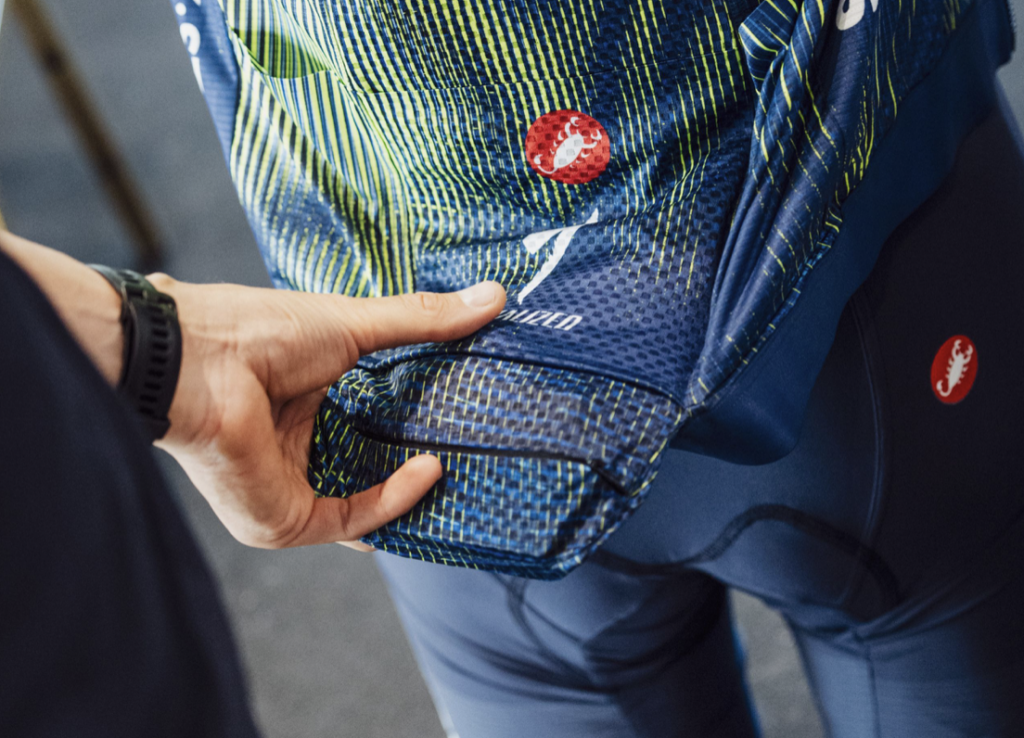

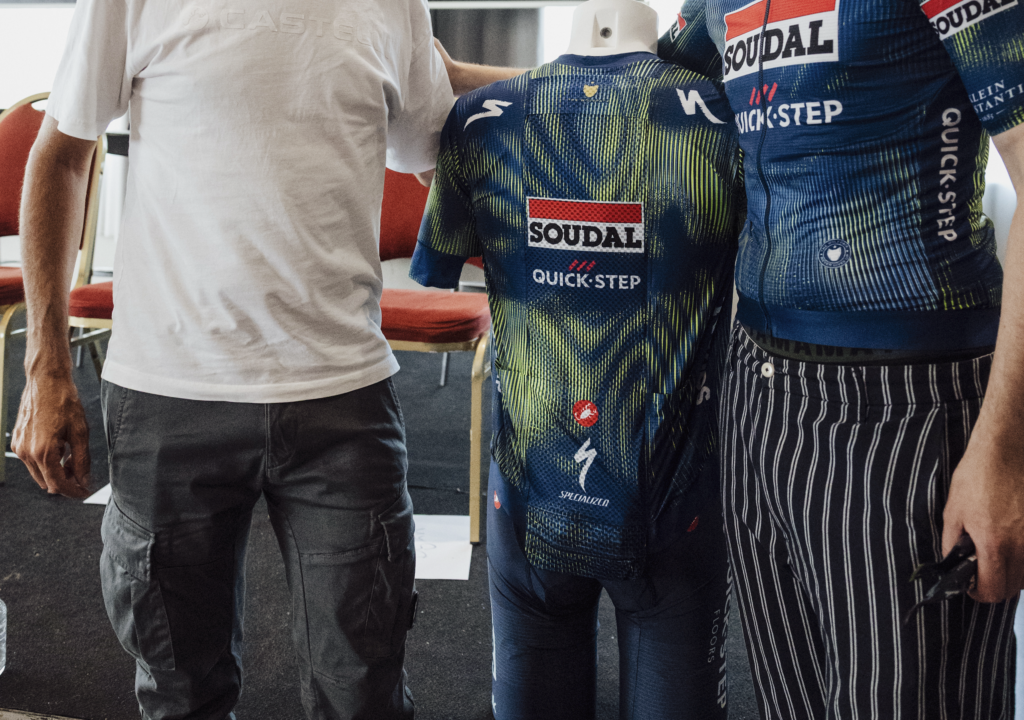
Castelli has collaborated with WorldTour team Soudal Quick-Step and Italian start-up Ragaz to develop a 70g prototype airbag crash protection system, which will be tested by the team in training and competition. Designed as a spinal protector for both elite and recreational riders, the system aims to deliver “elite-level safety” without sacrificing performance.
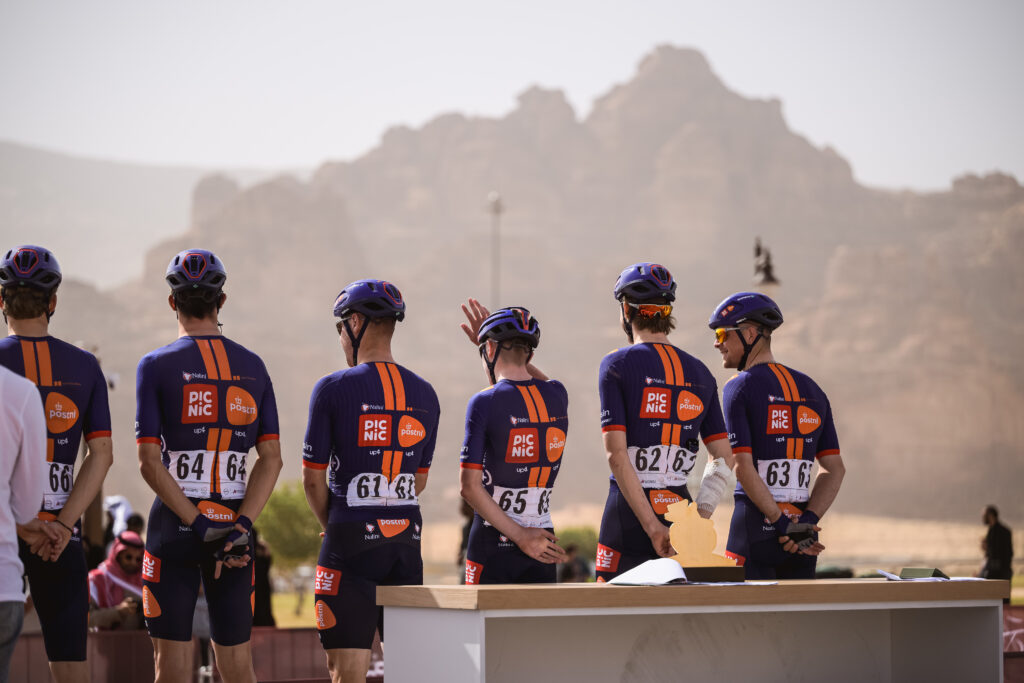
Rider airbags have attracted growing attention in recent months. At the start of the year, Belgium-based project Aerobag unveiled its safety technology at the Velofollies trade fair in Kortrijk. Developed in partnership with WorldTour team Picnic-PostNL, the system houses the airbag in a pouch on the back of the rider’s bib shorts, and the concept prompted the UCI to call for a “clear regulatory framework” governing the future use of airbag systems in the professional peloton.
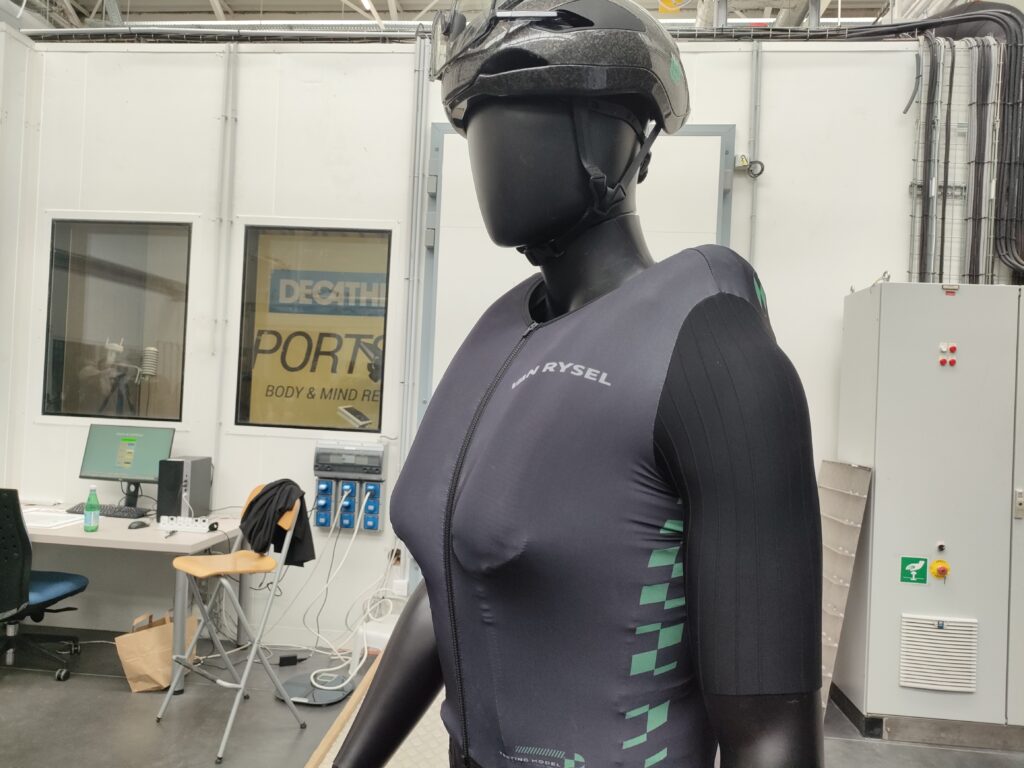
More recently, Van Rysel unveiled the first fully integrated airbag skinsuit, which it believes could be worn by the WorldTour peloton in races as early as next year.
Now, Castelli has partnered with men’s and women’s WorldTour teams Soudal Quick-Step and AG Insurance Soudal, as well as Italian start-up Ragaz, to develop what is describes as a “revolutionary” cycling airbag system designed to make the sport safer for riders at every level.
With airbags seemingly on their way to the professional peloton, the UCI said it is already in contact with “several players in the sector”, but wishes to “broaden the initiative to the greatest number possible of manufacturers and institutes working on the development of airbags and technical apparel for cyclists”.
Rather than protecting the entire upper body, the system focuses on the spinal column, aiming to reduce bulk while offering targeted protection in the event of a crash. Castelli says this approach has “ensured the prototype integrates seamlessly into high-performance cycling apparel while maintaining the comfort, freedom of movement, and aerodynamics required in elite competition.”
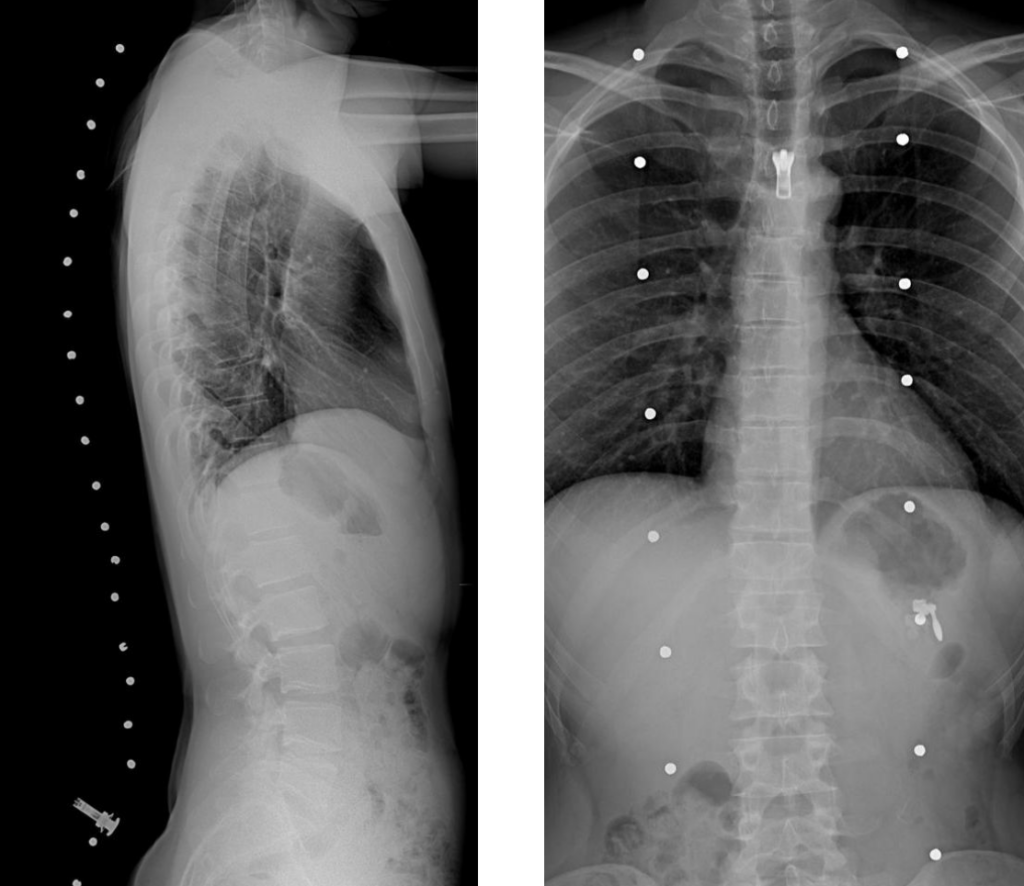
The solution developed by Ragaz and Castelli is described as the first with the right dimensions for professional cycling, aimed at protecting a key area of the athlete’s body while remaining suitable for elite competition. “We look forward to contributing to its development and wearing it during training and competition,” says Soudal Quick-Step CEO Jurgen Foré.
The announcement was made ahead of the Tour de France, although there are no specific claims that the system is currently being tested during the race.
In terms of weight, Castelli says its prototype is “ultra-lightweight”. While Van Rysel’s integrated airbag skinsuit weighs a claimed 700g, Castelli’s system comes in at around 70g – roughly one-tenth the weight, or about the same as two energy gels, according to the brand. The teams say the “highly practical, unobtrusive design” is intended to encourage widespread adoption.

The system sits beneath the jersey pockets in a compact unit housing a battery, enabling inflation in around 200 milliseconds. Castelli also says it is easily rechargeable and can be fully removed for “hassle-free” washing.
Ragaz has also incorporated an anti-misfire feature, including controlled automatic deflation so that an accidental activation doesn’t leave the rider restricted.
Further testing and refinements are underway. For more information, head over to Castelli’s website.










17 thoughts on “Castelli’s new prototype crash protection system weighs the same as two energy gels, and could soon be used on the WorldTour”
That sounds like a great commercial gimmick that doesn’t solve the core issue – why is there so many crashes in the pro peloton?
Hereunder info was put together by Leo, Brave’s AI agent:
Top 5 Most Frequent Injuries in Pro Cyclists (Post-Crash)
Based on the most comprehensive data available from professional road cycling studies (including the 2024 “Beyond the Finish Line” study and meta-analyses of IOC consensus data), the top injuries sustained after a crash are:
1. Abrasions and Lacerations (Soft Tissue Injuries)
Abrasions are consistently cited as the most common injury type in professional cycling crashes. While often less severe than fractures, they occur with the highest frequency due to the nature of sliding on asphalt.
Context: These frequently affect the limbs (arms and legs) and torso. In high-speed crashes, these can become severe degloving injuries requiring surgery, but minor road rash is ubiquitous.
2. Fractures (Upper Extremity)
Fractures are the most burdensome injury (leading to the most time lost) and the second most frequent major trauma.
Specifics: The clavicle (collarbone) is the single most frequently fractured bone in pro cycling, followed by fractures of the wrist/scaphoid, forearm (radius/ulna), and shoulder blade (scapula).
Gender Note: Data indicates females are significantly more likely to sustain wrist fractures in crashes compared to males. One study noted females are 3x more likely to sustain a wrist fracture.
3. Contusions and Bruising
Deep tissue contusions are highly frequent, often accompanying fractures or occurring independently from impact with the ground, bike, or other riders.
Location: Common on the hips, thighs, and shoulders. These are often underreported in general databases but are a primary complaint in team medical logs.
4. Head and Neck Trauma (Concussions)
While less frequent than abrasions, cranial trauma (including concussions) is a critical category.
Trend: Despite helmet use, concussions remain a top 5 injury in high-impact crashes. General data shows 65% of fatal cycling injuries involve head trauma, but in pro racing, non-fatal concussions are the primary concern here.
5. Multiple Injuries (Polytrauma)
A significant portion of serious crashes result in multiple simultaneous injuries (e.g., a fractured collarbone combined with rib fractures and lung contusions).
Severity: Studies of elite withdrawals show that “multiple injuries” is a distinct and frequent category for race-ending incidents, often more so than isolated muscle strains in crash scenarios.
Gender Disparities in Crash Injuries
Recent data highlights distinct differences in how male and female pros are affected:
Incidence Rate: Some data suggests male road cyclists have a higher rate of reported injuries per athlete-day in racing (14.91 vs 0.68 in one specific dataset, though this may reflect reporting differences or sample size), while other studies show females have a significantly higher risk ratio for injury during racing compared to their training baseline (RR 11.10 for females vs 10.24 for males).
Injury Type: Females are disproportionately prone to upper extremity fractures (specifically wrists) and are more likely to require EMS transport following an incident compared to males, who more frequently receive on-site medical attention and continue or self-transport.
What is this AI vomit meant to have to do with either the story, or your question about why so many crashes occur?
@MaxiMinimalist Please don’t dirty these pages up with cut and paste from AI, if your comment wasn’t worth giving your own thought and effort to why is it worth inflicting it on anyone else? In this case, as MDF notes, it doesn’t even answer the question you asked, let alone have anything to do with the article. One wonders if this is why your comments are so often absurdly phrased, tortuous word salads with only tangential relationships to the matter under discussion, do you just ask AI to write them for you? If so, please stop it.
Having recently purchased a month of TNT, and waiting for the start of the TTT, I caught some of the men’s downhill, might have been the winner, but this lad did particularly well and decided to fall off after crossing the line. His airbag went off.
I still think a bit of aramid in the weave on hip and shoulders wouldn’t go amiss,
My greatest fear is being struck from behind while cycling. If this demonstrably reduces injuries from such an attack, I want one. Anything that improves safety gets my support.
If a pro hits the deck wearing one of these and is uninjured apart from some road rash, will he or she be able to jump back on and keep riding? Or will it be necessary to wait and change into a new jersey / skinsuit? That could be a deciding factor for their use in elite races.
@Zebra It’s in the article. The airbag can be quickly deflated again.
@Sredlums But presumably you’re going to be left with a big flap of deflated airbag trailing behind you, so your jersey will need replacing at some point (and if the UCI makes them mandatory, you’ll need a fresh air bag as well). Given that it’s not permitted to remove one’s helmet whilst in motion, this is going to involve a pretty substantial stop.
It does say that it’s fully removable for washing, so depending on how quick and easy that process is it may just be a case of whipping out the discharged one and inserting a spare into the pouch, without needing to remove the jersey.
@mdavidford But if an air bag, which presumably inflates to some considerable size if it’s going to provide any meaningful protection, goes off in a pocket of your jersey isn’t it going to rip up the jersey?
So I found a video and a picture of it inflated on BikeRumor: https://bikerumor.com/soudal-quick-step-castelli-ragaz-team-up-to-get-cyclist-airbag-into-pro-peloton/
It’s fairly low-profile, so the jersey has enough give to accommodate it without damage. However, it does look like it’s going to be difficult to remove and replace all that without removing the jersey. Unless you can swap out the activation unit separately from the bag, which might make it possible.
It also looks like it’ll give you a fair old kick in the backside when it goes off. And you’re carrying the bag in a fairly wide strip up your back the whole time, which doesn’t look great for ventilation.
NB – credit to road.cc for their commitment to cribbing other people’s content, which even extends to reproducing Velo’s closing ‘for more information see the Castelli website’ link, despite there not actually being any more information there.
@mdavidford Re: “credit to road.cc for their commitment to cribbing other people’s content, which even extends to reproducing Velo’s closing ‘for more information see the Castelli website’ link, despite there not actually being any more information there”
That seems a little harsh! Sure, there are some similarities, but surely both of them (and all the other outlets who say something very similar) have just cribbed a press release?
The more safety gear the riders wear, the safer they feel, the more risks they will take, the more often they will crash.
@kingleo So by that logic, if they’re forced to carry bottles of fulminated mercury in their pockets they will never crash? I think you just solved the problem!
@kingleo They’re only wearing helmets now for safety, so you want them to no longer wear them, to reduce crashing? Good luck with that ! ! !
While I do believe that anything that can reduce injury is a great idea, this particular device obviously needs a lot of real-world testing before it is sold to the general public, which most of the time this sort of stuff turns out to be an expensive gimmick…but one can hope this won’t be another gimmick.