



With new technologies, riding styles, and brands willing to push the boat out, mountain biking isn’t without its raft of opinions. Some divide, some unite, and the fact that we all have this breadth of choice is only a positive. I’ve written about bikes, and ridden flipping loads during my tenure as a journalist, so let me throw some opinions in the ring.
Modern XC bikes are horribly overlooked
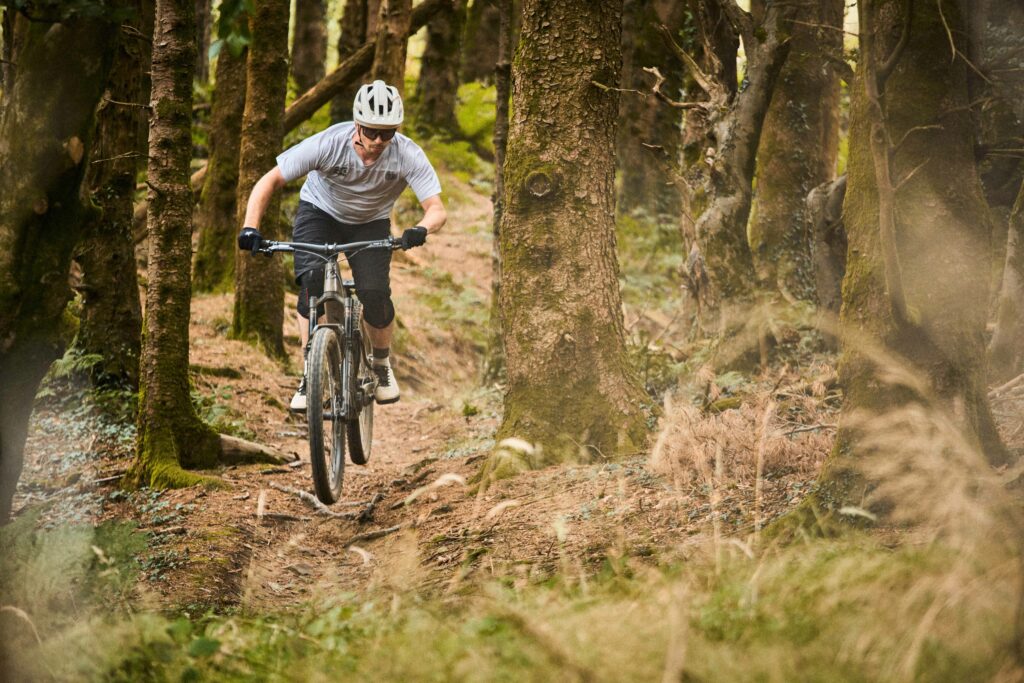
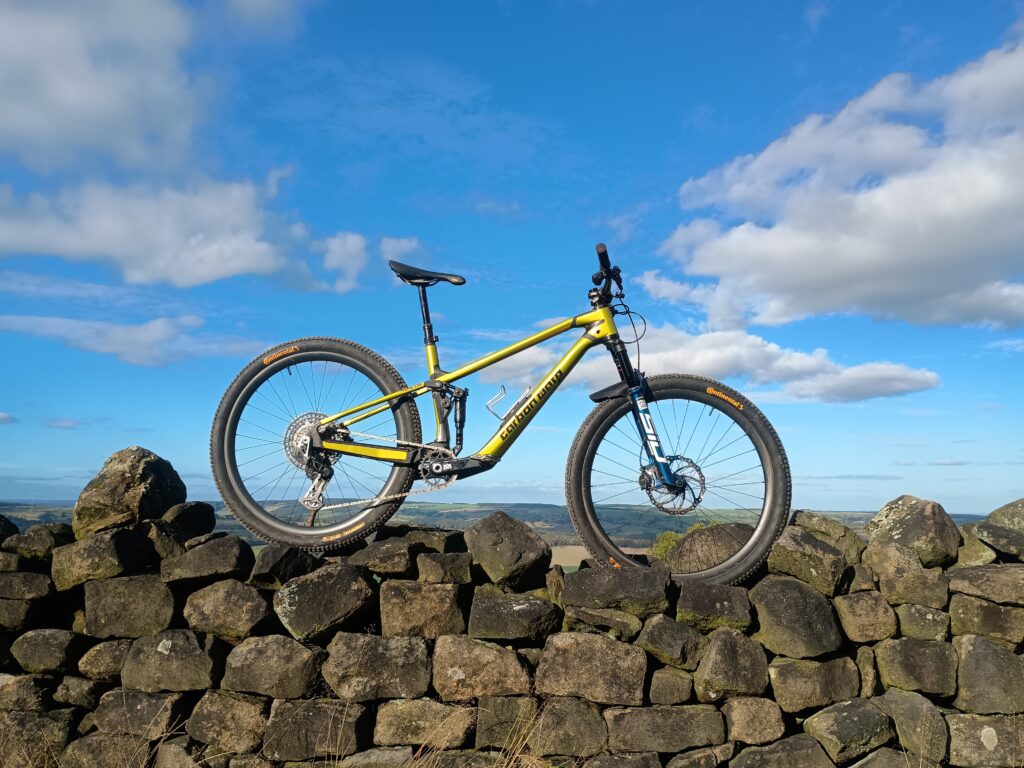
Over the years, cross-country has received a bad rap. Alright, riding about in lycra might not look all that cool, but the riding these folk are doing is rather incredible. And to be fair, older cross-country bikes could be seen as more specialist, and perhaps not as applicable to the general riding style of the masses.
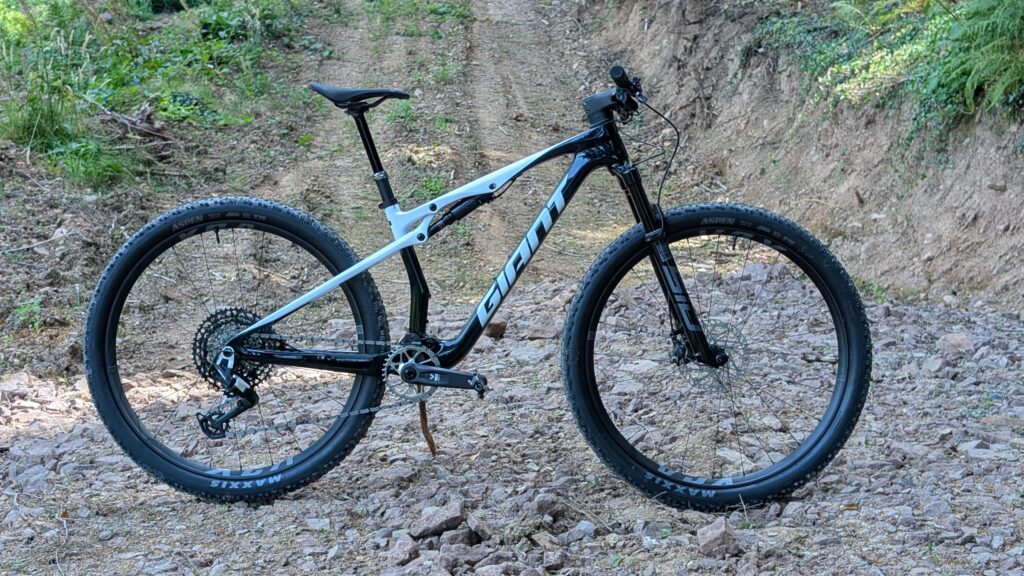
But it’s no secret that cross-country courses have gotten pretty technical. As a result, modern cross-country bikes are reflecting that in their design. We’re seeing slacker head angles, longer reaches, and more suspension travel, where XC bikes are starting to straddle the line between their perception of old and trail bikes.
But as people head to e-mountain bikes for an easier time cranking up hills, it’s easy to forget the joys of a lighter, more efficient bike. Pair this with lower-profile tyres, and these things can fly up a hill. Throw in new-style geometries and modern technologies and really, it’s pretty hard to find yourself undergunned on a current-generation cross-country bike.
Yeah, they’ll keep you on your toes a bit, but you’ll be surprised by the capability that these machines can pack.
Geometry and kinematics > suspension travel
For a long time, suspension travel has been linked to capability, and to a point, that’s certainly not a bad way to think about things, but there’s a lot more in that capability recipe that cooks up a bike that can slay descents. That’s even to the point where a smaller travel bike can descend just as well, if not better than some big travel machines.
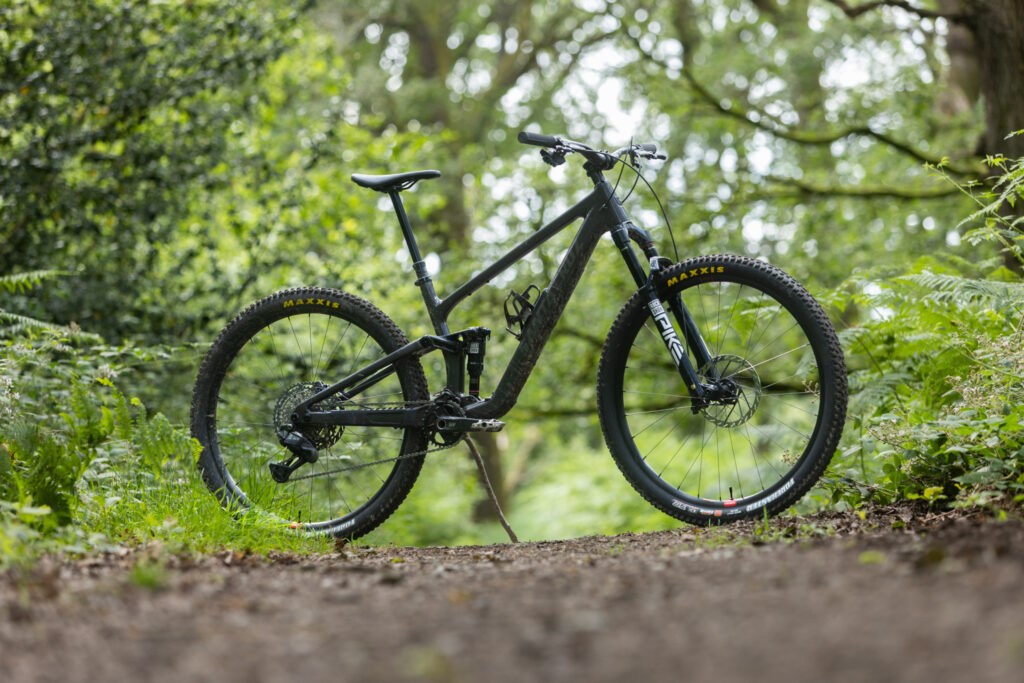
That’s because, really, a bike’s geometry and suspension kinematics play a much bigger role in making a bike capable than mere millimetres alone. A well-designed suspension kinematic can swallow up all of the bumps while making the absolute most out of smaller measurements, and sometimes, less travel can perform like more when designed correctly.
Then a bike’s geometry accounts for much of how it’ll ride. Long, slack, and low brings a huge level of stability, which I would argue is more important when tackling tech than a whole bunch of squish. Of course, many bikes out there marry the two, resulting in a bike that can iron out mountains, but then they’re not without a selection of penalties, like additional weight and a generally lethargic feel, unless they’re ridden close to mach 10.
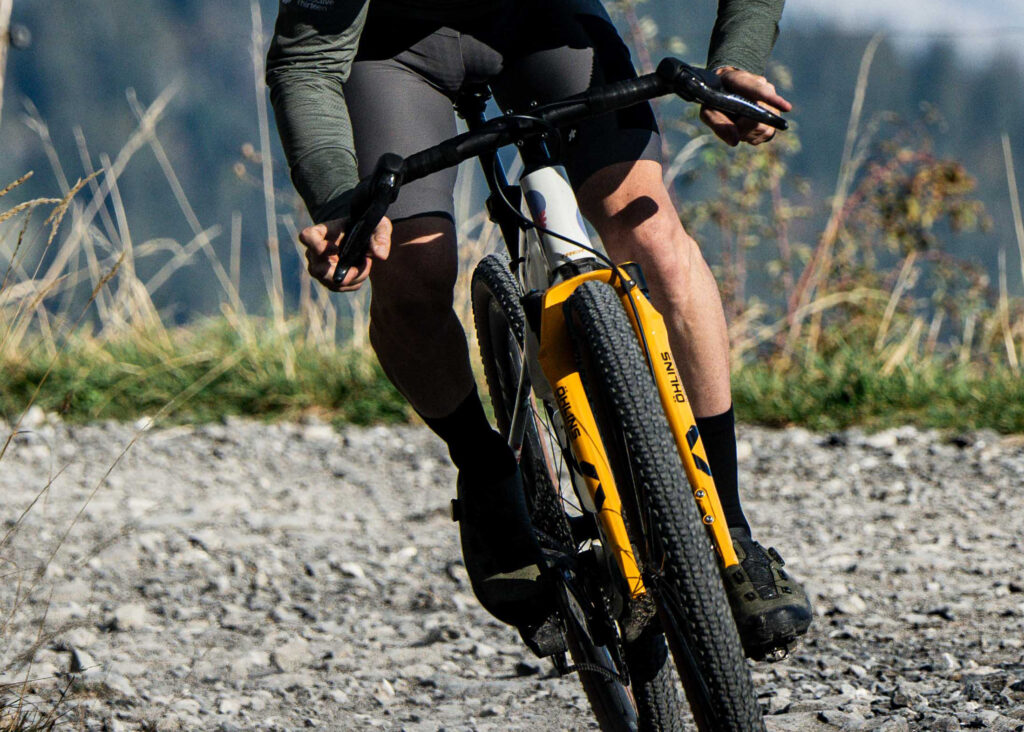
Gravel is actually pretty great
I’m a mountain biker through and through, and I’ll admit that in the earlier days of gravel’s rise to popularity, I was sceptical. Why ride curly bars and narrow tyres if I’ve got a mountain bike that can do the same thing and then some?
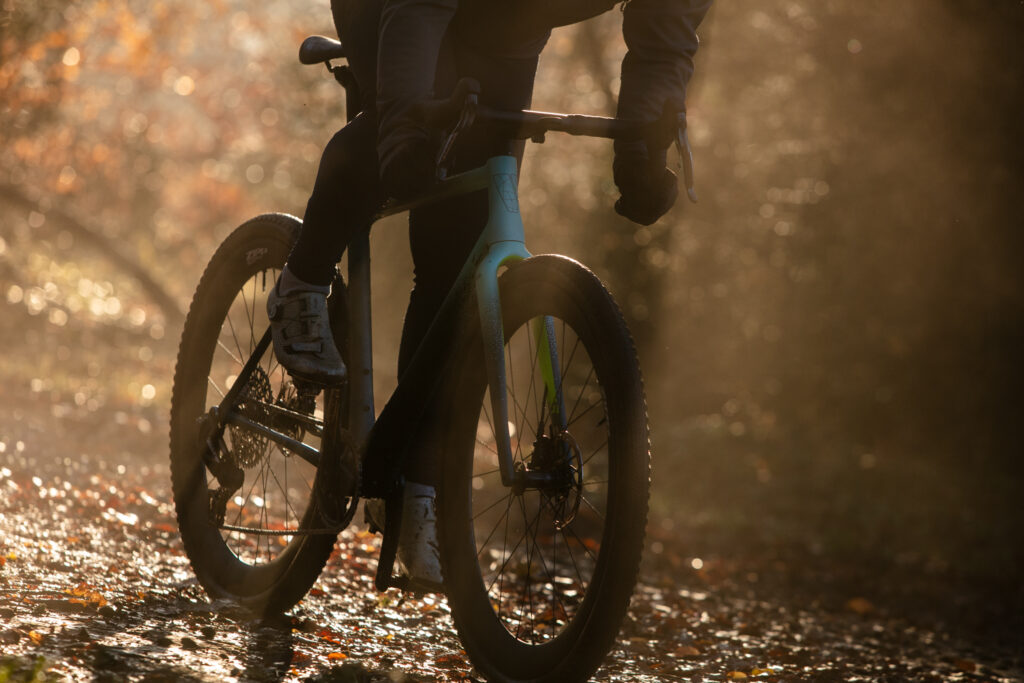
Well, it’s the whole riding style that differentiates gravel from mountain. For me, at least, gravel is about exploration, getting lost in the wilderness, and a touch of underbiking. While MTBs can definitely do that, my style of mountain biking has become a bit more winch and plummet, where I’ll find a bunch of trails, pedal up, and ride down.
Gravel takes me further in a more relaxed way that gets me in touch with the wilderness in a way that mountain biking doesn’t do to quite the degree. Plus. It’s excellent for a touch of extra fitness. Constantly turning the pedals to achieve the addictive higher speeds results in better stamina for mountain bike jaunts. Generally, the odd gravel effort is an excellent break from mountain biking.
Frame and component material doesn’t matter as much as you think
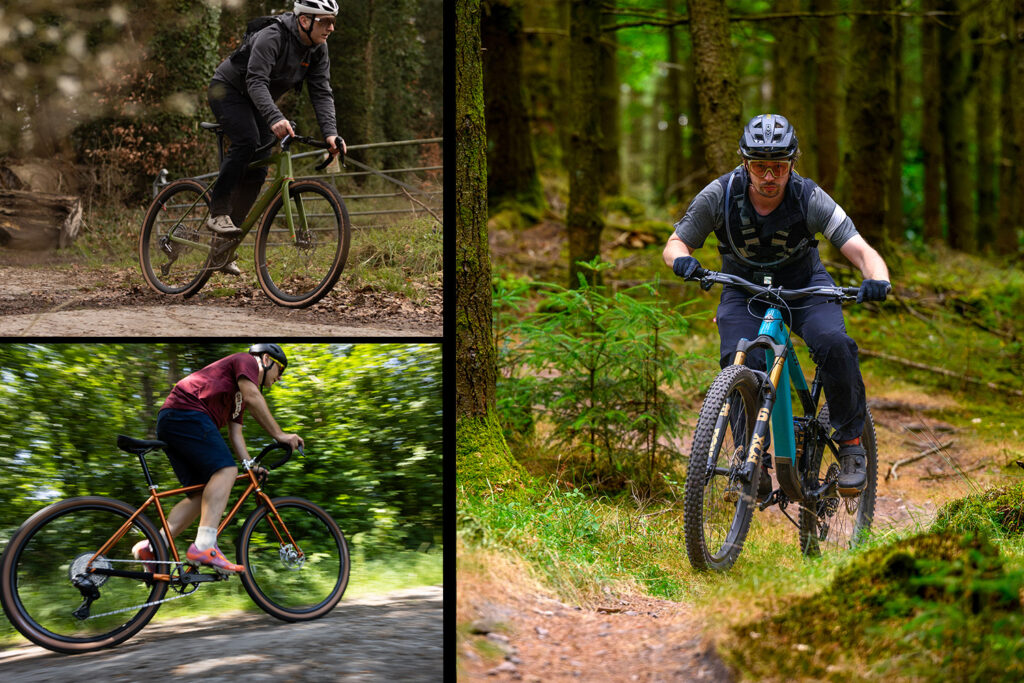
Carbon, steel, titanium, magnesium – all materials used to build frames and components, all of which do genuinely bring different characteristics to how a bike rides. But at the end of the day, the machines they’re used to create are still bikes.
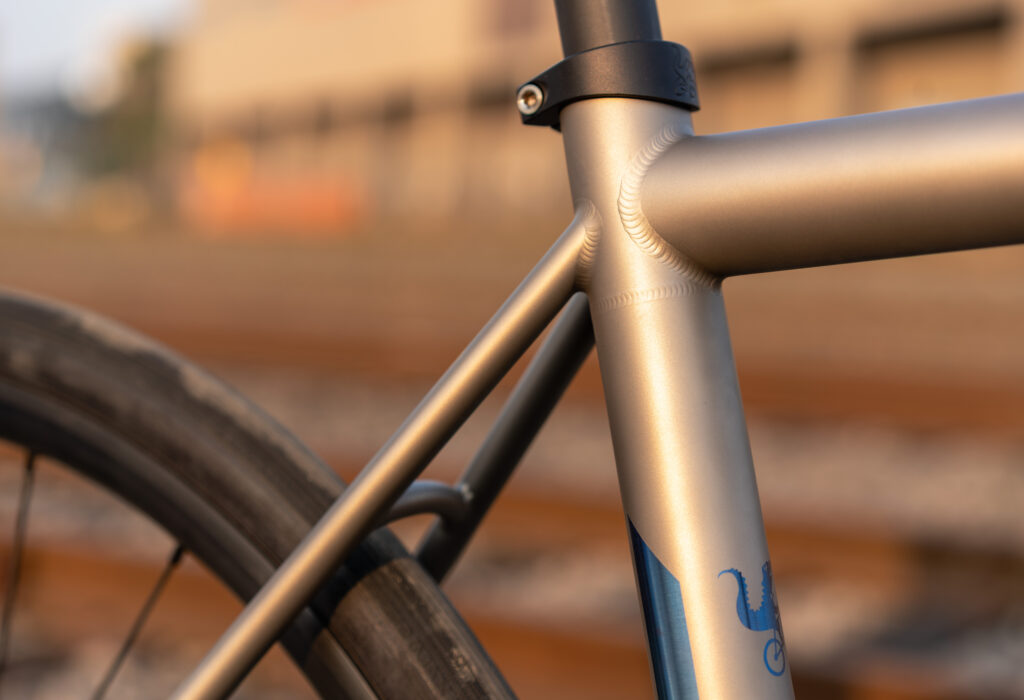
Brands can do amazing things with all of these materials. Specialized’s Epic 9 is one of the lightest mountain bikes we’ve seen in a long time, owing to the fact that it uses carbon, and Starling‘s steel frames thrive on being repairable. Carbon handlebars introduce welcome vibration reduction while aluminium brings high performance to a more approachable price. It’s all good stuff, and each material brings things to the party that others don’t, but I’m willing to bet that you won’t ride an aluminium bike and wish it was built from steel.
Whether it’s the luscious compliance of steel, or the lighter weights and smooth lines often associated with carbon, at the end of the day, the material a frame or component is built from is only a small part of how a bike rides. Unless you’re super picky about what you want your bike to do for you, the material your frame is built from isn’t as important as it’s sometimes made out to be.
For gravel, that’s a bit of a different story.
Expensive bikes are nice, but they’re not necessarily better
While there are often cases of buy cheap, buy twice, and the idea that more expensive means that a thing must be better, mountain bike performance plateaus above a certain price point. After around £5k, most bikes will be built from carbon, have high-end suspension, and electronic shifting. Then, it’s all about smaller nuances and brand names that set even spendier bikes apart from the pack.
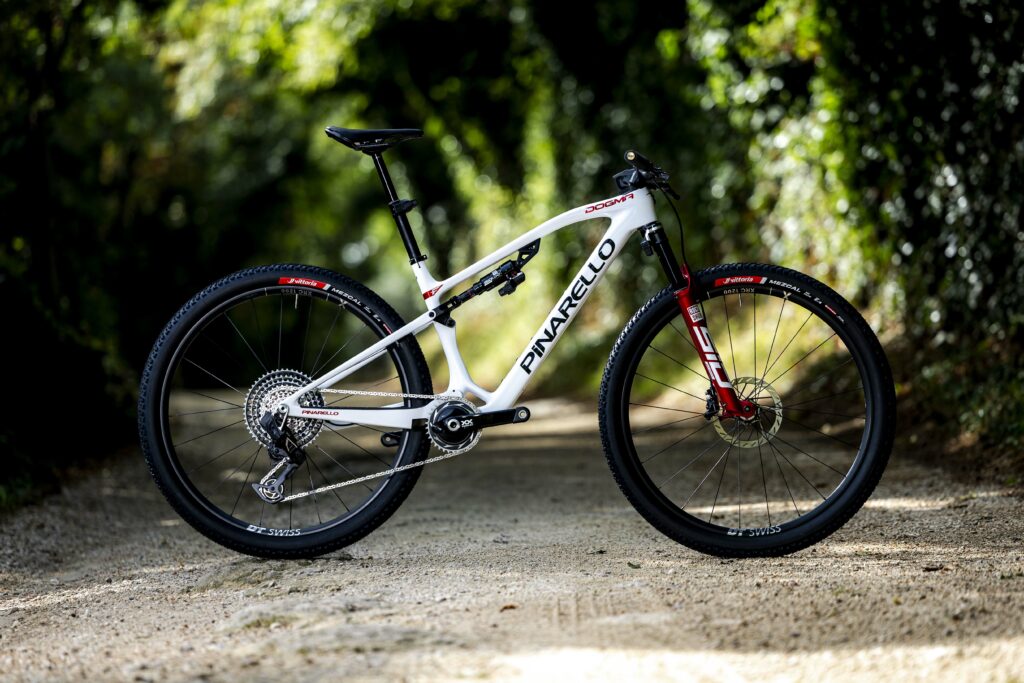
For example, I’m a huge fan of what Yeti has achieved with its £9,099 MT, and although its Sixfinity suspension does great things, Canyon’s similarly specified £4,749 Spectral CF 9 will deliver similar thrills and fun. Even with that said, I prefer the £2,799 aluminium-framed Spectral AL 6.
Even then, the componentry that comes with more expensive bikes can be confusing and be somewhat counterproductive. All of the clicks and dials on the poshest of suspension forks aren’t all that useful unless you know that they do, and how to use them to your advantage. Without that know-how, riders may be using expensive componentry that won’t perform as well as simpler and more cost-effective kit that’s easier to set up properly.
Don’t worry, 32 isn’t going to be a new standard
Since their rise to fame over the past few years, 32-inch wheels have been seen as a looming threat to current standards. But honestly, I don’t believe that there’s all that much to worry about.
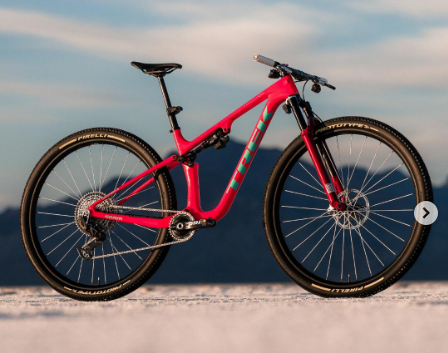
They do bring their advantages, but I don’t think that they’re wholly applicable to the average rider, or even top-level athletes in certain genres, at least. Yes, they’re appearing on the XC and even downhill circuit, but that doesn’t mean that they’re coming for your wallet.
In fact, I reckon that they’re going to become more popular in particular genres of the sport. I’m talking gravel, XC, and marathon, where potential energy savings and an extra edge could mean the difference between a podium and a fourth.
An e-MTB’s design matters more than the motor
e-Mountain bikes, as with many mountain bike things, have suffered a narrative of ‘more equals better’, especially with the likes of Avinox rustling feathers. But having ridden bikes that use motors from all of the major brands, they all still do what e-bikes are built to do.
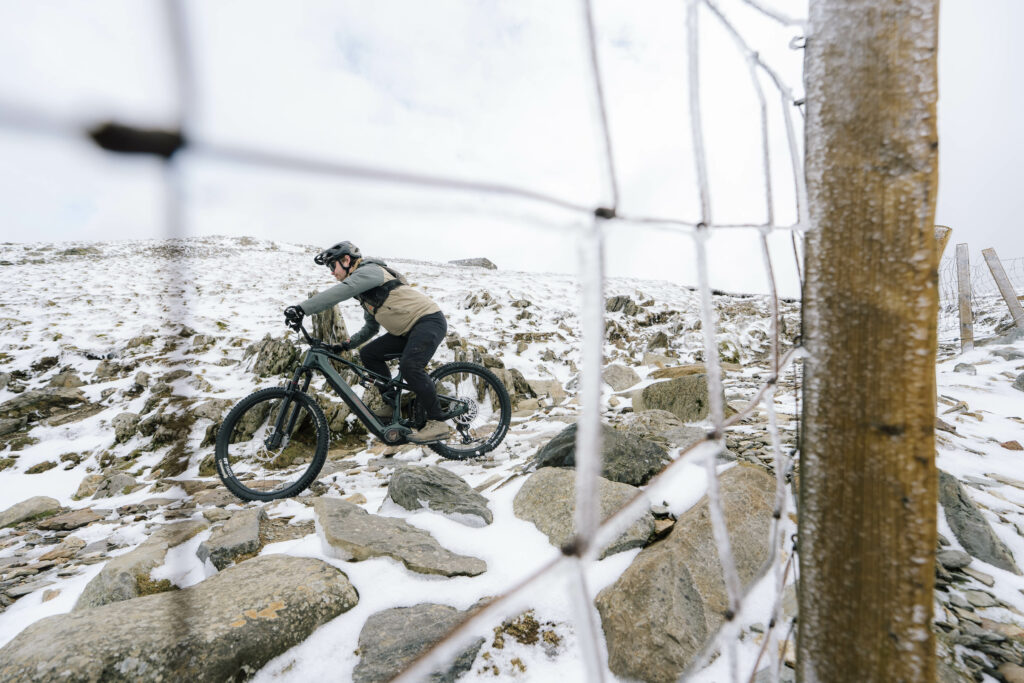
The main difference, however, is how the bike performs as a whole. For example, I wasn’t the biggest fan of the Amflow PX, which is equipped with the Avinox M2S, which a lot of people seem to be lusting over at the moment. However, I was a real fan of Merida’s Bosch-equipped Lithos. But my general opinion of either of those bikes isn’t about the motor they carry, but rather the ride they produce.
There’s just a lot more about an e-MTB that corresponds to its performance than the motor alone, and honestly, those things shouldn’t be ignored in the pursuit of power. Additionally, if we focus on motors for a bit, as they’re not user-serviceable, it’s super important to check where you can get them repaired and if there are any services nearby. Having to send a bike to a shop or company miles away only takes the bike away from you for longer. If you’re able to nip to a nearby approved service spot, or a shop that’s certified to deal with your motor brand, the less time and risk you’ll have when shipping your bike about the place.
It’s very hard to buy a bad bike
The hardest part about reviewing tons of bikes a year is that very, very rarely do I come up against a genuinely bad bike. Yes, nearly every one isn’t without its flaws, and mountain bike perfection is incredibly hard to achieve, but the bike industry has come to a point where every brand knows what works, and they all follow a pretty similar formula.

Granted, some haven’t been to my taste, but that doesn’t mean that they’re bad, and they’ll certainly suit others better than they do me. It’s a simpler case of some bikes do certain things better than others, and I guess that’s where our reviews become really important and where potential buyers need to do their research.
That’s because, rather than buying a bad bike, it’s easy to buy the wrong bike. If you’re all about bikepark riding, you’re not likely to be happy with even a modern cross-country bike. If you like to ride a bit of everything, you’re going to find a downhill bike incredibly limiting. Neither of those bikes will be bad, but they will be if used in the wrong scenario.
Full Mount is the drivetrain holy grail
A couple of years ago, SRAM unveiled its Transmission, or T-Type ecosystem of drivetrains, but the part that made headlines was that they ditched the derailleur hanger for a system that mounts directly to a UDH interface. The marketing here was pretty good too, with pictures and videos of a bunch of people standing on their shiny T-Type mechs to show how strong they are.
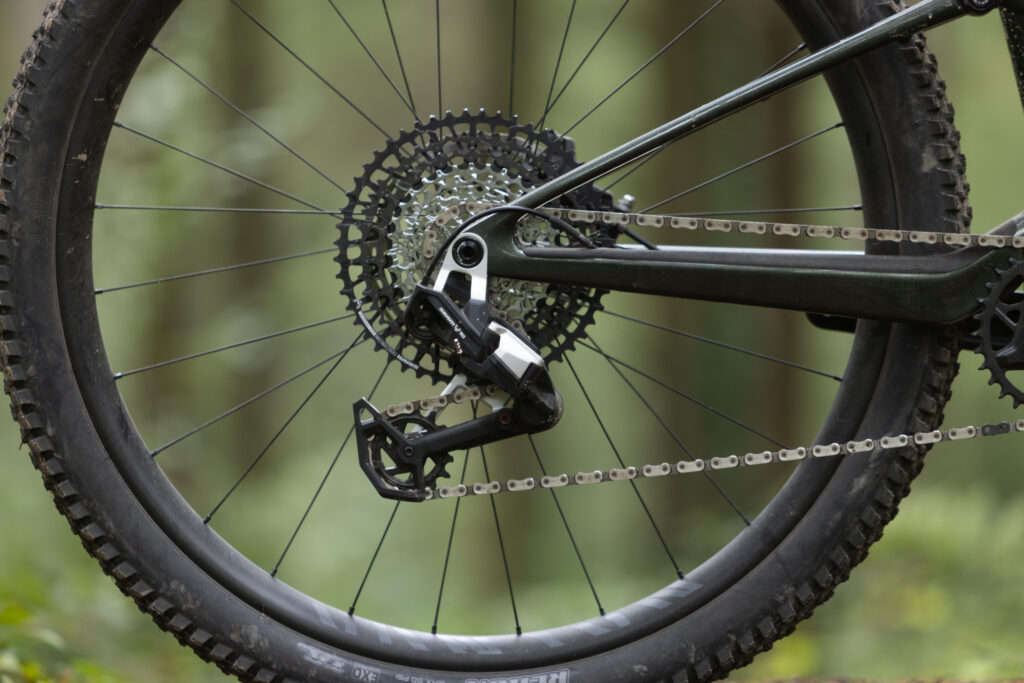
For me, Full Mount has brought quite the change in how I look at drivetrains. Not just because of their strength, but because of their simplicity. Honestly, they’ve spoiled me, as the simple task of hanging and setting up a regular, b-tension and limit screw-equipped drivetrain now feels like more of a task than it should be. I’m not saying regular hanger-equipped drivetrains are bad, far from it; Full Mount is just easier to live with. T-Type isn’t perfect, either. It shifts a little slower, and I’m not too jazzed about it being such an exclusive ecosystem, where T-Type parts will only work with T-Type parts.
I am glossing over the fact that belt drives and gearboxes exist, and while years ago I believed that such systems were coming to topple chained drivetrains from their thrones, we’re still a way off from that being reality, for regular mountain bikes, at least. For e-mountain bikes, that’s potentially a very different story, with Avinox’s MG Concept being the main story to come from 2026’s Eurobike.
Let’s pedal the climbs
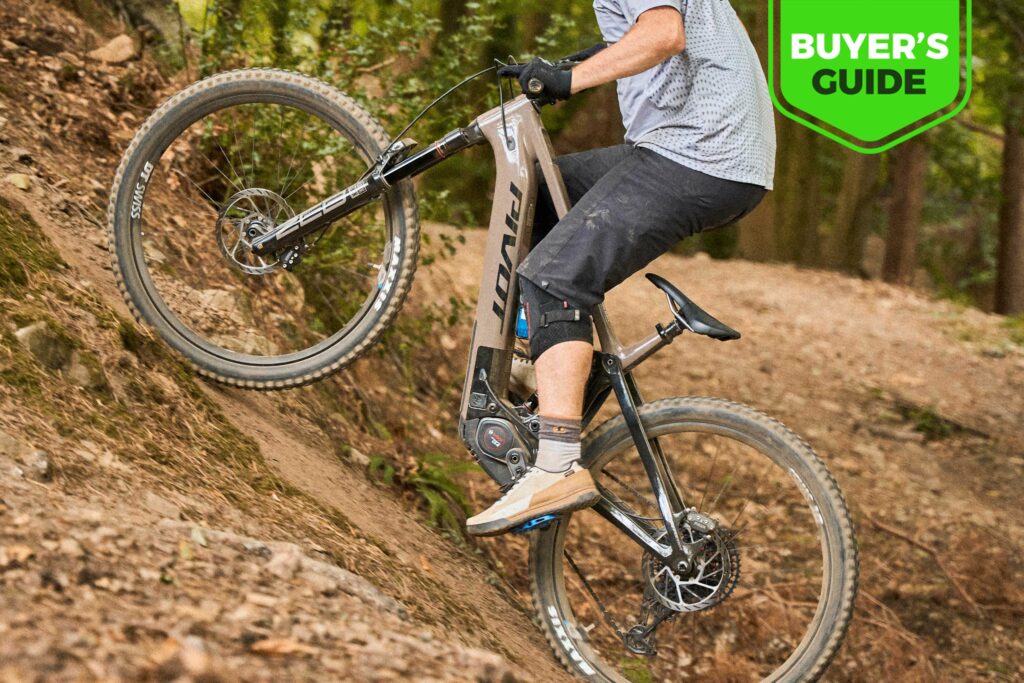
This one goes out to the non-e-MTB riders. Rather than walk the climb before the next descent, why not ride it? I get it, the climbs are the hard parts that few of us like, but we’ve spent potentially thousands on our bikes, so it makes sense to wring out every penny by pedalling them up a hill.
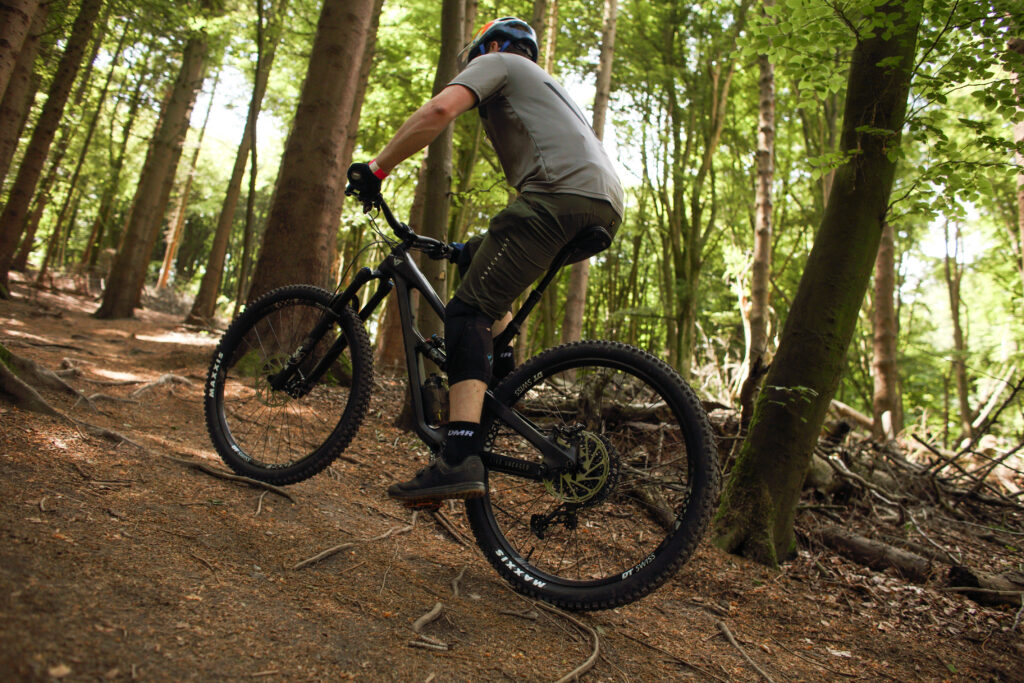
Not only are you getting more bike time for your money, but you’ll finish off the climbs faster and gain some serious fitness while doing so.
I’m not saying pedal every climb, especially if you’ve got a long day planned and you want to conserve energy, but you’ll only make yourself better and fitter by cranking on them pedals. In no time at all, you’ll find yourself pedalling everything.








1 thought on “Mountain bike hills I WILL die on”
We were told that we’d need to be really tall to merely fit on 29″.
Top execs at big bike and tire brands told me 29″ would never work, or even get around any sort of corner. This was in 2004 when I was already a while into racing mine, a 2002 Gary Fisher and a 2003 Surly.
Now, short ladies are getting XCC/XCO world cup podiums, their season best results on 32″, and we’re again told we need to be “this” tall. It will be restrictive in climbing and technical stuff. Seewald would have become XCM world champ on BMX bike and that he chose the bike for worlds having just received it days prior…he was probably forced by KTM, right?
The evil ploy of the bikeluminiti to sell us bikes by making then better, arrrrrrrrggh! Oh, all the marketing millions being spent to force us to empty our wallets, why oh why?
DH and Endoro are largely “safe”, same as dirt jump and BMX was from 29″.
What’s curious, is that the bike industry didn’t test what size is best, for any terrain or rider height. 700C already existed and was resisted HARD by the big companies.
32″ was invented by Walmart to make fun beach cruisers with, just because they wanted to. All of the multi billion bike industry didn’t try a thing. Just copy-pasting last year’s homework with a slight change, resistance all the new stuff best they could. Except electronic shifting, of course, every must have their bike connected to the mothership…