



Gravel rides can be seriously tough with long, exposed roads, technical climbs, loose surfaces and some absolutely crazy descents. When you’re riding for hours at a time, often in the middle of nowhere, there are plenty of things that can make the difference between having a brilliant day out, or wishing you’d stayed at home.
> Find out more about the all new Colnago G5-X here
It’s fair to say I’ve all been learning loads about gravel riding over the last few years, as has everyone else in this relatively new discipline. As the bikes, equipment and racing have evolved, so too has my understanding of what works and what doesn’t, and I’ve certainly learned a few of those lessons the hard way. Here are nine of the most important things I’ve picked up that have helped me to ride further, faster and, most importantly, have a better time on the gravel bike…
Tyres matter more than on the road
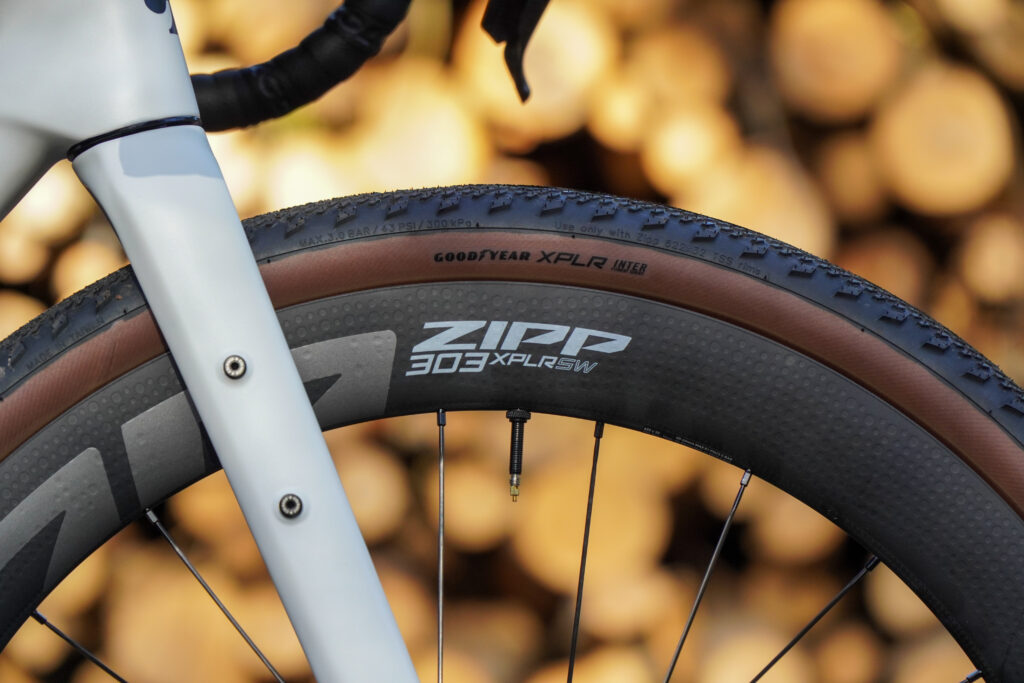
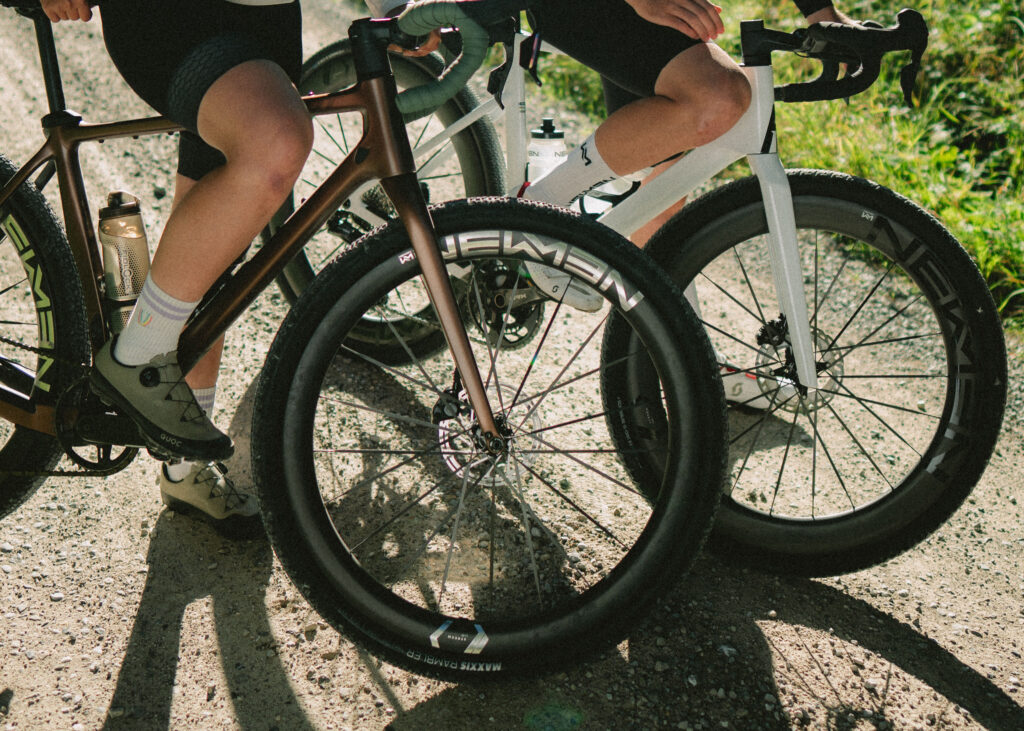
If there’s one thing I’ve learned from riding gravel, it’s that your tyres make a massive difference. Probably even more so than they do on the road, where the differences between various tyre widths and tread patterns can sometimes feel relatively marginal. On gravel, though, choosing the right tyres can completely transform your ride, and width is an obvious starting point.
Wider tyres generally allow you to run lower pressures, which gives you more grip, comfort and confidence when the surface gets rough. And when you’re riding for several hours, that extra comfort can make a huge difference to how fresh you feel towards the end.
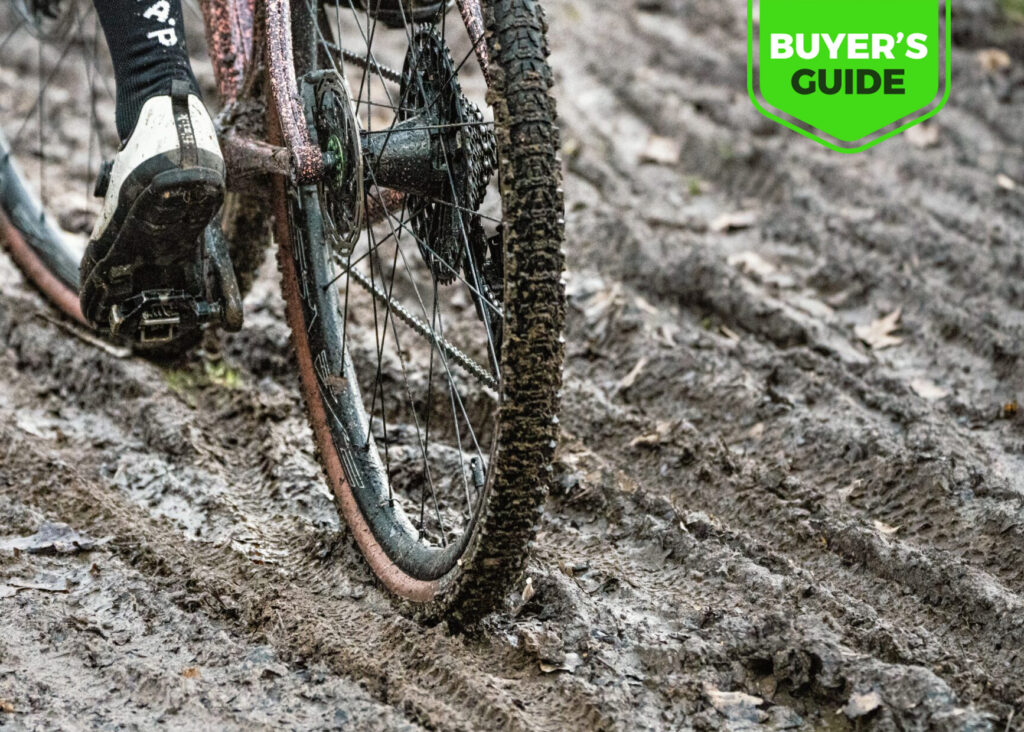
It’s not just about going as wide as possible either: tread pattern is equally important. If you’re riding predominantly hardpacked gravel and smooth tracks, something with a relatively slick centre section will roll quickly without sacrificing too much grip. If your routes involve plenty of loose surfaces, mud or technical trails, you’ll probably want something with a more aggressive tread, especially on the shoulder of the tyre.
Then there’s pressure, which is something that takes a bit of experimentation. The trick is to learn what works for your weight, riding style and the terrain you regularly encounter.
Don’t be afraid to experiment either. Getting this right can make you noticeably faster and more comfortable over long distances, although of course, it can be an expensive process if you end up buying several sets of tyres along the way.
Lower gearing is great
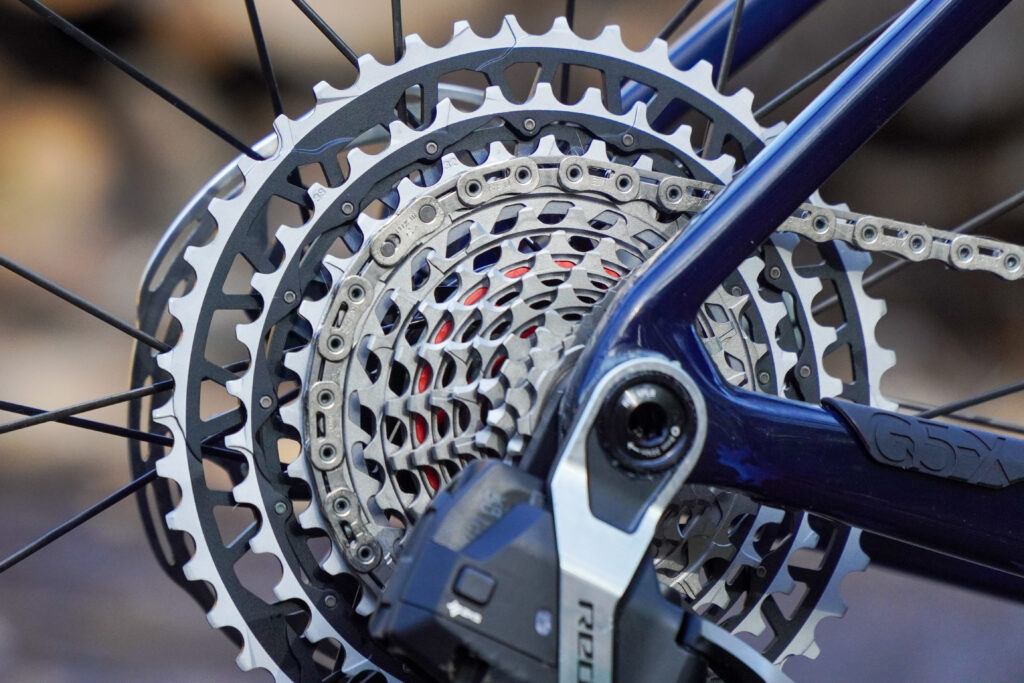
One thing that can take a bit of getting used to when moving from road cycling to gravel is the gearing. If you’re used to riding a road bike, you might look at a gravel bike’s cassette and chainrings and think the gears are ridiculously small – but there’s a very good reason for that. Gravel riding often involves much steeper climbs than you’ll encounter on the road, particularly when you’re tackling loose, rocky or technical terrain. When you’re trying to get up a 20% climb on a surface that barely offers any traction, having a suitably low gear is worth its weight in gold.
It’s also important to remember that gravel rides can be much longer than your average road ride. You might be several hours into a ride, running low on energy, when you suddenly encounter a particularly nasty climb. That’s not the time to be wishing you had a smaller gear.
Basically what I’m saying here is… park your ego! Nobody cares how big your chainring is or whether you’re spinning up a climb in a gear that would embarrass a professional road racer. If you’re riding long distances, saving your legs is far more important than looking impressive.
Aero is important (but not everything)
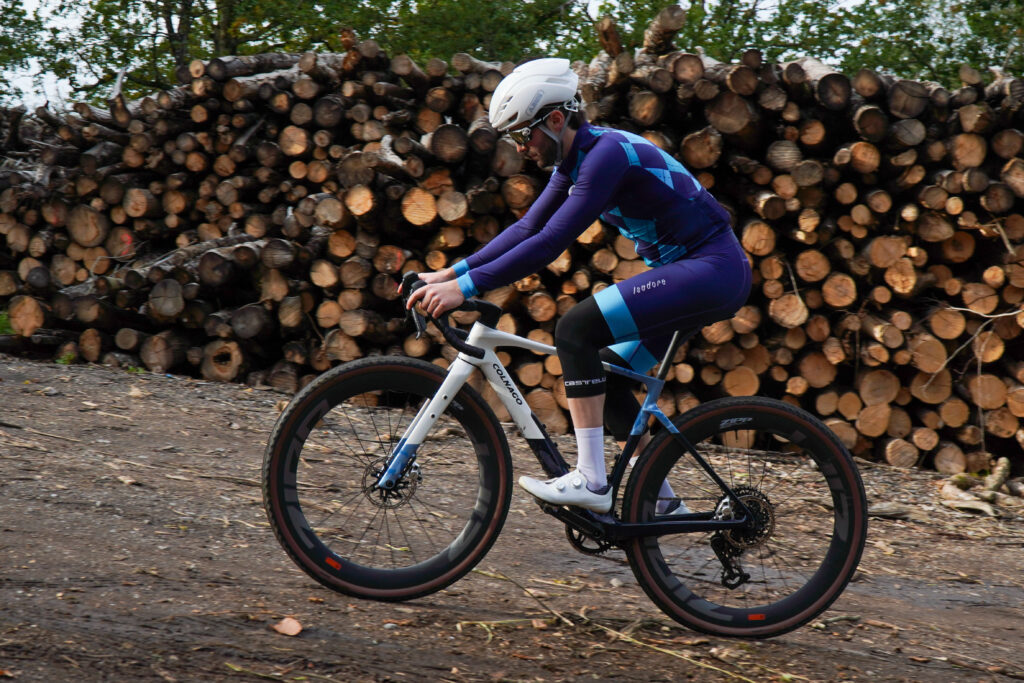
There’s sometimes a misconception that aerodynamics don’t matter on gravel. If you’re trying to cover a lot of distance quickly, aero still matters enormously. You’re often spending long periods riding at relatively high speeds on exposed gravel roads, where strong headwinds can batter you for hours.
Getting yourself into a reasonably aerodynamic position and wearing clothing that doesn’t flap around can help you save energy. Over 100 miles or more, as may endurance gravel events are, those small savings can really add up.
However, gravel riding is about more than simply going as fast as possible. Handling is incredibly important, and there’s little point having an incredibly aerodynamic bike if you’re constantly fighting it on loose descents, or struggling to control it through technical sections.
Confident descending = speed
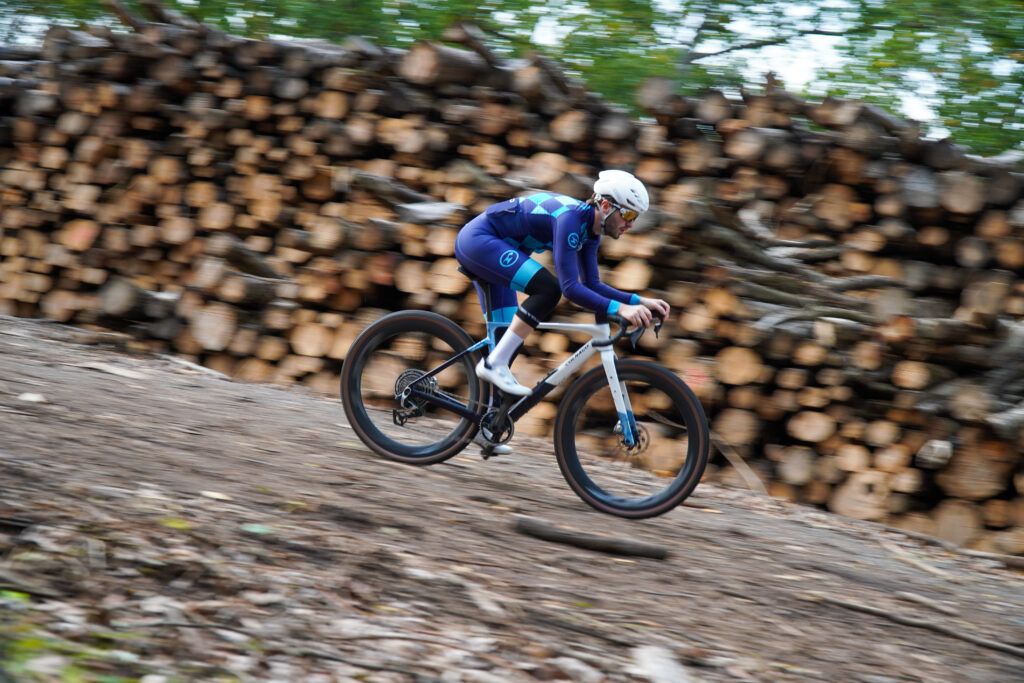
I’ll hold my hands up here: I’m absolutely not the best descender in the world. There are plenty of people who are much braver and considerably more talented than me when it comes to throwing themselves down technical gravel trails.
One thing I’ve noticed is that when I’m feeling confident on a bike, I’m noticeably faster overall – and that’s not necessarily because I’m riding particularly aggressively. It’s because I’m spending less time braking, worrying about the terrain or second-guessing what the bike is going to do next.
Confidence is a massive part of going quickly, particularly when you’re riding gravel, and this is an excellent thing because it can be improved for free. You don’t need to spend money on fancy components – instead, head out and session a small part of a descent local to you. It’s surprising how quickly you can make improvements.
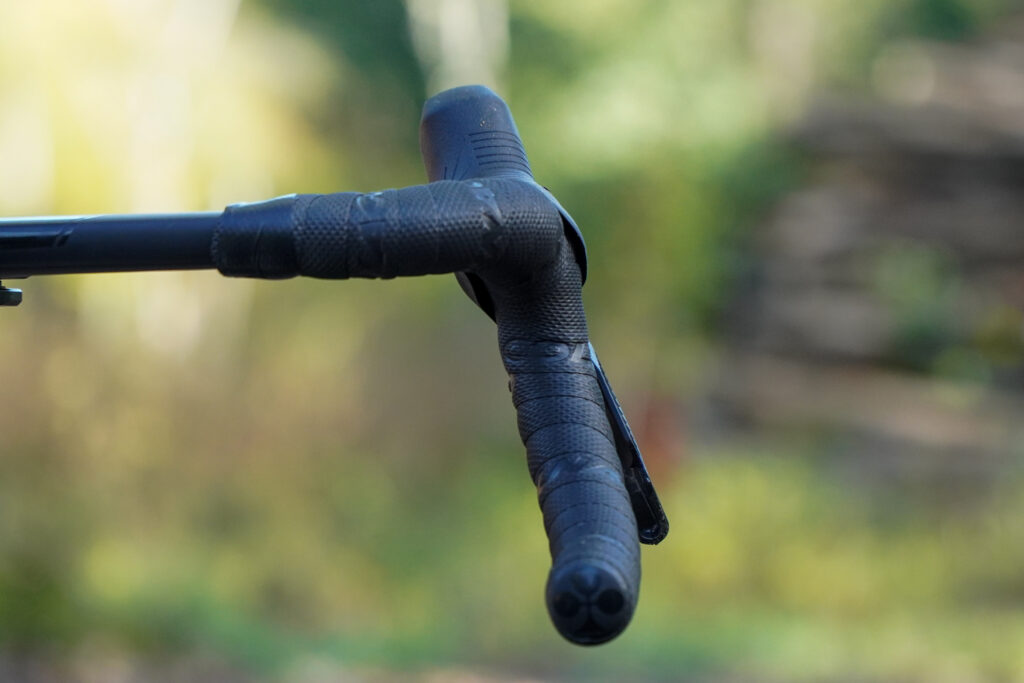
If you want to splash some cash, a dropper post is a decent investment.. They’re becoming increasingly common on gravel race bikes, and for good reason. Being able to lower your saddle on particularly steep or technical descents gives you more room to move around on the bike and can make a huge difference to confidence. Just check that your frame is compatible.
Fuelling is harder than on the road
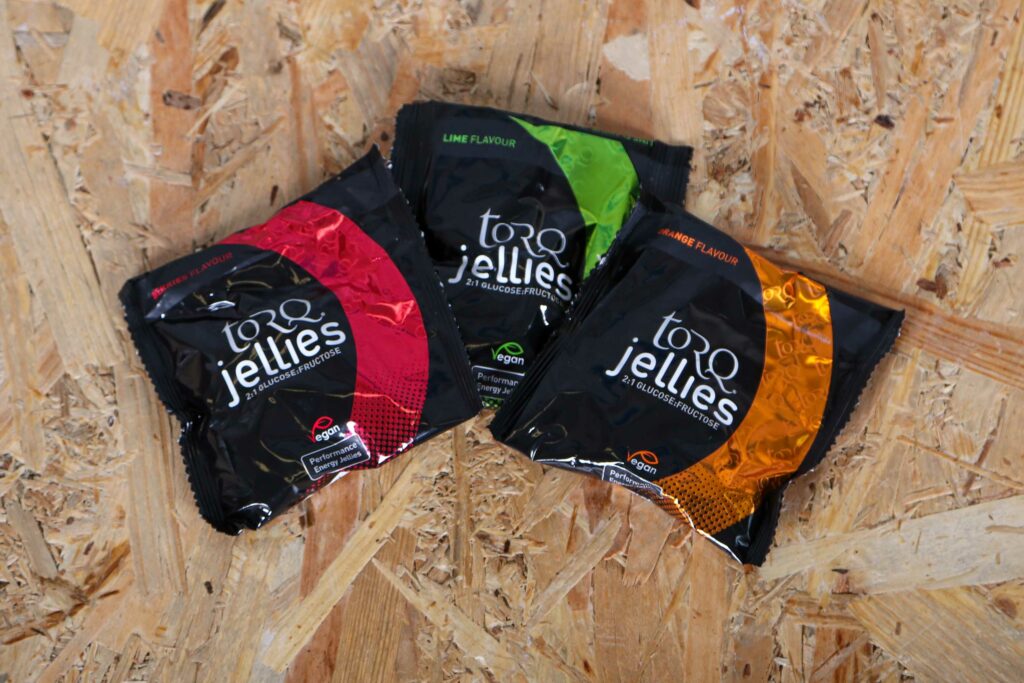
Fuelling properly is one of the most important parts of riding long distances, but I’ve found that it’s actually quite a bit harder to do on gravel than it is on the road.
When you’re riding on smooth tarmac, grabbing a gel, opening a bar or reaching for a bottle is generally pretty straightforward. You can take your hands off the bars, have a quick bite and get back to riding without too much drama.
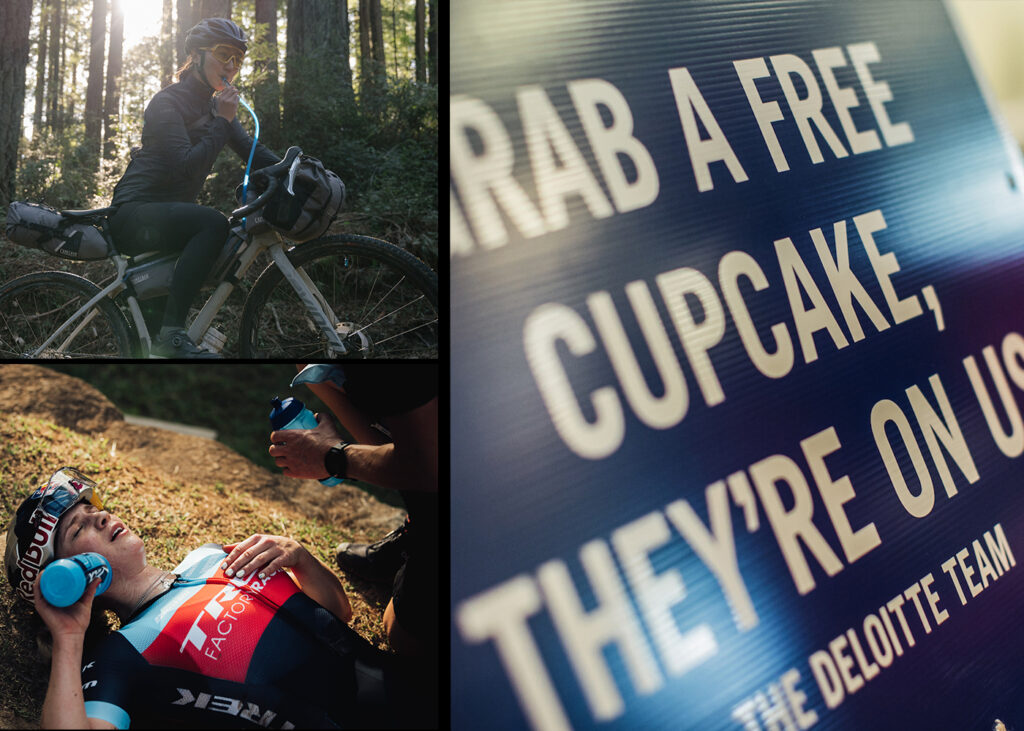
On gravel, particularly when you’re racing, things can be considerably more frantic. You might be bouncing over rough surfaces, navigating loose corners or trying to keep control of the bike on a technical descent. Suddenly, reaching into your back pocket for a snack feels like a fairly ambitious undertaking.
It’s something worth practising. Get used to accessing your food and drink while riding on relatively smooth sections, so you’re comfortable doing it without having to think too much. You can also make life a bit easier by using a top tube bag, which gives you somewhere convenient to store gels, bars, and other snacks.
More tyre clearance has other benefits
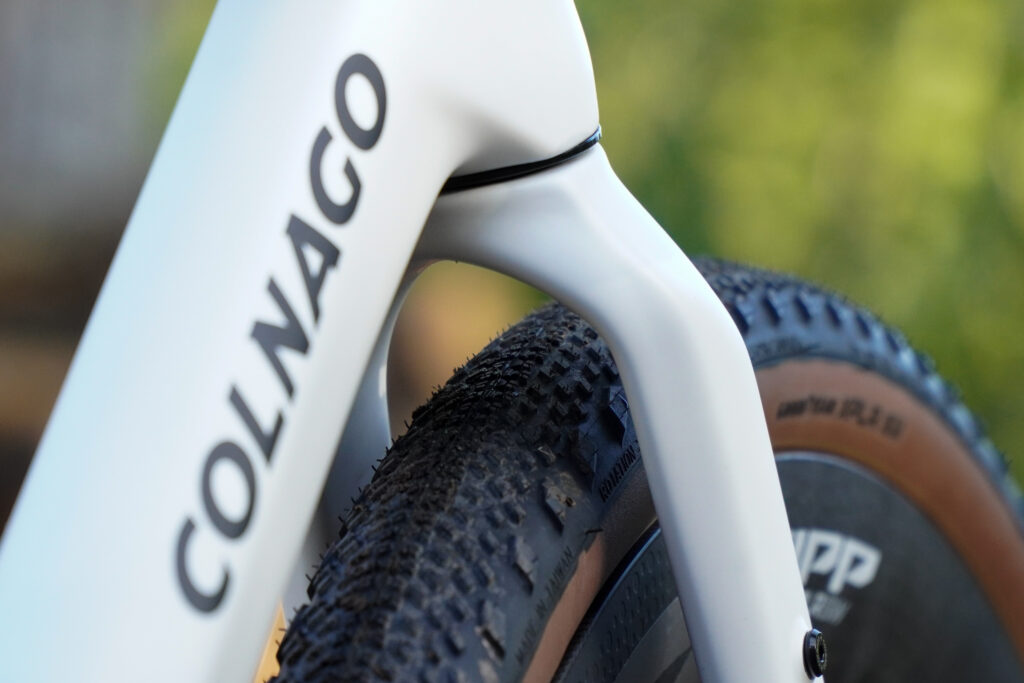
When people talk about tyre clearance on gravel bikes, the conversation generally revolves around maximising width. Having room for wider rubber is obviously useful, but there are a few other benefits that are easy to overlook.
For starters, having plenty of clearance around your tyres can make fitting mudguards considerably easier. This might not be particularly exciting if you’re racing in dry conditions, but if you’re using your gravel bike for commuting, winter training or general riding, it’s a genuinely useful feature.
It also means you’ve got more space in the frame when conditions get muddy. Anyone who’s ridden through particularly sticky mud will know how quickly it can build up around your tyres, particularly when you’re running relatively tight clearances.
Gravel bikes can make excellent road bikes
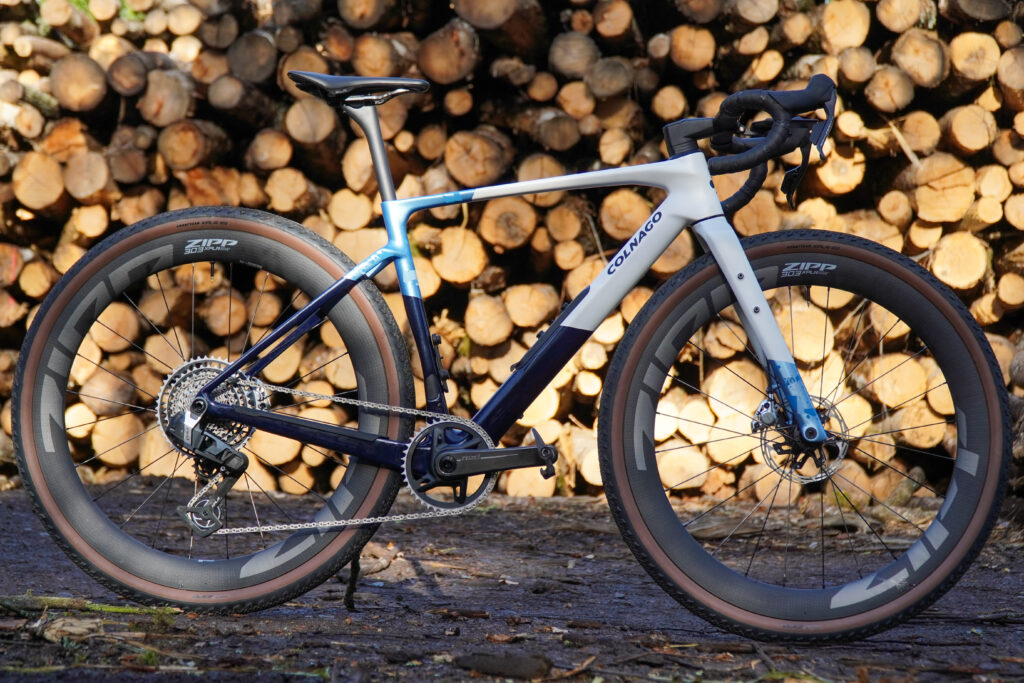
This might be a slightly contentious one. Gravel bikes can actually make excellent road bikes, particularly if you’re interested in riding long distances rather than having a super agile racing bike.
Yes, the geometry is generally a little more relaxed, and you’re unlikely to get quite the same sharp, aggressive handling as you would from a dedicated road race bike. But that doesn’t necessarily make it a bad thing.
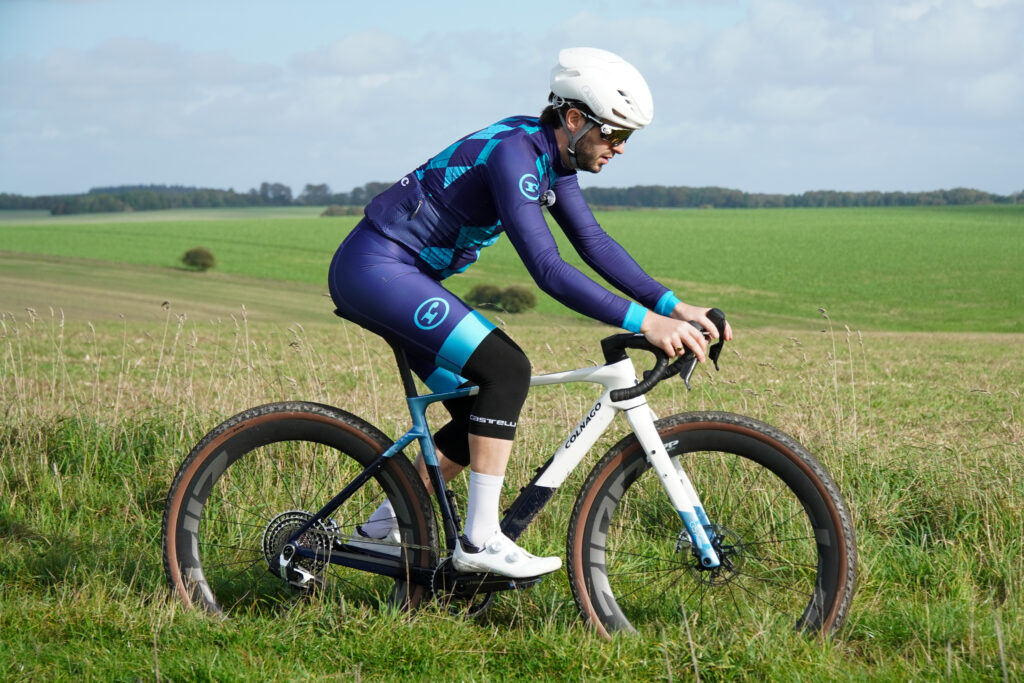
A longer wheelbase and more stable handling can be particularly welcome on long rides, especially when you’re carrying extra equipment or tackling less-than-perfect roads. With the right tyres and wheels, a gravel bike can be surprisingly quick – especially ‘new breed’ gravel bikes like the Colnago G5-X, with plenty of nods to aero while retaining gravel-specific geometry with a longer wheelbase, slacker head angle, and increased bottom bracket drop.
There are hidden issues with ‘versatility’

One of the biggest selling points of gravel bikes is their versatility. The idea is that you can buy one bike and use it for practically everything, from road riding and commuting to long gravel adventures and even the odd bit of bikepacking. There’s a slightly less obvious problem with this approach, and it comes down to wheels.
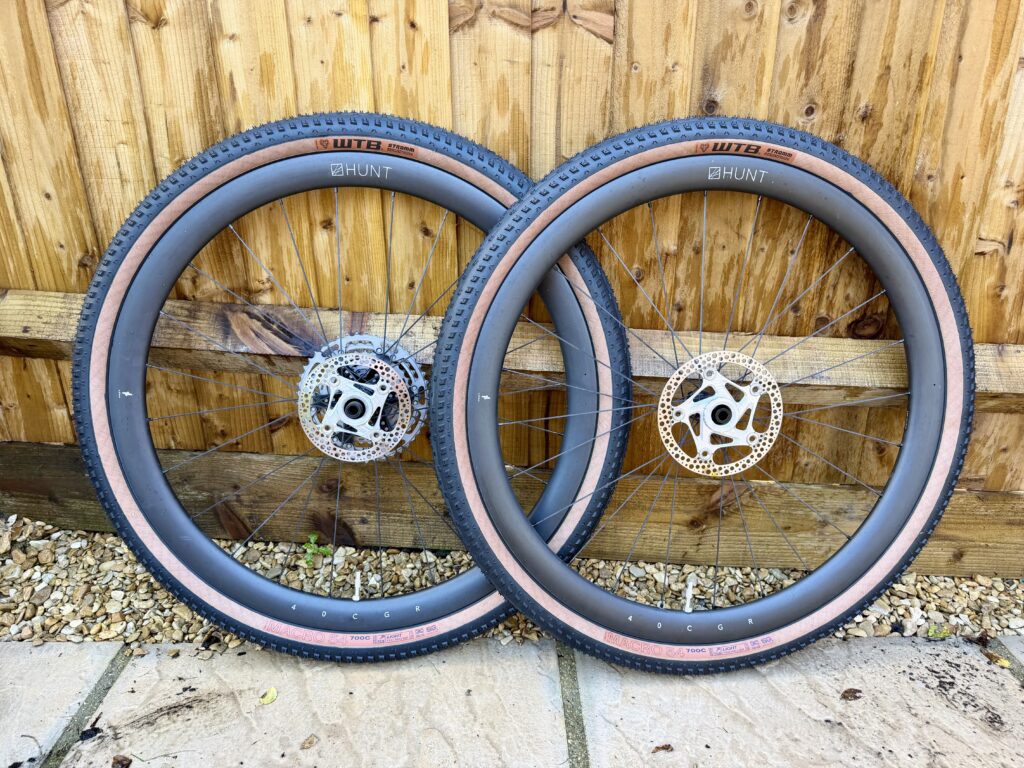
If you’re running tubeless tyres, swapping them between wheelsets isn’t exactly a quick or pleasant job. It’s messy, there’s sealant involved, and you’ll probably end up missing the start of a ride because you’re changing tyres in a last minute panic.
You can solve this by getting two sets of wheels, though this can get expensive very quickly. You also need to consider the additional cost of rotors and cassettes. Suddenly, that one-bike-does-everything approach isn’t quite as affordable as it first appeared.
So yes, gravel bikes are incredibly versatile, but it’s worth thinking about how you actually intend to use yours before assuming one bike will cover every eventuality.
There are no rules
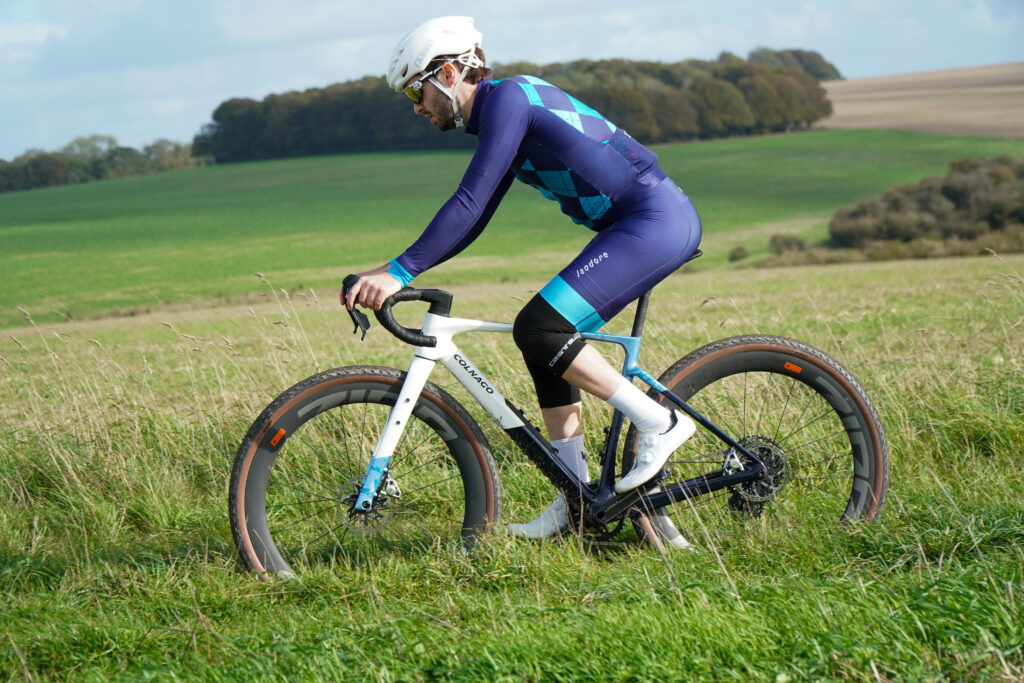
Perhaps the biggest thing I’ve learned from gravel riding is that there really aren’t any rules.
Road cycling can sometimes feel quite focused on speed, power and performance. We spend hours looking at our power data, worrying about average speeds and trying to squeeze every last watt out of ourselves. When I first started doing gravel rides, I approached them in much the same way. I wanted to be fast, ride efficiently, and cover as much distance as possible – but after spending more time riding with people who aren’t necessarily interested in racing, I realised that gravel can be about so much more.
Of course, there are plenty of gravel riders who are obsessed with speed and performance. There are also those who seem to have made it their mission to ride the biggest distances imaginable, tackling hundreds of miles across some of the most challenging terrain in the world.
Sometimes the best gravel ride is simply the one where you forget about the numbers, enjoy the scenery and have a really good time.