

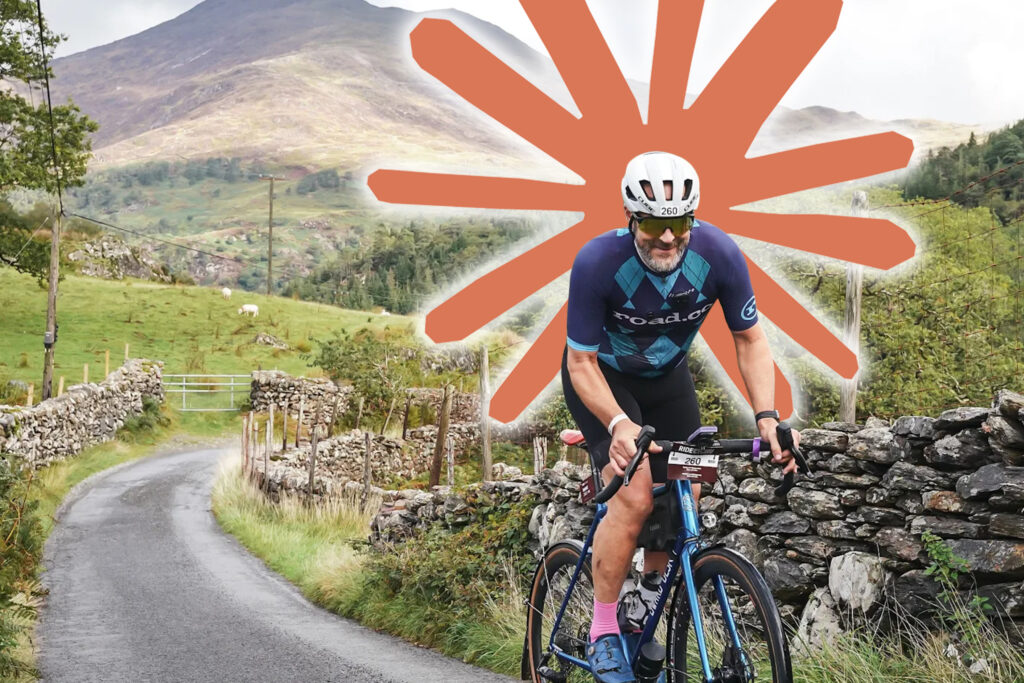

You’ve got a long ride looming on the horizon – say, 250 miles to Cardiff on the Ride Cymru – and you need a training plan. You could hand over some cash to a human coach, or you could see what our eventual robot overlords have to offer. I decided to put the free version of Claude AI to the test to see if it (or more accurately, the information it has scraped from proper coaches) could really help.
> The Dragon’s Spine: Conquering Ride Cymru
The premise was simple: can a free AI build a sensible training plan, and more importantly, will it actually get me to the finish line in one piece?
Setting up an AI coach
There are plenty of LLMs out there: you may not have noticed, but it’s a thing right now. I used Claude for two reasons: firstly it’s free, and you can link it directly to your Strava account using the official Strava MCP Connector. That way it can look at your historical riding data and build a plan based on your actual baseline fitness.
There’s a slight catch here: while the AI we used for this experiment is free, you will need a Strava Premium subscription to enable the data connection. A lot of people will already have that, though.
And what do you tell it? A key part of the process is giving the machine the right details. I told Claude my exact event, the distance, the fact that it was six weeks away, and outlined my dual goals: improving fitness and shedding a bit of my 105kg starting weight.
The plan (and where it breaks)
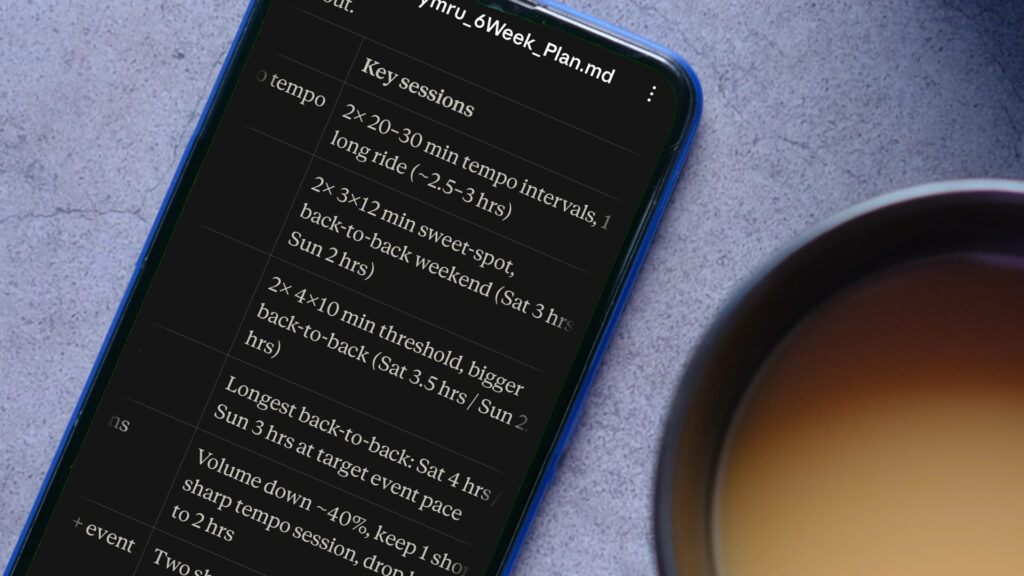
Claude spat out a pretty decent structured six-week plan complete (after a day thinking about it because I ran out of free credits) with volume targets, sweet spot intervals, and a bit of nutrition advice. This is exactly the sort of thing you might expect from a real coach.
One takeaway from the video is that while Liam has found some running AIs have a habit of throwing you in at the deep end with a borderline unworkable training load, Claude pitched the tempo sessions and back-to-back weekend rides pretty well.
It’s also adaptable. When I went rogue and swapped a couple of back-to-back days for a single 120km/1,800m classic Mendip loop, Claude successfully analysed the likely effort and warned me about the need to fuel properly, and the dangers of accidentally doing threshold efforts just to match my mates’ pace on the climbs.
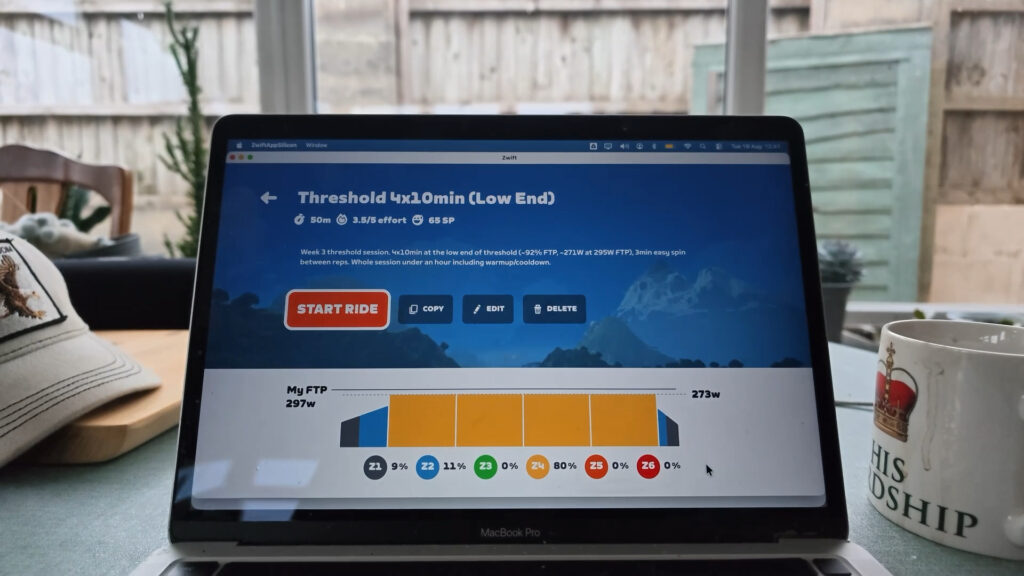
However, I didn’t find that the AI was flawless. If you ask Claude to generate custom Zwift workout files for your indoor sessions, be warned: I found it has a nasty habit of leaving out the rest periods between intervals, turning a standard threshold workout into a one-way ticket to the pain cave if you don’t spot those mistakes and edit them. A bit of work to do there…
The problem with accountability
Maybe the biggest flaw with AI coaching isn’t the actual sports science: it’s the sycophancy.
When I blew off my week five taper to just ride my bike for fun, Claude was a bit of a cheerleader, reassuring me that it was totally fine. Maybe a real, paid human coach would have told me off, and maybe I wouldn’t have done it in the first place.
When you pay a real human coach every month, the sheer financial guilt is what drags you out into the freezing rain. If you don’t do the work, you’ve wasted your money. AI is simply too nice (and cheap) to enforce that kind of discipline. If you’re good at sticking to a plan, that might not be an issue though.
So… can an AI really train you effectively?
Despite Claude’s overly forgiving nature, I finished the 250 miles feeling remarkably fresh. This was in part thanks to Claude’s spot-on pacing strategy: fuel on a timer, don’t chase the fit riders up the climbs, and don’t blow six weeks of work by going too hard at the start and hanging on for the rest.
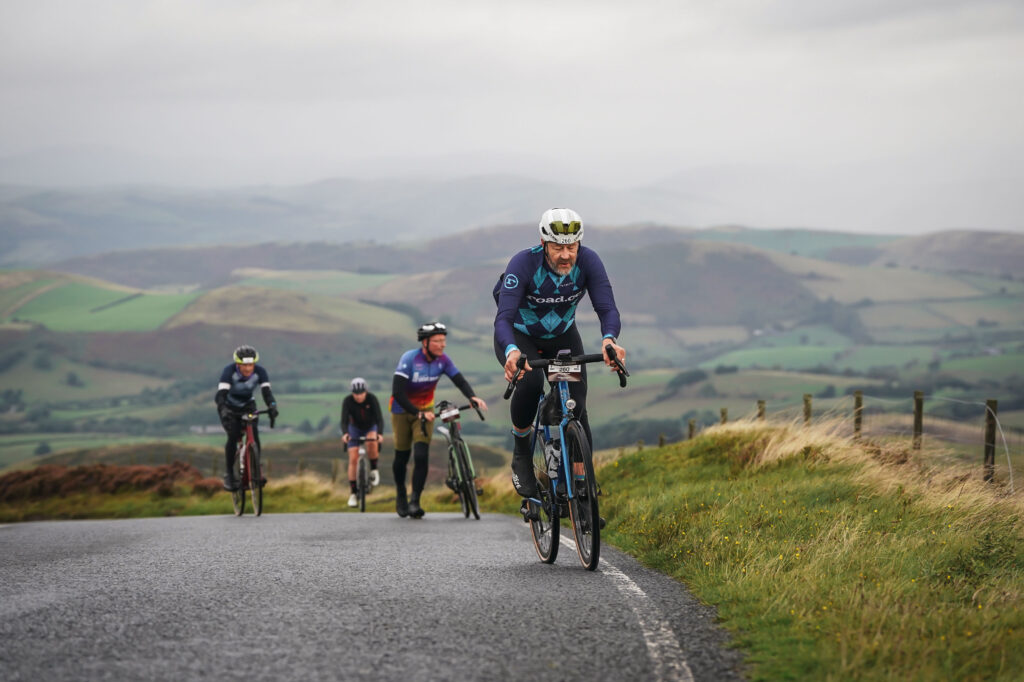
If you’re a high-level racer you’re definitely best off having a human expert involved, and likewise for those who struggle for motivation and sticking to a plan – but if you’re a chopper like me, riding at a reasonably low level and just want a sensible nudge toward a big sportive, it’s a reasonably solid, free alternative.
Of course, those are two ends of a quite a long scale: there are plenty of paid products that include AI elements for crunching your numbers and adapting your training to hit your goals. Zwift is the latest to jump aboard that bandwagon, and there are dozens of other options out there at all kinds of price points.