


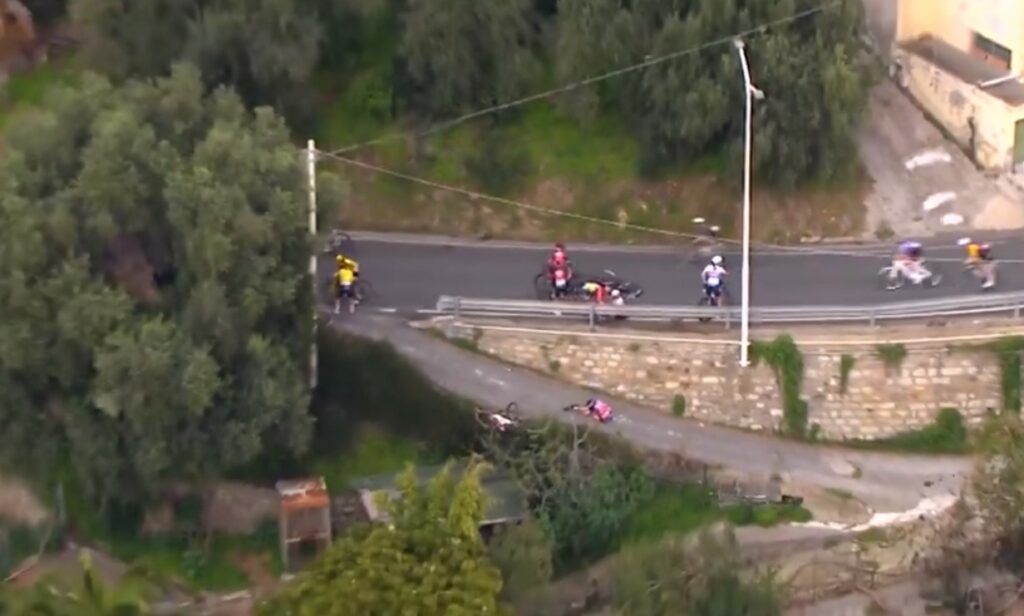


“It feels like the more we concentrate on safety, the worse the crashes get. I’m glad I made it out alive”: Grace Brown says pro cyclists “fear for their lives” and the peloton is getting more dangerous despite “extreme” focus on safety rules following Milan-Sanremo horror crash
Saturday’s horrific crash on the descent of the Cipressa may have resulted in some serious injuries and an alarming host of unsavoury social media comments (see below), but it’s also reignited modern cycling’s favourite debate: race safety.
Last month, Liam and I interviewed a number of riders at Opening Weekend about the UCI’s recent safety interventions – and the consensus seemed to that equipment tweaks don’t really do much, with some pros arguing that the onus for safety in the bunch is on the riders themselves.
And in the wake of Milan-Sanremo’s shocking high-speed crash, that view has been echoed by Olympic and world time trial champion Grace Brown, who reckons the governing body’s “extreme” focus on safety regulations have done little to prevent the peloton getting more dangerous.
Reflecting on the Sanremo crash on her Unclipped podcast for SBS Sport, Brown – who retired at the end of 2025 after seven years as a pro – said: “It feels like the more we concentrate on safety in races, the worse the crashes seem to get.
“We’ve seen some pretty bad ones so far this season, but that pile-up on the descent of the Cipressa during the women’s Milan-Sanremo made me audibly yelp.
“Honestly, the first thing that goes through my mind when I see footage like this is: ‘I’m so glad I’m not racing anymore, and that I made it out alive’. That’s a bit crazy, right? Maybe it’s not all professional cyclists, but I know a lot who, from time to time, fear for their lives. The crazy bit is that somehow we justify it to ourselves that the wins are worth it.”

Arguing that Kasia Niewiadoma, the first to fall on the descent, took too many risks in the lead-up to the crash, the Australian continued: “Kasia posted on Instagram saying, ‘I probably could have been more cautious, but at the same time I wanted to seize every opportunity’. She acknowledged that taking risks is all part of top sport and necessary if you want to win.
“As part of the SafeR initiative, the UCI has been reviewing injury data since 2014, showing almost a 400 per cent increase in rider injuries at a professional level in 12 years.
“But even without the data, the perception is that crashes are getting more common and more acute. And the anecdotal experience of riders is that the peloton is getting more dangerous. But how can this be, when so many measures are being put in place to make it safer?
“Compared to a decade ago, the focus on safety is extreme, with regulations on equipment, weather, better course design, better road surfaces, the list goes on.
“But nothing seems to change the fact that some riders will always look for the limit to get an advantage. Because bike racing is about winning, after all.”
The 33-year-old then pointed out that the stakes in both men’s and women’s cycling are getting higher and leading to more risk-taking – before claiming that the sport needs to be “honest” with itself when it comes to safety, and not just focus on new rules.
“So why are crashes getting worse?” she asked. “I think the answer has less to do with the rules and more to do with what’s at stake. There’s more money in the sport now, in prize money and in contracts.
“But I think the biggest shift is visibility. Racing has never been more watched and riders know it. I remember taking note of when the TV coverage started, and from that moment I was more motivated to ride at the front and take more risks, because I was on show.
“Every rider in the modern peloton is performing for an audience that’s getting bigger and bigger, and the contracts that follow reflect it. The stakes feel higher because the audience is bigger, it’s a matter of ego and career success.
“So what do we do with that? We can keep tweaking equipment and course design, and we should. But if the root cause is partly psychological – riders performing for cameras, chasing contracts, justifying the risk because the reward has never felt bigger – then no rulebook is going to fix it on its own.
“The sport needs to be honest about what it’s asking of riders, and riders need to be honest with themselves about why they take the risks they do.
“That’s something I always struggled to grapple with during my career, and it took stepping away from the sport to see it more clearly.”
“Because Philippe Gilbert and Remco Evenepoel were good on bikes of course”: Pro cyclist pens powerful, scathing poem criticising sexist commenters “expressing delight” at Milan-Sanremo horror crash
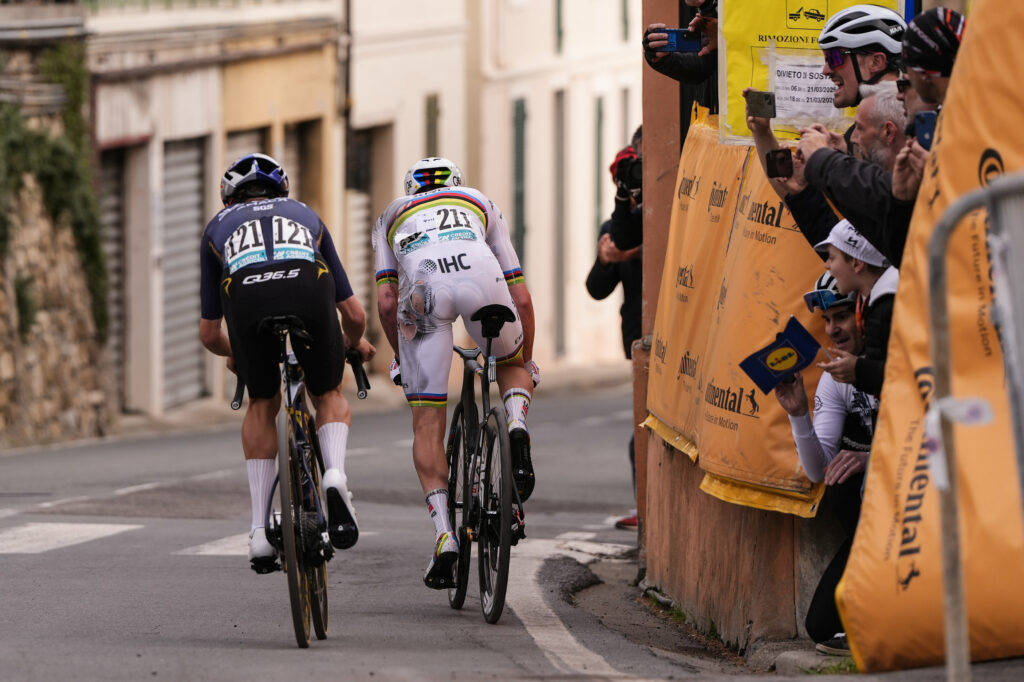
It’s fair to say that Lotte Kopecky’s thrilling win at Milan-Sanremo on Saturday was overshadowed somewhat by the horror crash on the descent of the Cipressa, which left Kasia Niewiadoma badly injured and saw Laboral Kutxa-Fundación Euskadi rider Debora Silvestri plunge over a roadside barrier, landing hard on the driveway below.
As Dan reported on yesterday’s live blog, Silvestri fortunately escaped with ‘just’ some broken ribs and a fractured shoulder, with her team revealing that she is in “good spirits”.
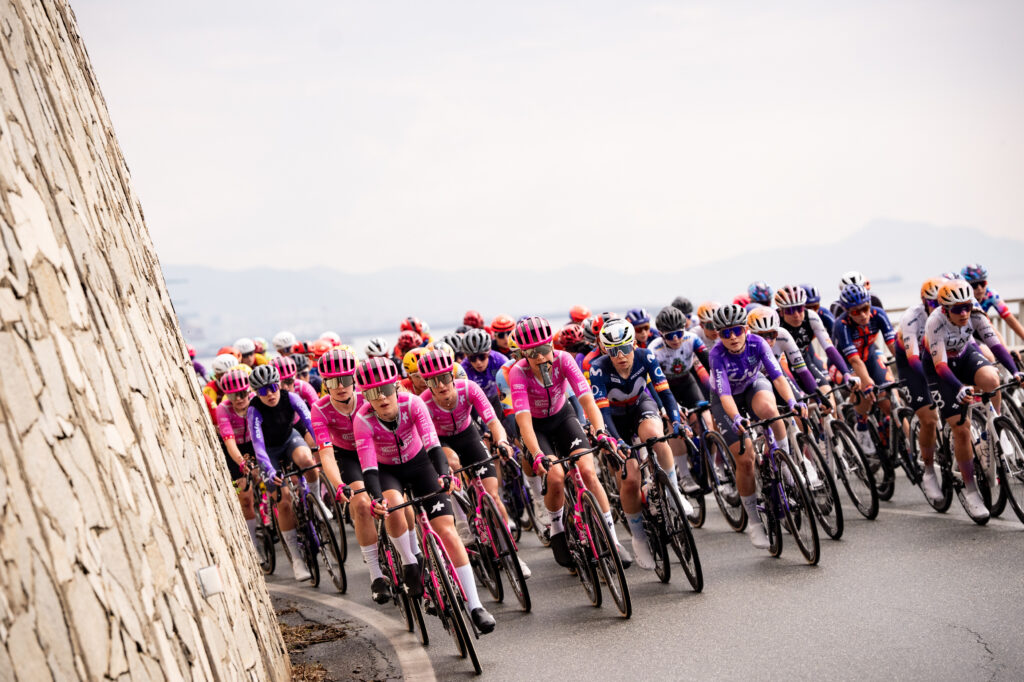
However, the aftermath of that shocking, sickening crash on the Cipressa has been dominated by some extremely stupid comments online, the clip of the high-speed spill going viral and thus attracting the attention of a certain pro-motoring section of the internet, who couldn’t resist hailing it as evidence of all cyclists’ apparent disregard for their safety.
I told you it was extremely stupid.
Unfortunately, the stupid comments weren’t confined to anti-cycling car heads. The clip also sparked a wave of comments from so-called cycling ‘fans’, who thought it would be hilarious if they poked fun at the bike handling skills of the women’s peloton.
To be honest, it’s not even worth giving those sexist comments the time of day.
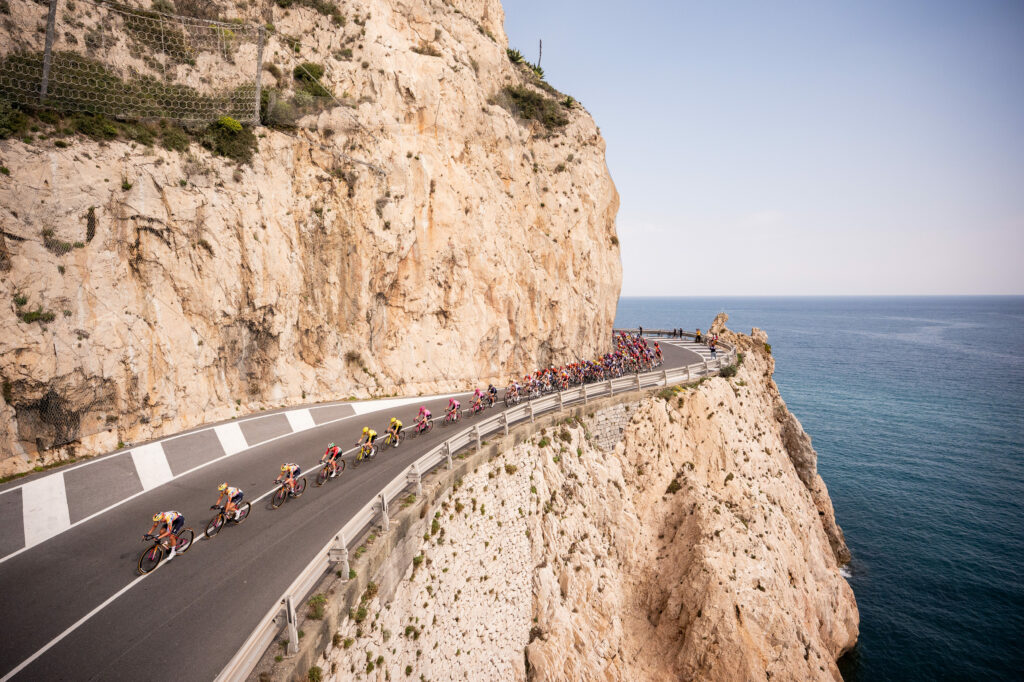
But French pro Cécile Lejeune, who rides for the Trek Driftless gravel team, was so angered by it all that she penned this brilliant, powerful, eviscerating poem in response to all the idiots online and their oh-so-funny GIFs and comments:
She is laying there
Pink
On the ground
“Womans [crying laughing emoji]”
Grzegorzy.strs says
Being a woman
Caused her crash
And we should laugh about it
She is laying there
Splayed
After flying down the wall
“Girls are bad on bikes”
Dwboulters says
Because Philippe Gilbert
And Remco
Were good on bikes
Of course
She is laying there
Immobile
And her bike too
“Are they stupid”
Danthefirm2 says
And took to his keyboard
To share his insightful question
She is laying there
And her race is too
And her future could be too
“You know what they say about women drivers”
Sprockett1s says
As these highly skilled cyclists
Descend Poggio faster
Than his car ever would
She is laying there
And her mum
And her dad
Wait in anguish
[The Simpsons laughing gif]
Elbonomkisapelgabs chooses to share
Because he can’t use his words
And opts for a gif
To express his delight at seeing
Her
Laying there
Brilliant Cécile.
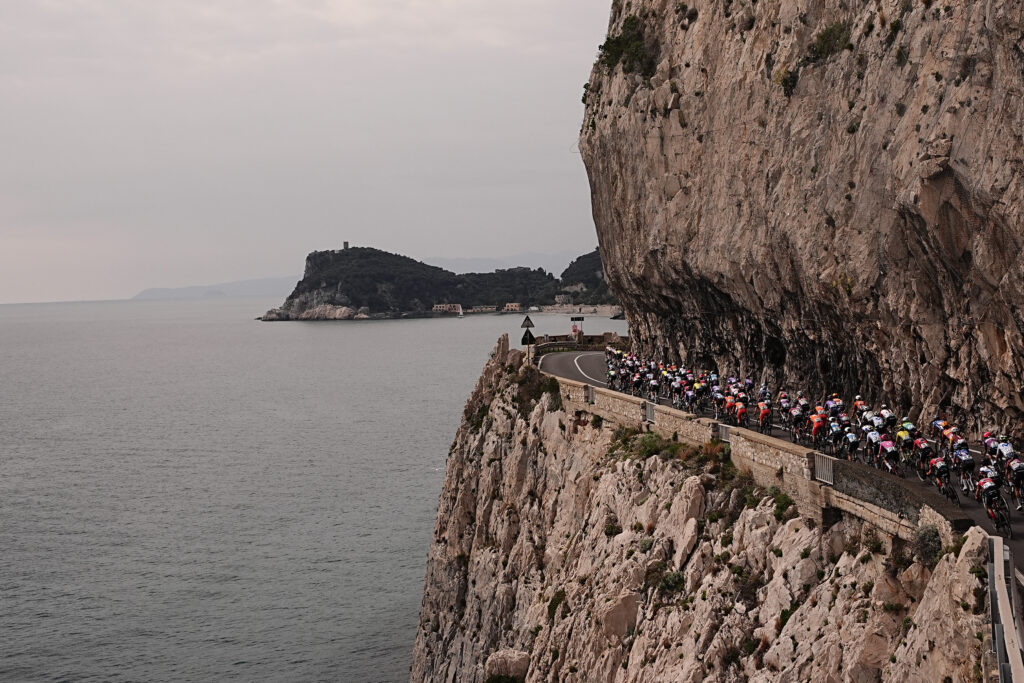
“I don’t often put pen to paper for subjects like this, and this is different from what I usually share, but I needed to for this topic,” she wrote on Instagram.
“After having spent a little too long in the comment section of a reel about the horrific crash in the women’s race at Milan San Remo yesterday, I was very upset by what certain people were choosing to share about it.
“Certain comments stuck with me all evening and were bothering me all throughout my Sunday ride. The following may not do much to change the situation, but it’s my way of dealing with the anger I’m carrying right now.”
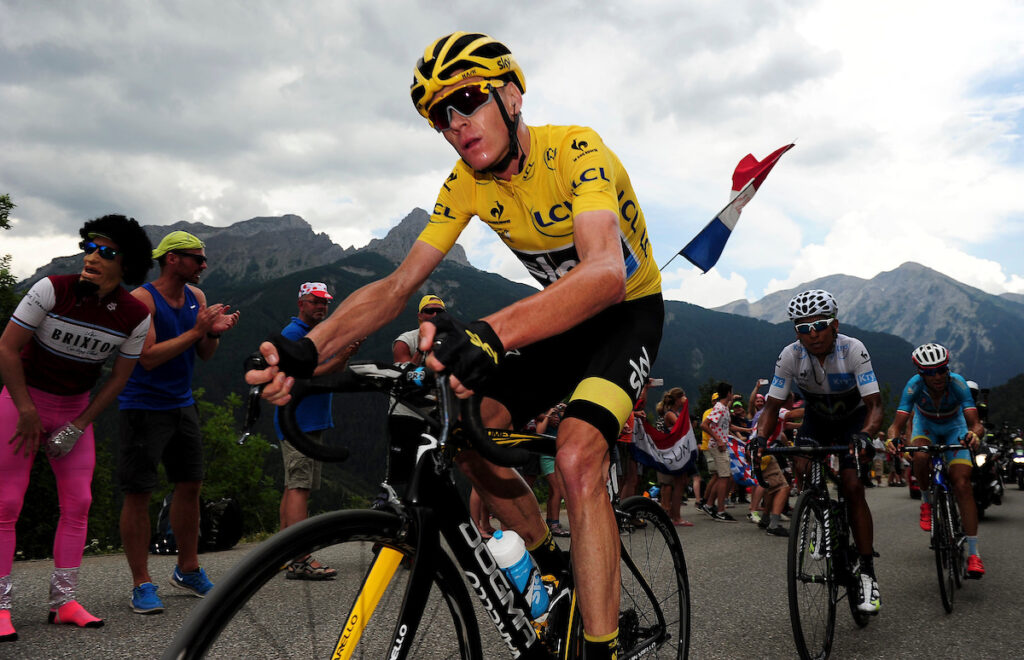
Where’s Chris Froome? Four-time Tour de France winner announces AI training partnership – but does it mean he’s finally retired?
Gather around, children, it’s time for every cycling fan’s favourite postcard-themed game: Where’s Froomey?
There he is, enjoying an ice cream beside the sun lounger. Oh, and there he is, hiding behind the team car, pointing out at some faulty disc brakes. And I’ve spotted him again, perched awkwardly on a chair advertising an AI training app.
Yes, the ‘will he, won’t he’ Chris Froome retirement saga took another interesting (well, depends how you define interesting) turn this morning, with the news that the four-time Tour de France winner has been appointed Chief Innovation Officer at AI-powered coaching and training platform Vekta.
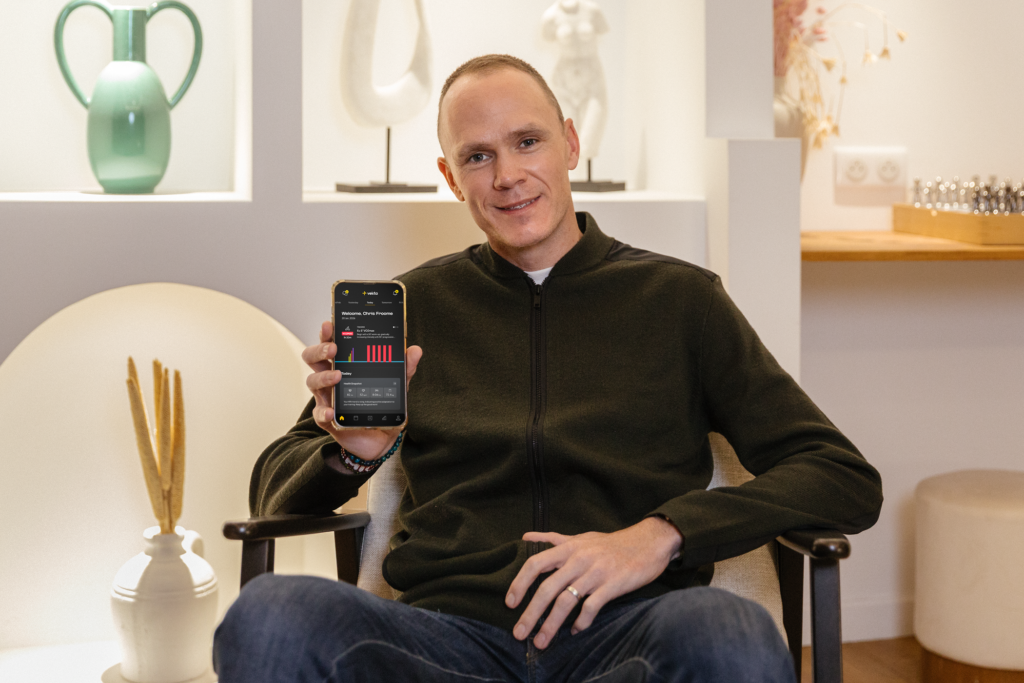
Vekta, in case you forgot, is a French training platform that works with both amateurs and pros, including Eddie Dunbar, to offer “advanced sport science” combined with “real-time AI insights to deliver a complete view of training, recovery, and readiness”.
And according to Vekta’s statement, Froome will be taking on a “hands-on role” at the company, which will see him “directly involved in product and brand development”.
In this new, specially created role, Vekta says, the 40-year-old will “work across product innovation, performance modelling, feature development, and long-term platform strategy, ensuring that data-driven insights reflect how performance is actually experienced by athletes” (whatever that all means).
The former Sky leader will also head the newly established Vekta Athlete Advisory Board, which includes Dunbar and Valentin Madouas.
> Chris Froome’s retirement limbo leaves the sport of cycling to grapple with a difficult legacy
So, it’s fair to assume that this new gig means Froome’s racing days are now firmly behind him? Not quite. The Vekta role, we understand, isn’t full-time. And while he hasn’t raced since August (when he finished 68th at the Tour of Poland) and is currently out of contract following his ill-fated spell at Israel-Premier Tech, Froome is yet to publicly confirm his retirement as a professional cyclist.
Back in December, at the Vuelta route presentation, Froome told Cyclingnews that “people will know soon enough” about his future plans. But since then, he’s remained tight-lipped, his most recent Instagram posts featuring ski holidays snaps with his family and a video of him chatting to Tadej Pogačar and Primož Roglič at the Monte Carlo Rally.
Well, maybe his Vekta statement will shed some light on cycling’s lowest stakes mystery?
“I’ve spent my career inside some of the most advanced performance environments in sport, and I’ve seen both the strengths and limitations of existing tools,” he said.
“What drew me to Vekta is the team’s ambition to build something that genuinely reflects how athletes train, race and adapt over time. For me, this is about rolling up my sleeves and helping build what comes next in performance, and I’m very excited to get stuck in”.
Hmm, maybe not. Looks like our game of ‘Where’s Froomey?’ shows no signs of stopping any time soon.
Or maybe today’s news is evidence that Froome is actually on course to become the world’s first AI cyclist, racing in a virtual world rooted in his glory days of the mid-2010s, where it’s illegal for him to finish anonymously at the back of the bunch. Now there’s an idea…
Introducing Jonas Vingegaard, Visma-Lease a Bike’s new deep-lying playmaker
Move over Remco, there’s a new footballing cyclist in town:
View this post on Instagram
Lovely Roy Keane-style drilled pass, that one. Nice stuff Jonas. Though the video wouldn’t be complete without some classic Vingegaard ambivalence towards his chosen profession.
That shrug of the shoulders and nonchalant “maybe” when the notion of switching sports was brought up… The man has clearly thought a few times about what life would be like patrolling the midfield for FC Midtjylland, instead of chasing Tadej Pogačar up mountains.
Anyway, the less said about Sepp Kuss’s ‘effort’ the better…
Magnus Cort bags first win in over a year with perfectly timed uphill sprint at Volta a Catalunya
The ginger moustache supremacy continued at the Volta a Catalunya this afternoon, as Magnus Cort timed his sprint to perfection in Banyoles to win stage two.
A textbook leadout 🫡
Magnus Cort Nielsen wins Stage 2 of Volta a Catalunya after a perfectly executed team setup 💪🏻 pic.twitter.com/SFefkDShn9
— Cycling on TNT Sports (@cyclingontnt) March 24, 2026
After Lotto’s breakaway duo Liam Slock and Baptiste Veistroffer were reeled in during the run-in (the plucky Slock lasting until the flamme rouge after his teammate gave him everything in the closing kilometres), UAE’s Ivo Oliveira was the first to jump on the long, straight drag to the line.
Uno-X’s Cort, however, used all his experience to latch onto Oliveira’s move before passing him with 250m to go, holding off a fast-charging Noa Isidore to take the 35th win of his career and his first in over a year.
So, it turns out that implementing wide-ranging cycling infrastructure and making your city a nicer, safer place to walk and ride a bike is actually popular with voters. Who knew?
If our political leaders can learn anything from Paris’s recent mayoral election, it’s this: don’t be bullied by the anti-cycling mob.
Monday morning commuters on the cycle lane of Rue Rivoli, saved by the election of M. Grégoire for mayor. His opponent campaigned against bikes, school streets, & trees, and for cars, pollution, & noise to own the streets of Paris.
#paris #bike #15minutecity #urbanism #velo #bikelane #commuter
— un Américain perdu à Paris (@paris75009.bsky.social) March 23, 2026 at 9:07 AM
While right-wing candidate Rachida Dati stood firmly on the side of the motorist, socialist Emmanuel Grégoire held firm, vowing to build on his predecessor Anne Hidalgo’s transformative cycling policies, which have turned Paris into one of the great two-wheeled hubs of Europe.
And he won easily.
The newly elected mayor of Paris, Emmanuel Gregoire, cycling to City Hall, after winning the city’s mayoral election on Sunday.
#bikeped #safestreets— 🌹ᴀʟᴀɴ ᴇ ʜɪʟʟ🌹 (@alanehill.com) March 23, 2026 at 12:11 PM
Grégoire even completed a victory lap of the French capital by bike, cycling to city hall as a “homage to this mobility revolution that brings to much. And, ultimately, it’s nicer to do this by biking than by driving.”
UK politicians, take note.
1990s Tour de France bike vs modern superbike: Are the latest bikes really so much faster and more comfortable?
Liam here, answering the kind of questions you ask yourself three hours into watching Milan-Sanremo:
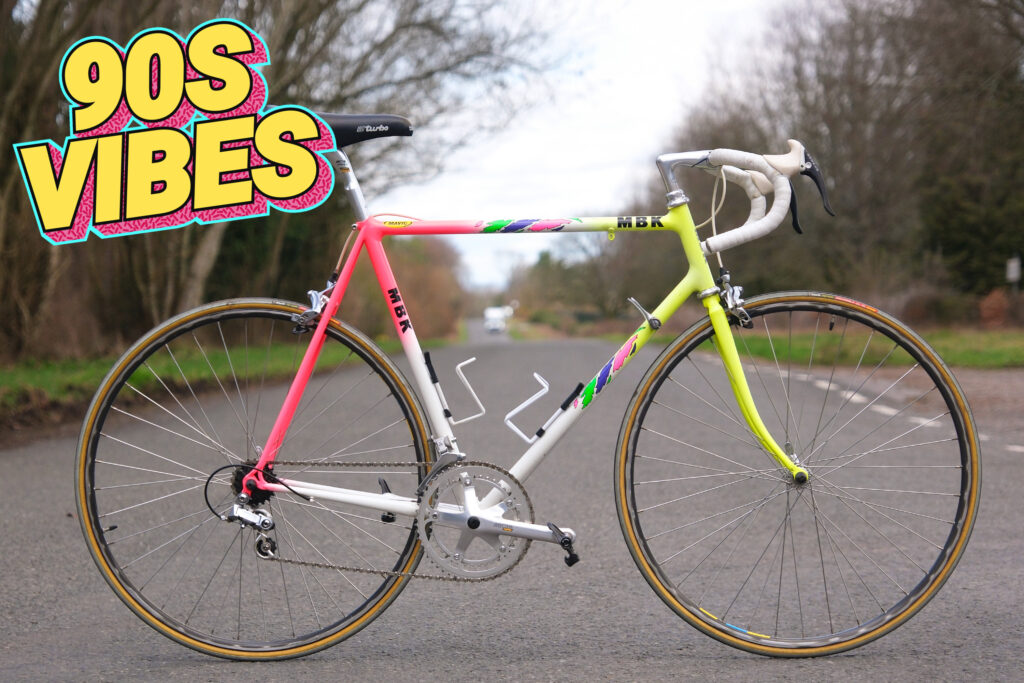
By the way, I’m picking the 1993 MBK any day of the week. Who cares if the brakes take an extra three miles to stop?
“Bike lanes, not ballrooms!” Cyclists take on Trump over planned bike lane removal in Washington
I’ll admit, when I first saw this banner I assumed it was the work of a bunch of angry, television-loving cyclists calling for the BBC to cancel Strictly Come Dancing for some reason.
Bike lanes not ballrooms. Hundreds of people participated in a a rolling demonstration to save the 15th St bike lane, which the regime threatens to remove
— Joe Flood (@joeflood.bsky.social) March 23, 2026 at 6:28 PM
But actually, it’s the work of a campaign group in Washington DC, who protested yesterday against plans to remove a network of cycle lanes around the US capital’s National Mall.
And because the infrastructure is located within the National Mall area, the decision to rip the bike lanes up has come directly from the White House. And the Donald himself (so much for his Tour de Trump bike race organising era, eh?).
Hence the ‘bike lanes, not ballrooms’ slogan, a reference to Trump’s controversial, and rather vain, $400 million White House State Ballroom plans.
> Donald Trump cancels grants for bike lanes because they’re “hostile to motor vehicles”
One of these protected lanes, on 15th Street, has described by local cyclists as a “critical link” in Washington’s cycling network, with the city’s mayor Muriel Bowser noting that it has been responsible for a 46 per cent drop in crashes and a 91 per cent fall in cyclist injuries on that particular road since it was installed.
The Washington Area Bicyclist Association is suing the federal government in a bid to stop the removal works, which the Trump administration forms part of its bid to “revitalise Washington DC” and “restore common sense into city planning”.
Like a massive big ballroom and gaudy gold door handles, right?
Debora Silvestri still requires breathing support and is set to extend hospital stay after horror Milan-Sanremo crash left her with severe chest trauma
Debora Silvestri, the Laboral Kutxa-Fundación Euskadi rider who flew over a guardrail during Saturday’s horrific mass crash at Milan-Sanremo, is recovering well from her injuries, her team announced this morning.
However, the 28-year-old, who broke five ribs and fractured her shoulder, is set to remain in hospital for a few more days, as she continues to require respiratory assistance following the impact to her chest caused by the fall, which saw her plummet to a driveway below the road.
View this post on Instagram
“Debora Silvestri continues to show favourable clinical progress, in line with the severity of her injuries,” Laboral Kutxa-Fundación Euskadi said today.
“As a result of the severe chest trauma, she still requires respiratory support. Therefore, the team’s medical staff, along with the medical professionals at the hospital where she is being treated, have deemed it appropriate to extend her hospital stay for a few more days.
“This decision reflects their desire to ensure her recovery progresses under the best possible conditions and that she can be discharged with full clinical assurance. Forza Debora.”
Is this gravel?
Great to see the return of one of our favourite cycling sub-genres – someone doing something daft on a gravel bike:
View this post on Instagram
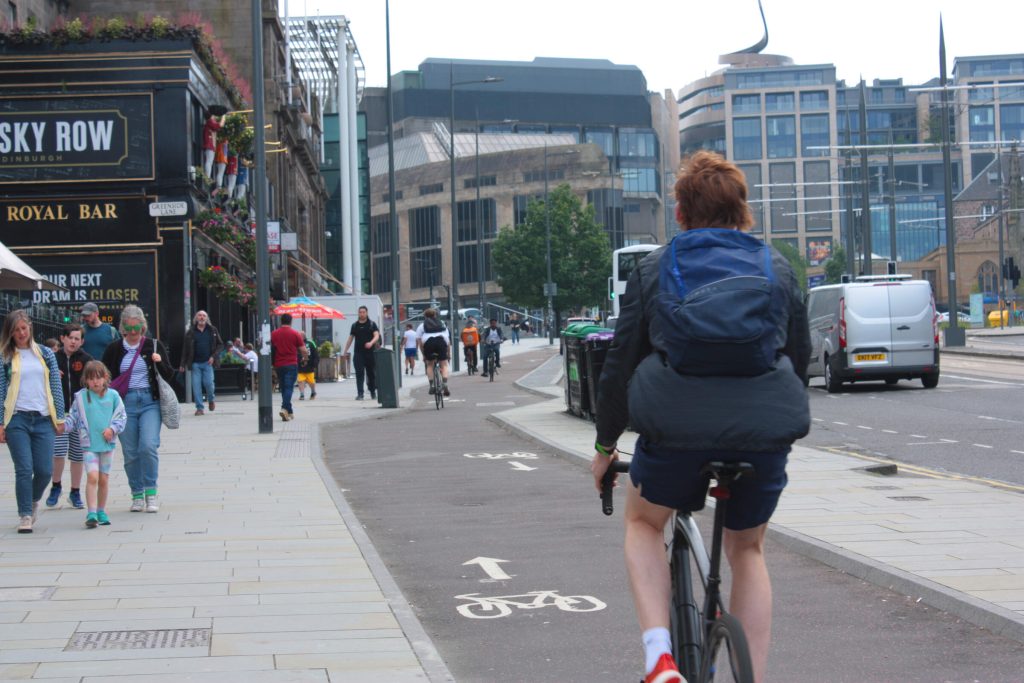
Political row erupts over Edinburgh cycling levels amid claims of cover up and cycle lanes “just not working”, but council insists active travel picture remains positive
Giro d’Italia pays tribute to former race director Carmine Castellano, who died today, aged 89
The Giro d’Italia has paid tribute to one of its “grandi patron”, former race director Carmine Castellano, who passed away this week aged 89.
Castellano was only the third director in the Giro’s 117-year history, after founder Armando Cougnet and Vincenzo Torriani, who he had assisted in organising the grand tour since the early 1970s, taking the reins in 1989 as Torriani’s health deteriorated.
Castellano’s spell in sole charge of the race, between 1993 and 2005, was marked by the introduction of some of the Giro’s most iconic, feared climbs, including the Mortirolo, Colle delle Finestre, and the Zoncolan.
However, his tenure also coincided with arguably the sport’s bleakest period, as the Giro was rocked by a number of doping scandals, including race leader Marco Pantani’s controversial expulsion in 1999 and the police hotel raids of 2001.
“Goodbye to one of the great patrons of the Giro d’Italia,” the race said in a statement today. “Caio, Attorney.”
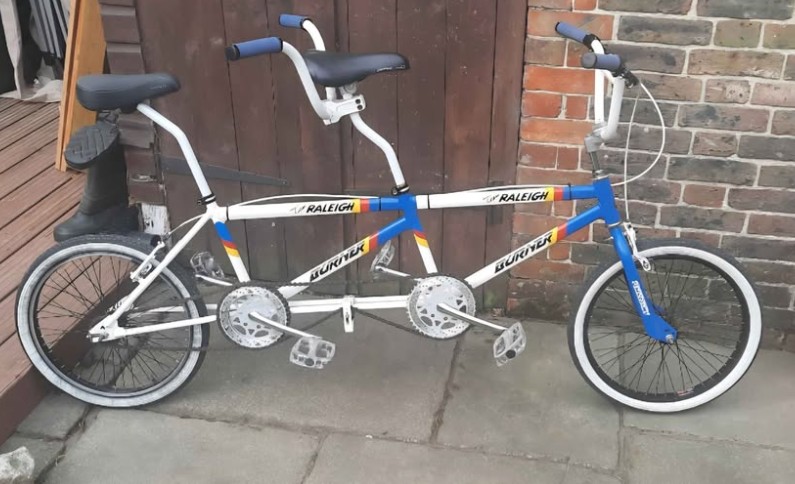
Facebook Marketplace Find of the Day
I reckon Greg James missed a trick by not opting for one of these beauties for his Comic Relief tandem ride…
“Intelligence-led testing” leads to doping positive for Italian rider at UAE Tour
The anti-doping world’s emphasis on data gathering and “intelligence-led testing” seems to be paying off, after the International Testing Agency (ITA) announced on Monday that the practice had resulted in a positive test for Vini Fantini-BePink rider Linda Laporta at the UAE Tour last month.
Italian Laporta, who finished 50th at the UAE Tour, has been provisionally suspended after returning an adverse analytical finding for the Selective Androgen Receptor Modulator (SARM) Enobosarm, or ostarine.
View on Threads
According to the ITA, ostarine has been shown to increase lean body mass and promote muscle growth. Laporta has been informed of her positive test and is provisionally suspended pending the result of her B-sample.
The ITA said in a statement that the sample was collected “during an intelligence-led testing mission conducted by the ITA during the 2026 UAE Tour Women on 5 February 2026”.
The 26-year-old, who has raced twice since submitting her positive test, is in her third season in the professional peloton, after turning pro with Conti outfit BTC City Ljubljana in 2024. Her best result so far has been seventh at last year’s Giro dell’Appennino.
“The real reason for congestion? Other drivers”
We see a lot of claims that the Liverpool St cycle scheme ‘causes congestion’, despite this road already being only one lane each way before this scheme was introduced.
The real reason for morning congestion here is the same as it is everywhere else – other drivers
— Walk Ride Salford (@walkridesalford.bsky.social) March 19, 2026 at 5:35 PM
“If Tadej had known what condition the bike was in, he wouldn’t have descended so aggressively”
Milan-Sanremo may have been three days ago, but the fallout from The Bike Race Heard Around The World continues, thanks to the shiver-inducing revelation that Tadej Pogačar raced the last 32km – including that helter skelter dive down the Poggio – on a broken bike:

> Did Tadej Pogačar win Milan-San Remo on a cracked Colnago?
I feel a bit sick thinking about that.
Meanwhile, in other Sanremo news, the world champion doesn’t seem too fussed about returning to the Ligurian coast anytime soon, after admitting he’s had his fill of the Italian Riviera’s “criminal” motorists in recent years:
We hear ya, Tadej.










6 thoughts on ““I’m glad I made it out alive”: Grace Brown says pro cyclists “fear for their lives” and crashes are getting worse despite “extreme” focus on safety rules; Sexist Milan-Sanremo crash comments spark scathing poem; Where’s Froomey? + more on the live blog”
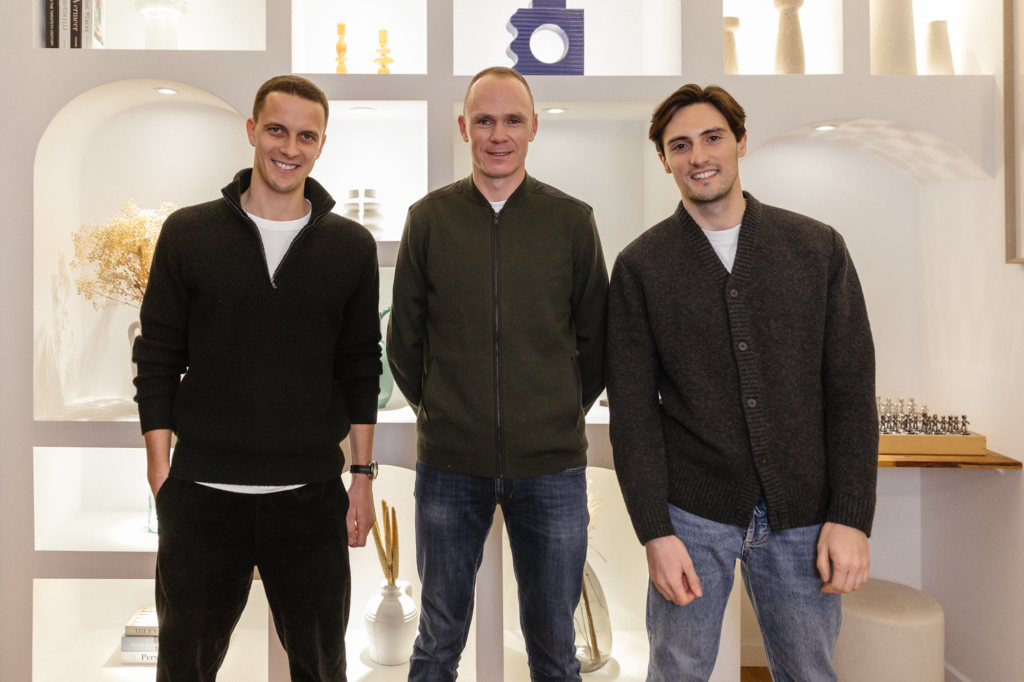
Incidentally, Vekta’s third co-founder (no shown in the picture) is called Doron Israel. This surnamenmight have tricked Froome to join his new team who has the ambition to acquire market shares across the pro pelotons.
Ah you’re one of those antisemites
Parisian bobos live in Paradise, which is possible with a disposable income of £70,000 per annum.
Is that enough to live well in Paris? Actually curious.
Easily. If you choose one of the less fashionable arrondissments you can get an OK apartment for €1500-€2000 a month and the cost of living is about 20% lower than London, especially if you shop and eat where the locals do rather than the tourists. A yearly public transport pass comes to just €19 a week for as many bus, train and Metro journeys as you want throughout Paris. On €70,000 you could have splendid life there.
Merci!