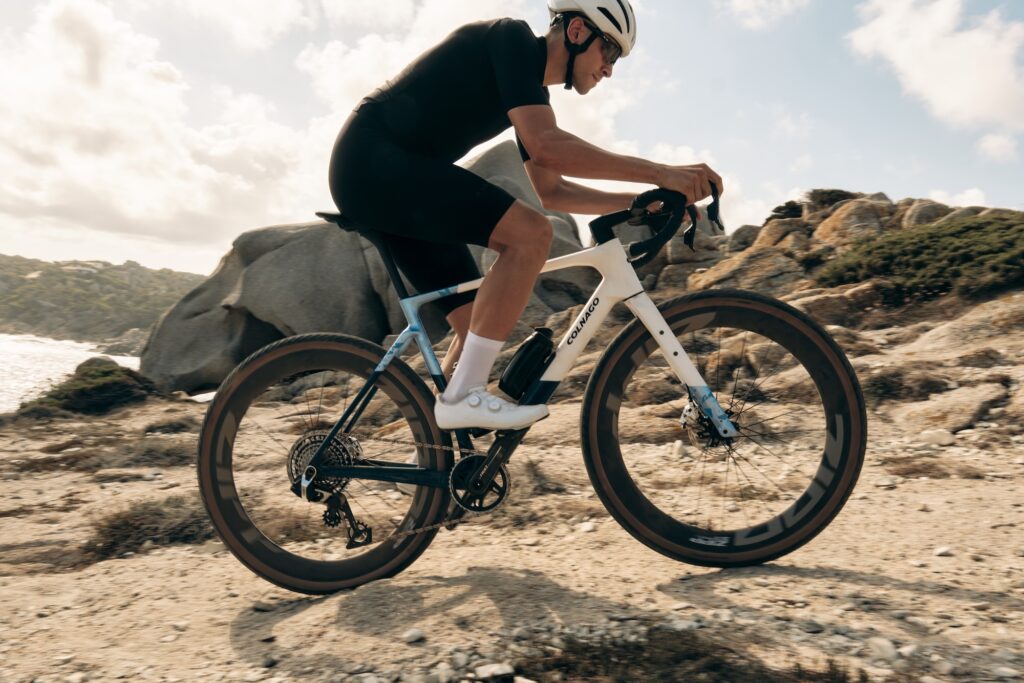
This year sees the implementation of new UCI rules on bike setup which are intended to reduce peloton speeds and make riders safer. There has been much discussion and criticism since – coming from fans, pundits, bike fitters and pro teams – so since we were already in Belgium for Opening Weekend, we wanted to get some opinions from the pros to find out if the negativity is being felt among the people who will be directly affected by the new rules.
Has the raft of updated UCI rules actually changed the bike setup of some riders, and do the changes make them feel safer? Before we get to what they had to say, it’s worth reminding ourselves of what the changes are:
- Bars, at their widest point, can now measure no less than 400mm, which is up from last year’s 350mm minimum
- The minimum distance between your hoods is now 280mm, though the UCI had planned to limit this to 350mm
- Wheels can be no deeper than 65mm
- Helmets are now ‘traditional’ or ‘time trial’. The latter are now banned in mass start road races
- Finally, we were going to get some gear restriction rules, preventing anyone from fitting gearing greater than a 54×11, but that angered SRAM to the point that they took legal action – and won – against the UCI

At Omloop Het Nieuwsblad, Lidl-Trek’s Anna Henderson told road.cc how even small changes away from a rider’s optimal position can cause issues.
Henderson said: “I got quite lucky that they did adjust the bar rules [from the proposed 350mm minimum shifter width] so I could keep the same with the bar. I just had to adjust my shifters.
“It’s amazing how much a few millimetres of straightening out your shifters can make a difference to back pain and shoulder pain.”
While the British TT and One Day specialist has been dealing with some discomfort on the bike, she remained pragmatic, concluding: “We’re working with it, we’re living with it, we’re flexible, and we’re here to race.”
Fellow Brit, Cat Ferguson, however, has been unaffected by the UCI’s equipment regulation changes: “I don’t feel impacted”, she told road.cc. “We’ve managed to maintain everything almost the same from last year, so for me, no.”
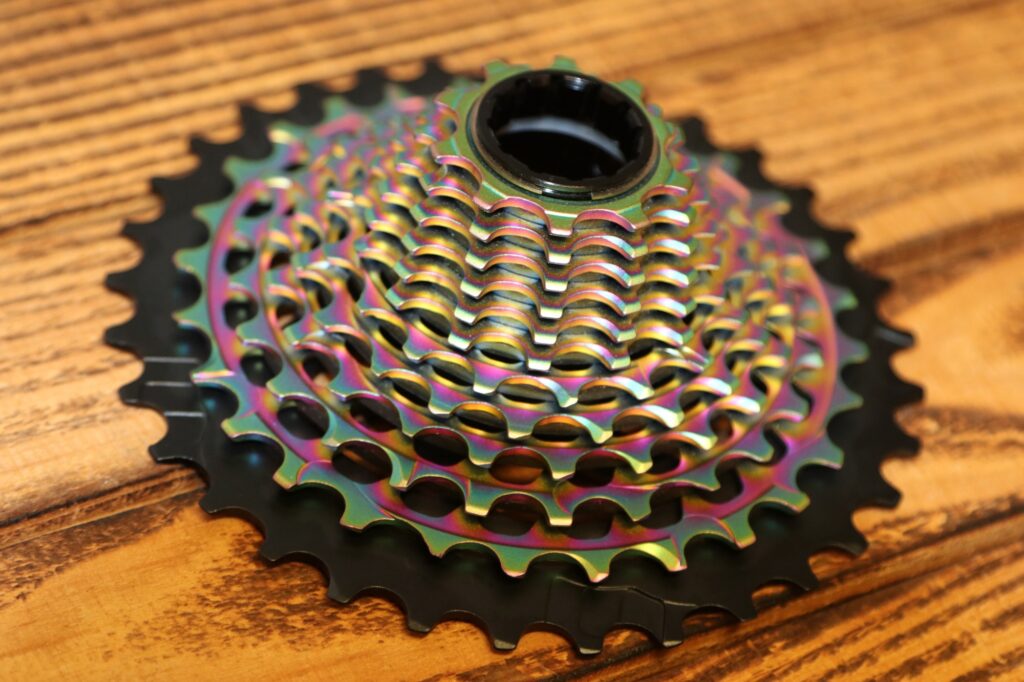
While Ferguson and Henderson have escaped with little to no positional changes, their teams are sponsored by SRAM. Had the UCI pressed ahead with its 54×11 maximum gearing rule, both riders would have seen their bikes change significantly over the winter.
Speaking at the start of Kuurne-Brussel-Kuurne, Irish Champion Rory Townsend – while seemingly unaffected by the UCI’s equipment rules – called the changes a “tax on smaller riders.”
“I don’t think it’s been very well considered”, he added.
For many of the riders we spoke to, the equipment rule changes are a bit of a distraction. Firstly courses, especially finishes, need to simply follow the UCI’s own current rules. The Giro di Sardenga a few weeks ago, for example, had a bunch finish with a 90 degree left-hander 50 meters from the finish.

Ferguson, for one, highlighted better course inspections as a more practical safety measure.
“For me, I think just assessing the courses more”, she said.
“I think sometimes we’re riding on roads that are really just not suitable or not well-marked with not enough marshals to point out potholes or objects in the road. I think, for me, that’s the main causes of crashes.”
UniBet Rose Rockets rider Townsend pointed to the difficulties in simply putting races on, something he will have experienced a lot while racing on the crumbling UK domestic scene. However, he offered a practical solution which could be adopted in a number of races: “Today for example, we have this finishing circuit, and this is always, I think, a good way of finishing a race”, he told us.
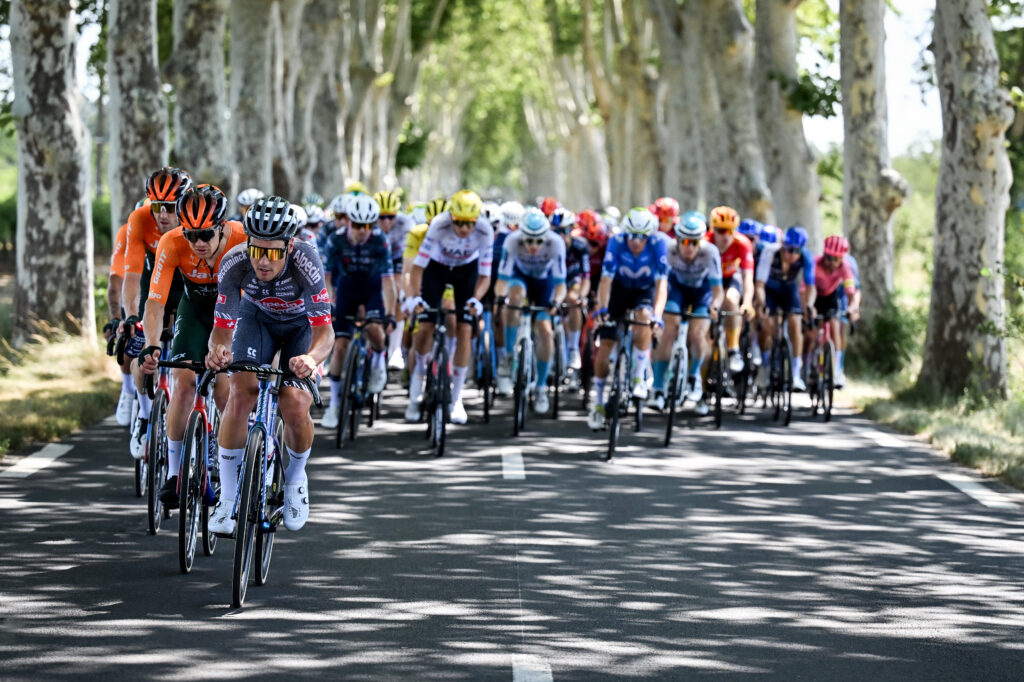
However, as Team NSN’s Lewis Askey pointed out, the peloton decides how it races.
“It’s the riders that make it dangerous,” the Brit said. “If you find 200 guys going into a left hand corner which is important, the maths doesn’t work and at some point, when we’re all going for the same thing, there’s going to be crashes and danger.”
While Askey agrees there are ways to make racing safer, he says: “At the end of the day, I think it comes down to us as riders to look out for each other.”
“There’s a difference” – he concluded – “between racing hard and making really stupid, dangerous decisions.”
So while the UCI rule changes seem to have resulted in small changes to riders’ positions, these small changes can still cause noticeable discomfort for some riders, and some in the peloton have been open in their criticism here. Some pros seem to view the rules changes as insignificant when it comes to safety, with Askey highlighting more pressing concerns like course conditions and the peloton’s own conduct.