


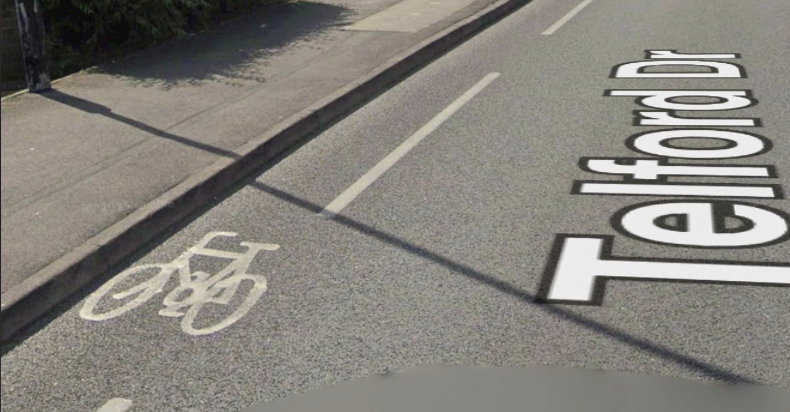

Bike lane narrower than its own cycle symbol
Absolutely absurd
by
u/Glareah in
ukbike
Reddit user Glareah has shared an image of a painted bike lane, with the bike symbol wider than the lane itself on Telford Drive in Slough. How can they expect a bike to fit in it if the painted symbol is too wide?
The user added: “If you are cycling along one of these lanes, please, please, please do not try and confine yourself to an area that’s narrower than your handlebars.
“You need to be able to manoeuvre around potential hazards on both your left and right. Hugging the kerb to stay within the painted area will either result in a crash or a close pass. As per the Highway Code, aim to be at least 0.5m out from the kerb.
“How can we, as the public, actually get proper cycling infrastructure that protects us?”
Gareth79 added that they “reported some local roads as being dangerous, and cited a police report I made after a driver stopped and verbally abused me for not riding within the lane as evidence that they were actively dangerous for cyclists.
“The response was that they would review them when the markings were due to be repainted, and that burning them off was ‘unsightly and expensive’.
“A year or so later, they resurfaced one of the roads and repainted the markings exactly as before. Then, a month or so later, they burned them off before I had got around to writing them an email asking for their justification for retaining them.
UKbabz added: “It looks like it’d fail to meet the minimum handlebar width for the UCI…”
Quinn Simmons wins stage 4 of the Tour Auvergne-Rhone-Alpes
View this post on Instagram
US national champion Quinn Simmons has won stage 4 of the Tour Auvergne-Rhône-Alpes with an impressive long sprint. This was the Lidl-Trek rider’s first win in France, and his third win at WorldTour level. Finn Fisher-Black was close but couldn’t manage to catch up, with Matteo Vercher coming in third.
After finishing safely in the peloton just a few seconds behind the winner, Alex Baudin retains the GC heading into the next stage.
Bizarre race names, silly calendar tweaks, and tech overhauls: Pro cycling changes that worked (and those that didn’t)

A new feature from Ryan on the “bewildering” changes that cycling fans are facing. It has taken me a few googles to work some of them out…
“First, we were ordered by our televisual overlords to migrate to yet another streaming service – Discovery+ is dead, long live HBO Max – the latest in a litany of decisions that have transformed my phone into a graveyard for defunct cycling platforms. Then, once we’ve finally, painfully navigated our way through to the newest app’s racing schedule, we’re increasingly being forced to carry out some race name code breaking worthy of Bletchley Park.”
Aero bike and lock… take my money!
View this post on Instagram
Crash for Sam Watson on Tour Auvergne – Rhone-Alpes
There has been a crash in the breakaway of the Tour Auvergne-Rhone-Alpes. British champion Sam Watson from Netcompany Ineos has come down heavily on his right side at speed. It isn’t entirely clear what happened; there were speculations on a flat tyre as his wheels were wobbling, but he got back onto the same bike.
He is clearly in pain but managing to ride on, with a broken boa strap on his shoe.
A closer look at Jill Scott’s custom Mercian Ventura Allroad for her gruelling 388-mile Sport Relief challenge
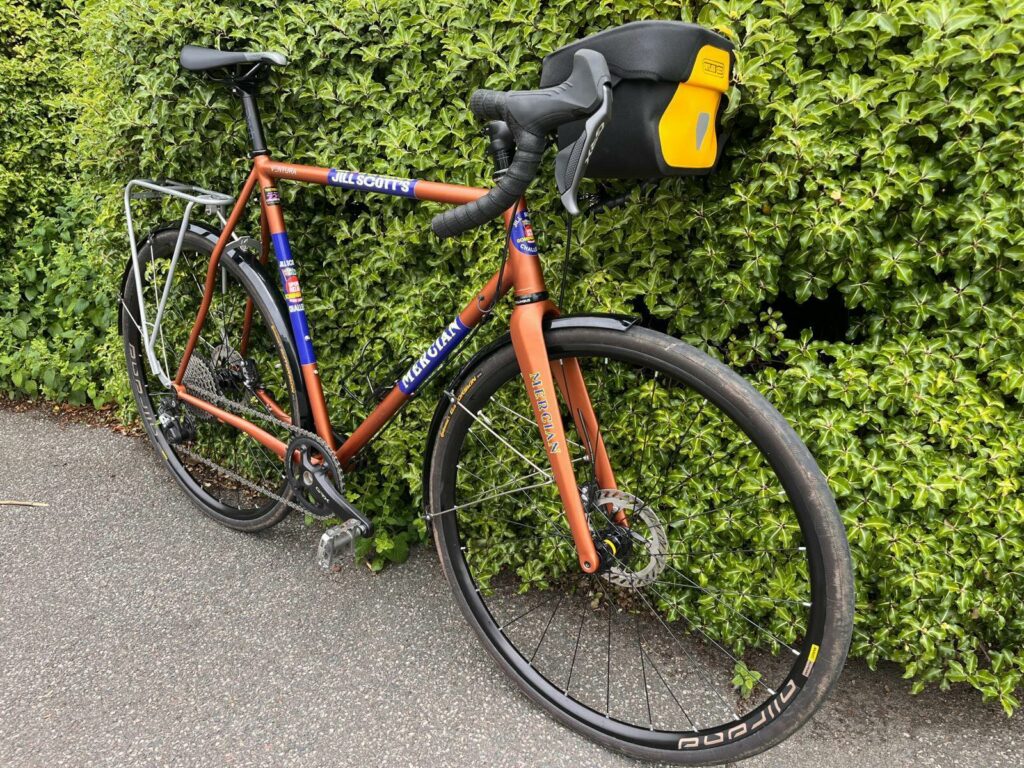
Jill Scott, the former England professional footballer, is currently undertaking a mammoth five-day, 388-mile journey to run and cycle her way from London’s Wembley Stadium to Sunderland’s Stadium of Light, named the Coming Home Challenge. All of this is in aid of Sport Relief, and will raise much needed funds to help the charity’s local projects, as well as sister charity Comic Relief’s wider work.
Transport for London celebrates schools boosting active travel

Transport for London has recognised 18 schools for their efforts to increase active travel, improve safety and reduce air pollution across the city through its Travel for Life programme.
The schools were celebrated at the annual ‘Inspiring Success’ awards ceremony hosted by London’s Walking and Cycling Commissioner Will Norman, nominated by their local councils.
Some of the schools nominated include Nightingale Primary School in Redbridge, which reduced car usage from 30 per cent to 19 per cent, William Morris School in Merton, which increased walking and cycling by four per cent, and Thames View Junior School in Barking and Dagenham, which brought car and motorcycle use down to just nine per cent.
Schools also delivered practical improvements to improve active travel. Springfield Primary School in Hackney installed storage for 55 additional scooters and secured eight pool bikes, while Nightingale Primary School in Redbridge helped secure a School Street.
TfL’s Travel for Life programme offers free education programmes to schools and education settings across London, to help them increase active and sustainable travel options on the school run, reduce car use and improve safety, health and wellbeing. Delivered in partnership with the London Transport Museum and London boroughs, schools can achieve bronze, silver and gold accreditation.
Last year, more than 1,000 schools achieved gold accreditation, which is achieved through reducing car use by six per cent or achieving 90 per cent of the school run on sustainable transport.
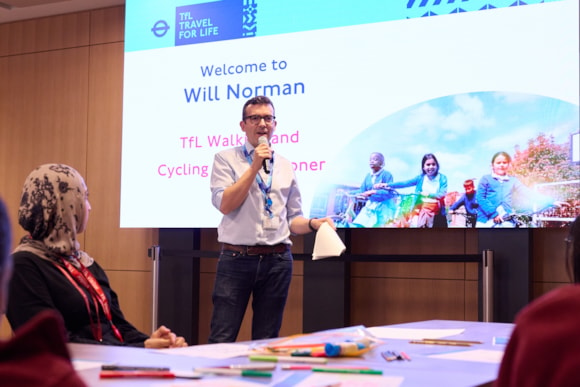
London’s Walking and Cycling Commissioner, Will Norman, said: “These awards recognise the outstanding work of schools across London helping more children walk, cycle and scoot to school, while improving road safety and air quality in their communities.
“I’m delighted that more than 1,500 schools are now taking part in Travel for Life, but we want even more schools to benefit.”
A teacher from St Peter’s Dock Primary School, Tower Hamlets, said that pupils have become “real advocates for reducing car use, improving safety and making sure everyone walks to cycles to school when they can.”
Lilli Matson, TfL’s Chief Safety, Health & Environment Officer, said: By championing active travel and road safety, these schools are supporting our Vision Zero ambition and improving air quality in the city.
“It’s impressive to see so many schools leading the way, and we want to build on this momentum.
Elizabeth McKay, Director and CEO of London Transport Museum, added: “ This initiative plays a key part in how we support young Londoners to build confidence and travel safely and sustainably. I’m always inspired by the commitment from schools across the city, who consistently demonstrate the real impact everyday journeys can have on safety, wellbeing, and London’s future.”
The programme supports the Mayor of London’s Transport Strategy, including Vision Zero, which aims to eliminate deaths and serious injuries on London’s transport network by 2041. TfL says it funded the delivery of 469 School Streets between 2022 and 2025.
According to the organisation, the first Vision Zero Action Plan has contributed to a 24 per cent reduction in the number of people killed or seriously injured on London’s roads compared with the 2010–2014 baseline.
This cargo bike fits more than my car…
Drivers told to “go a slightly different route” to stop rat-running on proposed family cycle loop

An independent committee responsible for one of Bristol’s largest estates has called for traffic-calming measures to be introduced to turn surrounding roads into a ‘family cycle loop’.
The Downs Committee, responsible for managing the Clifton and Durdham Downs in the north of the city, say that the proposal would encourage parents who are currently “concerned about the idea of cycling with their children.”
> Drivers told to “go a slightly different route” to stop rat-running on proposed family cycle loop
Visma unveil children’s artwork jersey for Tour de France Femmes
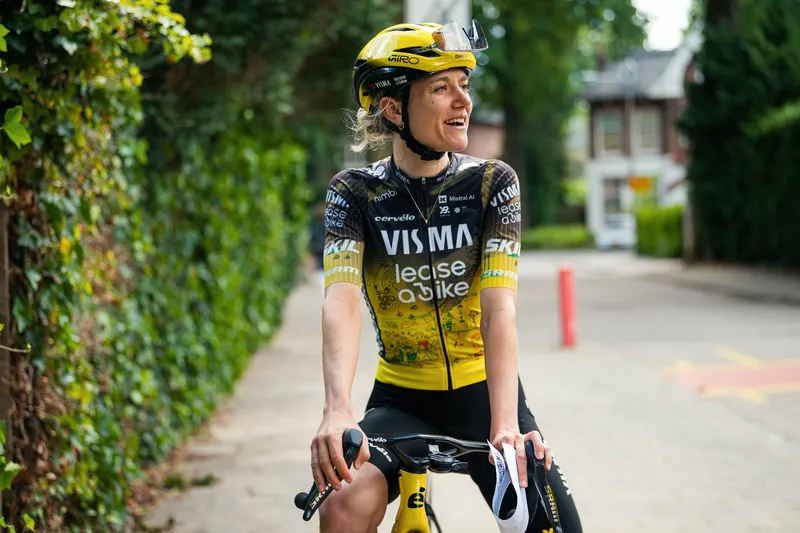
Visma-Lease a Bike has unveiled a special jersey for their women’s team at this year’s Tour de France Femmes, featuring designs drawn by children as part of a “Dream Like a Champion” competition.
As they can’t wear their usual yellow jerseys due to the race leader’s maillot jaune, the switch-out black and yellow jersey will feature illustrations from children.
The team hosted a drawing competition asking children to illustrate their “cycling dreams” for prizes.
However, they didn’t reveal that the designs would actually feature on the jerseys. As part of the campaign, they visited the 15 winners at their schools to present them with a jersey featuring their design.
Dream Like a Champion 💭
During the Tour de France Femmes, the women’s team will wear a special edition jersey featuring fifteen drawings created by children, illustrating their cycling dreams.#dreamlikeachampion pic.twitter.com/BzNs0LMKzr
— Team Visma | Lease a Bike Women (@visma_lab_women) June 9, 2026
Visma CMO Jasper Saeijs said: “The reaction of children when they see their drawing on the jersey worn by our riders says it all. In that moment, they realise that their dream truly matters.
“This is exactly what we want to achieve with this campaign: to make every child feel that they are allowed to dream, and that dreams can sometimes become reality. Dream like a champion.”
In previous years, since the Tour de France Femmes’ inaugural edition in 2022, Visma’s men’s and women’s teams have worn the same switch-out kit. However, this year the men’s kit is inspired by Catalan architect Antoni Gaudí in reference to the Barcelona start.
Although the idea is wholesome, I’m not completely sure about the decision to showcase children’s designs on the women’s jersey, the first time the women’s team have a different kit from the men…
“Always fun when someone is up for a little adventure”
View this post on Instagram
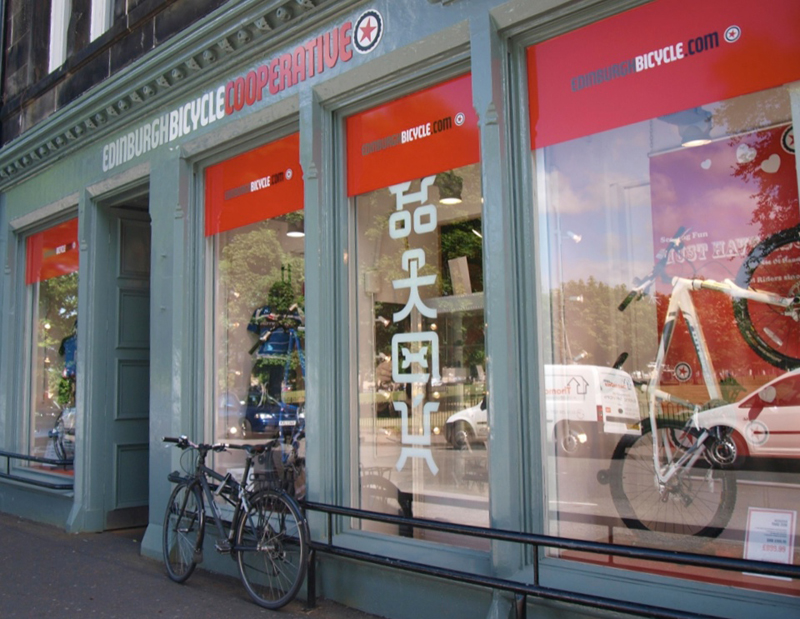
Edinburgh’s cycle scheme is the most successful in Europe
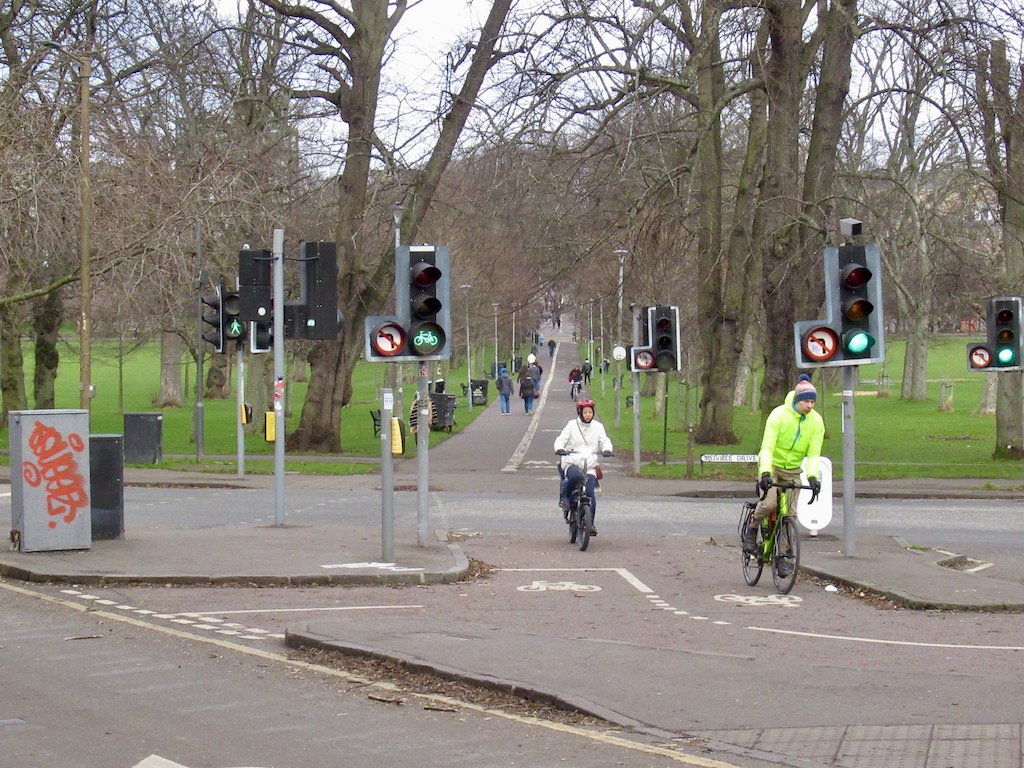
Introduced in the city in September last year, Edinburgh’s cycle scheme is the most successful in Europe, according to the Edinburgh Reporter.
Initially introduced with 50 bikes spread across 39 parking locations, there are now over 800 bikes in 200 locations, eight months on. There are even plans in place to expand the scheme further.
Transport Convener, Cllr Stephan Jenkinson, has said that since Voi’s introduction, around 53,500 users have taken almost 550,000 trips. This is an average of 5,000 trips per day.
This means that users have covered approximately 1.3 million kilometres since September, which equates to 34 laps of the Earth.
Cllr Jenkison added that the scheme is an “overwhelming success” and that the average trips per vehicle is 8.4, far exceeding the “average that companies look for” at around 2.5 trips per day.
They have been far more successful than their predecessor, Voi bikes, with 2.6 times as many rides taken.
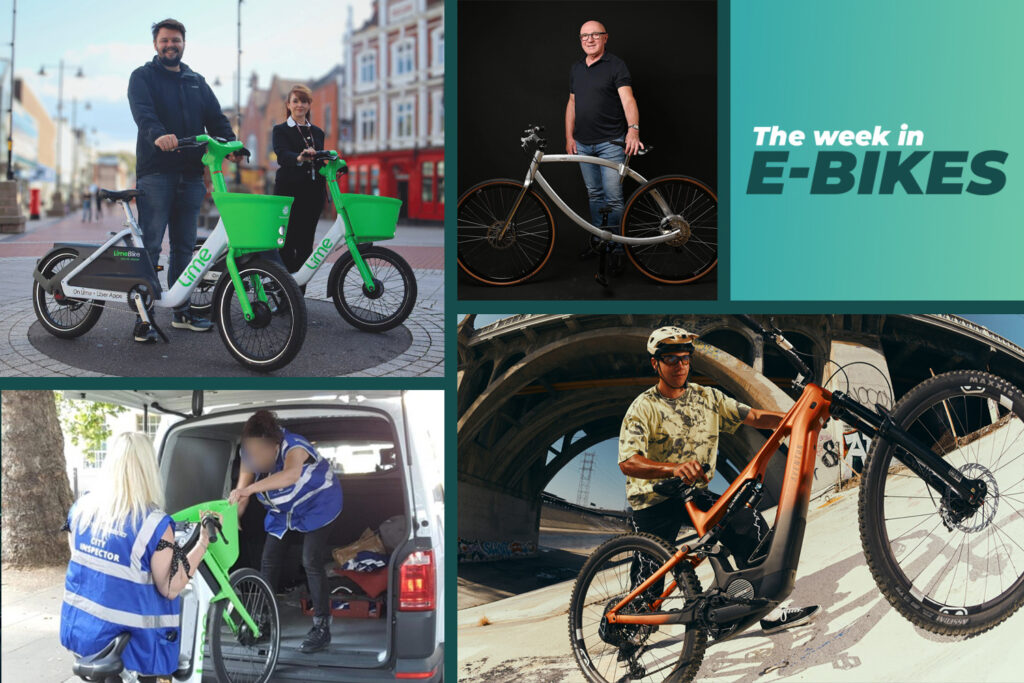
Megamo launches dedicated e-road bike powered by super-powerful Avinox motor

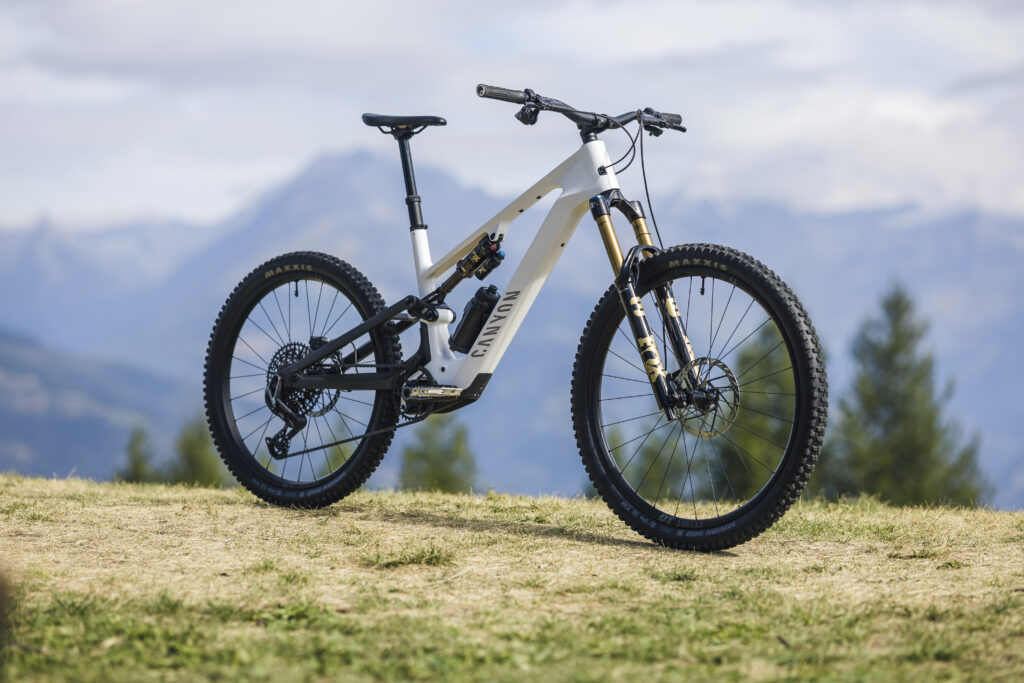
The mountain bike world has been abuzz with talk of next-generation Avinox motors since their introduction in April, and now Megamo has announced the launch of a new e-road platform called the Upon, which is “designed to deliver a true road cycling experience while harnessing the power and efficiency of the Avinox motor system”.
> Megamo launches dedicated e-road bike powered by super-powerful Avinox motor
Other councils should take note…
Busy cycle lanes with cyclists obeying traffic lights is a perfect example of that: if you build proper infrastructure, it will get used.
Other councils should take note…
Parliament square cycle lane busy this morning pic.twitter.com/R8e0c7bcJR
— Timothy (@westcountrytim) June 9, 2026
“If you wait for someone whether they are supposedly strong or not, you lose an enormous amount of time”: Vauquelin suggests Netcompany Ineos sacrificed stage win to wait for Oscar Onley

Kevin Vauquelin has suggested that Netcompany Ineos may have sacrificed both a stage win and the yellow jersey after deciding to wait for a teammate during stage three’s team time trial at the Tour Auvergne-Rhone-Alpes.
Oscar Onley suffered a chain problem mid-race, and Ineos opted to ease up rather than leave him behind.
Vauquelin was not convinced by this tactical choice, as the British squad finished second to Team Visma-Lease a Bike by 9.61 seconds, leaving Vauquelin 12 seconds short of the race lead overall.
“As some commentators said, we maybe lost 15 or 20 seconds because going from 80 to 55 and then back up to 80 costs an enormous amount of time. It is really huge.”
He added: “It is a very delicate situation. You are going at 80kph. If you wait for someone whether they are supposedly strong or not, you lose an enormous amount of time.
“So yes, I don’t think that would have been my strategy. Afterwards, we will debrief with the team and see how things go.”
However, in time trials, teamwork seems to be the whole point. Even Vauquelin agreed that coming second “shows we work, that we work well, and that we have a united team. So, I think that is quite positive for the next sessions.”
‘Terrifying’ obstacles on cycle lane…
Not what I expected to almost take me out on a bicycle lol 😬🫣 #bikehfx
— Scott Baker (@scottbaker.bsky.social) 10 June 2026 at 02:54
I definitely would not have been so calm…
“This is not a luxury cycle route”: Councillor calls for “vital” improvements to “terrifying” cycle track
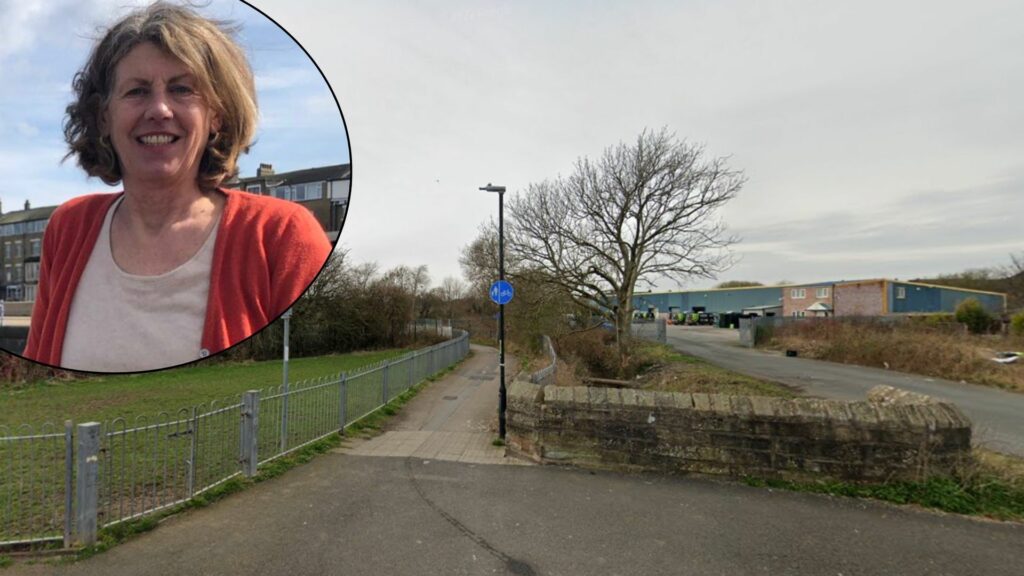
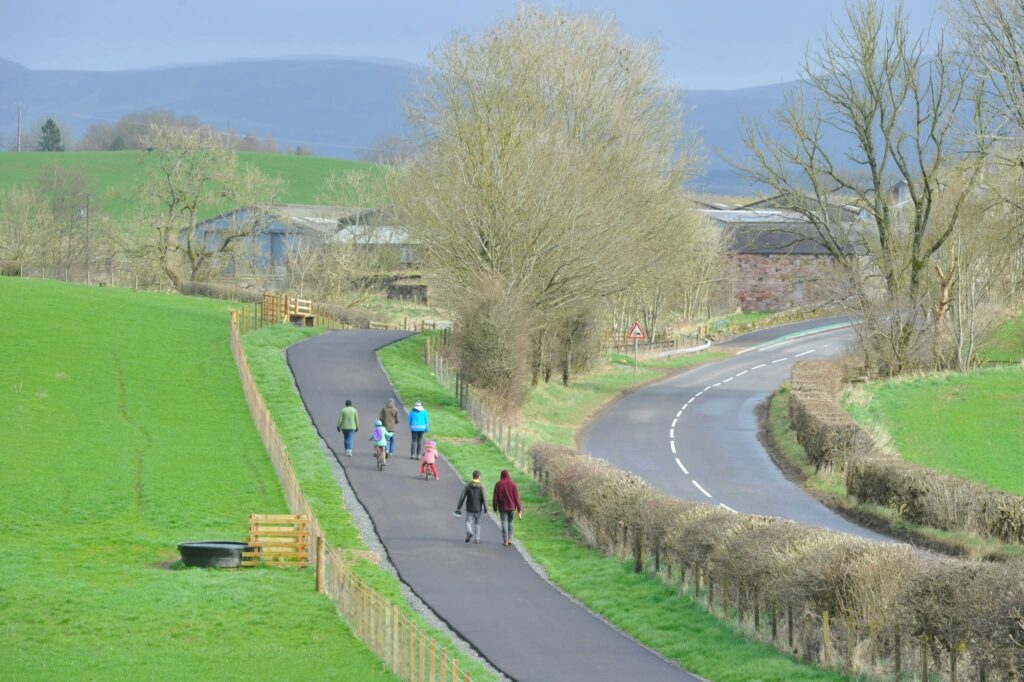
County Councillor Gina Dowding told Beyond Radio she is “appalled at the lack of action by the county council” to make safety improvements for the benefit of walkers and cyclists on the off-road cycle route between Lancaster and Morecambe.
She has called for a refresh of the white lines and cycle symbols on the path. “For over a year now, I have been asking for some very basic maintenance in terms of refreshing the white lining and the cycle symbols on the path,” said Councillor Dowding, who represents Lancaster Central for the Greens.
“I’m flabbergasted that the County Highways department is saying it is not a priority, when the existing white line and cycle symbols in many places are barely visible at all.









24 thoughts on ““It looks like it’d fail to meet the minimum handlebar width for the UCI”: bike lane narrower than its own cycle symbol branded “absurd”; Vauquelin suggests Netcompany Ineos sacrificed stage win to wait for Oscar Onley + more on the live blog”
That’s extremely disappointing (to put it mildly) that when they resurfaced the road they put the substandard farcility back. Outside Orton Mere in Pottyboro here when they resurfaced the road they never put the narrow lanes back. If councils have a recent record of installing such farcilities its supposed to affect their central government funding generally :-/
North Yorkshire Council repaints sub-standard cycle lanes, but in its active travel capability assessment it tells Active Travel England that it uses resurfacing as an opportunity to improve cycle facilities.
I make sure to put ATE straight.
Perhaps shows how “the systems” are ultimately more important than stuff on the surface like infra?
(Not an expert on the following – this is just how it appears). In the UK we resurface when the roads get really bad (which I suspect is itself more frequent because damage from utilities works / adjoining developments and poor accountability for quality of repairs). But we just seem to lift up the old, then put it back how it was.
In eg. NL it seems that they may wait longer between full rebuilds of a road, but when they get to it a) they coordinate with utilities so that inspection / repair / upgrades get done first (in the UK I’ve heard of roads being redone, then immediately dug up again for utilities…) b) rebuild it according the latest standards. Which nowadays often involves making it more suitable for active travel, and for motorists narrower widths, lower target speeds and less parking.
Of course there are different (local) government systems and responsibilities behind all that. And it does potentially mean longer waits for change (although I think if the roads were half as bad as many in Edinburgh they’d do urgent repairs much sooner). And more / longer disruption while things are being updated.
I’m sure the men will get over having to wear ones that aren’t as good.
Vauquelin says Ineos shouldn’t have waited for Onley but they are a united team – possibly not after his comments.
Megamo has announced the launch of a new e-road platform called the Upon, which is “designed to deliver a true road cycling experience while harnessing the power and efficiency of the Avinox motor system”.
How is having a motor providing a ‘true road cycling experience’ if you’re not suffering?
You seem to have misread – it says ‘road cycling’, which is to do with riding a cycle on the road – suffering is not part of the definition.
@mdavidford You obviously misread a tongue in cheek comment. move along.
The word ‘obviously’ is doing a lot of heavy lifting there.
Is that the MP or the comedian? Either way, slightly surprised to hear they’re moonlighting as a pro cyclist.
@mdavidford Or the golfer?
“Busy cycle lanes with cyclists obeying traffic lights is a perfect example of that: if you build proper infrastructure, it will get used.”
Ha! Busy, yes. But you will see plenty of RLJing on that dedicated infrastructure – e.g. from Embankment onto Westminster Bridge, or the lights on Birdcage Walk near Buckingham Palace.
@quiff I abhor RLJ and don’t do it myself but in both those instances at least part of the blame lies with poor junction design in my opinion, around Westminster Bridge and Embankment the phasing is ridiculous, I don’t know if the sensors are poorly calibrated or what but it often seems to be the case that traffic in all directions and pedestrians are all being held on red, it’s unsurprising if not excusable that some people can’t be bothered to wait when the way ahead is clear. As for the Birdcage Walk/Buckingham Palace lights, they are just weird: I nearly got knocked down there myself by a cyclist as a pedestrian last week, and it would’ve been my fault but the cycle lane lights seem to have no connection with the lights for the rest of the road, so on the two lane carriageway the traffic lights are on red in both directions and you think it’s okay to cross, but then as you get to the other side you find that the cycle lane lights in both directions are green and a bunch of tourists on Lime bikes comes charging round from Spur Road. I’ve seen so many near misses between cyclists and pedestrians there with one or both groups confused by the light layout. Both well-intentioned schemes that are better than what was there before certainly but both need some attention, I believe.
On Birdcage Walk, I think the cycle lane has totally separate phasing so that when it’s green you can either turn right past Bucks Palace, or go straight over towards Victoria. But I agree that does mean holding those who want to turn right for an inordinately long time, which is just too much for some people (even though they often then decide to wait at the lights at the Mall). I quite enjoy a game of catch up with the the RLJer on Constitution Hill.
@quiff Yes think you’re quite right but that’s what causes the trouble for the unwary (like tourists, and me when I’m thinking of something else), approaching the lights from the other (Palace) side you can’t see that the cyclists coming up from Parliament Square have a green light, so it’s all too easy to assume that with the motor traffic stopped in all directions the cyclists will be stopped too, when they’re not.
Is there any detection? Lots (most?) UK lights seem to operate on fixed cycles – and certainly cycle detection seems rare (and nothing like NL where there may be sensors some distance in advance to detect approaching bikes and see if lights can be changed so they’re green when they get to them).
There also seems to be a vicious cycle of “have to leave extra time after lights change because drivers keep rolling through *until* they’ve gone red”, which is possibly self-catalysing / makes people annoyed if they *are* waiting but nobody is moving or crossing.
“Other councils should take note…”
I know it’s about as good as we get in this country, but I do wish segregated cycling infrastructure like one shown was just a little bit more intuitive, and didn’t require spending half an hour on Streetview trying to work out how you are “meant” to navigate any particular junction. And then discovering that using it how you’re “meant” to makes the direction you actually want to go tricky or impossible.
In this particular clip, it seems to me like if you’ve followed the infrastructure hoping to cross Westminster Bridge, you’ve made life difficult for yourself. When the clip ends, you are directed left towards Victoria Embankment – I think you are “allowed” to just immediately turn right back onto the main carriageway and continue Westminster Bridge, but it looks like that junction can be busy with cyclists in quite a constrained space, so it could be an awkward turn. Almost certainly faster and easier just to ignore the cycle lane – as indeed we can see people doing in the periphery of the camera footage.
@OnYerBike yup – sometimes it seems like it’s deliberately being set up to fail.
I suspect that while they’re are some self-designated antis it’s almost always a mix of ignorance, low ambition and “don’t want that fight”.
And because the original idea had such little ambition to avoid drama, when it inevitably gets haggled downwards anyway it becomes largely pointless. “Compromise” from “less than good enough” won’t work.
Probably the majority of people don’t have a strong opinion, but will default to the status quo once the noisy antis explain this is a threat to their convenience and a waste of their tax money. (Which could otherwise be poured into say 100 potholes…)
@OnYerBike From memory, the two directions of travel on the bike lane there are separated – so if you’re coming from Parliament Square towards Westminster Bridge, when your light goes green you shouldn’t have any conflicting cycles coming from the Embankment towards you, and so can turn right onto the bridge. I think. But your point stands that it’s impossible to know that in advance.
Meanwhile – BBC has a biography of a pothole:
https://www.bbc.co.uk/news/articles/c3w3y6qp18jo
… and how some repairs fail in a very short time. (Sounds like even better efforts may not last long very long, because more, heavier vehicles).
Another reminder that mass motoring – as we currently organise and tax it – is less “the lifeblood of the economy” and more a series of financial open wounds.
I really liked that short clip of the guy picking up the running ped / bus passenger on the cargo bike. It was proof again that e-bikes are excellent in the city. They are quick, they are load carriers, they can filter, they can stop quickly and have a small footprint (unlike the typical monster car) For the urban environment the e-bike is unbeatable.
Very wholesome, but I found it difficult to imagine this happening in the UK. “Do you want a lift in my cargo bike?” “No, get away from me you weirdo.”
“The Voi bikes have been much more successful than their predecessor, the Just Eat Cycles run by Serco which ended in 2021.”
The predecessor to VOI bikes in Edinburgh was not – as your version says – Voi bikes.
Indeed – and before *that* Abellio who had the franchise for Scotrail had bikes (“Bike and Go”) at (a few) stations.
At the time I didn’t understand this, not being cognizant of the Dutch OV Fiets system which presumably this was based on. Unfortunately I don’t think many others understood it either.
Given the small numbers of people braving Scotland’s unfriendly and inconvenient cycling environments it was a case of “too soon for the location”.
Didn’t help that these were unpowered public hire bikes (so robust and heavy * ) and some of the places they were offered are hilly. Plus there’s the UK expectation of people cycling on the road accelerating like a motor vehicle and flowing with the traffic.
* Ones I tried were something like the Batavus Personal bike with all the trimmings, racks etc. They had been sensibly given them a large number of gears (7) for a hire bike and who knows what you could carry. But even just carrying me they were ponderous.