


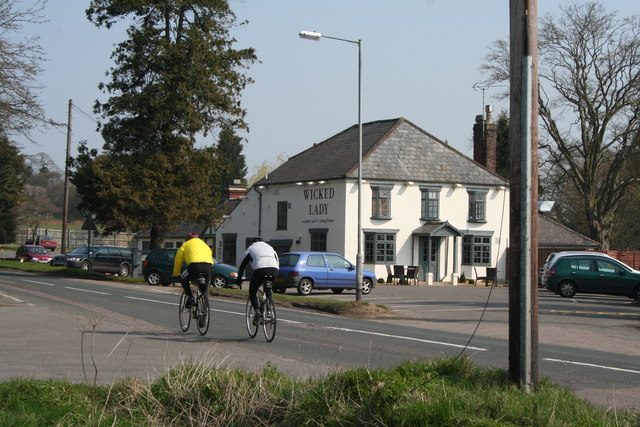

Councillors in Hertfordshire have welcomed the presentation of a new active travel investment plan, but have been warned of the challenges of shifting car dependency among more affluent residents.
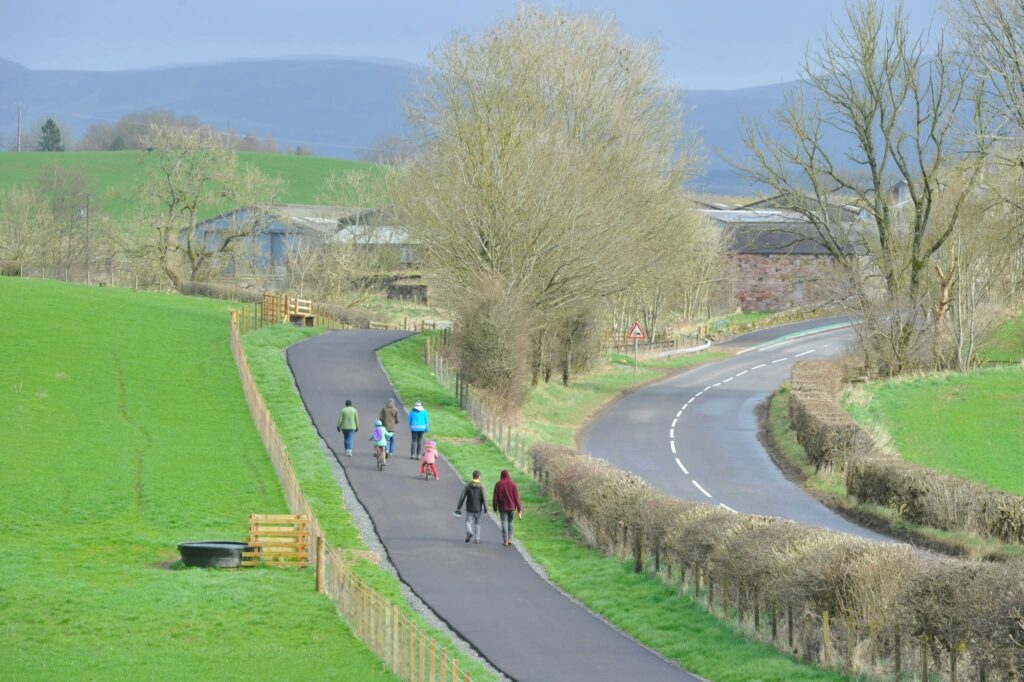
Last week, the East Herts Local Cycling and Walking Infrastructure Plan (LCWIP) was approved in a meeting of the council’s Environment, Transport & Growth Cabinet Panel, with the council outlining their intention to create “more utility routes” rather than “Sunday afternoon muddy tracks” to encourage more people to cycle.
But the LCWIP found that, “Safety, and the perception of safety, is one of the key reasons, along with ability, why people do not cycle. There is a strong consensus that cycling under mixed traffic conditions presents a high personal risk to safety.
“There are several reports of serious accidents in the town centre of Bishop’s Stortford, and many more reports of slight accidents both in and around the town. A number of these incidents are recorded on core roads that provide access to and within Bishop’s Stortford, which are expected to be considered through the network planning phase.
“In consideration of crash data, it will be important to identify if there are viable and alternative walking and cycling routes available that limit conflicts with vehicle traffic. Where this cannot be avoided, high-quality and safe infrastructure will be required along these links.”
The document also throws cold water on the likelihood of affluent East Hertfordshire residents making a lifestyle switch to two wheels, in a part of the country where 12.5 percent of journeys less than a mile are still made by a car.
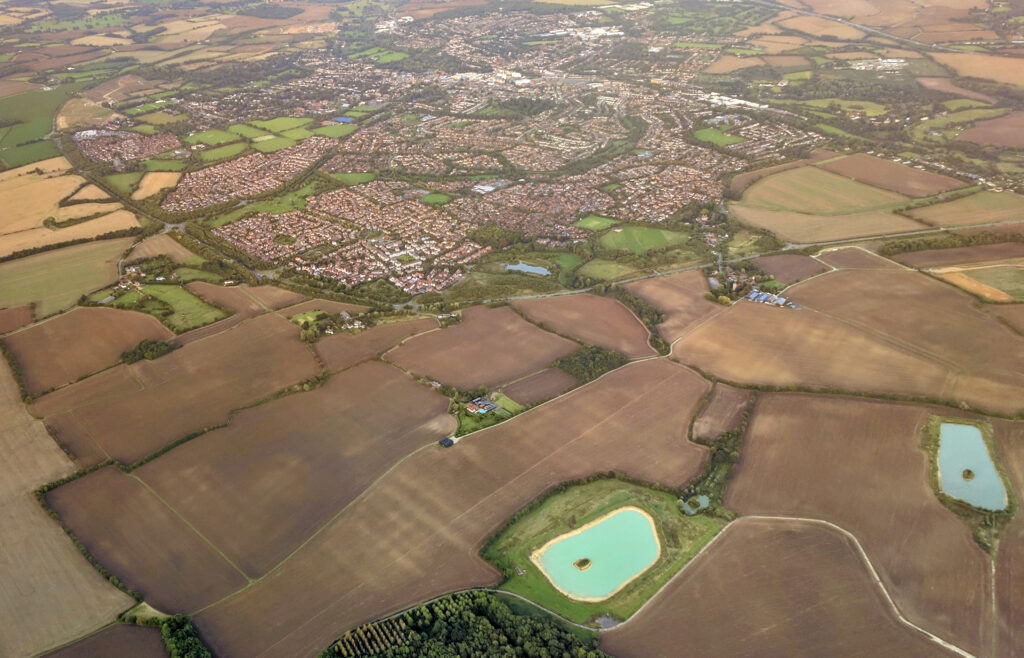
Identifying that more than 70 percent of East Hertfordshire residents are either “well-off homeowners” in the country, or in ‘Prestige Positions’ of financial security, the report states, “This population may be less receptive to cycling for commuting due high car ownership and limited trip demands as they may be comfortable with their current ways of travel.
The report does state though that, “These groups may be more receptive to localised walking and cycling uptake, especially for recreational trips.”
The LCWIP has mapped out the 10 most viable walking, wheeling and cycle routes that could see the greatest demand, which are centred around Bishop’s Stortford, Sawbridgeworth and the county town of Hertford. The proposals, if implemented, are estimated to cost £40-45 million.
The Bishop’s Stortford Independent report that work on East Hertfordshire’s LCWIP began in 2021 under both a Conservative national government and a Tory-led County Council, with the identification of more than 500 roads that would be suitable for a 20mph speed limit. Since then both have changed hands, with the Liberal Democrats governing the council as a minority administration after winning a plurality of seats last year, ending a 26-year period of Conservative majority governance.
The LCWIP is the first stage of active travel investment, the process for which is laid out in the government’s Cycling and Walking Investment Strategies. The process involves analysing existing travel patterns and the potential for new journeys and identifying what kind of improvements are needed.
The latest investment strategy was unveiled last week, and targets safe school-runs with new cycle lanes and pedestrian crossings at the heart of the £4.5 billion plan. However, the proposal was criticised by Cycling UK who said, “It is disappointing not to see a commitment to closing the gender gap in cycling when we know that women make half as many trips by bike as men.”












9 thoughts on “Affluent residents “less receptive” to cycling due to “high car ownership”, newly-approved active travel plan warns”
Meanwhile, at the other end of the bell curve, my less than affluent neghborhood (which is in easy reach of the town centre and the business district) is almost devoid of cyclists (unless you count food delivery riders or youngsters on Heath-Robinson inspired contraptions)
There are, however, a surprising number of high spec Teutonic cars that seem to have had their accelerators replaced by toggle switches.
@belugabob “There are, however, a surprising number of high spec Teutonic cars that seem to have had their accelerators replaced by toggle switches.”
I just love that final sentence. Kudos!
Has Bishops Stortford been annexed by the USA?
Presumably if you’ve already got a Discovery / Alfa Romeo / Bentley * then the incentive *not* to drive it is small.
Particularly if you’re in that phase of life where walking is a bit more effort and you’ve many decades of driving habit under the belt.
And ALL the friends, neighbours and relatives drive, without exception.
* or in fact any car…
I’ve had Alfas. The biggest incentive not to drive them to the shops is that they might not start again when it’s time to come home.
, “These groups may be more receptive to localised walking and cycling uptake, especially for recreational trips.”
As long as it’s not local to them???
Isn’t this all “wealthy * people living in countryside / small towns in same likely to continue using problematic general purpose form of transport which incidentally makes living in countryside much more attractive for such people, has been made less expensive to use (and more convenient) by governments, and which also is one important way of signalling your wealth / social status…
…shocker”?
* “wealthy” – of course that’s a relative term and if there’s anyone possessed of more than the rags they stand up in someone *else* can point to them as an example of why they aren’t *really* wealthy. And they’re almost certainly correct about how they *feel*!
I forgot to mention their exhausts being replaced by vuvuzelas…😉