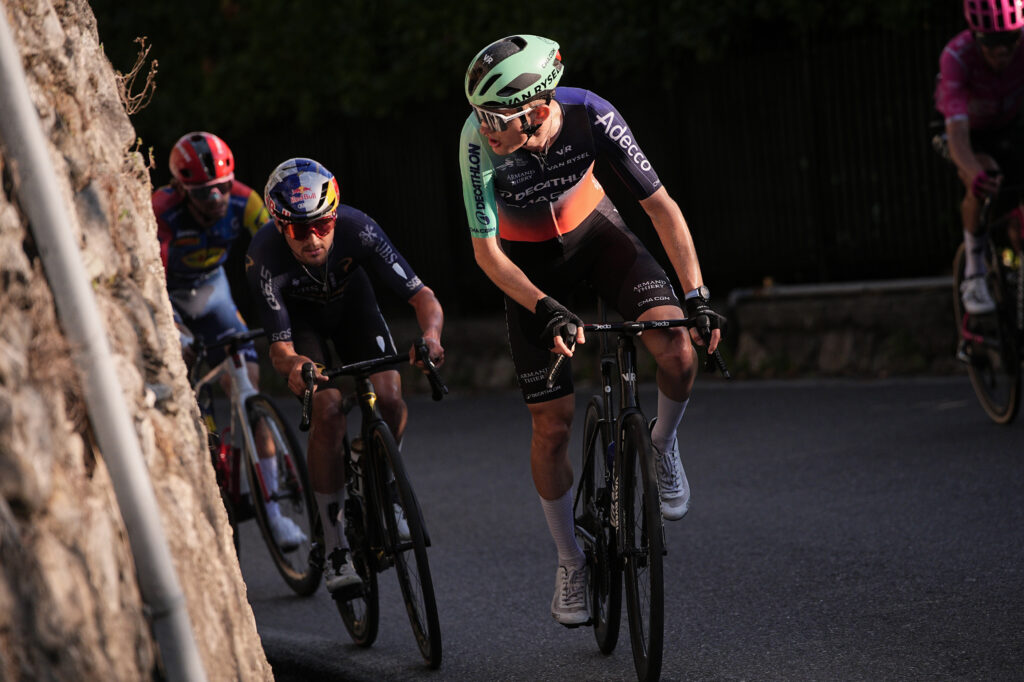

The course designer of the Tour de France says that “no race organiser can ever guarantee that an incident will not occur during their event” and that rider behaviour means racing looks “more like motorcycles than bikes” on descents.
Thierry Gouvenou said: “Races have evolved – the riders are moving much faster, which makes it significantly harder for organisers to secure the course.”
The sport has been rocked this year by the death of Finlay Tarling at the Volta a Portugal, caused by a collision with an oncoming driver who had entered the race course. The 19-year-old’s death renewed scrutiny on the security of races, which often rely on ‘rolling’ road blocks which see the roads closed for short periods of time to allow the race’s passage due to a combination of police and private motorbike security.
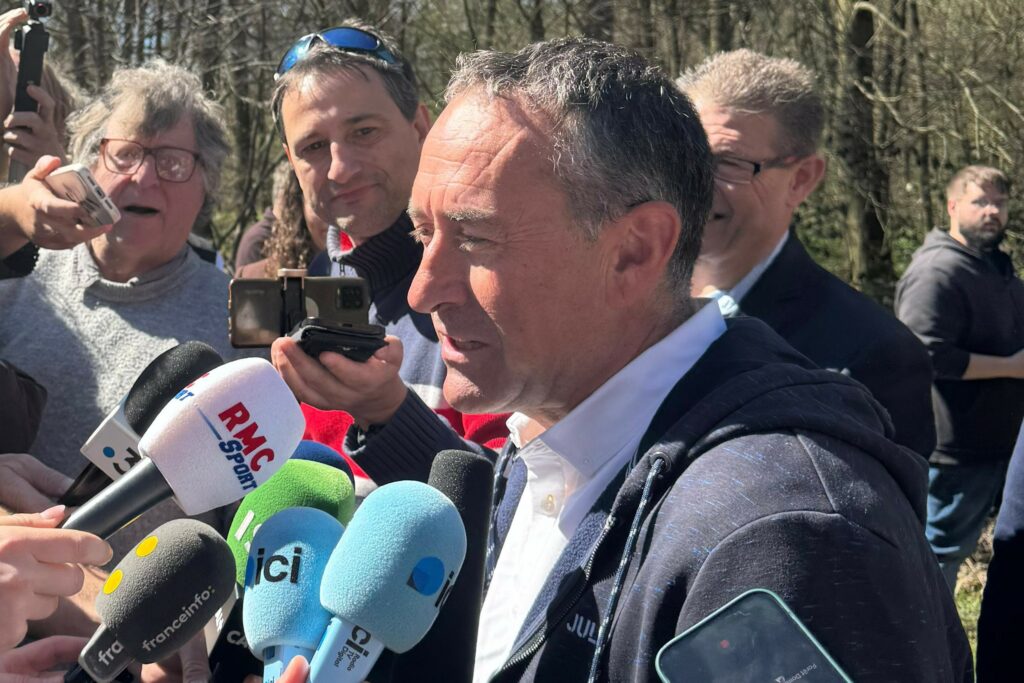
Speaking exclusively to road.cc at an event announcing Castelli as the official jersey supplier to the Tour de France and all ASO-owned races, Gouvenou said: “As far as ASO is concerned, there are two levels of racing. There is the Tour de France, where all roads are closed three hours in advance, the communication effort is massive, and everyone knows the Tour de France is coming through. Then there are the other races.
“The difference between the Tour de France and other races is that, with the Tour, it’s impossible to reach every single local resident. For instance, when we pass through a city like Paris, it’s impossible to provide that level of protection, because you can’t notify every single person – it’s just not the same situation.”
However, there has been a spate of recent incidents suggesting flaws in the efficacy of the rolling road block system. Days after Tarling was killed, a rider at the Tour of Britain Women described her “scary” experience of cars “coming from all directions” after she punctured and attempted to re-join the peloton.
Maeve Plouffe added that she was “nearly hit on a roundabout” but that she later found the motorbike escort “much safer”. More recently, two separate incidents were recorded at a series of one-day races in Italy of drivers entering the finishing circuits either in front of or behind the leading riders.
Meanwhile at Tre Valli Varesine, an oncoming police motorcyclist crashed into the peloton, injuring a rider, and damaging another’s bike.
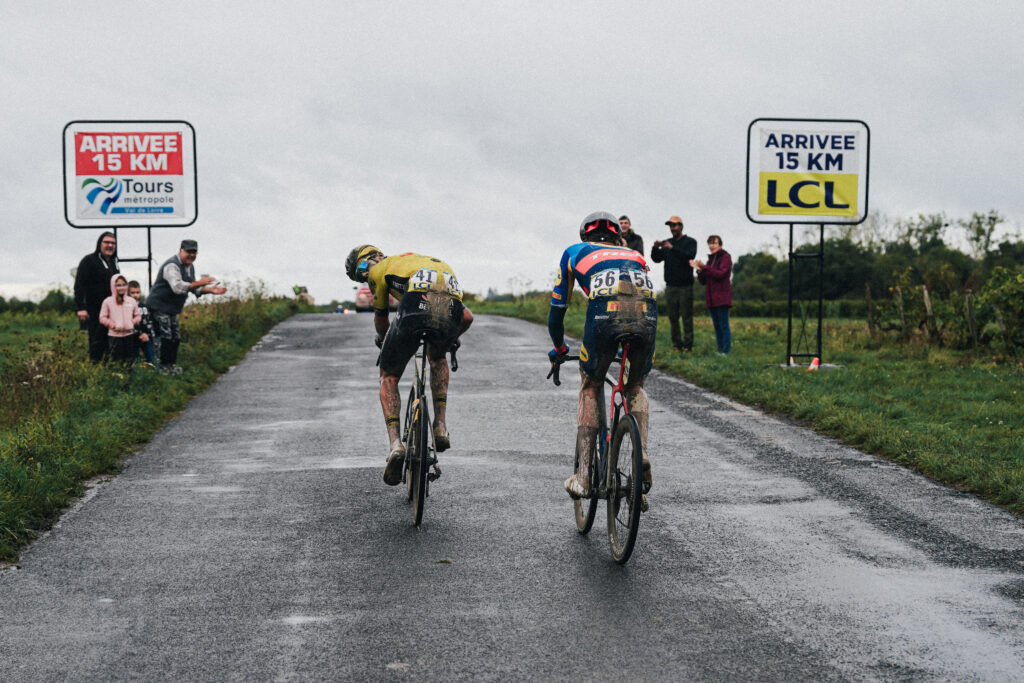
Following those incidents, racing at Il Lombardia and Paris-Tours was briefly delayed by rider protests in which riders called out the inaction towards rider safety shown by race organisers.
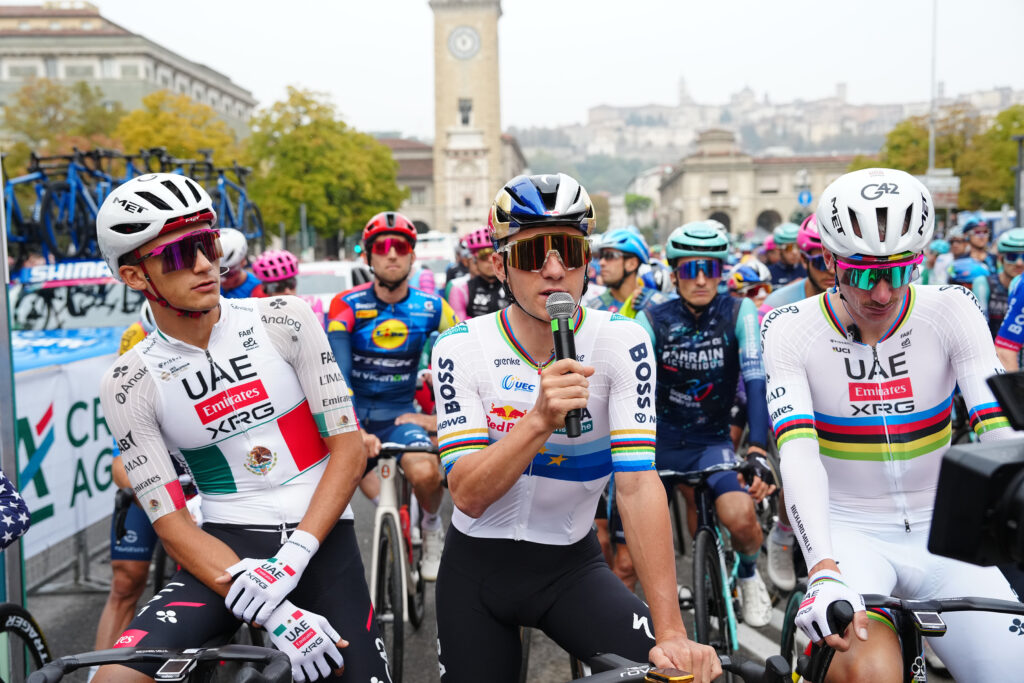
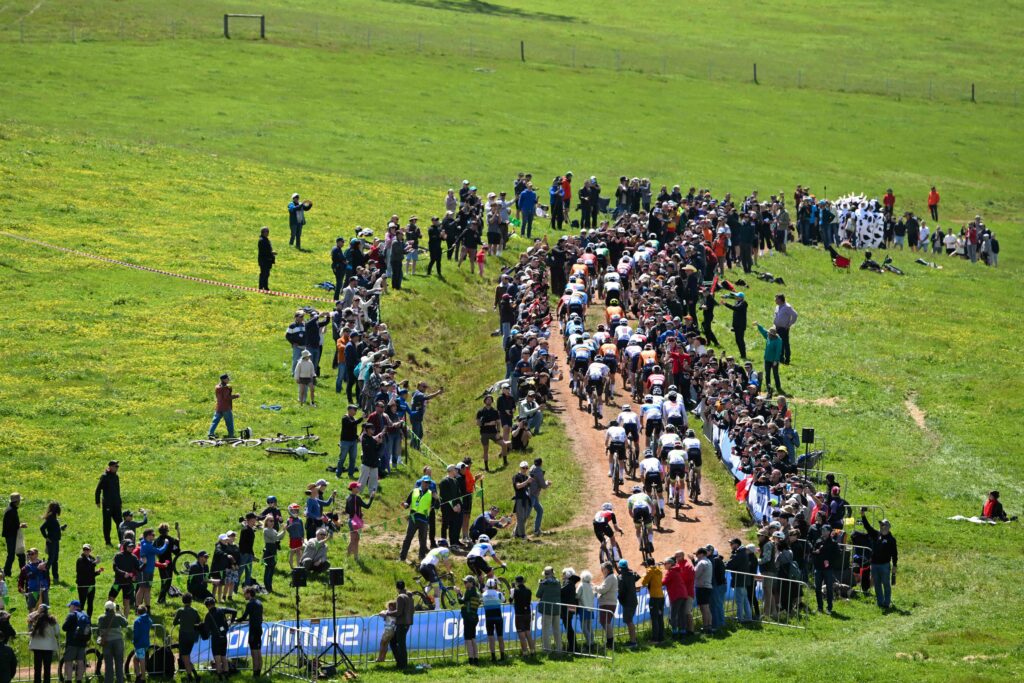
Addressing recent safety concerns, Gouvenou warned, “no race organiser can ever guarantee that an incident will not occur during their event. The true nature of cycling is that it takes place in an open environment, not within a stadium. Races are held on public roads, where some individuals may choose to disregard the rules, ignore course marshals, or even venture onto the race route itself.
“We invest a significant amount of money into safety, yet maintaining the financial balance of these events remains extremely difficult. After all, you cannot station a police officer in front of every single house [or] on every corner. But people – humanity in general – are becoming less and less respectful of the rules.
Asked about the protests, Gouvenou said, “I can understand the riders; they don’t get on their bikes with the intention of ending up disabled or dead. We certainly understand where the riders are coming from.
“We are going to sit down around a table; that’s clear. I’m part of the SafeR group, so we’ll be having plenty of discussions. But there’s more to it than that. Races have evolved—the riders are moving much faster, which makes it significantly harder for organisers to secure the course. We, the organisers, are also calling for measures to reduce speeds.
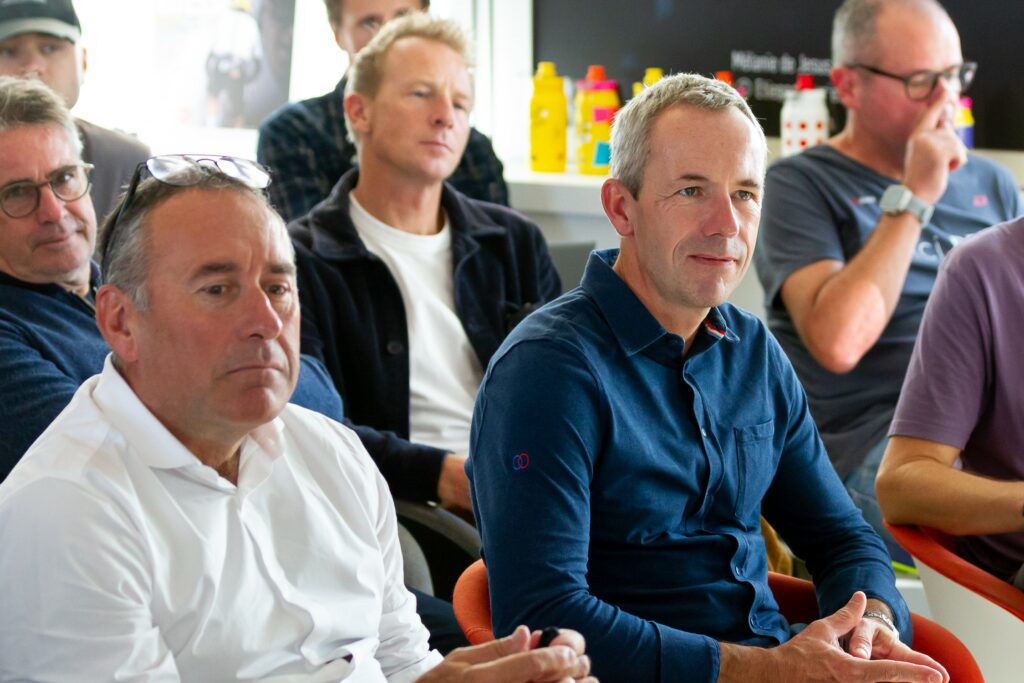
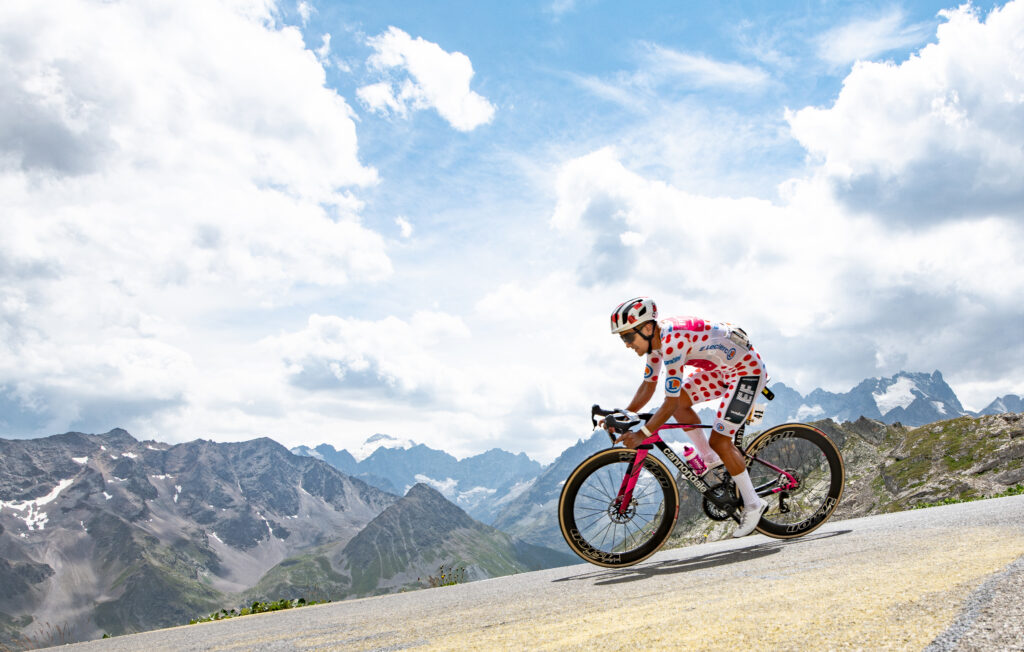
“I am the safety manager for the Tour de France and other ASO races. I signed on to be the safety manager for a bicycle race, but I don’t want to end up being the safety manager for a motorcycle race. Right now, on the descents, these bikes are behaving more like motorcycles than bicycles.”
Launched in June 2023, SafeR is an independent organisation responsible for analysing race risks, providing safety advice and auditing organisers and teams. Jointly funded by organisers, riders, teams and the UCI itself, Gouvenou sits as a representative of race organisers on the SafeR Commission, which the UCI says “meets monthly to advise on matters such as regulations, equipment and education”.
Among SafeR’s regulations which have come into force is the ‘yellow card‘ system for punishing dangerous behaviour in the race convoy, among cyclists, motorbike riders or drivers. Multiple yellow cards in a period of time could result in an expulsion from the race or a short-term ban from racing.
Other initiatives include reinstating fixed feeding zones along a course, extending the 3km ‘same time’ rule to 5km on select stages expected to end in bunch sprints, and consulting on the use of earpieces in the peloton.
However it is unclear who the commission advises and an update on SafeR’s work has not been issued since July 2025. Asked whether SafeR would issue an update on its work during the off-season, Gouvenou said, “the group is evolving very quickly. We are discussing rider safety – including the use of airbags – as well as GPS technology, the issue of speed, and the education of the riders themselves.
“There are many initiatives underway that are beginning to take shape. I believe we’ll soon be in a position to make some announcements.”
Gouvenou then revealed that next year the group will issue regulations standardising the signage used by race organisers so that each UCI-regulated race is sign-posted in the same way. The signage will refer to directional instructions and not the sponsored roadside posters.
“This was a request put forward by the teams, and the organisers have agreed to change how races are marked. When you have a danger, a descent or a corner, it will always be the same signal, and that [will provide] some improvement to the security for sure.”

-300x199.jpg "“He wants bikes in traffic lanes. Give him what he wants”: Cyclists urged to “slow every street down to bicycle speed” and ride in middle of lane amid premier’s war on cycle paths + more on the live blog")