



In the latest government report on the UK’s health, Chief Medical Officer Professor Sally Davies sounds the alarm about being overweight becoming normal, and calls for more to be done to make active travel – walking and cycling – even safer.
In the report, Professor Davies warns that most adults in England are overweight or obese and that “as a society, we are in danger of ‘normalising’ being overweight”.
Part of the answer to the epidemic of obesity is to get people to travel more on foot and by bike, she says.
“I believe that encouraging more people to engage in active travel, such as walking and cycling, is crucial to improving the health of the nation and reducing the prevalence of obesity.”
However, there’s a problem: the public perceives cycling as dangerous. Despite cycling deaths regularly making the news, Professor Davies says: “Cycling is usually a safe and healthy thing to do but the benefits of cycling don’t make the headlines”.
The report summarises the relative risks of different modes of travel, pointing out that for each kilometre travelled, the risk of serious injury is 21 times higher on a bicycle than by car.
The report points out that such simple comparisons can be misleading because, for example, cars can carry passengers which makes them look safer per person-journey. Cars also cover substantial distances on motorways and dual carriageway A roads, which have an extremely good safety record because they’re designed to keep vehicles apart.
Professor Davies says: “In order to improve uptake, we need to improve safety. The relative risk associated with journeys by active travel methods are unacceptably high and must be reduced.“
Despite the risks, the health benefits of cycling are overwhelming, she says. “Research strongly suggests that the health benefits associated with switching from travelling by car to cycling outweigh the risks. Research suggests that the overall health benefits of cycling are 7 times greater than the risks.”
The answer, says Professor Davies, is to make sure that all forms of active travel are considered when infrastructure is modified.
She says: “For example, research suggests that some pedestrians fear collisions with cyclists, and some report feeling “terrorised” by cyclists. This fear may be an unintended consequence of frequently colocating cyclist traffic and much slower pedestrian traffic.”
In other words, as demonstrated by the frequent issues that crop up around probably the UK’s busiest shared-use route, the Bristol-Bath Railway Path, forcing cyclists and pedestrians to share transport space is a bad idea.
British Cycling says the report provides strong support for its 10 point #ChooseCycling plan.
British Cycling's campaigns manager, Martin Key said: “Today’s report by the chief medical officer highlights the vital need for cycling to be prioritised as a form of transport. From our research we know that almost two thirds people would travel more by bike if cycling was accommodated in road design.
“As this report makes clear, the health benefits of cycling through improved fitness outweigh the risks by 700%. To overcome this we need to transform our towns into people friendly places with safe, separated bike lanes which link people to the places they want to go.
"Cities like Cambridge, where almost a third of people cycle to work, are real life examples of how cycling can be made safer as well as a viable, attractive alternative to driving.
“Politicians and local leaders need to listen carefully to this advice. Research we commissioned from Cambridge University has shown that even a modest increase in trips made by bike would save the NHS in excess of £2.5 billion over the next decade. The way forward is clear: we just have to choose cycling.”





14 thoughts on “Chief Medical Officer calls for more to be done to make cycling safer”
I’m very concerned about the
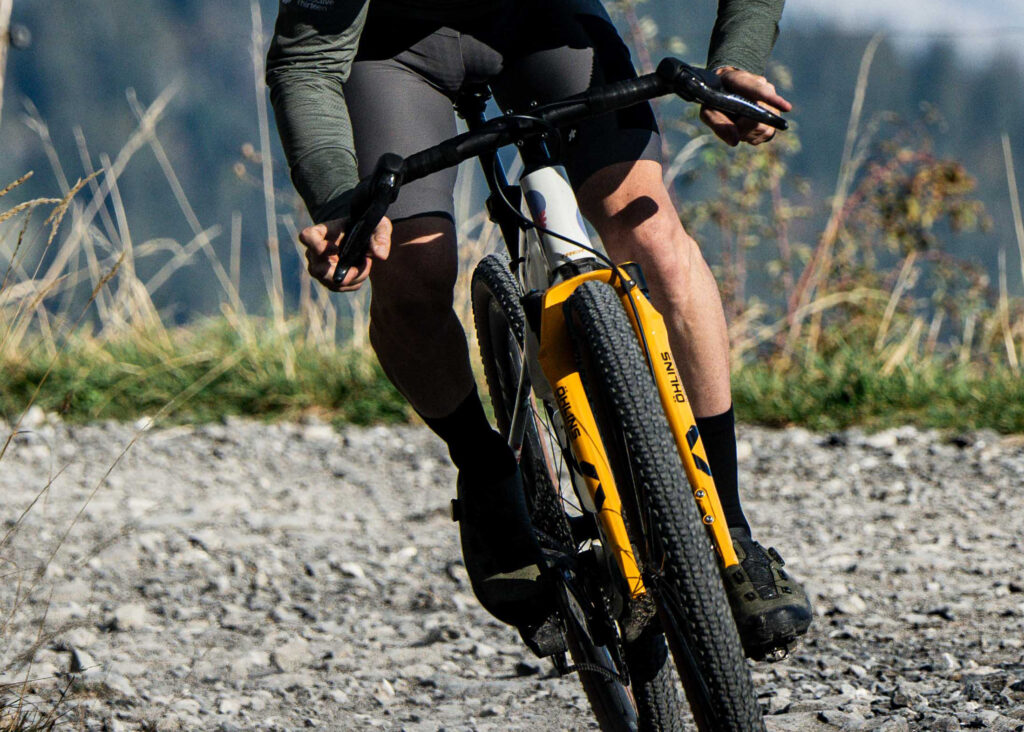
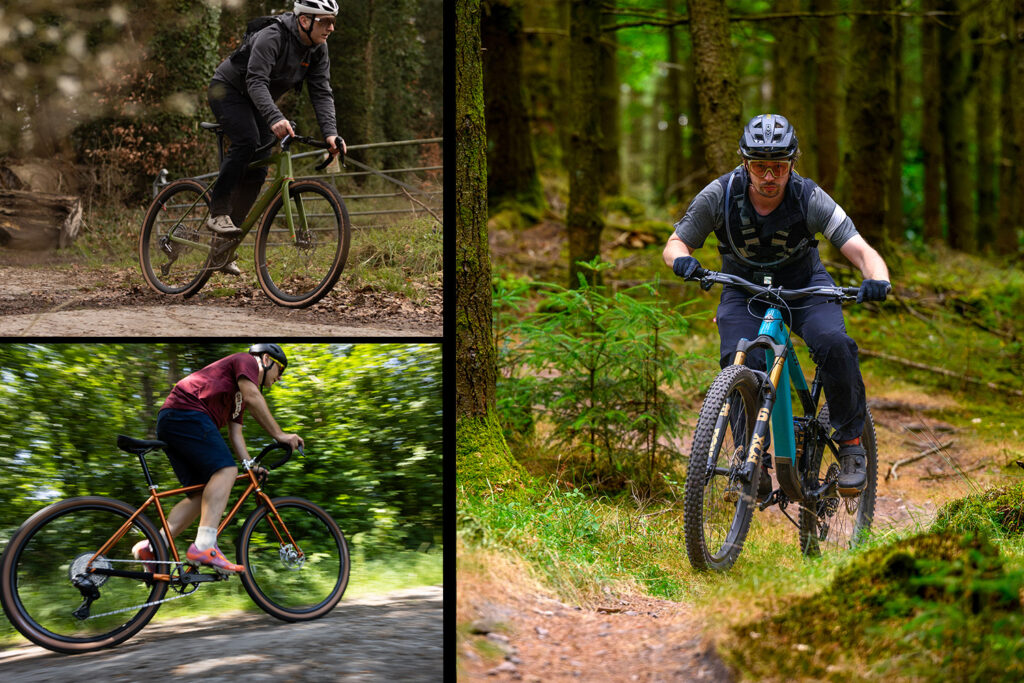
I’m very concerned about the image used to illustrate this article.
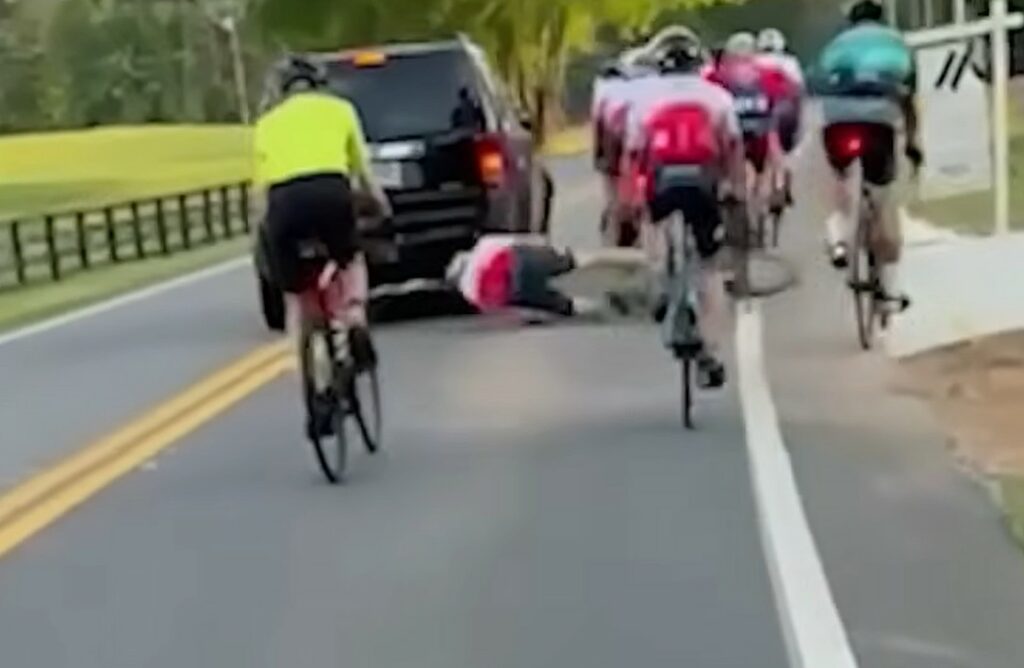
It shows some cyclists who are not near the curb, not using helmets and not wearing hi-vis clothing.
http://road.cc/content/news/109646-asa-bans-advert-showing-helmetless-cyclist-riding-primary-position-road
In other words, you show a scene perfectly normal in Denmark, Belgium, Holland . . .
On my way to buy a stamp and
On my way to buy a stamp and post a mothers day card yesterday I had to risk my life to cross a 30mph road that most cars drive along at 40mph+ then walk back into the road to pass a lorry and a car parked on the pavement. I then had to give way to 2 cars that jumped a red light at the pedestrian crossing.
It would have been so much easier (and safer) to drive down to the post office and park on the pavement outside.
No one gives a s**t around here not even the Police!
The council are dealing with the appalling infrastructure around here by building two new roundabouts for £2M which will make the already dangerous roundabout even more dangerous for the non-motorist.
Good luck to the Chief Medical Officer; she has no hope while the current free for all attitude persists.
More worryingly the image
More worryingly the image used shows the utterly ridiculous case of a driver staying outside the cycle box
Clearly staged!
mad_scot_rider wrote:More
What about the cyclist who has stopped over the white line X( bloody cyclists X(
It makes we mad when a road
It makes we mad when a road planning authority decide to make a section of dual carriage way, single carriage but fails to use some of the free space for a perfectly viable safe cycle section. e.g. A30 Hartley Wintney; yeah hants.gov, you pen pushing, stat quoting bunglec**ts, i’m talking about you.
Simmo72 wrote:It makes we mad
My authority is still in the dark ages;
It wants to turn a single carriageway road into a dual-carriage way; one mile = 10’s of £M. Eric Pickles says it is a good idea. Meanwhile every other road in the area is falling apart or collapsing
Simmo72 wrote:It makes we mad
Normally I am happy to slate Gloucestershire County Council and their general incompetence, because they are! but on one, and I mean ONE, they actually sort of got it right, I say sort of because the path doesn’t really go from anywhere to anywhere.
Here it is.
https://www.google.co.uk/maps/@51.965782,-2.158051,3a,75y,190.44h,67.74t/data=!3m4!1e1!3m2!1sX4aqAe_6msKRRvSA4gvd5Q!2e0
It was a dual carriage way and now it is single and has a cycle path and a separation area!
Does she give non exec jobs
Does she give non exec jobs for the boys in Westminster..nope?
We’ll be keeping the oil burners on credit then.
Bristol Bath Cycle Path. I
Bristol Bath Cycle Path. I was on it this Wednesday. Utter carnage; injured pedestrians everywhere! 8}
I know what got me into cycling. Using my bike to get to school. No doubt I’ll be overtaken by a ‘Chelsea Tractor’ later with ‘alpha mummy’ tutting because I’ve slowed her journey and all the little cherubs in the back looking at me like I’ve just been beamed down from Mars.
Interesting that they use the
Interesting that they use the figure per km to show cycling as more dangerous than driving.
If you take the risk per hour, it’s much the same for either mode.
“motorways and dual
“motorways and dual carriageway A roads, which have an extremely good safety record because they’re designed to keep vehicles apart”
Well, who would have thunk it? Do you suppose they might try that for bicyles?
Boring, boring…nudge me
Boring, boring…nudge me when someone’s actually going to do something rather than just talking about it.
Many people commenting point
Many people commenting point out that the local authorities, the ones with the power and responsibility to provide for cyclists, are failing dismally. No, not just dismally, appallingly, terribly, frighteningly badly. I’ve just asked DfT to look at a scheme my council, South Glos, is proposing, because it goes against every policy that the council has; transport, health, pollution, sustainability, cycling and walking, and not exactly for the first time either.
Like most authorities, SGlos has some wonderful policies, all presented in a nice glossy, thick, expensive book, but also like most authorities, they completely ignore them.
In my submission to DfT, I mentioned a certain Mr Cameron’s statements “Greenest government ever” and “starting a cycling revolution”. Let’s see if any of that was true.
Another thing has just
Another thing has just occurred to me: all the media reporting I’ve seen about this report emphasises diet, and ignores exercise, with the exception of this website of course. Why does the media ignore the biggest cause of obesity, lack of exercise, and concentrate solely on the relatively minor role played by diet?