7 picking at roadkill. One for sorrow, two for joy, three for a girl, four for a boy, five for silver, six for gold, seven for secret training, never to be told
Help us to bring you the best cycling content
If you’ve enjoyed this article, then please consider subscribing to road.cc from as little as £2.49. Our mission is to bring you all the news that’s relevant to you as a cyclist, independent reviews, impartial buying advice and more. Your subscription will help us to do more.
Jo Burt has spent the majority of his life riding bikes, drawing bikes and writing about bikes. When he’s not scribbling pictures for the whole gamut of cycling media he writes words about them for road.cc and when he’s not doing either of those he’s pedaling. Then in whatever spare minutes there are in between he’s agonizing over getting his socks, cycling cap and bar-tape to coordinate just so. And is quietly disappointed that yours don’t He rides and races road bikes a bit, cyclo-cross bikes a lot and mountainbikes a fair bit too. Would rather be up a mountain.
@lawrence18uk Occasionally I see tradies travelling with some tools on the train, compact tool bags, rucksacks and wheelie luggage, often carrying long spirit levels separately, but on a couple of occasions collapsible ladders.
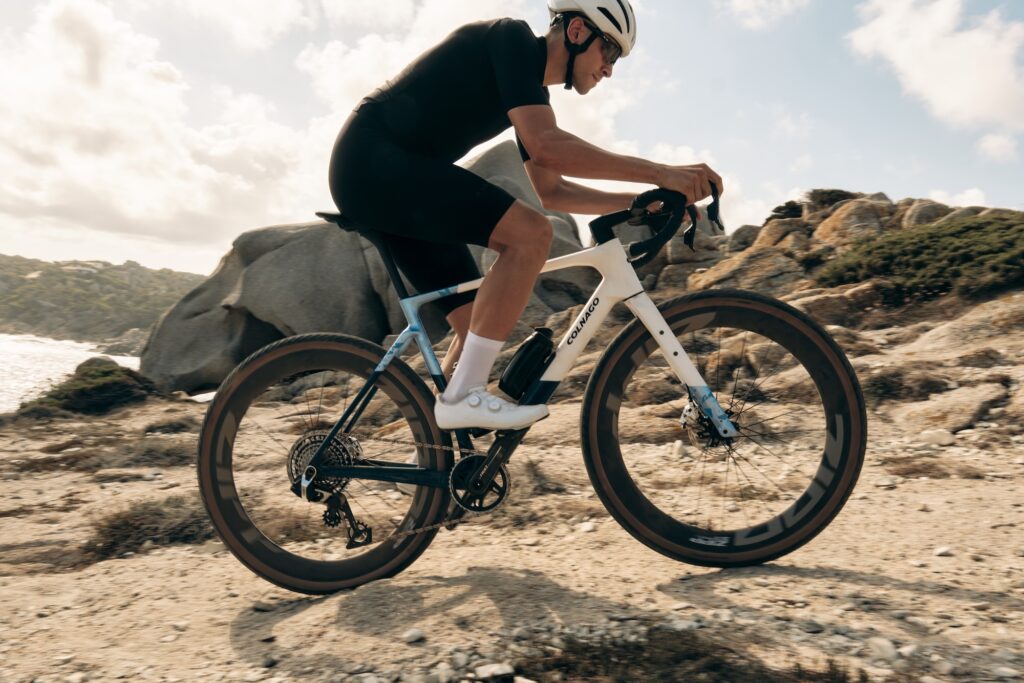
Finally some proper Gravel for the UCI World Championships!
…no dates in the article.
Racing starts today 10/11 Oct.
Watch it free on SBS. …
Go well Matt…
@Aluminium can - as an alternative to vans, yes cargo bikes (plenty in Cambridge), and I've been wondering whether supplies could be delivered from retailers - using delivery robots. and it's possible I suppose that ladders could fall in the same category - you could, instead of just hiring a bicycle, hire a ladder and it would arrive of its own accord.
@Rendel Harris There was a bit in the bicycle hating Guardian, a nice little read, part of his justification was to acclimatise to the heat and humidity, which if he was in a better car might have been worth it. Good luck to him, chapeau.
@SecretSam That's not really fair, in fact not fair at all. It wasn't his fault that the last two mountain stages were shortened and on the first one he had dropped everyone and was a minute clear as he summitted the Iseran when the stage was neutralised, and on the second he stayed with or dropped all the other GC contenders. You seem to have forgotten his Giro win as well as Paris Nice and the Tour de Suisse. Only the fourth rider to have won the Tour and Giro before the age of twenty-five. Yes he probably couldn't have stayed with Pogacar even if he hadn't had the awful crash, and probably nor could any other rider in history except perhaps Merckx.
@lesterama Bernal has had two whammys. His crash, which he has probably never fully recovered from and Ineos taking a nosedive. They have no focus and no identity.
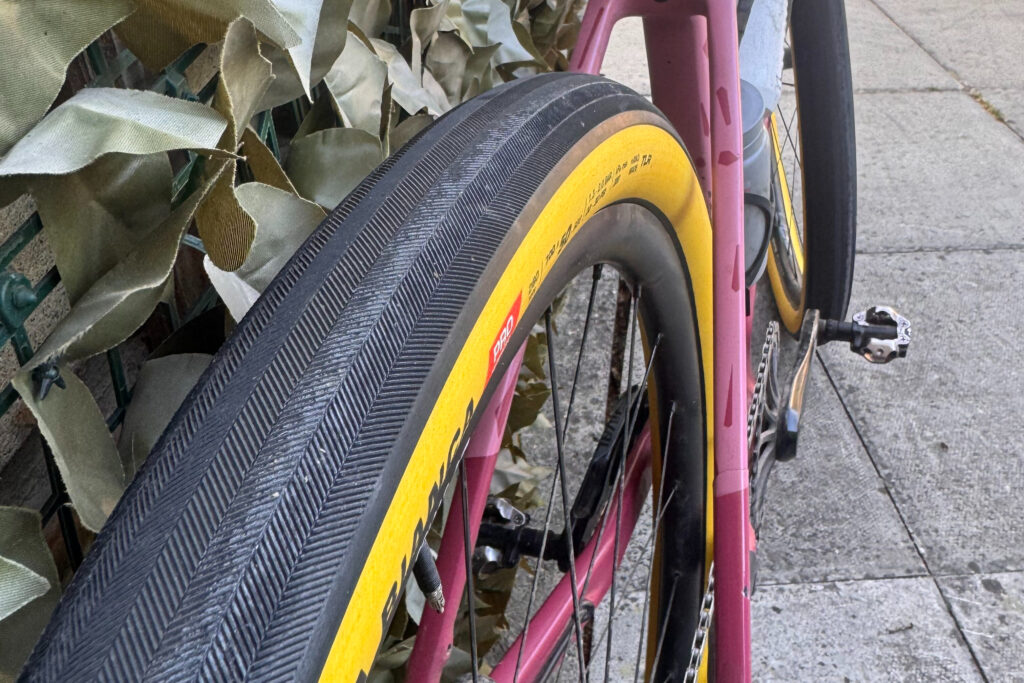
I bought some Challenge Strada tyres. After a while the sidewalls began to detach from the tyre and the tread became rippled making them unsafe to use. The shop I bought them from asked me to drop them in and he would show the Challenge rep as he was due in the following week.
The rep bizarrely firstly claimed that the tyres had failed because they may have been punctured (they hadn’t), then immediately claimed that they had failed because the rear tyre was more worn than the front!
I emailed pictures to Challenge and was told they had failed because they had been fitted incorrectly. The black strip they had introduced to stop the issue I had was supposed to be above the rim. Which it clearly was shown to be correct on the pictures I sent to them which proved that the tyres were correctly fitted.
This seems to be the norm now in the cycle industry, if there is an issue with a product, the company automatically blames the end user rather than look to address the issue, thereby pissing the customer off.
A pissed off customer rarely returns.