


For a good, long while now, I’ve seen plenty of riders of all levels use their e-mountain bikes for training. It makes sense, too, as they can pack more descents into a session without a rider’s legs totally blowing up on the climbs. Although I’ve ridden e-bikes for ages now, it’s only just dawned on me why they actually make great training tools.
I’ve spoken about the pros and cons of e-MTBs loads now, so I won’t dive too much into what makes them great, but at face value, getting more descents into a short session means wonderful things. That’s not just packing more fun into less time, but riders can frequently repeat trails without losing too much energy on the climbs.
This is where the obvious benefit of e-bikes rises when used as training tools. Riders can effectively session larger and longer trails, experimenting with line choice to help retain momentum and pick up tips that’ll help them when tackling race runs. That’s all without the hassle of walking a bike uphill or riding it back to the top under their own steam.
Even now, despite their growing popularity, e-MTBs still carry quite the stigma. Often some small crowds exclaim that they’re cheating and for lazy people, but there are a few stories floating around that dispel those challenges; tales of people losing weight and getting fitter thanks to an e-bike’s assistance, allowing them to ride more. From my perspective, e-mountain bikes offer a different riding style that makes riding through less than favourable conditions a bit more tolerable. I wouldn’t own one, but I like them. They’re cool.
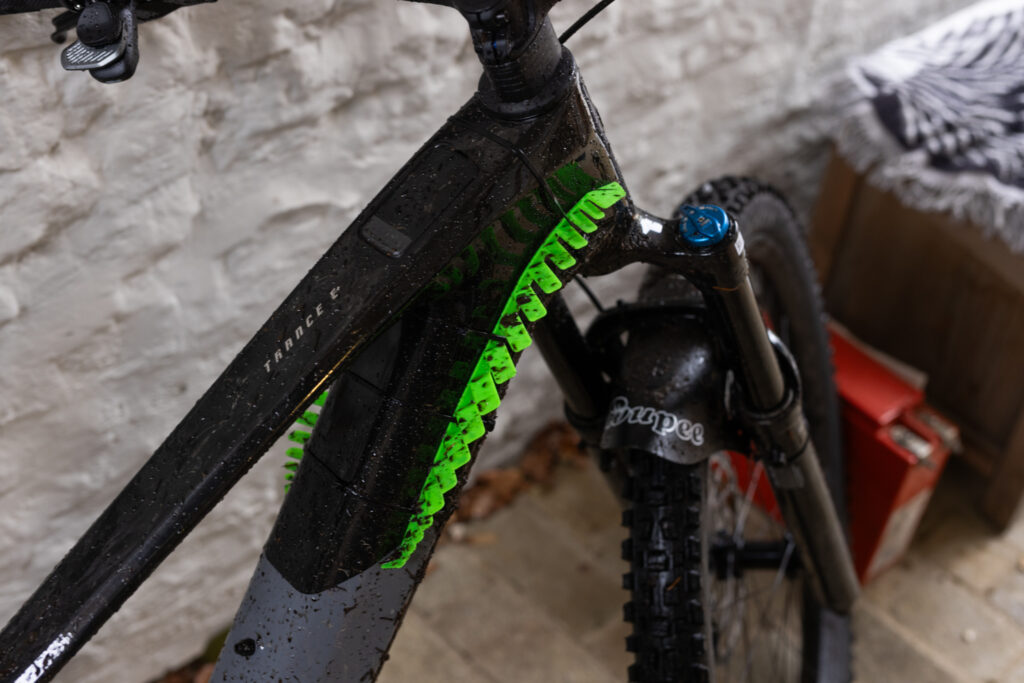
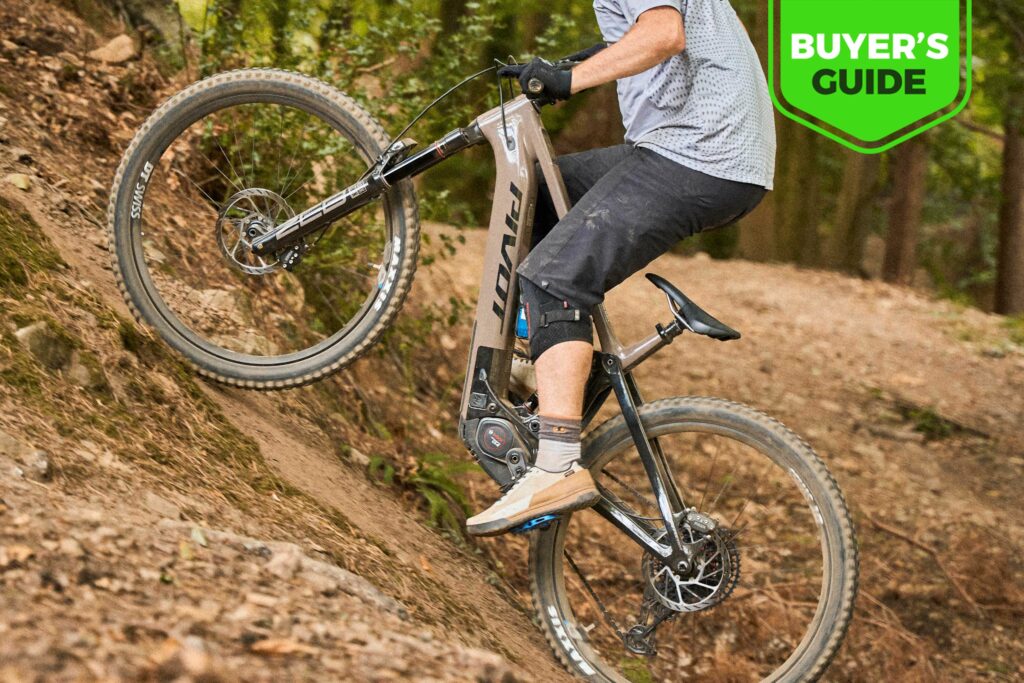
However, I’ve had something of a break from e-mountain bikes this year. Not a purpose-chosen one, but my testing schedule brought more regular mountain bikes, which I’m definitely happy with. Though, after such a time enjoying life by leg power, jumping on Giant’s recently released Trance Advanced E+ brought e-MTB’s use in training firmly into the light.
Rather than waking up with achy legs, as I would after lengthy jaunts on my bog-standard bike, it was my upper body that apparently took the brunt of the recovery the next day. Unsure of what caused this, other than assuming my aversion to push-ups finally came home to roost, I recounted the day to figure out why I was a tender mess.
It was the bike’s weight.
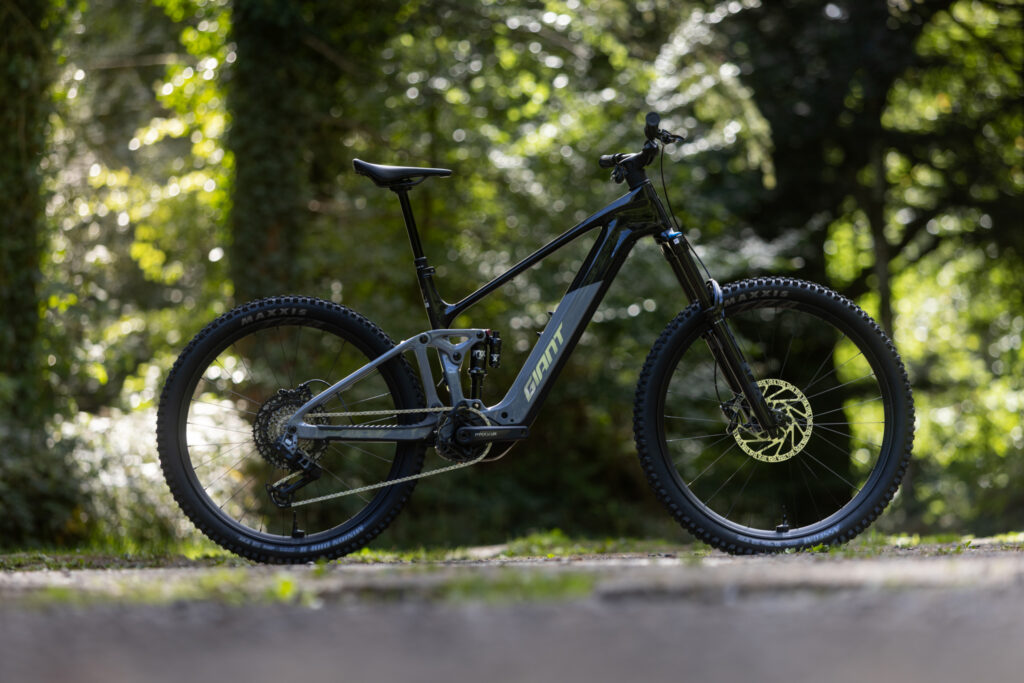
Although that Giant e-bike isn’t heavy for a full power pedal assist machine, it’s still seven or so kilos heavier than the types of bikes I’ve been riding throughout the year. And those few bonus kilos take more muscle to shift around on the descents.
During that day, the trails were fast and reasonably dry. Then, as e-bikes tend to gather momentum with more ease and less effort, thanks to their weight, my average speed was no doubt a touch higher. Then, braking points were more abrupt, and more effort was needed to wrestle the bike around corners, change lines, pop off lips, and well… to ride down a hill.
All of these motions are mostly activated through the shoulders and arms, then supported by the core. So it’s not really a surprise as to why I felt all of those muscles firing up the day after.
Because an e-MTB requires more muscle to ride down a hill, one won’t yet take a place in my personal fleet, as I prefer the natural dynamism and the ‘you get what you put in’ character of regular bikes, but those sore shoulders were a real eye-opener. That’s because the increased weight of an e-bike in comparison to a regular bike required more from my body and my mind to ride it how I want. That’s where the physical aspect of training on an e-bike really comes in.
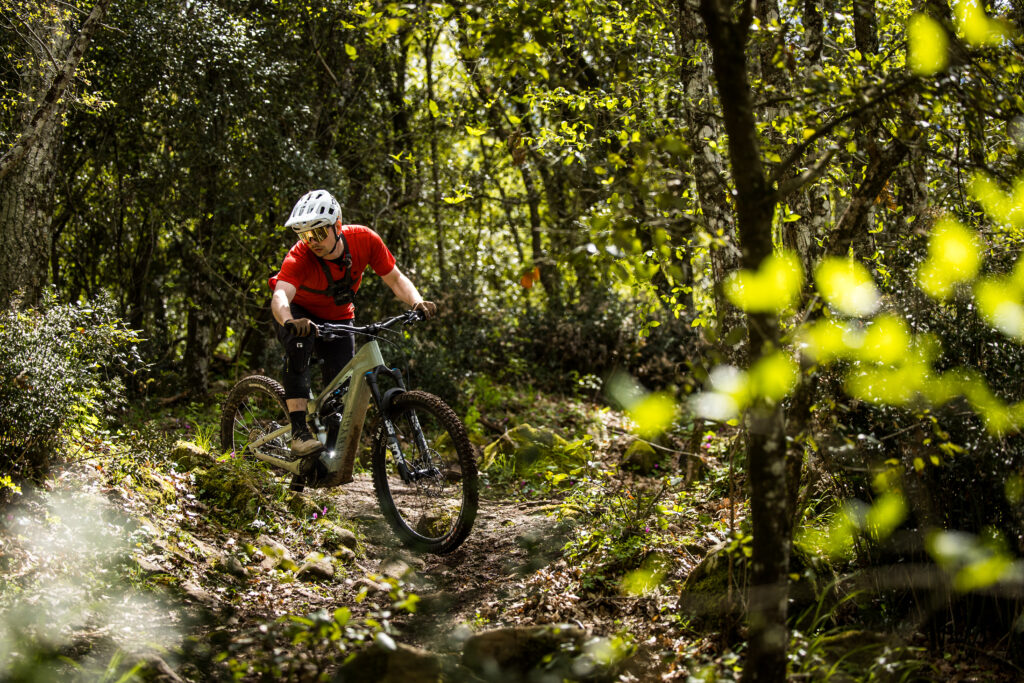
I guess the result is similar to lifting weights in the gym. In everyday life, it’s unlikely that you’re going to be bench pressing 100-odd kilos frequently, but having the strength to do so will only bring benefit when it comes to lifting lighter things in the form of fatigue resistance. And let’s face it, unless you’re regularly training for mountain biking, as well as going to the gym, upper body training isn’t really a thing that happens to quite the extent on a person-powered machine, because there isn’t as much weight to throw around. At least for me it’s not.
The benefit that comes with switching between e-bikes and regular bikes is similar to my bench-pressing analogy. E-MTBs help build strength in areas where riding a bike alone doesn’t to the same degree, and then when you jump onto a regular bike after big e-MTB stints, you’ll be able to ride stronger for longer.
This could also work the other way around. By training your legs more on regular bikes, you can eke out more efficiency from your e-MTB’s motor and battery by putting a little more effort into it. Admittedly, this isn’t how I ride an e-bike, so maybe this example isn’t the most relevant.
I say all this… but I could have just pulled a muscle while rolling the e-MTB out of the van.