


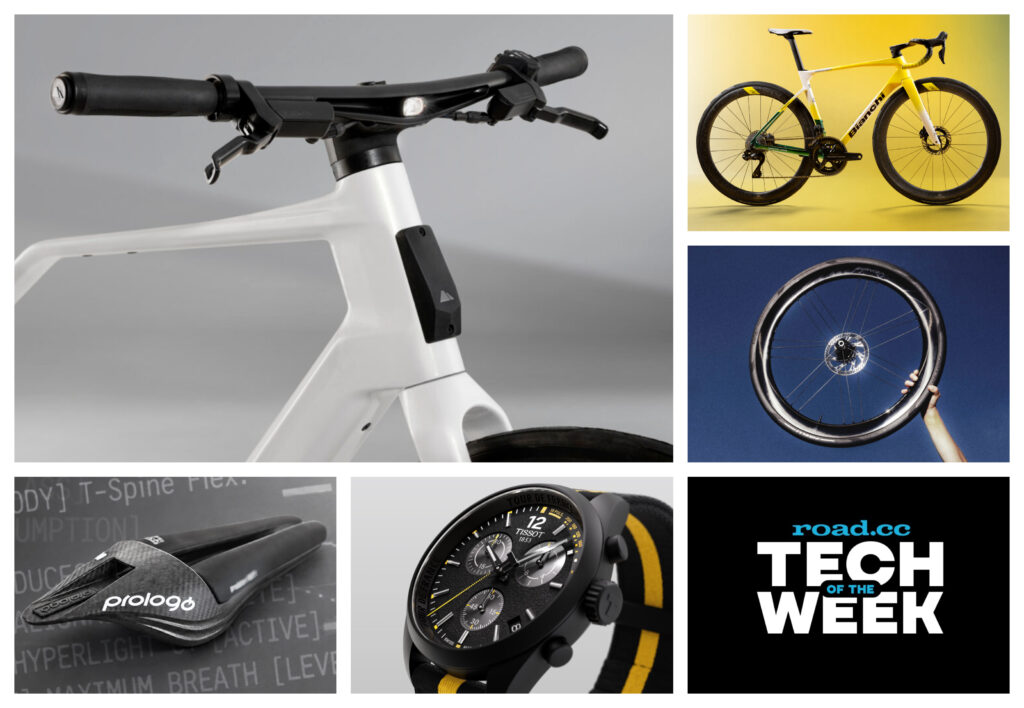

With loads of brands rushing to get new products out in time for the start of the Tour de France, this could be the busiest week of the year in the cycling world, and we’ve included a couple of TdF-focused products in our round-up, including a limited-edition Bianchi, but we’re starting with something completely different: could this clever tech promise safer cycling in the future?
Bikes that talk, roads that listen: is this wireless communication the future of cycling safety?
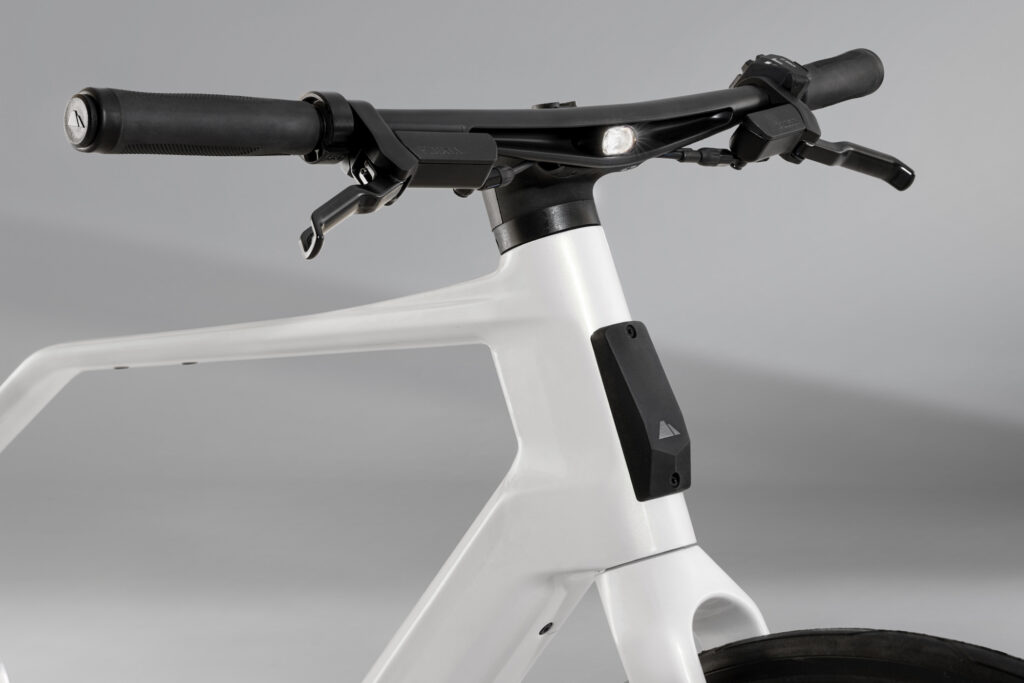
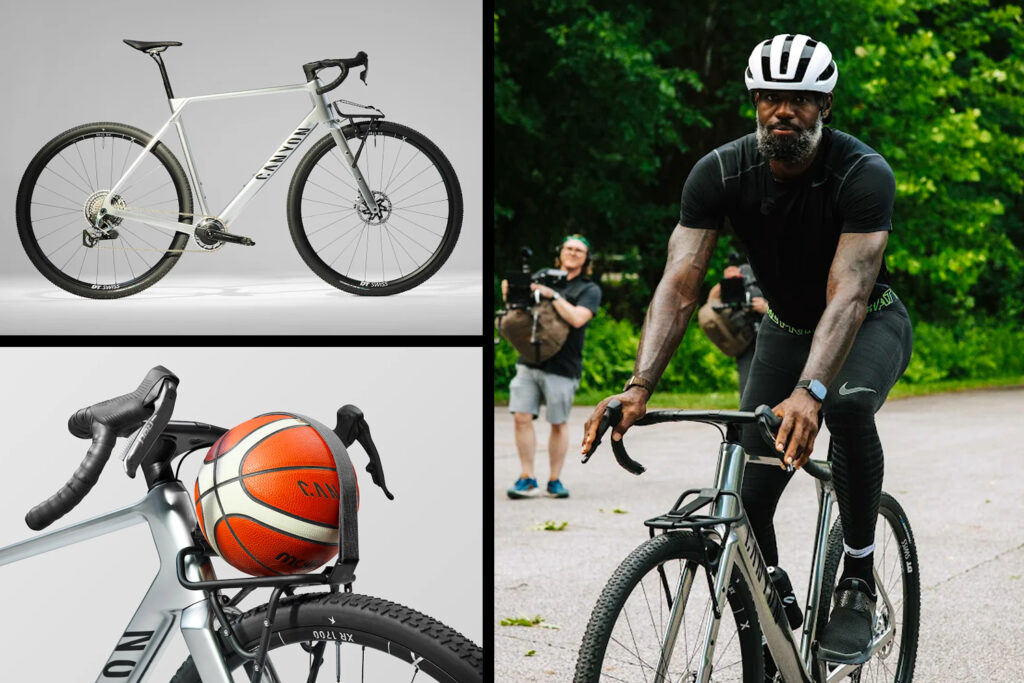
The bike world got excited by the Canyon bike equipped with V2X (vehicle-to-everything) technology at Eurobike a week ago, so we decided to delve a little deeper into the tech to see if it really could make cycling safer.
Imagine your bike warning you about a car that’s about to emerge from a blind junction – before either you or the driver can see each other. Or your handlebar vibrating to tell you that a vehicle is approaching from your right. It sounds futuristic, but it’s exactly the sort of technology developers believe could transform cycling safety.
V2X tech, originally developed for the automotive industry, allows vehicles to exchange real-time information about their position, speed and direction with other vehicles, traffic infrastructure and even cyclists and pedestrians.
Unlike cameras and radar, which only detect what’s within line of sight, V2X effectively lets road users “see” around corners. A cyclist approaching a hidden junction, for example, can broadcast their location to nearby connected vehicles before they come into view, giving drivers valuable extra seconds to react.
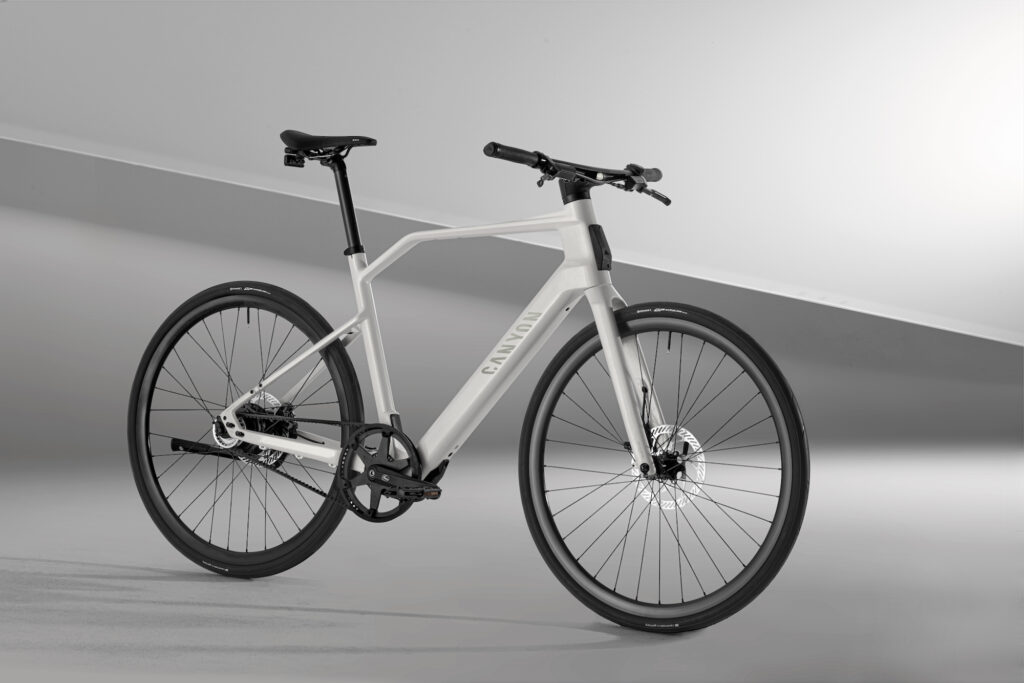
As cycling and micromobility continue to grow in cities, manufacturers are now looking at how this technology can move beyond cars. One of the most advanced demonstrations comes from the collaboration between Canyon, Murata Electronics, nfiniity and Vector mentioned above. The companies have developed an e-bike that communicates continuously with its surroundings, turning the bicycle into an active participant in the connected transport network.
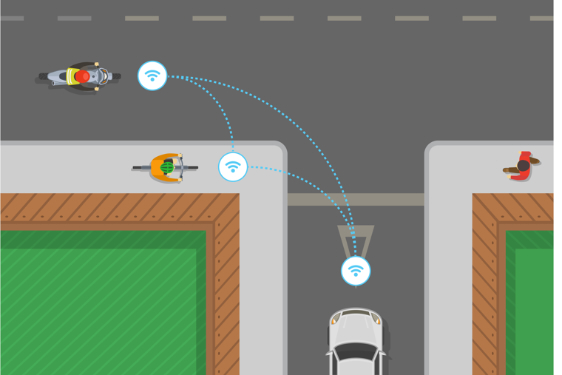
At the heart of the system is Murata’s compact V2X communications module, integrated into Canyon’s bike through nfiniity’s cube:nano platform. Rather than relying on mobile phone coverage, the system can exchange safety messages directly with nearby vehicles and infrastructure in milliseconds.
For riders, all of this happens behind the scenes. Instead of displaying alerts on a screen, the bike uses haptic feedback through the handlebar. Both grips vibrating signals a general collision risk, while vibration on a single side indicates the direction of a potential hazard.
The system works by transmitting standardised Cooperative Awareness Messages (CAM), which continuously update nearby road users with the bike’s location and movement. If an unusual hazard occurs – such as roadworks or an accident – Decentralised Environmental Notification Messages (DENM) can also be sent to warn approaching traffic.
There are currently two competing V2X technologies. Dedicated Short-Range Communication (DSRC) has been around the longest, while Cellular V2X (C-V2X) extends this capability by supporting both direct communication and network-based communication via cellular infrastructure. Safety-critical messages can be delivered directly from device to device, while additional data can be transmitted via the network.
Murata’s Saneesh Menon says, “The evolution of C-V2X continues with NR-V2X, the 5G-based standard designed to deliver higher reliability, lower latency, and increased data throughput. These capabilities support more advanced applications, including autonomous driving and coordinated traffic systems.
“V2X is uniquely capable of integrating bicycles and scooters into the wider vehicle safety network, extending connected safety beyond cars. This creates new opportunities to improve safety, optimise traffic flow, and enhance urban mobility.
“As cities continue to adopt Cooperative Intelligent Transport Systems (C-ITS), incorporating micromobility will be essential to building fully connected and inclusive transport ecosystems. Enabling all road users to share information in real time supports safer interactions and more efficient use of infrastructure. Through solutions such as Canyon’s concept e‑bike integration, bicycles become connected road users, addressing a critical gap in the safety ecosystem and ensuring that cyclists are no longer overlooked within traffic systems.
“As V2X continues to evolve, particularly with the advancement of 5G-based NR-V2X, it will play an increasingly important role in shaping safer, smarter, and more inclusive mobility. The result is a connected environment where every road user is visible, informed, and better protected.”
Interesting. Rather than depending solely on visibility, eye contact and rider awareness, future bikes could become part of a wider digital safety network where every connected road user shares their intentions in real time.
There’s still work to do before V2X-equipped bikes become common on our roads. But if the technology fulfils its promise, tomorrow’s safest cycling accessory might not be brighter lights or a louder bell – it could be a bike that communicates.
What do you reckon? Is this technology that gives you hope, or does it fill you with dread?
New Zonda Carbon All Road is “the most direct access to Campagnolo carbon”
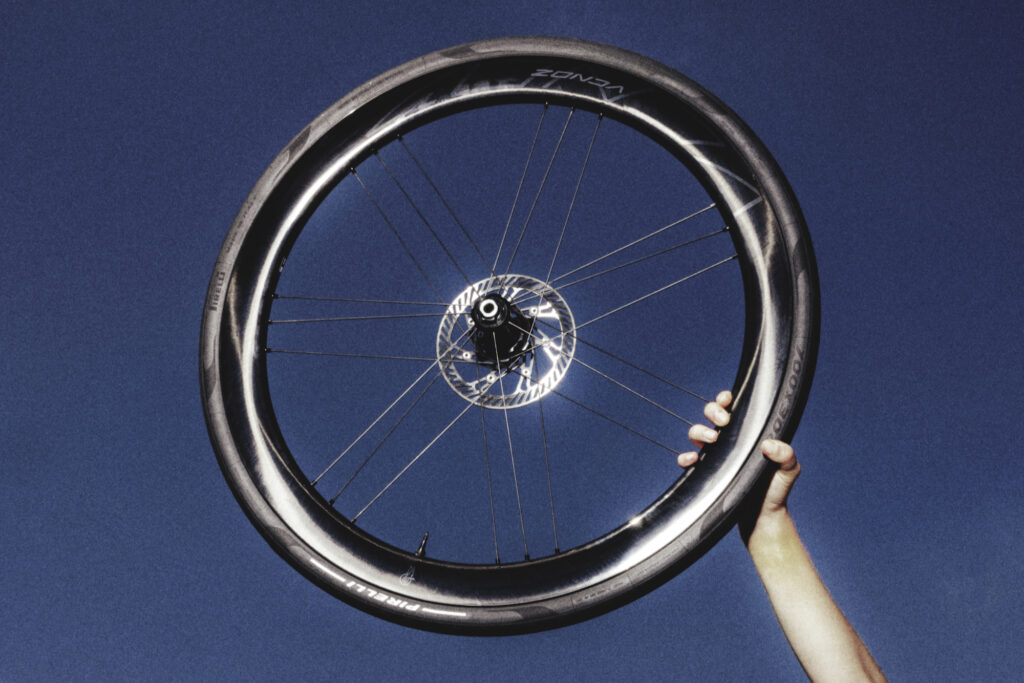
Campagnolo has introduced a new Zonda Carbon All Road wheelset that’s designed to bridge the gap between road and gravel riding and provide the most affordable route into its carbon lineup.
Campag describes the Zonda Carbon All Road as: “A wheel designed for riders who want speed, efficiency and responsiveness on the road, while keeping the freedom to go further whenever the route changes.”
The hooked carbon rim is 50mm deep with a 25mm internal width, designed to support tubeless tyres from 29mm to over 40mm. It uses Campagnolo’s C-Lux smooth finish, which doesn’t require lacquer.
The wheels are built using Campagnolo’s G3 lacing pattern and use adjustable cup and cone bearings (as opposed to sealed bearings).
The complete wheelset weighs a claimed 1,550g and is priced at £1,299. Stock is due with UK importer Chicken CycleKit this month. We’ve requested them for review here on road.cc.
Bianchi unveils Specialissima RC limited edition for Tour de France
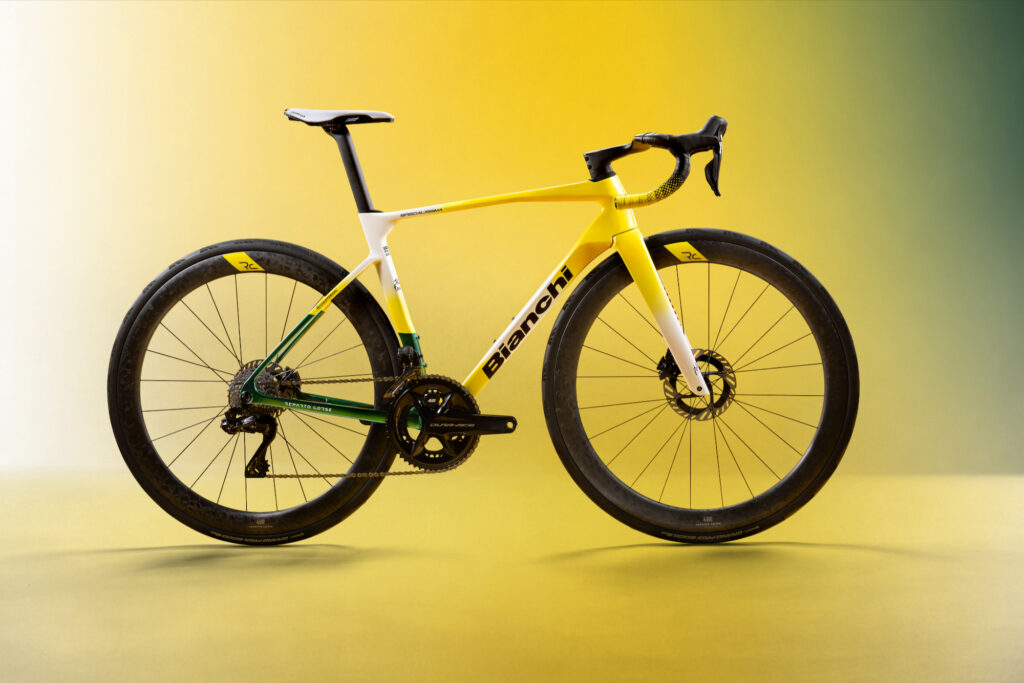
Bianchi launched an updated version of its Specialissima all-round race bike last month, and now it has unveiled a limited-edition model as “the official bike of the 2026 Tour de France”.
What does that mean? Essentially, Bianchi has given the bike a Tour de France air. The frameset comes in a yellow-fade finish – yellow being a very Tour de France colour, of course – with green, the colour of the points classification jersey, at the rear. The insides of the fork legs are decorated with King of the Mountains-style red polka dots.
We know a lot of people think that if you’re going to buy a Bianchi you should have it in celeste, but maybe you’d make an exception in this case.
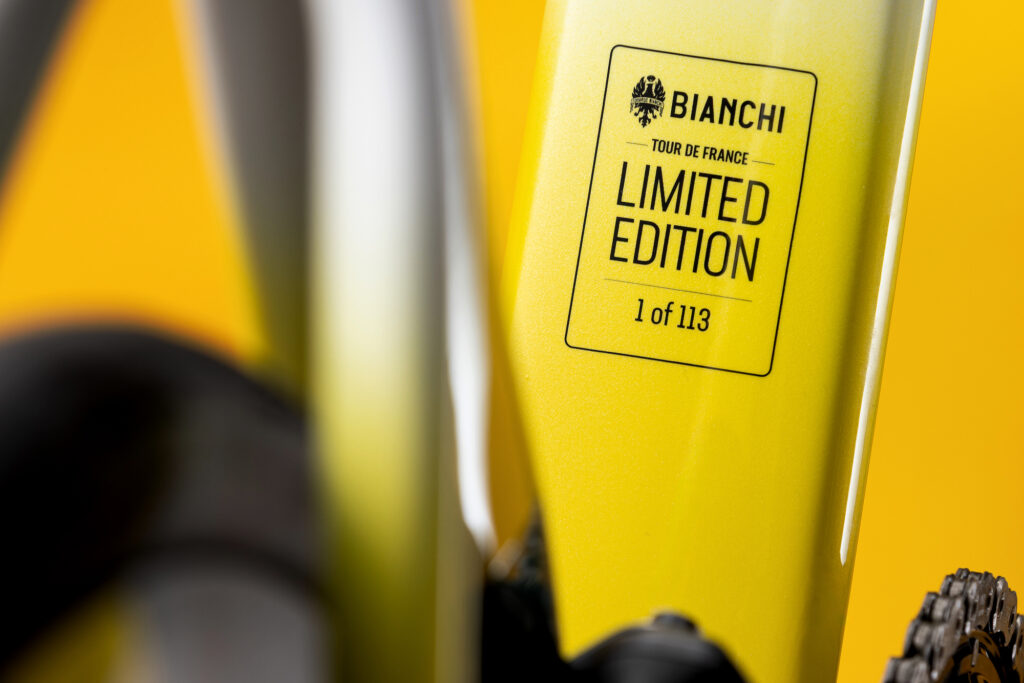
There is a Tour de France logo on the seat tube and each of the 113 bikes is numbered. Why 113? This year sees the 113th edition of the race.
The bike comes with new Bianchi RC 49R carbon wheels featuring dedicated yellow decals and a custom Prologo Tour de France saddle. The groupset is top-level Shimano Dura-Ace Di2.
You also get a 1:12 scale miniature replica of the bike, individually numbered to match your full-size model, for the mantelpiece.
The Specialissima RC Tour de France Limited Edition is available at €12,900 (which converts to around £11,055).
4.98kg! Panda Podium goes ultra-light with the new Specialized S-Works Tarmac SL9
Specialized released the S-Works Tarmac SL9 earlier this week with claims that it is “the fastest road bike ever made”, and China-based Panda Podium has taken the frameset and turned it into an ultra-light complete bike.
> “The fastest road bike ever made”: Specialized unveils the S-Works Tarmac SL9
The frame is a claimed 687g so UCI-rules-defying builds are certainly possible. Panda Podium’s Joe Whittingham has got it down to just 4.98kg, including the pedals. Here’s how:
View this post on Instagram
Turn used tyres into shoes
Speaking of stuff that’s appeared on Insta, here’s an idea from Rebel Rider Bikes that shows you how to turn a pair of old mountain bike tyres into shoes (people in various parts of the world have been making shoes from old tyres for years).
View this post on Instagram
Admittedly, the word “shoes” is doing some heavy lifting there, but this is how to do it. Whether you’d want to is a different matter entirely, but, you know, recycling and all that.
And the Strangest-looking Saddle of the Week Prize goes to…
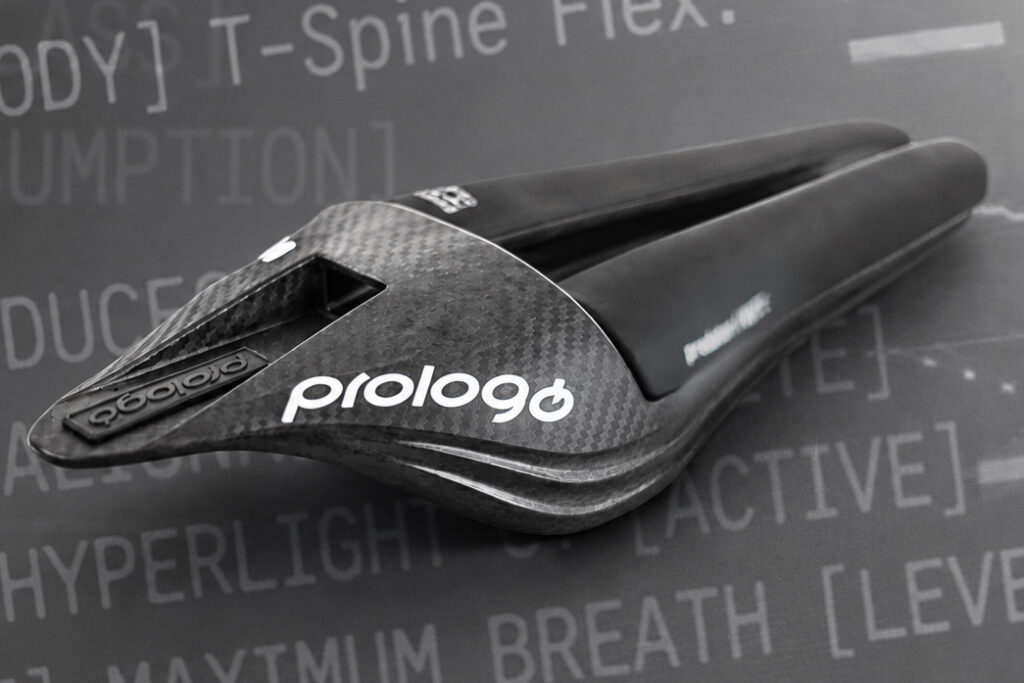
We have a long history of showing you strange saddles at road.cc, and we rarely miss the opportunity to introduce you to a new one.
> From bum massage boards to backrests: check out cycling’s weirdest saddles
Prologo has had its Predator time trial and triathlon saddle in its range for a little while, and now comes the Predator 2. Sorry, the Predator//02, to be strictly accurate.
The Predator//02 features an injected long-fibre carbon base and a round Nack (nano carbon fibre) rail with a standard 7x9mm section so it can be installed on most seatposts out there.

“The modularity, a distinctive element of the project, remains unchanged. The base and rail have been redesigned to be separated and replaced with even greater ease, offering users the ability to upgrade or replace the saddle while keeping the same rail,” says Prologo.
The Predator//02 is available in two sizes with either a 50mm or 60mm-wide nose. The weight of the narrower version is a claimed 159g. It’s not cheap, though. You’re looking at £490.
MAAP’s new eyewear collection looks pretty neat
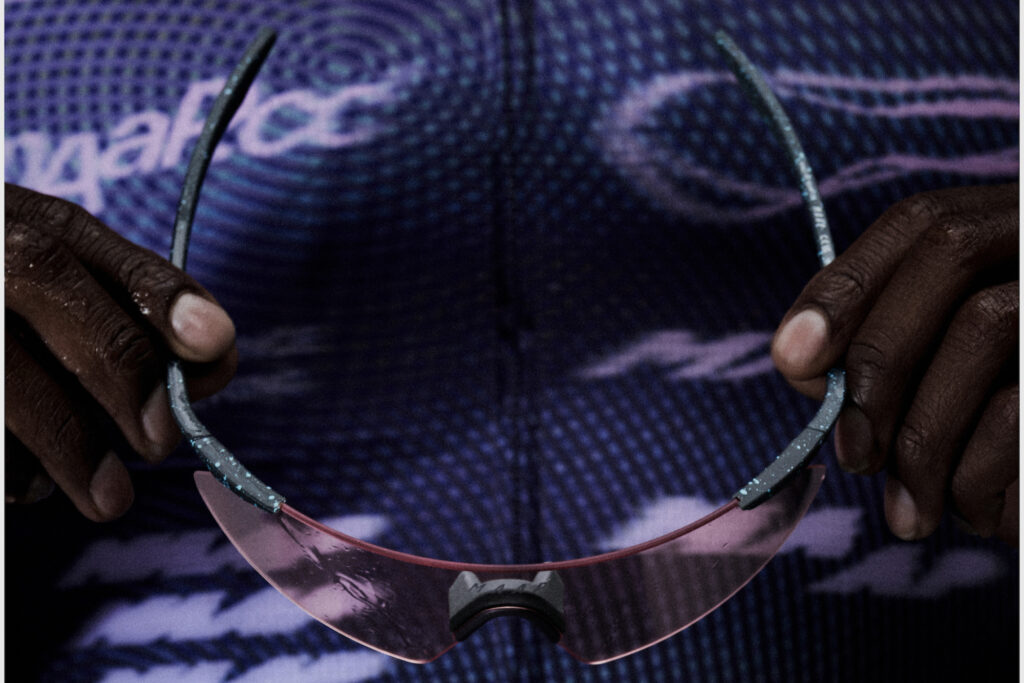
Aussie brand MAAP has entered the eyewear market with four models that look pretty cool to us.
Halo, for example, features a rimless frame and you can choose from an interchangeable Silver Mirror Lens for sunny days or a Yellow Lens for low-light conditions. Both offer 100% UV protection along with hydrophobic, oleophobic, and anti-fog coatings.
The claimed weight is just 21.8g. The MAAP Halo is priced at £200.
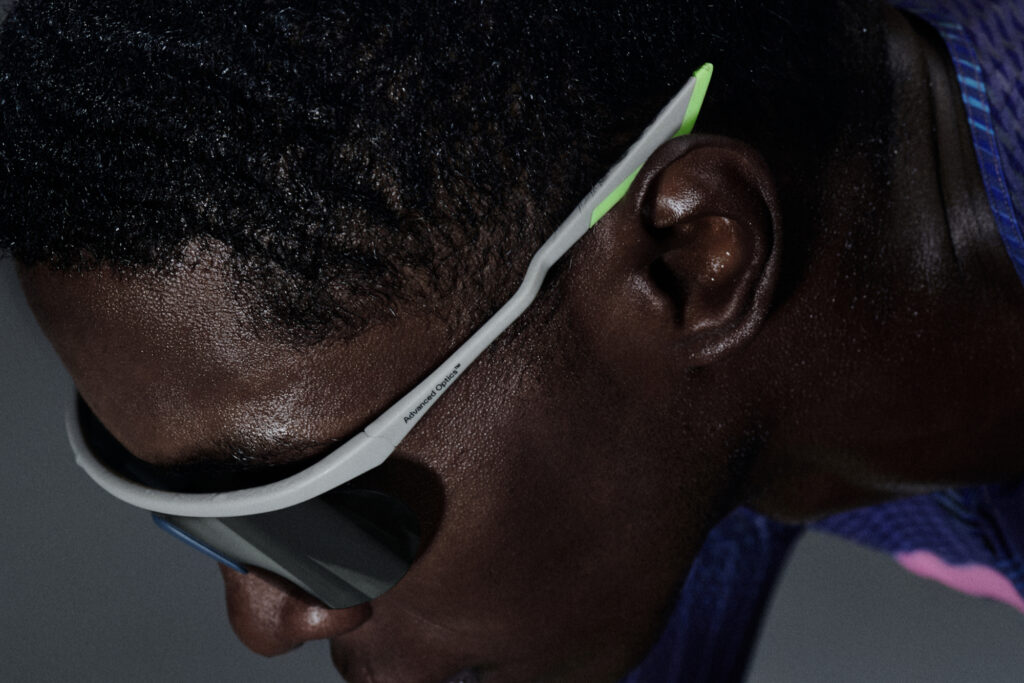
Oracle, uses a ‘semi-rimless design’, meaning that there’s a section of rim at the top of the lens but not at the bottom. It comes with a dark green lens designed for harsh sunlight or a pink one for duller conditions.
This one weighs a claimed 23.9g and is priced at £185.
MAAP eyewear will be available to purchase from 7th July.
You’ve watched the race, now buy the watch
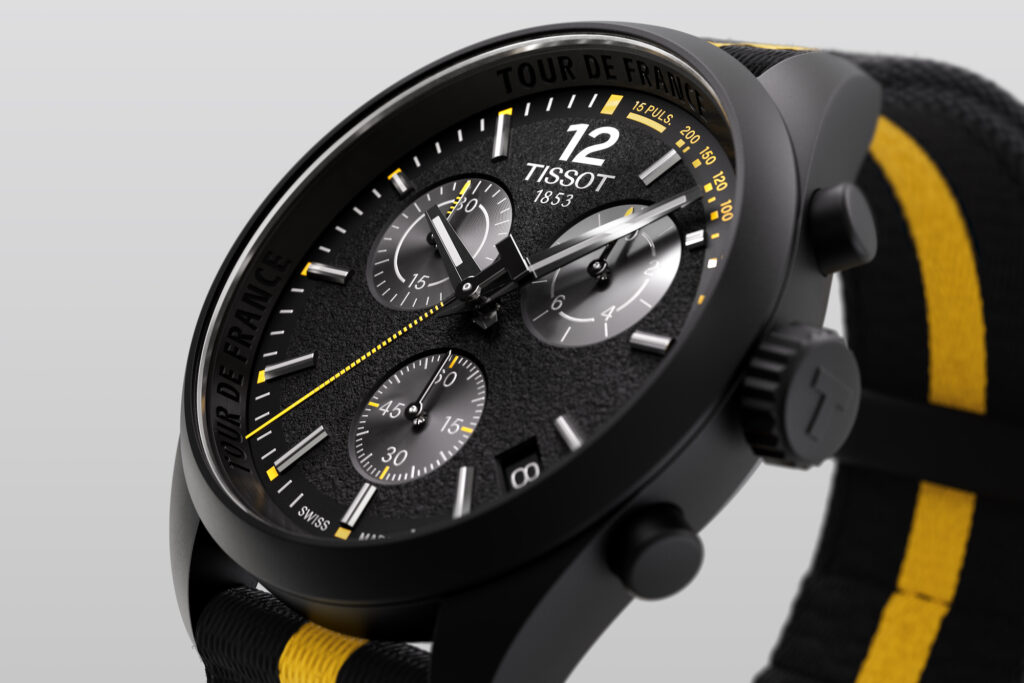
Swiss brand Tissot has released a new Tour de France-themed watch, which is timely (sorry).
The PR 100 Tour de France 2026 Special Edition comes with a 40mm black case and a bezel engraved with Tour de France branding.
Tissot says, “The dial features an asphalt -textured surface, referencing the environment in which the race unfolds. This distinctive finish is complemented by a pulsometer scale, underscoring the watch’s sporting orientation.”
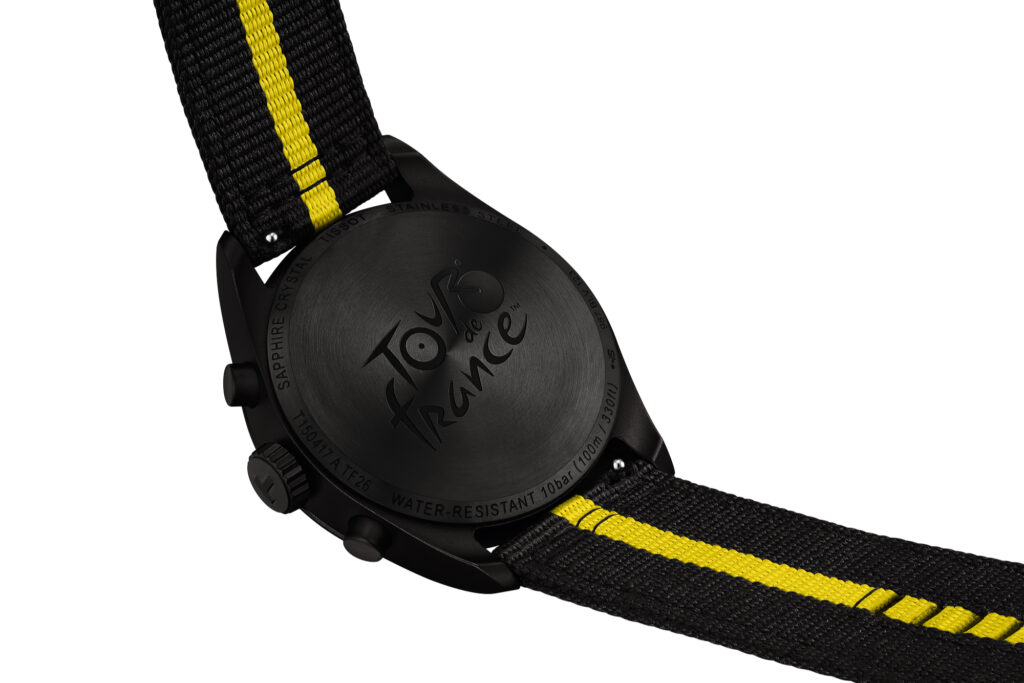
The yellow highlights are another Tour de France reference, and it comes in a special edition box.
The Tissot PR 100 Tour de France 2026 Special Edition is priced at £395.
Colnago and Richard Mille release RM 64-01 Tourbillon Colnago at £750k
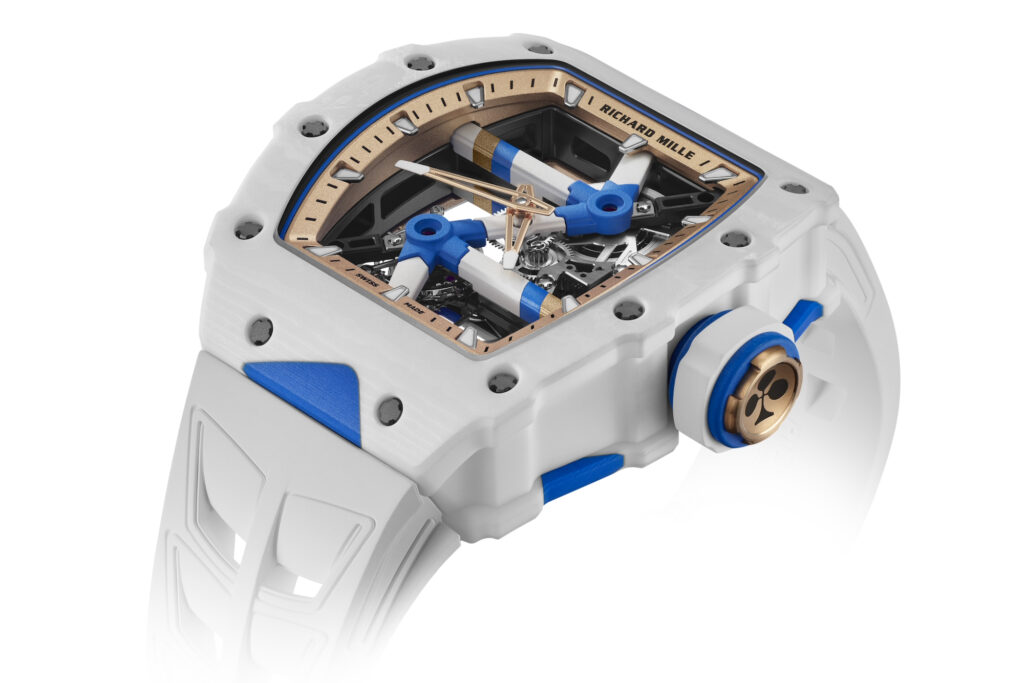
In more watch news – we’re on a roll – the Richard Mille RM 64-01 Tourbillon Colnago that we told you about on the road.cc blog earlier in the week is worth another mention, if only because it’s priced at around £750,000. Yes, as in three-quarters of a million quid.
Cyclists are used to the phrase: “You could buy a car for that.” Friends love to point it out when they find out how much you paid for your latest bike. But the Richard Mille RM 64-01 Tourbillon Colnago takes things to a new level. Forget cars, it’s nearly 20 times the median annual salary for full-time workers in the UK, or getting on for three times the average UK house price.
The brands say, “The RM 64-01 Tourbillon Colnago was conceived as a tribute to the architecture of a Colnago bicycle. The skeletonised movement recalls the structure of a racing frame, with bridges and components arranged according to a visual logic that evokes tubes, geometries and drivetrain. The star-shaped sections of the bridges are inspired by the renowned Gilco tubes, one of the most recognisable design signatures in Colnago’s history; the micro-lugs pay tribute to the C Series, the iconic line of bicycles handmade in Cambiago; while the white, blue and gold colour palette echoes the language of the brand’s most exclusive creations from the recent past.”
So now you know. As for telling the time, we don’t like to point it out in the circumstances, but it’s not the clearest to read, is it?
They’re only making 50, so form an orderly queue.
In case you missed it earlier in the week…
- Faster, lighter and stronger: Everything you need to know about Goodyear’s latest ultra high-performance road and gravel tyres
- This is what happens when a mountain biker designs their own custom titanium gravel bike
- Tour de France pro bikes you can buy yourself — from Specialized, Trek, Canyon, Giant, Pinarello, Colnago…
- “The fastest and most efficient bike-rider system”: Orbea unveils new Orca Aero
- A wave of new bikes, wheels and kit making Tour de France debuts in 2026
- Giant updates Revolt from the ground up for the ‘professional purist’
- Zipp launches new 404 S carbon road wheels promising “industry-leading aero performance” for under £1,000
- “The fastest road bike ever made”: Specialized unveils the S-Works Tarmac SL9
- Look unveils all new 795 BladeRS 3 aero road bike, with 350 different fit options and “15 watts” of real-world aero savings
- Aerodynamic 32-inch gravel wheels are here: Meet the 9th Wave SandStone SL32 wheelset
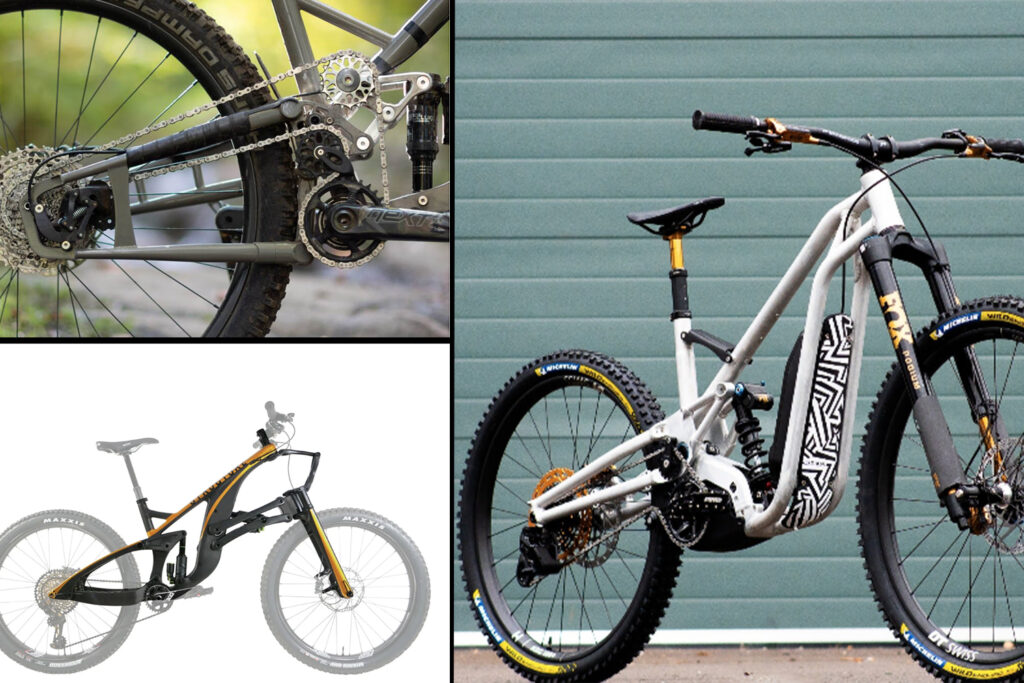
- Unreleased aero gravel, concept bikes for “safer road cycling” and carbon wheel innovation: new tech from Europe’s biggest bike show



3 thoughts on “Bikes that talk, roads that listen: is this new tech the future of cycle safety? Plus a VERY expensive watch and new bikes (and more) from Specialized, Canyon, Bianchi, Campagnolo, Prologo, MAAP…”
Incoming Betteridge’s Law here (“No”).
I don’t know if this becomes a “thing” but let’s say it did:
Pro: see round corners etc. And and increasing number of bikes (not just ebikes) have batteries / wireless / other tech anyway…
Con: could easily become yet another way to relocate responsibility for safety from drivers, without substantially or reliably improving safety for others.
Why? Not guaranteed (both your system AND all the other road users’ systems need to be exist / be working / be enabled).
How well does the bike interface work anyway (vibration could be masked by road noise; does everyone have both hands on the handlebars at all times?
If it becomes prevalent it’s easy to see the police / lawyers reaching for “bicycle didn’t have (the latest version of) this thus the cyclist was irresponsible / brought it on themselves”.
For those who are “chips-with-everything” / “Internet-of-everything”-skeptical (that boat has sailed…) this would be yet another driver for “you used to buy a bike now you buy another smartphone”.
@chrisonabike Yes does it mean those without it are intrinsically less safe because they don’t appear on the motorists’ “radar” (in both senses of the word)?
This is the problem with bike radars – they aren’t addressing the root cause. The problem isn’t cyclists being informed just before a motorist smacks into them for which the cyclists can do very little. The problem is motorists not taking evasive action before they (almost?) collide with the cyclist. Radar should be mandatory for cars.
The V2X had better vibrate the handlebars stronger than the questionable road quality around here for us to even feel it!