



“How much is motoring insurance, tax, MOT, servicing, repairs, and fuel when you add it all up?” That’s the question currently being posed by baffled cyclists across the UK, after a new survey examining attitudes towards cycling found that almost half of Brits believe they cannot afford a bike, with yesterday’s story on the somewhat contentious study attracting hundreds of confused comments on road.cc and across social media.
The survey was carried out by BHN Extras, the parent company of Cyclescheme, the UK’s largest provider of access to the Cycle to Work initiative, as part of its annual research into perceptions of, and barriers to, cycling in the UK ahead of Cycle to Work Day on 1 August.
Gathering responses from 2,000 people employed across a range of sectors in the UK, the study found that 49 per cent of those surveyed believe that they are not currently in a position to buy a bike outright.
A quarter of those consumers also stated that it would take at least six months to save to purchase a bike, with 50 per cent noting that they would be most likely to buy a bike by splitting the cost and 22 per cent stating that the cost of accessories acts as a deterrent to encouraging them to cycle to work.
Meanwhile, concerns about the stereotypical image of a cyclist also featured prominently in the survey, with 58 per cent of respondents believing that they “don’t fit the bill” of what a cyclist apparently represents.

However, it’s the survey’s headline finding – that almost half of Brits think they can’t afford to buy a bike (though, it must be noted, the survey doesn’t attempt to ascertain why that’s the case) – that has fuelled quite the conversation online.
“That’s ridiculous,” X/Twitter user Chrissetti said in response to yesterday’s story. “It might be too expensive to buy a brand-new bike, but you can get second-hand ones dirt-cheap. You’re not going to win the Tour de France on it, but it’ll be good enough as a commuter bike.”
A road.cc reader concurred: “What a joke. I spent £50 on a second-hand mountain bike in 2011 which I use to commute. I still use it now, and would reckon I’ve done 10,000 miles on it in total. No expensive gear, just helmet, gloves, lights, and waterproofs (which I’ve hardly ever used as it rarely rains enough to warrant it).
“Anyone new to cycling doesn’t need to spend thousands of pounds initially until they know they will continue and want to upgrade.”
Meanwhile, another road.cc reader offered up this handy piece of buying advice: “Buy an early 90s Kona MTB, put some slicks on it. Best commuting bike you’ll ever own. Job jobbed.”
I paid £110 for this bicycle in 2011. It is now 50 years old. I use it for commuting – about 18 miles a day. It works perfectly and has required almost no maintenance. pic.twitter.com/DKKd2mYxTh
— Robert Rhodes (@ra_rhodes) August 2, 2024
Over on Facebook, Chris Alston added: “There are many bike recycling projects across the UK. We don’t all need to buy new. There are some great second hand or pre-loved refurbished bikes available for a good price. The second-hand market has been flooded with bikes that were snapped up during the early stages of the pandemic.
“The Cycle to Work scheme is always an option for those whose employers are signed up. Cycling UK has a Cycle Friendly Employer Scheme to encourage businesses to make the necessary changes to support those who wish to cycle to work. They also have various programmes to help new or returning cyclists build up confidence, fitness, and learn new skills such as cycle maintenance. There’s help available. Some local authorities have certain schemes too.”
While the relatively low cost of buying a bike (unless you’re in the market for the latest S-Works, of course) was a common feature of many of the replies to the story, some readers couldn’t help but point out that, of the 49 per cent who claimed they don’t have the funds for a bike, a decent proportion would be more than happy to spend their hard-earned wages on buying, maintaining, fuelling up, taxing, and insuring a car.
One road.cc reader said: “Given that there were 41.2 million registered vehicles in the UK at the end of 2023, and that according to the 2021 census, there were 37.5 million people of working age, it would be interesting to know how many of those surveyed don’t think they can afford a bike because they already spend a good proportion of their income on owning a car.”
“Can’t afford to buy a bike? You can get one for about £100, and it costs nothing to run. Yet they can afford to run a car, which costs thousands to keep on the road?” asked Lee Jones on Twitter.
“Going with total bullshit for that,” added SCo. “You can pick up a working bike off Facebook marketplace for £50 every day. Even if you budget another £50 for service, that’s about two tanks of fuel, ride to work for a few weeks and the bike has paid for itself.”
“How much is motoring insurance, tax, MOT, servicing, repairs, and fuel when you add it all up?” asked Pooka, a question answered by the Twitter account ‘Yeah But Cyclists’: “Can’t afford a bike which could cost as little as £300 (or even less second-hand) and virtually nothing to maintain or run, but they can afford £1,000+ per year to maintain and run a car?”
However, not everyone was up in arms about the survey’s main finding, with some criticising the rising prices associated with the bike industry in recent years.
“The industry has been pushing prices up and up for years,” said Tom Stringer on Twitter.
Facebook user Paulo also added: “Cycling has become a stupidly expensive sport, it was never very cheap, but nowadays it is too much.
“Some years ago, a reasonable/good bike would have components of some quality and would cost a maximum of £500. Nowadays with £500 you can barely buy anything with two wheels. Something will have to be done to counter this situation and make cycling accessible to the masses again.”
Some, meanwhile, noted that there are other reasons – beyond costs – that prevent them from commuting by bike.
“I would love to cycle to work but the idea of 20km down the A57 in rush hour terrifies me… It’s definitely the idea of sharing space with white vans and w***panzers that puts me off,” said one road.cc reader.

However, others were quick to note that the survey’s findings, detailing the arguably prohibitive costs of cycling, were published by a company whose aim is to encourage people to buy new bikes at a discounted rate.
“Putting aside all the comments regarding how many and who can or can’t afford a bike (in reality anyone who wants a bike can have one, whether it’s bought new, used, or received from charitable source), the upshot is that this so-called ‘research’ was commissioned by a company that has a financial interest in getting as many people as possible to repeatedly buy new bikes via a salary sacrifice scheme, within which they charge one of the highest commission fees in the industry,” said one road.cc reader.
“As with most ‘surveys’ the organisation paying the bill gets the outcome they ask for.”
This led on to a broader discussion surrounding the Cycle to Work scheme in general, which has faced a turbulent period in recent months, as local bike shop owners and traders united earlier this year to criticise a system that they believe is “too complicated”, damaging to retailers, no longer fit for purpose to get more people cycling to work, and in “need of urgent systematic change”.
“The trouble with the Cycle to Work scheme is that most low earners are not allowed to use salary sacrifice because it would take them below the National Minimum Wage,” noted a road.cc reader. “Low earners cannot buy a bike tax-free through Cyclescheme. The government must fix this.”
And Colin McCullough on Facebook said: “The Cycle to Work scheme is bad for local bike shops due to the fees, and privileges higher earners, in company employment linked to the scheme. It discriminates against low paid, unemployed, retired, self-employed… Why not simply cut the VAT rate on bikes? And/or have a rental/leasing scheme, with insurance and maintenance included? Creativity needed from government?”
“The cycle schemes can’t take you below minimum wage, and given how much the minimum wage has gone up in relation to wages in general I wouldn’t be surprised if people can’t afford to take advantage of it,” said Sean.
“However, nearly every major bike retailer has sales on right now, you can pick up a decent bike for not much in the grand scheme of things. Even if you had to pay interest, the money saved on fuel would likely be enough to cancel it out.”
What do you think? Is cycling becoming unaffordable, hindered by a Cycle to Work scheme which does little for lower earners? Or are there more than enough cheap and second-hand bikes floating around to get the UK cycling to work? Let us know in the comments…








97 thoughts on ““A second-hand bike costs the same as two tanks of fuel”: Cyclists react to “joke” survey which found that almost half of Brits believe they can’t afford to buy a bike”
I’m looking forward to
I’m looking forward to tomorrow’s article which reports the online reaction to the report of the online reaction to the original story.
And the blog item about said
And the blog item about said article. And the poll about the blog item.
.
.
mdavidford wrote:
You forgot the podcast.
And they’ll somehow manage to
And they’ll somehow manage to tie in something about that triathlete hoping to win the TDF in 2028.
2028? Maybe he can’t afford
2028? Maybe he can’t afford the bike yet.
Brummenfelt is maybe hoping
Brummenfelt is maybe hoping we’ll all have forgotten by then. I have completely forgotten about Bradley Wiggins’ crossover to olympic rowing.
L shaped cranks.
L shaped cranks.
Mmeeeeeoooooww the claws are
Mmeeeeeoooooww the claws are out in the comments section today ?
I’m just sore because I didn
I’m just sore because I didn’t get quoted in the article about the article about the survey.
Third time’s the charm…
Third time’s the charm…
I think it’s fair to point
I think it’s fair to point out that decent enough second hand bikes are not that expensive, even if you add in a service and new kit. However, some of the costs of driving a car won’t go away if you take up cycling unless you ditch the car altogether. For most people, cycling to work will replace some car journeys, but not enough to get rid of their car. At least not in advance.
I always get confused when I try to read about issues to do with the Cycle to Work scheme, which is a sure sign it needs revised. I’m assuming you can’t currently buy a second hand bike, which is possibly fair enough if it’s from some random bloke on Ebay, but it should be possible for proper shops that sell 2nd hand bikes to be considered.
But as the article says – there are other ways to reduce the financial burden of cycling that recognises society benefits when more of us pick two wheels over four.
FionaJJ wrote:
You can buy a used bike with a Cycle To Work Scheme.
That’s good to hear, thanks.
That’s good to hear, thanks.
That’s interesting – though
That’s interesting – though as they seem to focus on the premium second hand market with their current cheapest second hand urban / commuter bike at £995, doesn’t really address the affordability point.
If they couldn’t make up
If they couldn’t make up barriers to starting cycling they’d have to be honest and say they just don’t want to cycle. “It’s a bit hard” doesn’t really wash.
My thought exactly. Most of
My thought exactly. Most of them are not actually saying “I can’t afford a bike”. They’re really saying “I don’t want a bike”.
“I’ve spent all my money on a
“I’ve spent all my money on a car.”
Here is the other view. If
Here is the other view. If you are young and not well off you live in a shared apartment and there is no space for mainenance not to mention the cost of a set of tools. My experience is second hand I have 2 daughters. Then the second hand bike: often many worn out parts. Bike parts are a complete ripoff, the cost of all the parts on a bike is way more than a new bike. So you also can’t do the work yourself it will be £100+ in a bike shop. Then security: when you finally have a working bike after crossing all those hurdles it gets stolen. Report it to the police… they don’t give a s***t, it is the lowest of their priorities. So smart Alec tells you you should have bought a decent lock which will cost you £££. I am lucky, at my stage of life I have a garage full of tools in a quiet village where bikes are seldom stolen. If you are a young person your experience is likely to be the very opposite.
Mikeavison wrote:
I think you’re painting an exaggerated picture.
If people can’t/won’t learn how to replace simple things like brake pads, cables and tyres themselves then yes it will cost money, just like refusing to learn to cook would result in them eating lots of takeways and ready meals.
A good relationship with a local shop or mechanic is very worthwhile and few jobs cost £100. In the past my LBS has loaned me a bike or wheel to keep me mobile while a job is in the workshop. Components cost money, they have to be made, shipped, stocked and fitted. Anyone who runs a business knows how much it costs just to keep the lights on and staff to work for them; everyone has to have some margin to stay afloat.
As for home maintenance, lots of people in apartments etc can fix stuff outside/under cover or in a friend’s shed or garage. There are community groups that help people with repairs such as CUK’s Bike Revival project. Recently I replaced tyres, tubes and rim tape on a colleague’s Raleigh Pioneer during my lunch break at work. I only needed tyre levers, a pump and a 15mm spanner.
My kids’ bikes required hardly any maintenance during the 5 years the rode to school daily. My daughter’s Specialized hybrid cost me £80, it did 1,000 miles/year to college for 3 years, and has needed little more than a chain, cassette and brake pads at intervals while a £10 combination lock is used (is that adequate?) in town. I bought a pair of tyres for £10 from a local facebook group that will I wil have to replace eventually. Compare that with CBT, m/c test, buying and insuring a small motorbike or 50cc scooter.
A D-lock or chain type may cost as little as £25, you don’t necessarily need an expensive one.
Just like most things – if
Just like most things – if you start from square one (not knowing what you don’t know, not being confident in skills, no (good) tools or spares) … it’s hard. And possibly (relatively) expensive.
I agree about the problems of theft having been decriminalised (although many years ago when I was at uni theft was not uncommon either – people have been targeting students / student residence forever).
Also about lack of storage space in more affordable accommodation. Government policy would help here *.
A question though – what do you think it should cost? Can you find any other form of transport where it only costs you 100 pounds or so per year? Even just walking you’re going to get through some shoes – and you’ll likely end up jumping on public transport / using taxis occasionally anyway.
* See what they do in NL – https://bicycledutch.wordpress.com/2013/07/11/parking-your-bike-at-home/
Also you might be lucky /
Also you might be lucky and or prepared to put a bit of work in. You can get a bike for very cheap (even new now) and if you take a friend / read up before hand (Internet and how to videos are legion) you can probably get a decent one.
Of course businesses aim to upsell – which will then affect 2nd hand market. So yes as usual it’s actually possible to end up with a cheap bike which is a bit of a “racehorse” to maintain. I know when I was younger I didn’t want to be seen on (what I thought was) a clunker…
In my opinion generic parts are in fact pretty cheap (again – how much do you *think* they should be? Ask yourself when you formed that impression).
In some cities there are charities which offer “fix your bike” facilities for less money or you can borrow their tools (and often help / free spares) and just pay for the time you’re there.
Even just doing nothing and paying a shop for a yearly service is probably only gong to cost 100 quid or so (maybe less if bike in decent shape). Again – you have to compare that to other options!
Mikeavison wrote:
You should see what the price of all the car parts added up comes to, compared to a new car.
Think that’s bad? Try
Think that’s bad? Try comparing the price of a complete set of human organs with that of a brand new, unused baby
john_smith wrote:
Is that available in-store or only online?
Depends on where you live and
Depends on where you live and who you’re friends with.
chrisonabike wrote:
Think that’s bad? Try comparing the price of a complete set of human organs with that of a brand new, unused baby
— chrisonabike Is that available in-store or only online?— john_smith
Available online, but you have to pay extra for home delivery.
mdavidford wrote:
I’ll go with the baby then, the organs might not be compatible with my frame. Home deliveries are still fashionable I hear so I’ll get the hot water and towels ready.
On account of the current
On account of the current high demand we’re unable to guarantee that the baby you receive won’t be addicted to heroin or the like. And if you’re in the UK you’ll have to pay extra for disposing of the mother afterwards. For customers in Russia and China that service is provided free of charge.
Lots of cheap bikes around
Lots of cheap bikes around BUT…
Riding a bike regularly is not cheap. Everything wears out quickly. chains, cassettes, bottom brackets, freehubs, tyres, brakes, wheel rims.. nothing seems to last more than a couple of thousand miles.
Mile for mile my bikes cost more to run than my car.
But a 9 speed hybrid with
But a 9 speed hybrid with disc brakes wouldn’t be expensive to run.
Even a low mileage rate on use of a car is about 50 p a mile. I do 50 miles every Sunday. It’s not costing me £25 even including cake.
TheBillder wrote:
If you cycle it is scientifically proven that there is no practical limit to how much cake you can eat (allegedly), so that is a lot of cake.
Pub bike wrote:
If you cycle it is scientifically proven that there is no practical limit to how much cake you can eat (allegedly), so that is a lot of cake.— TheBillder
Sadly not at my speed…
TheBillder wrote:
If you cycle it is scientifically proven that there is no practical limit to how much cake you can eat (allegedly), so that is a lot of cake.
— Pub bike Sadly NOT at my speed…— TheBillder
I find adding a cup of tea helps with faster eating.
Pub bike wrote:
If you cycle it is scientifically proven that there is no practical limit to how much cake you can eat (allegedly), so that is a lot of cake.— TheBillder
I find I can eat cake (or chocolate) even on days when no cycling has occured, so grams of cake per 100km is infinite on non cycling days. why does it need a limit on cycling days?
But… the insulin resistance
But… the insulin resistance resulting from that carbohydrate overload kills you even if you’re apparently fit, fast, healthy. Ask me how I know… three resuscitations on pavement outside front door
What? ‘Nothing seems to last
What? ‘Nothing seems to last more than a couple of thousand miles’. Are your bikes made from play doh?
‘mile per mile my bike costs more to run than my car’. So after you have paid, tax, insurance, MOT and servicing, depreciation and fuel and cleaning costs, the car costs less than the cycle to run?
Rome73 wrote:
Yes chinese parts probably are made form play doh. Cleaning costs? I drive a 15 year old diesel. It costs me bugger all to run compared to my bikes.
bikeman01 wrote:
Everyone’s experience is different of course but I ride about 8,000-10,000 kms a year spread across three different bikes; I don’t keep a strict record of my expenditure but I very much doubt I spend more than £250 a year on parts and peripherals. When we had a car the insurance alone, on a very small car, cost nearly twice that, a parking permit for our street is now nearly £250 a year, servicing and MoT could be more or less guaranteed to add a couple of hundred or more so we were looking at nearly a grand before we’d put a drop of fuel in it.
Do you cycle along the seabed
Do you cycle along the seabed?
bikeman01 wrote:
— bikeman01In that case I guess you must be relatively hard on your equipment. A little preventative maintenance (cleaning rims, lubing chain) may be a worthwhile investment. If you regularly ride in wet weather then full length mudguards make a huge difference.
I may get through a 9 speed chain in 2,000 miles (sometimes a cassette too, total cost about £50) but the kool-stop pads, tyres and chainrings last at least 3x as long and wheels well over 10,000 miles. And that is on the bike that does winter and wet weather commuting and riding, often on mucky country lanes. Parts lasted longer when most of my riding was on urban streets and decent roads. After 4 winters and about 20,000 miles the rear derailleur got reluctant to shift. I think it cost me £35 for the LBS to fit a replacement.
Well I guess cost would
Well I guess cost would depend on whether you ride a piece of unmaintained crap or not. My winter bike is a lowly Sora nine speed with mudguards but a rear derailler is considerably more than £35. Anyway derailleuers are not the issue. Even with regular cleaning I rarely get more than the following:
Chain 2500 miles.
Casette (2 maybe 3 chains) 5000-7500 miles
Brake pads 3000 miles
Rear hub 5000 miles
Bottom bracket 8000 miles
Wheels 10000 miles – rims wear way faster than they used to now everything’s made in china.
Tyres 5000 miles, sometimes a lot less
Tyres are a biggy. They’re typically £30 each last less than 5000 miles, my car tyres are £120 each and last 30,000 miles easy.
10,000 miles a year probably equates to about £300 in parts. More than the £50 it typically costs me to service my car at the same mileage.
Last year my car tax £30 and my insurance was £70. My bike insurance was over £200 for two bikes.
Riding a bike through winter is not cheap.
Parts for my summer bike are 3 times as expensive, so it doesnt get anywhere near rain.
I never said cycling couldnt be cheap but for many of us it is not.
bikeman01 wrote:
So tyres for your bike cost you £60 per 5000 miles and tyres for your car cost you £480 per 30,000 miles. That means tyres for your car cost you £80 per 5000 miles. I’m no mathmatician but that’s not cheaper as far as I can see. Also, assuming as you’re making the comparison with your bike insurance you must have at least TPF&T on your car, where do you live and how cheap is your car for insurance to be £70 a year? And £50 for servicing costs for a 10,000 mile a year car? I can’t think of any garage nowadays that would charge less than £100 just as a basic fee, before any corrective repairs are made.
bikeman01 wrote:
That’s what I paid for my new Sora RD a couple of months ago. Are you calling me a liar? Tweeks have them listed for £30 for SS & £33 for GS.
Comparing bicycle tyres with car tyres is futile, like comparing household gas tariffs with electricity or cheese with chocolate.
Car insurance for £70 and £50 to service it – now I know you’re living in a different world to most of us. Is it made of Lego?
It can be. I’ve been doing it, and on crappy country lanes, for 16 years. Or do you think I am telling porkies about that too?
I’m only giving my costs so people can see that it’s perfectly possible to run a decent road bike without paying a fortune.
£70 car insurance???
£70 car insurance???
£50 to service a car ???
5000 miles for tyres would be
5000 miles for tyres would be at least two years of commuting, which works out at £15 per year. If that’s not cheap, I don’t know what is.
£70 for isurance? Not in a million years – perhaps for 3rd party only. You can get free 3rd party insurance with your home contents insurance policy.
Some bike parts are
Some bike parts are annoyingly expensive e.g. a unique derailleur hanger or spoke, where only one manufacturer is making the compatible part. But 700c tyres?! I splashed out £14 on the last tyre I bought (cheaper ones were available). What happens to your rear hubs after 5000 miles?
bikeman01 wrote:
200 miles per week is a lot – far more than most cyclists, and certainly more than the ‘can’t afford a bike’ survey respondents in the article would do. If you keep that up through the mucky weather months, £300 in parts could be plausible – but it’s also 3p/mile. Isn’t diesel alone several times that?
It’s certainly true that the
It’s certainly true that the cheapest BSO will wear out everything very quickly, but I have found that reasonable quality stuff lasts very well and is not expensive to renew. Vastly less cost than a car.
Wear resistance is bad at
Wear resistance is bad at both the cheap and the expensive end of the bike market, poor material quality and very low weights both have their consequences for wear resistance.
While the headline is true,
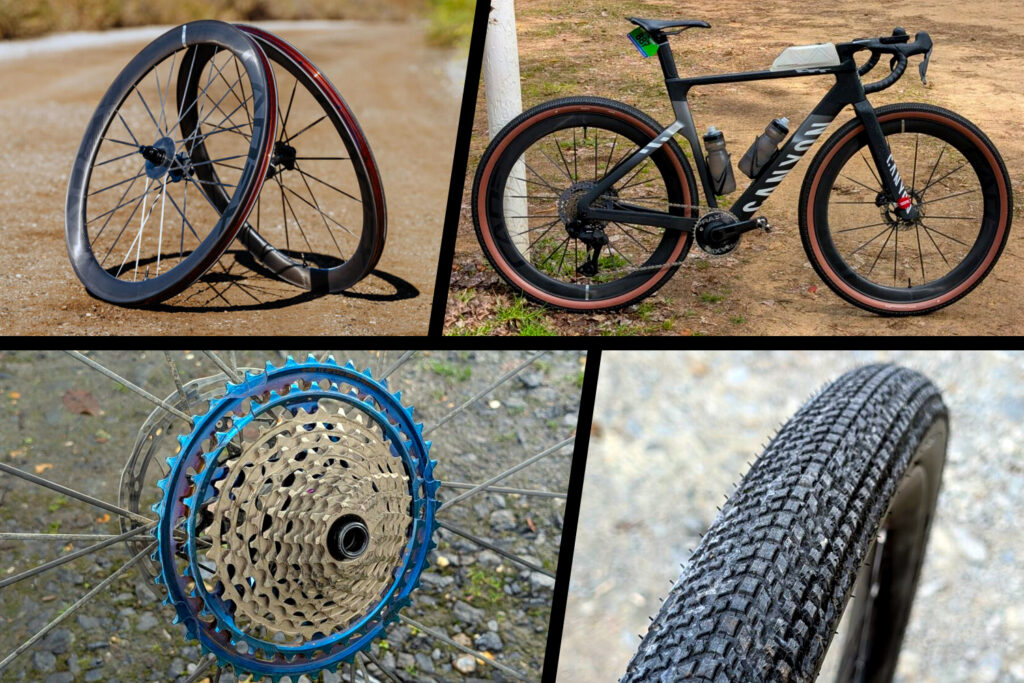
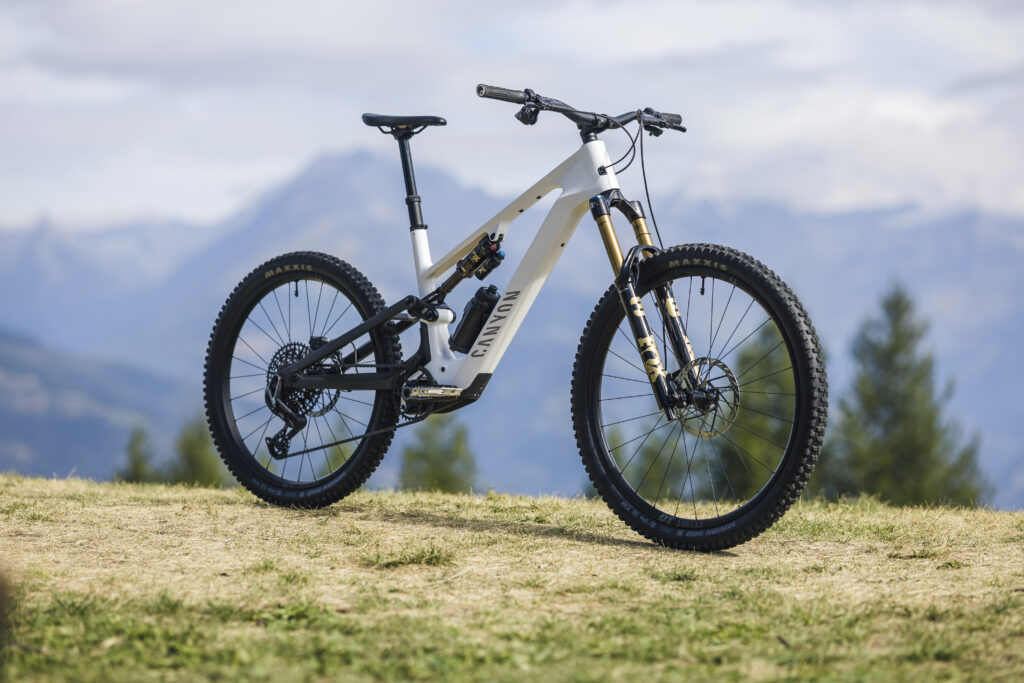
While the headline is true, one has to admit that these riders on the first pics have spent a few thousands, not “2 tanks of fuel”.
In addition to my new bike, I have already spend as much in tools, clothes, tyres, etc. this year… and nothing really fancy, half of it was bought on Aliexpress or 2nd hand – and I’m not yet fully equipped!
You could spend over 10 grand
Wonder what goodies you’re buying there?
You could spend over 10 grand on a bike, and thousands per year (road.cc reviews will help ).
Equally you could get, equip and run a perfectly good enough bike for a looong time for that money. (Did with my nth hand old Dawes Galaxy, including some touring as well as daily chores.)
Only exceptions I can think of are more niche uses or if you’re only prepared to walk into a store and buy everything new – but even then, see Decathlon / Halfords.
S.E. wrote:
I’m not sure how you have made that calculation but many people ride bikes that are worth far less than you may think. OTOH don’t forget that that for some people their commute machine is also used for a weekend pastime.
My original commuter bike was a Kona rigid MTB that was already 10 years old when I started riding to work on it. It did that job for another 14 years (though was not used every day after I bought a road bike) and still on the original wheels. Its replacement is a used Pinnacle road bike bought for £150 from a local ebay seller. After 2 years I replaced the wheels with some s/h Giant P-R2s that I had a clubmate was selling for £70 because he upgraded the wheels on his new Defy; they are still doing fine after 12,000 miles of year-round riding.
While you can make cycling expensive it’s simply not necessary to do so.
I hate to think how much
I hate to think how much tools to do car maintenance are.
You must be very hard on your
You must be very hard on your bikes. My oldest one is now 35 years old. I lost track of how many miles it’d covered a long time ago. It still works.
Absolute nonsense. You could
Absolute nonsense. You could buy a very nice bike once per year for the annual running cost of a car!
If you have a high end bike and use it as a commuter then that is your choice but decent road bikes are not designed for commuting on they are designed for low weight and performance. If you want durability build a commuting bike with older tech.
As for bike shops not doing lower end options. That is because it’s so hard to make a living out of them! Same with bike repairs. It doesn’t matter if how much the bike is worth it’s still takes time to fix it and even though bike mechanics get paid a pittance it still adds up!
Nonsense about comparison
Nonsense about comparison with car but correct about need to allow about £10 a month for cost of running a bike, maybe £15 if you hammer it for lengthy commutes and unavoidable sharp stuff on roads and cycle lanes.
I bought my son a decent
I bought my son a decent second hand Scott commuter bike with hub gears, dynamo lights etc. for £90 to save him driving to the train station and paying £9 per day to park. So it paid for itself in just 10 days.
But it doesn’t have to be used. When I bought my new Brompton ( not a cheap bike) to use instead of the Underground I reckoned it would take 3.5 years to pay back the purchase price on saved underground tickets. And that was 10 years ago, so I am considerably quids in now.
I have 7 speed bike for
I have 7 speed bike for commuting. I just bought a new shimano chain for <£5 inc postage and a SRAM cassette for <£10 inc postage. Brake pads are a few pounds, my cartridge BB is more than 10 years old and works perfectly, the list goes on. Cost is nowhere near the top of the list when it comes to barriers to cycling.
Very similar. But you can diy
Very similar. But you can diy. Many have no aptitude for diy or any kind, especially dirty, oily bikes. And don’t have space to keep bike, tools, extra clothes, bags, locks, lights. Cost of bike includes cost of rent for large enough room in HOMO to keep it. Cordless angle grinders and cable cutters get through affordable chains and the cast iron railings if you use a £100+ Gold rated shackle lock
Oh, but the solution is so
Oh, but the solution is so simple…
Just tax the bikes and treat them like cars.
That’ll teach them pesky bikers rattling their nuisances on our motor roads!
:))
It’s sort of missing the
It’s sort of missing the point to mock people who think they can’t afford a bike.
Why be snooty towards people when you’re part of a group that could do with all the allies we can get?
The main thing to take from that survey is that people perceive cycling to be expensive. It doesn’t matter if they’re correct or not, what matters more is perception.
And sure 2nd hand bikes are cheaper, but buying anything 2nd hand is a complete minefield these days, and a lot of people if they’re naive about cycling around going to feel confident measuring up a 2nd hand bike.
In fact most of the time when friends, family, neighbours hear I’ve got a new bike the primary question is “how many gears has it got?” – the implication being more is better. Sure, that 27 speed triple is better than a 12sp mullet… But that’s the point, if we want to get more people “on our side” we have to help and educate them, not sneer at them.
Not seeing the snooty
Not seeing the snooty particularly. I think most people are deriding the *survey*. Seems at best set up to give a suitable answer for those who commissioned it, possibly just a compilation of responses from the more … left field thinkers or people who never considered cycling for transport before and won’t in the future.
As for allies – a good thought but this falls into the “encouraging cycling” category. We love that in the UK! Encouraging it with warm words, with limited training courses, with occasional pennies in the tenner relative to the general transport budget…
Not going to do anything more than it has over the last half-century.
Things like “education” could make a difference… *when* there’s genuine commitment (and money) to make safe and convenient places for people to actually ride (and park) those bikes. Or tackle the (currently illegal!) behaviours by drivers which make it not an option most people genuinely consider. And ultimately reduce the convenience for driving, just slightly.
At that point… we could get lots of people riding. But probably still few “cyclists”:
https://www.cycling-embassy.org.uk/blog/2019/07/01/a-bike-for-people-who-arent-interested-in-cycling
chrisonabike wrote:
Absolutely so in my own case.
I’m curious what a “12sp mullet” is though.
Something like “Billy the
Something like “Billy the Fish on a bicycle”?
Probably a 1x set up with
Probably a 1x set up with 12speed cassette mixing road and mountain group elements.
Dnnnnnn wrote:
Apparently it’s business (road shifters) in the front, party (mountain bike derailleur/cassette) in the back.
Tom_77 wrote:
Thanks – LOL, love it!
ike2112 wrote:
Depends what point they want to make
Cyclists are unimportant? – Cyclists are too poor to buy a car
Cyclists are part of the elite velominati controlling modern poltics – cyclists are rich,
I need an excuse not to cycle to work – bikes are too expensive.
What’s a 12-speed mullet? Why
What’s a 12-speed mullet? Why is 27-speed triple better than one? OK, tend to agree with rest of your comment.
27-speed cheap bikes really are a pain to fix up, not least because they’re used by folk who never clean chain or use acidic congealing oils so ruined chains wear out chainring teeth and jams in the cage which gets bent – so they come to me and I say how much the parts will cost retail.
Me – Suntour Ultra6 behind Shimano Biopace worked great till I couldn’t get them anywhere, not even used. Have to admit, 22-speed Ultegra is nice – never under or over geared.
It’s kinda ironic that when I
It’s kinda ironic that when I flicked into this article from a newsfeed on my phone, the 3x adverts it flashed at me were all for bikes with a 4995 price tag.
It’s hardly surprising people think that cycling is expensive.
It’s also unreasonable to think that a non-cyclist will go and buy a second-hand bike for £150 when the first things they will think are (a) it’s probably going to break on me at that price and I know nowt about checking it out, and (b) it’s probably stolen since there are so many news stories about bikes just being nicked and resold and nobody doing anything about it.
But I guess the “survey” wouldn’t bother to capture the thought process that inhibits people.
Clearly wrote:
Most non-/casual cyclists aren’t generally reading road.cc, though (notwithstanding claims of ‘reach’ of 10.4m…).
mdavidford wrote:
walk into the vast majority of bike shops and you wouldn’t be finding any bikes inside for less than £1000 other than kids bikes. Unless you are looking at BSOs from halfords or other motoring shops
wycombewheeler wrote:
Bit unfair on Halfords – they’ve plenty decent bikes at decent prices (as well as some BSOs), as do Decathlon and Evans, especially for newbies. I’d guess those chains might have as much influence on non-cyclists’ ideas of what bikes cost than more specialist retailers.
The latter do seem to have moved towards the upper end of the market – whether that’s because of their own preference, or it’s really what their customers want to see, I don’t know. A more serious survey than reported here might have shone some light but it was hard to take it seriously.
wycombewheeler wrote:
Don’t know what bike shops you’re walking into, but I just checked a few of our local ones (granted, online, but I doubt it’s much different in store) and I can find bikes from all of them at 300-odd quid without even really looking.
Add mudguards, rack, panniers
Add mudguards, rack, panniers, lights that are worth using, lock and £300 is just the start. That’s what startles potential buyers
E6toSE3 wrote:
Not everyone is obsessed with mudguards, panniers and racks you know.
Though anyone who wants a
Though anyone who wants a bike to get to work and back and to and fro to the shops in all weathers may well consider them essential.
Robert Hardy wrote:
Well, in the example you quote, I would hope that the individual would be dropping a lot more than £300 on the mode of transport that they rely on for going to work and back and to and fro to the shops in all weathers.
my first commute bike was
my first commute bike was less than £300, my 2nd which lasted best part of a decade about £300, my current bought this year was £500.
you dont need to spend thousands on a good bike, there are plenty of good bikes that are considerably cheaper.
One of my sons cycles daily
One of my sons cycles daily to work on the bike he bought ten years ago, the other last year bought himself a s/h Decathlon Shimano 105 equipped bike in very good condition for less than £200 last year for that purpose, since he has spent or been birthday presented about about another £100 of rack, lights etc, so it’s entirely possible even for a really quite high quality bicycle.
E6toSE3 wrote:
That still won’t get you anywhere close to £1000.
Halfords can be excellent. I
Halfords can be excellent. I know some here will have had a dodgy experience, but you can have those at boutique bike shops and old school racing shops.
There are even a few second hand shops in my part of SE London. But they’re not particularly cheap if they’re diligent in selling safe products and comply with sale of goods.
Numerous friends and neighbours already have bikes they don’t use unused, tyres & tubes decay, oil has congealed to glue and corroded cables and chain. I’ve quoted £150 to £200 to make their bike roadworthy – which tends to match what they hear from shops. I buy parts at retail price, the shop gets them at trade but has to pay staff, rent, & rates
Clearly wrote:
All the adverts I see are for cars that are more than my yearly salary, often a LOT more. Therefore all cars are overpriced.
Perhaps it’s because they have electric windows, electric tailgate closure and automatic gears (because we’re lazy), sat-nav, infotainment and connectivity (because people can’t be arsed with maps or planning a route and driving is a chore so we need a distraction), air-con, heated seats and steering wheel (because we’re feckin’ nesh). If you take out a load of those unnecessary gadgety things… nah, they’ll still rip us off.
I appreciate that it’s not
I appreciate that it’s not quite the same thing, but my wife always grumbles when I tell her how much I’ve paid for this or that repair on my commuter bike at our LBS. “That’s almost as much as I paid for [repair] on the car!”, she cries. When I point out that the labour costs and time for a skilled mechanic to do the work, and that the parts are similar prices too (remember, my car is historic so parts are (relatively) cheap), she chunters about it but walks away.
My point is that a lot of people who don’t ride bikes regularly, think that even £150 for a second-hand probably stolen bike is far too expensive. They expect to pay cheap toy prices for what they think is just a big toy, and they expect to pay pennies for repairs on the same.
IMO, anyway.
I think there’s also an
I think there’s also an element of ‘But I could do that myself! (if I bothered to learn)’ with a bike, that doesn’t get applied to cars, too. Bicycles are seen as simple things that should be quick and easy to fix, whereas cars are complicated machinery that require a specialist and a lot of sucking of teeth.
They also think bikes should
They also think bikes should cost same as in their childhood 30 to 50 years ago. Eg, way back in 1980s, my mother expressed astonishment at me paying £400 for Reynolds 531 tfs with decent wheels, brakes etc. She only paid £X for her top of the range Hercules sometime before, during, or after WW2 when she rode to work as nurse in blitz. Turned out prices were same in relation to pay, inflation, cost of living. She didn’t have the same mismatch in thinking about cars
Once I would repair any
Once I would repair or replace any defective component on my car, now there is very little on a modern car that can be economically repaired by a home mechanic. Sadly (and ludicrously) it seems many bicycles are heading in the same direction. Fortunately my own is still of a vintage where a well thumbed copy of Richard’s Bycycle Book and a set of modest tools will solve most issues.
Robert Hardy wrote:
All the bikes in my shed are of that ilk.
TBH so are our cars. I could fix most of it with a 10mm spanner and/or a screwdriver (supported by a Haynes manual and a copy of ‘How to keep your Volkswagen alive’), but my wife doesn’t trust me…
Robert Hardy wrote:
If you exclude Di2, the only new skills I’ve had to learn since learning to fix bikes in the 80s/90s have been replacing brake pads in disc brakes – very simple – and putting new brake fluid in hydraulic systems – fiddly but not difficult. Otherwise the basics remain the same and indeed some things – crank removal and fitting new chains, for example – are a good deal more straightforward than they once were.
How have crank removal and
How have crank removal and fitting a chain become more straightforward? Fitting a chain is the same as it always was, except that you can’t use any old chain tool as you used to be able to. And removing cranks and BBs also requires more specialised tools than it used to. I’d be reluctant to touch the cranks on a modern bike without first checking the instructions. It wouldn’t have entered my head to do so thirty or forty years ago.
Fitting a chain is much
Fitting a chain is much easier since the invention of the quick link, way easier than trying to hold the two ends together whilst trying to get the rivet in to the exact depth, continually backing out and checking. To remove my Shimano cranks I have to remove the cover, which can be done with a large screwdriver or the end of my chain whip, unscrew the two allen key bolts and it just pulls off. Forty years ago you needed a specialist crank puller tool for that.
Not to mention Shimano
Not to mention Shimano outboard Hollowtech BBs (threaded) require a simple but specific spanner, whereas a square taper requires a seperate socket and wrench, which is much more fiddly. Of course, pressfit BBS are more difficult (which is what I assume John_smith is talking about) but a lot of manufacturers have been moving back to threaded.
I think I’d add to that more
I think I’d add to that more hub designs are using cartridge bearings now which are very cheap and easy to change out, with thru-axles compared to cup and cone bearing replace and adjust.
Rendel Harris wrote:
You forgot to mention the hammer for getting cotter pins out and the two hours of filing the new ones to get the fit right!
Agreed. And I suspect almost
Agreed. And I suspect almost everyone who can’t afford a bike also can’t afford a car. It’s cost of roof over head that swamps everything so folk are a single room or couch surfing in houses rammed with fellow renters – no space for bike or tools. A really bad article that merely mocks people and, if read by potential cyclists, likely to put them off cyclists
The idea that you have to buy
The idea that you have to buy an old bike is interesting, of course you can, but I’ve got four, and they were all given to me; two of them were hand made racers which I saved from going in a skip! Admittedly I’ve spent a few bob on paint, grease, oil, and things like cables and brake blocks, but you have to buy those, even on a new machine. All my bikes are made in England, lugged steel frames and will last for years longer than I’ll manage. Don’t buy anything until you’ve asked around, buy a book on bike maintenance though, their simple enough.