


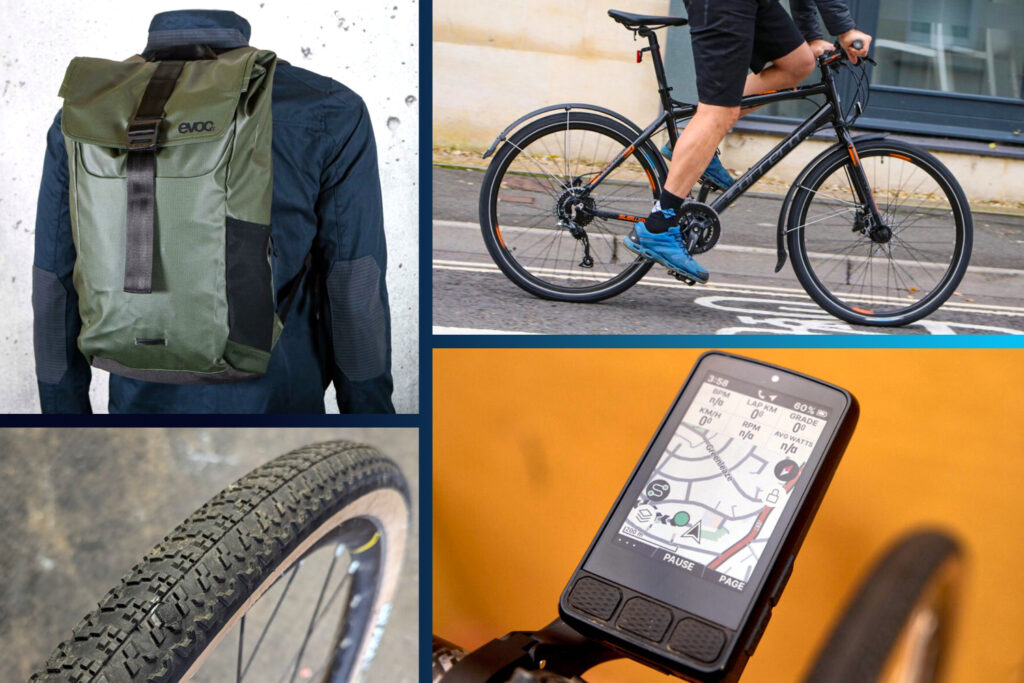

Commuting by bike is, in our opinion, the best way to get to and from work. Whether it’s a three-mile pootle along a canal, or a 15-mile early morning blitz on a road bike, not all commutes are made equal, but they do all equal fun.
And if you’re thinking about swapping the car, bus, or whatever for two wheels, it can be difficult to know what’s worth splashing the cash on and what you can actually just do without or on the cheap.
That’s where we come in. Collectively, there are decades (at least) of commuting experience between us at road.cc, and we’ve tested all the variables of a cycle commute.
What you want to spend your money on will depend on several things, such as the distance you’re riding, the terrain, environment (urban/suburban/rural or a mixture) and of course your level of fitness.
And while it may be tempting to go out and buy an S-Works Tarmac SL9 for your ride to the office, you don’t need to spend a lot of money to enjoy commuting via bicycle. Even if you’re using your ride to the office as part of a structured training plan, you still need to be mindful of the facilities your place of work offers.
If there are no showers and you’ve just done a VO2 session on your way into the office, then it’s probably wise to invest in some excellent deodorant or you risk an awkward meeting with HR.
Commuting on the cheap: where you can afford to be frugal
A frame/bike
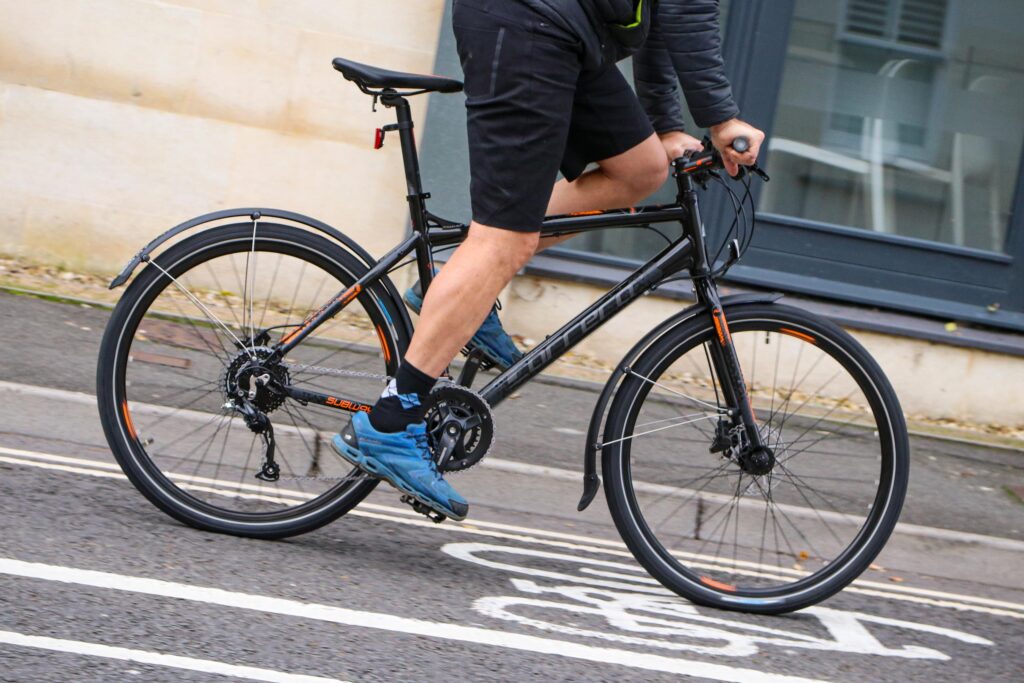
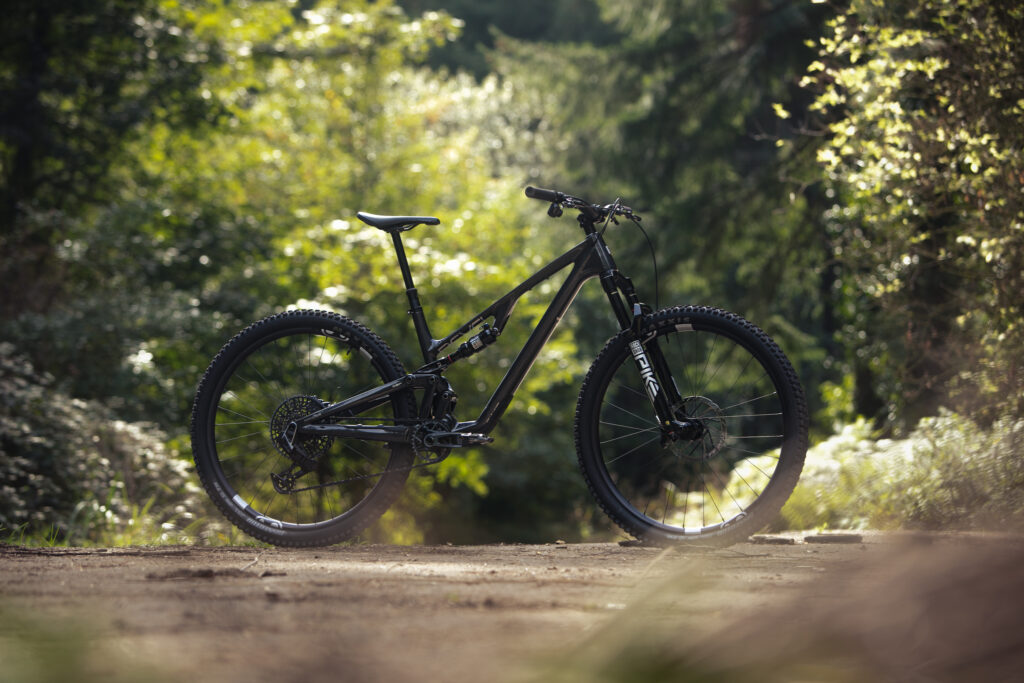
If you’re just getting into cycling, or you want a dedicated commuter bike, you don’t have to spend a lot to get something reliable and comfortable. What kind of bike you want will depend on the type of commute you have. Is it mainly road? Are there rural lanes to contend with? Then a drop bar road bike might be most suited.
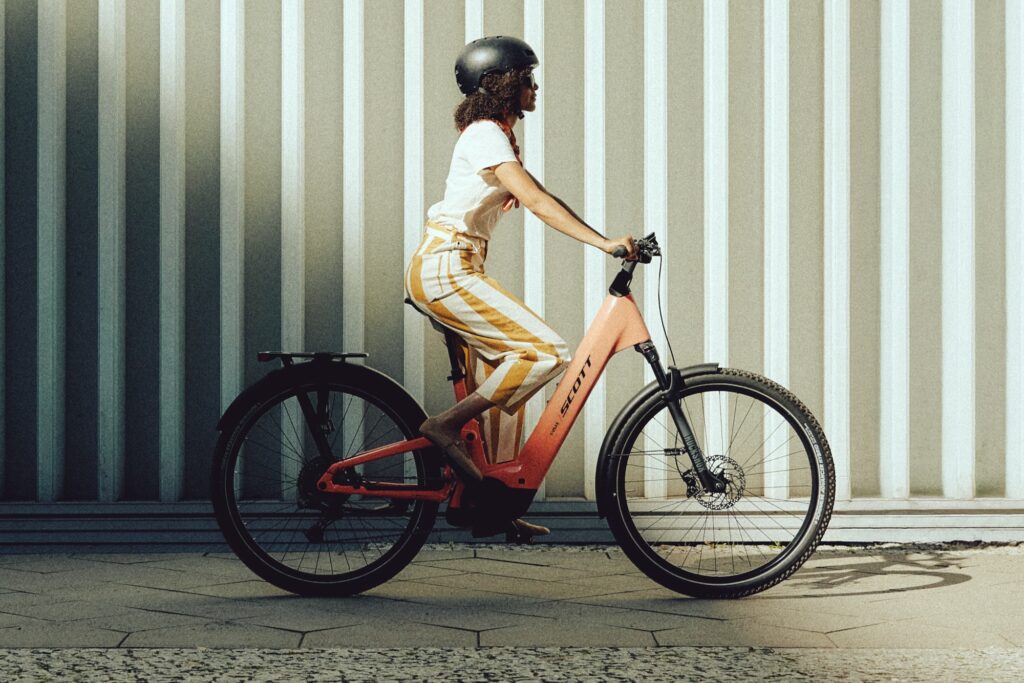
For urban riders, consider a step-thru frame or flat bar bike. Those who mix their terrain might want a gravel or hybrid frame to see them through. And there’s always the option of a folding bike if you also utilise public transport during your journey. But you don’t need to spend thousands to get something decent.
We recommend focusing on getting a bike that fits you well and suits your needs over something flashy. The frame is the most important bit – the components can be upgraded/changed at a later point – so focus on that, and you’ll find cycling is much more joyous.
We’ve got plenty of buyer’s guides to get your teeth stuck into, showing off our picks of the best hybrid bikes, road bikes for different budgets, and even electric commuter bikes.
When we ran a previous version of this feature, lllnorrislll made an interesting point in the comments.
“One thing I never considered with my commuter bike is how difficult and expensive it can be to replace serviceable components on a mid-range bike. Riding all year round, components wear and need replacing, and the cost and scarcity can be problematic, as any delay in getting parts takes the bike off the road. I find that I now need two available bikes for commuting and a stock pile of parts, such as chainrings and cassettes.”
Riding kit
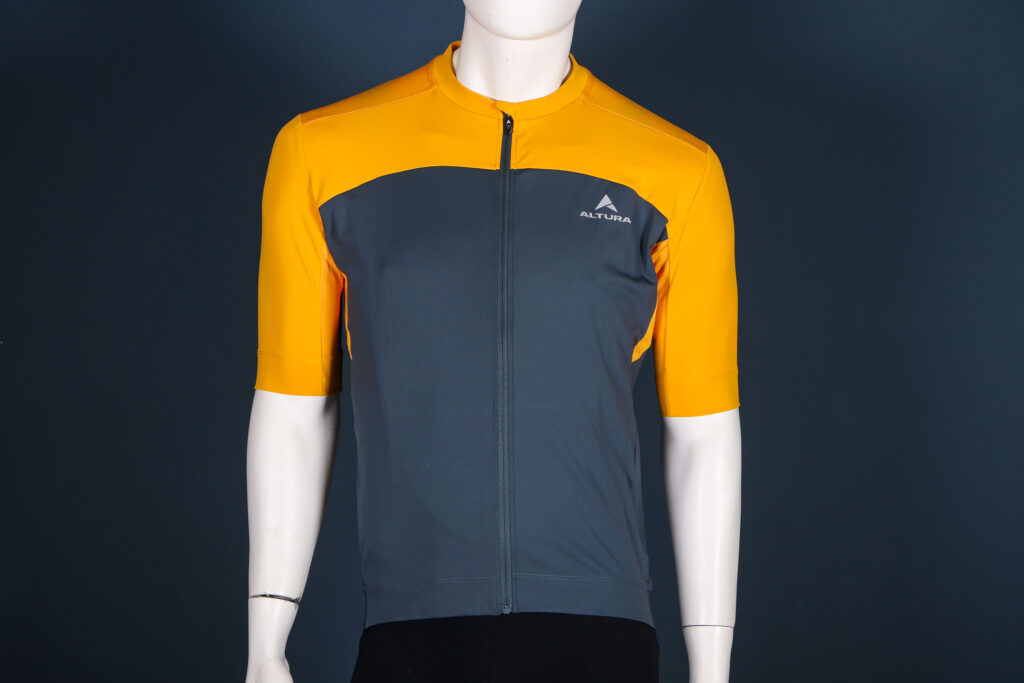
Commuting less than say 30-45 minutes each way? You probably don’t need cycling-specific kit to ride in. This does depend on your bike, your route, and your work, though. I wouldn’t personally enjoy riding 10+ miles in a suit, but it can be done.
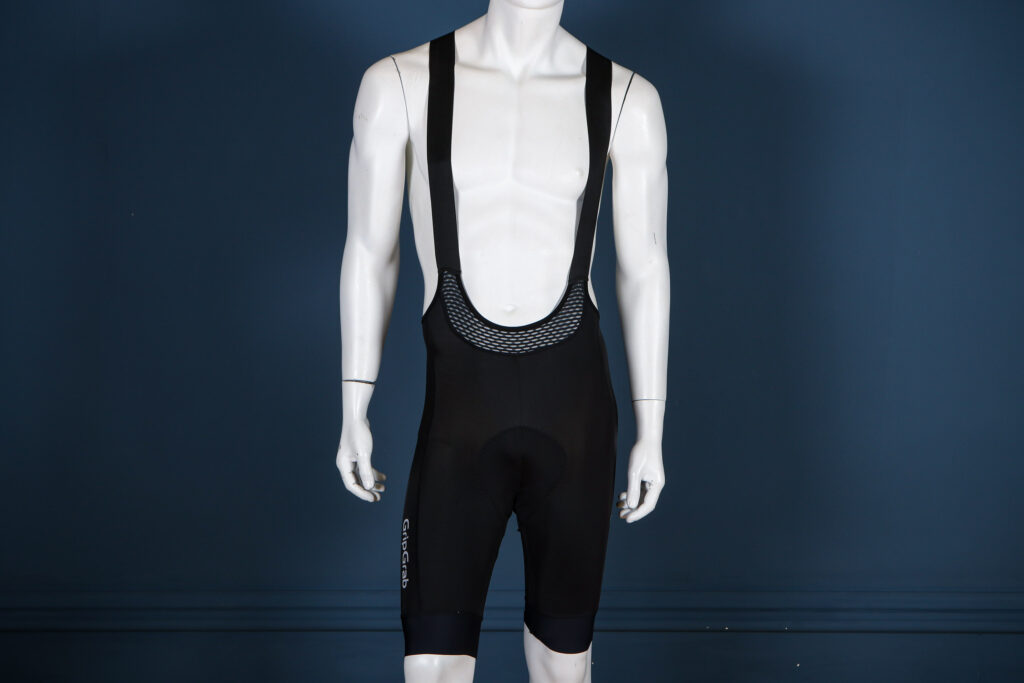
If you do want some cycling-specific kit, a few brands now do more ‘athleisure’ wear, combining a bit of style with on-bike ‘performance’ so you don’t have to look out of place in the office. And an added bonus? You won’t ever forget your trousers because you don’t need to get changed. Result.
Rucksack/luggage
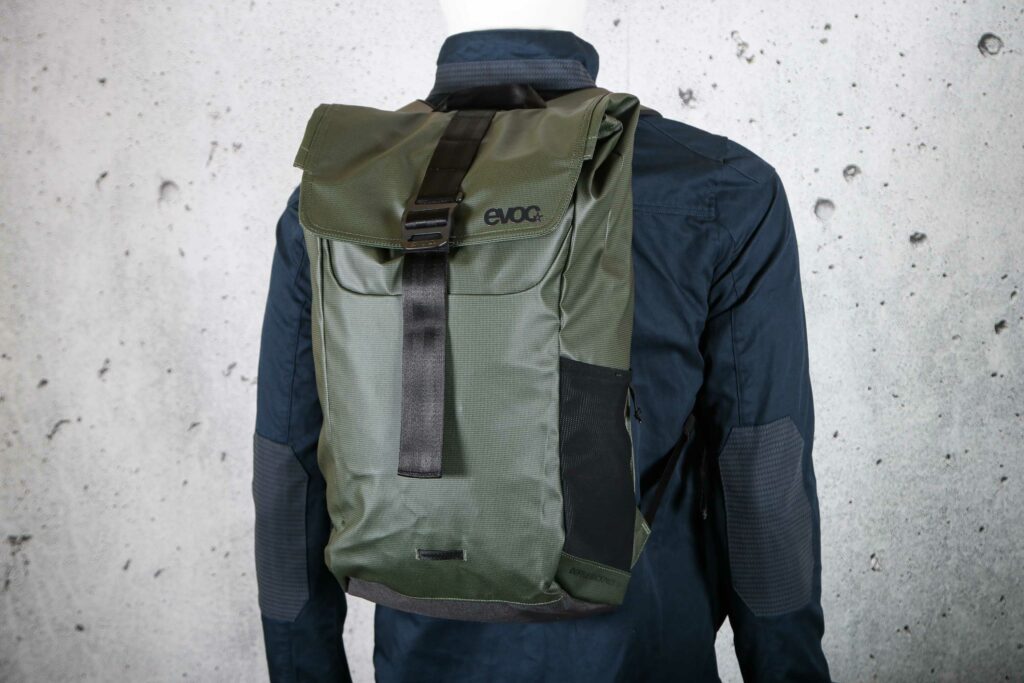
If you’re riding through all-weathers and carry pretty important stuff like a laptop, then by all means, spend away. But, even if you want something with a good waterproofing rating, you don’t necessarily need to spend hundreds.
Places like Decathlon (and even Lidl’s famous middle aisle) offer some great rucksacks and pannier options for far less than other big-name brands – and while we can’t comment on whether or not they’ll last quite as long as something that costs three times the price, they’re certainly worth a punt.
GPS unit/cycling tech
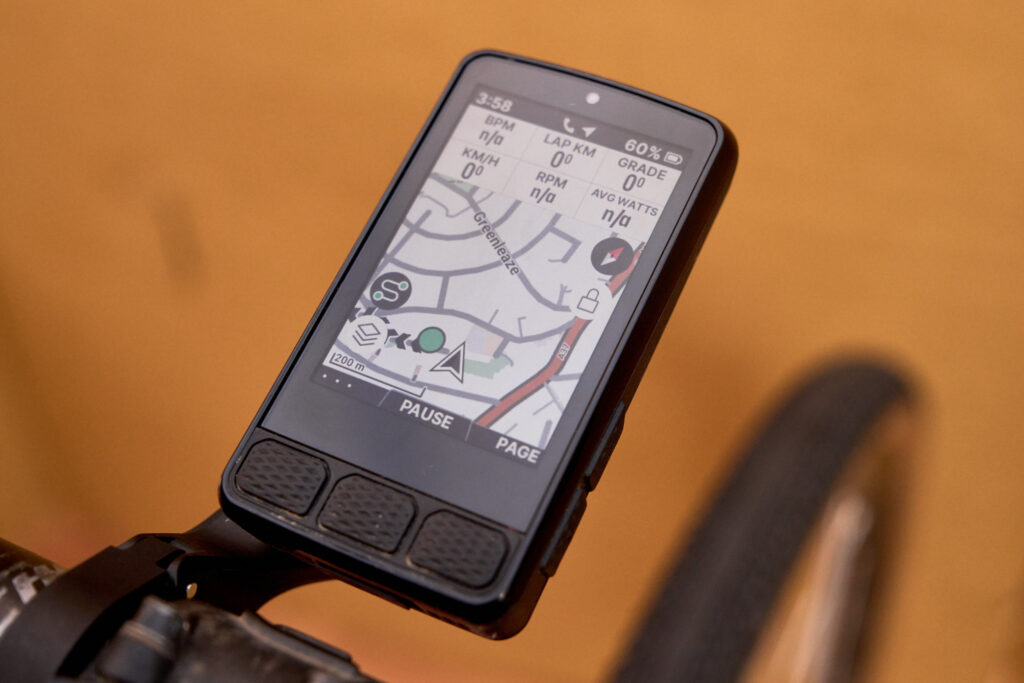
Unless you don’t know your route or you’re using your commute as a training session, there’s really no need to purchase a separate cycling GPS computer. If you do need a map, there are plenty of good mounting options for your phone these days, so that’s always an idea.
Power meters, heart rate monitors and the like are also something we’d probably not bother with for a commute – sometimes it’s nice to be ignorant about your fitness. And not everything needs to go on Strava, either.
When to invest: the bits we wouldn’t recommend going cheap on
Good gloves
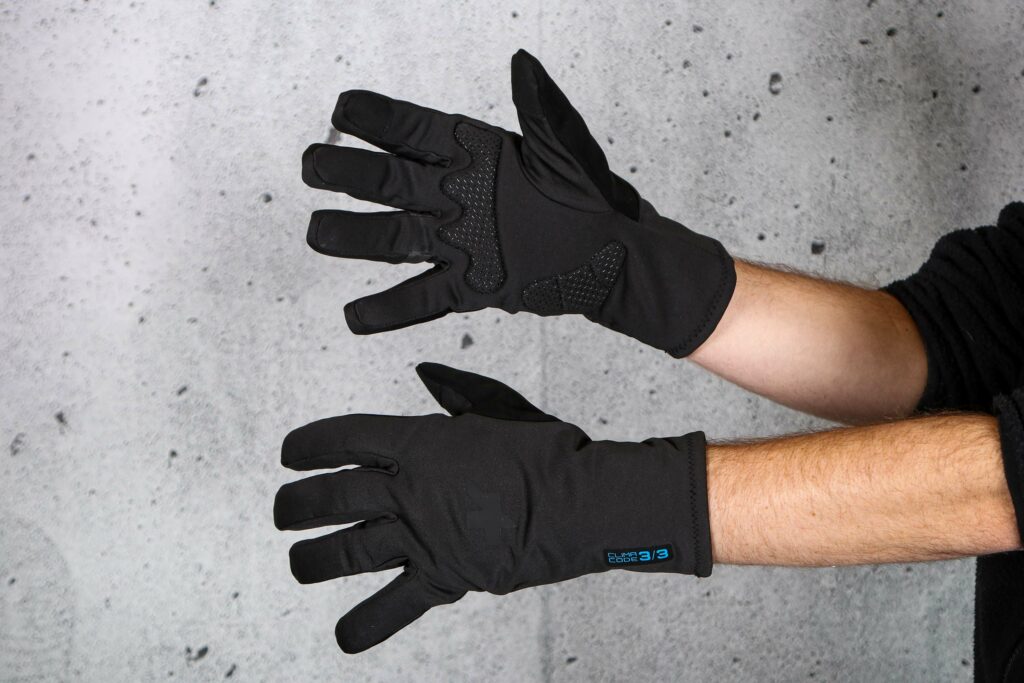
I feel like a parent talking about the importance of a good pair of cycling gloves, but it will genuinely change your riding experience – particularly in winter. What you want to look for is a pair that is suitable for the season you’re riding in.
So for autumn/winter, something that’s weatherproof is ideal. And if you’re riding in really atrocious weather, we’d recommend a spare pair in case they haven’t dried out in time for the ride home.
You also want to consider dexterity. It’s not just important for taking photos for Instagram, it’s also key for keeping safe on the bike. You need to be able to control the brakes and gears with ease, so something like insulated mittens might not work for everyone.
When it comes to price, you could be looking at anything between £30 and £70+ for big-name winter gloves. But if you’re going to splurge on something to make your commute more tolerable in winter, we’d definitely recommend a good pair of gloves.
Some road.cc readers suggest cheaper options, though. When we ran an earlier version of this article, slc commented, “For all but the coldest UK weather, I rate the Site KF320 gloves (and equivalents), available for about £4 from DIY shops. The nitrile foam palm has a similar feeling to plush bar tape. They do smell terrible after a few rides, so a weekly wash is definitely needed.”
Samtheeagle said, “Coldstore gloves are my go-to. They’re generally waterproof, windproof and cheap.”
Waterproof jacket

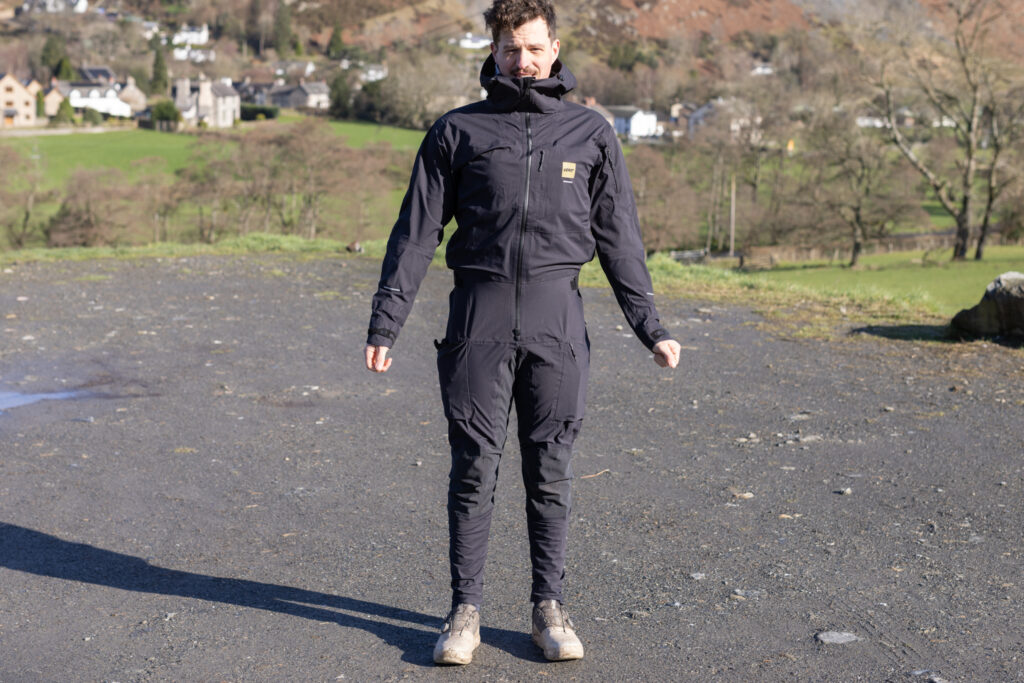
Continuing with the miserable British weather theme, a waterproof jacket is an absolute must for commuting by bike in the UK. To be honest, it’s even worth carrying all year round as you never quite know (and nor do the weather apps) when it might randomly start raining.
> How to choose the right waterproof cycling jacket
And it’s an item we’d suggest you don’t scrimp on. You can thank us later when you’re riding home in a thunderstorm and you’re feeling smug because your t-shirt is still dry underneath.
The problem with waterproof jackets, or any waterproof kit really, is the balance manufacturers have to find between breathability and waterproofing. You can’t have it both ways, unfortunately, so it’s about finding a jacket that keeps enough of the rain out without creating a sweaty mess on the inside.
This does unfortunately mean that you may have to spend quite a bit of money to find the perfect waterproof jacket – maybe up to a couple of hundred pounds for something that’ll reliably do the job and not need recoating after three uses.
Decent lights (and backups)
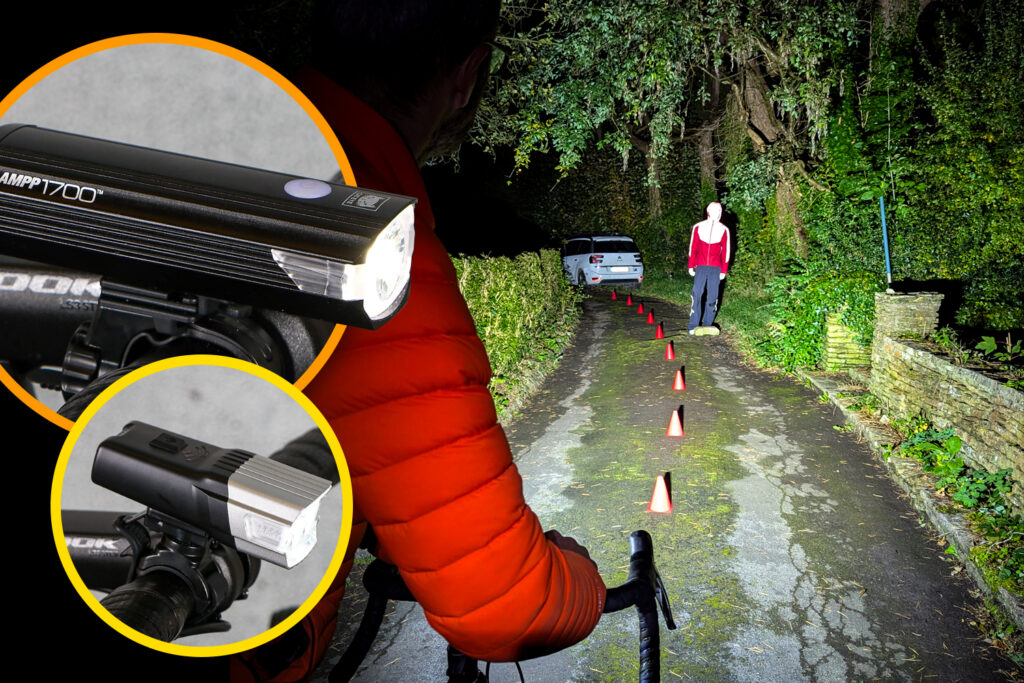
The type of bike lights you want for your commute will depend on a few factors. If you’re riding during darker hours, you’ll want something that will illuminate the road in front of you – so think of a headlight with a powerful beam.
If you’re riding in urban, well-lit areas, there’s less of a focus on using the lights to see and more on being seen. This is where you can look at less powerful front light systems that don’t clutter the handlebars quite as much.
We’d recommend going for a rechargeable light, front and rear, so you don’t have to worry about batteries. And, just in case you forget to charge them, always carry a spare pair. Even tiny emergency LEDs are better than nothing.
Depending on how bright a light you need, and if you want any smart tech like a radar for the rear light, Bluetooth integration and so on, you’re looking at around £30 to well over £100 for something really good and long-lasting.
Remember, it’s a legal requirement to run lights on your bike when it’s dark, and if you are riding in areas without street lamps, you’ll quickly regret skimping on the quality and brightness when you can’t see 2ft in front of you.
road.cc reader David 9694 said, “You can’t have enough lights, and they’ve never been as light, bright and (sometimes) cheap as they are now. The Moon Aerolite [no longer in Moon’s range although you’ll still find it with retailers] or this one from Halfords is a combined front and rear light – you could have one helmet-mounted and a pair on the ends of drop handlebars as ‘be seen’ lights.
“Although this piece is about swerving the fancy/expensive stuff, I can’t recommend SON dynahub wheels strongly enough for providing reliable lighting once the clocks change.”
Tyres
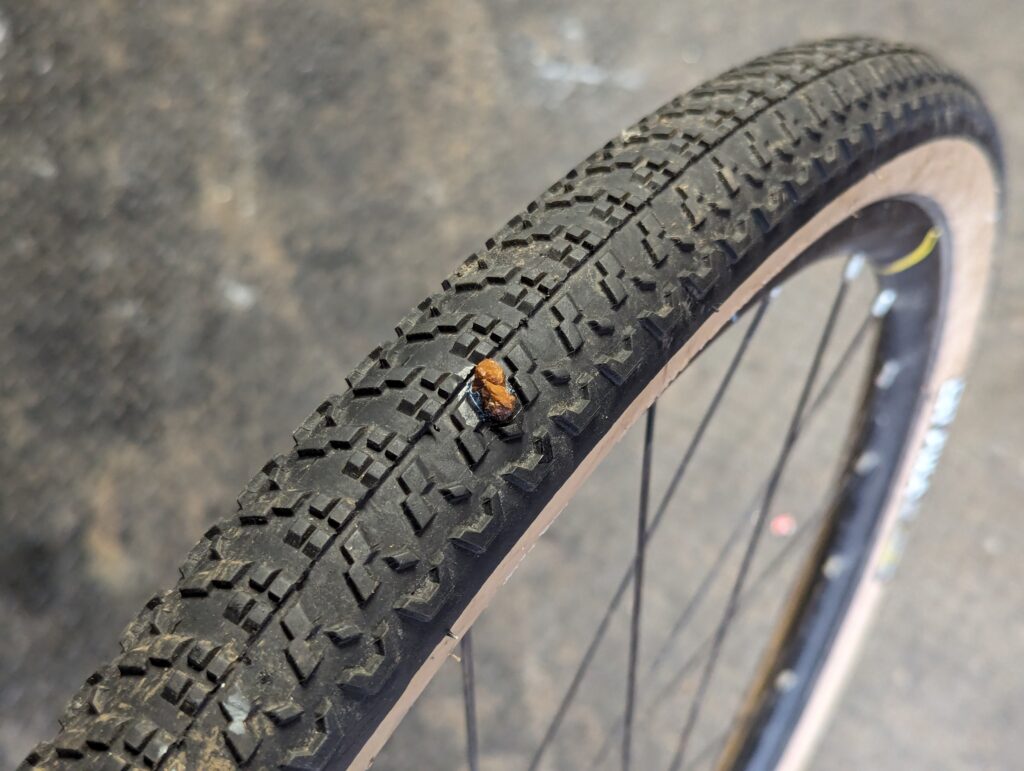
With tyres, it’s not necessarily about spending more; it’s about being picky. You don’t just want the cheapest training tyre you can find. Equally, you don’t necessarily want the £100 performance road race tyre, either.
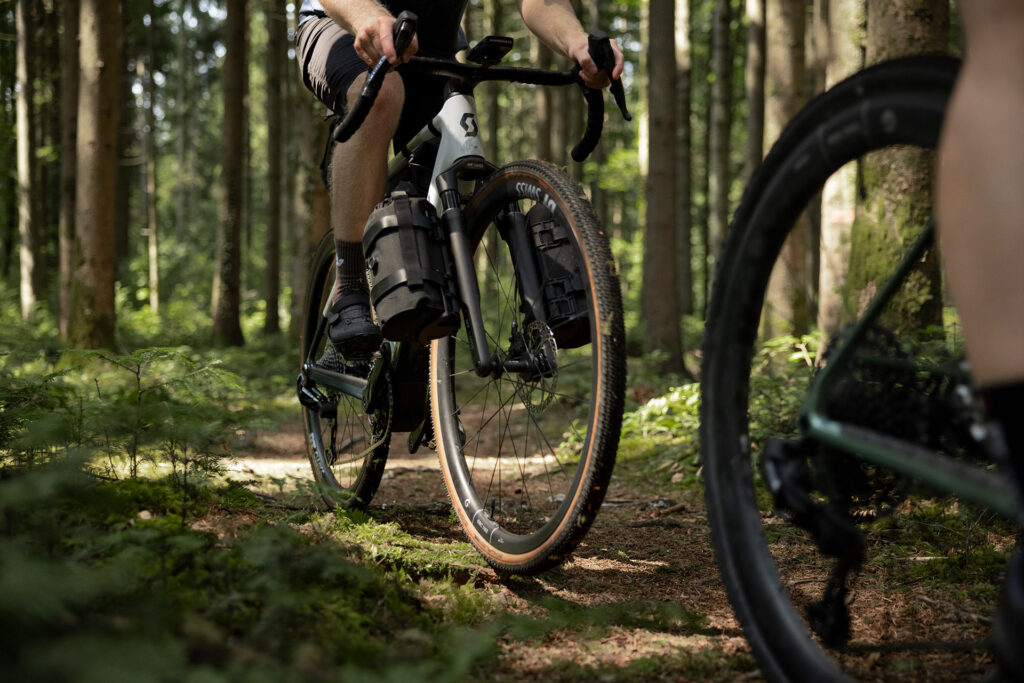
The ideal tyre for a commuter? Something with a strong sidewall and good puncture protection, that will probably be labelled as a winter tyre/all-season tyre if you’re sticking to road tyres. If you ride a gravel or mountain bike to work, it may well be worth looking into going tubeless for this reason; but for those on skinnier tyres, strong sidewalls are going to be your friend.
Yes, they might be a bit slower than you’d ideally like. But the main priority is to avoid standing on the side of a road at rush hour trying to fix a puncture. We’ve all been there, and it’s stress you don’t need on a work day.
For something that focuses on decent puncture protection, you’re likely looking at £40+ per tyre. It’s not ridiculous money, but it’s still twice as much as you could spend on a pair of cheap training tyres.
What are your top tips for saving cash for the bike commute? Let us know below. We’ve updated the article above with comments that road.cc readers left under the original version.









8 thoughts on “You don’t need fancy kit to cycle to work. Here’s how to commute by bike on the cheap, and when it’s best to invest”
I wish I could commute to work but my house is 5000′ above where I work 🙁
That’s 1500 meters for you metric types.
Good article. Can I suggest silk glove liners under your fingerless cycling gloves. Not waterproof but gives you an extra 10 degrees of cold protection.
@Terry Hutt Shurely the commute *to* work would be great… it’s just the return that’s the challenge?
Going to guess that eg. public transport is not an option for that, particularly where you are? Transport in the countryside is extremely hit and miss even in the UK.
@chrisonabike Oh yes! the commute to work would be great if it weren’t for the terrible drivers. I know, I’m one of them.
As for public transport I have heard rumors there is a bus but in 30 years I have never seen one.
Do you work in a secret bunker in the middle of a mountain? Or a mine?
@mdavidford I live in the mountains of Southern California. I attached my home commute for your entertainment.
@Terry Hutt Ah you’ve spoiled it now, I was enjoying picturing…
Definitely spoiled it – this is not the terrifying high-speed lift journey I was envisaging.
I’m guessing he’s a day-only Captain Nemo?
On the other hand if he simply can’t commute to work perhaps he’s just a ROV pilot?