


The number of serious collisions involving cyclists and pedestrians continues to fall in Wales, three years on from the introduction of a ‘default’ 20mph speed limit on most roads.
In September 2023, amid widespread political debate and acrimony, the Welsh government introduced a default 20mph speed limit on urban and residential roads (where most, though not all, dropped from 30mph), applying to 35 per cent of Wales’ roads and increasing the approximately 870km of 20mph roads to 13,000km.
The then-Labour administration said the measures would reduce the number of deaths and serious injury caused by motorists, as well as tackling pollution and encouraging people to walk or cycle instead of drive.
The scheme has been met with fierce criticism both before and since its implementation, with the Conservative’s shadow transport secretary claiming last year that the 20mph limits continue to “frustrate and confuse” drivers.
In response to thus criticism, in April 2024 it was announced that local councils would be able to restore the previous 30mph limit on certain roads on a case-by-case basis according to local demand.
However, new figures released today by the Welsh government, detailing the number of road traffic collisions in the second quarter of this year, appear to suggest that the 20mph limits are continuing to have a profound impact on the road safety picture in Wales.
According to the figures, from April to June 2026 there were 19 per cent fewer collisions and 20 per cent fewer casualties on all roads in Wales compared to the same three-month period last year.
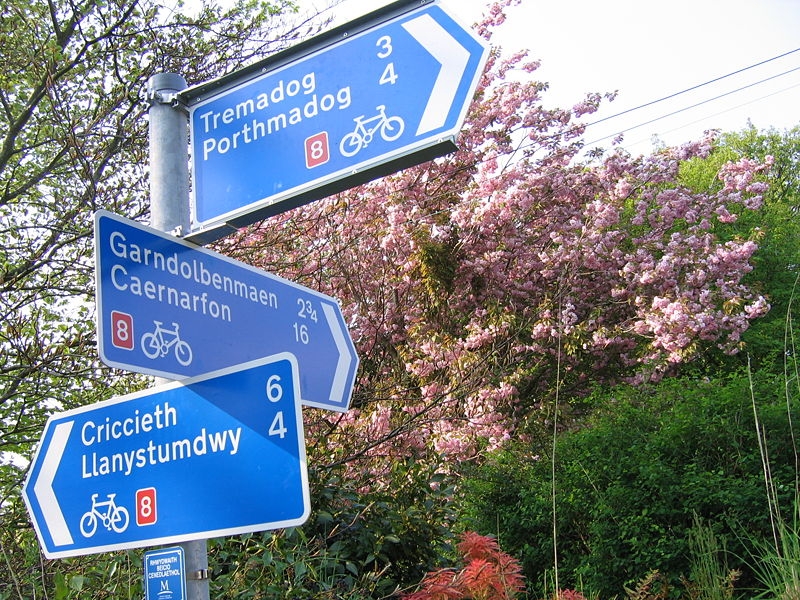
Compared to the same quarter in 2023, just before the 20mph speed limit was introduced, collisions involving all road users on 20mph and 30mph are down 37 per cent, with casualties dropping by 35 per cent, a record low for a year outside the Covid pandemic, the government says.
There were 45 crashes involving cyclists between April and June 2026, with 15 of those leaving the rider seriously injured. No deaths were recorded. This marks a significant improvement compared to the same quarter in 2023, when there were 78 collisions and 28 serious injuries sustained by cyclists on Wales’ roads.
“These latest figures are extremely encouraging and provide more evidence that the 20mph default speed limit is helping to make our roads safer,” Plaid Cymru’s desputy minister for transport Mark Hooper said in a statement today.
“Every one of those figures represents someone who has avoided injury, or death, on our roads.
“I want to thank the police forces across Wales for their continued work in recording this data and keeping our communities safe.
“We will continue to monitor these trends closely, as part of our ongoing evaluation of the policy, but today’s figures are a strong sign that things continue to move in the right direction.”
Speaking to road.cc earlier this month, Hooper acknowledged that, despite the clear benefits of the 20mph roll-out when it comes to reducing casualties, not enough has been done in Wales to sell the scheme to all road users, allowing it to be “weaponised” by opponents.
“I’m a big supporter of 20mph and it’s one of those things where it’s made a real difference to safety on our roads for pedestrians and cyclists alike,” he told us.
“But the way it was put across… I don’t think we spent enough time talking about the benefits with the people of Wales, we didn’t socialise the policy. We delivered the policy then tried to socialise it after.

“It’s a really good indication for how we should go about things in the future. I’m really keen to do some work on pavement parking for example, and to do that requires us to think about things in a different way than we would have done with the knowledge we’ve got from the 20mph experience.
“I think there are big lessons learned from it, and how we talk about it. There’s been a weaponisation of active travel in some quarters who are in our Senedd and I don’t expect that to change. But I think there’s common ground to be found generally about being more active and it’s something that should be pursued.
“We’re the first Welsh government to have a minister for preventative health, which talks directly to the active travel agenda. So I think it’s just about recharacterising why active travel is important for multiple reasons.”













2 thoughts on “Serious cyclist injuries down 50% and overall road casualties continue to fall since 20mph limit introduced in Wales”
Amen! Evidence – that’s how things should work.
Pity about the concern around messaging, given that in every case I’m aware of the same positives have emerged.
But that’s politics: before “why? It doesn’t do anything for me, and sounds like I’ll lose something!” After: “we don’t want to go back”.
But even evidence of “fewer people are killed / injured, people report places become nicer” can get swamped by “they’re stealing your rights! But my parking space! But the (pre-existing) motor traffic congestion was worse on the first Monday! etc”.
Not to mention the money being spent just on pro-motoring advertising may be more than goes into active travel all told. Probably a fair fraction of that goes on just poisoning the active travel well for political gains…
@chrisonabike I say: well done to the Welsh government for first acting on the available evidence, then checking that the outcome was as expected, and not buckling under the probably unavoidable moaning. Long may they continue to implement first and socialise later. That way they set an example that governments across the UK should have the courage to follow.