
Two low traffic neighbourhoods (LTNs) in Oxford have been found to reduce road traffic casualties and air pollution levels whilst supporting local businesses, according to new research.
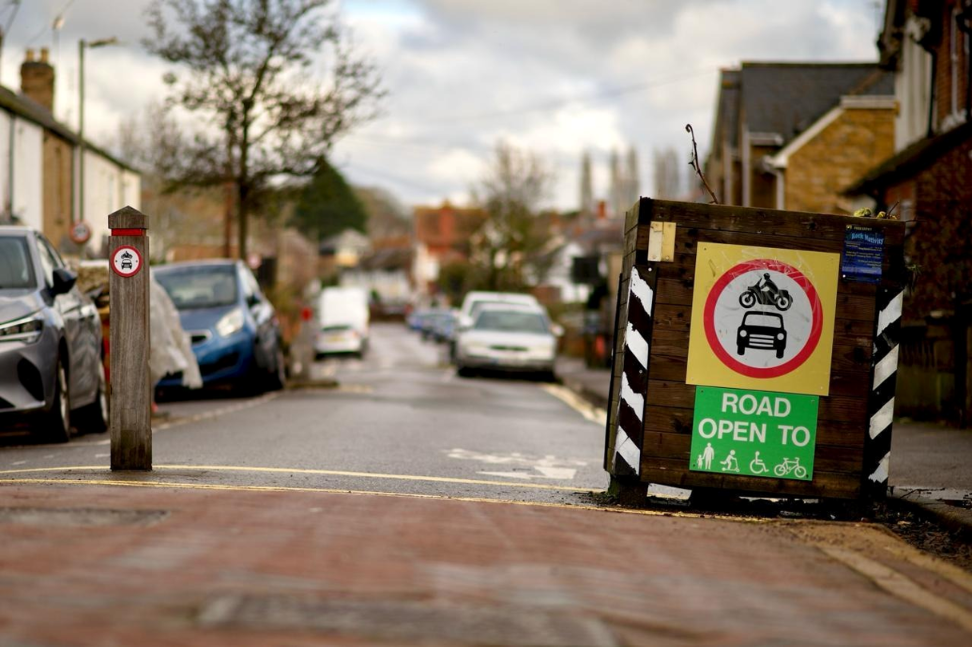
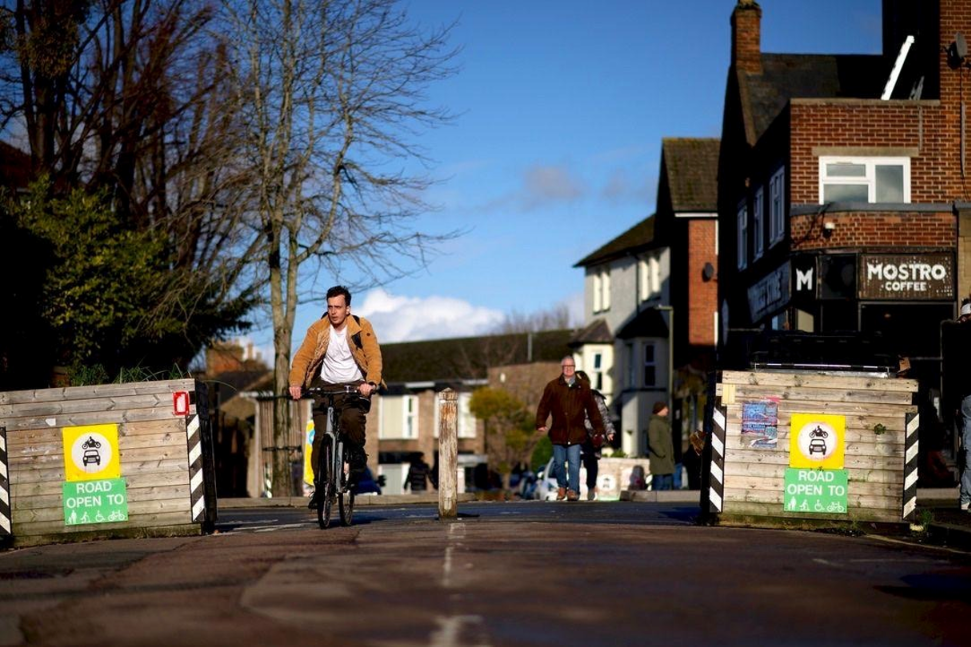
Low Traffic Neighbourhoods are residential streets where ordinary motor traffic is restricted by physical or signed restrictions, enabling local residents to use the roads without being subject to through traffic.
The Coalition for Healthy Streets and Active Travel (CoHSAT), a campaign group which collated and produced the data, examined the impact of the LTNs in Cowley and East Oxford since they were introduced five years ago. Examining police reports and Department for Transport data, they found the neighbourhoods had reduced “rat-running traffic turning in or out of the residential streets, benefitting all users of these roads”.
In the five years since the Cowley LTN was installed, average annual casualty numbers have dropped from 32 to 20 whilst in East Oxford, the figure has dropped from 37 to 29. The majority of collisions continue to occur on the boundary roads of the neighbourhoods rather than within the LTNs themselves.
CoHSAT has also pointed to sustained declining air pollution in the LTNs, though these shifts have also been seen across Oxford as a whole, with the council pointing towards progress in the rollout of electric buses and a temporary congestion charge. The city-wide decrease also counters a claim often made by opponents of LTNs and similar active travel policies that the infrastructure only moves pollution elsewhere.
This claim was a key argument made by the Mayor of Tower Hamlets Lutfur Rahman when removing three LTNs from the London borough in 2023. Following an extended legal battle, the Court of Appeal ruled that Rahman had acted unlawfully in failing to implement local plans and abide by Mayor of London Sadiq Khan’s policy of reducing car use in the capital.
As for support for local businesses, CoHSAT compared the number of empty shop fronts along Cowley Road, where the LTN intersects, with national high street trends.
They found that whilst the number of shops opening and closing fluctuates, 6.4 percent of shop units are empty, less than half the national average of 13.2 percent and lower than when the LTN was instituted. However, CoHSAT noted that research conducted in 2017 already found that three quarters of people surveyed already travelled on foot or by bike, suggesting the local LTN’s direct impact on the high street required further testing.
Despite campaigns in parts of the country aiming to remove LTNs, CoHSAT say the neighbourhoods in Oxford continue to retain the support of residents. One resident, identified as Jacqueline, said: “I can’t quite explain it, I always drove places before, but in time it
simply became easier and more pleasant to cycle.
“I now don’t drive inside the ring road. I bought a second-hand cargo bike, learned to click-and-collect the Big Shop with it, and now shop more locally in Magdalen and Cowley Roads. And my son can ride to school with me, safely.”
Read more:
> Councils lack resources to successfully deliver LTNs amid “culture wars”, study finds
> London low-traffic neighbourhoods cut deaths and serious injuries by a third, new study suggests