


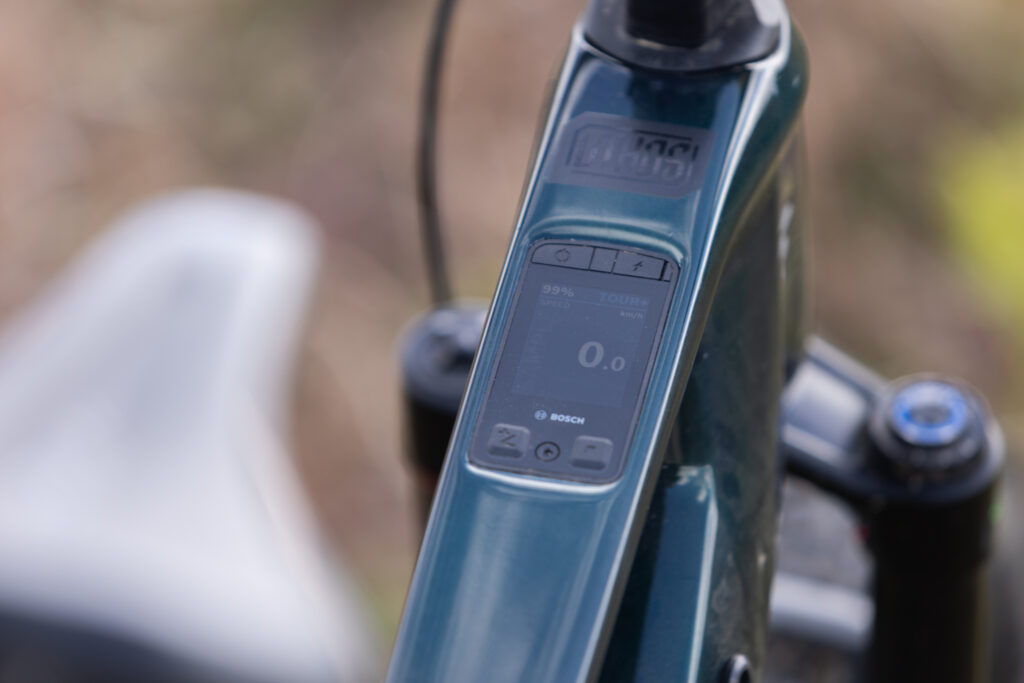

We’ve weighed in on the electric/mechanical debate quite a bit over the years, but as I’ve had as many positive experiences as I have negative with both, I’ve landed on a real preference for mechanical everything, whether that’s shifting, computers (not that there are mechanical cycling computers), or full bikes. Over the years, bikes kitted with mechanical gubbins have come with an air of liberation, rather than being tied to the burden of batteries.
I’m not going to go slagging off wireless and electronic tech, far from it. In fact, I am a fan because it does many things very well. If we focus on drivetrains for a bit, it makes something that can be a bit of a diva, requiring semi-regular adjustment, almost completely maintenance-free, or at least free of regular maintenance. In the case of drivetrains, there are no cables to stretch, so shifting remains consistently slick unless the hardware itself begins to wear – as will any drivetrain.

It’s also incredibly refreshing, albeit a small benefit, that a comparatively tiny press of a button leads to a gear change, or a dropper post’s actuation. Electronic actuation doesn’t need a fistful of a lever throw, so presses of buttons causing changes to gears and other things are a small but, to me, an appreciated luxury.
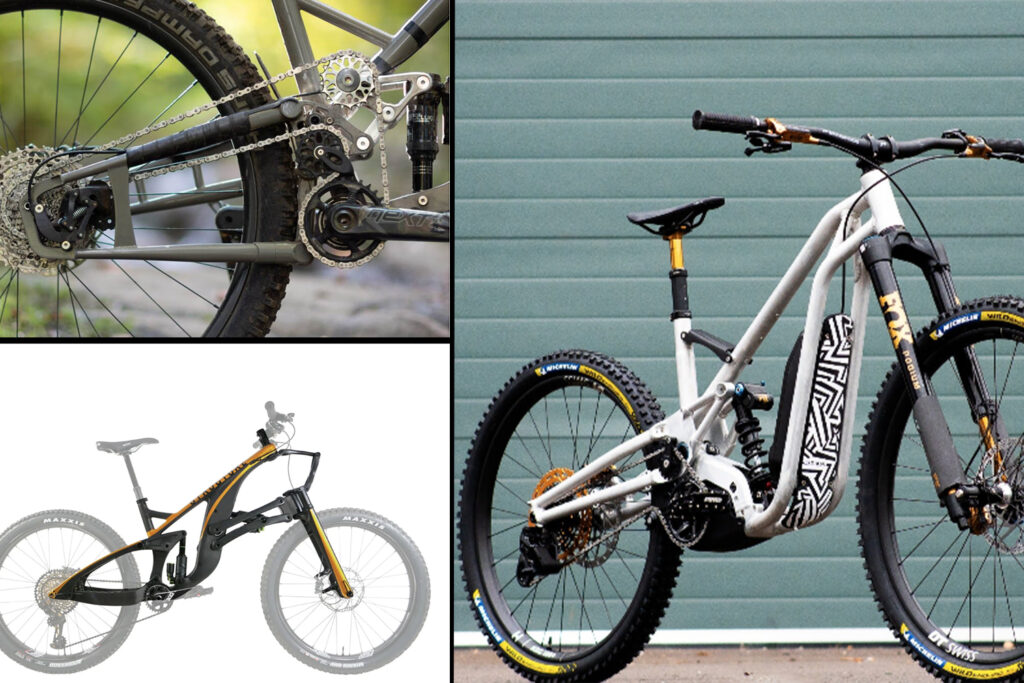
E-bikes are fantastic, too. Although I count myself a regular mountain bike purist, a spin on an electric mountain bike is another little luxury, making climbs easier and faster, while getting more of the good stuff in. They’re a tonic for poor fitness (I am talking about myself here), and it’s absolutely no surprise that they’re getting mighty popular.
But having spent the best part of a year on my Santa Cruz Bronson 90 long-termer, after years of playing with electronic and wireless kit, I’ve really come to be enamoured with the sense of freedom that mechanical kit provides.
In the immediate sense, going for a ride is merely a case of throwing the bike in the back of the van and pedalling away from my parking spot. There’s no checking battery levels, no charging, no battery anxiety, just riding a bike.
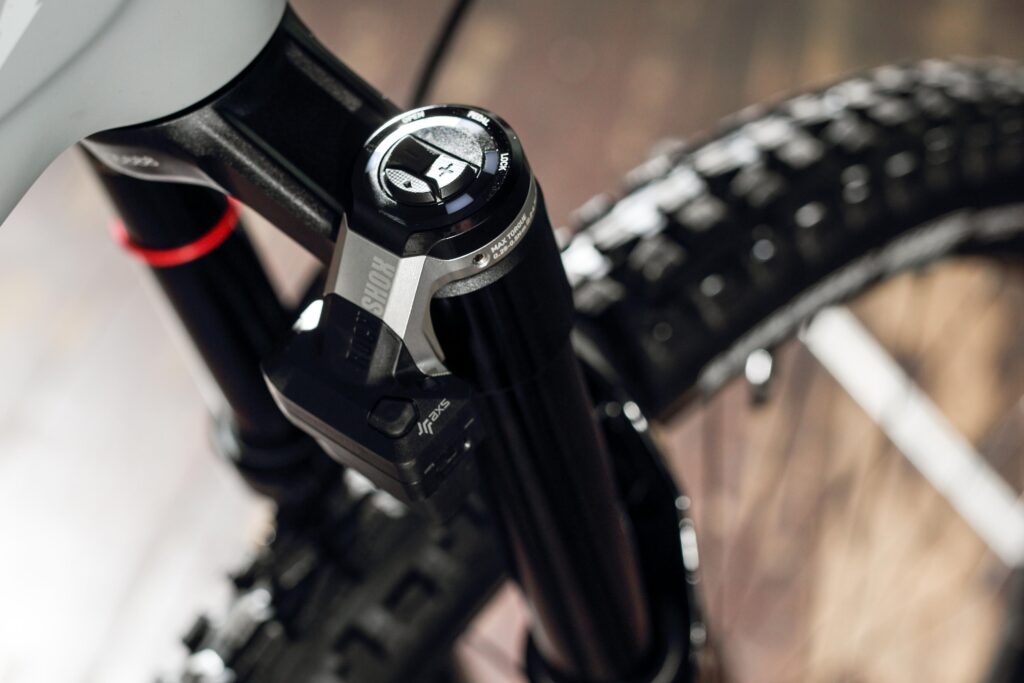
But in the less-so-immediate sense, there’s also the heaps of complication that’s thrown into electronic gear. Although I’m a fan of RockShox’s Flight Attendant and AXS stuff, hooking it all together via its Bluetooth wizardry can be a bit of a task, especially if you’re not familiar with how it all works. There’s also the fact that there are circuit boards, soldering, and wires thrown into the mix.
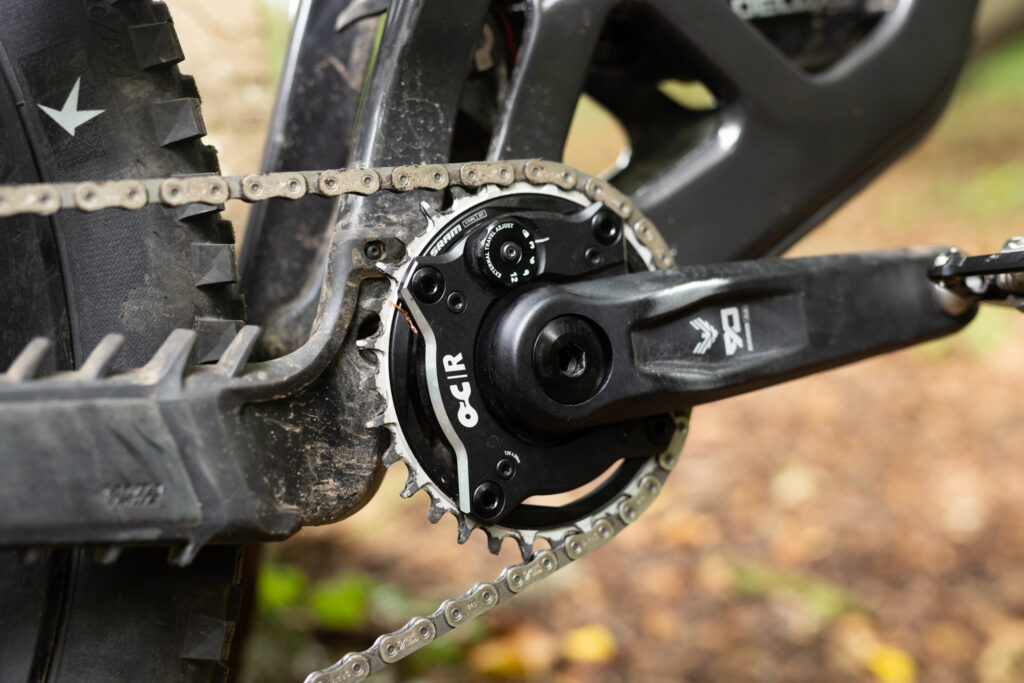
For example, as found in a video I made gravelifying a mountain bike, one of the pogo pins on my chosen derailleur had kicked the bucket. While this is likely something that’s sorted under warranty, replacing a pogo pin requires complete disassembly of the mech and a touch with a soldering iron. Although SRAM’s T-Type kit offers a heft of user serviceability, it’s a bit of a stretch to say that my problem is ‘user serviceable’. I’m going to give it a go, though, so watch this space.
It’s a similar story for e-mountain bikes, or e-bikes of any kind. They live and die on their motors. Without a working motor, they’re just very heavy mountain bikes, and pedalling around 24 kilos is no fun at all, trust me. I’ve had some motors fail on me mid-ride, leaving me with a heavy bike to haul home, but then, to be repaired, the bike needed to be sent off. Luckily, I’m in a position where I have test bikes ready to be ridden, but if that e-bike were my only bike, it would have been a couple of weeks before I was back riding again.
I’m not saying that mechanical kit is perfect. Far from it. I’ve had my fair share of mechanical hiccups, too. Snapped cables happen; cables stretch, which requires careful turning of a barrel adjuster, and the biggest pain in my side at the moment: dropper posts.
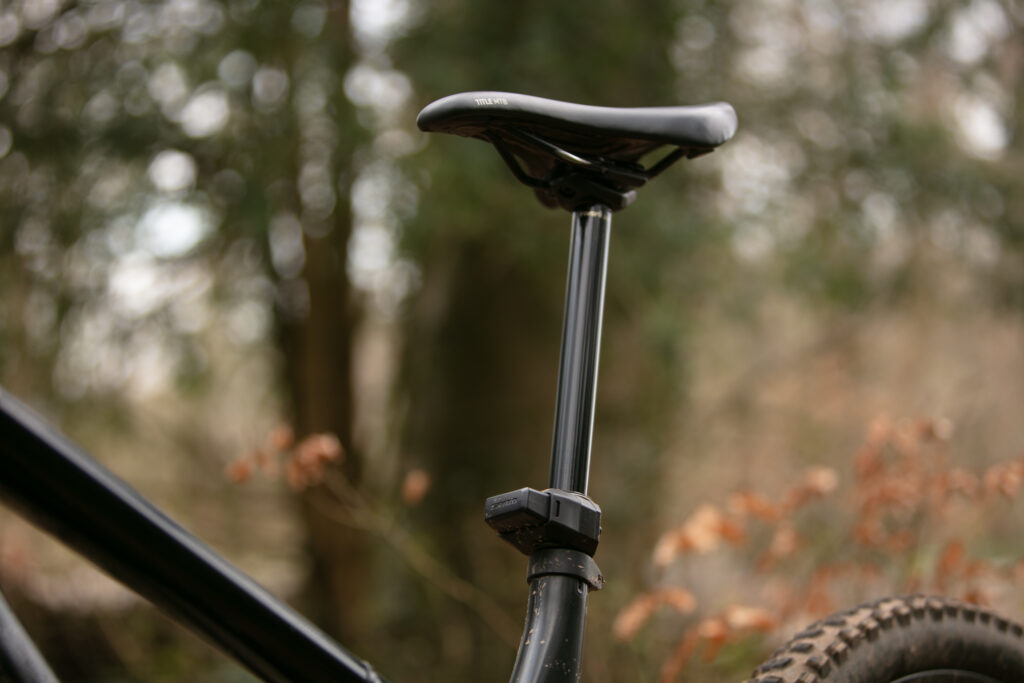
It’s not the same with all dropper posts and all bikes, but not every bike handles the routing of a dropper post’s cable in the best of ways. An excellent example is the Bronson I’ve been riding. Because the seat tube is effectively split, if I clamp the seat post into the frame too low, I unknowingly kink the cable (because of the way the seat tube is shaped), and I then have a proper wrestling match on my hands to get the dropper post actuating properly. I’ll admit, with this specific issue, I have turned to a wireless dropper because, in this case, it causes much less screaming.
As I’ve taken my training (sometimes) and riding a little more seriously, so too have I taken my cycling computers. They’re very useful things, as I like to track my elevation gain, at least, using it as something of a benchmark. If I’ve gained around 1,000m in elevation, I’ve done well… Although that’s pretty rare at the moment. But as simple as they can be, it’s another thing to add to my bike, another thing to charge, and another thing to set up before I set off.
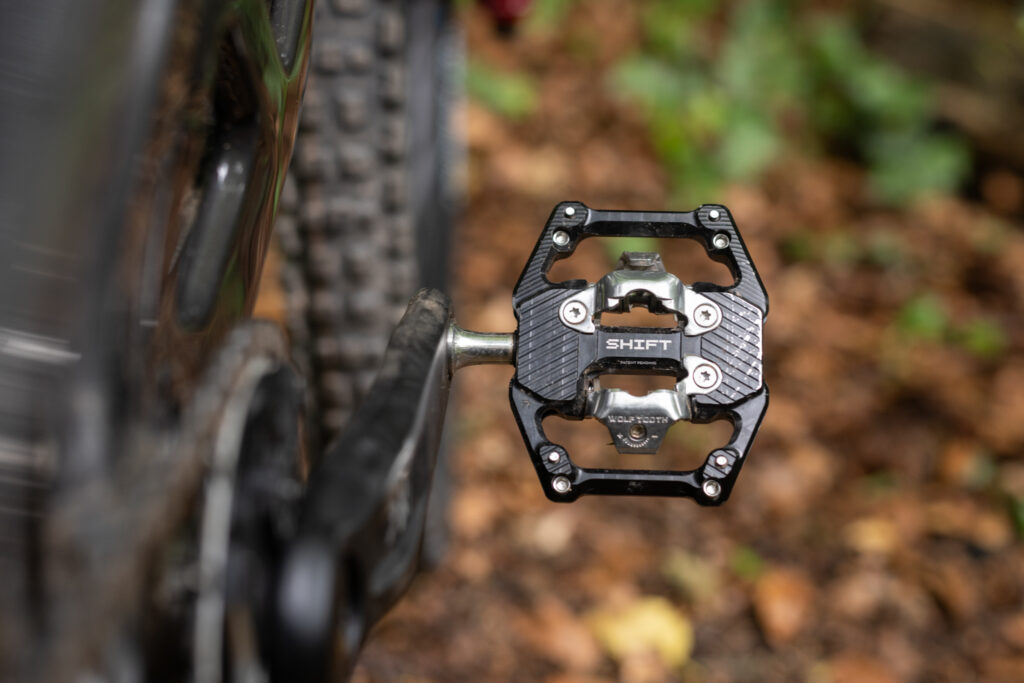
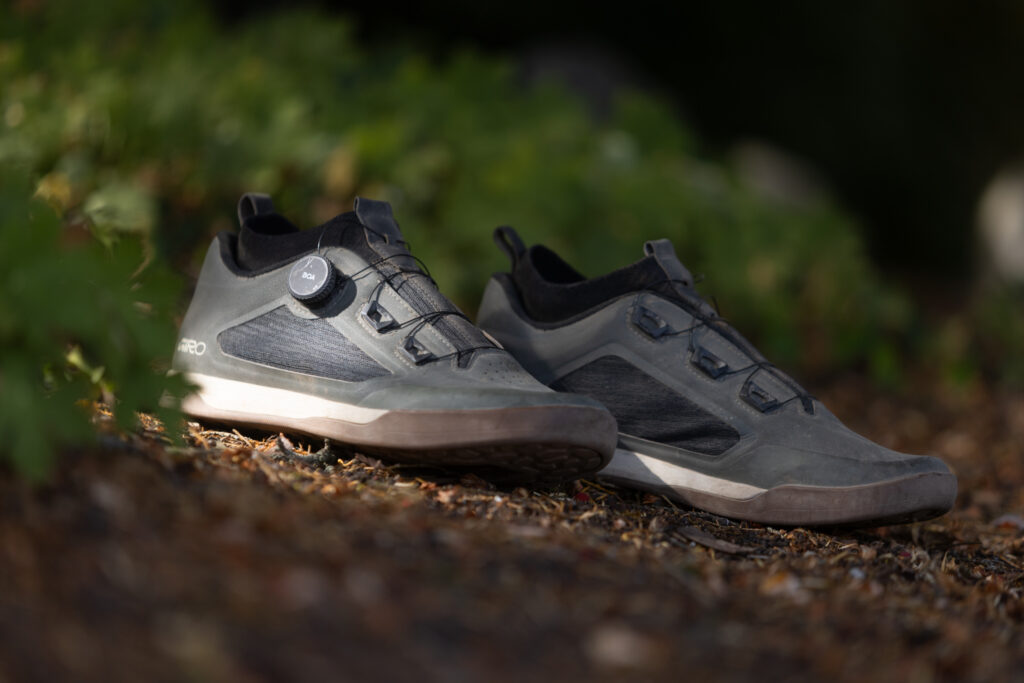
But in a similar vein to clipless pedals, there’s just nothing quite like grabbing a bike and just riding it. Before dropping into a trail, I’m not finding a mechanism to engage with on flat pedals. But clipless pedals bring a level of security that flat ones don’t. Not having batteries to charge, potential game-ending and non-user-serviceable problems, or interesting connectivity quirks just aren’t a thing with good old-fashioned cables and mechanics but the lack of cable management and maintenance remains a very real draw.
Although there is a real place for electric kit, the simplicity, easy serviceability, and general experience of a bog-standard, cable and pedal-operated bike is exactly where it’s at for me. Because after all, riding a bike of any type is my way of unplugging my brain from life and the technology-ridden nature that it’s quickly become.
I remember an old punter from a pub I used to work at. He complained about the fact that there were TV screens, and only now, eight or so years later, I totally understand his frustration.







1 thought on “Bike technology is great, but sometimes mechanical simplicity is digital liberation”
When I was commuting between ten and forty miles a day in all weathers I loved the simplicity of electronic shifting. So much so I stuck Ultegra Di2 on a Triban 3. Otherwise I’m with you on the mechanical simplicity of simple drivetrains (Deore 1x for trail, Tiagra 4700 for road). Both are cheap, easy to set up, and spares a readily available when the grit and grime of winter does its thing. For the same reason I fitted dyno lights which were bright enough for pitch black country roads and 100% reliable unlike battery lights which have failed on freezing mornings
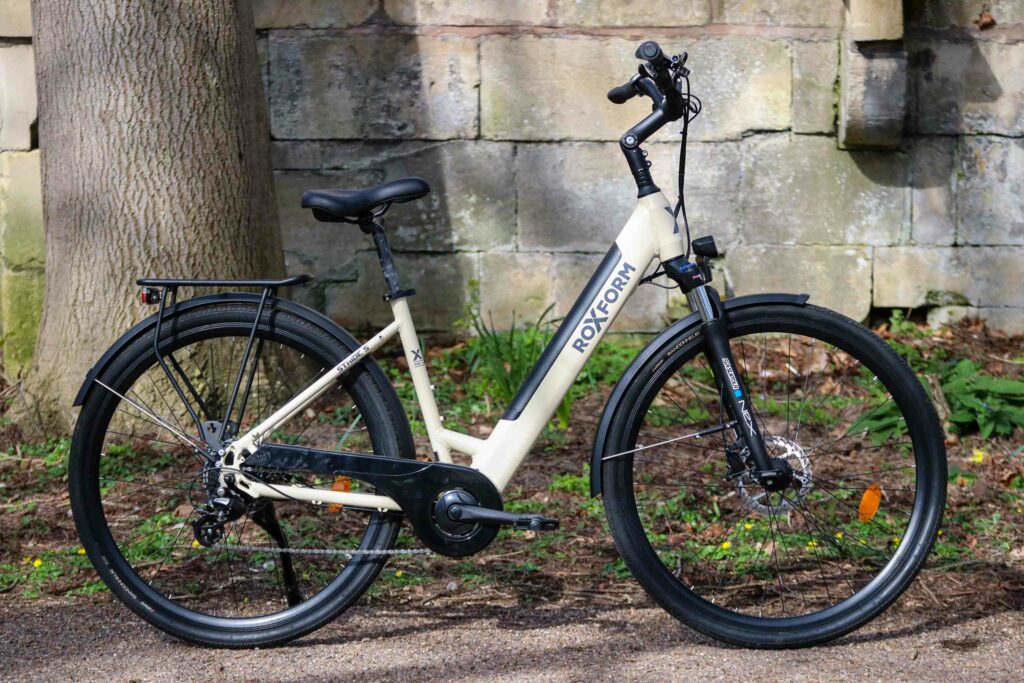
I’ve been away from the bike for a while due to illness so the return will be on an eBike for pleasure rather than commute. I won’t be doing big miles but I will stump up for a decent battery (at least 625w) and fully equipped. I’ll probably add an electronic dropper unless it comes with one (manufacturers have finally worked out that the average eBike rider wants to get their feet down at junctions but still have an efficient pedalling position).
It will be great but I’m sure it won’t be long until I hanker after some skinny tubed steel bike with everything mechanical!