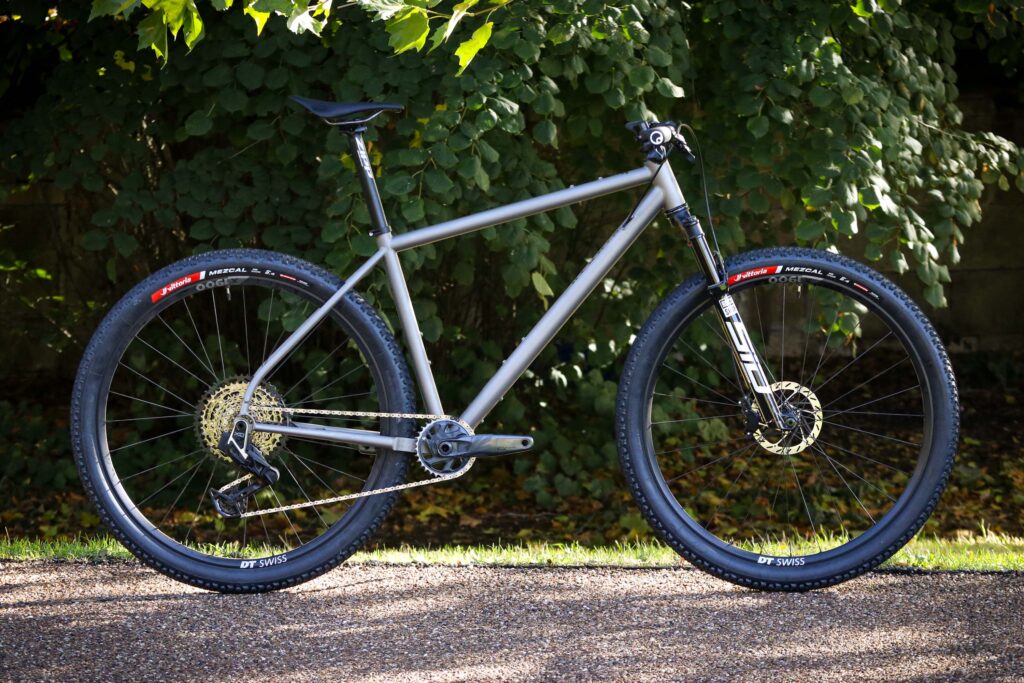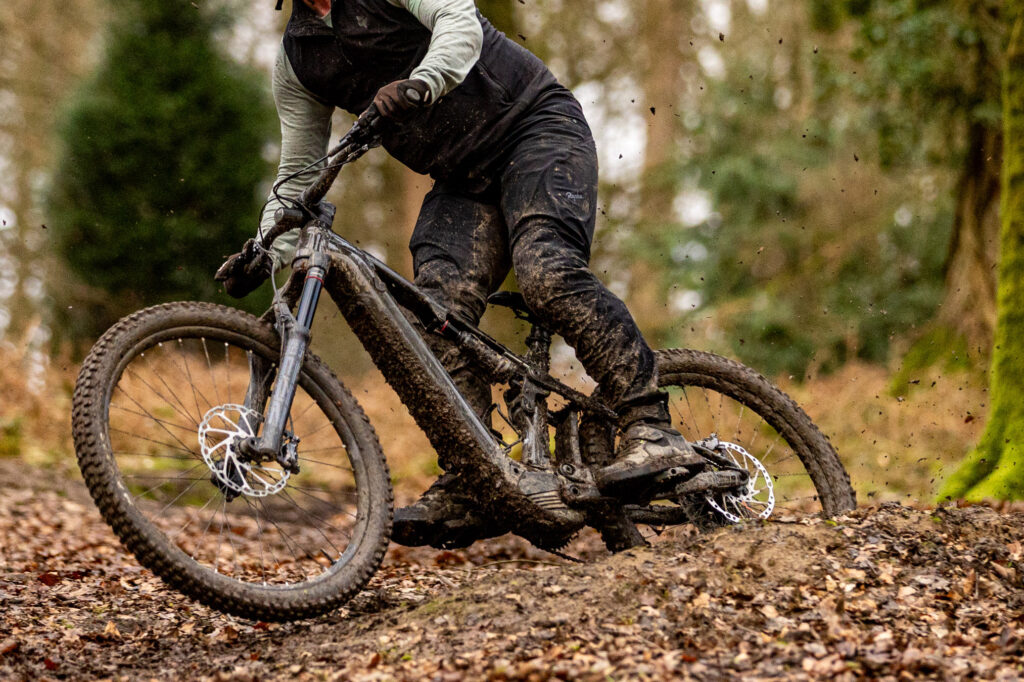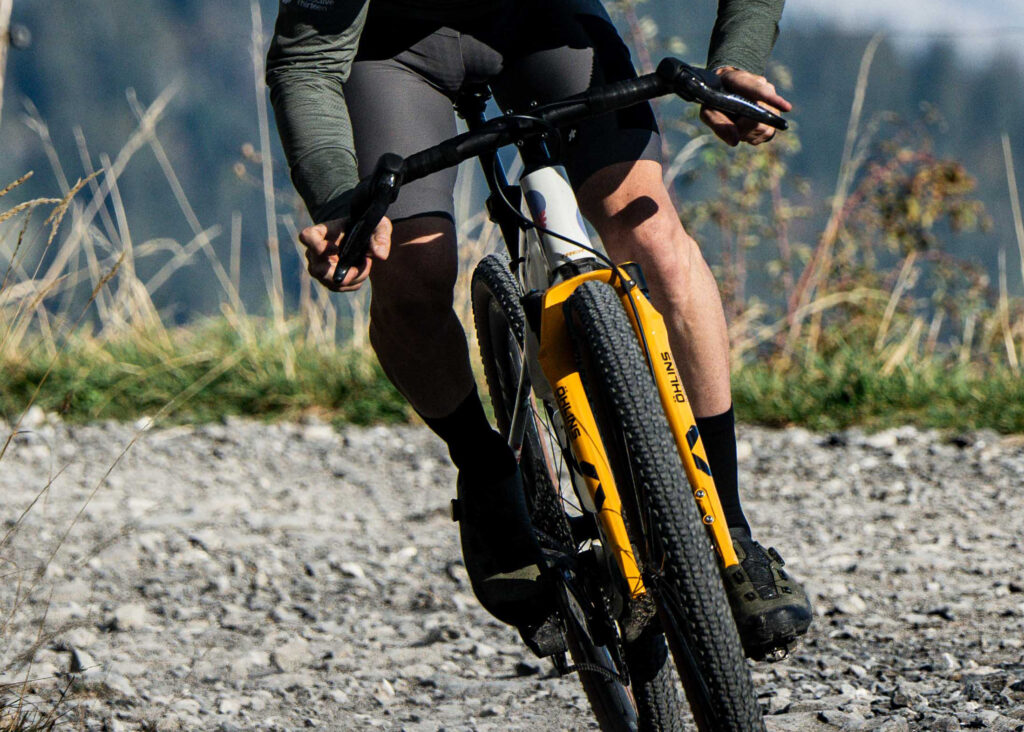


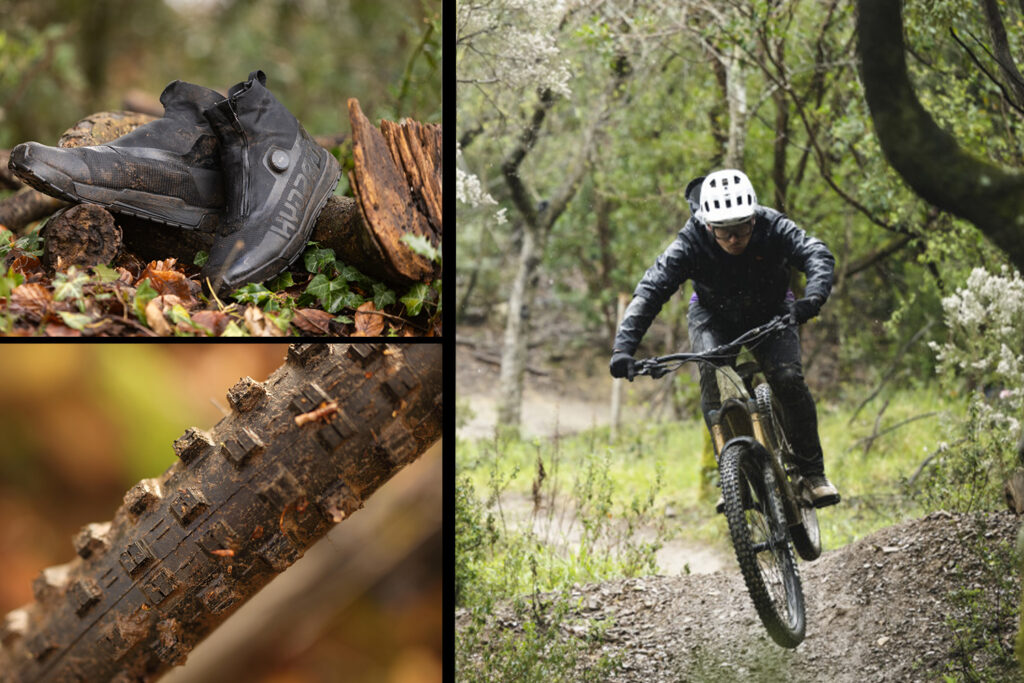

Riding through the winter isn’t the easiest for many reasons. You simply might not have the motivation for riding your bike when it’s lashing it down outside, and even if you do manage to scoop yourself out of bed for a spin, merely being out in the cold just isn’t very pleasant. But with the right kit and mindset, riding your mountain or gravel bike in the winter can definitely be enjoyed.
Take it easy, and accept that it’s going to be tough
Winter riding throws up a whole bunch of challenges that you won’t face when it’s dry and warm. First up, the trails are going to run slower than usual. When things get wet, there’s more drag at play, and that’s even more so if you’ve switched to grippier winter tyres. Generally, up and down a hill, you’re going to be travelling slower, so don’t take your Strava segments too seriously.
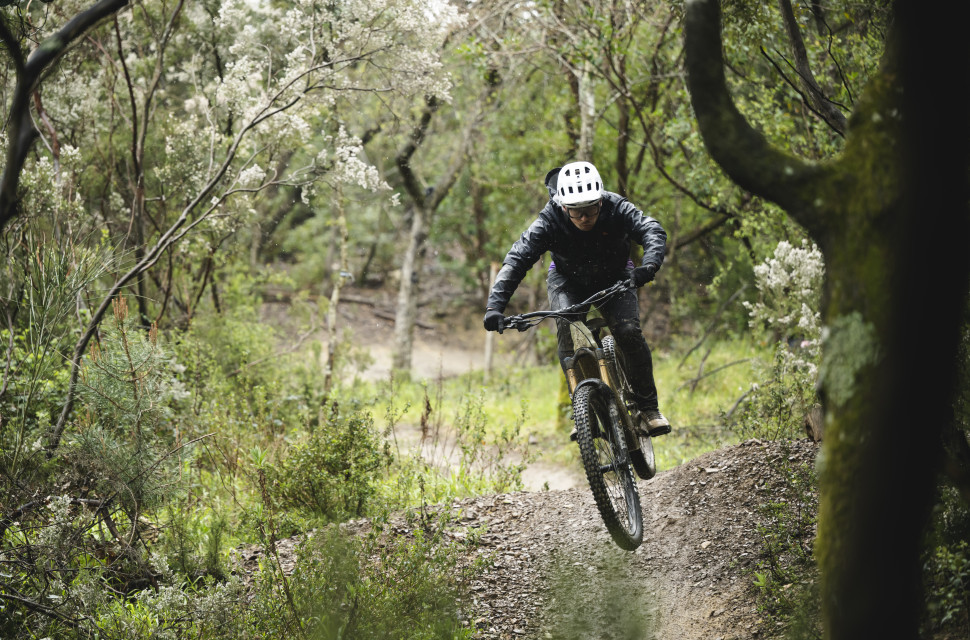
On top of that, there’s not going to be as much traction, and trail features that may seem harmless in the summer become very frightening when they’re wet. Cough, roots, cough. There’s going to be less traction, too, so your bike will move around in ways that you might not expect. It’s all a new learning curve.
Riding in the softer winter conditions is a different ball game, so a shift in mindset and accepting the inevitable is the best way to keep morale high after slower and wetter rides. Focus on the smaller wins rather than going as fast as possible, and use the season to hone more nuanced skills that you can carry over into the summer.
Dial in your bike setup
Trails change loads after the heavens have opened, and you may even come across the odd dashing of snow which morphs the trails into something different altogether. But if you’re riding with your bike setup for summer, you’ll be giving yourself a harder time.

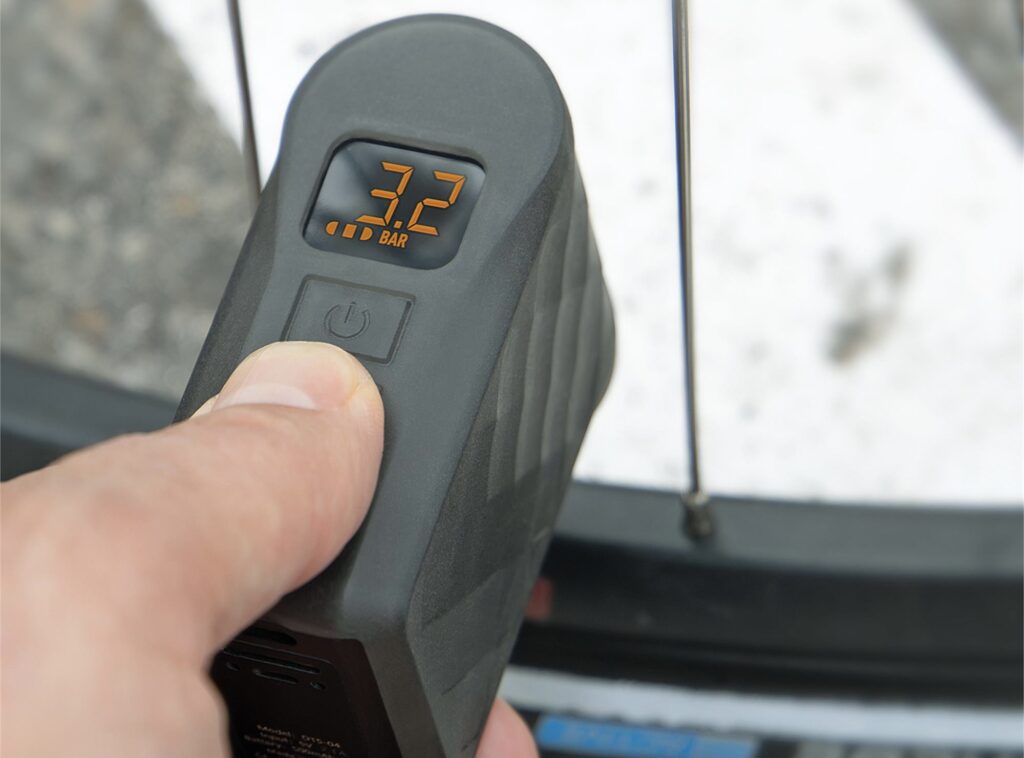
Soften your tyre pressures, and rethink your suspension setup (if you have it), because you’ll be travelling at a lower average speed. With that in mind, you won’t be putting yourself at such a risk of pinch flats, so you can reduce your tyre pressures to bring more traction. Then, as things won’t be as fast, you’ll need to adjust your suspension to suit, so consider slowing your rebound and opening up your compression settings.
Making your bike work better for winter will make it work better for you. If you need to brush up on your winter mountain bike setup, we’ve got a feature for that.
Invest in some winter tyres
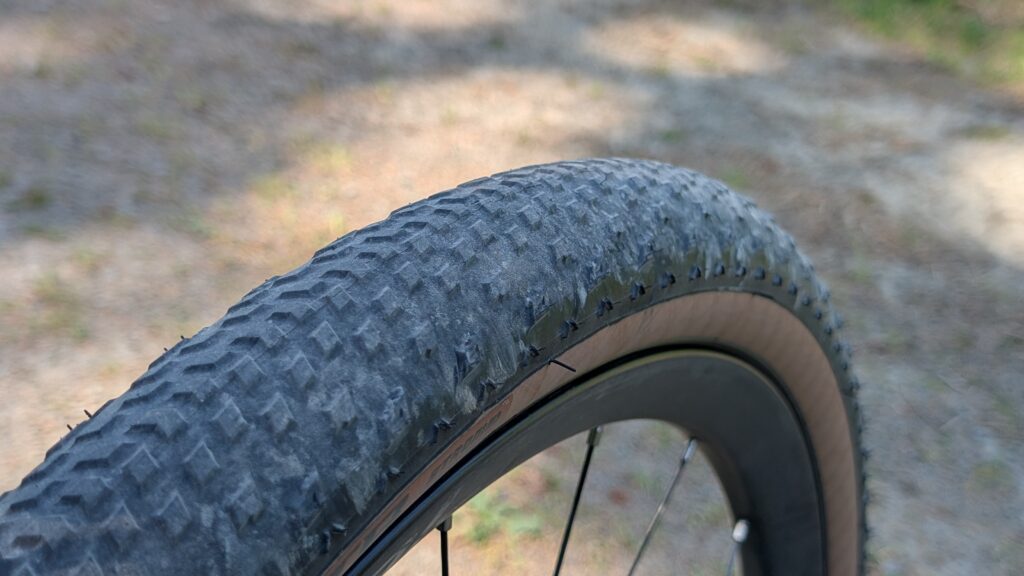
I know, tyres are expensive, but they’re what deliver a good bulk of traction. And if your current tyre setup is tailored more towards summer riding, you’re not going to have much of it. Choosing a tyre with taller knobs will mean that tyre can bite deeper into soft terrain, thus giving you more grip.
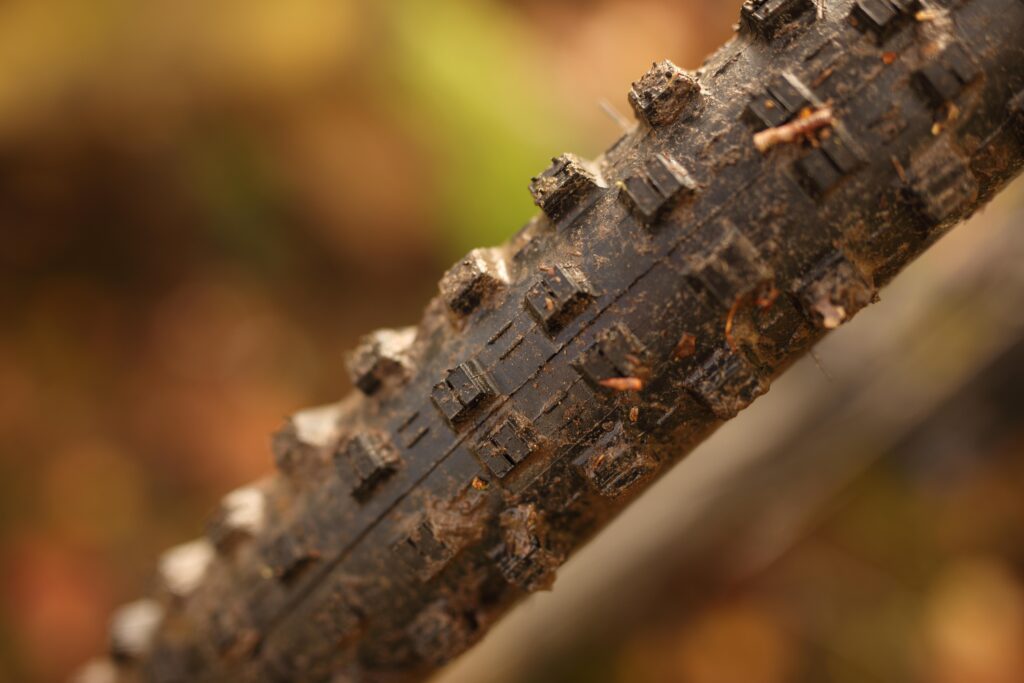
However, such tyres come with a few downsides. They’ll likely roll slower, so you’ll have a harder time pedalling, and their handling can feel nervous when riding over harder stretches of trail. As such, it’s a balancing act that requires careful choice.
But if rolling resistance is something you’re looking at minimising, while still benefitting from a boost in traction, consider mixing your tyre choice at the front and rear of the bike. Put the aggressively treaded tyre at the front, as it won’t hurt your rolling speed as much, and inflate a lower-profile tyre at the rear.
This is a great approach because you’ll have the most traction at the front, where sliding can be dangerous, and slightly less traction at the rear. And if a rear wheel slips, it’s much easier to catch it.
A mudguard is a must-have
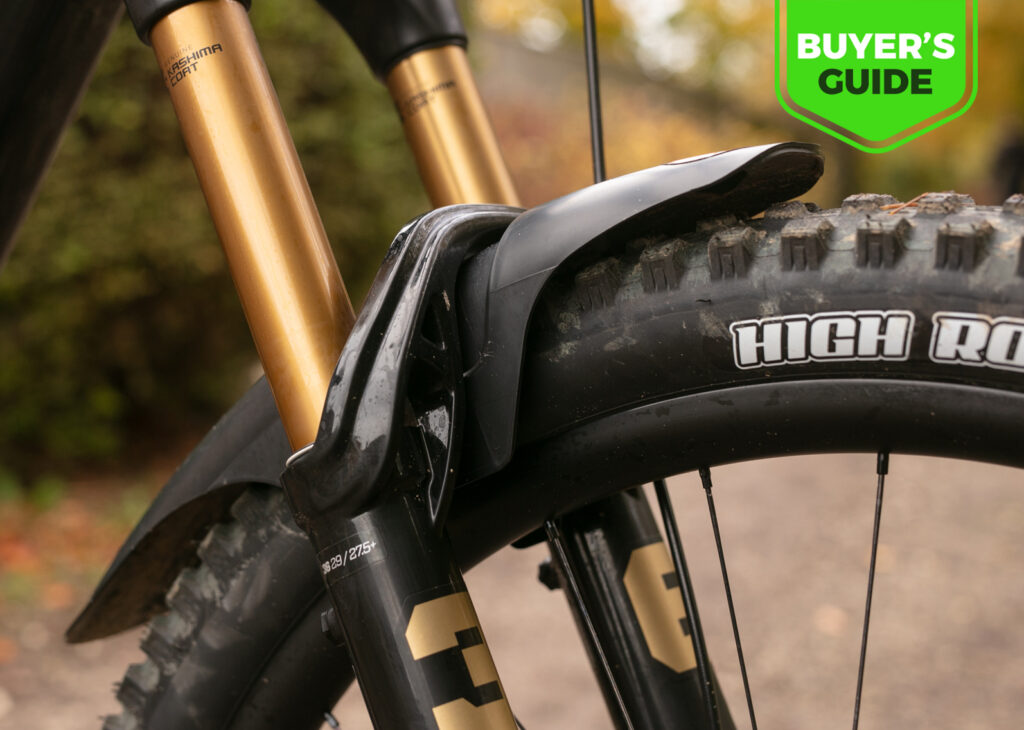
It goes without saying, but buy a mudguard. When you do hit higher speeds on your gravel or mountain bike, your front tyre is going to pick up any loose mud, fling it well above itself, only for it to land in your face.

Unless you like chewing on mud and picking cack out of your eyes mid-trail, get a mudguard.
Winter clothes will make everything more comfortable
Sometimes I think that proper riding clothing can make any ride better than the bike, and that can certainly be the case when it comes to winter-specific clothing. Investing in the right kit can keep you dry(ish) and warm, allowing you to be more comfortable for longer when the weather is anything but.

Choosing a waterproof jacket and trousers is perhaps the best way to go about this, especially if you’re on a budget. Of course, these will keep you dry, to a point, but because they’re not as breathable as regular jerseys and shorts, they’ll also keep you warm, especially if you layer them properly.
If you usually shy away from the rain, but want some protection against the wet stuff on the ground, a good pair of waterproof or water-resistant trousers combined with some winter-going shoes is more than enough to keep you comfortable. It’s all about evaluating the weather before heading out, and being able to adapt to whatever conditions you might face.
Proper wet weather shoes mean dry feet
I absolutely hate riding with wet feet and waterlogged shoes. Not only is it fairly uncomfortable, but it’s a surefire way of getting cold feet. That’s where a proper set of waterproof shoes come in.

While you can line any shoes with plastic bags, waterproof shoes still offer some level of breathability while keeping your feet dry. Plus, you won’t have to battle the mild discomfort of wrapping your feet in shopping bags.
Buy the right shoes, and you’ve got a set for the worst of autumn, winter and spring. Not every waterproof or winter boot is insulated, but many size a little larger than usual. This means that when it’s not freezing out, you can still ride with reasonably cool feet, but when it is, you can go for some thicker socks without the shoes feeling way to tight.
Try night riding
As the clocks change and the night draws right on in, it can be tough to find a moment to get out on the bike. That’s where night riding comes in. It can be tricky to summon the motivation to strap on some lights and head out into the dark, but for some, it’s the only way to keep up the mileage through the winter months.
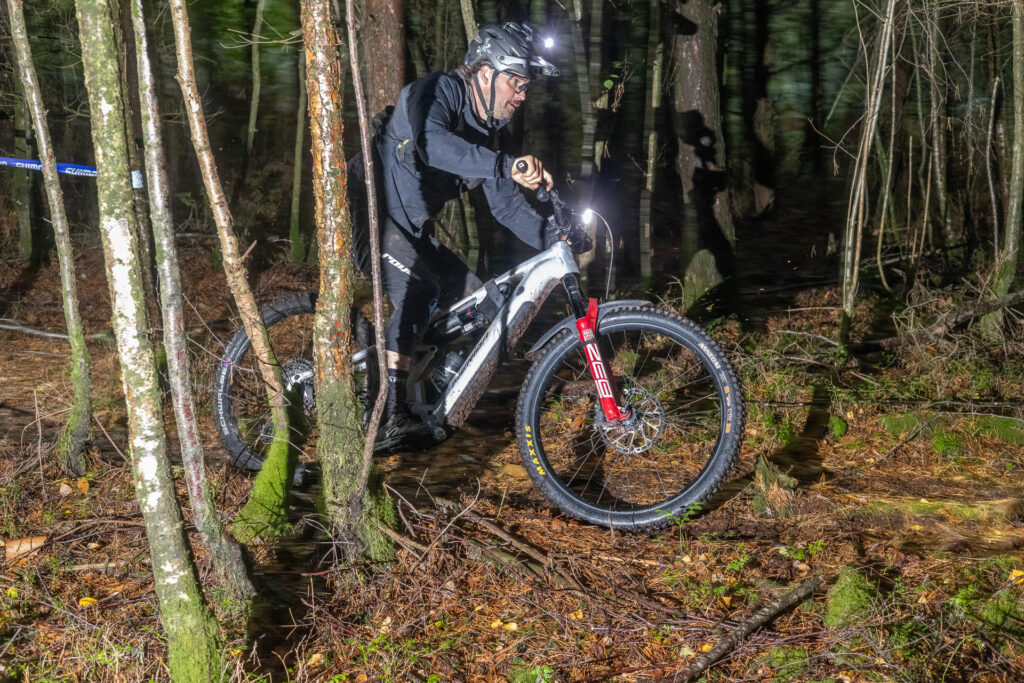
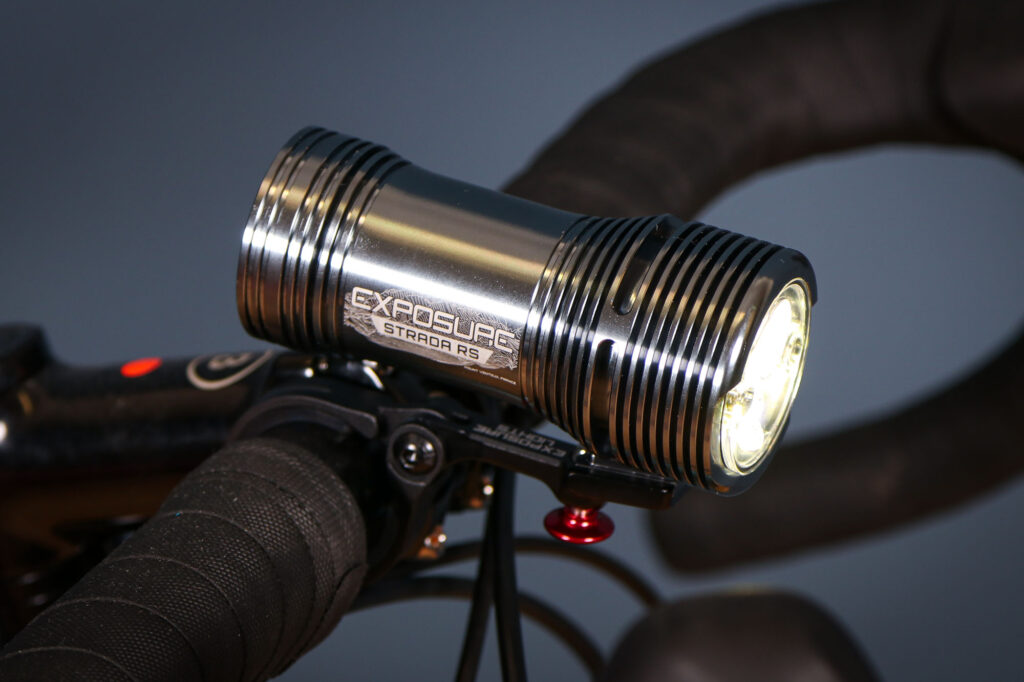
You’ll be best served with a pair of lights; one that’s more powerful that you’ll attach to your handlebar, and a smaller, not quite as powerful light that you’ll mount onto your helmet.
The brilliance of night riding is that without natural light and with only the lights strapped to your helmet and bike, the trails that you ride day-in, day-out will be almost completely different. Plus, riding with only the power of lumens makes you feel as if you’re going a bit quicker.
There’s also just the act of riding a bike in the dark. It can be scary, but it’s definitely mysterious as you navigate trails you know so well in such a different environment.
Stay on top of fuelling yourself
When it’s cold, your body naturally uses more calories to keep itself warm. Throw in the calorie burn of an off-road ride, and you’re going to be blasting through your energy stores far quicker than usual.
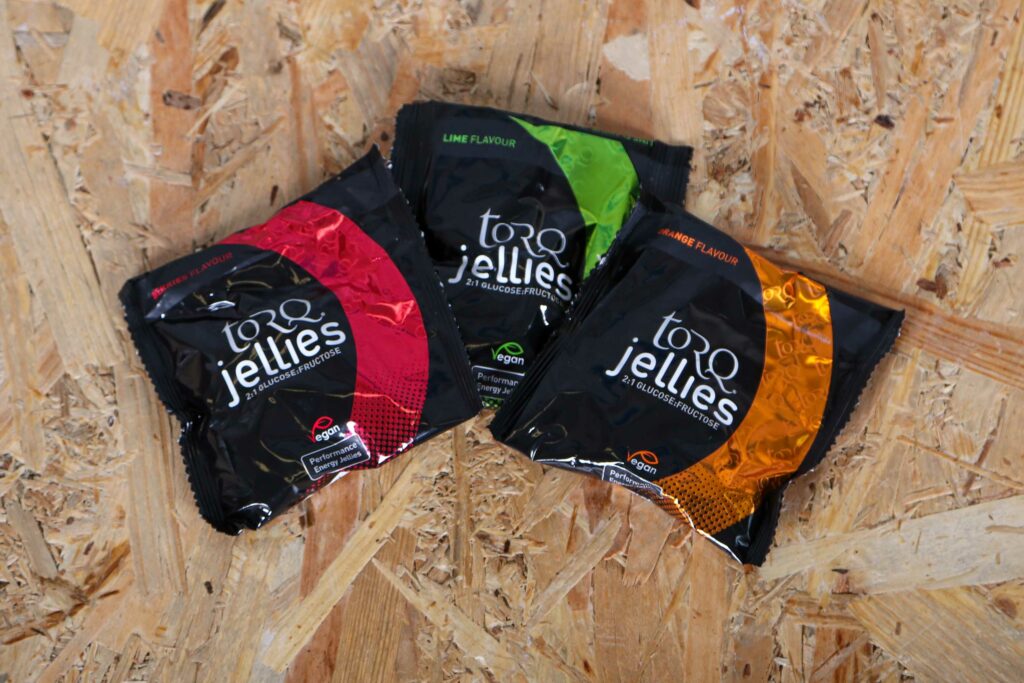
The one way to keep your energy up is to eat food. So when you’re heading out for colder winter rides, take a little more food than usual, and make sure that you’re eating a little more regularly. There’s nothing worse than bonking when it’s miserable out.
Have a contingency plan ready
As winter brings harsh and often unpredictable weather, having a plan to cut your ride short and get back to your car or home quickly is very important. You could find yourself trapped under a thunderstorm, or the weather could just take a very unfortunate turn. Keeping yourself outside in such a scenario isn’t exactly safe.
So, come up with a contingency plan. This should be a point in your ride where you can assess your situation and take a turn that’ll get you back quicker.
Consider swapping the lenses on your glasses, and take advantage of aftermarket coatings
Most glasses come already sorted with a tinted lens for riding about in the sun. However, these lenses can be pretty bad for riding in the winter, where it’s typically not as sunny.
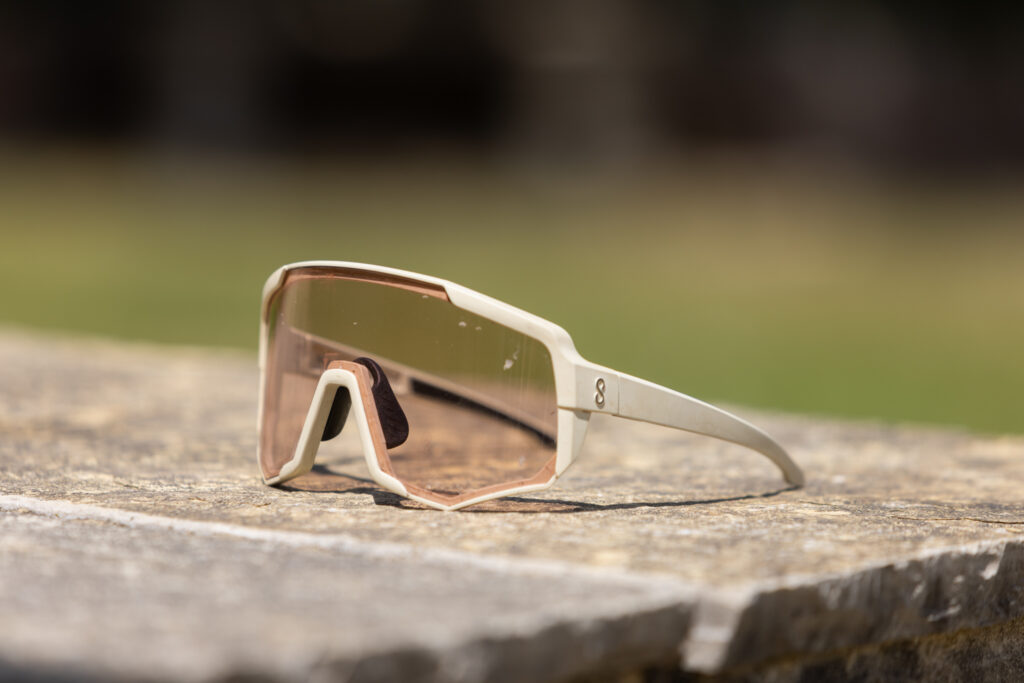
With that, consider switching to clear lens to keep your vision completely unimpeded because being able to see is perhaps the most important thing when riding a bike.
Although clear lenses are excellent, pink lenses are also well worth a look. Although they cast a different colour over your vision, these create a great contrast between the trail and anything either side of it by boosting the browns and the greens of the environment.
But when it’s cold, any eyewear is more prone to fogging, and collecting moisture. A few brands offer neat hydrophobic sprays and anti-fog coatings. These last for a finite time, but if you’re after the clearest vision, they’re well worth a try.
Do you have any top tips of your own we might have missed? Let us know in the comments.