



Racing season is now upon us, and contrary to what social media and top-level racing might suggest, enduro is perhaps the friendliest and most accessible form of mountain bike racing there is. You don’t need to be a fledgling Jack Moir to have a go at racing, but there are a few things you should know before your first effort between the tapes.
- “I love running races for people that enjoy doing races… I never want to stop doing it”: Scott Fitzgerald at Southern Enduro on the state of MTB racing in the UK, and how riders can keep the scene alive
- Is racing an e-MTB easier? – Racing the Cannondale Moterra SL e-bike at Ard Rock
- Bike check: Fergus Ryan’s ‘Ferg’s Flat White’ Privateer 161 Gen 2
Why enduro, and what is it?
Enduro differentiates itself from all other kinds of racing because it doesn’t take place on one track throughout the event. Rather, enduro races have multiple descents, or stages, which are timed, and you’ll usually tackle them solo, unless you choose to ride closely with a friend. With each descent comes a climb to the next stage, but during grassroots events especially, these ‘liaisons’ aren’t timed.
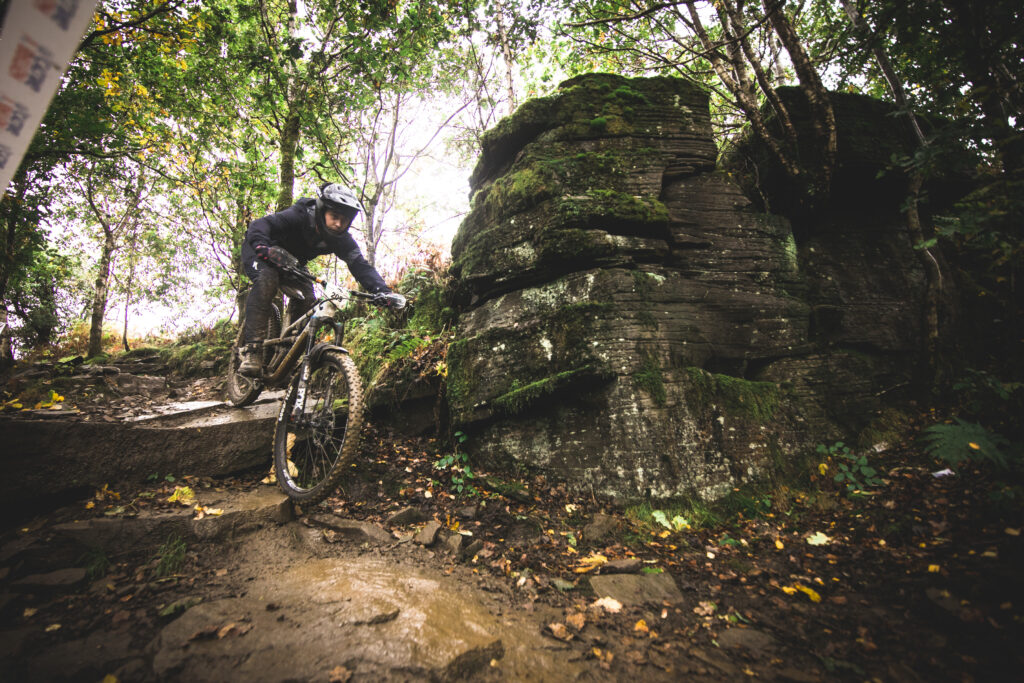
The beauty of enduro racing is that, depending on your perspective, it can merely be a slightly spicier version of your weekly ride, just better organised, with tapes to ride between, a race number on your bar, and a timing chip zip-tied to your bike’s fork. The only real difference is that you’ll be riding a set number of descents against the clock, with a whole bunch of other people. The number of stages, or descents, varies depending on the event you’ve chosen. It can be anywhere between three and upwards of nine in a day.
Enduro is remarkably varied, too. Some races can cater to those with more experience and skill under their belts, while others can be toned down to those who simply want to give racing a go. Better still, some events combine the two, with national series events running alongside more accessible races with shorter distances and friendlier trails. Plus, enduro is all about the descents, which is where most of us put the real effort in anyway.
How to choose your first enduro race
Unless you’re particularly confident, I wouldn’t head to Finale Ligure and have a go at the UCI Enduro World Series for your first event. Instead, pick from the plethora of events we have here on home soil. And although race organisers are having a tough time out there, there’s still plenty to choose from. Each one is different, too, with some being focused on having a good time out on the hills, and others being a little more serious.
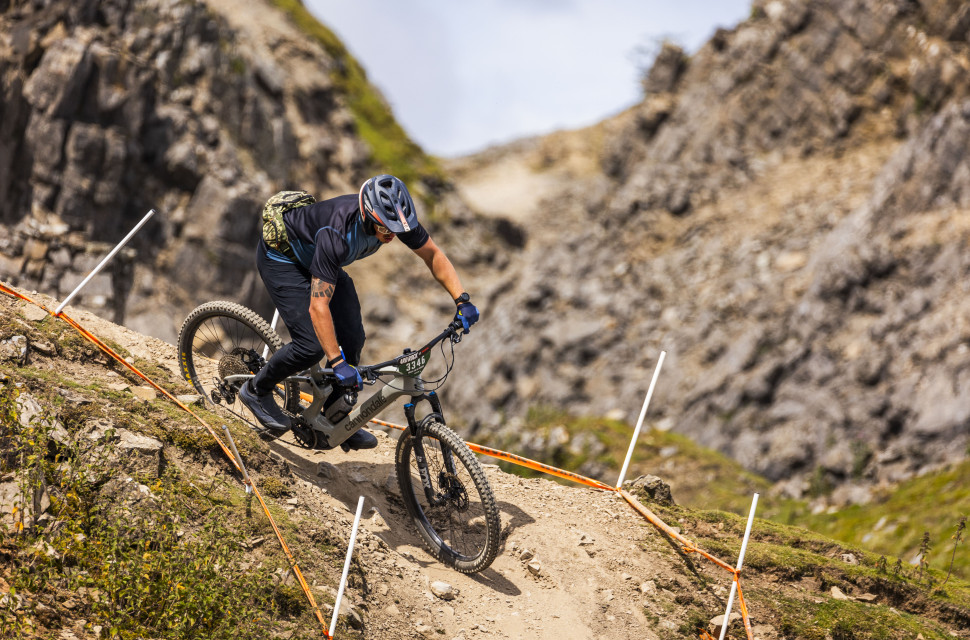
If you live in the south of the UK, the Southern Enduro series is excellent for those looking for their first taste of between-the-tapes action, with a few venues offering up a little more spice to please those with more confidence. Mini Enduro’s Funduro in Grizedale promises top-notch racing for all abilities, while events like Ard Rock and Ard Moors welcome those who are after slightly more challenging terrain and longer distances. Some events, like Merida’s EX Enduro, then take a multi-day enduro format with racing over two to three days, and depending on your perspective, they can be like mini mountain bike holidays. If you’re looking to take your racing more seriously, the British National Enduro Series (or BNES) will be for you.
Some races, like the EX Enduro, pride themselves on blind racing, which is sometimes seen as the pinnacle of enduro racing. With these events, there are no practice runs. You’re racing as soon as you’re on track with little to no knowledge of what to expect from the stages. So it’s well worth knowing this kind of thing before signing up.
You will need to pay an entry fee to compete in an enduro, but you’re helping to keep a small industry alive. Expect to pay around £45 to upwards of £100 for an entry, depending on the event you choose. But before committing the cash, get some research under your belt by checking out your chosen event’s website and heading over to the fountain of knowledge that is YouTube. Doing so will give you the best idea of the calibre of riding to expect.
Picking your category
Once you’ve found a race, it’s time to sign up. When signing up, you’ll come across a menu of categories. These categorise riders by their age and gender, but, in a sense, also by the competitiveness of the racing.
For your first go, you may want to consider entering a ‘Fun’ category, which is less competitive. However, if you’re looking to test your mettle against the very best in your area, entering yourself in the Senior, Master, Veteran, or Grand Veteran categories will offer you that opportunity. These are separated by age.
On many single-day races and some multi-day events, you’ll be asked to self-seed. This helps the organiser give you the right start time in your category to give you the best chance of not being overtaken, or to avoid coming up to overtake a slower rider ahead, both of which will cost you precious seconds. This is usually a scale of one to ten, with one being the quickest and ten the slowest, or vice versa. Here, being honest with yourself will help you in the long run, as having to overtake or pull over for another ride can ruin a race run.
At more serious events, and usually multi-day events with a practice day on Saturday and racing on Sunday, you’ll do a seeding run once practice is finished. This is similar to a qualifying, where the time in which you complete the run (a single stage) will dictate your start time on race day. Seeding times can contribute to your overall finishing place.
What you’ll need
Grass roots enduro at its very core is simply about having a good time, so be prepared for the worst to happen… mechanically. And it’s better to have something and not need it than need it and not have it.
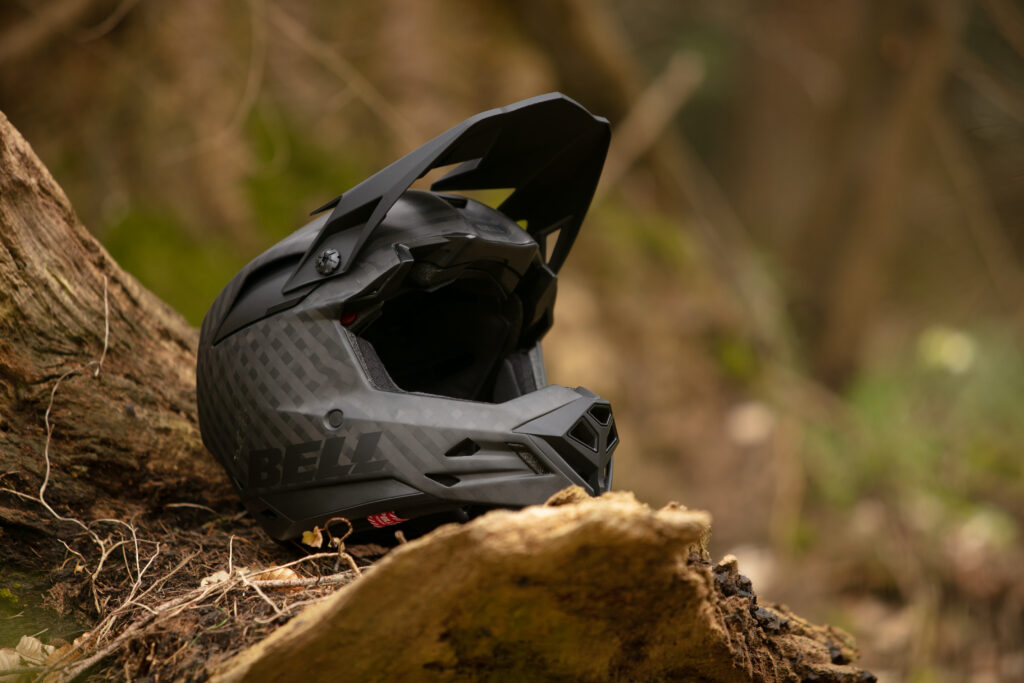
To start, you will need a bike, of course, and it doesn’t really matter what type. Yep, I am saying you can race enduro on an XC hardtail if you really want to. Where things get super important, however, is protectives. It goes without saying that you’ll need a good helmet, but some races mandate full-face helmets in their rules, so give them a double check.
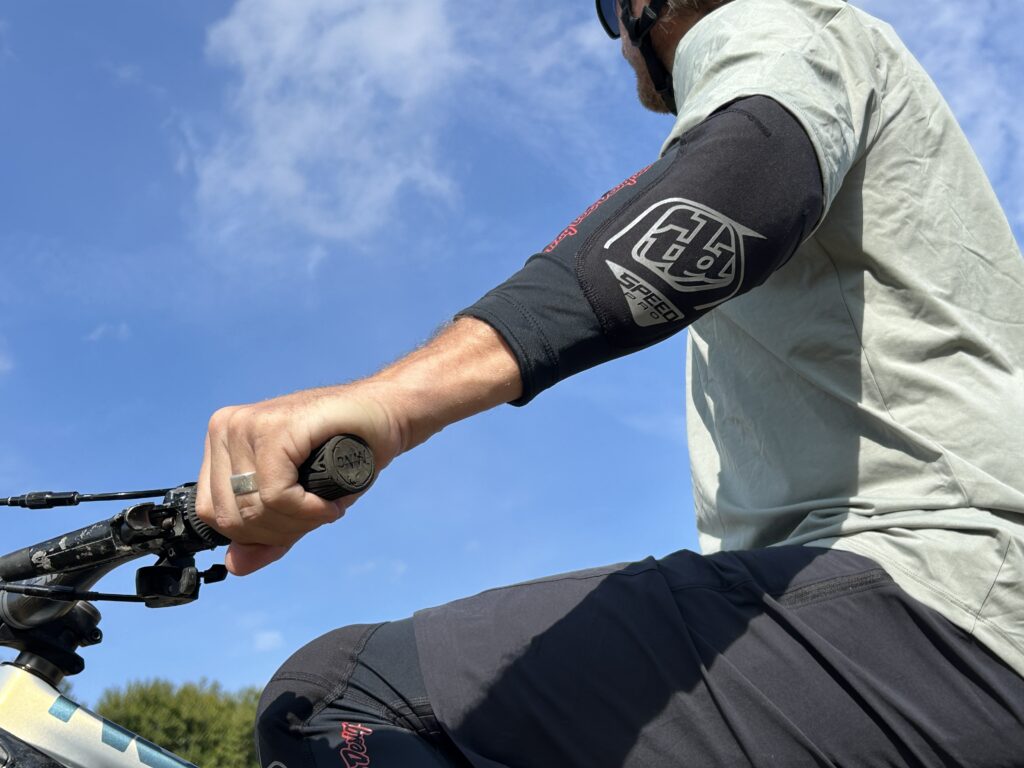
As you might be throwing caution to the wind in pursuit of good stage times, consider upping your body protection a bit. Knee pads are a given for any ride, but think about a back protector and elbow pads, as you may be riding tracks you don’t know very well, at higher speeds.
Most enduro races will have a mechanic on call to help fix your bike should you mangle something important, but these folks are often very busy, so be self-sufficient. Pack a well-equipped tool kit that’ll cover most eventualities and throw a spare tyre in the boot for good measure. The latter’s usefulness is two-fold in that it’ll make a handy replacement should you destroy a tyre mid-race, but you can be clever and pick a tyre for different conditions that may be better if the heavens open.
Make sure it’s all in good working order
There’s nothing worse than turning up to an expensive race weekend to find that something on your bike isn’t working correctly. This is where it’s best to mull over your race preparation a week or two in advance.
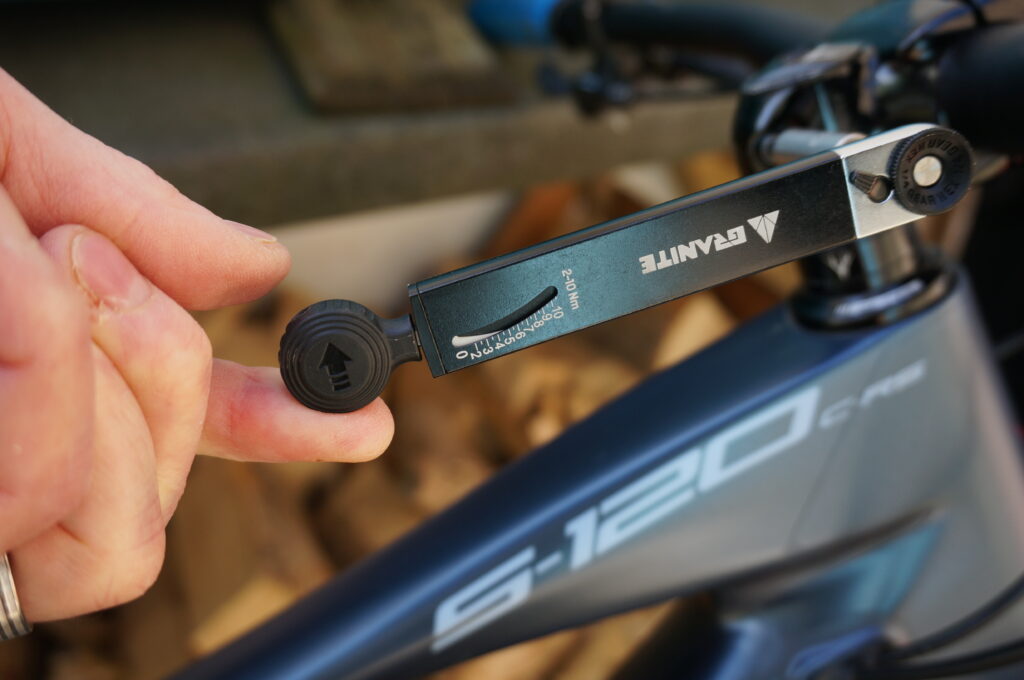
Ride your bike well before the event to make sure it’s all ticking over as it should, and check your helmet for any damage. If you find that there’s something wrong, doing this well in advance will give you plenty of time to fix what you need to.
Give your bike a thorough clean too. Many forests carry a bunch of tree-harming diseases, so don’t show up with a filthy bike to avoid cross-contamination.
Arriving at your first enduro race
Once you’ve parked up, it’s time to sign on. This is where you’ll be given your number board, cable ties (or similar), and timing chip. If you’re taking part in a single-day event, you’ll either be told your start time or it’ll be on a board somewhere around the sign-on tent.
When you’ve got your number board, timing chip, and start time, tie on your number board (it may require some modification to play nicely with your bikes’ cables) and attach your timing chip at the bottom of your fork, facing toward the rear of the bike.
Practice
Now, you’re set to get riding, but if you’ve chosen a type of event that includes practice time, make the most of it. These sessions provide you with the best opportunity not to learn a track, but to get to grips with the conditions, scope lines and help you pick out key features to conquer.
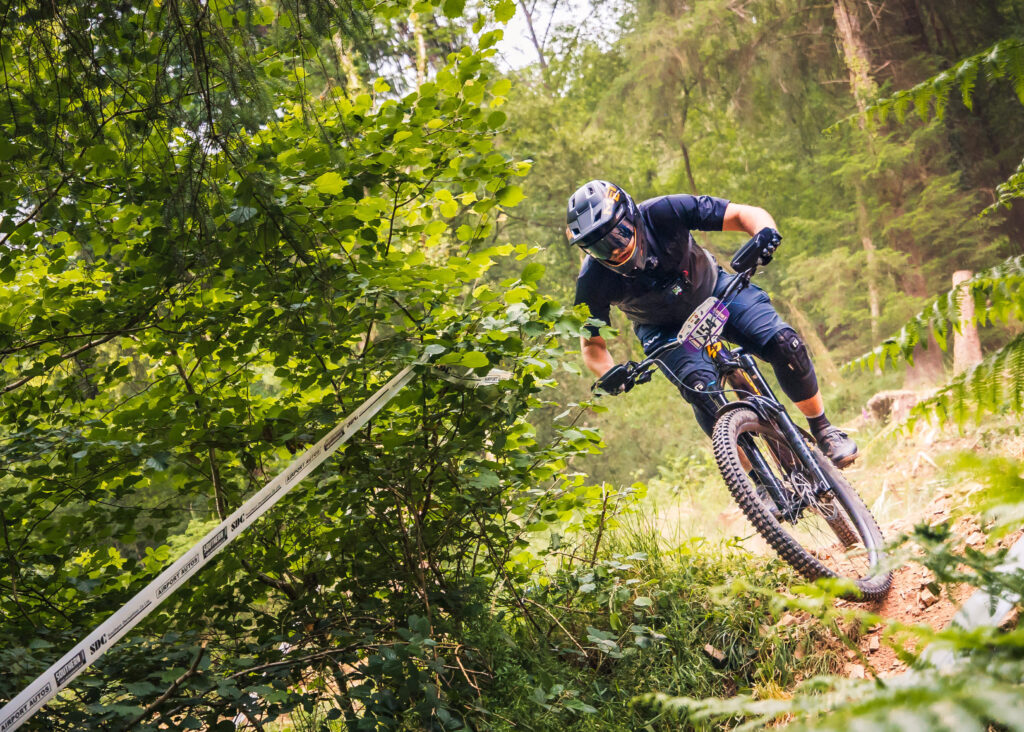
It’s very unlikely that a practice session will give you enough time to learn the tracks properly, so take it easy and ride at a comfortable pace. Doing so isn’t only in the interest of self-preservation but also to help you find interesting features that you might worry about and sneaky lines that can give you an edge during your race runs.
If you want to dial your practice effectiveness up a notch, bring an action camera to record your runs. Filming your practices will give you something to watch during your post-practice, pre-race downtime, and help you memorise the trails before you hit them at full gas.
Once practice is wrapped up, you’ll likely have a bit of time to kill before your race starts. During this time, refuel, get lunch, and relax until your start time. When it’s time, roll up to the start line at the event village and wait to be called off.
Race time!
Enduro racing is called enduro for a reason. It’s about endurance and having the energy to ride quickly and confidently over multiple stages. With that in mind, don’t ride each stage at 100% effort; otherwise, you’ll quickly burn out and lack the gusto needed for the rest of the day.
I’m not saying ride slowly, but ride knowing that you’ll need to maintain a high level of effort over multiple stages. Heart rate monitors can help with this, but it’s not easy to watch a cycling computer as you attack a track. At the grass roots level, at least, it’s more about feel, so use some regular weekend rides to practice and learn how you feel when riding at 100%, 80% and so on. Use that knowledge and apply it where you believe it is best.
Energy is like a fuel tank; use it all in one go, and you’ll have nothing left towards the end of the race. Use that fuel wisely, and you’ll be able to race effectively throughout the day, and with enduro, consistency is key.
You might also like:
- “The decision not to offer me a rerun wasn’t what I was expecting”: Harriet Harnden on switching from enduro to DH, THAT incident in Poland, and aiming for a first World Cup Win
- How to race an electric mountain bike – Five top e-MTB racing tips from Tracy Moseley
- The daily driver of the UK’s most excited DH World Cup rider – we speak to Phoebe Gale about her Orbea Rallon







Comments are closed.