


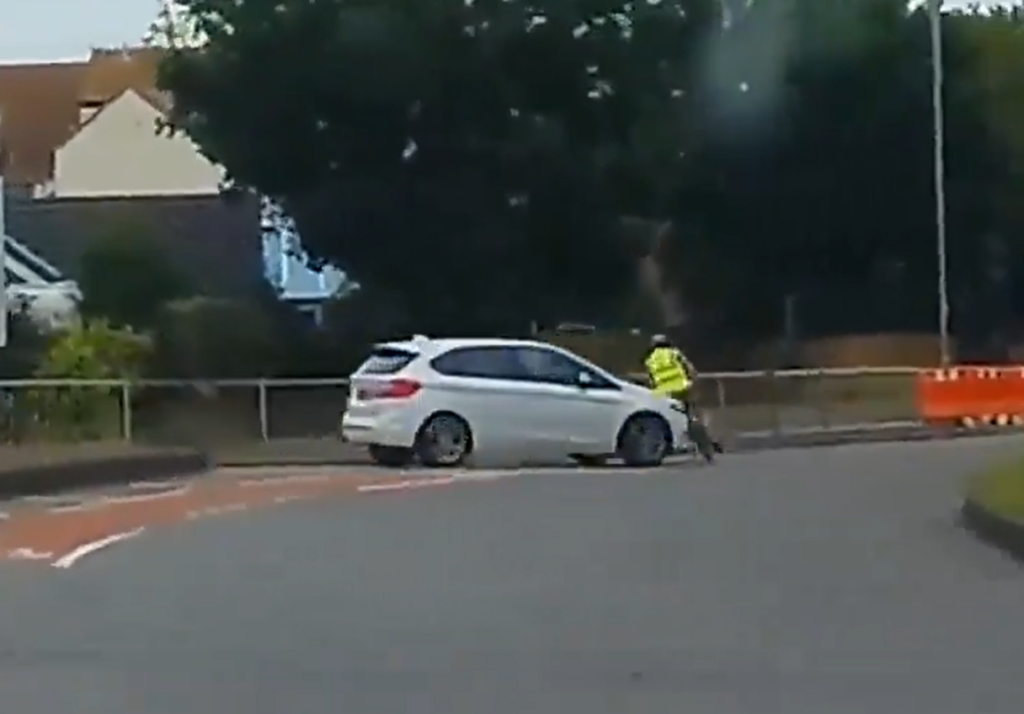

Yet another example of why hi-vis clothing may not be a panacea for cyclists’ road safety, after all
#BadDrivingTV #Driver plays snooker with Hi Viz #cyclist waiting at the lights with clear blue skies.#RoadSafety pic.twitter.com/Ie7WYv5f0U
— Hard Cheese! (@SonOfTheWinds) January 29, 2024
Cue the obligatory ‘but, but cyclists’ comments…
Bring me my arrows of desire, being me my spear (but just not next to the cycle lane, okay?)
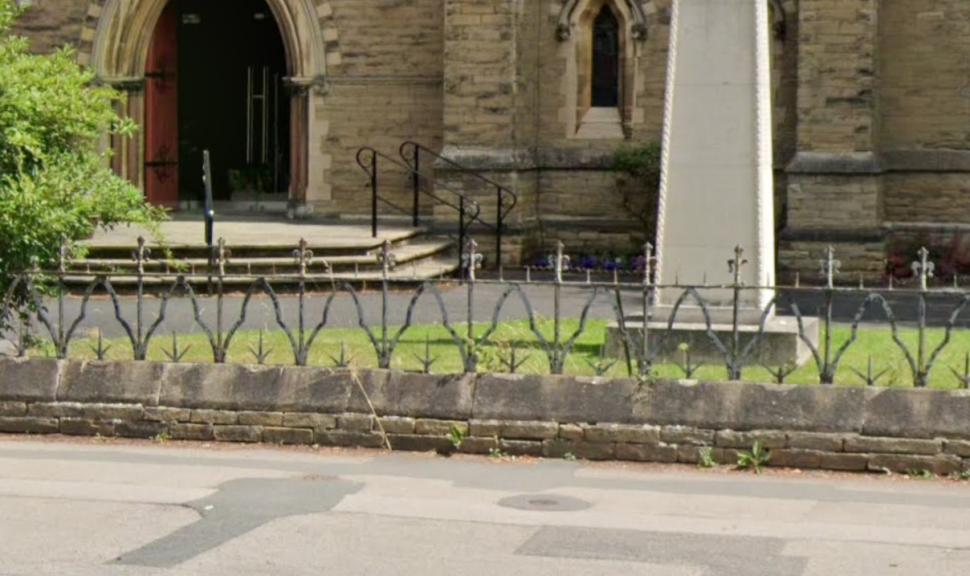
> Church considers safety works amid concerns cyclists could be impaled on railing spikes next to cycle path
“If you have a bike, you can ride a time trial!” Road bike participation in time trials up 42 per cent, after TT governing body introduced new category last year
Cycling Time Trials’ decision to introduce a separate category for standard road bikes at all of its events last year appears to have paid dividends, as the governing body announced this week that road bike participation in TTs has risen by more than half, proving – according to CTT’s chairperson – that “if you have a bike, you can ride a time trial”.
Last April, in a bid to encourage more people to race solo against the clock, the governing body for time trials in England, Wales, and Scotland created a distinct road bike category, which meant riders without the fancy tech and aero bars could simply click the road bike option when entering a CTT-sanctioned event, with post-ride results listed and scored separately from those on TT bikes.
And according to CTT, which today announced its dates and courses for the 2024 season, the move has worked a treat, boosting road bike numbers by 42 per cent, with 83 per cent of the time trialling newbies trying out British cycling’s holiest of disciplines for the first time last year doing so on dropped bars.
“While I’m excited to see how the elite riders perform in this superb 2024 calendar, I’m also proud that time trialling is once again becoming a sport for everyone,” CTT’s chair Andrea Parish said today.
“Our data shows that road bike participation is up 42 per cent compared with last year and that 83 per cent of riders new to time trialling entered the road bike category exclusively.
“For me it’s essential that our sport doesn’t put up barriers. If you have a bike, you can ride a time trial!”
Young Dutch sprinter Casper van Auden pips Dylan Groenewegen and Tim Merlier on first stage of the AlUla Tour
Late January and early February mean only one thing in the cycling world – lunchtime sprint finishes!
And after a few weeks battling sleep to catch even a glimpse of the racing down under, must-watch-live viewers will be pleased to learn that the peloton has migrated to the Middle East, for some much more civilised stage finish times (apologies, Aussie cycling fans, I appreciate you have to put up with it all year round).
👀🏁 ¡𝗘𝗹 𝗻𝗲𝗲𝗿𝗹𝗮𝗻𝗱𝗲́𝘀 𝗖𝗮𝘀𝗽𝗲𝗿 𝘃𝗮𝗻 𝗨𝗱𝗲𝗻 𝘀𝗲 𝗲𝘀𝘁𝗿𝗲𝗻𝗮 𝗰𝗼𝗻 𝘀𝘂 𝗽𝗿𝗶𝗺𝗲𝗿𝗮 𝘃𝗶𝗰𝘁𝗼𝗿𝗶𝗮 𝗽𝗿𝗼𝗳𝗲𝘀𝗶𝗼𝗻𝗮𝗹!
Ajustadísimo esprint para llevarse la 1ª etapa del AlUla Tour ante Groenewegen.#AlUlaTour pic.twitter.com/TO6CxPBJpv
— Eurosport.es (@Eurosport_ES) January 30, 2024
On today’s opening stage of the five-day race formerly known as the Saudi Tour, DSM-Firmenich PostNL’s promising young Dutch sprinter Casper van Auden surprised the big guns, as the 22-year-old launched early and held off the vastly more experienced Dylan Groenewegen and Tim Merlier for arguably the biggest win of his career.
Van Auden has shown his promise in fast finishes before, of course, taking wins at the Tour de Normandie, and coming close at both the Tour of Britain and Milano-Torino last year, but he’s certainly started his 2024 season with one or two prestigious scalps on the first day of the AlUla Tour.
Take a note of the name.
MPs call for urgent changes for victims of road violence
MPs from across parliament came together today to call for urgent changes for the victims of road violence, telling a Westminster Hall debate about harrowing cases of road violence from across the United Kingdom and urging action such as compulsory re-testing for disqualified driving, ensuring that exceptional hardship truly is exceptional, thorough investigation of major collisions, escalating penalties for repeat offences, and more.

Read more: > MPs call for urgent changes for victims of road violence
Now can we start calling it the sixth monument? 2024 Strade Bianche set to feature more kilometres and more gravel sectors
Strade Bianche’s long-held claim to be professional cycling’s sixth monument kicked up a gear today in Siena, where the race organisers revealed that this year’s edition of the Tuscan classic is set to feature more kilometres and more white gravel roads than ever before.
The men’s race, won last year by Tom Pidcock, is set to be extended by over 30km, rising from an 184km-long test with 11 gravel sectors to a 215km one with a whopping 15 sections of gruelling, ever-changing white roads.
The increased distance of the men’s Strade Bianche has now brought it considerably closer, in terms of length at least, to cycling’s five most prestigious one-day classics, which tend to range between 240km and 260km (the shortest of the monuments, Il Lombardia, clocked in at 238km last autumn).
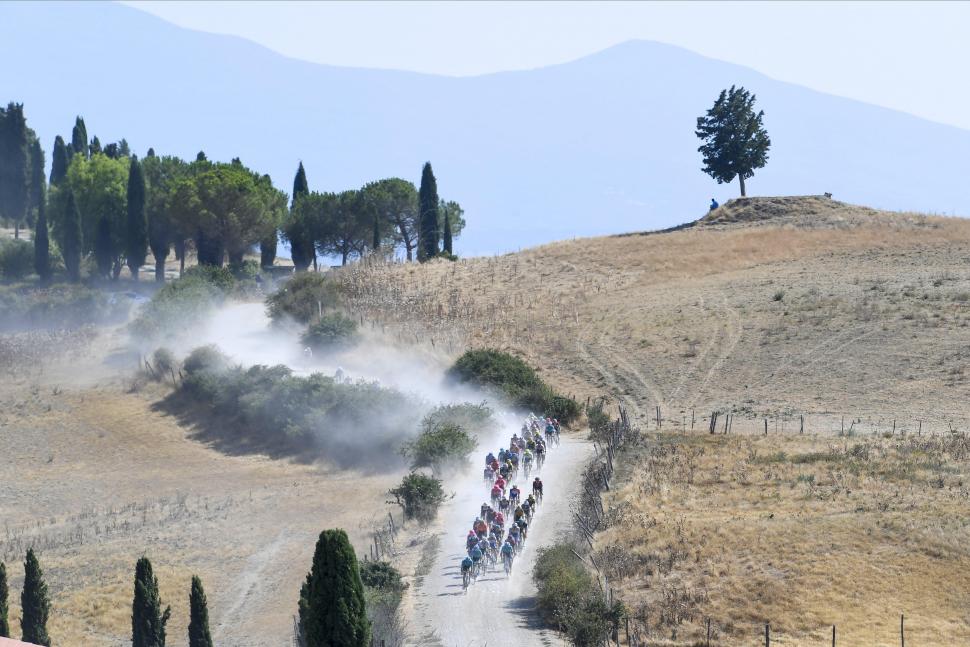
(SWPix/Cor Vos)
Of course, Strade Bianche has long been touted as the number one contender to the ‘sixth monument’ crown, with only its shorter distance – equating, roughly, to two hours of racing – holding it back in terms of prestige. This year’s revamped route should go some way to closing the gulf to the big five, and amplifying the by-now annual clamour for it to be given a title that, in reality, holds little significance except in the minds of cycling obsessives.
Meanwhile, the women’s race – won in epic fashion in Siena by Demi Vollering over her SD Worx teammate Lotte Kopecky – will increase by one solitary kilometre to 137km, but also feature four more gravel sectors, bringing the total to 12.
Both races’ additional gravel kilometres stem from the inclusion of an extra lap before the run-in to Siena and its mythical final climb, with the often decisive climbs of Colle Pinzuto and Le Tolfe now set to be tackled twice.
Campagnolo makes Bora Ultra WTO and Bora WTO road wheelsets “lighter” and “more aerodynamic”
Campagnolo has revamped its Bora wheelset range, updating both the Ultra WTO and WTO road bike wheels. The iconic Italian brand claims that they are lighter and more aerodynamic than their predecessors and like many modern wheels now feature a wider internal rim width. However, one thing that hasn’t benefited from some weight reduction is the price tag – prices for the range start at a rather hefty £2,200 a pair. Ouch.

Read more: > Campagnolo makes Bora Ultra WTO and Bora WTO road wheelsets “lighter” and “more aerodynamic”
Speaking of the joys of time trialling…
I think it’s fair to say young Ferney Molina left everything on the road on the way to coming fifth at the U23 Colombian national time trial championships:
Uma cena marcante do Nacional Colombiano foi esta com Ferney Molina na Crono Sub23. Deu tudo e muito mais. Ele ficou em quinto. #NacionalesRuta2024 🎥 IG @mundociclismo pic.twitter.com/9zwHRsrBrB
— BikeBlz (@BikeBlz) January 29, 2024
Go get that lad a McDonald’s!
Got a rat problem? Blame the cycle lane
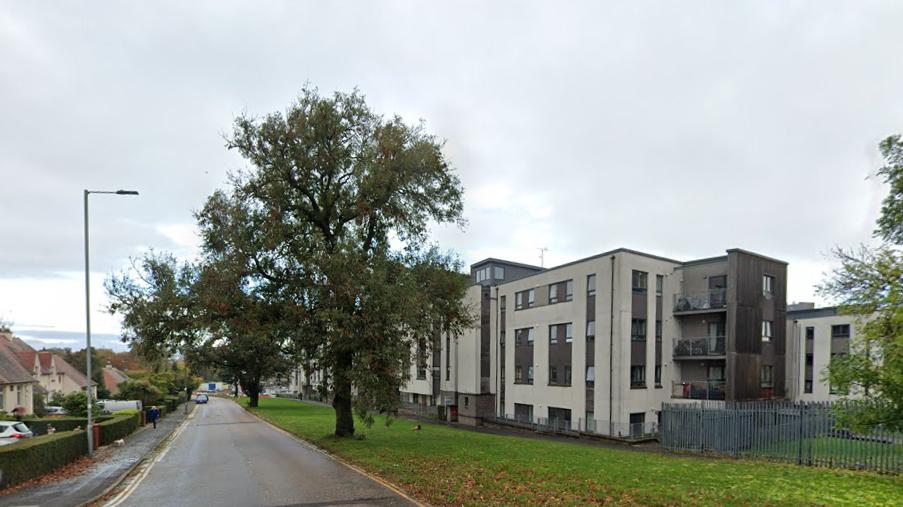
> “It’s absolutely ridiculous”: Residents blame cycle path works as flat complex infested with rats because bin lorries could not collect rubbish for three months
“My fork-lift licence required a refresh every three years or I could not do my job. My driving licence does not”: road.cc reader on the public’s (lack of) awareness of the Highway Code changes
Following Eamonn Holmes’ confession this morning that the Highway Code changes passed him by, along with the GB News presenter’s rather surprising suggestion that motorists should be subject to occasional retests, a road.cc reader (and relative newcomer to cycling) got in touch to share their views on how we can ensure that all drivers are made aware of any future changes to the Highway Code:
I read with interest an article on your site about the lack of awareness about the recent (ok, well not so recent, but also not well advertised and definitely not well adopted) changes to the Highway Code that were published two years ago, that focused on changes to make our roads safer for the most vulnerable users.
I am a newish cycler and long-time car driver in my 50s, and while I do see plenty of instances of good road safety by (the majority) of drivers while out on my bike, I also see far too much dangerous behaviour, especially by older (middle age) drivers in so called SUV and high powered vehicles and ‘professional’ drivers whose road space entitlement seriously outweighs the narrowness of their safety margins for the pedestrians and cyclists that share their (I deliberately put ‘their’ instead of ‘our’) roads with them.
I have been driving for 30 years and not once have I been required to take a licence refresher or been tested on ANY of my knowledge of the Highway Code since I passed my test. Surely there must be drivers with 40 or 50 year gaps between passing their test and yet there is still no further requirement to demonstrate how changes to safety on ever more congested roads applies to them.
My fork lift licence required a refresh every 3 years or I could not do my job. My driving licence does not.
Recently I had to update my driving licence because it was nearly 10 years old. Surely, as a condition of a new licence being issued, can’t the Minister in charge of transport add a simple on-line test to the application process, where a driver MUST be made aware of AND demonstrate knowledge of any new changes to the Highway Code?
As well as highlighting the new safety directives, it will make prosecution of bad drivers easier when drivers fail to put the new rules into action if they have to show they know the rules.
This way, eventually ALL drivers will be compelled to be aware of existing and future changes to the Highway Code, at not much cost to the Government, and we all benefit.
I do believe that as a car driver and as a cyclist that I am much more aware of the dangers that I encounter as a cyclist, that I was pretty complacent about when I was only driving.
The greatest bike chase scene of all time?
This week 20 years ago, Garth Marenghi’s Darkplace premiered on Channel 4 (well, if you don’t count its original 1980s release in Peru that is).
So, what better way to celebrate such a landmark moment in British televisual culture than by enjoying perhaps the greatest cycling-themed chase scene in history?
And let’s all enjoy, again, the greatest chase ever committed to film. pic.twitter.com/pjGxVXwtUz
— Nick de Semlyen (@NickdeSemlyen) January 29, 2024
Have a good evening, folks!
Highway Code changes “passed me by”, says Eamonn Holmes – as GB News presenter calls for “regular” retests in shockingly balanced debate
Alright, don’t panic, but I think there’s been a glitch in the matrix somewhere near the GB News studios…
Because, after yesterday’s “concerning” report that more than half of motorists surveyed by the RAC are still unsure whether the Highway Code changes have made the roads safer for vulnerable road users, two years on from their implementation, this morning GB News decided to hold a debate on the changes and their effect on cyclists – and, rather shockingly, it was a pretty balanced affair.
At the start of the segment, which in classic GB News style pitted cycling instructor and director of FlightFreeUK Anna Hughes and motorising journalist Danny Kelly against each other, presenter Eamonn Holmes (who has firmly enhanced his controversialist credentials in recent years) chose to flip things completely on their head by asserting that “I think the Highway Code is a good thing”.
“I just don’t think any of us pay any attention to it,” Ruth’s husband continued. “We should all be tested on it quite regularly, we should have revision courses.”
I have to admit, Eamonn Holmes calling for Highway Code revision courses – and, even, later in the segment bringing up the possibility of mandatory driving retests – wasn’t on my January 2024 bingo card.
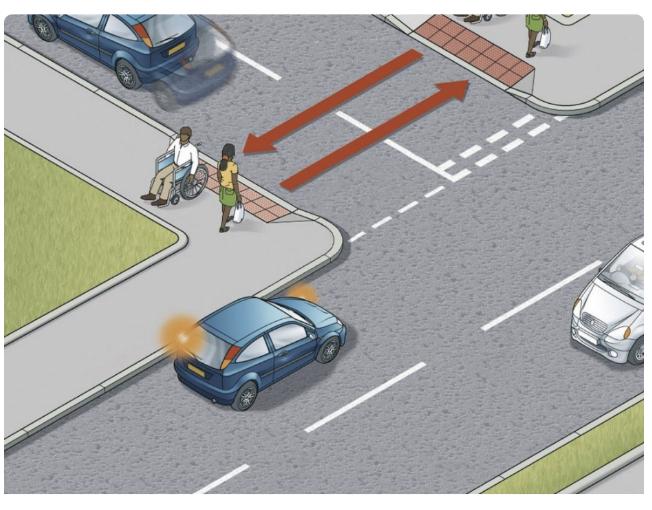
Even Danny Kelly admitted that he hasn’t adhered to the new guidelines on giving way to vulnerable road users on side roads – a problem shared by 25 per cent of drivers, according to the RAC’s survey – and said the Highway Code changes should have been publicised more widely through a leafleting campaign sent to all UK driving licence holders.
And, by the end, the presenters were highlighting the dangers posed on the roads to cyclists, Hughes and Kelly were agreeing that the ‘war’ on motorists was preposterous, and they all concurred that cycling, you know, wasn’t all bad.
I bet Darren Grimes is fuming…
“Symbol of road space wasted by cyclists” or a demonstration of “how much space a commuter actually needs”? Cyclists praise Deputy Lord Mayor for parking bike in designated ‘car’ space – but critics say it’s “celebrating wasted space”
So, what happens when you’re a cyclist, who rides their bike into work every day, and suddenly – just because you’re now the city’s Deputy Lord Mayor – the powers that be decide to bestow upon you a somewhat unnecessarily large parking space?
You just park your bike in it, don’t you?
Well, that’s exactly what Colette Finn, a Green Party councillor and the current Deputy Lord Mayor of Cork, has chosen to do, as evidenced by this rather striking image – posted on Twitter by fellow Green councillor Dan Boyle – neatly depicting the vast chasm in space routinely provided for some commuters over others.
Love this. Deputy Lord Mayor, Cllr. Colette Finn claiming the parking space in the City Hall ‘car’ Park for her bike. pic.twitter.com/YfL685Fff4
— Cllr. Dan Boyle (@sendboyle) January 29, 2024
While several cyclists praised Finn’s decision to park her bike in her designated Deputy Lord Mayor’s spot, with different variations on “Love it” peppering the replies, the image did however strike up a rather heated debate (it is social media after all) on the use of so-called ‘car’ parking spaces for bikes – and whether designated parking spaces for officials should even still be the norm if we want to encourage active travel.
“Celebrating wasted space. Hilarious,” said Aodhán, while Orchard Man also described Finn’s bike parking as a “symbol of ‘road’ space wasted by cyclists”.
“If the space isn’t needed for cars, put in a bike rack,” he continued.
“Selfish though. Bet that same person will whine about a car taking up space on a cycle path,” added Nick, as if those two examples are directly comparable.
Meanwhile, Colum wrote: “I suppose it’s political humour but it’s wasteful. She could have requested removal of the sign.”
Others, naturally, were baffled by the backlash to a cyclist parking their bike in a reserved space for an elected official in an underground car park…
“People saying it’s a waste of space but no one can park in it but her so who cares if her bike is in it. That’s fine!” said greekman.
Claiming car park spaces is very important pic.twitter.com/HpFJQ1JoJ9
— Cycling In Kilkenny 🚲 (@CyclingInKK) January 29, 2024
Meanwhile, when it comes to the issue of ‘wasted space’, some cyclists noted that another culprit could perhaps be responsible for taking up too much unnecessary room.
“I know, crazy how many bikes you can fit in the space of a car, isn’t it?” wrote Tim. “Crazy waste of space, five empty seats and two tonnes of metal just to move somebody around when clearly this is all most of us need.”
“This makes you think how much space a commuter actually needs if we would be more conscious,” said the Cork Cycling Campaign.
Con, however, noted that the very concept of ‘privileged’ car parking was detrimental to the cause of active travel.
“As long as we dole out privileged parking places to an entitled few, we are never gonna see progress on the use of public transport or alternative transportation like cycling,” he said.
“The few isn’t the issue, it’s a wider issue with council and civil service staff too,” added Cycling in Kilkenny. “How much will an entire council staff care about public transport if they get free parking?”
Cycle lane + hi-vis = Driver ploughing into cyclist on roundabout (and motorists blaming the cyclist on social media)
Here at the road.cc HQ, by now you would think we’d be used to the extreme lengths motorists on social media will go to defend their fellow drivers and pin the blame for any and all road collisions on cyclists.
Last month on the live blog we covered the head scratching reaction to footage released by West Midlands Police, which showed the moment a 71-year-old cyclist was left with a bleed on the brain, a broken shoulder, and a broken ankle after a driver ignored give way markings and ploughed on into her.
Despite the motorist being jailed for 12 months after pleading guilty to causing serious injury by careless driving, anti-cycling Twitter on the other hand was convinced that it was the cyclist who was “irresponsible” and “shouldn’t have been going that fast”, and that they were “probably breaking the speed limit but clearly not proceeding towards a major crossing with caution”.
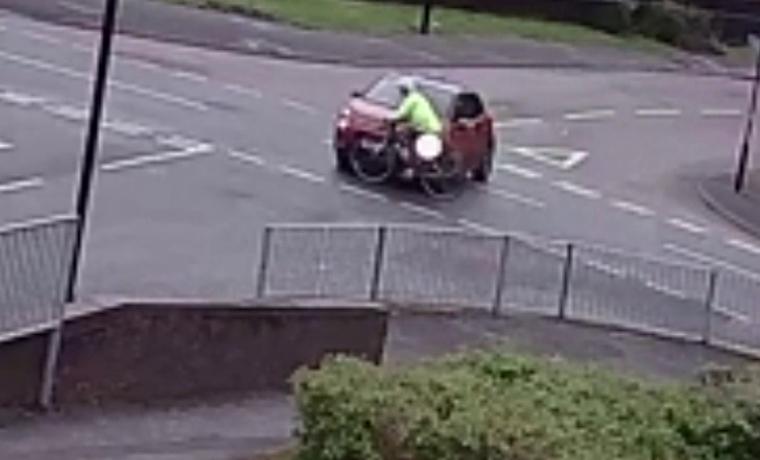
Last February, drivers on social media reacted to the infamous crash on a Sheffield roundabout which left broadcaster and bike helmet advocate Dan Walker feeling “glad to be alive” by accusing the Channel 5 presenter of “putting himself in danger” by “ignoring” a nearby cycle lane – described by local cyclists as “filled with broken glass”.
And over the past weekend, a clip of a Belfast driver pulling across three lanes of rush hour traffic, hitting a cyclist in the process, even led some buck eejits on social media to boldly pronounce that the female commuter had deliberately pulled into the path of the motorist to cause the crash. As you do.
So, it’s safe to say that it takes a lot to shock us when it comes to the ever-expanding genre of anti-cycling, pro-terrible driving social media excuses.
But the baffling response to this latest clip – posted yesterday by the Warwickshire Cyclist account – even managed to raise a few eyebrows in the road.cc offices.
“Cyclists should wear Hi-Viz to be visible to drivers.”
Evidence to Support.
Number 1 pic.twitter.com/6gMzfFk9Nk
— Warwickshire Cyclist (@WarksCyclist) January 29, 2024
For a start, let’s check to see if the cyclist was abiding by the holy ‘Fuming Motorist’s Arbitrary Code of Conduct for People on Bikes’.
Were they wearing hi-vis? Yes, indeed. A helmet? Check. Riding in the cycle lane? Yep.
But despite the cyclist abiding by these fundamental road safety commandments (at least in the eyes of victim blamers and more than a few police forces), the oblivious motorist still managed to pull out onto the roundabout and clip them.
And the response on the social media platform formerly known as Twitter? Just as you’d expect, of course.
“Cyclists fault he should of been peddling faster,” said the grammatically-challenged Danny, whose understanding of road safety is right up there with his spelling and punctuation (what, too harsh?).
“I’m a cyclist… but he’s at fault here,” added FSD Bera Test Pilot, helpfully fulfilling our quota of ‘I’m a cyclist but…’ comments.
“Why was Paul the Peddler in the middle of a road for cars?” asked Andrew, failing to notice the red bike lane on the roundabout.
“Terrible cycling,” wrote Jean. “Never hug the edge in a roundabout. I believe the cyclist was in the driver’s blind spot. He didn’t yield properly, but it doesn’t help the cyclist…”
“He was riding in the red marked Cycle Lane FFS,” replied an understandably exasperated Warwickshire Cyclist, who later posted their own recommended alternative to hi-vis clothing, which they reckon would easily grab a careless driver’s attention:
Forget Hi-Viz……We need to dress like this to e seen by drivers….. pic.twitter.com/JBIYHuEHpX
— Warwickshire Cyclist (@WarksCyclist) January 29, 2024
I’ll just leave that there…












83 thoughts on “Cycle lane + hi-vis = Driver ploughing into cyclist on roundabout (+ more social media victim blaming); Cyclists praise Deputy Lord Mayor for parking bike in ‘car’ space – but critics slam “wasted space”; Highway Code on GB News + more on the live blog”
It’s also known as Vine’s law
It’s also known as Vine’s law – “In any situation involving a cyclist and a driver, someone on the internet will blame it entirely on the cyclist, irrespective of the actual details.”
https://youtu.be/IGQmdoK_ZfY
https://youtu.be/IGQmdoK_ZfY?si=4CwV0Msu3UAyG8AM
when lloking for cars you see only cars…..
(im relatted 2 Danny)
Warwickshire cyclist – those
Warwickshire cyclist – those cycle lanes around the edge of a roundabout are just dangerous and I’d never use them. Appalling infrastructure.
Roundabouts are not used well by driver on driver either
see dashcam uk best of 2023
https://www.youtube.com/watch?v=U0wadiKMIjM
They have those death strips
They have those death strips various places across Rugby too. Specifically, across the mouths of junctions onto busy roads. Perhaps it’s a Warwickshire thing.
It’s almost as if someone went out with the intention of increasing danger to cyclists.
Sending cyclists round the edge of a roundabout like this puts them at greatest risk of collisions like this. But ESPECIALLY if, as here, the ‘lane’ vanishes when jt reaches the actual junction onto the roundabout, meaning drivers have no prompt to actually check it there’s someone in that lane. So of course they only look at the motor vehicle lane, as the design has encouraged them to do.
Similarly, the ‘red death’ strips in Rugby typically only run along the mouth of junctions on busy roads that otherwise have no cycle lane, encouraging cyclists into the most dangerous place for them to be – maximum vulnerability to left hooks from drivers turning into the side road and maximum vulnerability to drivers pulling out – in the exact locations where majority of motor vehicle / cyclist collisions occur (i.e. junctions). Not only that, but they guarantee maximum rage from motorists at any cyclist who dares to position themselves more safely when passing those junctions. It’s literally hard to imagine a way to get worse outcomes than these ‘red death’ strips.
I hope that Warwickshire Council reviews and eliminates them all.
It is clear, both from their
It is clear, both from their behaviour and comments, that some people just do not understand that there are vehicles other than cars on the road. IMHO, this makes them incapable of driving safely, and they should have their licences removed until they can demonstrate that they comprehend that others are allowed to ride, walk, drive on our highways.
I hope that driver suffered that fate, and is no longer in charge of a lethal weapon.
That looks like it could be a
That looks like it could be a constant bearing, reducing distance issue. The cyclist could have been hidden behind the A pillar of the car until they were in front of the bonnet. A competent driver avoids this by slowing down as they approach a roundabout and moving their head to make sure they have properly sighted the road they are trying to enter. This driver clearly did neither.
A competent driver wobbles
A competent driver wobbles their head to see round their blindspots !
mattw wrote:
A competent driver is observant of what’s on the roundabout as they begin braking to approach it, when the entire junction is visible in their windscreen with no blind spots. If there is any doubt that something might be in their blind spot as they approach the give way line, they come to complete standstill before pulling out onto the roundabout.
It seems to be more and more
It seems to be more and more the default that drivers don’t stop at roundabouts or junctions – just keep going and do an emergency stop if there’s someone there.
Competent drivers are few and far between.
BigSigh wrote:
I aim to do something similar on my bike as it keeps the momentum, but of course it’d be me suffering if I mis-judge the situation.
BigSigh wrote:
That is the killer argument for approach roads orthogonal to roundabouts.
Proper geometries, dependent
Proper geometries, dependent on the traffic flows and desired speed limit indeed!
Unfortunately that likely puts many UK ones outside the limits considered safe for Dutch “cycle priority” roundabouts. Or even the rural “cycling doesn’t have priority” design (considered safest by a certain Mr. Hembrow).
https://www.aviewfromthecyclepath.com/2014/05/the-best-roundabout-design-for-cyclists.html
In fact the large, busy, often multi-lane UK ones would seem to require transformation into turbo-roundabouts because safer for motorists. That then *requires* grade-separation for walking and cycling.
The *best* thing of course would be a network-level redesign of our traffic networks instead of applying reactive “fixes”…
Actually – that’s a country-wide change of transport goals please! Hmm… maybe we should just stick to asking for some potholes filled?
A few roundabouts on dual
A few roundabouts on dual carriageway arterial roads near me have been fitted with metal fencing along the central reservation on approach which blocks your view of oncoming vehicles. Especially where the structure is not angular, but follows a curve where you could easily maintain all your speed and navigate the infrastructure without lifting or braking if unobstructed. So you have to slow to a crawl at minimum in order to navigate safely because you don’t know what’s coming until you’re almost at the give way line. It’s not perfect but navigating the roundabout to come off the main drag does feel a bit safer on both two and four wheels. Shame that kind of infra can’t be implemented on all roundabout designs.
Hmm… I’d say “no” on
EDIT – missed your “dual carriageway” bit.
Where cars only, slightly softer “not the best idea though” but only because likely no cyclists there.
Hmm… I’d say “no” on balance to these, especially where cyclists would be on the road or would interact with motorists at all.
Yes it can be effective as it’s leveraging “fear of the unknown” and self-interest. Overall though guiding behaviour on the roads using fear and uncertainty is going in the wrong direction – humans are far more likely to go wrong in that state.
Blocking vision *prevents* an important safety behaviour namely looking at what is coming up – so careful drivers – and myself on a bike – can’t do it either.
I sometimes have to navigate similar structures by bike and I dislike them! I don’t want to feel “what’s round that corner” more than i do. Being slowed on a bike makes things much less convenient than the same in a motor vehicle and if you’re in the path of traffic (on the road) can also make you feel more vulnerable. It’s much harder to get out of the way quickly if you need – unless you’re a track athlete…
Yet again by trial and error the Dutch have the answer. Do not build roundabouts with cycling interaction on roads where people (can) drive quickly or there is a large volume of traffic. Make small, tight roundabouts with single lanes and with roads joining at right angles. The carriageway should have “adverse camber” on the roundabout itself so you get immediate feedback to slow down. For busy roundabouts / high volumes separate vehicles from cycling completely and consider *preventing* motorists changing lanes on the roundabout at all.
The most spectacular bit of
The most spectacular bit of victim blaming I saw on the cyclist on a roundabout story was somebody explaining that they didn’t help themselves much because they didn’t have any lights on in broad daylight and that would’ve helped the motorist to see them and avoid them. They’ll just keep on piling on conditions until they find a way of making it the cyclist’s fault, expect in the not too distant future to hear “I am a cyclist myself, but you have to admit that as he wasn’t carrying an activated distress flare and playing a trombone he wasn’t really doing the best he could to avoid a collision…”
Rendel Harris wrote:
The latter would at least protect from the dreaded Lurgi though.
Ah, my old man used to have
Ah, my old man used to have the records of those shows when I was a kid, that was one of my favourites!
I’ve had similar myself.
I’ve had similar myself. Riding home from work, in broad daylight, on my 2 metre long bright green and yellow cargo bike, wearing a bright red jacket, someone pulled out from a side road right in front of me. I slammed on my brakes to avoid going into the side of them and gave them a “what the….” shout. As she drove away she shouted “where are your lights?”
In my case the driver pulled
In my case the driver pulled out of her drive and slammed on the brakes when belatedly spotting me, and then shouted “why aren’t you thanking me”.
Was your response “where are
Was your response “where are your eyes?”
Realistically cyclists should
Realistically cyclists should behave like cars when they first appeared. We should have at least 1, probably 2 people walking ahead of us waving flags to denote our coming.
The rantyhighwayman retweeted
The rantyhighwayman retweeted
“The driver is 100% at fault here, but this is a clear example of how badly designed infrastructure can significantly increase the risk of dangerous driving occurring. Any competent driver will look at the whole road, poor drivers don’t. Infrastructure needs to accommodate that.”
https://twitter.com/magnatom/status/1752271168889905660
I’d agree with that, I’ve
I’d agree with that, I’ve been nearly hit by cars so many times entering roundabouts like that I won’t ride those outer lines regardless of the infra in place.
Sharing this because (a) I’m
Sharing this because (a) I’m sure lots of us have al fresco wees when riding through the countryside and (b) it may be a unique case of Freeman’s views getting majority support on here – https://www.theguardian.com/uk-news/2024/jan/29/english-council-littering-fines-peeing-in-countryside-dacorum-hertfordshire
Steve K wrote:
needs to be contested in court, weeing in the wild on permeable surfaces cannot possibly be littering. Are the council going to require that dog owners take liquids as well as solids home?
If it is the case that urinating in the countryside is not allowed, then surely there is a requirement on councils to provide facilities, because “just hold it until you reach a town” is not viable. Further the policy of the majority of local councils to lock public conveniences at 16:00 -17:00 needs to be reassessed as a de facto curfew.
My rules for rural bladder emptying 1) not in view of a residence or normally occupied building (shop/office/warehouse), 2) not on an impermeable surface 3) not in a settlement of any kind. 4) preferably not in view of a road
wycombewheeler wrote:
Also, there’s plenty of people that suffer from bladder issues or even just old age that can struggle to find appropriate facilities in time. To my mind, free toilets and free drinking water (both 24h) should be a minimum of civilisation.
hawkinspeter wrote:
One of the people who are mentioned in the Grauniad story did suffer from bladder issues.
brooksby wrote:
In my defence, I hadn’t read the Gurandia story
You’re absolutely right on
You’re absolutely right on the free toilet issue. I live in Australia, the land of the free public loo, but I visit the UK fairly often and if there’s one thing that really annoys me to the point of incandescant rage, it’s having to pay to pee. (What’s even worse is the lack of consistency in prices.) There are some services that local authorities should expect to provide without charge to the user in the interests of good hygiene, if nothing else. Free potable water is also a reasonable expectation.
I think he’s wrong, legally
I think he’s wrong, legally speaking anyway, wild peeing as it’s called, is a criminal offence under the public order act, so it’s irrelevant if its littering or not.
stonojnr wrote:
this is a possibility, but if the act is carried out in a discreet way I do not believe it is a public order offence.
if you start waving your bits around, then it probably will be.
wycombewheeler wrote:
However, waving your bits around, as long as it’s not in a sexual manner or to cause offence (i.e. public nudity) is not illegal.
Wasn’t he the other side of a
Wasn’t he the other side of a tree from the road?
Perhaps it was a very heavy tree, that bent light so the voyeur-official could watch.
Waving your bits around may be punished more heavily in Scotland.
mattw wrote:
I thought that traditional wearing of Scottish kilts encouraged the waving around of bits
Keep it under your sporran!
Keep it under your sporran!
chrisonabike wrote:
I thought that was for storing your porridge?
hawkinspeter wrote:
I thought that was for storing your porridge?— chrisonabike
Yes, but the weight can also keep your spurtle under control.
chrisonabike wrote:
I thought that was for storing your porridge?
— hawkinspeter Yes, but the weight can also keep your spurtle under control.— chrisonabike
Isn’t that a Pokemon?
It’s just my spurtle! I’m
It’s just my spurtle! I’m not thinking of having a poke,mon!
stonojnr wrote:
It’s not “irrelevant” – if you are fined for a specific offence, it is certainly relevant whether or not you have committed that offence.
As for the Public Order Act (which one?), feel free to elaborate under exactly which Section you think wild peeing would be an offence.
what am I a search engine ?
what am I a search engine ? its section 5 of Public Order Act 1986, falls under penalty notices for disorder.
and thats ignoring most councils will also have a byelaw against it too.
so yes its irrelevant to debate whether it falls under littering or not, because theres plenty of other stuff that does cover it
stonojnr wrote:
Nor am I, but if you make claims it’s your responsibility to back them up.
It is my claim the section 5 would only apply if you urinate on someone or urinate with the intent of causing offence. Not if you’re trying to be modest a sneak a wee behind a tree
quite,
quite,
so if you walk down a public street urinating in full view of everyone, it would be a public order offence, but peeing behind a hedge, could not possibly constitute “harrassment, alarm or distress”
And if the council are prosecuting people for “littering” for peeing in rural laybys, then are they also prosecuting dog owners when they pee on signposts or street lights, both of which can be damaged by the act.
The courts would grind to a halt.
Fair enough,then you won’t
Fair enough,then you won’t mind me asking you to cite an example where that has happened then
stonojnr wrote:
bylaws normally applicable to parks and towncentres, not the entire countryside.
I think it’s very relevant whetehr it constitutes littering if that’s what the fine has been handed out for.
Depends on the council and
Depends on the council and how big a problem it is, I know around some racecourses councils have implemented them because its become a localised issue.
And I think Marsden in Yorkshire, which is just a village really, but part of Kirklees metro area which must be half a million populace, were looking to introduce it to stop some of the more badly behaved rail ale trailers who visit.
It could potentially be
It could potentially be criminalised via a PSPO, but I don’t know if that was the case here.
Hemel Hempstead PSPO bans defecating, urinating, spitting and … cycling in town centre
https://road.cc/content/news/266092-hemel-hempstead-pspo-bans-defecating-urinating-spitting-and-cycling-town-centre
…”oblivious motorist still
…”oblivious motorist still managed to pull out onto the roundabout and clip them….”
I used to post suggesting road.cc stop using “punishment pass” and use “punishment pass AKA cowards pass” anyway what is being “clipped” ? It’s a collision…driver steering a lump of metal into road user who has no protection…it’s not being “clipped”
There is hope !!!
There is hope !!!
I’m winning the “separated / protected” vs “segregated” war.
Eamon Holmes said it, Highway
Eamon Holmes said it, Highway Code revision courses should be done any time a photocard licence expires (eithwer photo renewal, information changes, end of a ban etc)
Honestly, its not the lack of
Honestly, its not the lack of understanding of highway code changes that is the issue, its the general standards of driving. There has never been a point where its okay to pull across a cyclist forcing them to either crash into you or slam on their brakes. There has never been a time when overtaking at speed 20cm from my bars has been OK.
Fundamentally, every sensible cyclists on the road rides to the reality of cycling, not the highway code. I don’t undertake cars when passing a side road in case they just turn into me. I don’t care that I have priority, I don’t want to be injured or killed.
General standards of driving and attention need to improve massively and that could be achieved with a retest every 5 years and far more strict punishment for dangerous driving. Get caught intentionally putting other road users in danger? There goes your licence for at least 6 months. Get caught unintentionally driving poorly twice in a year? There goes your licence.
Generally, standards of
Generally, standards of driving and lack of undersatnding HC changes go hand in hand.
There are a minority of idiots who deliberately ignore everything they should do due to an entitled attitude. Most other drivers (any trust me, nearly every single driver makes at least one questionable decision on a semi-regular basis, even the careful ones) become complacent because they are not challenged to prove their competency. If you are regularly challenged (ie by taking a revision course on HC changes) then you will keep your standards higher for fear of being deemed incompetent.
The Government did not help by not making a song and dance about what were the biggest revisions to the HC seen in a long time, and certainly much bigger than any other in the time I have been driving. A proper PR campaign would have made a huge difference in people knowing of their existence and understanding what they mean. More drivers would follow the new rules and it would be easier to discern deliberately dangerous drivers from the rest of the motoring demographic, as the probability of carelessness from other drivers becomes greatly reduced.
Awful to see and, sadly, an
Awful to see and, sadly, an all too common occurrence based on how many people bring bikes to me after similar collisions.
Apart from best wishes to the rider I’d just like to raise my concern with Ryan’s article with regard to the description of the driver having pulled onto the roundabout and “clipped” the cyclist.
The reason I say this is that I’m certain that it didn’t feel like a clip – and because without fail drivers who have admitted liability in collisions with my customers, but are trying to belatedly make their excuses, all have used the term “clipped” to describe the impact of their vehicle on a vulnerable road user.
I know for sure the victims used words such as “hit” or “struck” – because that’s what it felt like, and that’s what it was.
No one here wants to make excuses for the driver, but it’s very easy to inadvertently do so by using words that are designed to soften the language used to describe a frightening, violent, and potentially lethal, impact caused by another person’s negligence or aggression at the wheel.of their vehicle.
Agreed. A “clip” might mean
Agreed. A “clip” might mean at worst a slightly bent wheel and almost always scuffs from tarmac contact, but the bike is otherwise completely sound. And unless the rider is extremely unlucky will most likely escape with minor injuries.
A proper impact will almost definitely have consequences for componentry and the rider is much more likely to suffer more serious injury.
Agree. Similar incident.
Agree. Similar incident. Woman in a car hit me – yes hit as in broke my left leg and sent me flying across the roundabout to gather a load of road rash. She admitted it in front of witnesses luckily because she later told her insuance company I just fell off. But it was definitely ‘hit’ because it bloody hurt and took six-odd weeks of recovery.
100% agree.
100% agree.
As always, language matters.
http://rc-rg.com
Regarding the Deputy Lord
Regarding the Deputy Lord Mayor of Cork –
Who is (legally) going to take the space from
himher, just becausehisher car isn’t in it?The space is noted as reserved specifically for the Deputy Mayor and therefore if (s)he rides his bike into office instead of driving
hisher car, (s)he can usehisher space entirely how (s)he likes. It’s not a space anyone else can use so how is it wasted? If it’s wasted for a bike it’s wasted for a car as a reserved spot.*corrections. I did not read the article past the first line and missed the DM was female.
Exactly. She could use it
Exactly. She could use it for storage or her pogo stick, or an old sofa, or anything else she wants. It’s a perk of the job.
brooksby wrote:
A park of the job, surely?
Alternatively – if the Deputy
Alternatively – if the Deputy Lord Mayor drives to work in a car appropriate to their exalted status – which then completely filled or even slightly overflowed the space – would their be outcry? Or would it be “we need to repaint the lines, the spaces aren’t big enough”?
As others have said perhaps it’s time we started rethinking the idea of having reserved parking spaces (or workplace provision of same) at all? Maybe our more enlightened representatives (and / or those we aspire to) could even lead from the front by setting an example! (As the Deputy Lord Mayor is apparently doing…)
Still hard to imagine much of that in the UK though where driving is the unexamined default, normal, “practical” choice. And where it still is so linked with our social status / is seen as an essential tool to access social functions / demonstrates our responsibility and ultimately social worth.
chrisonabike wrote:
That would be a dangerous precedent considering many advocacy groups are claiming (with supported evidence) modern cars are unneccessarily getting wider and should be stopped – Making the spaces fit the cars instead of making the cars fit the spaces is the wrong way to go and would make the situation even worse.
Having reserved parking at all is a completely different debate, however abolishing them altogether is unlikely and also could be problematic (perhaps a debate for another time).
But unless you are explicitly advocating for abolishing reserved spaces as an argument this is a waste of space, the argument is moot.
Making such a seismic change requires both infrastructure and attitude changes which aren’t exactly going to happen overnight. But by getting small key areas right, where high car use is most damaging, you can show what is possible, and other regions may follow suit.
Both Manchester and London have greatly improved infrastructure and they have seen lower car use and traffic volumes where the schemes are safe and convenient. I am aware that not all infra amongst those schemes is actually fit for purpose but if there is high profile awareness of success then those areas will be brought up to standard sooner rather than later.
Obviously I agree, but while
Obviously I agree, but while I hope this happens I would raise a note of caution about the following (highlighted):
This is (ostensibly) what the UK has been doing for generations. (As David Hembrow wryly points out in this article.) Witness e.g. Cycling UK noting that a quarter century on from The National Cycling Strategy a government was launching what appeared to be a repeat of the same, asking the same questions as if they were new and appearing to set themselves up for the same fate. We had “Cycling Demonstration Towns” in 2005, extended in 2009 – and then Cycling England disappeared in 2011. Witness funding for active travel in England/Wales being cut (under cover of “we have allocated x millions …”) – the government itself acknowledges this. Scotland stalling on this despite setting a more sensible active travel funding stream (vastly greater than England and Wales). The Road Safety Investigation Branch failing to launch…
Yet we were building cycling infra separated from motor traffic in the 1930s. We’ve had things like modal filters, LTNs and bus stop bypasses for decades. Wander around most UK cities and you can find the relics of cycle infra of the last century.
More optimistically perhaps some local level changes in a few places will continue. As you say London and (perhaps) Manchester can show “real cities” (e.g. not like special cases – Cambridge etc.) can do this and the world doesn’t end – indeed everyone benefits.
If I were her I’d be getting
If I were her I’d be getting a ground anchor and a big chain and getting the works department to fit it, with permission of course. Peace of mind.
As a deputy Lord Major she
As a deputy Lord Major she probably only qualifies for a small chain…
(No subject)
Danny Kelly is a motoring
Danny Kelly is a motoring journalist? When did that happen? Mate of Danny Baker and formerly working for the NME and Q? That Danny Kelly?
Sorry, that was my only takeaway from that story.
Different Danny Kelly.
Different Danny Kelly. Thankfully.
Yes, not the former NME
Yes, not the former NME jornalist, Danny Kelly who called Rafa Benitez a nonce live on air, https://en.wikipedia.org/wiki/Danny_Kelly_(journalist) , but it’s former used car salesman and now “motoring journalist” and BBC WM presenter https://en.wikipedia.org/wiki/Danny_Kelly_(BBC_WM_presenter) . He is presumably GBeenies choice of a driving expert. He admits he had a knowledge of the highway code when he took his driving test, 25 years ago, but know has “probably forgot all about it”.
“I bet Darren Grimes is
“I bet Darren Grimes is fuming…”
So fuming, he will have had to whack off a swifty
Somebody needs to check the
Somebody needs to check the archives to see if GB News or Eamonn Holmes covered the HC changes when they came in, because its absolutely the thing they would have covered for confusing the poor hard working motorists.
that Eamonn has forgotten about it, says far more about people’s attitudes in general towards driving than it does about how much publicity the changes had.
Is the “reinvigorating” in
Is the “reinvigorating” in quotes ? because your impression is similar to mine that the road racing task force recommendations, are unlikely to reinvigorate a damn thing.
GB News seems to be having a
GB News seems to be having a good day today as they also had an interview with Sarah Hope about killer drivers getting lenient punishments.
Right wing top trumps innit?
Right wing top trumps innit? Softy Lefty Judges(TM) versus The War On The Motorist(TM)
A couple of years ago I won
A couple of years ago I won the prize of a close, reserved parking spot at work for a month. Not a lot of value to me as I cycle in more than 80% of the time, and on the few days I do drive, I park in the far corner of the parking lot to get some extra steps in.
Plus, the parking lot is less than half of my walking. It’s 250 m to my desk where I normally park, or 130 m from the reserved one. It mostly sat empty, but when I rode in on my one bike that had a kickstand, I parked it in the middle of the spot. It was about the same distance from the entry turnstile as the bike racks were.
I dont like main road
I dont like main road roundabouts particularly… particularly going across or right round them rather than turning left. I worry about the closing speeds of drivers joining the roundabout who are so busy looking right for vehicles that they don’t look straight on.
I generally ride central to my lane, to give me a chance of taking avoiding action if a driver doesn’t see me when they are joining.
Certainly a trip I did once along sections of the Swindon ring road… dual carriageways, HGVs and big old roundabouts was quite an adrenaline buzz!
Meanwhile in The Netherlands.
Meanwhile in The Netherlands…
Meanwhile in Swindon (I can see a cyclist creeping round the edge):
https://www.youtube.com/watch?v=Kafx_GGHqVg
Part of the driving test
Part of the driving test should be getting hit by 30kmh, it’s the only way I can see people’s attitudes changing. If you’ve been disqualified from driving, the speed goes up to 35kmh then 50kmh after you’re third time.
I’ve been on Twitter on this
I’ve been on Twitter on this driver who ran down the cyclist on the roundabout.
Best I have had so far is ‘the cyclist was in front of the vehicle, and at traffic islands any driver knows you look to the right.’
Safety is all about layers of
Safety is all about layers of protection. I support wear hi vis since it makes me more visible to other road users. But it can’t overcome a driver who fails to look…
Yes. Although referring to
Yes. Although referring to hi-vis as “protection” is putting it a bit strongly…
I agree with layered safety though – big feature of “sustainable safety” but actually appears many places. We already do it for motorists in some cases! Consider eg. motorway design – single direction of motion, physical separation from other traffic, lanes, rumble strips, energy absorbing barriers…
Indeed, the swiss cheese
Indeed, the swiss cheese model. Which contrary to the name, does not encourage the wearing of wheels of Gruyère and a casquette of Tete du Moines.
Even that’s not enough to catch the attention of some drivists
What I think you’d appreciate is the hierarchy of protections, which puts PPE like hi-vis and helmets as the very last line of defence, as they presume that everything else has failed. Real, meaningful protections, like worthwhile infra that ideally removes the potential for vehicles and cyclists to interact completely, or more realistically significantly reduces the exposure, is the first step.
Though in this case when all
Though in this case when all the holes line up, drivers who don’t bother to look still can’t see through them.
(Yes I know that’s really torturing the reference!)
Calling the Strada Bianche a
Calling the Strada Bianche a monument is as ridiculous as calling that big road race aropund London a “classic”. Neither can become such a thing without the significant, should I say major, impact of time. You cannot create a monument in a couple fo decades.