



Online retailer AliExpress has been fined €550 million (£470 million) by the European Union for failing to enforce checks preventing the sale of illegal and unsafe goods.
In a statement, the European Commission said “AliExpress fell short of its obligation under the Digital Services Act to diligently assess the risk of dissemination of illegal, unsafe, or counterfeit products through its services in multiple ways.” Among the company’s shortcomings were understaffing their human moderators responsible for removing illegal products, failing to prevent illegal products being advertised to customers, and failures to monitor the efficacy of their own moderating system.
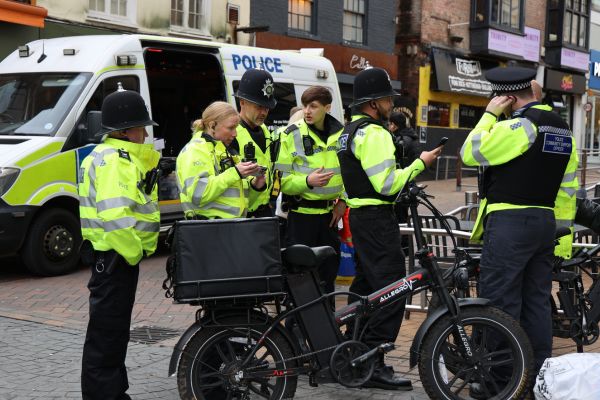
The decision could have a major impact on the e-bike industry in the UK, which relies heavily on Chinese imports, both directly and via the EU. In 2023 Suffolk Trading Standards, which manages the Port of Felixstowe, warned that thousands of unsafe e-bikes and e-scooters were being seized for failing to meet the requirements for marking, instructions, and essential safety documentation.
> Thousands of unsafe e-bikes and e-scooters are being seized at UK ports
Several makes were found without a fuse meaning they had no means of cutting out in the event of a fault in the supply lead, and increasing the fire risk. In recognition of the country of origin of many of these imports, guidance for importers was also issued in simplified Chinese.
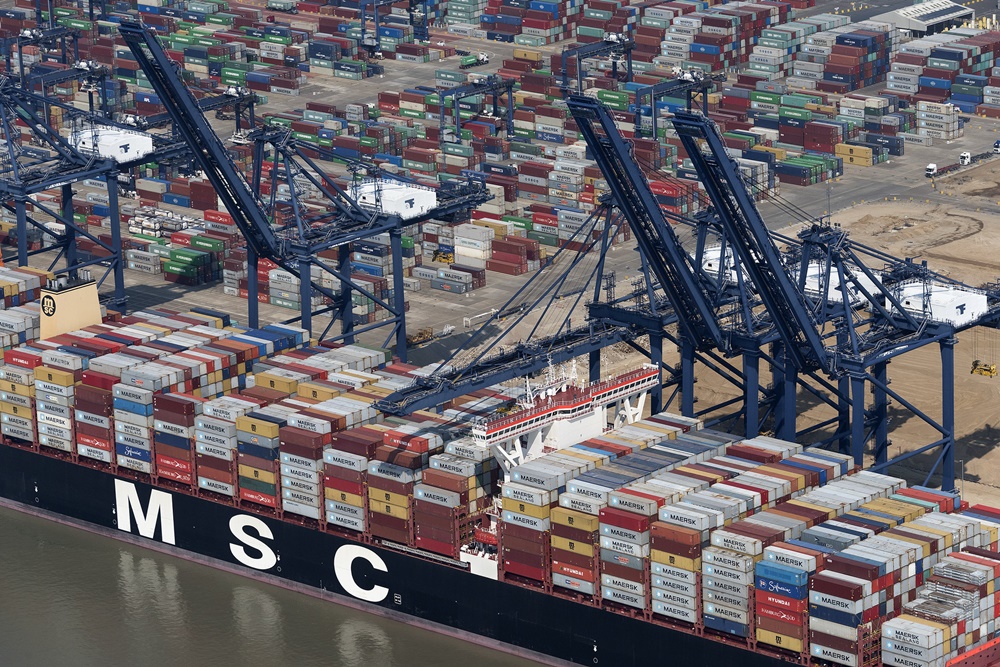
AliExpress has now been given until mid-October to detail to the EU it’s plans to comply with the Digital Services Act, with the company facing further fines if it does not do so. However, the €550 million fine is based on the company’s risk assessment reports from 2023 and 2024, leaving the door open to further punishment. But in response, AliExpress said it would appeal the fine whilst China’s Commerce Ministry accused the EU of abusing its powers to discriminate against Chinese enterprise.
More recently, AliExpress and its parent company Alibaba, have claimed credit for clamping down on counterfeit goods, including cooperating with Chinese authorities to arrest manufacturers of fake Specialized, Pinarello and Cannondale bike parts.
The UK has taken similar steps to the EU to tighten its e-commerce regulations. Last year, the government passed the Product Regulation and Metrology Act into law. The act is intended to “preserve the UK’s status as a global leader in product regulation, supporting businesses and protecting consumers,” and has been welcomed by the British bike industry for improving safety standards.
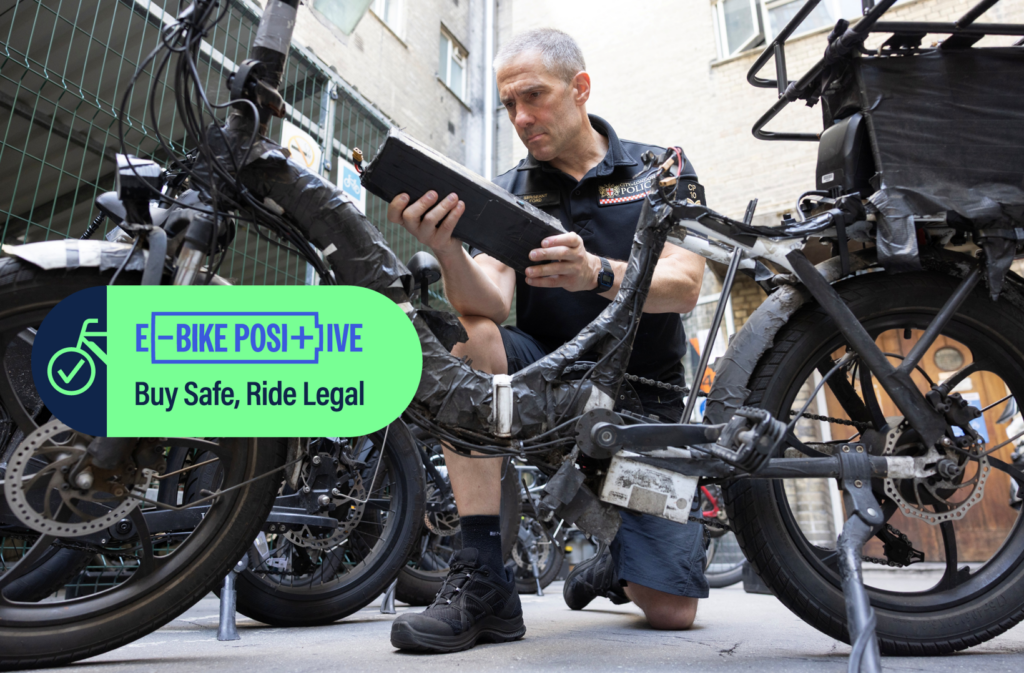
More recently, the e-bike industry in Britain launched a trademark, E-bike Positive, intended to reassure customers of verified, trustworthy brands and retailers. The campaign has the backing of several major companies and sees tags attached to safe products, stickers in shop windows and in-store information posters.











10 thoughts on ““Insufficient, inadequate, circumvented”: Chinese e-retailer AliExpress fined €550 million for failure to enforce compliance checks against illegal, unsafe goods”
There is a pressing need for a kitemark type scheme for ebikes, their charging system and their batteries. We are regular users, touring in the UK and abroad and have problems both with transport and accommodation (trains and hotels etc) due to the lack of such a scheme
Finally some good news in this ridiculous world of junk consumption. Everyone. Just stop buying this crap.
Just a quick note to let road.cc know we left the EU several years ago and aren’t bound by their rules and regulations any more.
There is no UK or EU version of AliExpress and one of the many reasons for this is that the EU systematically stifles innovation by hamstringing companies with red tape.
It’s up to the UK to break free and innovate again, as we’ve done in the past. My concern is that we’ve become a risk-averse, rule-taking society that’s afraid to embrace the freedom we now have.
We left the EU, but still retained a huge body of its regulation as it applied at that time. Yes, we can diverge from it. But I don’t think that ‘freedom’ or ‘innovation’ is best expressed by e.g. allowing demonstrable fire hazards.
And regardless of UK law, a decision in the EU is likely to impact UK customers anyway, since AliExpress and it’s ilk aren’t likely to want the bother of maintaining two different standards – anything they do to stay legal in the EU they’ll probably do for the UK too, to keep things simple, more than anything else.
Does ignoring all the safety issues around e-bikes and e-motorbikes count as breaking free and innovating?
I think it’s up there with some of the best examples that brexiteers can think of.
It’s about time those louts on illegal e-motos were stopped, they’re a menace. And I refuse to use delivery services for take-aways. Not least because I rarely get take-aways…
I guess it’s which rules *I* am keen on vs. which risks I don’t give a stuff about, because I’m alright Jack?
I think that’s kept people arguing for the entirety of history and I doubt being in or out of a bigger group will change that much
Noting that a rather big group of states (the United States) isn’t often held up as a terrible example of petty bureaucracy and risk-aversion (for better or worse).
@SecretSam unfortunately there is little suggestion that these laws would impact that, even if AliX managed to achieve 100% compliance overnight. Plenty of those e-motos are compliant with the current legislation and perfectly legal to import to the UK/EU and sell to customers. It’s just that it is then illegal to use them on public roads.
The other pathway is people buying components like motors, batteries etc. individually, and then jerry-rigging them together to build an “e-bike” (which again is legal to make/own, just not legal to use on public roads). Compliance might be more useful here – it probably won’t stop being buying the parts and building the illegal ebikes with them, but might mean those ebikes and their batteries are less likely to catch fire!