



Council go ahead with cycle lane plans despite residents' fundraiser
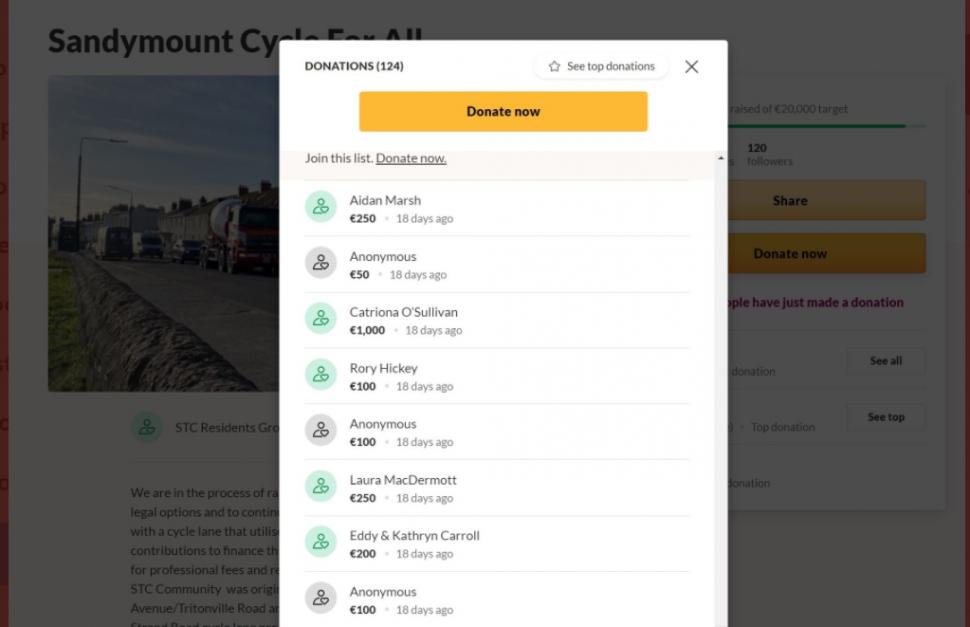
Last week on the blog we shared the story about the Dublin cyclist who donated €5 to this GoFundMe campaign, set up to support opposition to a proposed bike lane. The cyclist left a message with his donation saying: “Buy yourselves two Flat Whites with my €5 donation. Don’t waste any more money donating. Your campaign will fail. On your bikes lads!”
This week Dublin City Council has confirmed they are pressing on with works to build the cycleway, despite the residents’ fundraiser. The GoFundMe raised €21,345, including many large donations exceeding €100. At least two people donated €1,000 to the campaign which was set up to “cover costs in relation to our planning and legal options and to continue to fight for a solution that will provide Sandymount with a cycle lane that utilises existing available off road potential.”
The Irish Times reports that traffic will be reduced to one-way from next week to facilitate the opening of a two-way cycleway later in the month, initially for a six-month trial. A judicial review of the council’s plans is due in April.
The appeal submission sent to An Bord Pleanála, the national planning appeals board, claimed the cycleway will risk greater transmission of air-borne droplets, increasing Covid transmission rates. The submission claimed this would be exacerbated because the cyclists in computer generated images of the route are “not wearing a face covering of any description”…
Dublin Council has maintained that the cycle lane doesn’t need planning permission as it is in line with the government’s advice to implement walking and cycling schemes during the pandemic.
Copenhagen commuting scenes
Imagine these people going by car.
How many lanes would they need? #Copenhagen pic.twitter.com/wkLduGrlRg— Cycling Embassy of 🇩🇰Denmark (@CyclingEmbassy) February 25, 2021
Controversial cycling YouTuber Lucas Brunelle falls through ice while riding over frozen river
A quick look at Lucas Brunelle’s old videos and the times he’s featured on this site will tell you he isn’t your usual cycling filmmaker…Previous videos include daredevil descents, drafting lorries, holding onto vehicles and weaving in and out of traffic. So it’s probably not a massive shock to see 40 seconds into his latest upload him riding along the frozen Charles River near Boston…and falling through the ice.
In helping Lucas get out, his riding partner also falls through. A concerned onlooker asks if they need any help before Brunelle replies “No, we’re all set thanks,” as he clambers out the freezing water, moving his bike to safety before returning for his friend…
Talking about the incident to Boston.com, Brunelle said: “I ride my bike the same way I trade stocks. It’s my nature to take high risks and high return.”
In 2014, we reported that Brunelle had been “pummelled” by a Boston taxi driver who intervened after the cyclist hit a pedestrian while jumping a red light.
Deceuninck-Quick-Step go CO2 neutral
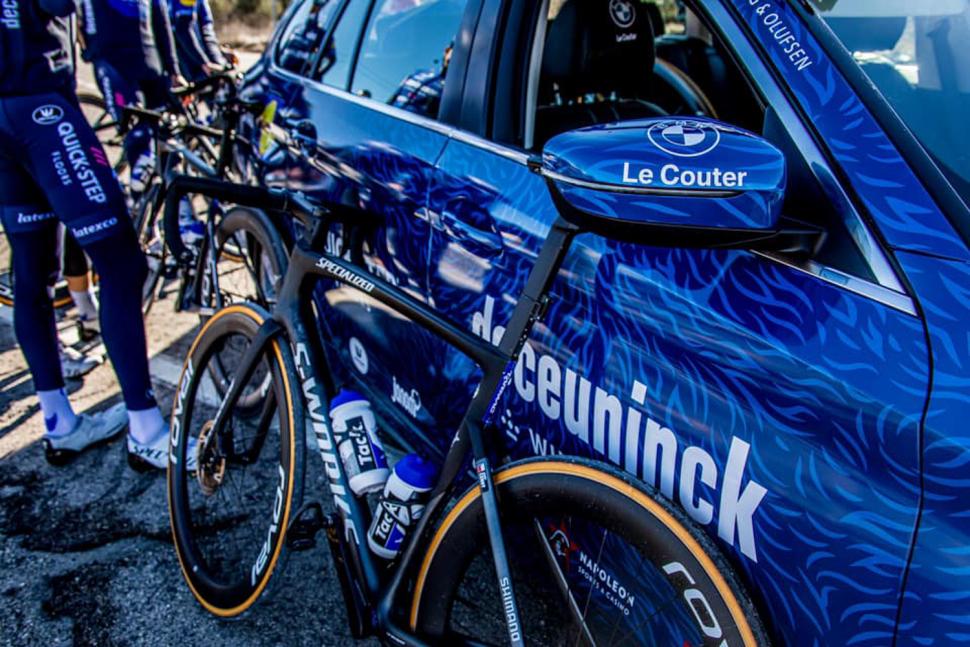
Deceuninck-Quick-Step says they managed to successfully offset their carbon emissions in 2020. The team partnered with CO2Logic to calculate their carbon footprint to be 1,288 tons of CO2, equivalent to driving a car 179 times around the world, or 539 return flights between Brussels and New York. The amount of forestation needed to capture this much CO2 would be equivalent to 3,099 football pitches.
Quick-Step chose two projects to offset their footprint: one helping supply safe drinking water in Uganda and another to help reforest the area around the iconic climb of Mont Ventoux. Since its inception the Ugandan project has supplied over 1.9 million litres of clean water to 823 people, preserving 825 hectares of trees and offsetting nearly 1,300 tons of CO2.
Team CEO Patrick Lefevere spoke of the sport’s responsibility to contribute to green projects: “Cycling is a beautiful sport that has drawn us all together, but we need to look at how we can compete in races held all over the planet while still protecting the fragile environment around us.
“Since we launched the project, we have noticed a changing of the tide within cycling, with the UCI very recently announcing changes to the rules on dealing with waste during a race. This is just the start of what we hope can be a big movement within the sport and we will be look to push event further in 2021.”
British Cycling extend deal with Kalas Sportswear
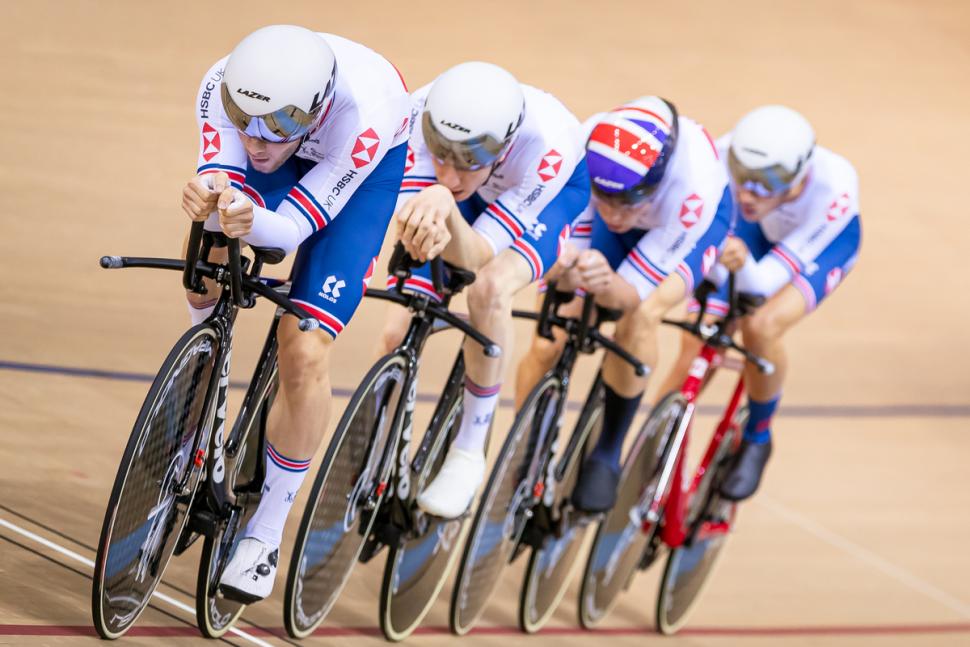
British Cyling will continue to use pro kits made by Czech-based custom cycle wear specialists Kalas. The brand has provided the Great Britain Cycling Team kits for the last four years and will continue to do so until the end of 2024. British Cycling Performance Director Stephen Park said it is undoubtedly very positive news for their programme.
“When it comes to performance, our on-bike clothing supplier is important to the success of the Great Britain Cycling Team. To be the world’s best we must be at the cutting edge of innovation. We have developed a close working relationship with Kalas and together we have some very exciting on-bike clothing plans which will improve aerodynamic performance and help make our riders go faster on the bike,” Park explained.
Jonas Vingegaard wins UAE Tour stage five summit finish at Jebel Jais
Top-10 on Stage 5 of the UAE Tour pic.twitter.com/xJ9xFRmf4z
— the Inner Ring (@inrng) February 25, 2021
Jumbo-Visma’s Jonas Vingegaard mugged Alexey Lutsenko in the final 250m to win stage five’s summit finish at the UAE Tour. Lutsenko had been in the break all day but saw his advantage dwindle on the final climb. A late attack by the Dane bridged the gap and he easily dispatched the weary Astana rider in the sprint to the line. Tadej Pogačar beat Adam Yates to second, extending his lead in the overall. There are two more sprint stages left this week so any changes to the race lead would be a major surprise.
#UAETour 🏆 Jonas Vingegaard 🇩🇰 @JumboVismaRoad ha ganado la 5ª etapa de @uae_tour 🇦🇪
Sergio Higuita ha sido 4º.
📺 ESPN pic.twitter.com/zDEsRVTpln
— Pasión Ciclismo 🚴🏻 (@pasiociclismo) February 25, 2021
Cycling on the box

ITV will show highlights of Paris-Nice every night during the week-long stage race. The race begins on Sunday March 7 and an hour-long highlights show will be aired on ITV 4 every night at 7pm, except the opening stage which will be shown at 6pm. In an extra boost for UK-based cycling fans, both men’s and women’s Omloop Het Nieuwsblad will be shown on GCN+ and Eurosport after the broadcasters secured the rights to the big first race of the Classics campaign. Fans had been critical of the outlets when they found out the race wouldn’t be available to UK viewers. However, the issue has now been sorted and fans can watch the races on either platform.
Some of the pros have been out reconing the route this morning…
Back to our Omloop recon 😁 pic.twitter.com/guZVey2tyl
— Deceuninck-QuickStep (@deceuninck_qst) February 25, 2021
Tech news: Muc-Off's new Essentials Case, Mavic offers lifetime warranty on its carbon wheels, protect your bike from bumps and scrapes
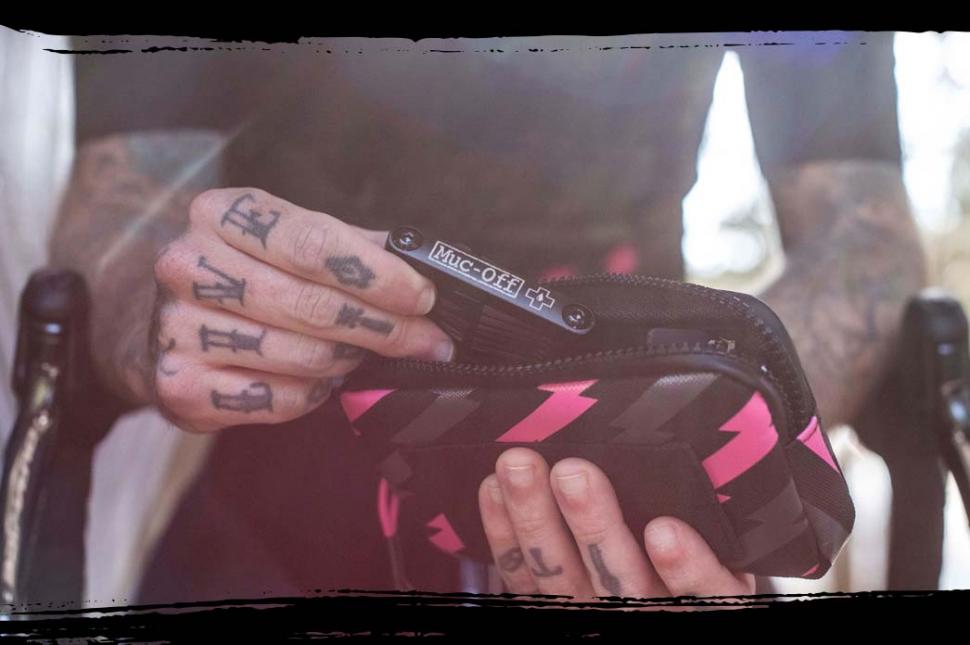
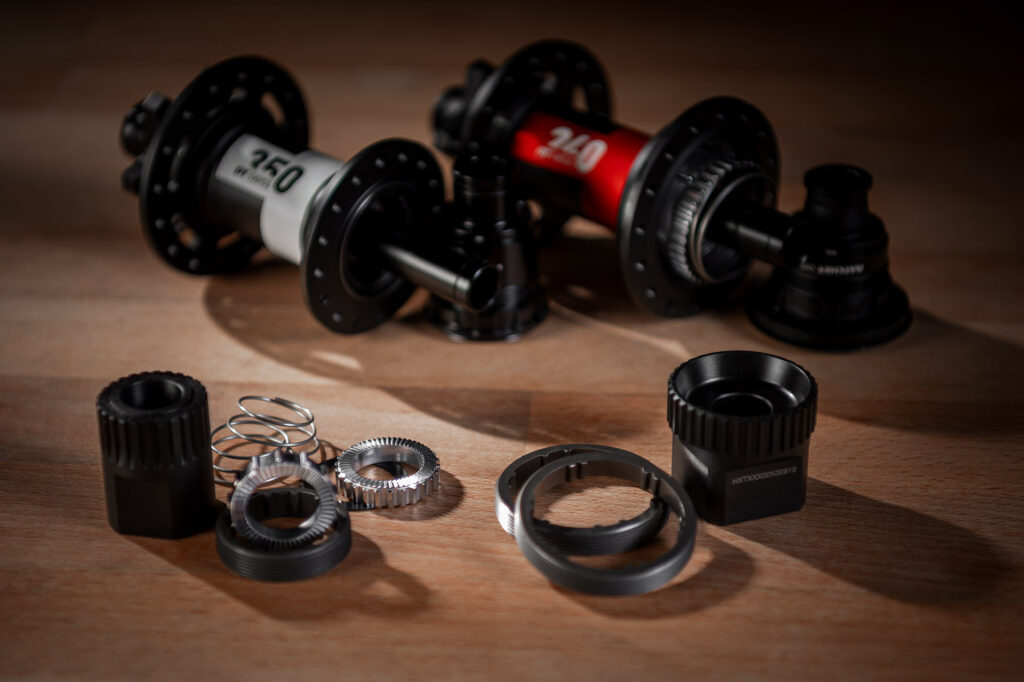
Muc-off has a new handy storage solution for cyclists. Their Essentials Case is suitable for road, mountain biking and everything in-between and is ideal for storing your phone, tools or snacks while you ride. The outer casing is fabric lined with a water-repellent zipper.
Mavic’s carbon wheels now come with a lifetime warranty to gve you extra peace of mind on the road. Applying to models in the 2021 range, sold since September 1st 2020, the warranty only applies to original owners who have registered their wheels with Mavic.
Want to protect your frame against all those annoying bumps and scrapes? Restrap think they have just what you need with their vinyl bicycle protector strips. Aimed at covering areas on your frame susceptible to abrasion, Restrap will send you three sheets of custom cut, easy-to-install heavy duty vinyl to keep your pride and joy looking sharp for miles to come…
The sighs of relief can be heard from here...
Mathieu van der Poel rides Kuurne-Brussel-Kuurne and not Omloop Het Nieuwsblad pic.twitter.com/sf1AxUa9uq
— José Been (@TourDeJose) February 25, 2021
This will have made more than few pro riders’ day…There’ll be no Mathieu van der Poel at Omloop Het Nieuwsblad this weekend. The Dutch champion returns to racing on Sunday at Kuurne-Brussels-Kuurne after flying home from the UAE early after a positive test in his team. Alpecin-Fenix confirmed Gianni Vermeersch and Jonas Rickaert can now also return to Belgium to complete their quarantine after coming into contact with the staff member who tested positive.
What's changed?: Throwback to when Australia's mandatory helmet laws were branded "a tool of disproportionate penalties and aggressive policing"
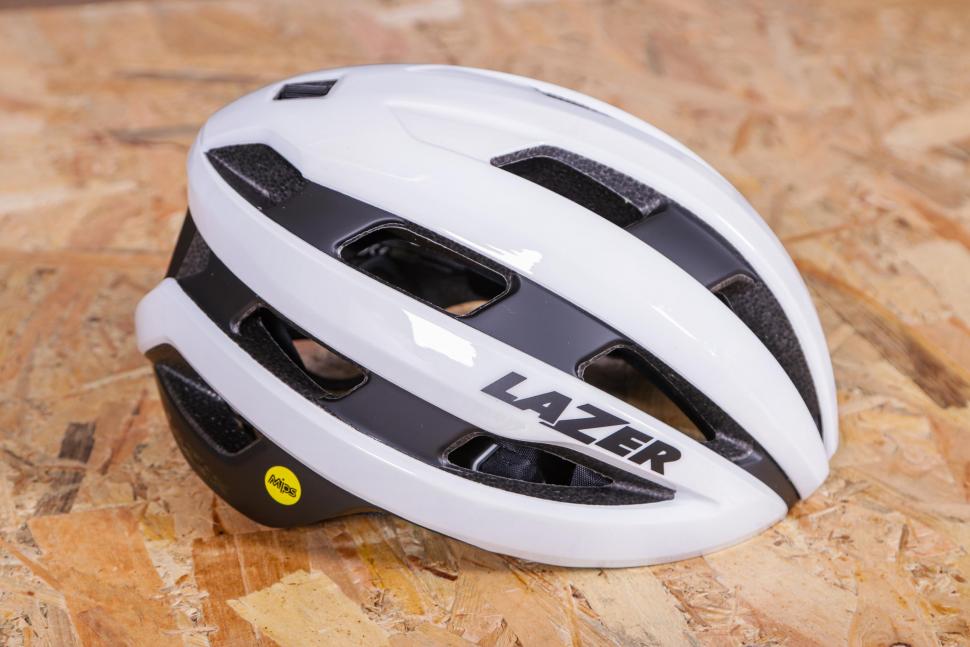
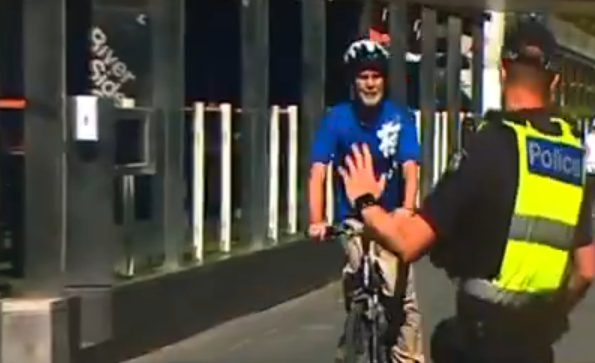
Anyone reading the story about the £900 fines for Melbourne cyclists breaking the 10km/h speed limit in shared pedestrian zones could be forgiven for thinking not much has changed over there. In 2019, researchers found that the country’s mandatory helmet laws had become an exercise in revenue gouging and were being used as a flimsy pretext for police to stop and search people.
The New South Wales fine issued when drivers exceed the speed limit by more than 20km/h still exceeds the A$344 fine for failing to wear a helmet while riding a bike…
Best second bike for roadies?
— Fat Dennis 💙 Ⓥ (@FatDennis1) February 25, 2021
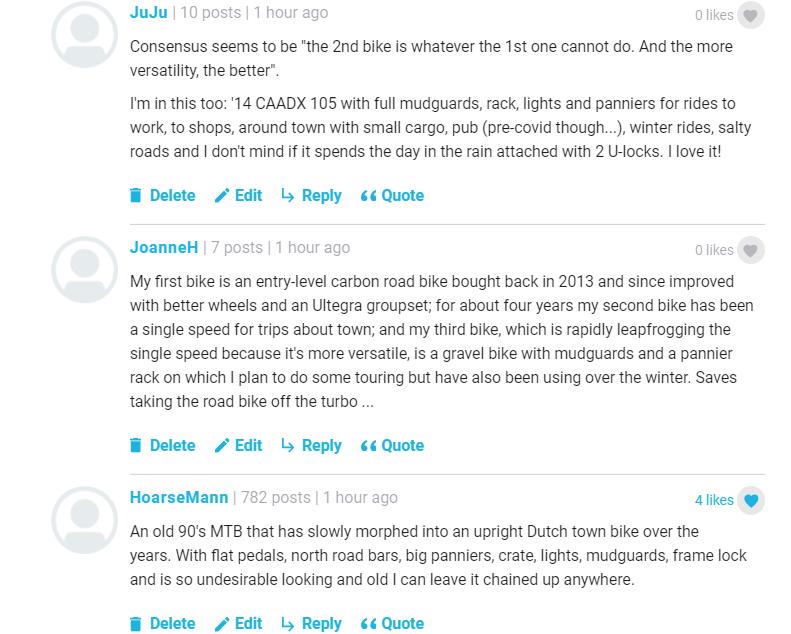
We’ve had our say and plenty of you have let us know your favourite second bikes…Rupert Englander made a fair point that we might have jumped the gun with this one and the question we should really be asking is what’s your favourite third, fourth and fifth bike? Have a read of our favourites and let us know yours…
My first bike was a Terry Dolan-built Cougar that finally gave up the ghost after 30-odd years. I know he doesn’t build them anymore but that earns a kind of brand-loyalty for life, so my first and second bike these days are still a Dolan!
— cramnalobretho (@STEVEBRETHERTO3) February 25, 2021
Nah, you're alright...
Nope. Nada. Never. No how. No way… pic.twitter.com/pvTGfa6b54
— Rex Chapman🏇🏼 (@RexChapman) February 25, 2021
Simon Yates will go to the Giro d'Italia
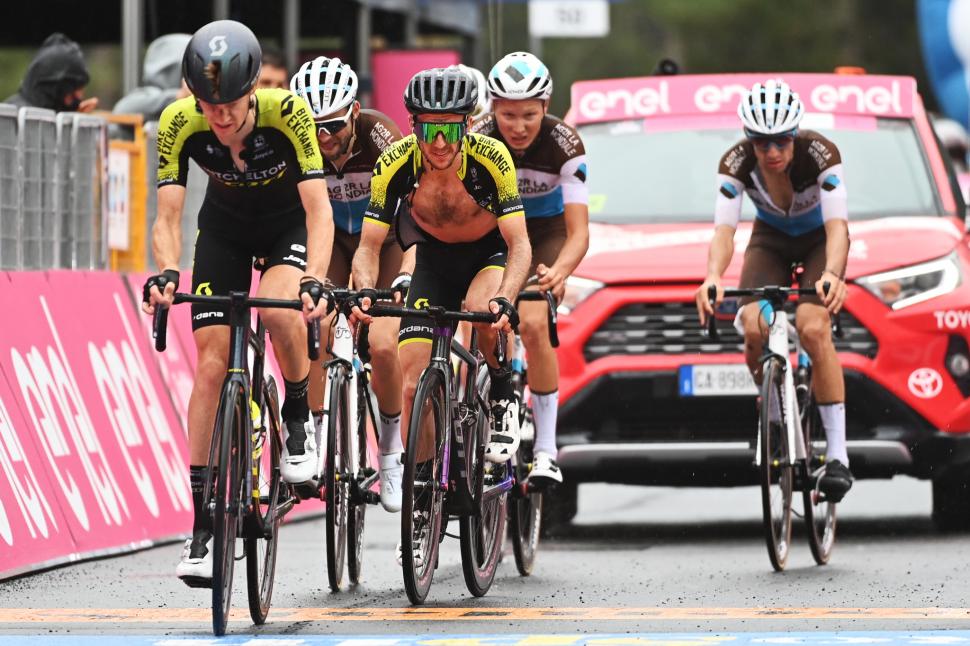
With yesterday’s presentation of the Giro d’Italia route the GC contenders yet to commit to a Grand Tour can pick their poison. For Simon Yates that means unfinished business at the Giro d’Italia in May. Yates led the race until Stage 19 in 2018, winning three stages, before cracking on the Colle delle Finestre and dropping from 1st to 18th in one day.
Compared to the Tour, the Giro offers less TT kilometres in 2021, something that attracted Yates to the idea of adding it to his calendar. “The 2021 Giro route looks really nice, there’s a good mix of stages and there’s even some gravel roads thrown in for good measure.” Yates explained. “As always with the Giro, the final week looks hard and with only a small amount of time trial kilometres I think that is where the race will be decided.
“The last two or three years haven’t gone as I would have hoped with a combination of bad luck and some mistakes along the way. All I hope for is to have a clean run in 2021 without these things and that I can show myself in the best way possible.”
25 February 2021, 09:05

25 February 2021, 09:05








37 thoughts on “Cyclists face £900 fine for breaking 10km/h speed limit in shared zones; Controversial YouTuber Lucas Brunelle falls through ice while riding on frozen river; Council ignores anti-cycle lane fundraiser; Quick-Step go carbon neutral + more on the live blog”
Anotherone bites the dust
Anotherone bites the dust https://twitter.com/WeAreCyclingUK/status/1364847745677357056
🙁
Saw St Chris’tweet
Saw St Chris’ tweet congratulating Carlton Reid on this news:
https://www.kickstarter.com/projects/carltonreid/lets-rescue-britains-forgotten-1930s-protected-cyc/posts/3110867
The formalities are now out of the way and I can proudly reveal that the project which you so kindly originally backed has received official backing from the Department for Transport. With management support provided by Sustrans I will rein back some of my freelance journalism and spend the next six months completing the historical research necessary to put flesh on the bones for the next stage to be carried out by John Dales and his crew at Urban Movement.— Carlton
Summary of the project: In the 1930s, Britain’s Ministry of Transport commissioned the building of 500-miles of protected cycleways. Between 1934 and 1940 more than 300 miles of these innovative cycleways were actually built, usually both sides of the new “arterial roads” springing up all over the country. Some of these cycleways still exist, but they are not today understood to be cycle infrastructure: they should be rededicated. Others are buried under a couple of inches of soil: they could be excavated.
That sounds bloody brilliant,
That sounds bloody brilliant, if it gets off the ground. How good would it be knowing you could cycle from (say) London to Leeds using sensibly-routed ‘arterial’ cycleways?
its amazing how many of these
its amazing how many of these cycleways are basically hiding in clear sight, people have basically forgotton what they were originally for (and sometimes they have been abandoned to weed/grass and so on)
The biggest problems I can
The biggest problems I can see with this are having to be in London or Leeds 😉
Bradford’s just a short hop
Bradford’s just a short hop from Leeds, so look on the bright side.
Fantastic concept but in the
Fantastic concept but in the hands of the D of T and Sustrans…
Perfect example that many
Perfect example that many thousands will have passed without noticing. A24 North out of Dorking towards Box Hill on Ride London
mikepridmorewood wrote:
It has the usual problems of cars turning across it at various points, mud and glass and other cack that isn’t on the road…
yes this is supposed to be
yes this is supposed to be one in Kesgrave as well which is kind of still in use https://goo.gl/maps/8n5DascyKrNL84N88 but none of these side roads or houses were there 90 years ago, and as much as riding on the road can give you a lifetime of NMOTD candidates, its still better than riding on that path.
They look like 1930s houses
They look like 1930s houses so probably contemporaneous with the cycle track. I guess back then it would have been slightly wider, more like you see it here: https://goo.gl/maps/Lm7RAgeKoBj5B6Bb7 and equally importantly, it would have been more continuous (drives only used infrequently, parking on road rather than verge, etc).
some maybe, but Kesgrave
some maybe, but Kesgrave certainly consisted of no more than a few dozen properties by the early 30s,the rest was all farmland. Its not like that at all anymore, and that path isnt really that safe to ride on now because of all the driveway access & side roads across it, and that could be the exact kind of thing theyll find for alot of these old paths.
also sections on the A316
also sections on the A316 going past Twickenham I believe
That Denmark tweet is great
That Denmark tweet is great but it does show there are arseholes and MGIF’s in every form of transport as the one guy in the black shirt mounts the pavement, then slightly blocks off the crossing for Peds just to be in front when the lights changed.
To give some context to the
To give some context to the Dublin Cycle lane piece, Sandymount is probably one of the nicer areas of Dublin, it has a beach and the average price for a 3 bed semi/terrace is probably north of €1m, and the only people who can afford to live there either have piles of money or have been there for 30+ years through the Irish propery boom. Defininately entitled, late middle-aged Nimby territory.
The planned route is both useful for the Busines Park to the north and south and beautiful for weekend leisure visits alongside the beach.
While it’s a start, I do not
While it’s a start, I do not applaud “offsetting” carbon. It just means those with money can pay someone else to do it for them, rather than looking at their own footprint and trying to reduce that first. Looking into things like hybrid team cars, hydrogen team buses and trucks. Simple things like solar and wind power for their service course. Rather than just paying and effectively doing nothing.
How does supplying clean
How does supplying clean drinking water offset CO2 emissions anyway? I can see that it might help to avoid more emissions (by reducing the need to ship bottled water, for example), but I don’t see how it’s taking any CO2 out of the atmosphere, which is surely what offsetting ought to do?
[Not that supplying clean drinking water isn’t a good thing in and of itself, of course.]
mdavidford wrote:
Unfortunately “avoided emissions” forms the majority of carbon offsetting. The basic theory is that if you can demonstrate emissions would have occurred in the absence of a given intervention, and that the money you spend on offsetting goes directly towards implementing that intervention, then you have reduced the amount of carbon in the atmosphere compared to a baseline in which the intervention didn’t happen.
That last bit is key – as you point out the acutal amount of CO2 in the atomsophere is still higher than it was yesterday, but it’s lower than it would have been if you hadn’t offset your carbon.
We could argue until the cows come home about whether or not offsetting is A Good Thing, but that’s probably a debate for another time/place
Looking at the CO2Logic website, it looks like the mechanism for the clean water thing is avoiding the need to boil water using firewood.
Most carbon offsetting projects do aim to have societal co-benefits, and I think it is normally a requirement of the carbon offsetting certification schemes to demonstrate this.
100% agree. To reduce your
100% agree. To reduce your carbon footprint, reduce your carbon footprint. The schemes they are supporting sound very worthwhile in their own right.
I thought the ‘falls through
I thought the ‘falls through the ice’ story was going to be a follow on from the ‘wheels replaced with circular saw blades’ story of a few days ago.
A glance at that Deceunink
A glance at that Deceunink image brought back memories of Thierry Marie
Best way to reduce your
Best way to reduce your carbon footprint is to simply burn off your farts as they emerge.
Be careful though a blow back is not a pleasant experience!
Quote:
Is that converted from CHF?
Aussie Police to fine
Aussie Police to fine cyclists for going above 6mph and charge double then drivers doing 20-30mph above speed limits. Do they charge runners if they do 8mph in the same area the cyclists. Do they have speed markings on the path to indicate the cyclists speed to them being as they don’t have a speedo themselves?
AlsoSomniloquism wrote:
The Aussies hate cyclists even more than the Brits it seems, as their use of ridiculously excessive fines and illegal use of the helmet law demonstrate beyond doubt. I read something yesterday about somewhere in America, Tacoma? repealing their helmet laws as they were being used to harrass homeless people and coloureds, so yet another reason to oppose them.
Not sure about your choice of
Not sure about your choice of vocabulary here, dude .
.
Woodchipper wrote:
Neither was I, but what is the current politically correct term this week?
Coloured people = offensive
“Coloured people” = offensive
“People of colour” = current acceptable term.
I think some effort is needed to understand why certain words or arrangements of words are offensive given historical usage, but maybe best not to mention at all, because what you say today may be used as evidence against you in the court of public opinion 25 years from now when the rules have changed.
People of colour can also be
People of colour can also be considered offensive, but is considered less so than “coloured” which is also objectification. Tbh all these terms can be offensive to someone… my company decided to settle on calling white people “non-diverse” and everyone else “diverse”…
Nigel Garrage wrote:
Woodchipper wrote:
It may be that Burt’s vocab was not ideal, however his point is on the nail. In many jurisdictions, cycling legislation, particularly helmet law, is egregiously used to target marginalised groups. As folk with little money is a marginalised group in itself, and the membership of that group is more likely if you are from an ethnic minority, it is clear that the application of the law will be racially biased, even without deliberate profiling and targetting. Sadly this does occur to compound the issue.
As helmets are of little (or even detrimental) value in public health terms (regardless of the “I wouldn’t be here today… yadda yadda” anecdotes) mandating of helmet use is not only counterproductive but also iniquitous and should be resisted. Even by people like me who do use them.
Helmet laws seem to be used
Helmet laws seem to be used as a tool for racist police forces so that they can oppress young people. They are nothing to do with public safety.
https://www.theguardian.com/commentisfree/2020/jun/15/punitive-policing-doesnt-make-aboriginal-people-safer-community-solutions-can
https://www.bbc.co.uk/news/world-australia-51496206
The state of Victoria is well
The state of Victoria is well known for its overzealous policing. The joke around the country is instead of the slogan “Victoria – the garden state” it should be “Victoria the police state”. For motorists there’s a zero tolerance of speeding as well, you can be ticketed for travelling 1kmh above the posted limit. However this is a particularly egregious abuse of power even for them. Even if it’s just a “trial” for three weeks.
The promenade could easily be separated between cyclists and pedestrians, there’s already a row of bollards which could delineate segregated use. It shows the mindset of authorities in Australia that they will resort to heavy handed policing before considering a simple allocation of space so commuter cyclists can maintain a sensible and safe average speed of 15kmh.
1km/h over the limit is
1km/h over the limit is speeding. It is a limit not a target. If this approach was adopted here I suspect we would have many fewer serious injuries and fatalitites on our roads. If the limits are wrong change the limits not the enforcement.
I agree that is someone is
I agree that is someone is over a limit, it is over. However 1km/h is well within error margin in Speedometers in cars and Speed check equipment so I’m surprised that most are not chucked in court.
AlsoSomniloquism wrote:
Car manufacturers err on the side of caution, and speedometers always show faster than actual, usualy by about 10%.
I was surprised how
I was surprised how unfriendly Melbourne is for walking too. Trying to cross St Kilda Road (top end of Albert Park) took something like 5 minutes of waiting for 3 pedestrian crossings, all with very short pedestrian priority green lights. Massive junction of course with the central tramway but it was just seriously intimidating. If we had a hire car it would have been quicker to drive from the hotel to the other side of the road, madness…