


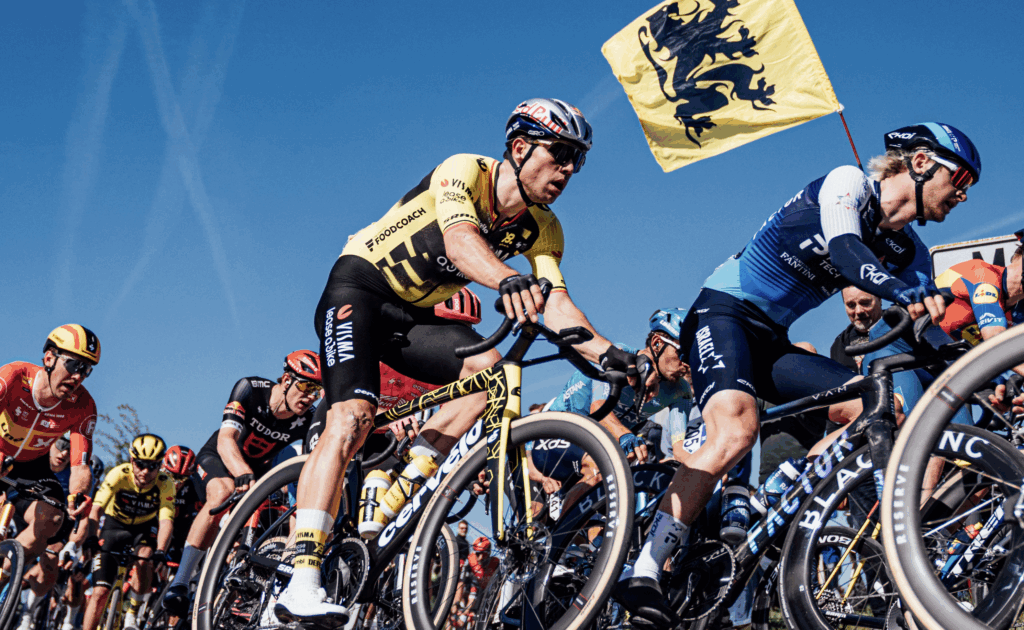

With less than five months until the Tour of Flanders and Paris-Roubaix, Wout van Aert has turned his attention to the two races that continue to elude him. The Belgian was spotted riding the same Paris-Roubaix sector seven times in one ride this week. At first glance it seemed like the Belgian was testing his equipment, but perhaps he was mentally testing himself too.
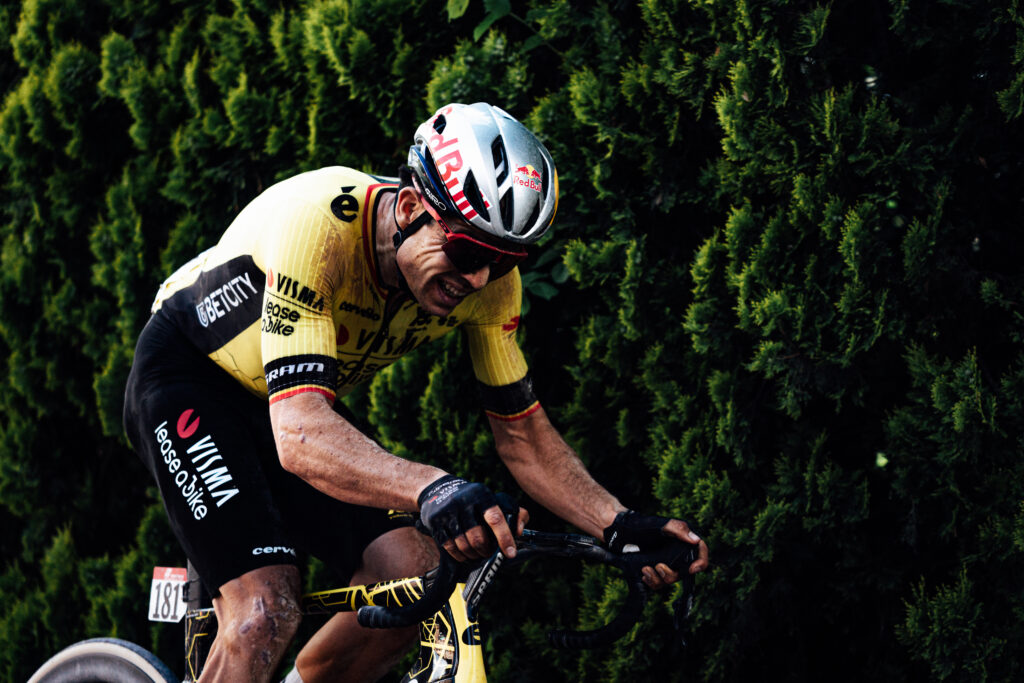
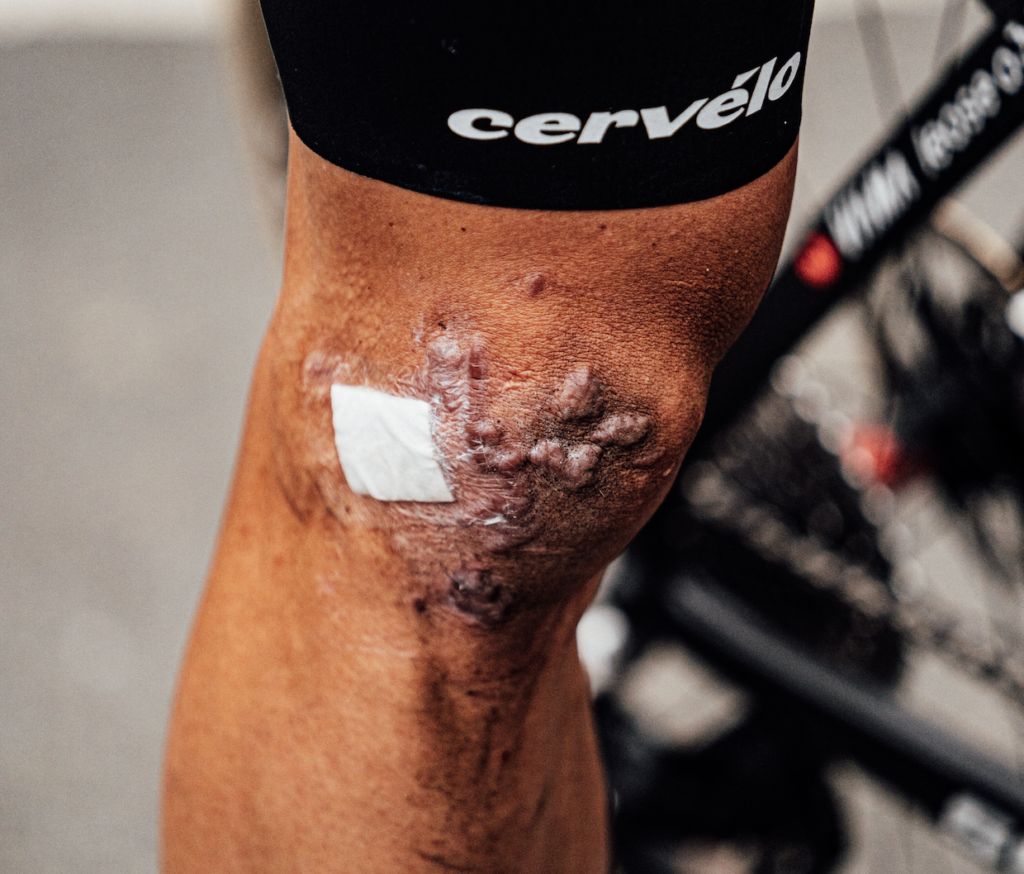
This comes shortly after an interview with The Athletic, in which Van Aert spoke openly about the daily reminders of the crashes that shaped his 2024 season, and how looking at his heavily scarred right knee still affects him.
The Belgian has made no secret of the fact he is still chasing wins at Flanders and Roubaix. He finished fourth in both races this year, but those results came after a 2024 season defined by two serious crashes that occurred only months apart – something likely to have amplified their psychological impact.

Cycling specialist Marc Sergeant suggested in Het Nieuwsblad that Van Aert may have been “too kind” in key moments at the Trouée d’Arenberg at Paris-Roubaix this year, raising the possibility that past crashes influenced his hesitation. “Is it his fear after all those crashes that makes him hit the brakes more often than before?”, he says.
While we don’t know how Van Aert felt in the moment, research shows that split-second risk decisions are heavily shaped by trauma history, and brief moments of hesitation can be decisive in cycling and particularly in races like Roubaix where a fraction of a second can cost position on the cobbles and determine the outcome of the race.
At Dwars door Vlaanderen in March 2024, Van Aert was involved in a high-speed mass crash, fracturing his collarbone and several ribs, which ruled him out of Flanders, Roubaix, and the rest of the Spring Classics.
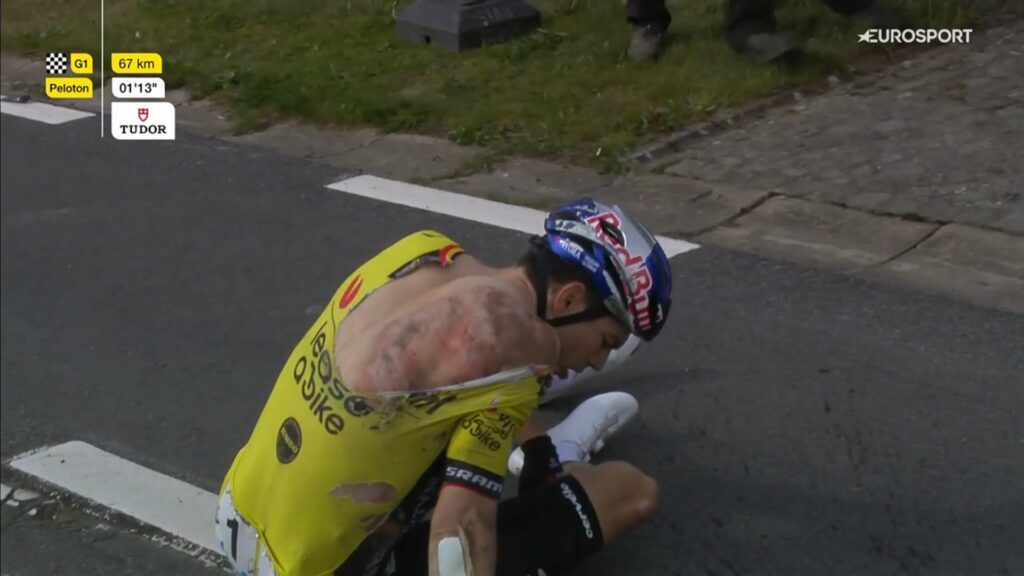
Just as his comeback was gaining momentum, he crashed again on stage 16 of the Vuelta a España, falling onto rocks and badly cutting his right knee. He tried to continue but soon realised the severity of the injury, ending his season and his hopes of winning the green jersey, a pill harder to swallow considering he had taken three stage victories and holding a commanding lead in the sprint classification up to that point.
Physical recovery and psychological recovery don’t always follow the same timeline, and two major injuries in quick succession can create a significant pressure point in elite sport. Athletes may cope with one setback, but when a second occurs before the first has been overcome, it can feel like a single, amplified event, rather than two distinct incidents. This overlap can disproportionately affect motivation, confidence, and risk perception, making the path back to full performance much more challenging.

Van Aert told The Athletic, “Luckily, a lot of my scars are covered when I wear cycling kit, because, unfortunately there are a lot of them. The knee looks pretty bad. And that makes it a little more difficult because every time you look down, it reminds you of what happened before”.
Injuries aren’t just physical events and they can create psychological “hooks” that the mind can keep returning to. Normally, athletes gradually gain distance from a crash as thoughts and memories lose their emotional charge, but visible scars can disrupt that process. Every time Van Aert looks down, the scars function as a cue that pulls his attention back to the incident which can make it more difficult to process and overcome the event.
“I’m not really seeing it and dramatically thinking: ‘Wow, look at me, I’m proud’. Sometimes it’s harsh because it’s there every moment of the day”, he adds. In a sport where toughness is often idolised and riders are often celebrated for getting back on the bike, the emotional cost isn’t often spoken about. From the outside, some will see scars as a badge of honour, but inside they may function as persistent reminders, and Van Aert’s honesty helps to challenge the ideology that enduring pain inherently makes you tougher.
His perspective also highlights how the psychological impact of crashes evolves over time. As he reflects, “When you’re younger, when you’re twenty years old, you don’t even really think that you’ve been crashing. But then after a couple of injuries, you understand what it’s like. Every injury gets more complicated, and it doesn’t help when you get a family and have children.”
When riders are younger, the perceived costs of failure is mostly personal, but having a family raises the stakes – injuries no longer just affect the rider. That added responsibility heightens the brain’s protective response, making fear and caution adaptive rather than a sign of weakness. In other words, the same mechanism that keeps him safe may now also influence how he approaches risk.
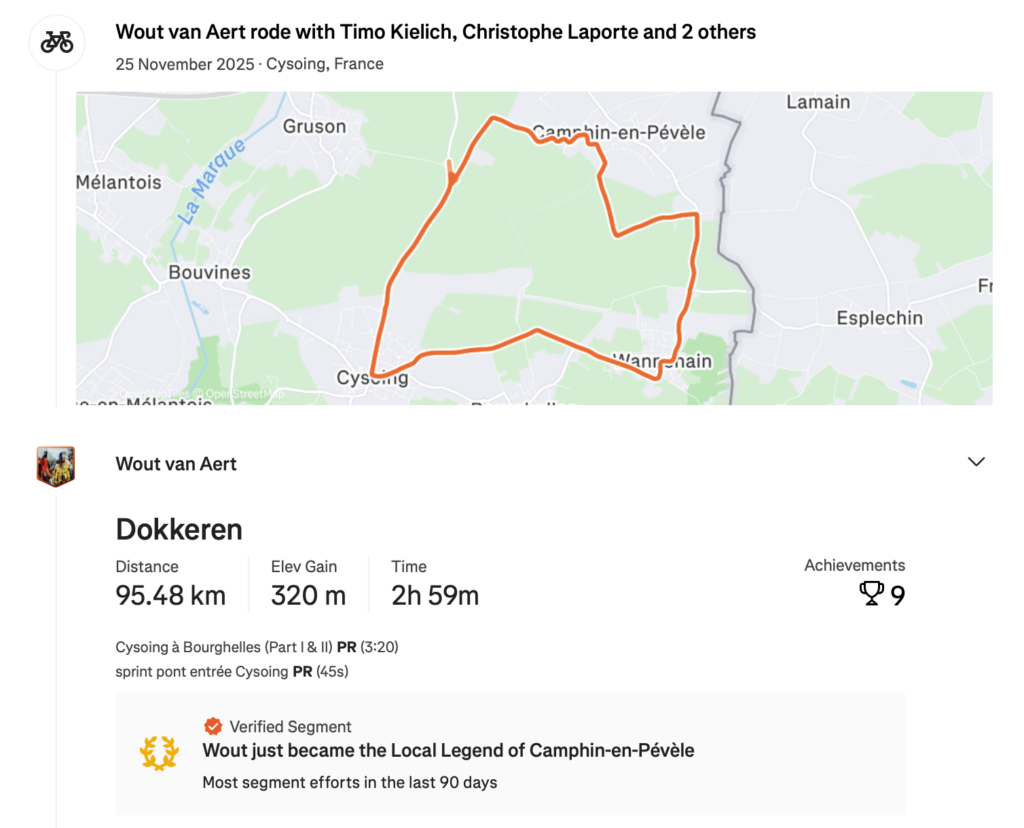
Van Aert was recently spotted riding the Camphin-en-Pévèle Paris-Roubaix sector seven times in one ride. While this may be primarily for physical and technical prep, such as testing tyres, experimenting with equipment and practicing technique, riding the same section multiple times can also help him prepare mentally, reducing uncertainty and increasing a sense of control.
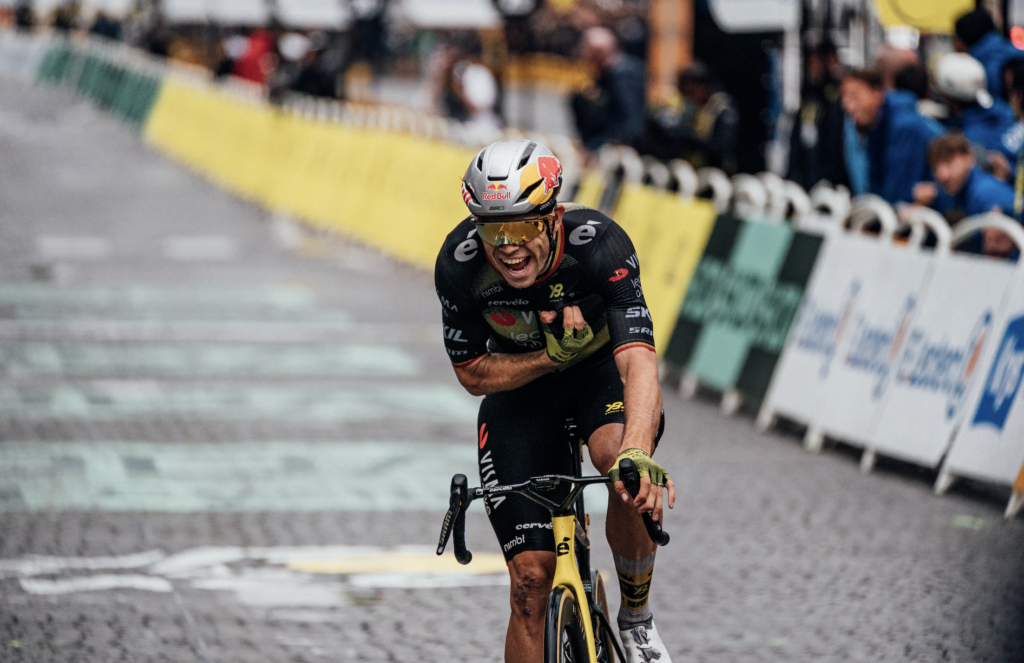
The Belgian’s convincing victory on Montmartre in the final stage of the Tour de France this year showed that he’s far from down and out, and his Paris-Roubaix recon suggests he’s leaving nothing to chance in preparation for 2026.
Do you think Van Aert will be in physical and mental state to finally take victory at the Tour of Flanders or Paris-Roubaix? Let us know in the comments below.

-300x199.jpg "“He wants bikes in traffic lanes. Give him what he wants”: Cyclists urged to “slow every street down to bicycle speed” and ride in middle of lane amid premier’s war on cycle paths + more on the live blog")








3 thoughts on “Wout van Aert was spotted test riding a Paris–Roubaix sector seven times in one day: but is he really “too kind” to win?”
He’ been pretty unlucky and
He’ been pretty unlucky and truly deserves recognition for coming back again and again. The problem ist that if you are up against Mathieu Thunderpoel and Tadej Prodigycar you don’t just need to be super strong but have to have some luck too. I’ll keep my fingers crossed for him!
WVA has had a very successful
WVA has had a very successful career on road and cyclo cross.
Maybe he should have won more in the last few years, but he has had some pretty formidable opponents and a bad crash, as well as having to support Vingegaard.
WVA is widely popular not
WVA is widely popular not just because of the way he rides his bike, his extraordinary ability to be good at pretty much everything, but also because of the way he conducts himself off the bike.
He has had some tough breaks. But Paris shows very clearly he is not done yet. And that’s great news for cycling fans.