



A bike shop owner has claimed that widespread confusion concerning the legality of electric bikes is negatively impacting legitimate sales, while noting that staff often face aggression when refusing service to illegal bike owners due to safety concerns.
Speaking to the BBC, Carmen Orga of Pell and Parker, the wholesaler which owns independent cycle retailer Richardsons Cycles, says the rising number of requests to repair illegal bikes has become a “real issue”.
“If these illegal e-bikes do go wrong, they expect us to repair them. On occasions [they] can become aggressive when we refuse to help,” Orga said.
“They bring them into the shop and think we should be able to repair anything. But we won’t touch them as they are illegal and we can only do legal motors. We can fix a puncture but won’t fix anything electric on them.”
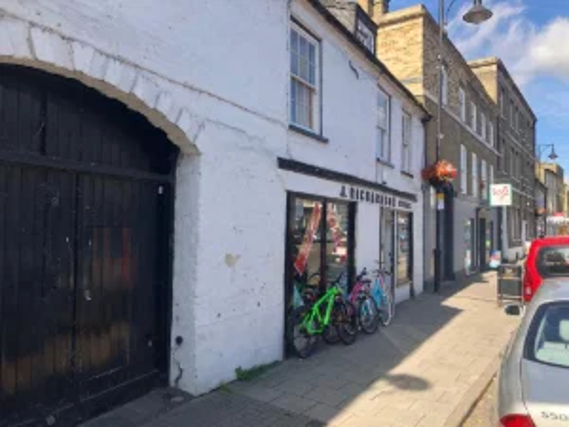
Richardsons Cycles has been running as an independent cycling retailer for over half a century, with six branches across Cambridgeshire, Peterborough, Northamptonshire and Norfolk.
But according to Orga, the ongoing confusion – perpetuated by some corners of the media and even the police – surrounding what is legal and what is not legal in the world of electric bikes has negatively impacted sales of their legitimate, safe e-bikes, causing noticeable harm to the business overall.
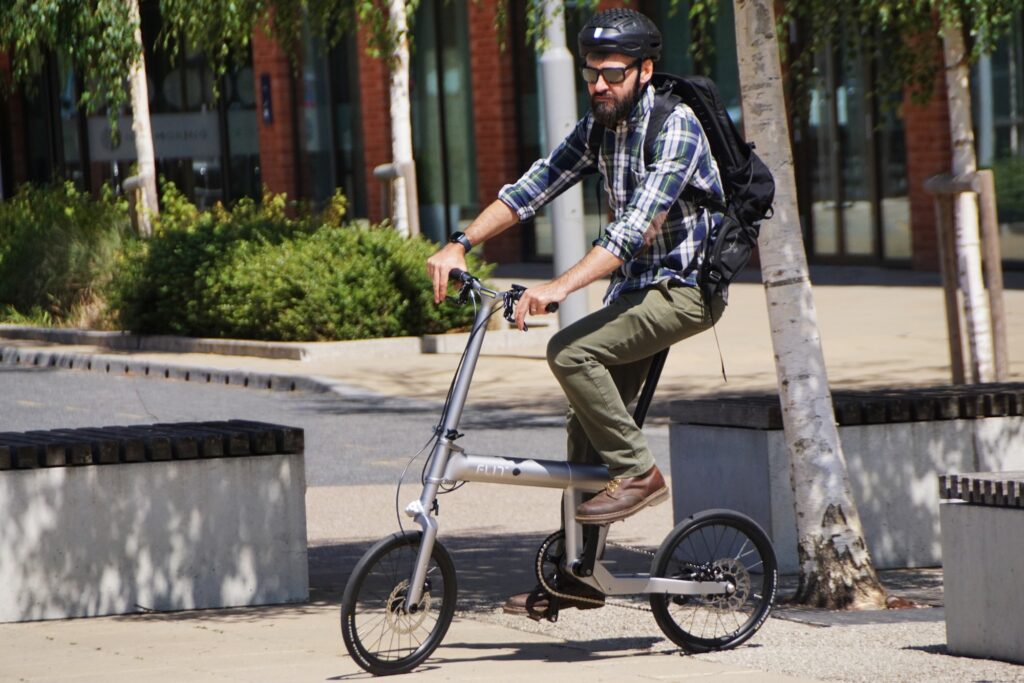
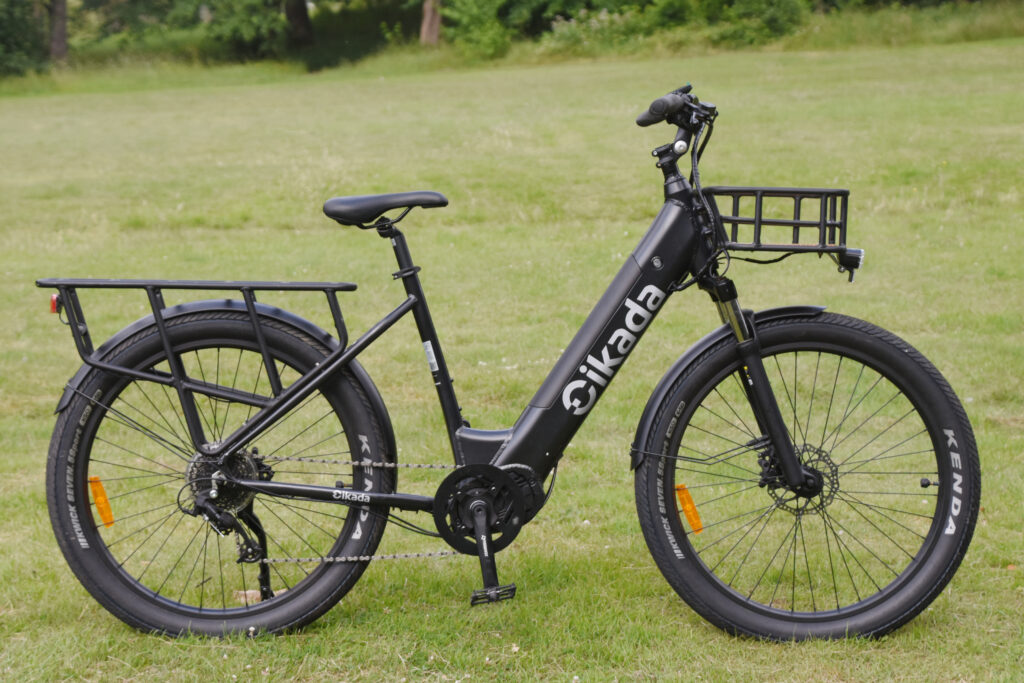
In the UK, the term ‘e-bike’ generally refers to an electrically assisted pedal cycle (EAPC), legal electric cycles that can be treated the same as a conventional pedal cycle, provided the user is age 14 or over.
They must have pedals that can propel the bicycle, have an electric motor with a maximum continuous rated power not exceeding 250 watts, and cut off electrical assistance when it reaches 15.5mph. Riders of these compliant e-bikes do not need to register or insure their bicycle, nor are they legally required to wear a helmet while riding it.
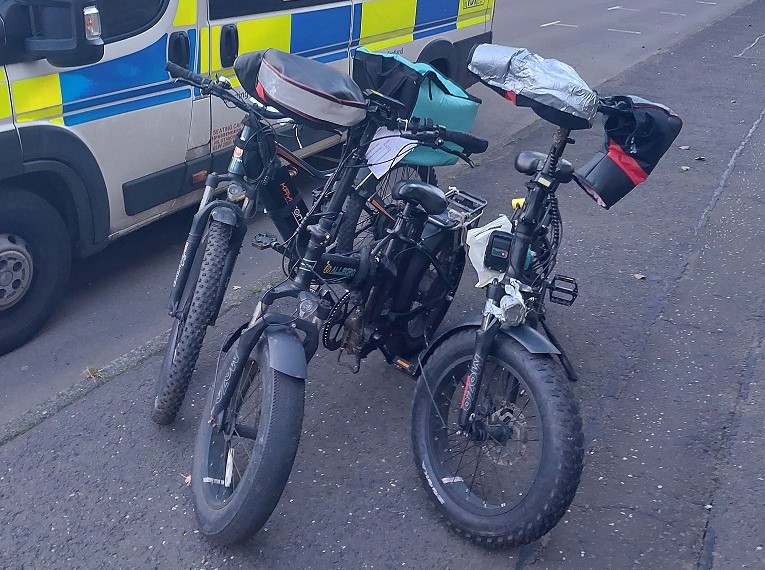
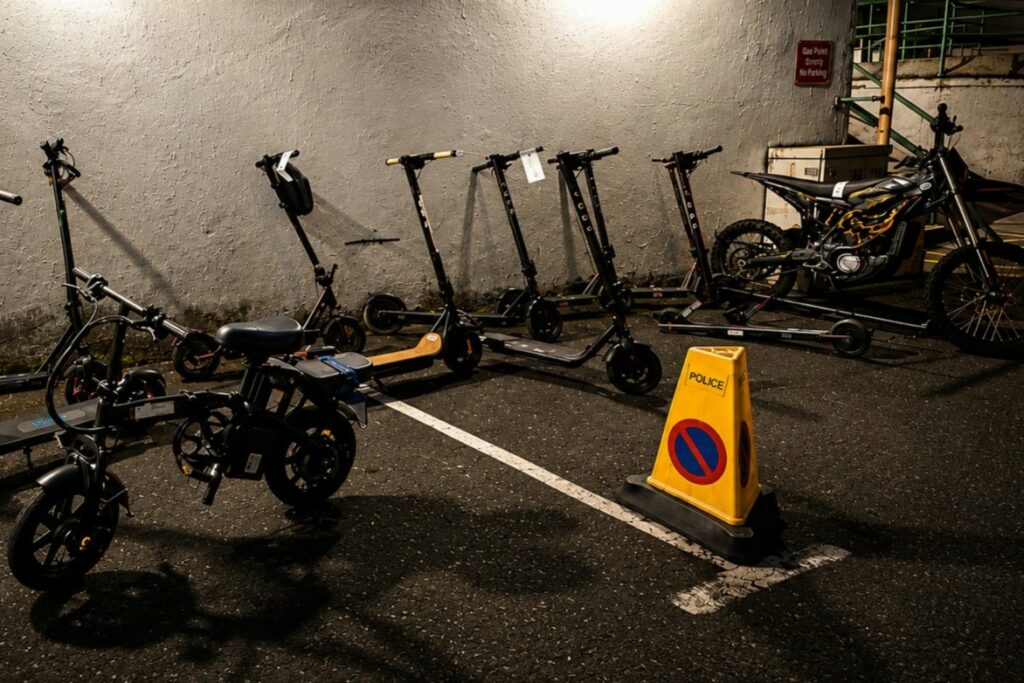
However, the use of modified bikes, which do not cut off assistance at 15.5mph and can reach high speeds without pedalling, has become an increasing issue on the UK’s streets, leading to widespread confusion with their legal counterparts.
These machines are instead classified as motorbikes and mopeds and do require a licence, registration, Vehicle Excise Duty, and the rider to wear an approved motorcycle helmet to be used on a public highway.
Electric bikes and components that propel a bike beyond the EAPC limits are not illegal to buy – and can be used on private land – but cannot be used on the road without being licensed and registered.
Cycling campaigners and stakeholders have long highlighted the danger in incorrectly calling these electric motorbikes by the generic term ‘e-bikes’, with incidents involving high-power vehicles often wrongly attributed to legal EAPCs by the public and press, most memorably in Adrian Chiles’ much-criticised ‘e-bike’ documentary for Panorama in 2025.
Following that programme’s broadcast, Ray Wookey, the owner of Energise E-Bikes in the south London town of Coulsdon, claimed it offered a “negative portrayal” of electric bikes by showing “very few legitimate e-bikes shown on-screen” – instead focusing on illegally modified or unregistered ‘e-motorbikes’.

Branding the Panorama episode as “troubling” and “misleading”, Wookey said it had the potential to “unfairly influence public opinion and undermine the efforts of responsible retailers who prioritise safety, respectful riding, and adherence to the law”, echoing the view emphasised by Richardson Cycles’ Orga this week.
Earlier this month, ebiketips reported that, in a statement publicising a targeted initiative to seize and destroy illegal two-wheeled machines, PSNI Sergeant Adam Patterson described illegal electric motorbikes simply as ‘e-bikes’.
When questioned by us about his imprecise language and the erroneous use of the term, Patterson doubled down, insisting that “some e-bikes should be regarded as motor vehicles and hence require insurance and tax”.
“An e-bike is deemed illegal if it travels at a speed over 15.5mph or has an output over 250 watts in power,” he said, leading us to point out that e-bikes are legally allowed to travel above 15.5mph, but that the electric pedal assist must cut out when it reaches that speed.
Patterson’s comments came after a high-profile case in Birmingham this summer, concerning a delivery cyclist’s legal Tern e-cargo bike – hired under a council-funded scheme – being wrongly seized and later destroyed by West Midlands Police, thanks to what was described by the bike shop which hired out the bike as a “bogus” test.
After we reported on the seizure, West Midlands Police apologised for the incident and pledged to avoid using the test again, promising to develop a new method of determining whether an e-bike is legal.
In July, David Jordan, the Labour MP for Leeds North East, wrote to the BBC’s director of editorial policy and standards to demand that an article concerning the millions of pounds paid out in compensation to people injured by the riders of illegal e-bikes and e-scooters be amended.
According to Jordan, the article had factual inaccuracies and that the use of the generic term ‘e-bike’ was misleading, arguing that it did not make the distinction between legal machines and “illegal electric motorbikes”.
This week, in response to Richardsons Cycles’ concerns about the continued confusion surrounding legal e-bikes and their illegal counterparts, Peterborough’s Labour MP Andrew Pakes called on the government to close the current legal loophole by banning the sales of all illegal bikes and conversion kits.
Describing illegal bikes as a “menace”, Pakes told the BBC: “Enforcement alone can’t fix this. Every illegal e-bike taken off our streets can be replaced by another bought online within minutes.
“That’s why I’m backing calls for the government to close this loophole for good, by banning the sale of illegal e-bikes and the conversion kits used to build them.”





1 thought on “E-bike confusion harming shops, as owner claims illegal bike owners “aggressive” when refused service”
The law seems pretty clear already:
https://bikeservicesuk.com/ebikes-and-the-law/?srsltid=AfmBOoqSUKFkKQn3GXXTnyelhu6D87z0ogZda7q01qJ5bvvZ3_A-xjWc
As far as I’m concerned it is an enforcement issue. But that enforcement is best done at source, before sale. That’s not happening. It means the folks at the bottom – scratching a living being delivery riders – are at risk of their livelihood being confiscated and crushed. The government seem quite happy for all this to carry on. THose delivery riders could and should have driving licences, and ride licensed, taxed, insured and MoT’d e-mopeds. And shut down any delivery company that allows use of illegal vehicles to drive up its profits.