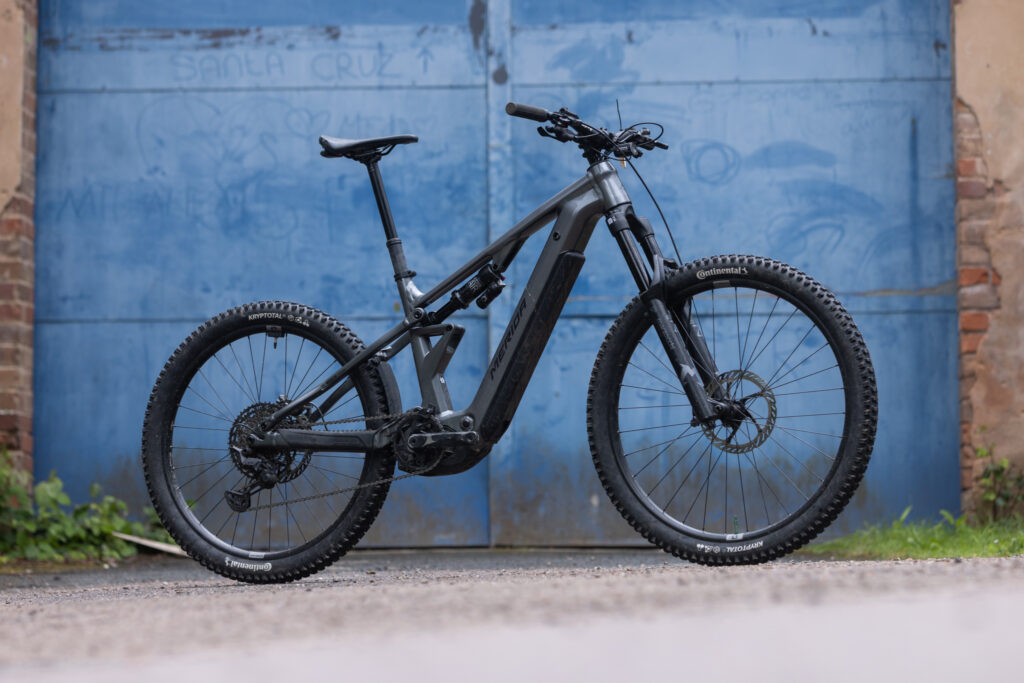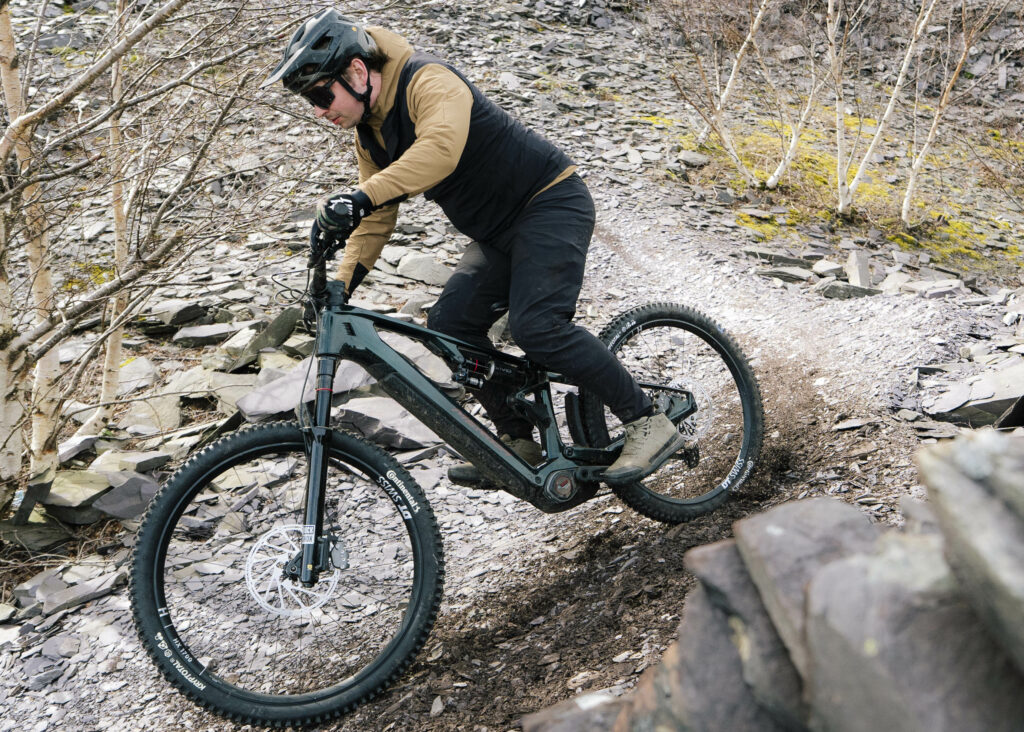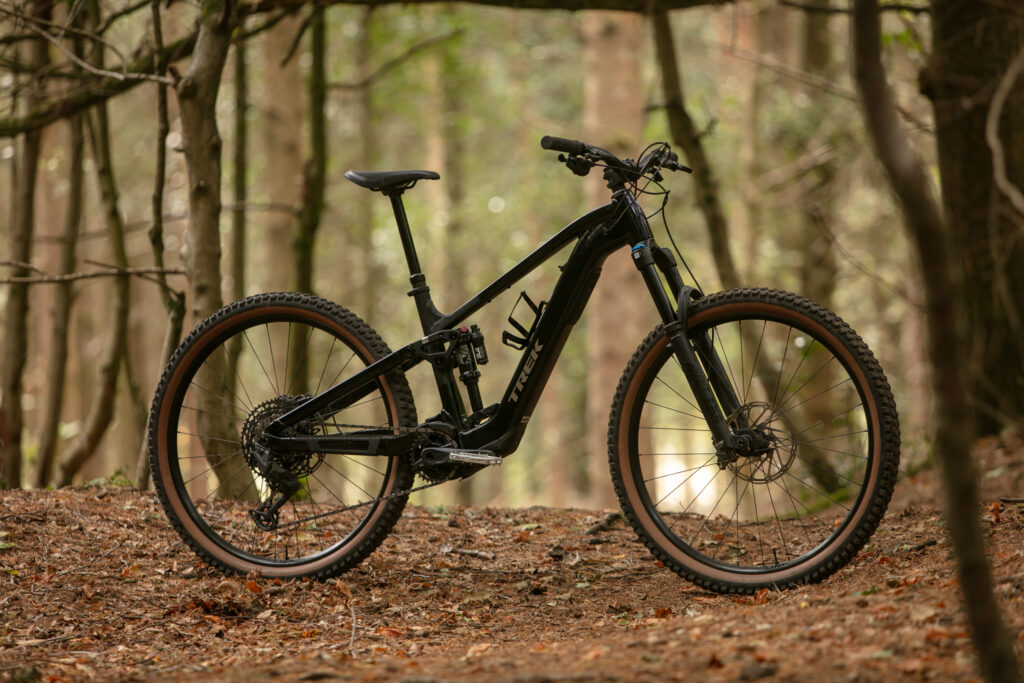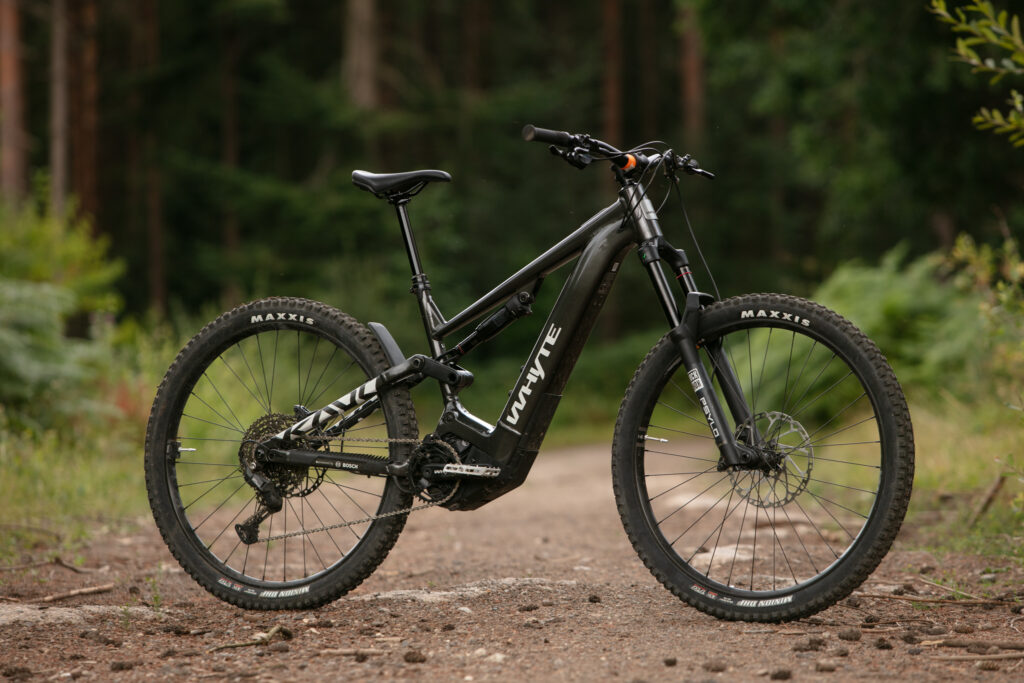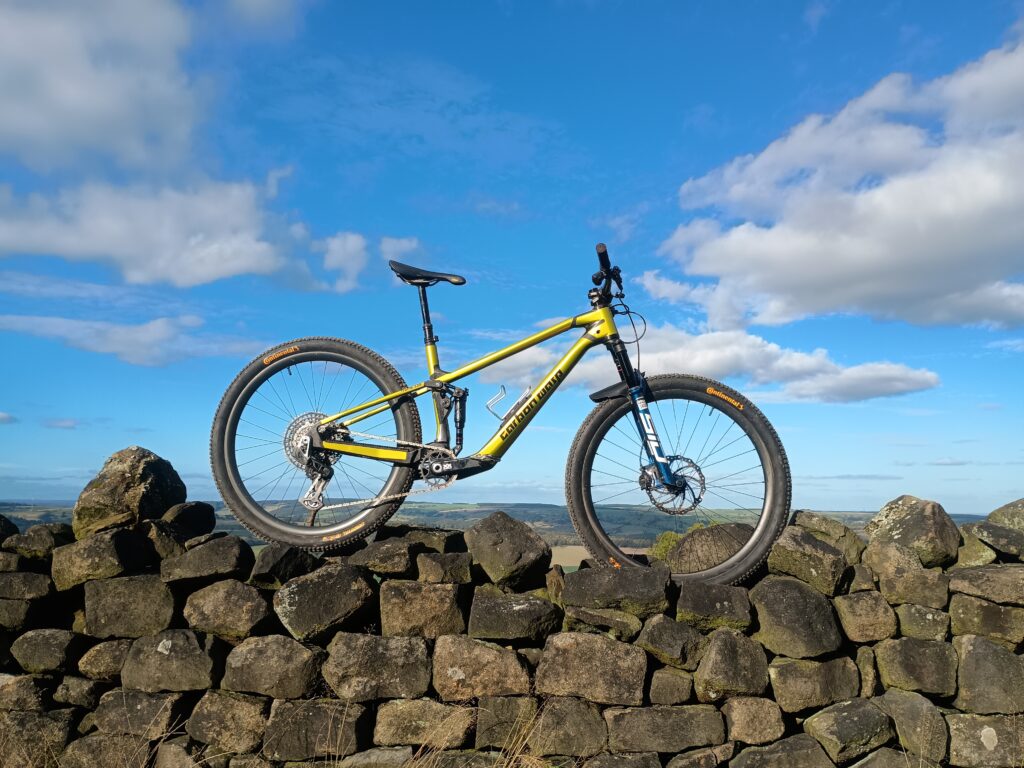


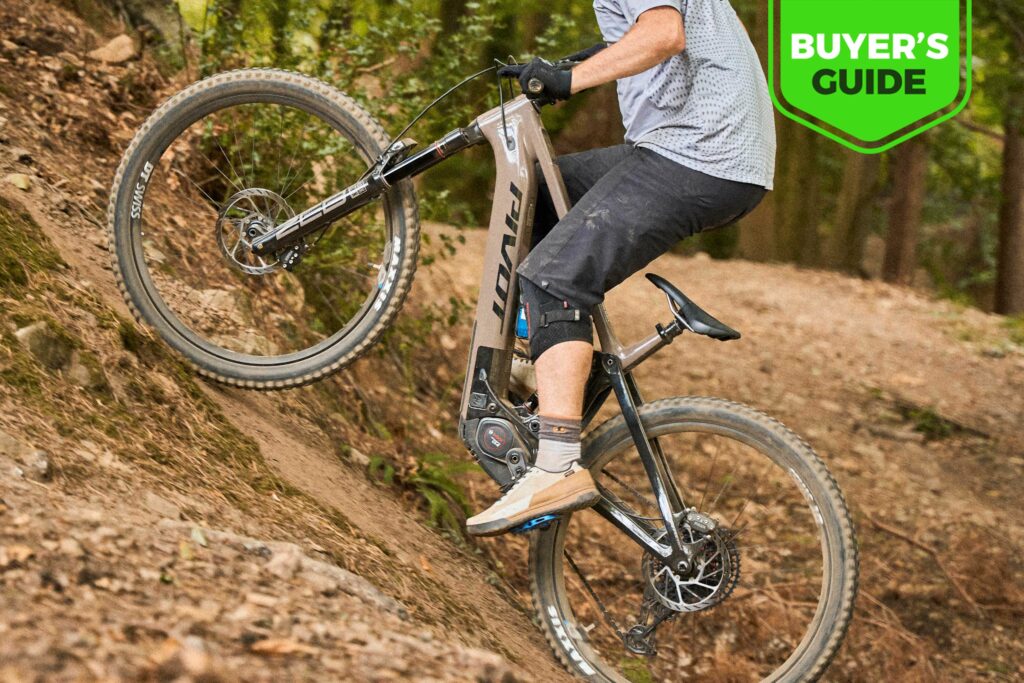

Electric mountain bikes have breathed new life into the cycling industry as they provide a more accessible platform for a very physically demanding sport. Whether you’re new to mountain biking, want to keep up with your assisted mates, or want something to make getting up a hill a bit easier so you can spend more time on the descents, here are the best e-MTBs we’ve tested.
e-Mountain bikes take all shapes and forms these days, and many are beginning to look an awful lot like their regularly powered counterparts. When choosing your first or next e-mountain bike, the usual points carry over. Consider the type of riding you do, and take a look at the types of bikes that are built to do that. It’s very easy to pick a big travel bruiser, as the motor does the hard work of getting the extra weight up a hill. However, e-mountain bikes tend to use their suspension much better as a result of their weight, so you can get away with less travel.
The motor is also an important part of the e-MTB formula, though I recommend picking the bike that’s right for you, then thinking about the motor as choosing the right bike for your riding style will bring you more good times than picking the wrong bike with the motor you really want. Loads of brands have entered the e-bike motor game, like Bosch, Shimano, Brose, and Yamaha, with a couple of those flying under the names of established bike brands, but then there’s Avinox. Avinox shook up the whole motor game with its M1 system, which unleashed bigger power and tipped the iceberg for a power arms race.
But power is absolutely not everything, despite those big numbers being rather attractive. Each motor delivers its own characteristics and features, like how it delivers its power, and whether or not it offers a form of traction control. In fact, each motor from each brand does its own thing and comes with its own features, so it’s well worth swatting up before committing to a particular drive system. Of course, not every motor comes on every bike.
Although the whole e-mountain bike genre is amalgamating into one, there are still some SL or lightweight e-mountain bikes floating around the market. These offer less power and battery capacity in favour of a lower weight. You can still get a similar level of range, but you’ll have less assistance to play with. Full-power e-mountain bikes bring up to 150Nm of torque, up to 1,500W at peak power, and large 800Wh batteries. This can come with a weight penalty, although some motors are doing a great job of balancing big power numbers with low weight figures.
As for weights, you can expect e-mountain bikes to weigh anywhere from 16kg up to 28kg, and sometimes heavier.