


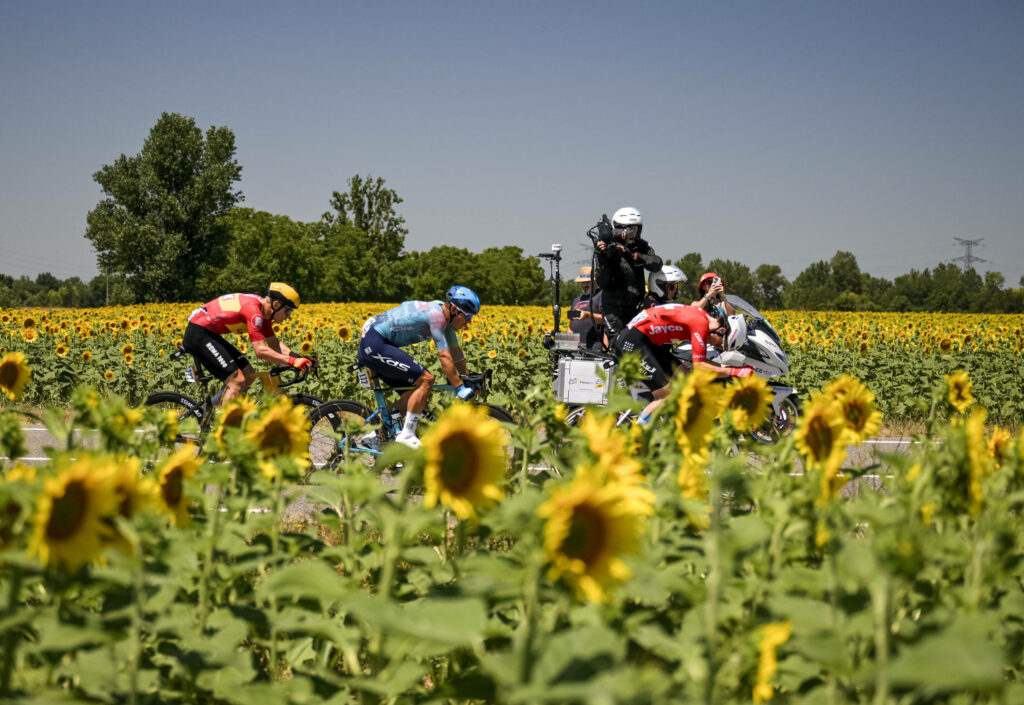

With this year’s edition of cycling’s biggest race already looking set to be remembered as the Tour de Heatwave, EF Education-EasyPost boss Jonathan Vaughters has urged teams at the Tour de France to take “self-responsibility” when it comes to making the sport more climate friendly.
The start of the 2026 Tour has been characterised by concerns about the impact of the predicted heatwave set to engulf Europe once again over the next week, with temperatures expected to soar to as high as 44°C in parts of France and Spain.
The route of the Tour’s third stage, which crosses the border back into France on Monday following this weekend’s Grand Départ, has already experienced wildfires, while stage four, which will travel through the Occitanie region from Carcassonne to Foix, is currently the epicentre of drought in France.
Tour director Christian Prudhomme told reporters that the race is on standby to adjust the route on a day-by-day basis, and regional authorities have been informed that they can cancel stages if a red heatwave alert is issued.
“It is a major concern for us,” course designer Thierry Gouvenou said on the eve of the Tour. “We have had heatwaves before in the past, but the situation is much worse now because the soil is already bone dry due to the extreme temperatures in May and June.”
The consequences of racing in the blistering heat Europe has experienced this summer were laid bare at last month’s Tour de Suisse, when race leader Elisa Longo Borghini suffered severe heatstroke and lost 10 minutes. At the end of June, ultra-endurance cyclist Lael Wilcox was also forced to abandon her around-the-world record attempt after suffering from heat exhaustion in France.
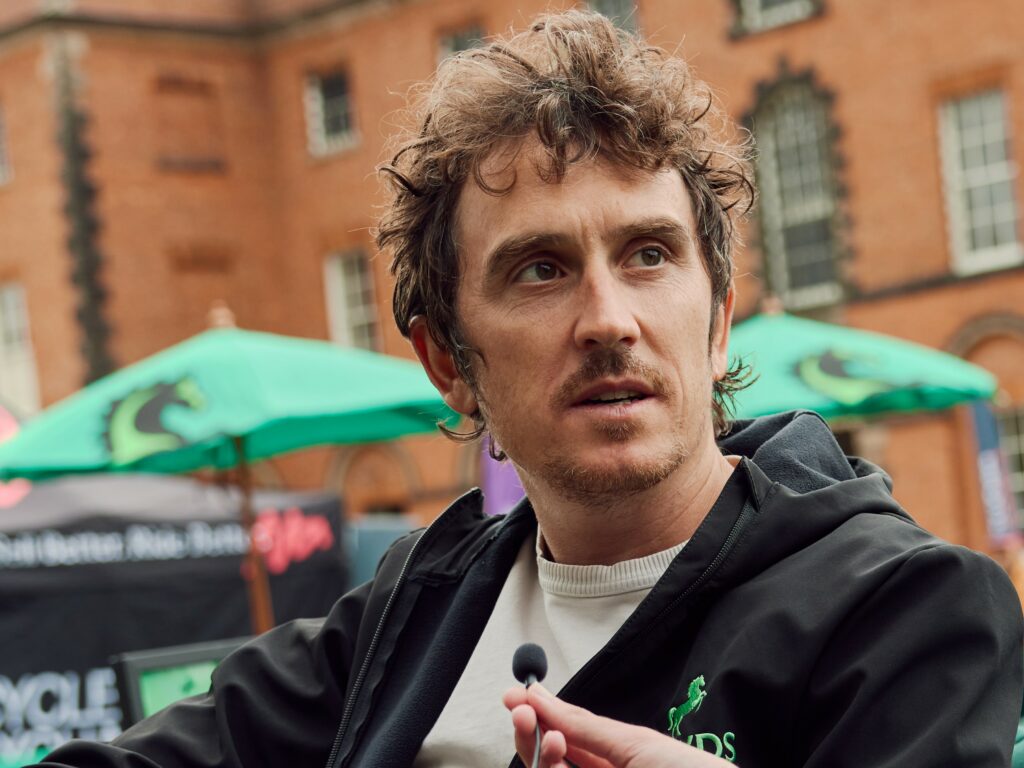
Speaking the day before the start of the Tour in Barcelona, EF boss Jonathan Vaughters noted that figuring out how best to deal with ever-rising temperatures has become one of main priorities for his team.
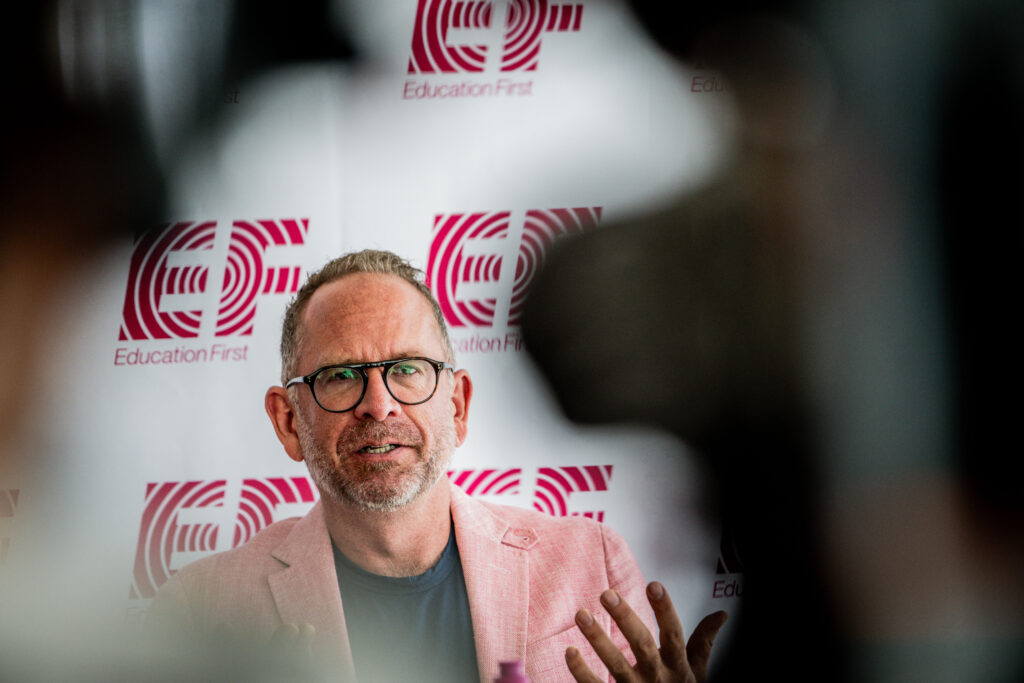
When asked by road.cc during the team’s press conference about the heatwave’s potential impact on the Tour, and bike racing in general, the American said: “It would be interesting if the trend continues, because it changes the racing.
“At 40°C, rolling along at 45kph, basically the body no matter how heat adapted you are, is going to be producing somewhere between two and ten per cent less power. There’s no way around it. All of our energy systems just aren’t as efficient when the body is slightly overheating, so racing becomes a little bit different if this keeps happening consistently in future years.
“If these temperatures had been occurring consistently twenty years ago, the sport wasn’t prepared to deal with it. Nowadays riders get fed very frequently from the roadside, they can get bottles all the time. Back then, that was not the case. Fuelling strategies are different, cooling strategies are different, and we’re a lot more prepared for it.”
Using the analogy of a closed fist as a stand-in for a compact rider, Vaughters said: “This is like super aerodynamic, you know, cutting through the wind, right? But you don’t get very good heat dissipation.”
Opening his hand fully, he said: “This, you get wonderful heat dissipation, but it’s not very aerodynamic. So which one wins in the very hot position? I don’t know.
“There’s a lot of strategies. In our sports-science group, starting last October, I would say probably 30 per cent of every single meeting we had was talking heat-dissipation strategy. We view it as incredibly important, potentially the difference between winning and losing.”
Speaking later to road.cc, the American also noted: “In terms of going forward in the sport, with the temperatures rising, you want to get a kit that helps the heat, but it’s still aerodynamic, it’s still comfortable.
“There’s always a little bit of balance there. Most of the time, the most aerodynamic fabrics are not always the best for heat, you know.”
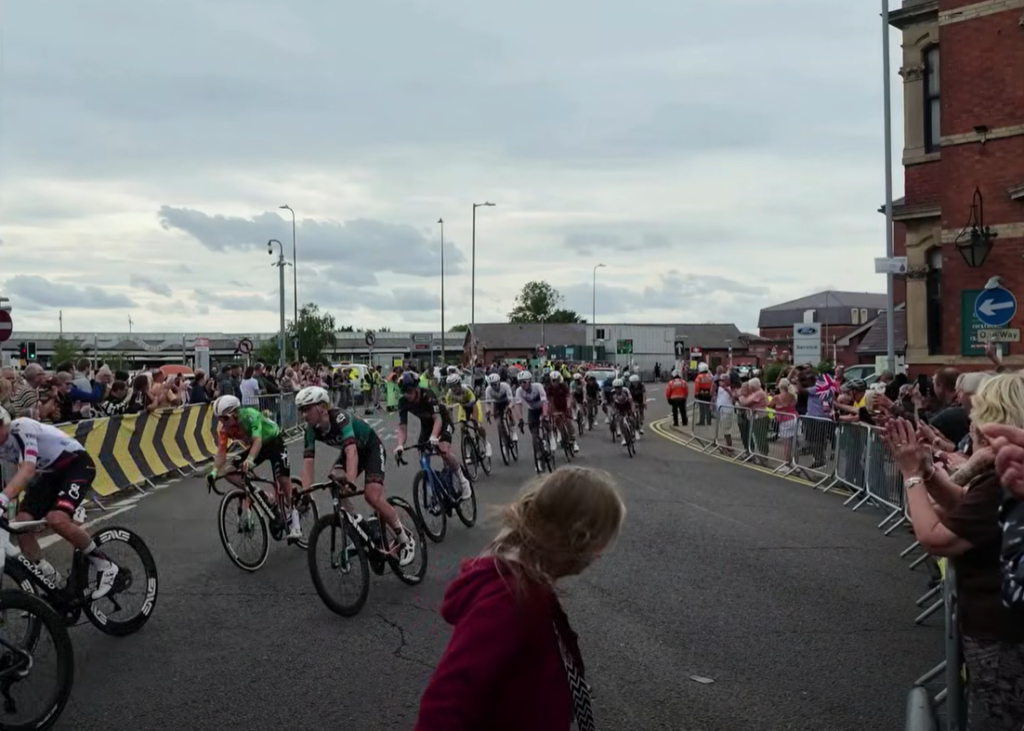
But as cycling continues to feel the full force of climate change, how does the sport face up to its own negative impact on the planet?
The Tour de France, after all, is a massive travelling caravan of race cars, trucks, and publicity vehicles, the teams fly around the world, and fossil fuel-burning companies like TotalEnergies and Ineos, not forgetting oil-rich gulf states such as UAE and Bahrain, adorn the jerseys of the best riders.
Should professional cycling be doing better?
“The first thing is that the sport has to take responsibility for itself before pointing fingers elsewhere,” Vaughters says. “But there aren’t, say, five Chinese teams in the Tour de France, and China is the world’s highest carbon-producing country by a factor of ten.
“But from a self-responsibility standpoint, I think the sport needs to do a little bit better job of becoming more carbon neutral. None of us really love the fact that we travel with multiple trucks and vehicles, and have airplane flights all over the place.
“That’s not something we particularly love, considering that cycling is fundamentally a green sport. Riding a bike is the most green form of transport you can get.
“So I think it would be good to really investigate how we can minimise the travel and infrastructure impact that cycling has. I mean, we were the first team to finish the Tour de France with a completely electric vehicle, and we’re really proud of that.
“But I’d like to deep dive into it a little bit more and just become self-responsible and be an example, so that other teams can follow. I think that the best way to change the world is by looking at yourself first.”




6 thoughts on ““Cycling is fundamentally a green sport”: EF boss Jonathan Vaughters calls on teams to “take responsibility” as Tour de France on red alert due to extreme heat”
The TdF yearly circus generates human and atmospheric pollution. Big time. Airplanes, choppers, trucks, cars for teams, media, VIP and other involved parties. But pro cycling is a profitable business, ask ASO. Don’t spoil the party with questions about carbon footprint, side-road waste, recycling (pun intended).
Also, why does ASO not have a plan B case of high temperatures – earlier departure times, shortened stages, … ?
Based on this week’s weather forecasts, several stages are likely to be cancelled.
Quote of the day : “But as cycling continues to feel the full force of climate change, …” In what ways?
The first 750 words of this article comprise a detailed explanation of the ways in which cycling continues to feel the full force of climate change. Perhaps more time reading what’s actually written before rushing to spaff nonsense everywhere might help your comprehension.
Riding a bike is green. Pro cycling is not.
Don’t greenwash us by confusing one with the other.
@tomlew Amen.
Exactly. Agree.
But that doesn’t give ProCycling a free pass – instead the UCI and all pro teams should be leading the way as ambassadors for cycling as the greenest sport. Pro cycling could be green, but it will take significant change.
Frighteningly however, it’s greenwashing that is still the aim and motivation for the majority of pro cycling sponsors.
It’s not good enough. Such sponsorships should be banned. Like tobacco and alcohol. It’s as simple as that.
Our planet is sending a very clear message through ProCycling – not sustainable.
Exactly. Agree. But that doesn’t give ProCycling a free pass – instead the UCI and all pro teams should be leading the way as ambassadors for cycling as the greenest sport. Pro cycling could be green, but it will take significant change. Frighteningly however, it’s greenwashing that is still the aim and motivation for the majority of pro cycling sponsors. It’s not good enough. Such sponsorships should be banned. Like tobacco and alcohol. It’s as simple as that. Our planet is sending a very clear message through ProCycling – not sustainable.