


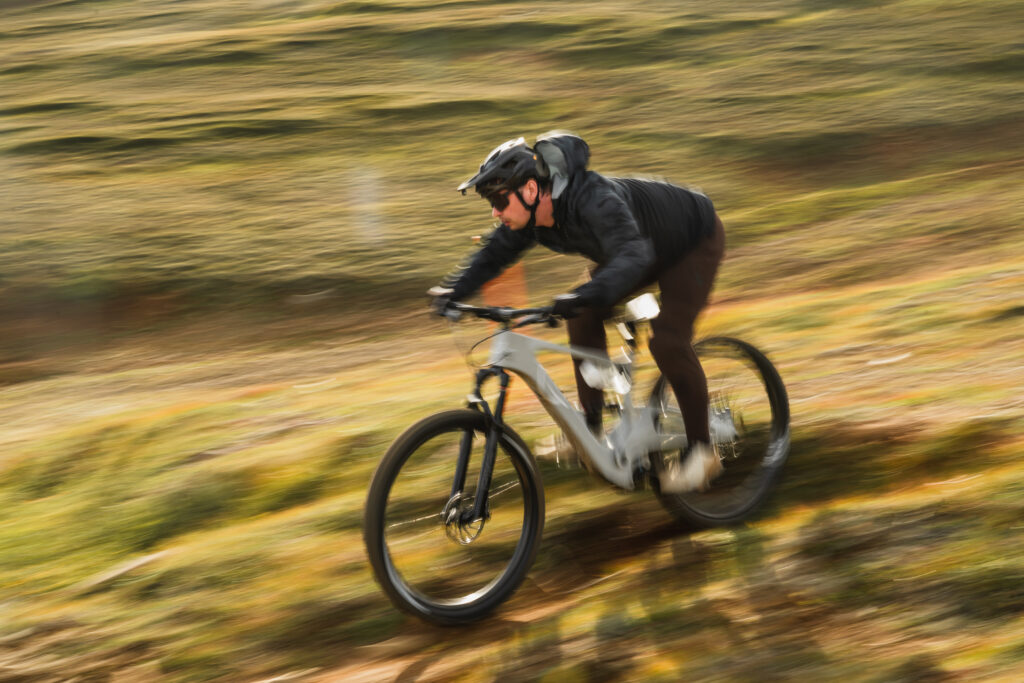

Electric mountain bikes are wonderful things that make the hard parts easier, while packing much more of the good stuff in. However, many suffer from a few drawbacks that distinctly differentiate them from a ride a regular mountain bike offers – they’re not nearly as lively or engaging to ride, regardless of how ‘light’ they are. I reckon a boom in shorter travel e-MTBs might fix that.
- Cilo Kyano HC1 e-MTB review
- Norco’s lightweight e-MTB blends confidence with an agile ride
- Santa Cruz Vala AL 70 e-MTB review
Alright, I’m expecting to get a lot of flak or this, and I get it. If there’s a motor putting in a heft of work for you, why not load it up with all of the suspension travel for an easier time when descending? I’m all for that, and with the extra travel and weight of an e-MTB, throwing one down a hill rustles up a level of confidence that’s tougher to come by on a non-assist bike.
Even full-fat e-MTBs with lesser travel of around 150mm descend impressively well. Their suspension just works better when rattling over choppy terrain, helping the bike feel planted and composed, encouraging higher speeds, and well, they’re just more comfortable. That’s all good stuff, generally.

However, they suck up some of the minutiae off a trail that can add a whole lot of fun to the riding experience. Popping off small trail lips requires more effort, and they simply lack a level of liveliness that makes mountain biking so much fun for me. This is why I’m personally still avoiding e-MTBs when I’m not testing them for work.
And that’s where I’m going to defend the likes of Specialized’s Levo R and Mondraker’s Scree. They’re smaller travel machines that were welcomed to the market with a very mixed reception (the Levo R, especially), which leaned more towards the negative, going by our Facebook comments. Some of it, I understand, but I reckon that Spesh is doing something positive here, by offering something that’s not terribly common in the full-fat e-MTB space. I’ve not ridden one yet, but I’m very interested to see how it rides. But even then, I’m talking even less travel, as well-designed e-mountain bikes really can make little travel feel like a lot more.
Lesser travel usually means a livelier ride with correctly set up suspension. And that’s what I think is really missing from the space in the market. Yes, there are small travel, lightweight, mid-power e-mountain bikes around, but they sacrifice overall range in order to hit that mark, Lauf’s e-Elja being a prime example.
And yeah, there are Avinox-equipped e-mountain bikes that attempt to quench my thirst for a more playful ride, but they’re still comparatively heavy, thus they still have a more plowy character.
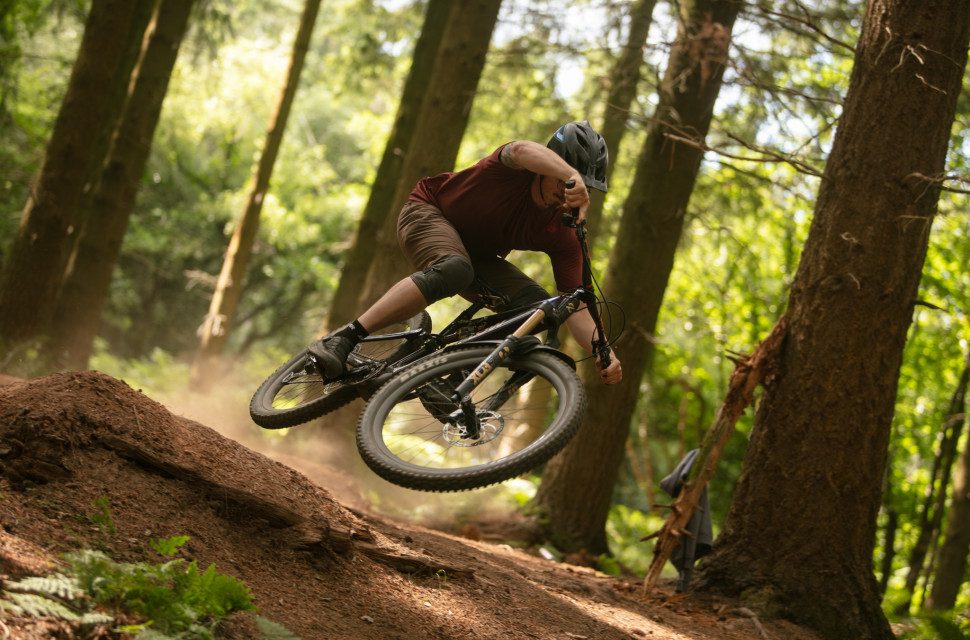
So that’s where I think the industry is missing things a bit – by leaning into reducing weight. Doing so does make a bike feel a little more normal, or akin to your standard person-powered bikes, but we’re not there yet. Batteries and motors still add kilos, at least for now.
But perhaps there’s this gap in the market simply because appropriate components aren’t actually appropriate. Narrower stanchioned forks, usually found on mini-travel mountain bikes, are more flexible, and that’ll be awful on a 20kg e-mountain bike. Then there are weight compatibility issues on top of that, with such parts not being rated to carry larger overall (rider and bike) weights.
I’m also a firm believer that we’re all prone to over-biking ourselves with better-protected tyres, and more suspension bounce than we really need. However, with full-fat e-mountain bikes, there’s not all that much choice towards the lower travel end of the spectrum.
Where we can’t yet reduce weight to bring a more positive ride feel, I think reducing suspension travel is the next step, until systems reach feather weights.















1 thought on “Dear bike industry: Give us more small travel, full-power e-MTBs please!”
Megamo Reason Air ? AVINOX M2S