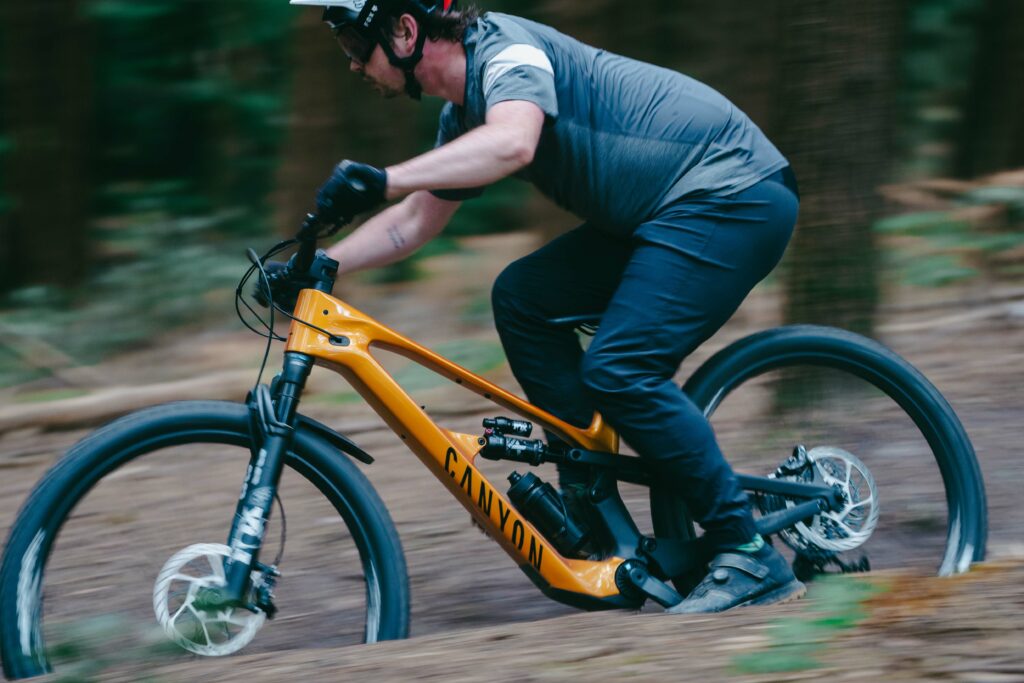

Correct riding etiquette is a fundamental part of any ride, regardless of the bike you’re on. However, with the extra speeds of an e-mountain or e-gravel bike, you’re going to be coming across more trail users more frequently, and not-ideal behaviors will have contributed to the stigma that e-bikes face. But there’s one sure-fire way to dismantle the e-stigma – etiquette.
- Welcome to Electric Week – a celebration of the e-MTB
- Electric mountain bikes – everything you need to know
- Electric mountain bikes might be getting lighter, but they’re still a bit too heavy for me
All of the points don’t just apply to e-bike users. They’re useful for anyone who’s riding a bike in a public space, where they’re likely to find themselves passing other trail users. Our incredible forests and trail systems are often open to anyone, regardless of whether they’re riding a bike, a horse, or out on a stroll, but employing the proper etiquette is the best way to make any outing friendly and safe, while lightening any stigmas and tensions that have arisen between different groups of trail users.
Here, we’ll talk about the basics that’ll be handy for e-bikers, new and old. If you would like to dive deeper into all things etiquette, head over to our mountain bike etiquette guide.
Make yourself known
There’s no two ways about it, e-bikes are fast. They can reach 25kph at the blink of an eye, and when motors are getting quieter in pursuit of a more natural and seamless riding experience, it’s easy to blast past other trail users and scare the wits out of them.
When passing those wrenching up climbs on regular bikes, this startling can become dangerous. Having a rider fly past you suddenly at full chat can become a serious jump scare, which can end up in a fall or crash between riders, upping the potential of injury. No one wants that.
Don’t assume that the whir of your motor, the sound of your tyres on dirt, or squealing brakes is enough to make others aware of your presence. A small, polite shout from a few metres behind is more than enough to let people know that you’re about, without scaring the preverbials out of whoever you’re about to pass.
Consider investing in a bell
Not feeling social enough to let people know that you’re around verbally? Or concerned that whatever you say won’t be heard? Get a bell. Alright, bells aren’t the most fashionable things to have hanging off your spendy e-bike, but there’s nothing in the forest that sounds quite like the loud ding of a bell. Everyone, apart from the very young, knows what the sound of a bell signifies, too.
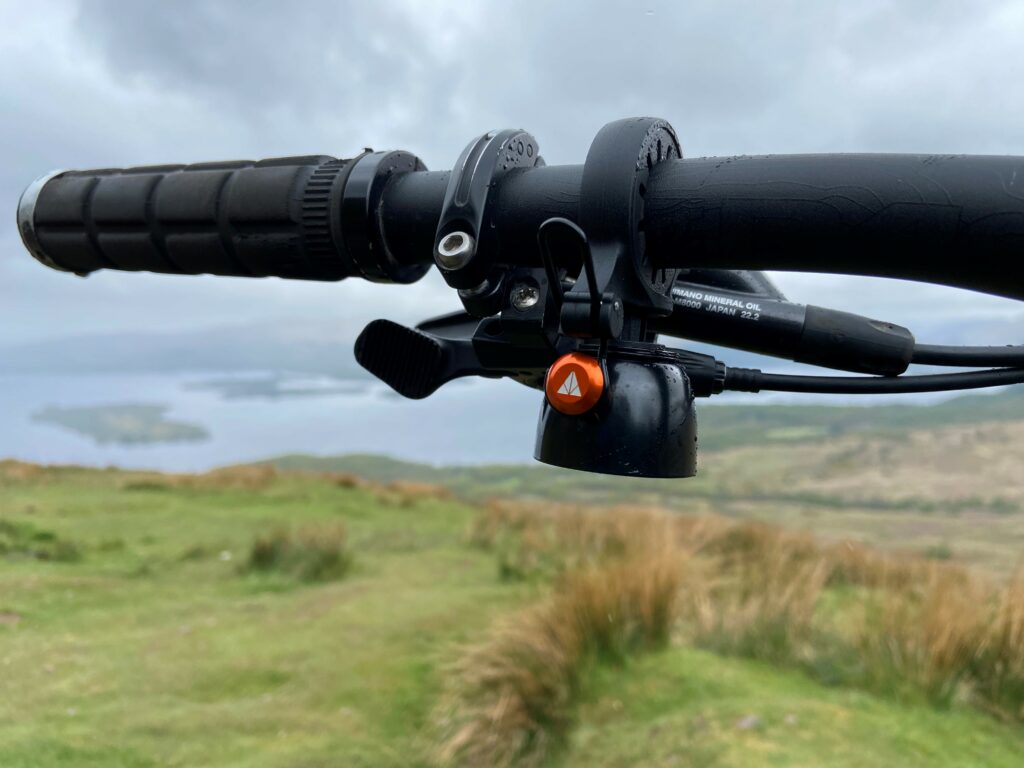
There are a few on the market with a bunch of features. Some like Granite’s Cricket can be rung like a regular bell, but they can also be set up to ring constantly with a bike’s movement. Admittedly, this can get annoying for the user, but when you’re descending a trail that crosses many fire roads with low visibility, this will give other trail users plenty of notice that you’re coming, without you having to manually ring a bell and reduce control of your bike.
Let people know how you’re going to pass
It’s all about giving other users as much information about your presence and intentions as possible. Letting them know that you’re around is one thing, and it’s pretty useful by itself, but telling them how you intend to pass them dispels any kind of confusion.
A quick, ‘on your right’ will let people know that you plan to pass on the right, minimising any startling and keeping everyone’s time on the trails safe. That goes whether it’s another cyclist or a bunch of ramblers. Obviously, this also makes people aware of where you’re going to pass, so courteous trail users should shift out of the way.
Don’t rush
Granted, not everyone is going to move out of the way, even if you’ve made yourself and your intentions known. Some folk may not be in a position to, others may simply not want to, but keep calm and relax. Getting frustrated is a recipe for disaster, as it’ll ruin your ride and possibly end up in some sort of altercation.

Plus, you could have come up behind a new rider who may not be aware of good riding etiquette, or they could be struggling up a hill, for example. In which case, it’s important to be patient and let them get on with it. Getting annoyed with them and showing it will leave a negative mark on their ride, as well as yours.
Patience is key. Strava doesn’t actually matter that much. Let’s keep things cool for everyone you come up to.
If you’ve stopped, keep to the side of the trail
There are a range of reasons why you might stop on a trail. You might be fixing something on your bike or having a pre-descent chat with your mates. Whatever it may be, move off of the trail and leave plenty of space for other riders to pass, especially if you’re mid-way down a descent.
Not moving off the trail or leaving your bikes strewn across it isn’t just annoying for other riders or trail users, but it’s mighty dangerous in the wrong place. It can cause a serious crash and injury. So be sure to take a few steps on either side of the trail to keep it clear and free for use.
Get to know the local rules
Every trail system, natural, trail centre, or bike park, has its own rules. This could vary from ‘don’t walk up the trails’ to ‘don’t ride your bike over this stretch of track’. Some may be unspoken, others lightly signposted, and you might even receive a trail map that also contains rules. The latter most point is often found at established bike parks that experience higher traffic.
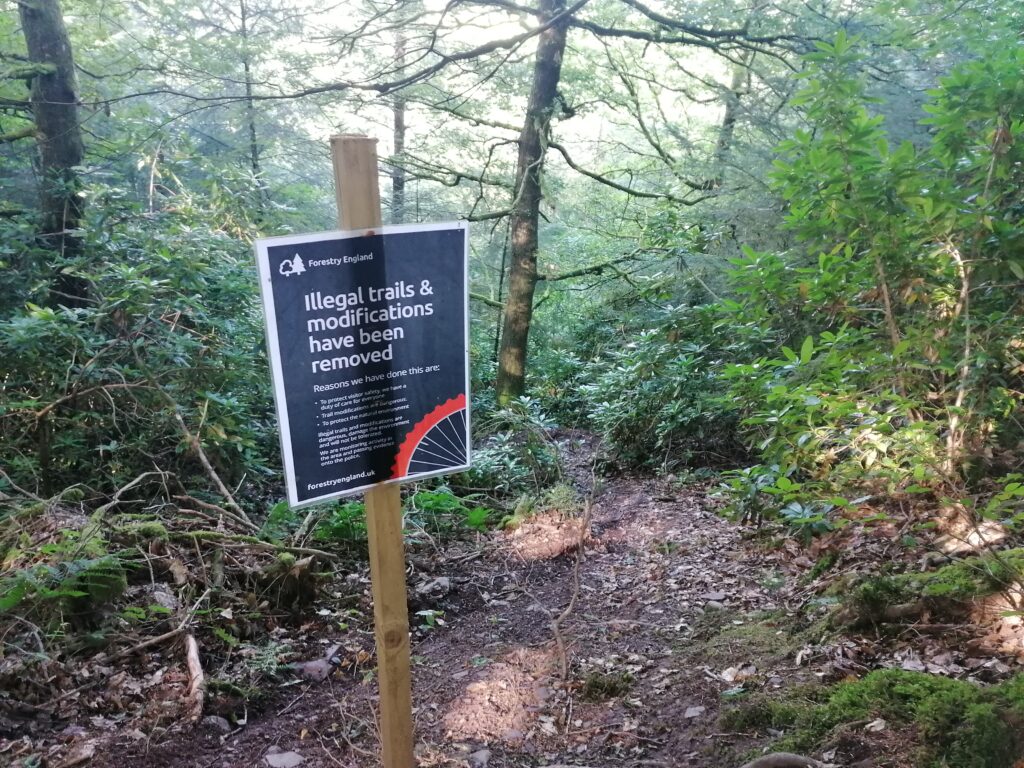
Whatever the rules, make sure to abide by them. Assume that cyclists in general aren’t terribly liked by other trail users, so giving people as little as possible to complain about while being friendly is the best way to improve negative perceptions. Take a look at any signposts, take a glance at local Facebook groups, and do a little research before putting tyre to trail.
Not following the rules, riding where you’re not supposed to, digging where it’s not allowed, or anything of that ilk can result in the loss of a riding spot for all cyclists, and nobody wants that.