




Cycling is full of things that people believe to be trends when they first pop up, but some end up becoming expectations on modern bikes, or even complete genres. A hint of scepticism is definitely healthy, but here’s a small list of things that were once seen as fads that we now take for granted.
29-inch wheels
During my time riding mountain bikes, the move to 29-inch wheels has been the biggest shift in MTB tech I’ve experienced. Before then, people were very happy with 26-inch wheels, and many still are. Then, the increasing adoption of the larger wheel size threatened riders with yet another new standard.
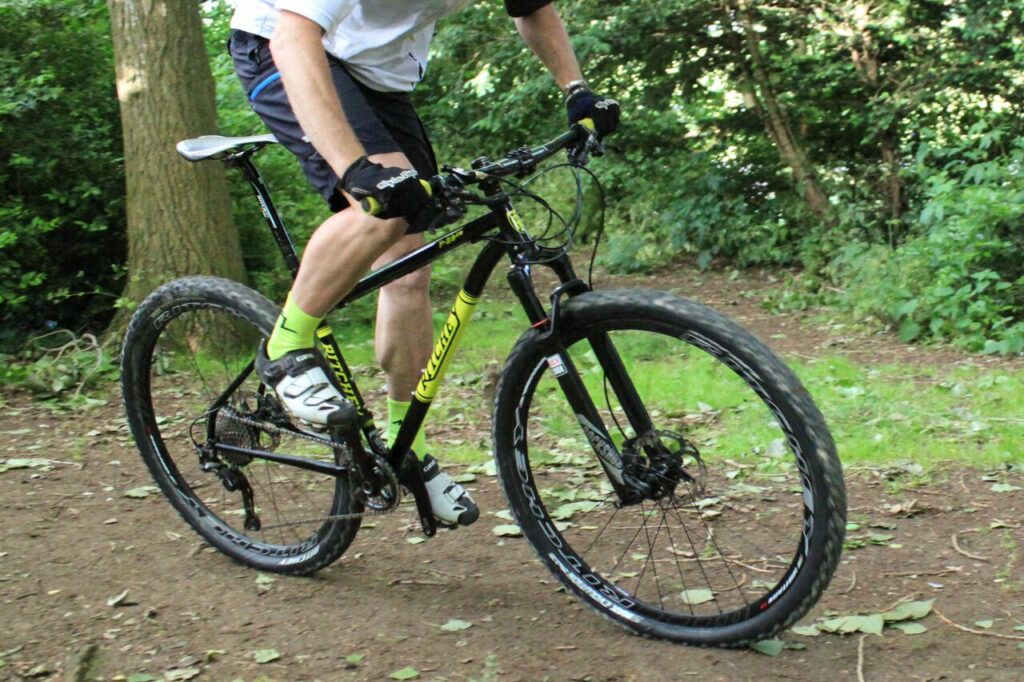
29-inch wheels promised better rollover, more traction, and more momentum. But even with such promises, brands got things wrong. Generally, geometries were designed to compensate for the greater stability of the larger wheels, and, well, that didn’t really work.
But bike companies stuck with it, tweaked geometries, and now, 29-inch wheels are pretty much standard, in some way, shape, or form. Whether or not that’ll be the case for 32, we’ll see.
Mullet wheels
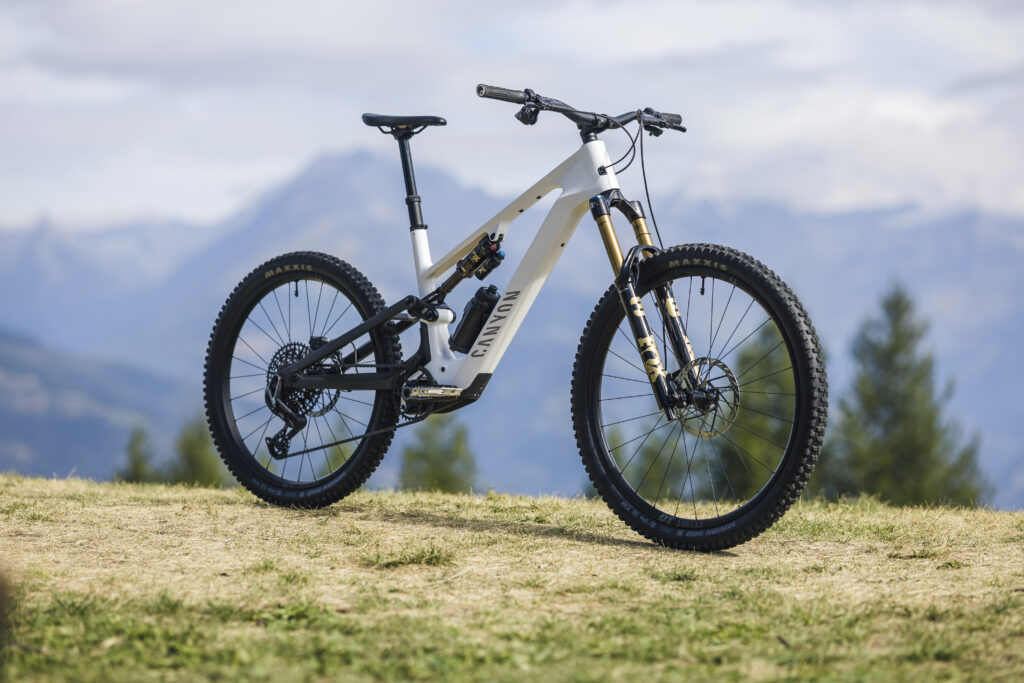
Mullet wheels, or mixed wheel sizes, are definitely nothing new, but when the likes of Canyon and Intense mixed 29-inch wheels with 650b, it was met with many a raised eyebrow. Since then, the ability to run a modern mixed wheel setup is pretty much an expectation.
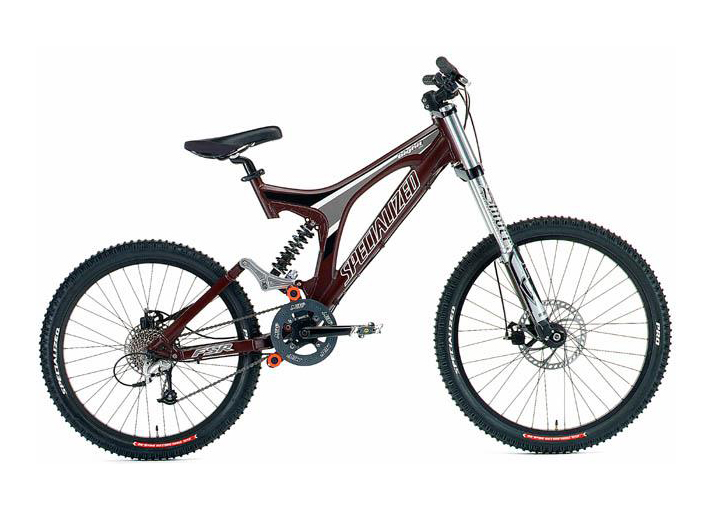
As mentioned, mixed wheel sizes have been a thing for a good ol’ while now, but before, they were reserved for select bikes, such as Cannondale’s first-ever mountain bike, the SM-500, which ran a 26-inch wheel at the front and a 24-inch wheel at the back. Since then, mixed wheels popped up now and then, with one of the most well-known being Specialized’s Big Hit. However, mixed wheels didn’t hit real popularity until much later.
Canyon unveiled its first e-MTB, the Spectral:ON, in 2018, which used a 29-inch wheel up front with a 27.5+ wheel at the rear. Intense also introduced an electric mountain bike with a modern mixed wheel setup in 2018, the Tazer. The setup promised a ‘business up front, party out back’ kind of performance where the bigger front wheel would provide all of the traction and rollover, and the rear wheel would bring a hint of liveliness to the ride. For a heavy e-mountain bike, it makes sense, too, with a smaller wheel providing less rotational mass, thus an easier-handling machine.
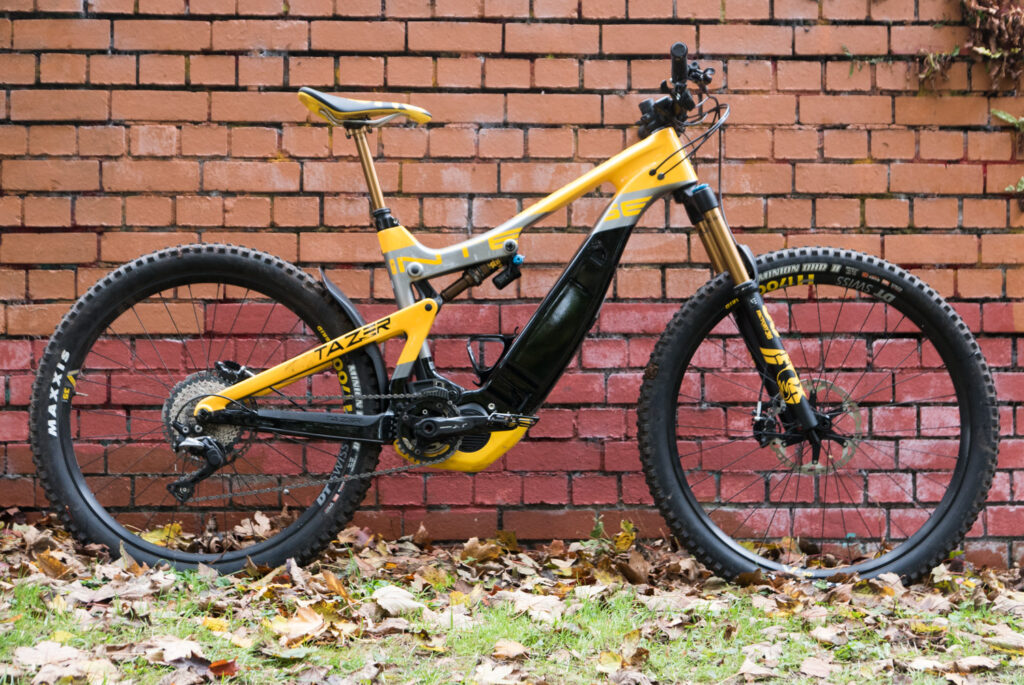
Since the release of these bikes, the contemporary mullet setup has exploded. Downhill teams rely on mixed wheels after experimenting with full 29-inch setups. Mixed wheels are now standard amongst the DH circuit, and the ability to swap a 29-inch rear wheel for a 650b, or 27.5” alternative, is now expected on new bikes.
32-inch wheels
This one’s still a bit early to call, but when it comes to controversial tech, I simply cannot forget 32-inch wheels, and the impact they’re having on both consumers and the current off-road cycling market. And in all honesty, I’m surprised that they’re picking up at the rate they are.

32-inch wheels were first found on DirtySixer’s bikes and shaped to make cycling better for very tall riders. However, BMC’s 32-inch prototype cross-country bike could be seen as the tipping point for the wheel size, as it has since gained serious traction (pun intended).
As expected after the rise of 29-inch wheels, 32-inch hoops get their fair share of hate. Yep, it’s potentially another standard that may or may not change the bike you buy next. But more brands than expected are exploring the technology and building bikes to suit bigger wheels.
To say that they’re sticking around for the long haul is a stretch at this time, but they’ve already been around for longer than I expected. Other wheel sizes have popped up and quickly faded into memory. Remember 27.5+, 29+ and 750D?
Dropper posts
With the lumps and bumps of mountain biking, it’s a great idea to get the saddle low and out of the way to grant more maneuverability over the bike. But it’s also incredibly useful to have the saddle in the perfect spot when pedalling, to make the most efficient use of leg power.
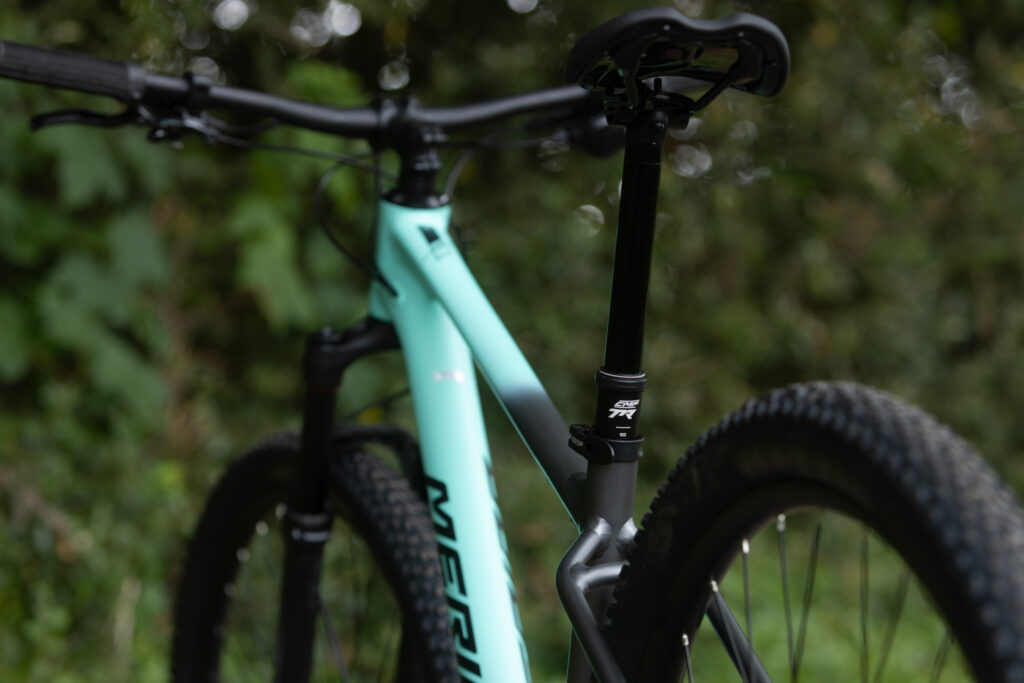
Before dropper posts, it would be a manual affair. Flicking open a quick release clamp, sliding the seat post deeper into the seat tube before a descent, and raising it back up afterwards. That said, some brands released sprung mechanisms which allowed riders to do so kind of on the fly.
When dropper posts came to the market, they were seen as extra complexity and weight that wasn’t really reliable. I’ll admit, in my earlier days of riding, I went through quite a few. Having a saddle rise unexpectedly during a descent is a feeling I’ll never forget.
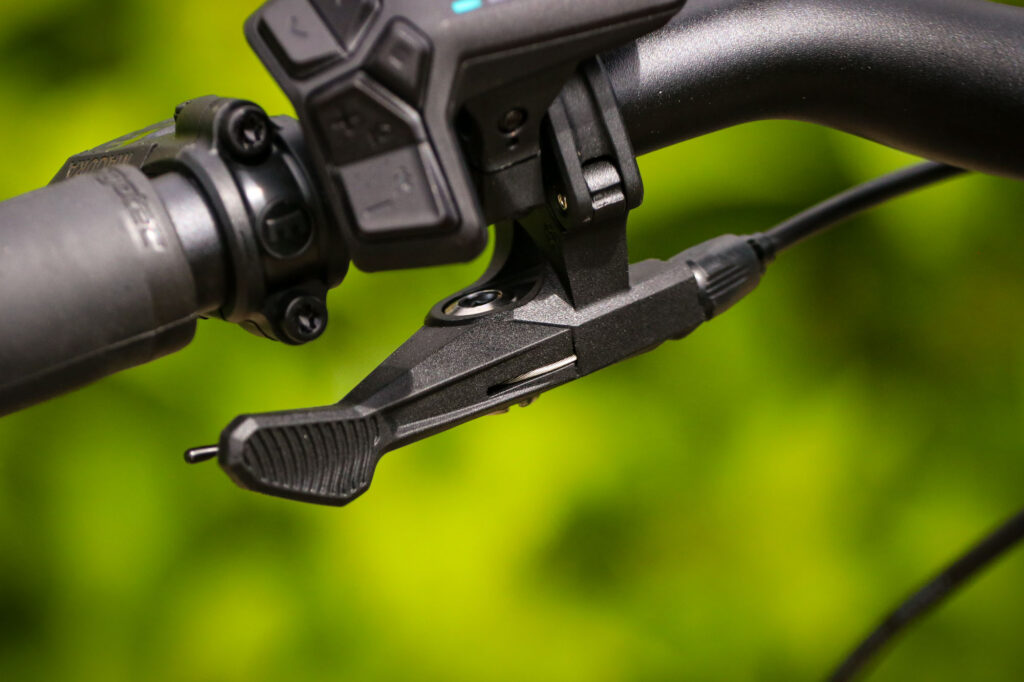
Even cross-country riders took their time jumping onto the technology. Dropper posts added weight, and at the top end of racing, more weight meant more time and effort.
But now, dropper posts are another expectation of modern mountain bikes. If a bike is bought without one, it’s likely the first upgrade people would make. They’re a lot more reliable these days, too, and often found on even commuter bikes.
Handguards
Around 2016, Sam Hill was spotted with moto-style handguards hanging from his handlebar, and they were immediately met with tons of naysayers calling them unsightly and utterly pointless. But since then, slowly but surely, other brands have jumped on the handguard bandwagon.
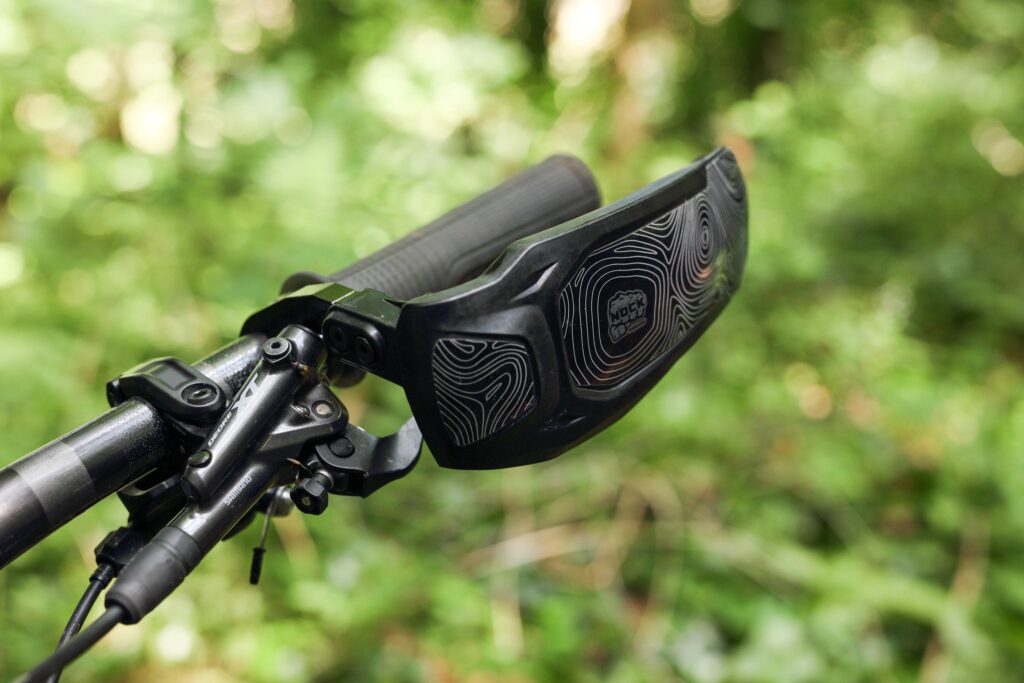
Now, although they’re not quite the must-have as other products in this list, they’re a lot more accepted. And they provide real purpose, too, by protecting a rider’s hands as they smash through overgrown trails. They also serve as brake lever protectors, guarding them from direct impact during a crash, allowing racers to finish runs with full braking control.
In fact, I’m a big advocate for handguards. Too many times have I finished a ride and had to pull numerous, impressively long thorns from my knuckles. With handguards, the painful task is no longer a thing.
Carbon fibre
Carbon fibre bikes of old were often space-age-looking machines, but they weren’t without their criticisms and failures. When I say failures, I mean failures. Bonding between lug and tube would degrade, and still to this day, the material is seen as fragile compared to metal-built machines. But with their early fragility, it comes as no surprise that many weren’t keen on the material.
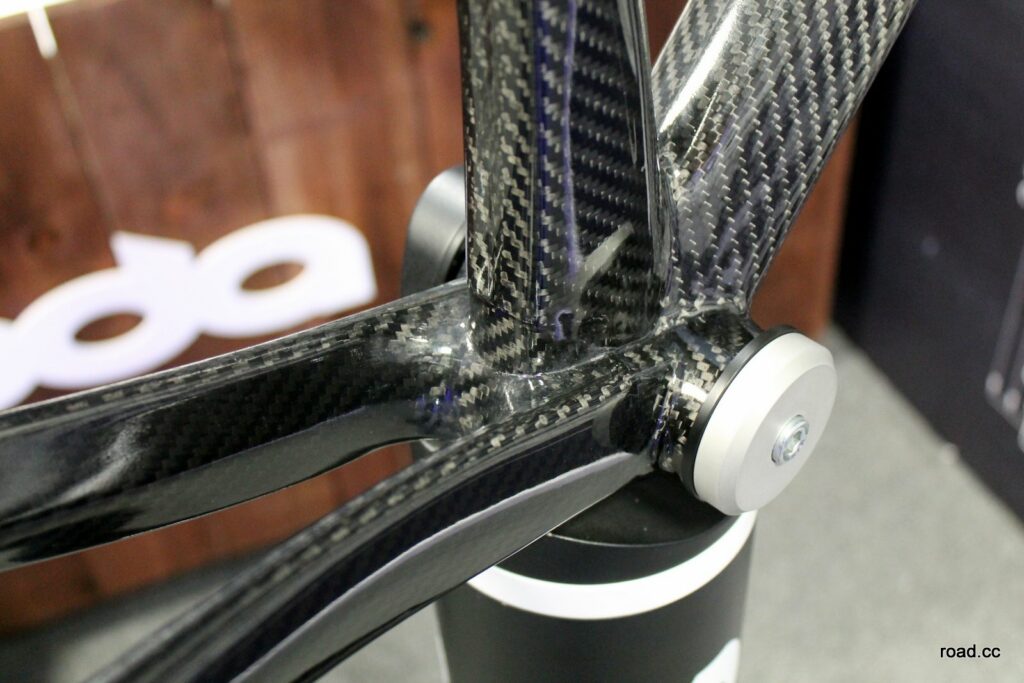
But as brands experimented, carbon mountain bikes became tougher, stronger, and more reliable. It also allowed brands to do a little more with frame design by tuning flex and stiffness, while shedding weight where possible.
Now, carbon is commonplace on most kinds of bikes, from road to gravel and from cross-country to downhill. Plus, there are loads of components built from the fibrous material.
e-Bikes
Perhaps the most controversial of the lot are e-bikes. Kitted with motors and batteries, they’re built to make the hard parts of cycling easier, while allowing riders to get in more of the good stuff.

Even to this day, despite their incredible popularity, they’re met with backlash. Some regular bike purists claim cheating and assisted mountain bikers fly by, bouncing off the 15.5mph limiter uphill. And while they aren’t without their problems, I firmly believe that they’re good for the sport and the cycling industry.
Though often, it doesn’t take much more than a quick ride on an e-bike to persuade purists to the electric side.
Electric drivetrains
Like electric bikes, electric drivetrains and bike components were also received with an air of caution from the consumer, and rightfully so. Rather than having mechanical cables, which pose little negatives to shifting performance, throwing in wireless technology, invisible protocols, and batteries into the mix isn’t everyone’s idea of what cycling should be.

But now, if you’re willing to spend a bit of extra cash, say over £4,000, you’ll likely find that your prospective new bike comes with a wireless drivetrain. Although there are still questions over reliability, for the most part, they’ve been quashed, and some riders are revelling in the consistency that comes when ditching the cables.
1×12 drivetrains
For a long time before, bikes of all types carried two-by or three-by drivetrain setups, offering multiple front chainrings to choose from, and a very wide range of gears. The benefits were real too. Riders could shift from very easy gears for steep ol’ climbs while shifting into even tougher gears to avoid spinning out when the speeds ramped up.
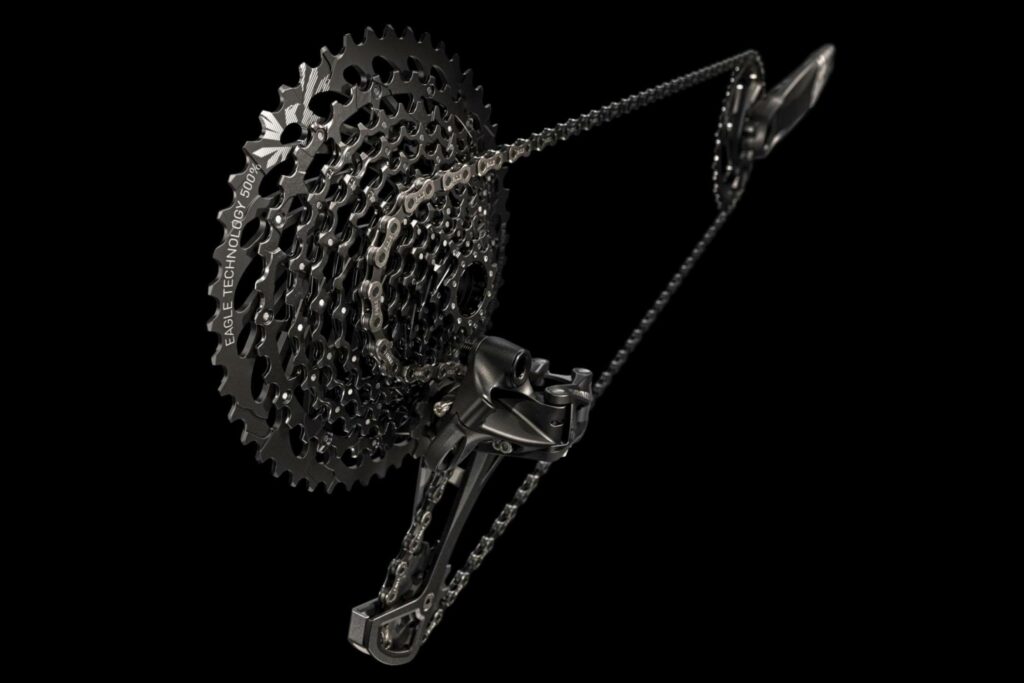
Although two-by setups are still relatively common on road and gravel bikes, you’ll have a very hard time finding a modern mountain bike that doesn’t don a one-by drivetrain.
SRAM was the first major brand to make one-by a thing with its 1×11 XX1 drivetrain in 2012, and by 2016, the brand had unveiled its Eagle 1×12 shifting, with that spread of gears being pretty much standard today.
The benefit a one-by drivetrain brings is simplicity. There’s no front derailleur to mess about with, and even with 12 gears, the range these drivetrains offer is plenty. However, the idea of losing gears wasn’t all too great for those who liked their range.
Gravel bikes
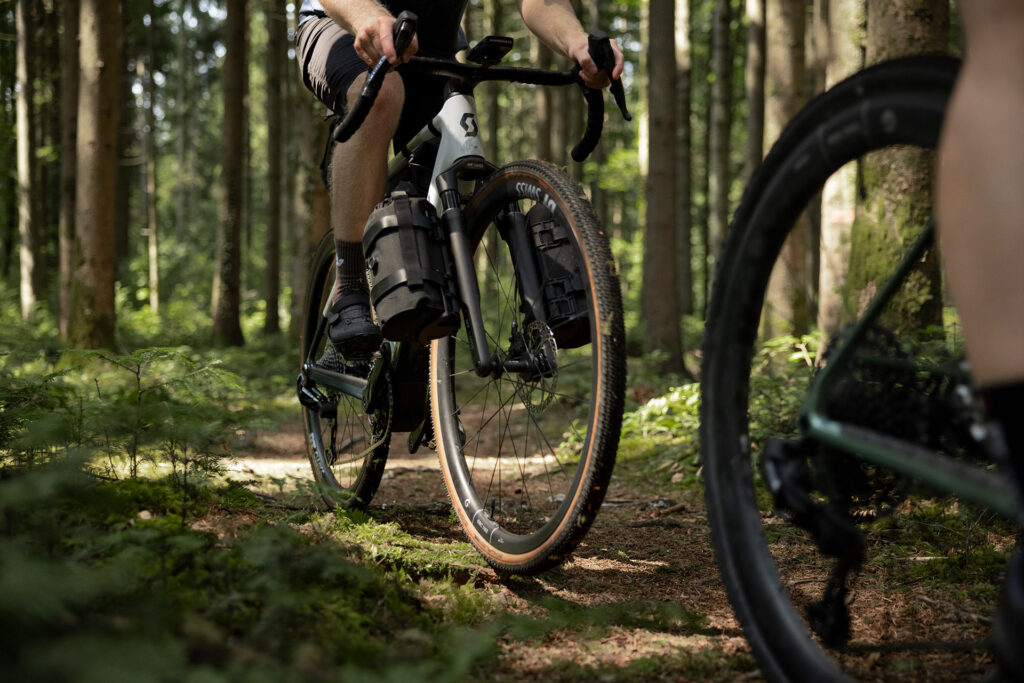
Drop bar-equipped bikes for riding off-road? Although many, like John Tomac and Charlie Cunningham, had dabbled with curly bars while riding off-road, gravel as we know it today wasn’t really a thing until Salsa brought the first production gravel bike, the Warbird, to market in 2012.
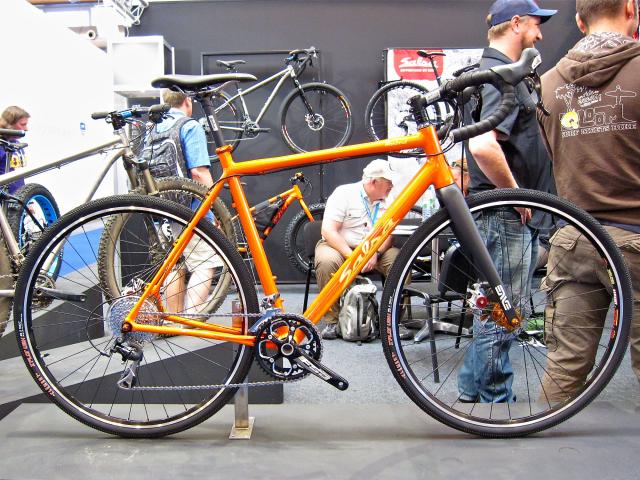
Then, people saw riding such bikes in such ways as kooky, and roadies and mountain bikers didn’t quite see the point. Though gravel can be seen as a product of mountain biking’s rapid progression, as MTBers take to gnarlier trails and leave behind the exploration flavour that the genre built itself upon.
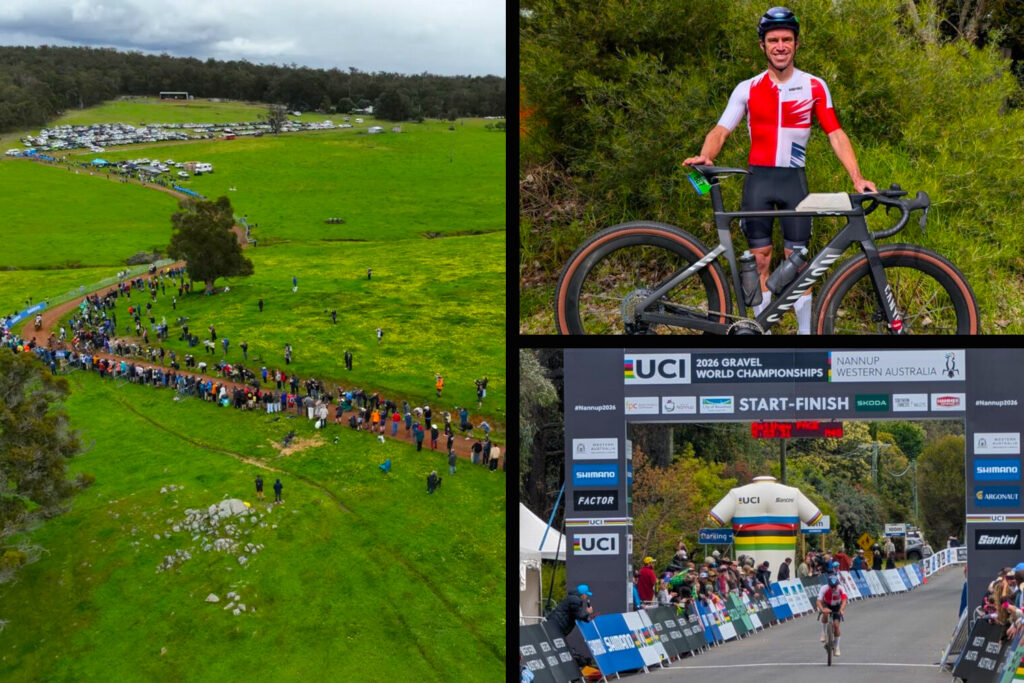
But now, gravel is incredibly well established, and UCI-organised racing is gaining quite the foothold in the sport. With that, interesting road-like aerodynamic features are popping up on new bikes, broadening the genre from its more casual intention. It could even be said that modern gravel is a nod to the klunker days.
Although gravel is widely accepted, it still comes in for a fair bit of criticism. Why ride a gravel bike when you can ride a cross-country bike? That’s what the haters would say anyway…













5 thoughts on “10 controversial gravel and MTB trends that have stuck around for the long haul”
I don’t think I’ll ever I understand dropper posts, even on the most brutal downhill you’re standing and the saddle is kind of useful for stability around knee height. My mate says it stops you getting whacked in the cobblers but I’ve never had that happen. I know people swear by them but I almost never use mine…
@Mmitb I thought the same until I was riding a hire bike (which ironically had a dropper post but which I had locked out thinking I didn’t need it) fairly rapidly on a steepish downhill when I came upon a pretty significant bump in the trail that was hidden in dappled shade; I bent at the knees to absorb the shock and the bike came up to meet me at the same moment…anyone else in the woods must’ve thought Tarzan was on his way from the noise. As my old cricket master used to say when one took a hit amidships, “Don’t rub ’em boy, count ’em!”
@Rendel Harris so it can happen! Maybe I’ll start using it after all…
(except we could only think of 8, so 3 of them are variations of ‘different sized wheels’.)
@mdavidford disc brakes and helmets too provocative, mayhaps.