


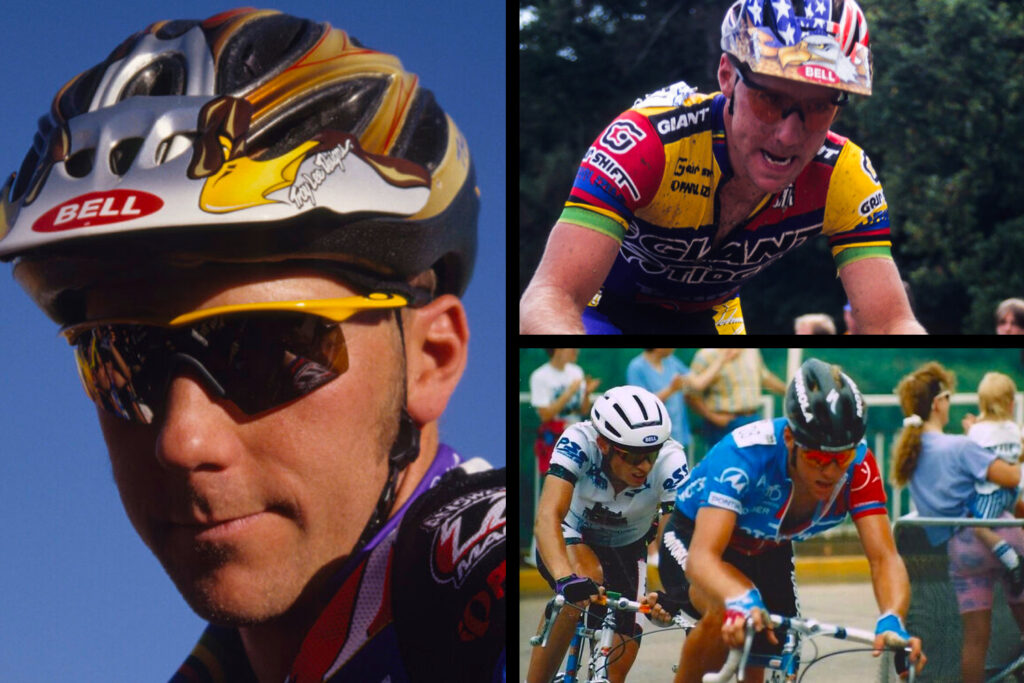

The mere mention of John Tomac’s hallowed name will have a whole generation of early mountain bikers quivering in purple-hazed dayglo delight, such is the stature of one of the greatest mountain bikers of all time. Arguably, ‘Farmer John’ is also the greatest style icon the sport has ever seen.
Oh, and Johnny T was also one of the USA’s greatest ever all-round bike racers. He started out as a teenage BMX star, then took to pro mountain bike racing in the mid-80s, where he raced both cross country and downhill at the highest level, winning the Cross Country world title in 1991, and also finishing second in the downhill world champs that same week.
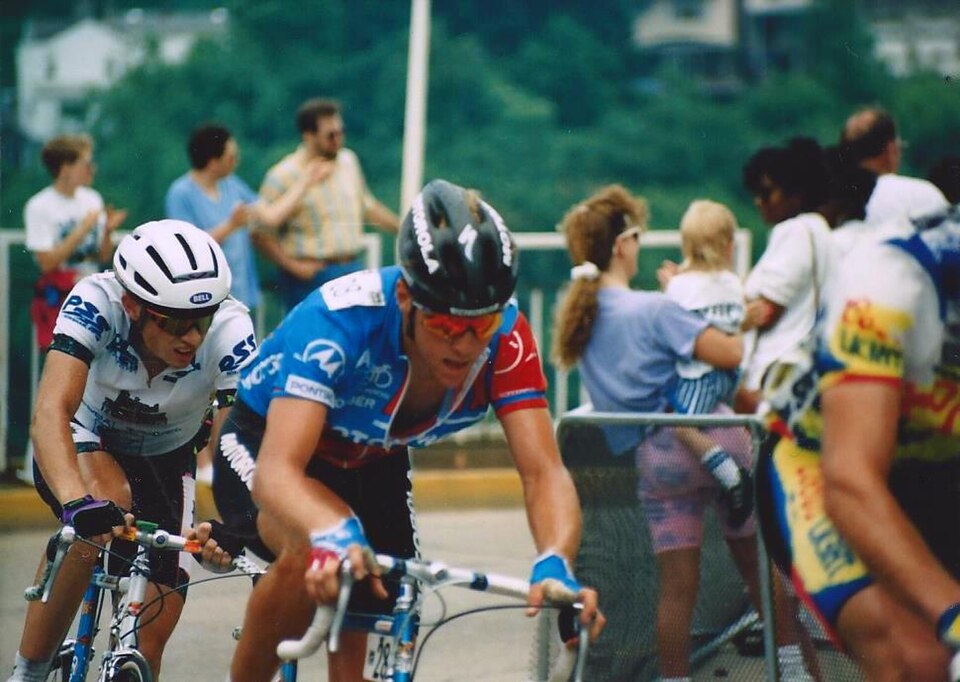
Amidst this, he somehow also managed to ride a few seasons for the leading US 7-11 and Motorola pro road teams, while also riding a full MTB World Cup schedule. He raced the great road classics such as Paris-Roubaix and the Tour of Flanders, and also rode the Giro d’Italia.
Tomac was perhaps the first true rock star of the sport – an absolute style icon, and with the on-bike flare to match.
Throughout the 90s there was a great rivalry played out between Tomac and Ned Overend, two very different characters, who just happened to live in the same town of Durango, Colorado, where the first ever MTB World Championships were won by Ned. Sadly, his legend is largely lost on later generations.
This is part of a conversation I had with John a while back, where we talk about how he laid the base training foundations for his amazing career, and how he brought them forward to a new generation of stars…
off.road.cc You’re not originally from Colorado. What drew you to that remote corner region?
John Tomac Originally, I was in Durango to train, it was a good place to train and at an altitude I really liked.
The area and weather were really good, and the mountains are really excellent for training; whether it’s on road or mountain bike. It’s one of the few places where you can really get that high. You can ride at 12-13,000 feet (3,500-4,000 metres), which you can’t do in too many places.
The long, lonely ride
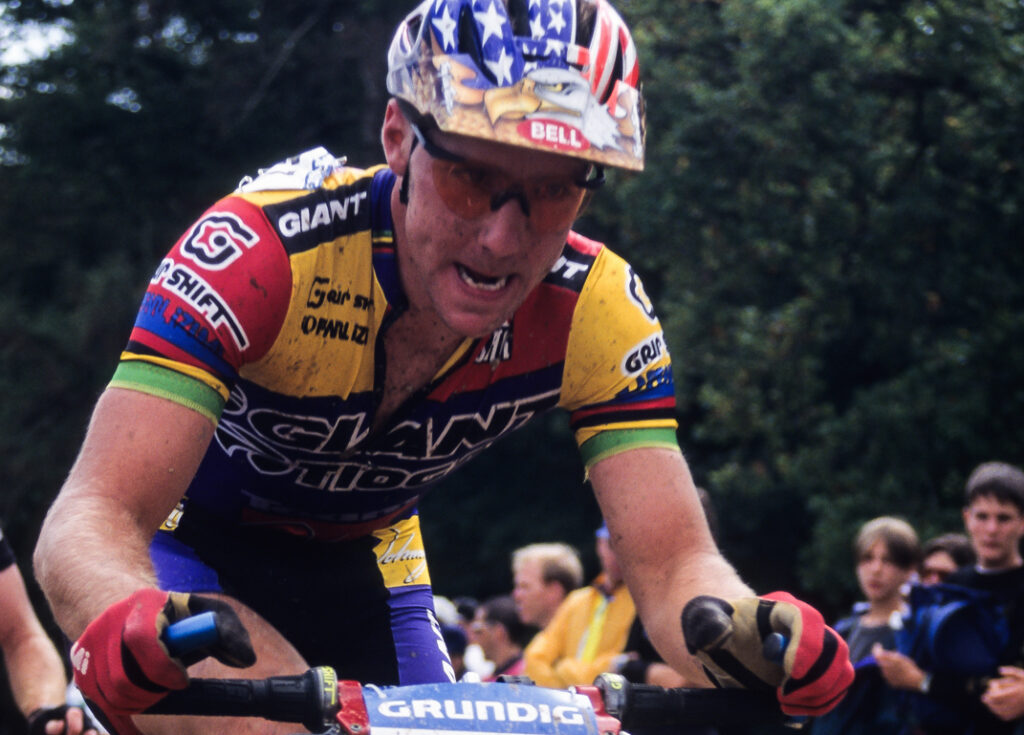
ORCC Obviously the world, communication and cycling have changed a great deal since the 1990s, and the rumours were always of you taking on marathon training rides – how did you really train back then?
JT I probably did some of the most volume for a top-level mountain biker at that time, because I was also racing on the road. I did a lot of volume, but I also did the right amount of intensity.
I did do a lot of work, and I tended to do most of it by myself. I didn’t really want to let people know what I was doing, although it wasn’t hard to figure it out if you were Ned Overend and lived in the same town.
People would see me leave my house at 8-9am and see me come back at 2-3pm and know pretty much what I’d done that day.
Lo-fi and logic
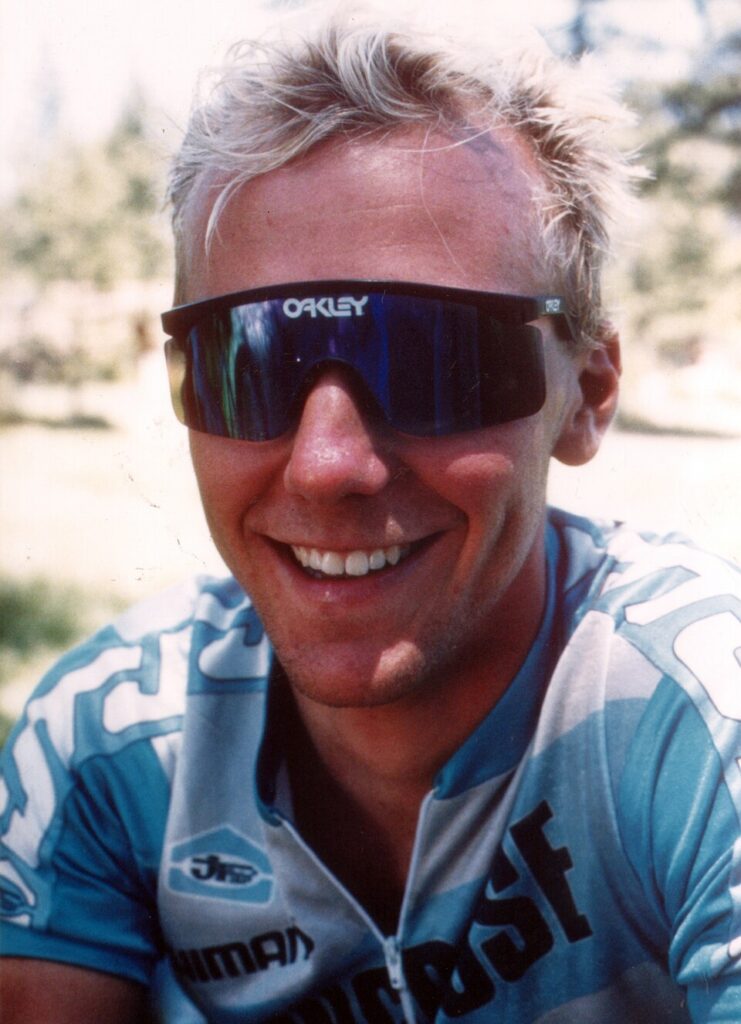
ORCC Was your training very technical for the time, or more old school?
JT I was fairly technical really. Back then we didn’t have power meters, but I always wore a heart rate monitor, which was as techy as we got. I was pretty religious with it, and I liked to study that, and was I pretty interested in the training aspect while I was doing it.
At that time they were just starting to map out workloads related to heart rate. The only watts we saw were when we did tests at training centres; we didn’t have power meters on bicycles.
That was about as technical as you could get, and I was also savvy enough to do volume when I could. But when I was racing, or during the season, I didn’t do that much; I backed it down and brought up the intensity.
On the piste with Farmer John
ORCC Long ago we saw images of you cross-country skiing in winter – did you do much cross training?
JT Yeah, I did do cross-country skiing, and I still do quite a bit in the winters. I really love that sport, if I’m not with my boy Eli in California that is (training him for motocross).
Back then I cross-country skied, dirt biked, ran a little bit, hiked a bit; kind of what I would do in the off-season. Once I got into the season, from December to January, I was pretty much on the bike or doing gym work.
That was also something that I did, and I think it was a little bit different than the other guys were doing. I did a lot of gym work all of the way through the season. I was pretty tuned in to trying to keep my power all through the season.
Bringing the Tomac legacy to a new generation
ORCC You worked with Aaron Gwin for a while, how differently did you train him compared to your original ways and balance that with modern technology and demands?
JT I did my last few seasons as a downhiller only, and I did all of my own programs. I had my race team, and I worked the training programs for the riders on my team, so I was into what I felt downhillers needed and what worked for them.
I did my own program for the last couple of years, and I ended up training Gwin, and I think for a big part it was about fitting him into a structure, so that he did his work, and if he kept doing the work and built on it that he would end up in a really good spot.
I kinda did that with [Loic] Bruni too – I trained him for a couple of years. I think it was maybe a little bit different than what other guys were doing at the time, but it’s hard to say because I’m not really embedded in gravity mountainbiking anymore.
When I see the athletes now, they look pretty damn fit to me, so they’re doing the work. The downhill guys mostly look pretty strong. I think I was doing that (same) stuff, but maybe with a little bit more volume than the guys are doing now.
Blending the magical Tomac mix
ORCC In the early days of mountainbiking many riders raced all disciplines, but things soon moved on, and yet you performed at the highest level in cross country and downhill throughout that time, and also transitioned into the pro road scene (after being a pro BMXer). How did you balance that from a training point?
JT From when I started (MTB) in about ’86 all the way through until ’96, I really built everything around cross-country racing and training.
Whatever I could accomplish in downhill was kind of happening without me focussing on it. That was one of the reasons that I wanted to focus on downhill during my last couple of years, because I wanted to give that discipline a real 100% effort and to see what I could do with it.
Going downhill
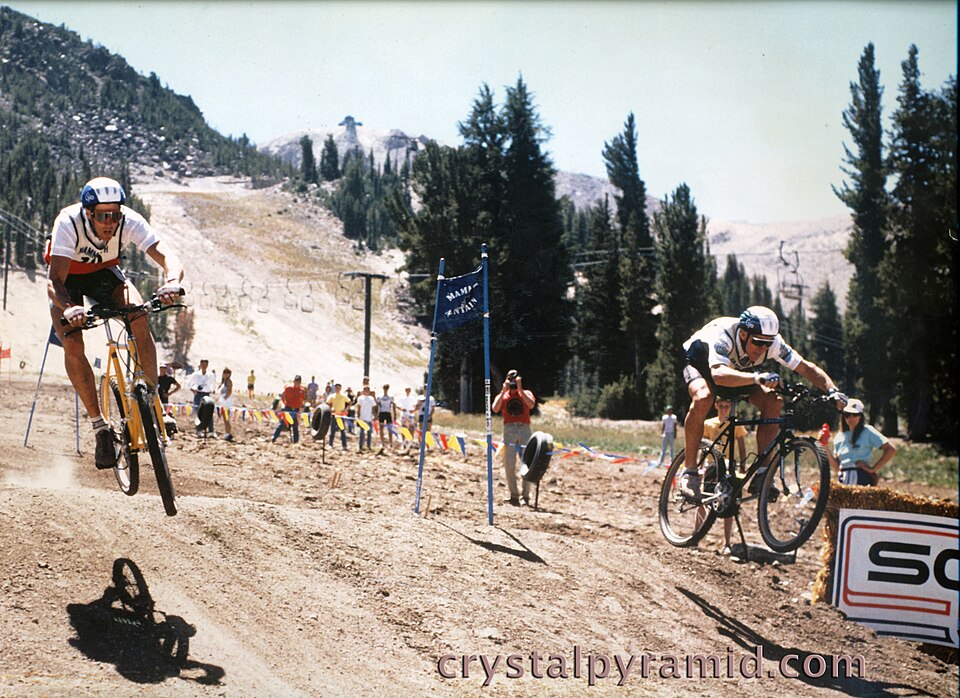
ORCC When you switched fully to downhill how did you change your training?
JT There was a lot more intensity and gym work. My racing weight for cross-country was 163 lbs (74kg), at the end of ’96. When I came out in the spring of ’97, I was 183 lbs (84kg). I just put on 20lbs of muscle, and a lot of that was upper body muscle, because you don’t need a lot of that for cross-country.
I was putting a lot of emphasis on heavier lifting in the gym and more sprints. I didn’t ride over 2-3-hours anymore, unless I just wanted to do it. As far as training went, I rarely went over 2-hours.
Thanks for the memories, Johnny T – the legend that inspired a whole generation of mountain bikers, and brought glamour to the sport in those pioneering days








1 thought on ““I did a lot of volume, but I also did the right amount of intensity”: A conversation with John Tomac, the first rock star of mountain biking”
Thanks for featuring this absolute GOAT of mountain biking!