
I love electric mountain bikes. In fact, I love electric bikes of all kinds. They make cycling more accessible to a wider range of people, and they’re incredibly enjoyable. There’s not much like the feeling of whooshing along on an eMTB in Turbo mode, knowing you’ve got the battery and energy to get at least twice as many laps in as you would on your non-assisted bike.
-
Welcome to Electric Week — a celebration of all things electric mountain bike
- Electric mountain bikes – everything you need to know
- Electric mountain bikes might be getting lighter, but they’re still a bit too heavy for me
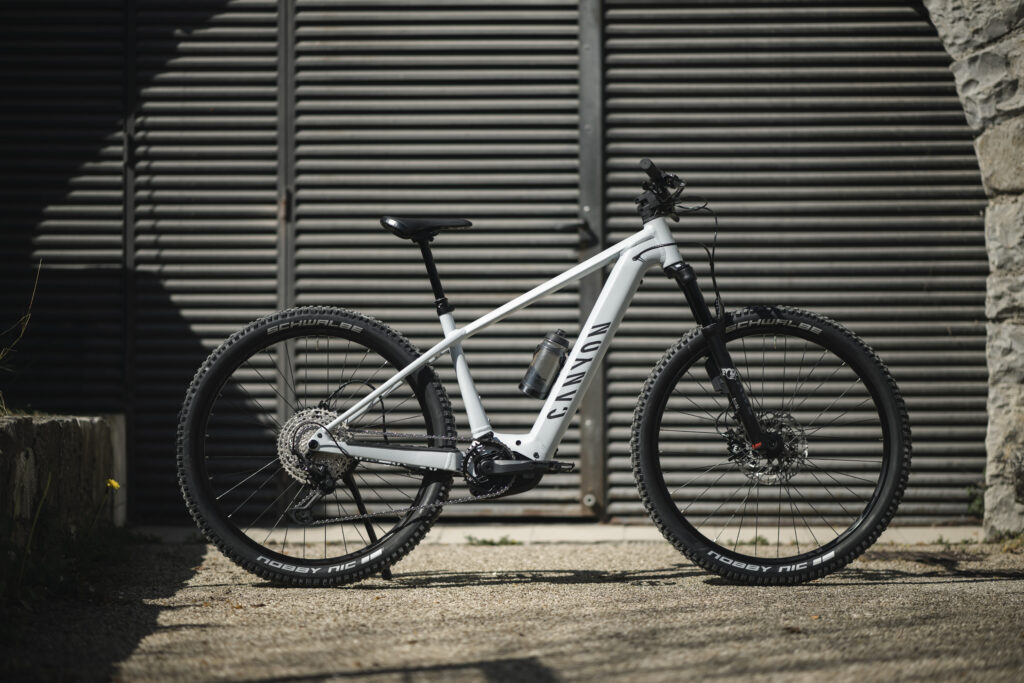
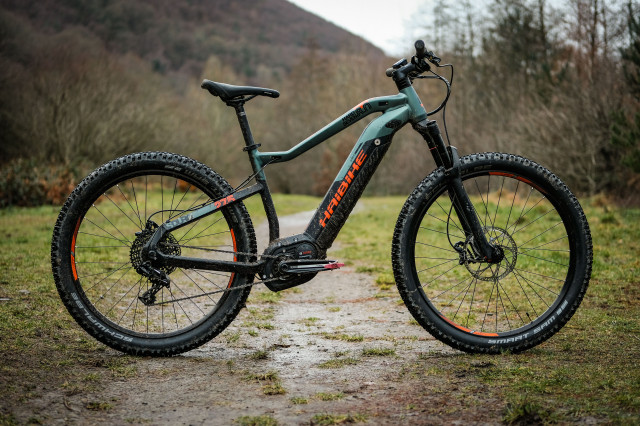
But there is one type of e-bike that, over the years, I’ve struggled to understand. The electric hardtail. I’m not talking about urban e-bikes that happen to have a suspension fork; I mean a fully purpose-built hardtail mountain bike equipped with a motor and battery.
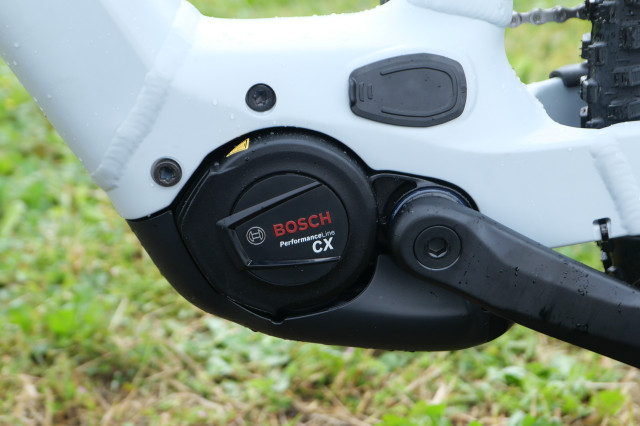
And this isn’t just an aesthetic reasoning, even if many of them do look like older generations of e-MTBs with rather chunky downtubes. The whole point of a hardtail is to have something that’s nimble, agile, and easier to manoeuvre than a full-suspension bike. And by adding several kilograms of weight, you could argue it negates the reason why one would choose a hardtail.
For example, the 2025 Canyon Grand Canyon:ON with a 600Wh battery and a Bosch Performance Line CX motor weighs over 24kg. My argument is, why would you buy an e-bike that weighs that much without rear suspension when you could buy something that can weigh less and has a rear shock?
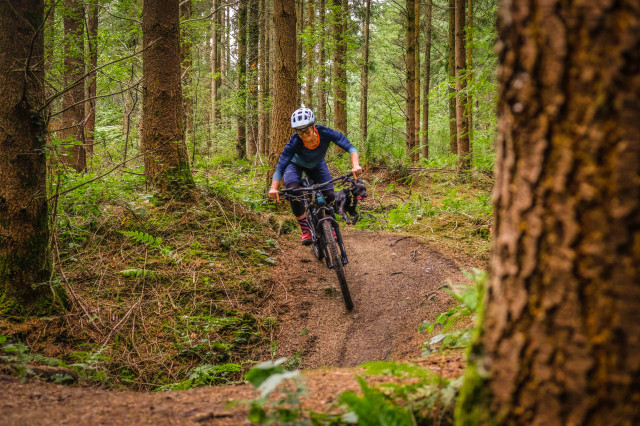
The idea that riding a full-suspension bike can be less efficient because of the extra bounce the rear suspension has on the ride is somewhat outdated. If the XC crowd is running full sussers instead of hardtails, then you can bet I’d rather choose one too.
And, with an electric bike, the added power of the motor negates any lost energy you put into the pedals to the extra bounciness of the shock. So, again, why, if you want an electric mountain bike, would you not go for something that’s got all the benefits of an e-MTB but with a more comfortable ride, is more capable, and can even weigh less?
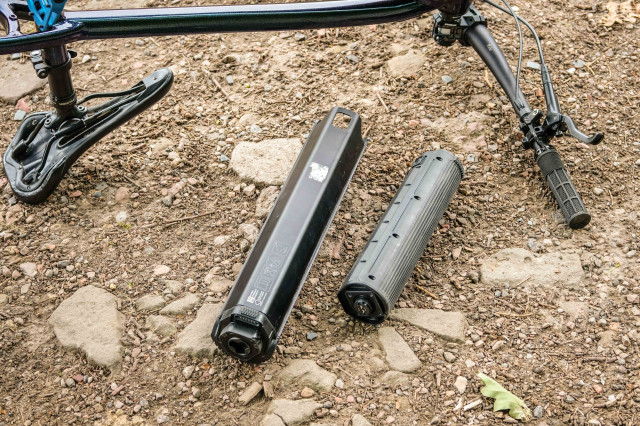
Now I know not everyone can afford an e-MTB, but the reality of buying bikes these days is that cash purchases are rare. The majority of bikes are now bought on finance or with credit cards, and I’m not saying that price isn’t important – because it is. But affordability is more often measured in monthly repayments versus a single cost. So if you’re already splashing out on an e-MTB, would it not make sense to spend that bit more and get something that’s better suited to riding trails?
This is, of course, based on many assumptions, that people actually want a mountain bike to ride on mountain bike trails, and not just the towpath, or to get to work. And I can see where there might be a small group of people who would be better suited to an electric hardtail.
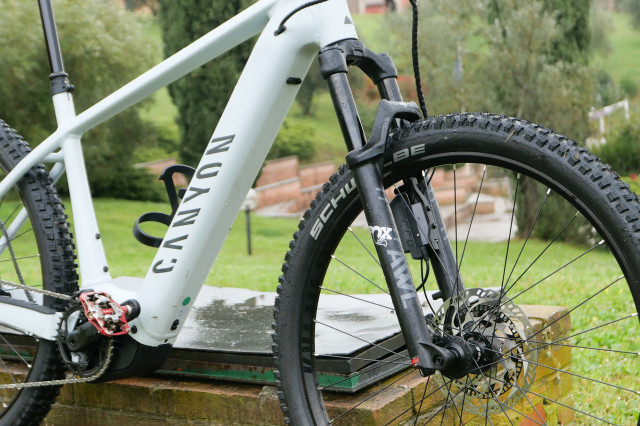
But even if you did decide to go lower key with an e-hardtail, there isn’t nearly as much choice as there is with full-suspension bikes. A few big names like Giant, Canyon, and Haibike offer them, and sure, they can be cheaper, but you’ll still be shelling out a couple of grand just to get something with a decent motor and big enough battery.
And if you’re really only after an e-bike to do some light off-road riding with, why not consider a flat bar e-gravel bike? Things like the Cairn BRAVe (which is sadly no longer sold) or even the Ribble CGR AL e (in the flat bar package) come with enough tyre clearance to ride most bridleways. And many e-gravel bikes now come with the option to run a suspension fork and/or dropper post.
With the industry still in some degree of turmoil post-Covid boom, brands are still shutting down and being forced to refocus their efforts on the most profitable types of bikes. We’ve seen it with Specialized, Trek, and even Whyte. Big names in the mountain bike world are consolidating lineups and reducing the bikes they offer.
And yes, of course, if every brand just makes really expensive full-suspension e-bikes, that won’t be good for anyone except dentists. But, I can’t help but feel like the e-hardtail category is something that’s either in dire need of reinvigoration or total removal.