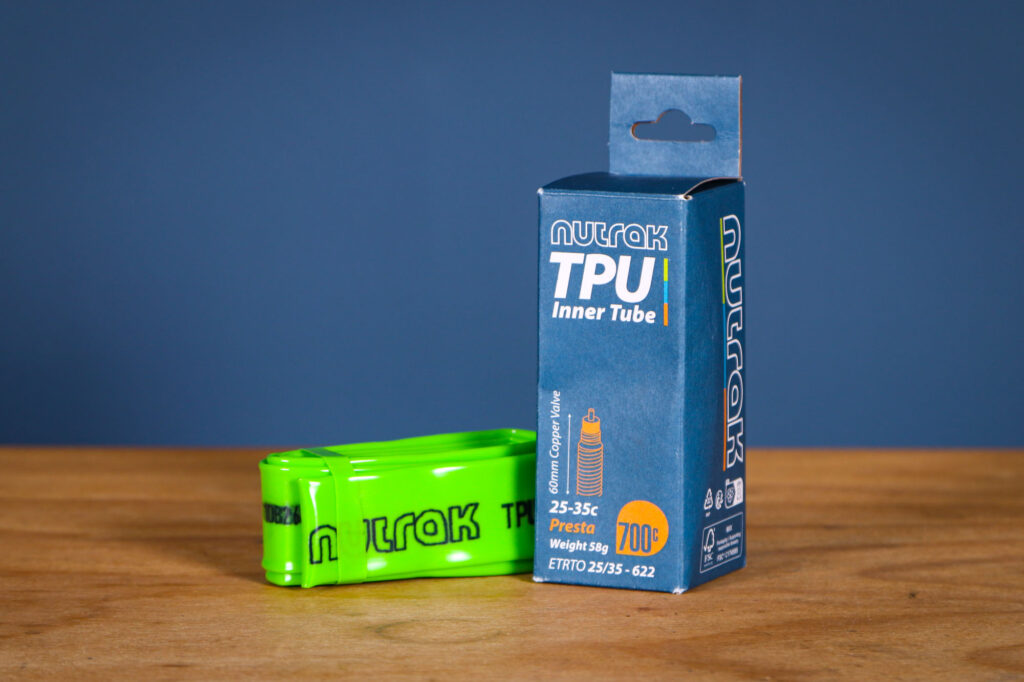
Bodging, fine-tuning, tooth pulling, cursing, and still it balances in place by the grace of inner tube valve retention ring… and it only half-works. What am I on about? One of my many recent travails with trying to swap/mix slightly older Shimano kit with newer and different models, and in this particular case, it was trying to persuade my existing 105 front derailleur to play fair with my GRX cranks.
- What is downcountry?
- Are cross-country bikes the new quiver killers?
- Will your next bike be a gravel bike?
Fair enough, I suppose, for the brands; though, this ever-evolving, soon obsolete, infernal annual new model phenomenon has driven me nuts for years, and it’s certainly not getting any easier to mix or gear it up.
Cycling has never been a cheap sport to get into, and bikes have become much better over time, even if the relative price increases at the higher end don’t seem to quite align with this, or at least not to me. The bike industry has grown beyond recognition in the last 30 years, and runs on a whole different financial scale now, even if it is struggling at the moment (maybe there’s a link in there?).

Strutting back to the 1980s and into the early 90s, and although it was a fairly steep entry barrier to serious cycling, the bikes and kit often lasted many years, the parts were mostly pretty standard and cross-compatible, could be upgraded bit by bit, and things didn’t often become obsolete (in comparison to now).
This meant a lot more flexibility in mixing, matching, and fitting, the ability to continually micro upgrade, and you had one mountain bike that could do most things at the time. This was, perhaps, a more viable long-term investment for punters, though I’d also bet it would not put the mass bike industry in the fancy office suites or entice the conglomerates in.
There’s no doubt that the arrival of mountain biking fast-tracked innovation, which was great, and it also brought the major American brands into the big arena. Then came the own-brand arrival of OEM bike maker Giant, which introduced its compact frames, and later, mass market carbon fibre. This largely did away with the traditional 1cm/half-inch frame size increments and brought in a three-to-four-size compact frame fits all approach. It just needed component manufacturers to make the stems, seat posts, and parts to sell the concept – and they duly obliged, naturally.

While big brands soared in prominence, the smaller brands suffered. It slowly but surely became the trend to not only launch new bike models every year, but also to do the same with the components.
It soon seemed like we needed newer, faster, and more refined equipment every year, and then new micro-genre specific bikes and kit too – warranted, better, or often not. I fully get it – with the arrival of trail centres, drives to venues with uplifts, more extreme terrain, etc. Then came gravel, which added to this in a huge way.
Less is/costs more?
Remember those old viral 1x subtitled video clips, they did carry an uncomfortable sense of truth; “Let’s take away the chainrings and front shifters, tell them it’s better, and then charge them more for it”. Even some within the industry raised an uneasy eyebrow at those. Although 1x does have many practical positives, so does the versatility of double – and dare I say it without being shot down with an anodized titanium firebolt – for many regular mountain bikers, the now demonised triple crankset makes sense too, especially for those extra inbetweener gear choices.
Hopefully I’m not being a luddite, as I’ve embraced a whole lot of bike innovation – and very early on too, but not all makes sense to me. The latest bikes and kit are indeed pretty sharp, but when your 1x spins out on a flat road section between trails, when your fancy carbon tubeless goes into sprinkler mode and your mini pump cowers, and when you can’t sort your back niggles because of that fixed over-priced, over-hyped, 20 gram lighter, 10 watt faster (and likely £50 more expensive) fixed one piece bar-stem combo, spare a thought for the sense of those old ways of compatibility and longevity.
It’s business, and making stuff that’s cross-compatible, that lasts longer, and then sticking with it (as Hope Tech largely does) may not be so profitable – though more availability of older parts, plus a little more cross compatibility and adaptability all-round surely would win brand loyalty in the long run.
No, you don’t have to buy or be gear-shamed into chasing a trend, but when the parts simply aren’t there or won’t talk, and more, your choices become limited.