
If you’re into bike racing in Belgium and northern France, it can all be a bit overwhelming. Every day for about a month, there’s either a bike race on – most of the time a classic, or even a monument – or the local roads are jammed with pros on recon rides, getting ready for the next race.
Or you’ll see the car park across the road littered with mechanics and pulled-apart bikes. Or some big brand is launching something zany across the street. Or kids are racing their bikes, from mini racing machines to balance bikes, at family fun days, everyone soaking up the atmosphere for what is, in this part of the world, a religion. Well, they don’t call it Holy Week for nothing.
Listen to the road.cc Podcast on Apple Podcasts
Listen to the road.cc Podcast on Spotify
Listen to the road.cc Podcast on Amazon Music
Naturally, then, this week’s episode of the road.cc Podcast takes a deep dive into Flemish Cycling Holy Week, as Ryan traipsed around the start lines, car parks, and fields of Flanders to capture a glimpse of what makes this time of year so special for our sport.
At Dwars door Vlaanderen, he caught up with British riders Carys Lloyd (fresh from her Brugge breakthrough and sweary, Lego-themed post-win interview) and Flora Perkins, revelled in the party atmosphere of the Ronde, and enjoyed a gentle stroll in the sunshine at Scheldeprijs.
In the days leading up to the Tour of Flanders, Ryan also caught up with Alex Dowsett, a two-time Giro stage winner and Hour Record holder who now works as XDS Astana’s performance engineer, to discuss the planning that goes into making sure a team’s equipment – and their riders – are up to scratch when it comes to the unique challenges of Paris-Roubaix and Flanders.
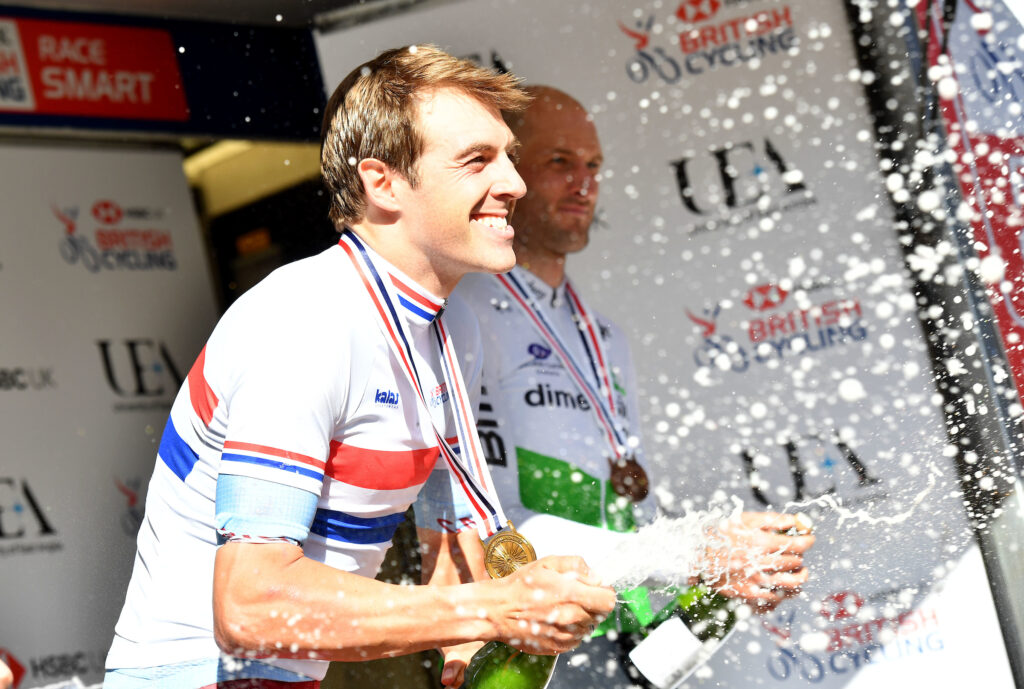
“As the years have gone, the Flemish Classics have become less of a technical headache than they used to be,” the six-time British time trial champion told the road.cc Podcast from Astana’s hotel in Kortrijk.
“Speeds have gone higher, and when the speeds get higher, the cobbles become more like roads. So you lean more towards regular road race set-ups. There might just be tyre liners inside, and that’s mainly because how far a car might be on the narrow roads, so a rider can ride on the wheel if they do get a flat. There’s very little in the way of fancy tech for the Flemish classics.
“But Roubaix is just a whole other beast,” he continues, noting that XDS Astana will be riding Vision’s gravel wheels with 32mm tyres for the Hell of the North.
“I enjoy the headache of saying to X-Lab, XDS, that we want a bike that Lorenzo Fortunato, a 50-something KG climber can go up with the best on Alpe d’Huez, but it also needs to do Paris-Roubaix with an 80kg rider on it. It’s like asking a Le Mans car to do the Paris-Dakar!
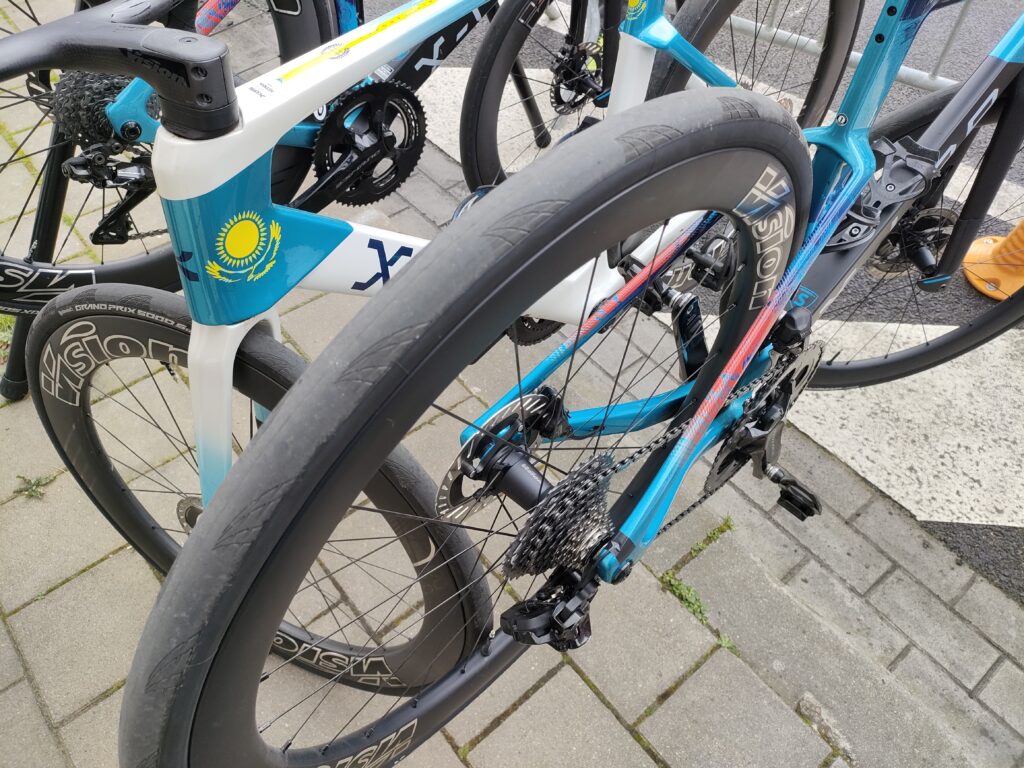
“Roubaix is such a fun challenge. It occupies so much for one race on the calendar. Tyres are the number one priority, size, pressure, first and foremost. Then making sure the bike stays together – just cover the thing in Loctite! It has to be far more resilient.
“Wheel choice combines with tyres, internal diameters. Vision have supplied their gravel wheel for us to use, it accommodates a 32mm tyre profile better than our regular wheels. We also need to make sure bottles stay in cages, and 1x chainrings are going to be more prevalent in Roubaix than in previous years.”
The road.cc Podcast is available on Apple Podcasts, Spotify, and Amazon Music, and if you have an Alexa you can tell it to play the road.cc Podcast. It’s also embedded above, so you can just press play.