



With the clocks turned back an hour and dark evenings now upon us — those sunny summer rides of a few months ago are fast becoming a distant memory — leaving the house by bike now requiring a fair bit more willpower and layers.
Saying that, winter can be a great time to cycle and keeping your training rolling through the bleakest months of the year will give you a great sense of achievement and a fitness base to work from when things get brighter and warmer in the spring. Winter miles make summer smiles, and all the other clichés.
There are plenty of things you can do to make your life easier and more comfortable, especially when it comes to your bike, so we’ve rounded-up some of our top tips for winterproofing your ride. Strong winds, rain, snow, freezing temperatures and darker, duller days on the bike can be testing to even the most committed cyclist’s resolve, but making a few simple changes can drastically improve your experience and make winter riding more pleasant.
Even if you’re lucky enough to have a dedicated winter road bike and save your precious carbon bike for the dry, sunny days, winterproofing the steed is essential and not that hard at all, so let’s have a look at some of our top tips…
Fit mudguards to keep yourself – and your bike – drier
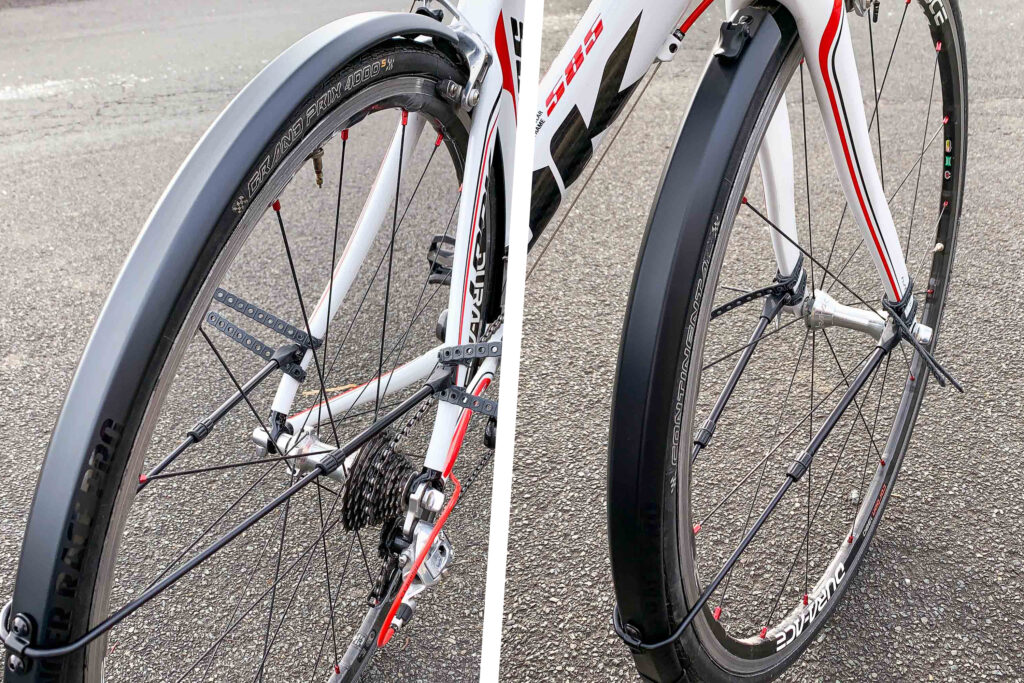
Let’s face it, mudguards are hardly the most fashionable, aesthetically pleasing cycling accessory, but winter riding is all about comfort and practicality. Save the shiny Instagram photos for summer and give you, and your bike, a break from road spray this winter.
Even if there’s no rain falling, during winter the roads are rarely ever fully dry and mudguards, or fenders to our US readers, help prevent all that (or at least most of that) moisture, muck and road salt being chucked up onto you and your bike. If you ride in a group, having full-length mudguards will make you more popular too, all that aforementioned rain and dirt not being launched at whoever’s on your wheel either.
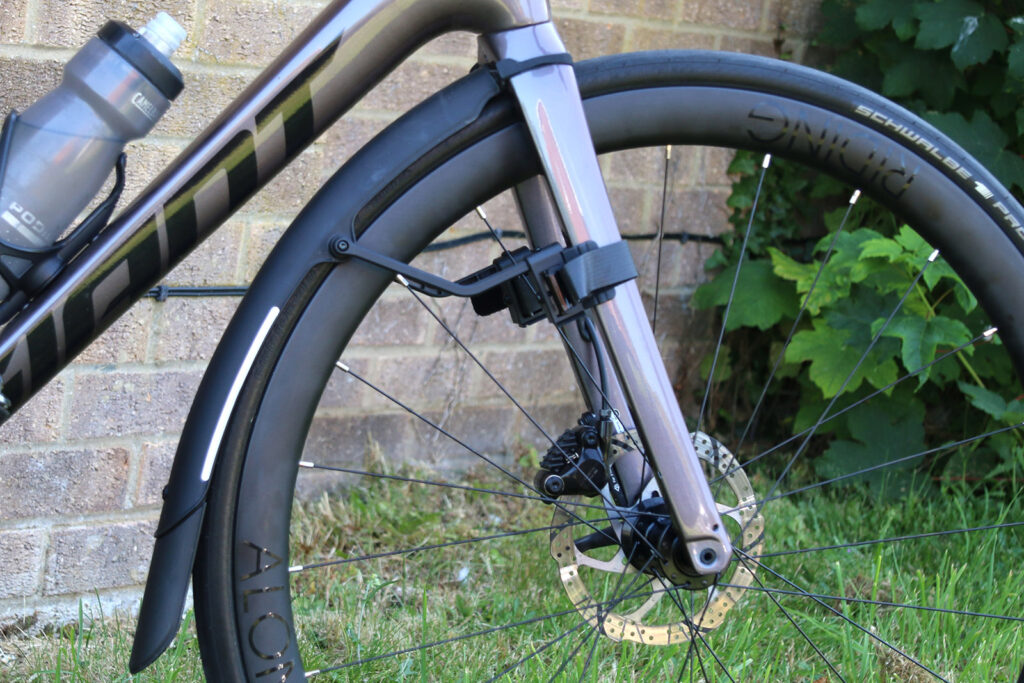
Mudguards are available in multiple different styles and there are options available for bikes with or without mudguard eyelets. If your winter cycling conditions are not very extreme, you may get away with a lightweight mudguard such as the Ass Savers Win Wing, or SKS Raceblade.
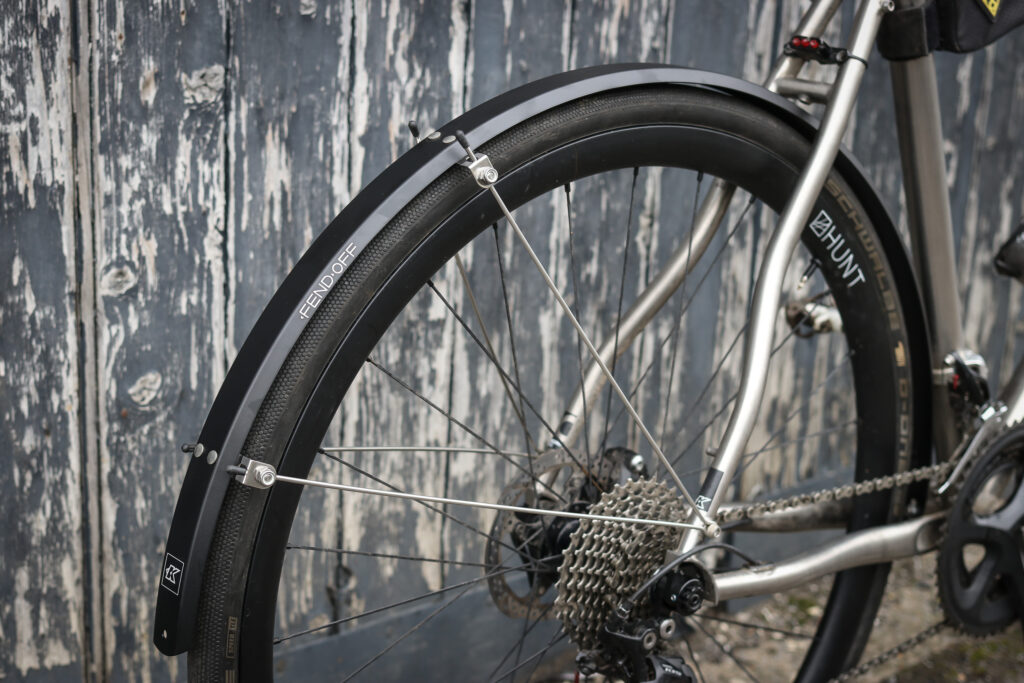
Full-length mudguards, such as these KranX FendRs, are essential if you ride in groups or often end up in heavy downpours during your winter rides. Full-length mudguards are the best at keeping you and your bike clean, but they also prevent you from spraying everything from the road into the eyes of the person behind you.
One key thing to note is that before you go and buy the first set of mudguards from your favourite bike shop, make sure you check what size you’ll need. Your wheels and the tyre width affect the size of the mudguard, as do the eyelets your bike has.
> Video: How to choose the right mudguards for your bike
While you’ll be more comfortable not having cold water sprayed up your back and onto your feet for hours on end this winter, your bike will also thank you too. It’s a win-win, keeping you dry but also meaning less bike cleaning and not as much exposure to the salty, grit-filled winter muck that loves to wear out components.
Consider winter tyres for extra grip and puncture protection
Nobody ever wants to puncture, but there’s no doubt some come at worse times than others. Sunny June Sunday with nowhere to be? Way better than cold hands, pissing down in the middle of January. Unfortunately, the nature of winter roads makes flats more likely, roads often scattered with debris, thorns and other sharp objects that can pierce your tyre. In the dark you’re also less likely to see potholes or defects.
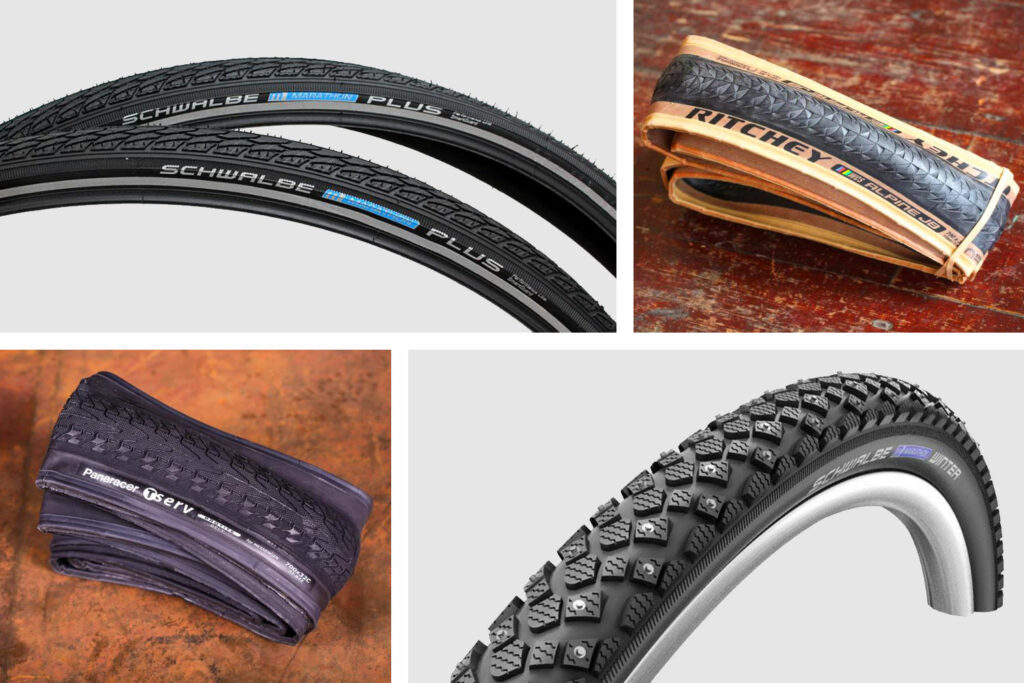
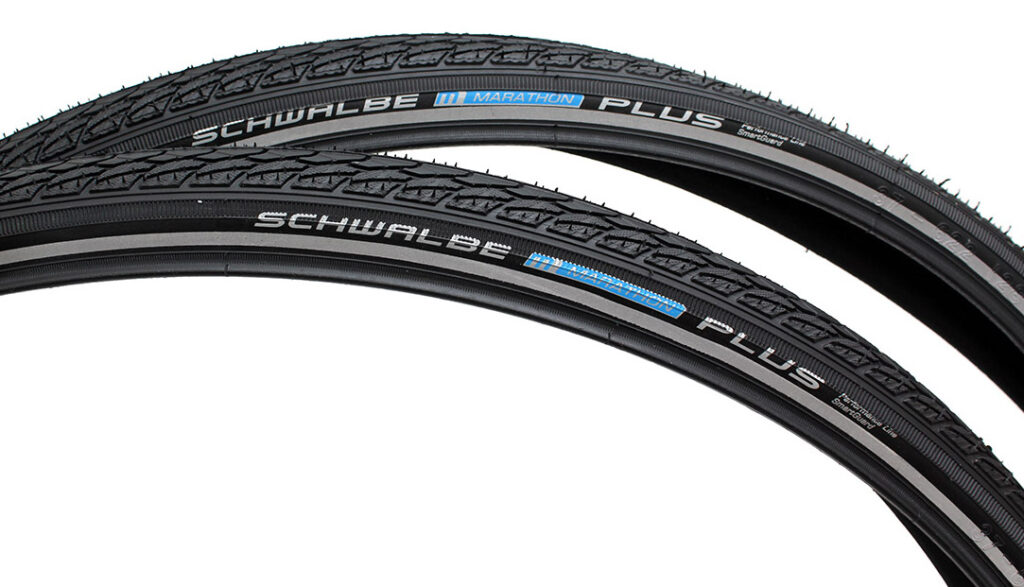
Fixing a puncture with cold hands will have you questioning your life choices, so we definitely prefer to prioritise a more robust tyre in the winter months, even if it’s a bit slower, heavier and doesn’t feel quite as nice to ride. Something with thicker sidewalls and a more durable rubber compound. Even if the best winter tyres might be more sluggish than your speedy road race tyres, in our mind, they really are worth it when you ride months without a puncture.
Plus, it means you get to enjoy that incredible feeling sometime in the spring when you switch back to your posh tyres for summer. God, that first ride back feels good.
> Rolling resistance: why you need to choose your tyres carefully if you want to ride faster
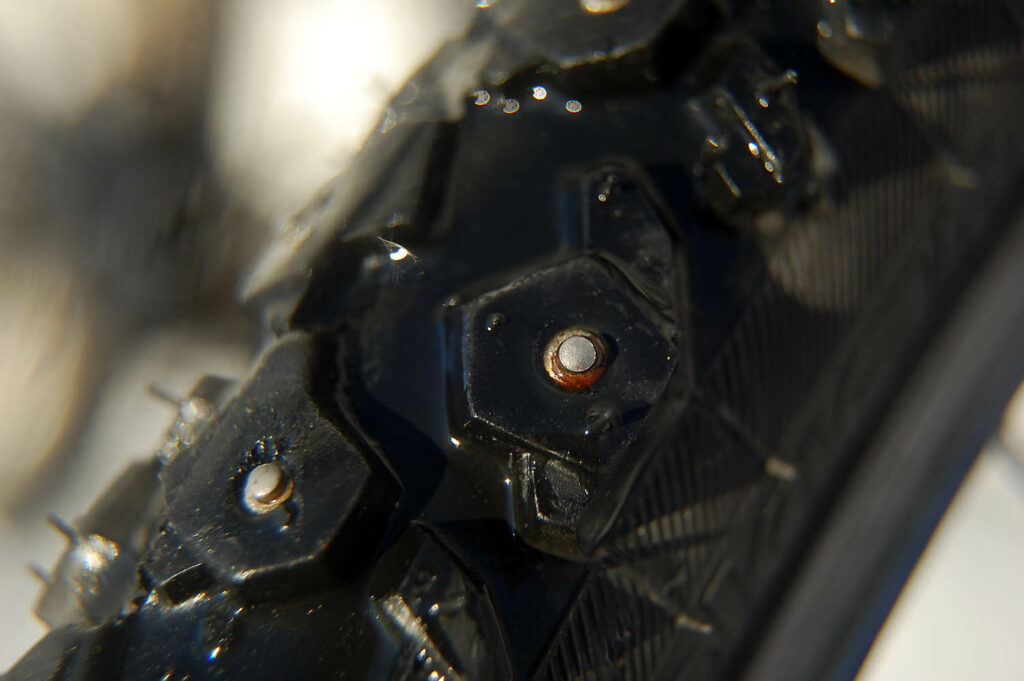
Another thing to consider for winter tyres is studs. Even though daytime temperatures are not regularly below zero in the UK, country lanes and cycle paths can freeze overnight and become treacherous for cyclists. You could get a set of studded winter cycling tyres if you regularly ride early in the morning and in the dark evenings, they are well worth the investment for your safety if you’re regularly riding in freezing temperatures.
Pack a saddle bag with bike repair essentials
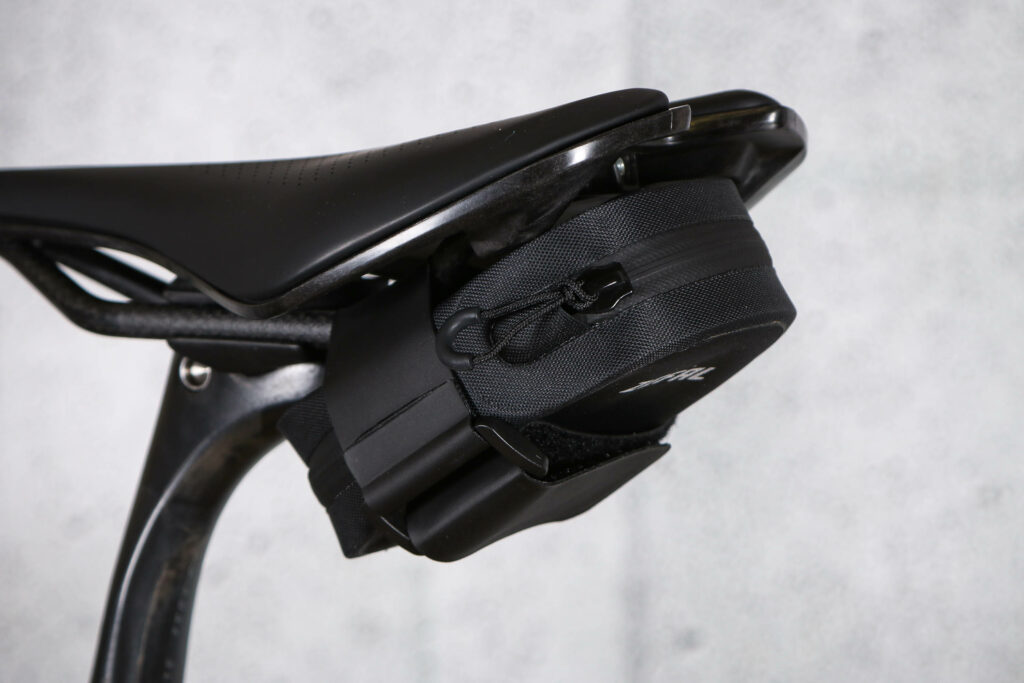
You probably already make sure to take everything you need for roadside repairs, regardless of the time of year, but in winter it can pay to be extra prepared. Mechanicals can become a seriously cold experience and, in the most extreme cases when riding in isolated places, sometimes actually quite dangerous.
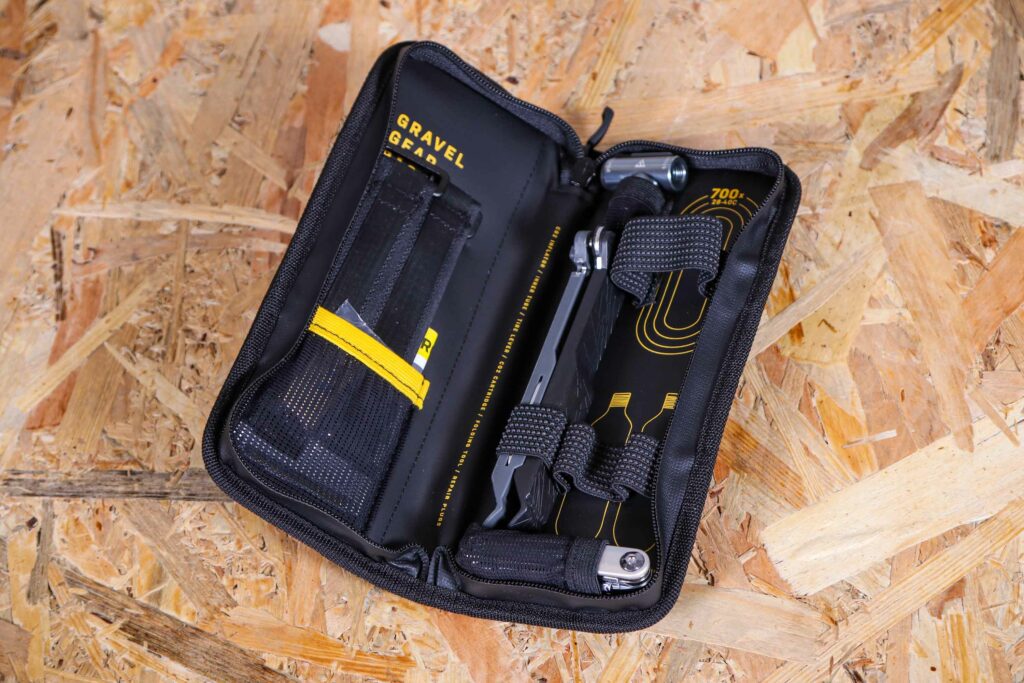
So what should you carry in your saddle bag or back pockets for repairs? The basic essentials are good tyre levers, a multi-tool with a chain tool, a mini pump and/or a CO2 inflator with canisters, or electric pump. Plus, of course, spare inner tubes or a tubeless tyre repair kit. You want your mini pump to be effective at pumping the tyres up quickly, so consider investing in a higher-quality one or even a frame pump for winter riding. If you’re confident with CO2 or prefer electric pumps, go for that — but make sure it’s fully charged…
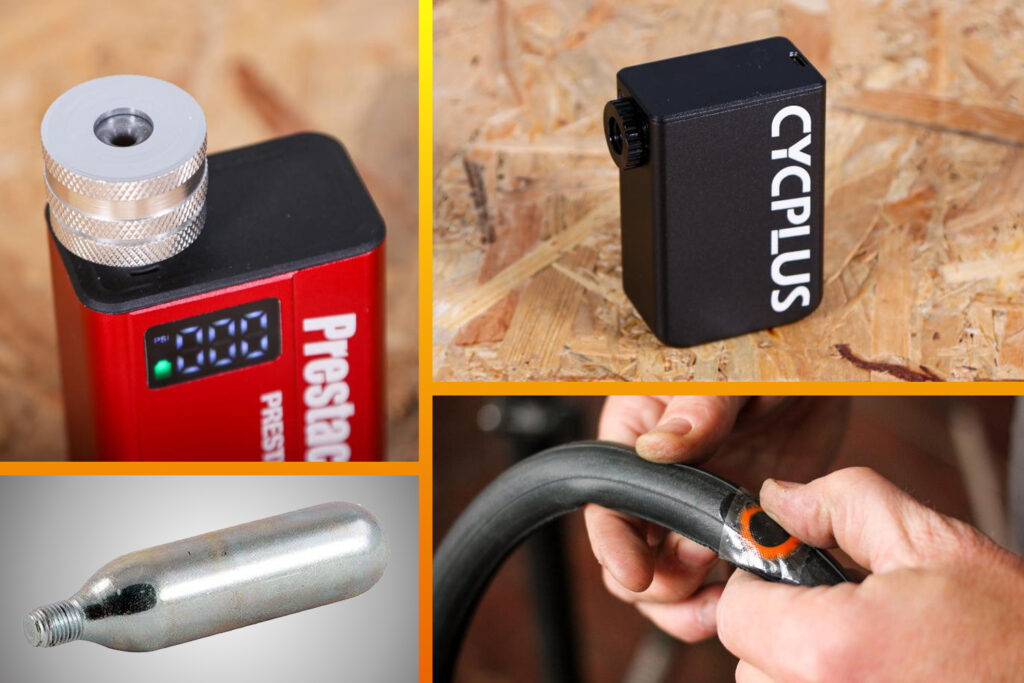
> Is the CO2 canister dead? The rise of the electric pump
Great additions that barely weigh anything are zip ties in various sizes, a chain quick link, and emergency snacks. Like with robust tyres and mudguards, for us everything in winter is prioritised towards reliability, practicality and comfort. We’d rather be safe than sorry, even if that means carrying a few more spares and adding weight.
Make sure you have good lights (and they’re charged)
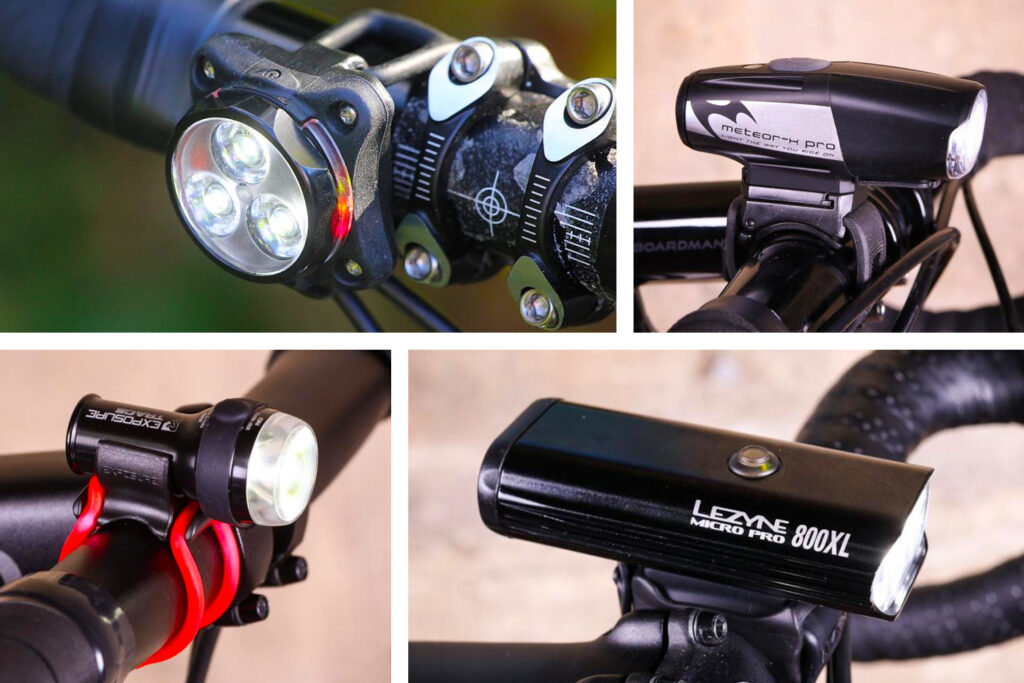
In the winter it can be hard to avoid riding in the dark, or at least at gloomier times of the day. This means that bike lights that not only make you seen but also show you the road ahead need to be on your purchase list if you don’t already have a set.
What are looking for in good bike lights, then? In the winter you really need something that lights up the road well ahead of you even in dreary conditions, so you need to have enough power in the light. This means the front light ideally has more than 700-lumen power and for the rear light something over 50 lumens might be sufficient — unless you ride in very busy areas which require a flashing, brighter light to distinguish you from other rear lights.
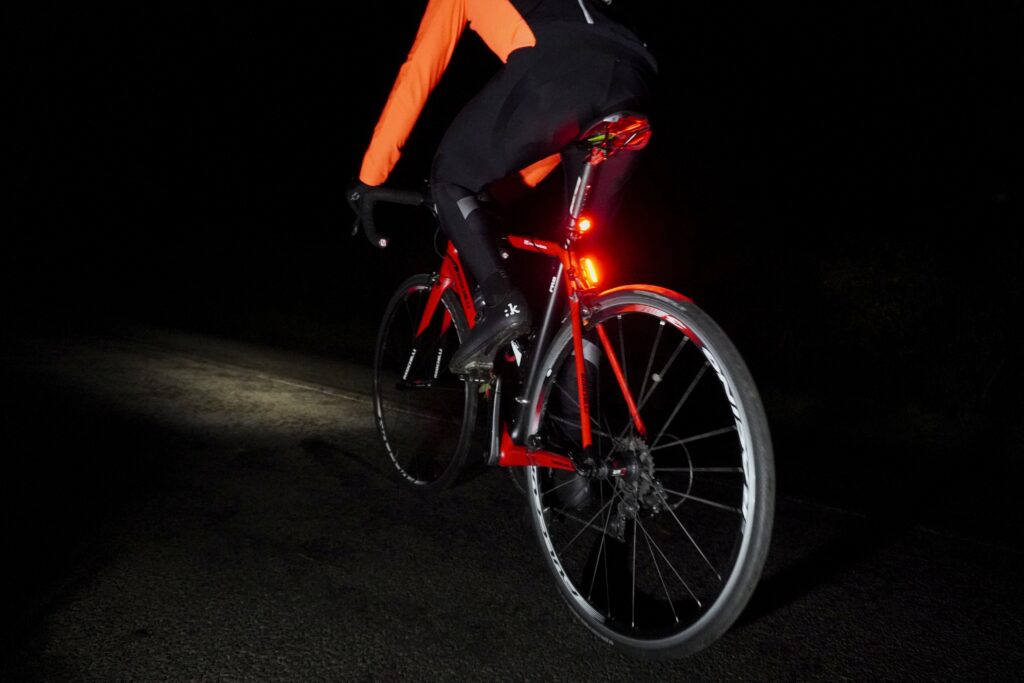
It might seem obvious, but making sure that your bike lights have enough charge before you head out is really something you should check every time. If you’re unsure, plug them in just in case. And if you have a set of small lights, throw those into your back pocket or handlebar bag, just in case either of your main lights dies.
Of course, if you opt for dynamo lights you won’t have to bother with charging
Keep on top of cleaning and maintenance
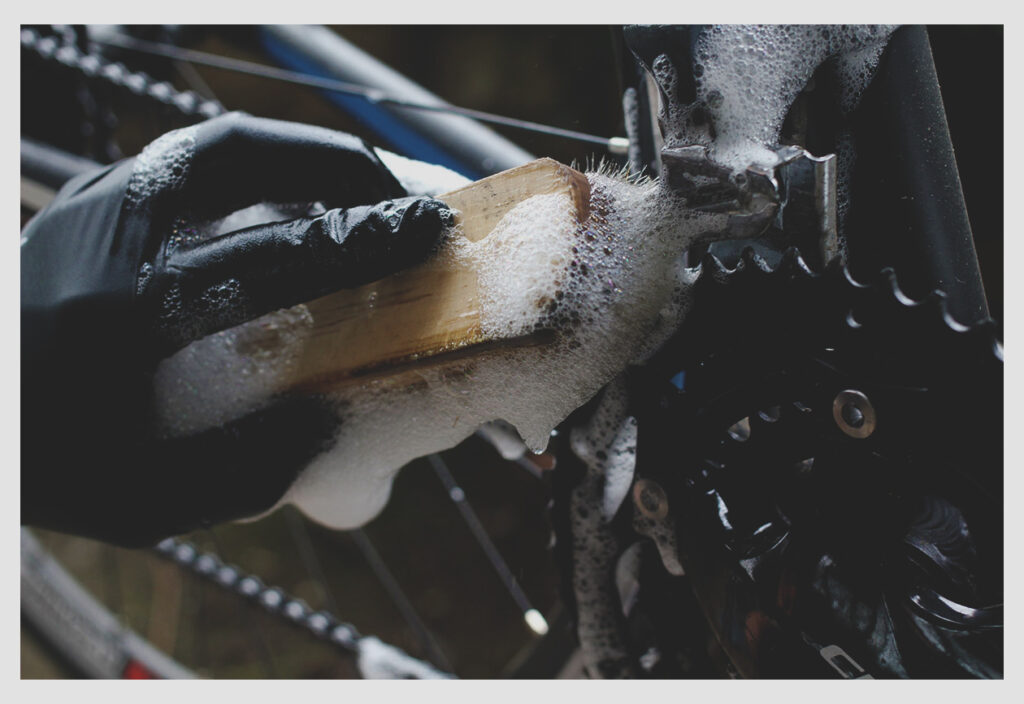
Now we’ll move onto the cleaning and maintenance of the bike. As we mentioned in the intro, winter riding really takes some mental strength and perhaps the second most demanding situation is the one after you’ve finished your ride. It’s so tempting to just forget about your bike, hop in the shower and get cuddled up under a blanket… but you will pay for that later.
Cleaning your bike after a winter cycle takes little time and effort once you get in the habit and both your bike and wallet will thank you for it. A simple bike clean only takes minutes and you can do it with a bucket, a garden hose, or even in your shower. You then need a bike cleaner of your choice, some sort of sponge or brush, and rags to finish off and dry the bike. And after you’ve cleaned the bike, quickly check it is in a nice, rideable condition.
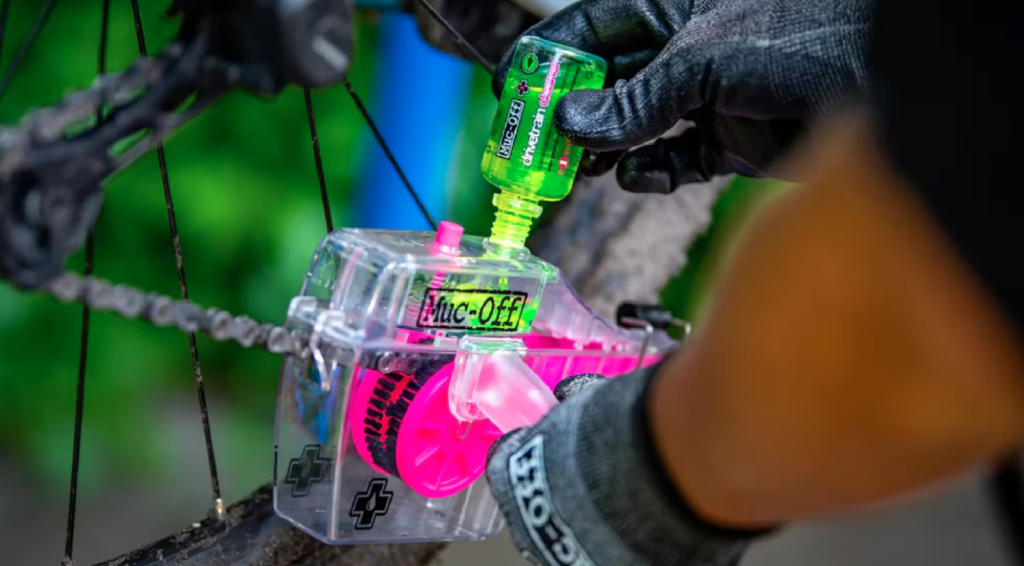
Remember to let your bike dry properly to avoid any dampness issues or drivetrain rust, plus perhaps consider storing your bike somewhere a little bit warmer and drier in the depths of winter.
Lube your chain… often

When you lube your chain, make sure you choose the right bicycle chain lube for the conditions. In the winter, this often means wet lube, which is a little stickier and thicker than summer lube, which means it attracts more dirt and thus gets your drivetrain dirty quicker — but it can be worth it as it doesn’t wash away in the rain or puddles. If you’re following our previous step and washing your bike regularly this shouldn’t be a problem.
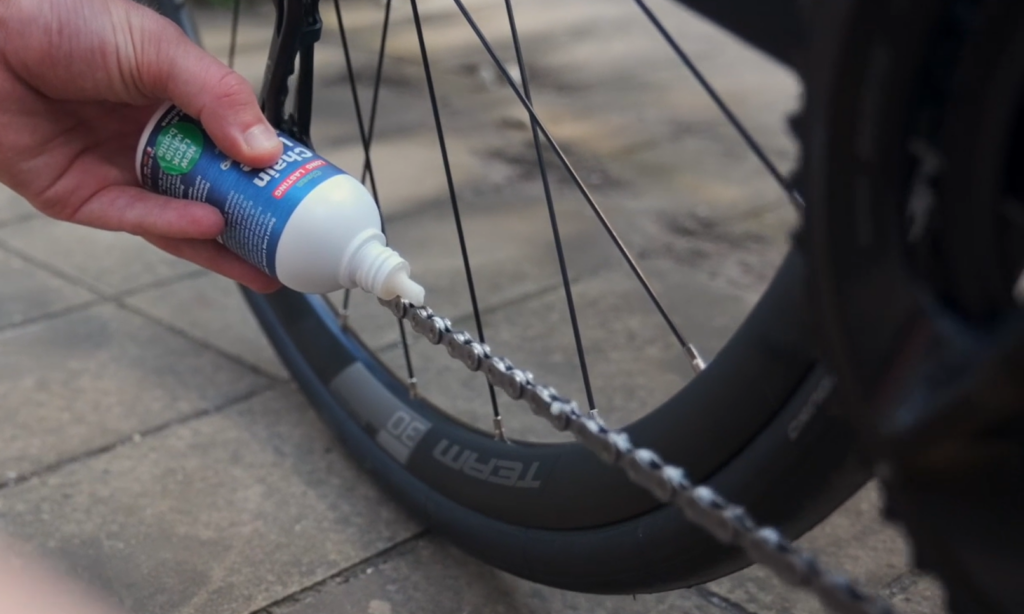
Some people swear by waxing their chain instead, and if you hate the gunk that regular wet lube leaves behind on the cassette, you might want to check out how to wax your chain.
Check your chain for wear regularly
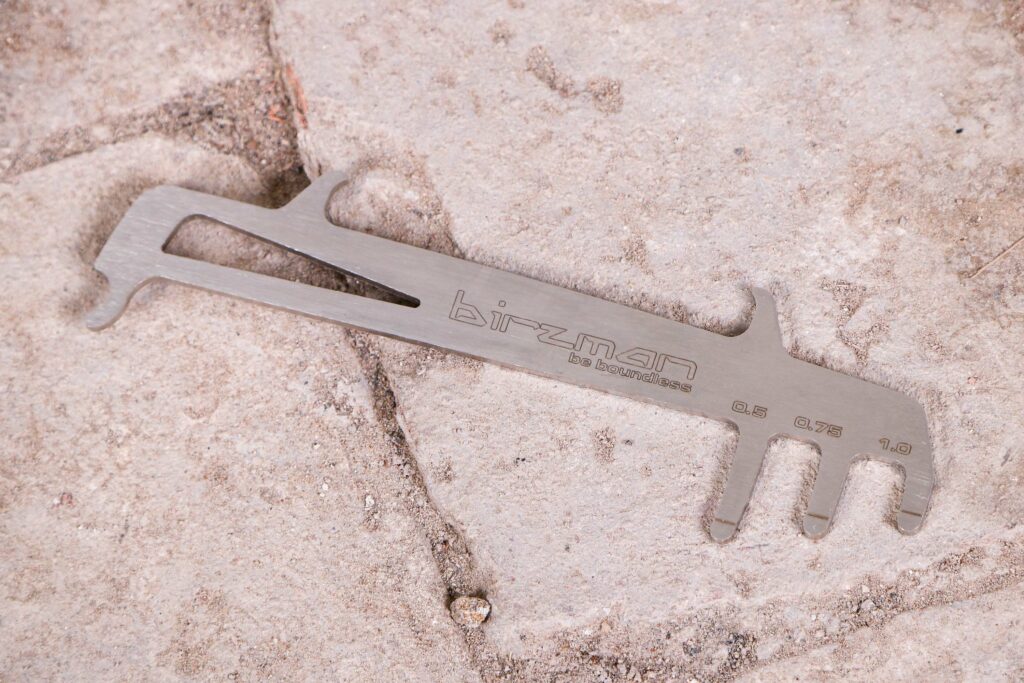
If your shifting starts to be a bit off and no amount of cable tension (or changing your gear cables) helps, it might be time for a new chain. Checking your bike chain wear is simple with a dedicated chain checker tool, and if you replace your chain before it gets too “stretched”, you will save yourself from it wearing down the chainrings and cassette, both of which are much more expensive to replace.
> Are your chainrings and cassette worn? Here’s how to tell when they need replacing
For how easy a job it is, and how cheap a chain checker is, there really isn’t an excuse.
Check your brake pads
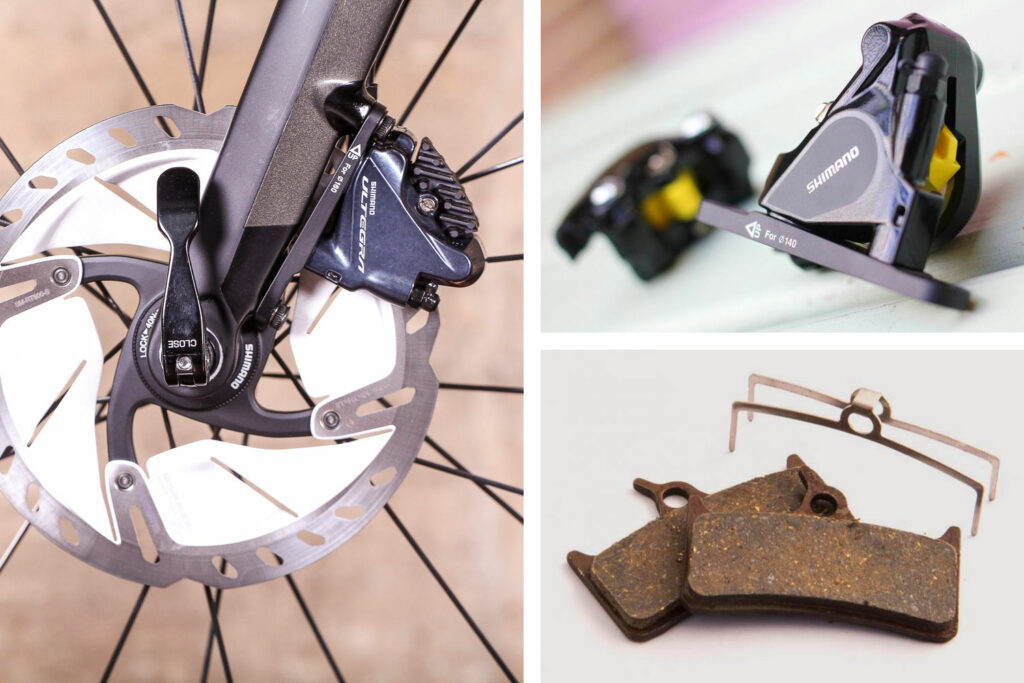
Last but not least, brakes. Your bike’s brake pads are really having a hard time in the winter and they get worn at faster speeds than in the drier months, largely thanks to all that salty, grimy road gunk we talked about in the mudguards section.
Making sure that your disc brakes still have some brake pads left on them is an easy, visual check that you should do before every ride and if they look worn, replace the worn-out brake pads immediately. Every brake calliper takes different types of brake pads, so before you chuck the old ones into the bin, check what they say on them.
> Disc brake refresh: maintenance and top tech tweaks for effective and quiet braking
In the winter you might also want to consider changing your disc brake pads to a different material. Organic disc brake pads are the quietest and sharpest brake pads, but they wear out a lot quicker than for example, metallic brake pads — especially in wet and dirty conditions.
> How to replace your road bike’s rim brake pads
For rim brakes, it’s much the same. Check your pads when cleaning them. Some people swear by cleaning brake pads and rims with isopropyl alcohol, but as long as you’re regularly cleaning and checking your brake pads and wheels’ braking surface you should be fine. It’s worth checking for little metallic splinters or other debris that can lodge itself in pads and cause damage. Simply remove with a flathead screwdriver or change the pads if you’re in doubt, replacing pads will always be cheaper than any potential damage.












23 thoughts on “How to winterproof your bike — 8 top tips to prep for harsh weather conditions”
It’s almost spring?
It’s almost spring?
Cold snap here – below zero
Cold snap here – below zero at commuting time.
There’s often snow in late
There’s often snow in late February through to mid-March, at least up here in the North East. Last year we even had snow in mid-April, although that isn’t normal.
Jippily wrote:
https://www.theguardian.com/news/2020/jun/01/weatherwatch-freak-snow-stopped-cricket-on-2-june-1975
In’t social media grand. It’s
In’t social media grand. It’s almost spring? results in comments implying we might have a bit more winter to come. Let me spell out what I meant – February is a bit late to prepare your bike for winter.
If you haven’t yet got round to it take heed from the other commentors, you might want to look at the suggestions in the article.
I’m going for a lie down.
Sorry about the contrarians.
Sorry about the contrarians, Bob. I came here to say the same thing. This aricle is about 10 weeks too late. There are literal crocuses popping up and rugby ont telly.
technically its still winter
technically its still winter for just under another 6weeks so we’re only half way thru
Nice try, but
Nice try, but meteorologically, spring begins on 1st March, which is in just over 3 weeks!
(Weather is more important than when the equinox might be).
Cleaning and maintenance is
Cleaning and maintenance is still relevant, especially if the gritters come out in your area.
When i commuted by bike I
When i commuted by bike I would cry a little every time I followed a gritter.
To those around me I got some grit in my eye – inside I knew I needed to clean my bike again.
Exactly, this sort of article
Exactly, this sort of article was due in October not now.
According to Tobes of Cold
According to Tobes of Cold Dark North we’re still just in Fool’s Spring.
Well, I had a puncture in my
Well, I had a puncture in my Conti 5000s on the way in to work this morning, so it wasn’t too late for me if only I’d paid attention.
Remember that Marathon Plus
Remember that Marathon Plus tyres are great, but they don’t last forever and they do eventually wear out.
I’ve had more flats in the last two months than the preceding five years, and have a slow puncture now (goes flat in two days) so I think my five year old Marathon Plusses are finally used up
I’ve bought a new tyre, just waiting for an opportunity to fit it in daylight.
Did you buy some new thumbs
Did you buy some new thumbs at the same time ?
I’m sure its coincidence that
I’m sure its coincidence that I really did have to go the doctor’s after developing ‘trigger thumb’…
edit: and I’d bought one of those tyre plier things, to pull hard tyres back over (and supposedly save your thumbs). It broke.
Studded tyres seem a bit of
Studded tyres seem a bit of overkill for UK Roads – (thinking road.cc not trail.cc here).
There are parts of commutes I wish i’d had them – but ultimatley I saved my tumbs and caught the train for the icy and snowy days.
I would guess you would need to be ridding a significant number of days on ice / snow and or tracks to avoid ripping out the studs.
(I also have normally ridden road bikes or a fixie with 700c rims which won’t take studded tyres).
Got me a set of conti ice
Got me a set of conti ice spike 240s for my 26s almost 20 years back. I humned and harred for months, eventually bit the bullet, and they arrived on the first day of proper snow for several years. I sort of wished I’d gone for the more racey scwlabe’s or the harder wearing nokians. I can swap them onto my Good Bike, front fork suspension and more importantly ceramic xtr V’s, in about an hour, tubed. The ultimate commuter has 27.5+ which would set me back £200 an end, and I tend to spend a weekend swapping out tyres, so that isn’t happening.
The ice spikes are great in snow, but any deep knobbly are, it’s the black ice when they really come into their own. The confidence they give you is really something. The hazard comes if you try and dismount on ice, my flat pedal shoes are great on my shin shredding flats but have next to nothing on ice. They sound like you are riding on rice crispies on dry tarmac.
I might only use them for a few days every 2-3 years, or a week every decade, and I try and take care of them by keeping them in a box for most of their time, and they don’t seem to have started doing that rotting cracking thing, which is handy. Only lost a few spikes, mostly on the rear, I keep the better knobbed and spiked on the front, where you really appreciate the grip. I am very happy that I got them, would I buy a set when they finally rot? Maybe…
Depends where you are. There
Depends where you are. There are a lot of paths – tarmac’d, but also often with a thick layer of leafmulch – where I lived until quite recently, and they sometimes got gritted, though mostly only the “main” ones to and from the city centre; some people would rather buy a set of studdies every winter and ride them to ruin than risk being on the road if an alternative is available. Also if you’re deep in the guts of a suburban hellscape you might have to ride a couple of miles before you hit anything that gets gritted regularly even if you do stick to the roads.
Most of these winter ‘tips’
Most of these winter ‘tips’ are just year-round basics. …Other than the studded tyres of course, and maybe the mudguards.
…and None of them are really about “how to waterproof your bike” as the title promises.
Let’s talk fresh grease in headsets, bearing races, cranks and hubs. Wheels and cranks with double hub seals. Clear drain / evaporation holes in frames and wheels.
GravelIsNothingNew wrote:
Erm, it doesn’t promise that.
Ah,… it’s the title of the
Ah,… it’s the title of the whole article.
Nope – the word ‘waterproof’
Nope – the word ‘waterproof’ doesn’t appear anywhere.