


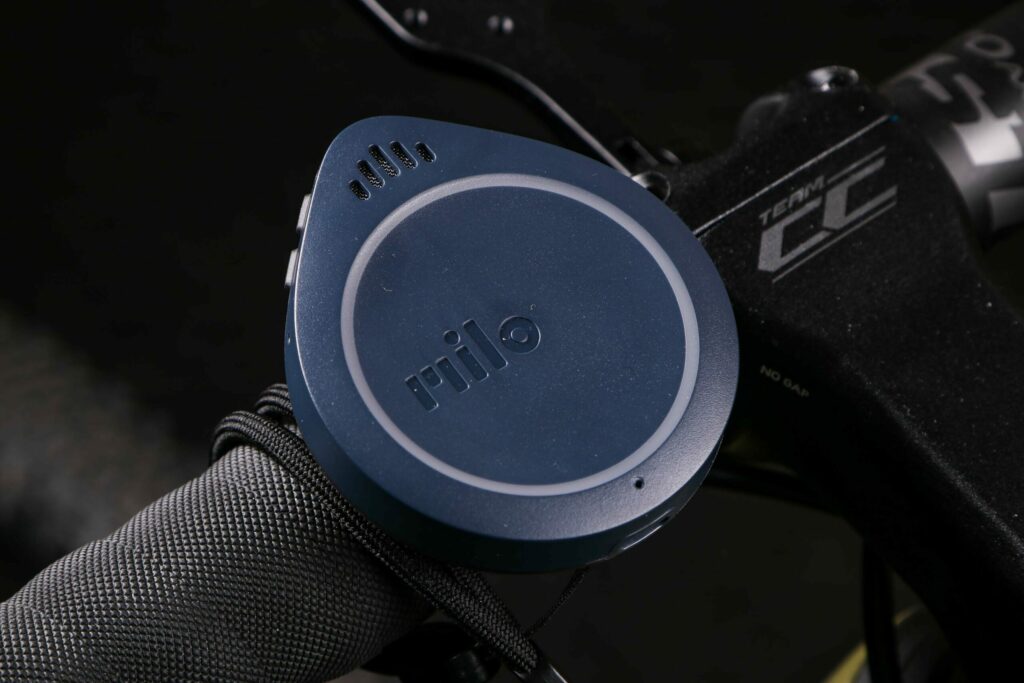

If you’re looking to communicate on a ride over and above shouting at each other, you have few options. The Milo Action Communicator comes from the skiing and watersports world into the cycling sphere, and although it’s nicely made and good for some tasks, I don’t really feel it’s the right solution for cycling – especially road cycling.
Milo describes this as ‘the walkie-talkie reimagined,’ so what is that? Well, it’s a Bluetooth device that allows you to talk with other people in the same group, much as you would on a walkie-talkie channel. Also, as it’s Bluetooth Mesh enabled, adding Communicators theoretically extends the range well beyond the claimed maximum of 600 metres.
There are six microphones in the unit, and a background noise reduction algorithm works to separate your voice from what’s going on around you. The whole unit is IP67 waterproof: it’s designed for watersports, so a wet ride isn’t going to faze it.
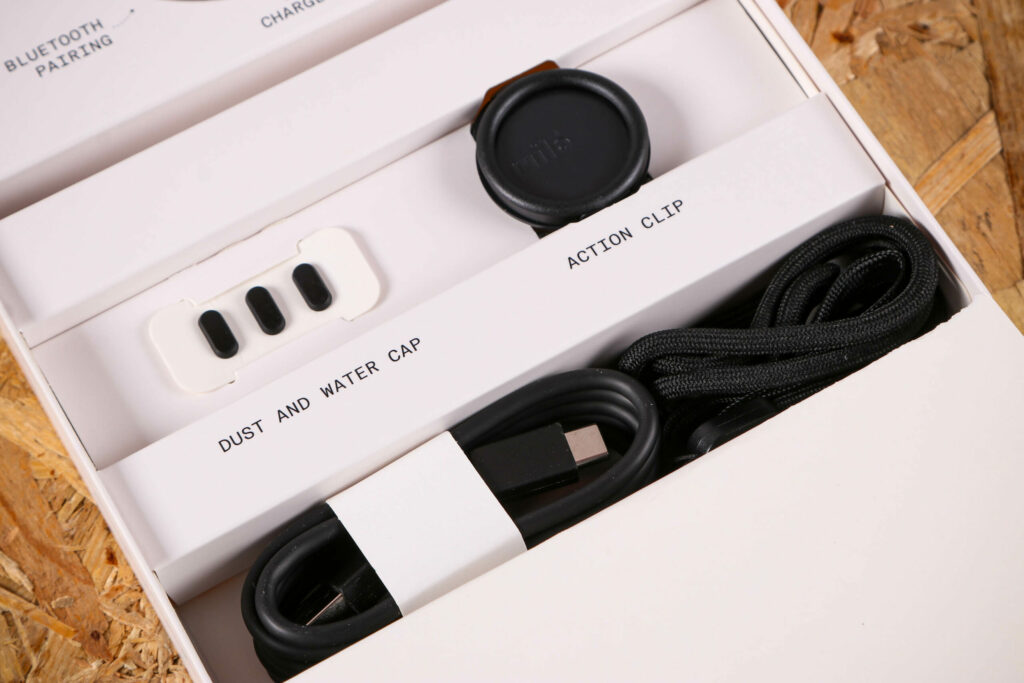
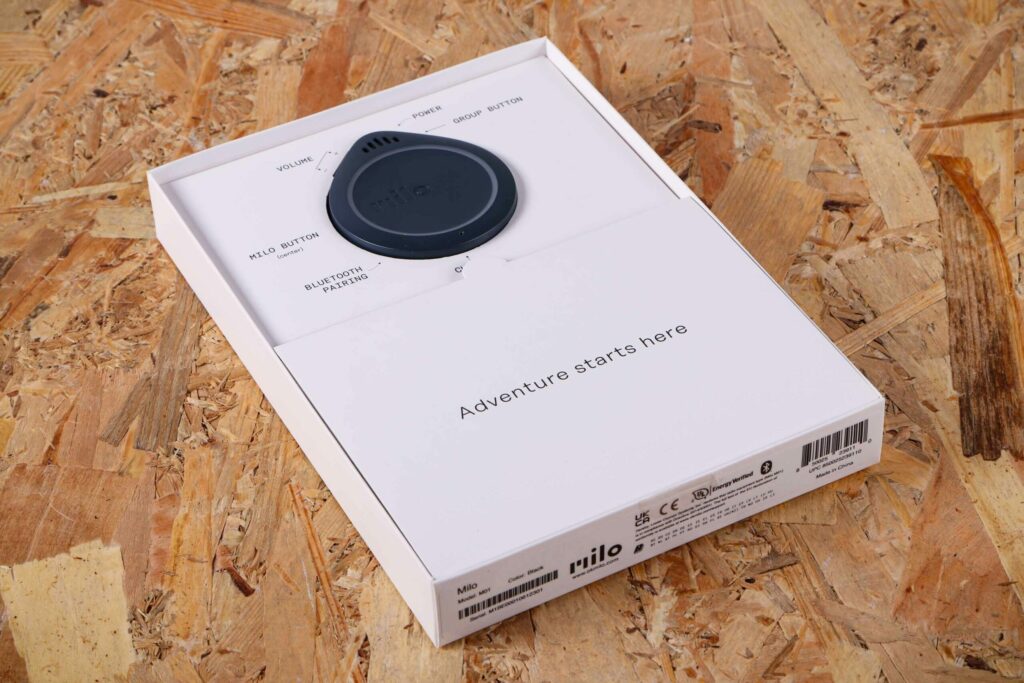
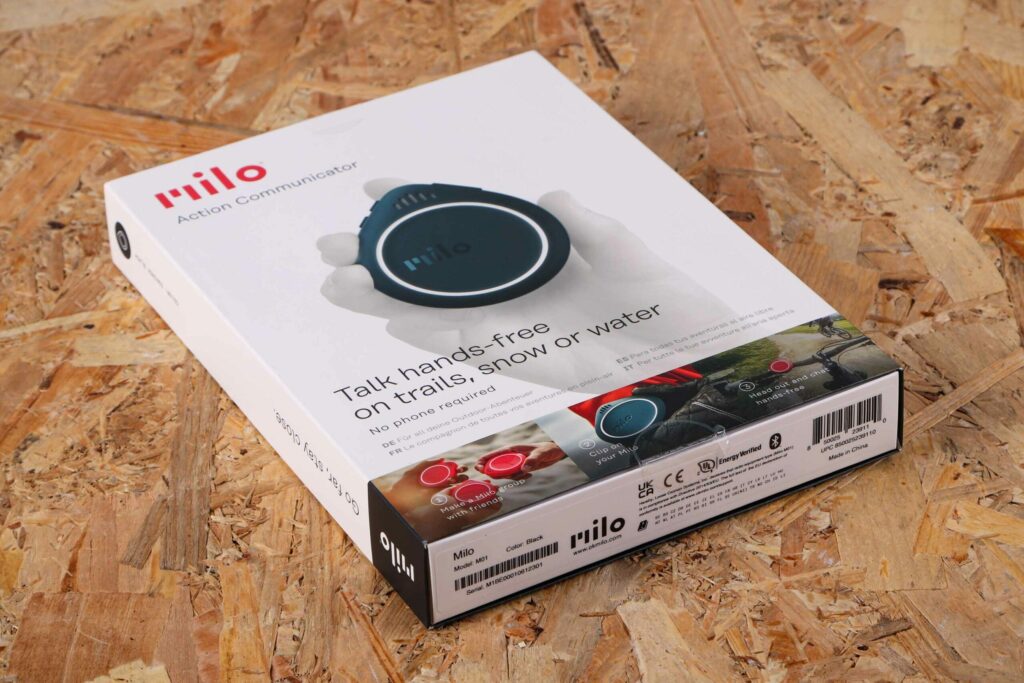
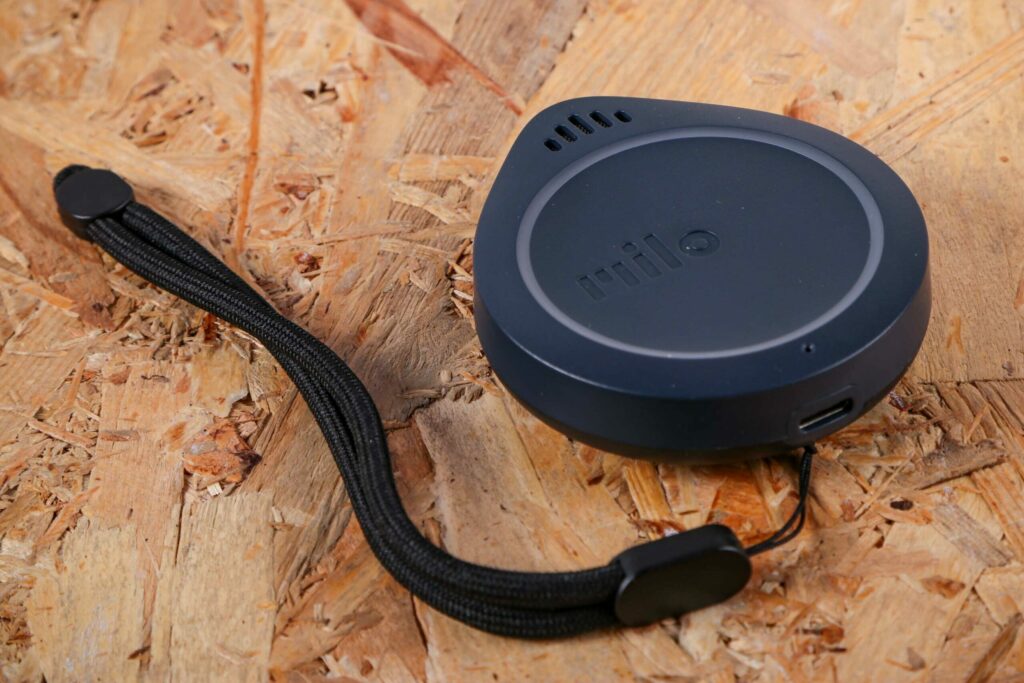
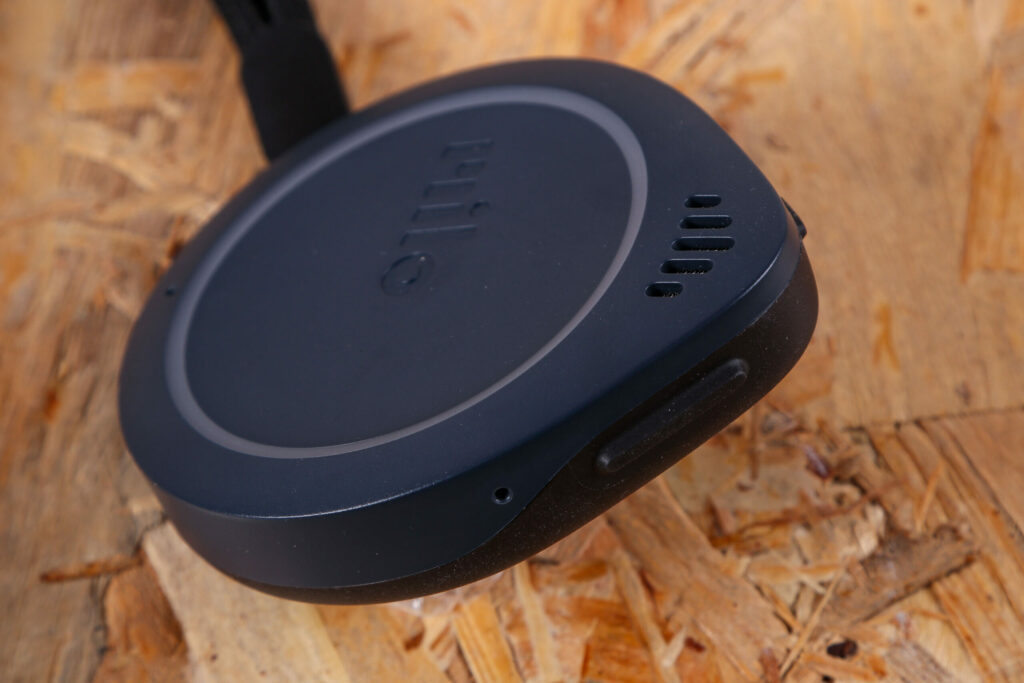
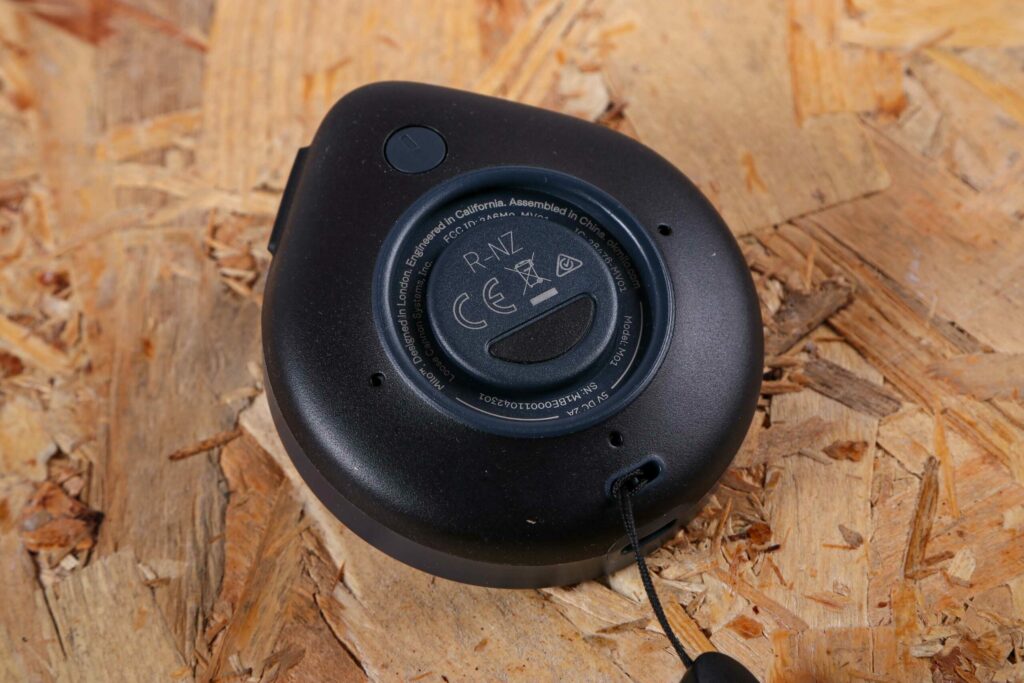
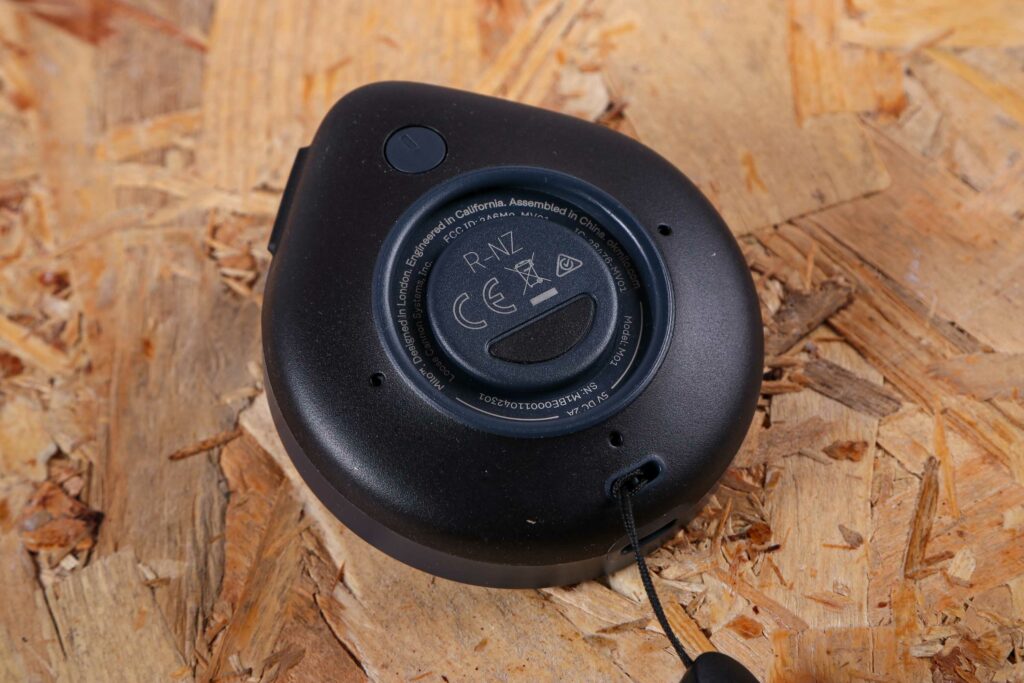
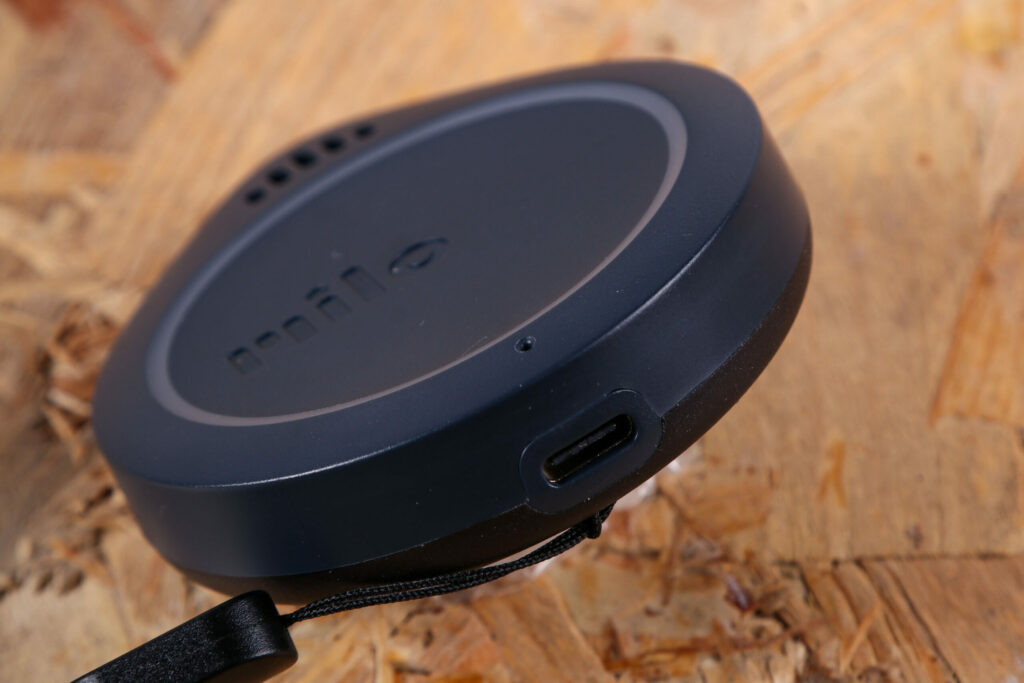
You can set the Communicators to either voice activation mode, where you just speak and are broadcast to the chat, or to push-to-talk mode (more like a traditional walkie-talkie). The whole unit is dustproof and waterproof, and there’s a speaker to broadcast your voices; you can also pair Bluetooth headphones or add wired ones.
The lithium polymer battery inside can run the unit all day in normal conditions, and it recharges via USB-C. The Communicator pairs with an app (iOS/Android) with a wealth of settings options, but you don’t actually need the app, or a phone, for general use: the Communicators talk directly to each other.
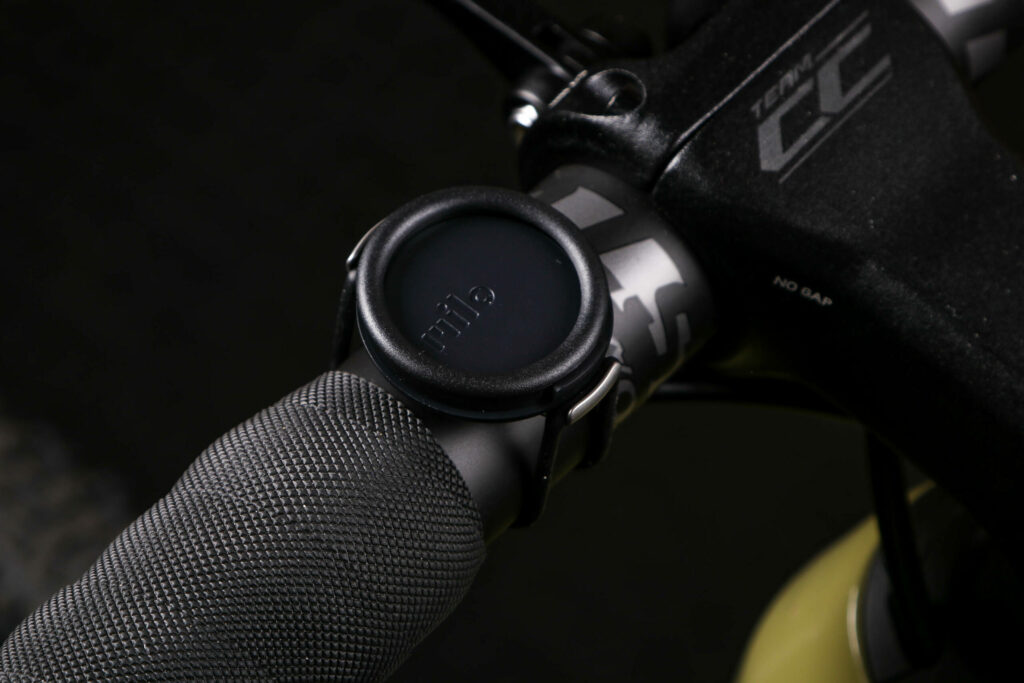
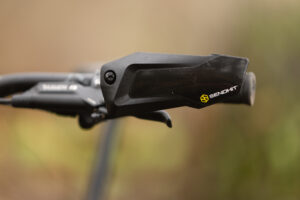
There are a range of clips available which all use the same mount, which is somewhere between a magnetic mount and a quarter-turn one. You clip the Communicator into its mount and it’s locked in, then twist it to remove. Our units came with bar mounts for cycling; there’s an armband for watersports and a variety of clothing clips for hiking and skiing.
It’s a fairly chunky unit (74x66x21mm and 72g), but it doesn’t take up much more space than a light.
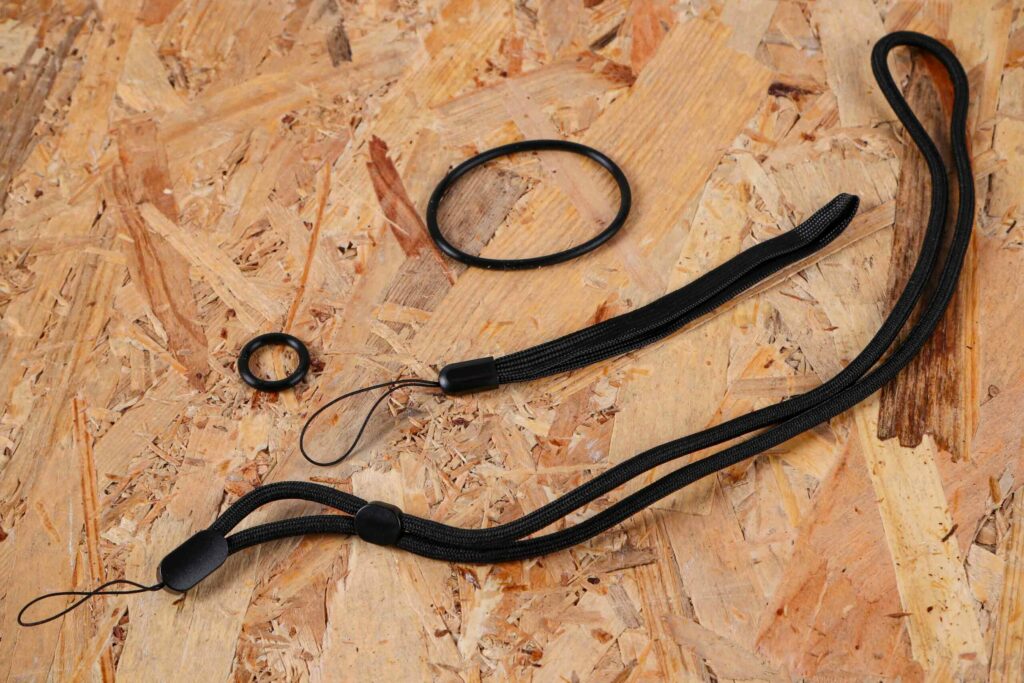
A word of warning though: make sure you fit the included lanyard and secure the Communicator to your bars. We had multiple occasions where the unit broke free of its mount, and on one occasion the O-ring securing the mount snapped, and all of these left the Milo dangling from the bars. That’s obviously better than being lost in a hedge somewhere, but it’s hardly ideal.
Setting the Milo communicator up is pretty straightforward. You can use the Communicators without the Milo Link app, but it’s easier to change settings on your phone than the unit. You can give each device a name, and change a host of settings; voice control can be turned on or off, for instance, and you can choose what the button does.
Push-to-talk was my choice, but you can use it as a mute/unmute and also press it to activate water clearing, which you’d hope wouldn’t be so much of an issue when riding.
You can change to a low-latency mode which cuts the lag by doing less processing on the signal, with the downside that more noise can get through. There’s a machine-learning noise reduction which claims to ‘significantly improve your audio experience,’ but I didn’t find it had any noticeable effect on wind noise.
Proximity Mute can be configured for a larger or smaller mute area, or turned off. You can set the sensitivity of voice detection too, if you’re in voice-activation mode, and you can pair headphones or a mic to the Milo. Everything works very well. There’s also now an option to record your own voice and save the recordings locally, which I haven’t used.
Better latent than never
When I reviewed the Lazer Velovox On Bike Communication Device, one of the things I was a bit down on was the latency: there was a significant gap between you speaking and being heard, which meant that when you were actually in earshot you had to remember to mute it. And then, most importantly, remember to unmute it again afterwards.
Lazer’s system uses a phone connection, though, which means your chat must ping to masts and into the ether and back out again, so there’s always going to be a bit of lag.
This Milo system uses Bluetooth, so it’s a direct unit-to-unit connection, and you’d expect it to be better in that regard. And it is, for three reasons.
Firstly, there’s less lag. It’s not zero lag, because the Communicators process incoming sound to try and separate words from wind and background noise. You can choose in the app to prioritise that (more lag), or to lower the latency with less processing.
If you’re keeping processing high then the latency time is still high enough it might be annoying when you hear each other normally at the same time, but the second reason this system is better than Lazer’s is because it has a proximity mute. If you’re riding side by side (with proximity mute on), the Communicators won’t do anything. As you drift apart, comms switch automatically to speaker. It actually works very well.
The third thing that’s better is that the Milo Communicator can be push-to-talk: you just hit the big button on the top and chat away. Actually in reality it’s: hit the big button, wait a little bit, and then talk, because otherwise the first bit of what you said will be missing.
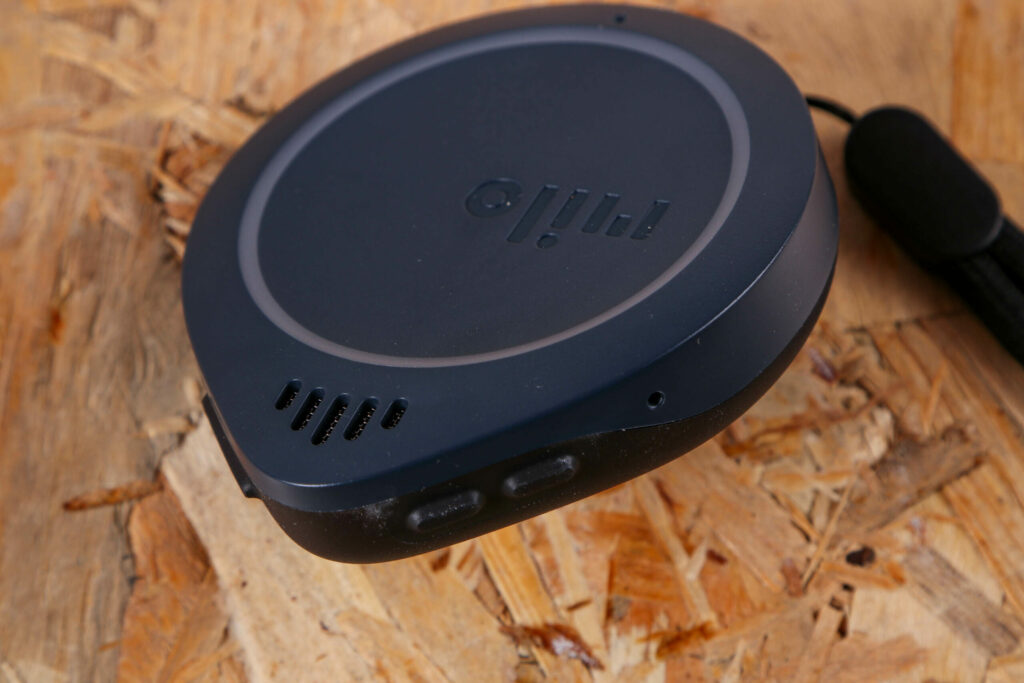
Push-to-talk is something the Velovox system lacked and, in my opinion, really needed, so it’s good to see it here.
I found the Milo’s voice activation patchy in real-world riding conditions, where wind noise and passing cars could activate it, so I mostly ran with push-to-talk. The button is nice and big, and easy to find.
Positively negative
That’s all mostly positive, but overall my experience wasn’t that positive. It fell off the bike a fair bit, and I’ve covered that, and range we’ll get to (spoiler alert: it’s not great), but realistically a system like this lives or dies on whether you can clearly and easily communicate. Fundamentally, I don’t think Milo scores well here. For several reasons.
Firstly, it’s just sitting too far away on your bars. The speaker is okay, but it’s not powerful enough to cope with any kind of windrush. If you’re bimbling along at 20km/h and it’s a still day then it’s fine, but add any wind, or just go faster, and all meaningful communication ceases. Especially if it’s fallen off the mount.
We tried it at 60km/h and 40km/h on downhill sections, and there’s no real chance of a conversation. There’s too much wind noise, and that’s a problem both for your ears and for the noise reduction algorithm. On the last test run I chatted with fellow reviewer Jez about this shortcoming, and he pointed out that for a lot of other sports it’s not really an issue.
If you’re hiking, you’re moving at walking pace. Skiing is a very stop-start activity and there are plenty of opportunities to communicate when you’re not moving, or moving slowly. Out on the water it can get pretty windy, but again: most of the time you’re probably not going fast. Plus, in all these situations the speaker is nearer to your ears: on your arm, on your collar, or on your chest pocket.
The Milo could well work better for cycling when using the collar mount, but we didn’t have one to try, we had the bicycle mount. The downside of trying the collar mount is that, for push-to-talk at least, you’d need to take your hand off the bars.
The bottom line is this: cycling involves moving quite quickly for as much of the time as you can manage. And the faster you go, the less effective the Milo Communicator is. For typically slower disciplines such as bikepacking or mountain biking it might be a viable option, but for road cycling? I don’t really see it. The drawbacks outweigh the benefits here.
Range roving
Milo claims a range of ‘600m (2,000 feet) depending on the terrain.’ Obviously, like ebike range and the “Up To” wireless speed from your broadband, that’s very much a best-case scenario. I can imagine that for some uses of the system – hiking on open ground, watersports – you’ll get near that, because line of sight can be very good. With cycling it varies wildly. Out on a big, flat road across the Somerset Levels: not bad. On a standard UK lane with hedges and wiggly bits: not good.
After testing a variety of common scenarios, I’d say the reliably useful range was actually 150-200m. Ironically, of course, it’s lowest when you’re most likely to need it – when you can’t keep other riders in view because the sight lines are poor.
The Milo Communicator uses a ‘MiloNet proprietary ad-hoc mesh network’ as the connection, which means that, the more Communicators you add, the more the range extends. Each one acts as a node, and so long as each is in range of another node, the signal can transfer all across the network.
This would work well in a group situation if, say, you had someone at the front, a sweeper taking care of stragglers and someone sitting towards the rear of the main group: you’d be able to keep everyone in communication over a longer distance. If there are just two of you, though, in my experience the range isn’t really sufficient for many real-world situations.
If you’ve been dropped on a climb (not that I’d know about that) and you’re watching your fitter, leaner friend pull away, you can chat (so long as they’re not miles up the road) and make plans for where to reconvene. But if you’re diving through the lanes and you’ve missed a turn and lost your ride buddy, by the time you’ve realised you’re not together it might well be too late.
Velo, is it me you’re looking for?
That rival Velovox system has a basically unlimited range, although of course in practice that’s only true where you’ve got a phone signal, which certainly isn’t everywhere. The same is true if you’re just using some Bluetooth headphones and a WhatsApp/Discord call.
You could just use walkie-talkies, though… after all, that’s what cycling race radio is. They’re no good for watersports (one of Milo’s use cases), but for cycling they’ll give you a longer range, a clip-on push to talk button and the sound going right into your ear.
A battery for chattery
Milo claims ‘all day’ battery life for the Communicator, and I’ve found that accurate: you can have them on all day and still be able to talk come the evening. For most situations that’s plenty long enough. Charging is via a USB-C port on the bottom of the unit, which means you can charge it when you’re out and about easily enough from a battery pack, although the rate of charge isn’t that quick. Realistically you’ll be plugging them in overnight, and I had no issues keeping them charged.
A special shout out to the USB-C port cover, which is a simple non-captive bung that you may or may not lose almost immediately. I remember when Hammerhead did the same on the first iteration of the Karoo 2, and claimed it was fine, and then started offering an ‘upgrade’ kit with a captive one. It’s not fine. Fix it.
Value
At £199 a unit, this is an expensive way to communicate. The Lazer Velovox system isn’t a great deal cheaper and a set of Bluetooth headphones may or may not be cheaper – depending on which you choose – but they certainly can be. Open-ear units that are okay for cycling start at about tuppence, and for £50 you can get a good set.
A race-radio-style walkie-talkie with a push-to-talk headset can also cost you as much as the Milo, but almost certainly won’t. We’ve got a set of Baofeng mini radios that were around £25 for the pair, for instance, headsets included.
Overall
I think the Milo is at the top of the market price-wise, but performance-wise I don’t really think it works that well for cycling. It’s a bit too compromised in a sport where you’re trying not to spend much time moving slowly, and the sight lines to the people you want to speak to can be – and often are – poor.
Maybe if you’re ride-leading a slow group, or you’re bikepacking with a mate who likes to storm up the hills (or can’t read a map) it’s an option. But for most cycling, and really all of road cycling, I don’t think it’s your best bet.
Test Report
What does the manufacturer say about this product?:
Milo says: “Milo – The Action Communicator is the walkie-talkie reimagined. It enables hands-free, multi-way, group voice conversation, allowing adventurers to speak while on the trails, slopes or water. No phones or Wi-Fi needed, so everybody in the group can share the moment, in the moment.”
Tell us some more about the technical aspects of this product:
Milo lists:
Clear Voice In All Conditions
Talk clearly with everyone in your group, even in noisy environments. Six digital low-distortion microphones combined with sophisticated wind and background noise reduction deliver clear voice in all conditions.
Enjoy Group Voice Chat
Enjoy seamless multi-way voice chat with everyone in your group. The patented MiloNet™ network allows everyone in the group to talk at the same time.
Hands-free
No need to push buttons to communicate. You just… talk. Attach Milo™ securely to your clothing or handlebar using one of the purpose-designed clips leaving your hands free.
Reliable MiloNet Mesh Network
Milos create their own mesh network, so you don’t need Wi-Fi or a phone signal. The range between two Milos is 600 m (2000 feet) depending on the terrain. The MiloNet mesh network can extend that range when your group of 3 or more spreads out.
Any further comments on quality?:
No issues with the quality.
Any further comments on performance?:
Range is too small in normal use, and wind noise too much of a problem.
How does the price compare to that of similar products in the market, including ones recently tested?:
Expensive, although there’s nothing directly comparable.
Did you enjoy using the product? No
Would you consider buying the product? No
Would you recommend the product to a friend? No
Use this box to explain your overall score
I think these have come from sports where they’re better suited by design. I don’t think they really work in a road cycling environment.
About the tester
Age: 53Height: 189cmWeight: 104kg
I usually ride: whatever I’m testing…My best bike is: Dward Design Custom Audax, Lauf Úthald, Cannondale Topstone
I’ve been riding for: Over 20 yearsI ride: Every dayI would class myself as: Expert
I regularly do the following types of riding: Road racing, Gravel riding, Indoor riding, Indoor racing, Bikepacking, Commuting, Touring, Club riding, Audax, Fitness riding, Leisure riding

4 thoughts on “Milo Action Communicator”
never tried, but would a group voice chat like disqus or even whatsapp, and a single ear bud not provide full functionality?
@rjfrussell I tried that, and it doesn’t work well, regrettably.
We both wore bone conducting, open ear headsets, which normally work just fine, but the problem is that its inbuilt mic is just not up to the task when you are riding. The wind noise is not filtered enough for the other person to hear what you are saying.
Another downside compared to devices that are designed for sports/cycling use, is that the conversation is open all the time. So you hear each other’s breathing, mumbling, and all other noises someone makes all the time.
The few devices designed for this are still all too expensive for me, so I’m still hoping to find an alternative solution that works well.
@Sredlums. thanks- have used disqus on indoor rides and it is ok, but as you say, you get the noise of breathing, fans* etc
(*cooling fans- nobody is coming in to the garage to cheer me on)
@rjfrussell Well, now you mention it, the sound of fans cheering you on coming through the speakers would sometimes be quite nice 😉