


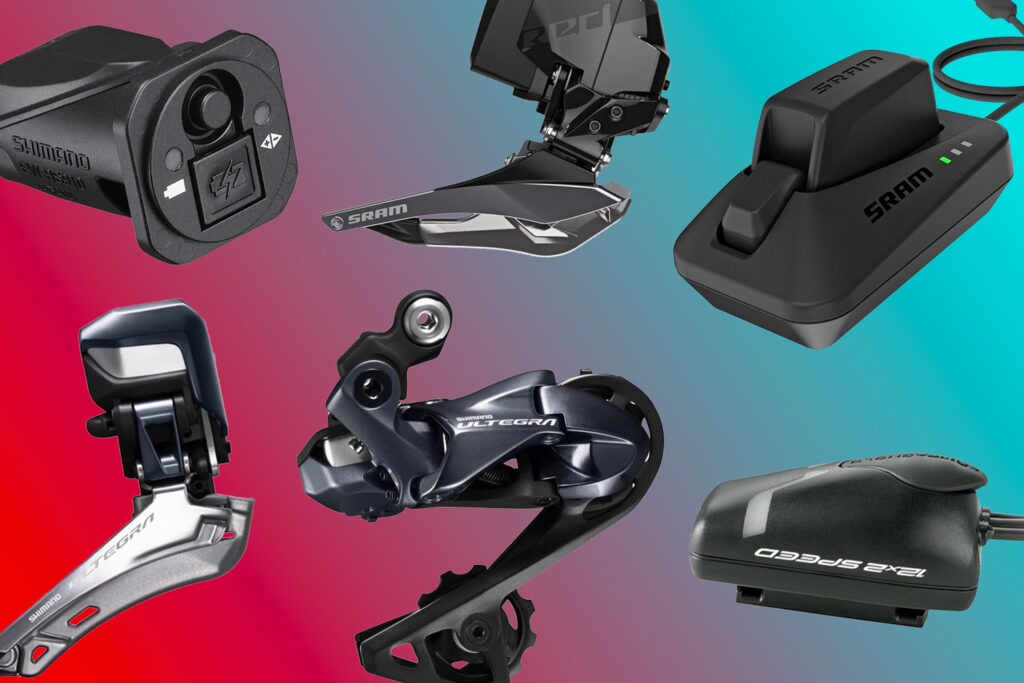

We’re big fans of electronic shifting here at road.cc and we don’t know of many people who’ve used it regularly wanting to switch back to mechanical shifting, but it’s not without its downsides. Here are some of the little annoyances that we’ve experienced and heard about over the past few years.
Don’t forget to budget for extras
If you’re buying a complete bike you’ll obviously get all the electronic parts you need, but if you’re buying electronic groupset separately make sure that you budget for everything that you need on top of the obvious components.

As well as the shifters and derailleurs, with SRAM eTap you’ll need only a Charger Power Pack that retails for £30-£40.
There’s more to buy if you go for Shimano Di2 or Campagnolo EPS. On top of the shifters, derailleurs and charger, you’ll need a battery and wiring.
Read our Shimano Dura-Ace R9150 Di2 review
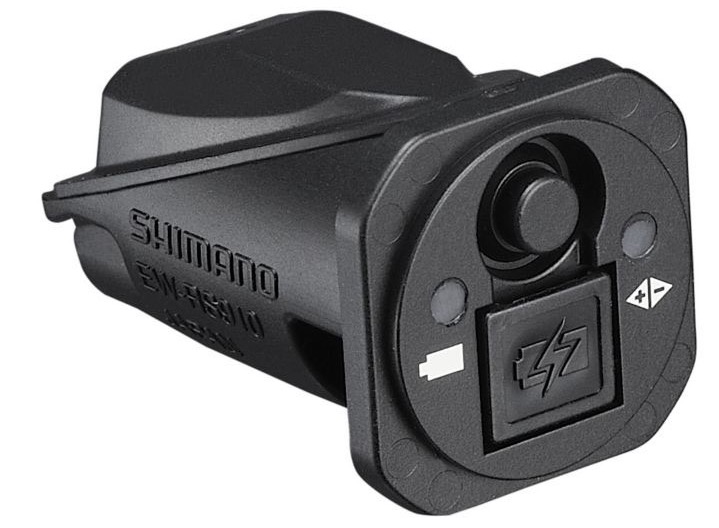
In the case of Shimano, you’ll need a Junction A box or E-tube Di2 handlebar mount Junction A charging point and a bottom bracket junction for internal wire routing. You’ll also need an E-Tube wireless unit if you want to customise the function of your Di2 system. With Campagnolo, you’ll need a DTI EPS V4 Interface.
Satellite shifting from SRAM or Shimano is going to cost you extra too.
If you buy a groupset as a package, check that it includes everything you need.
The cost of replacement parts is high
It’s no great revelation that electronic shift systems are more expensive than mechanical equivalents but don’t forget that as well as the initial outlay you need to consider the cost of replacement parts.
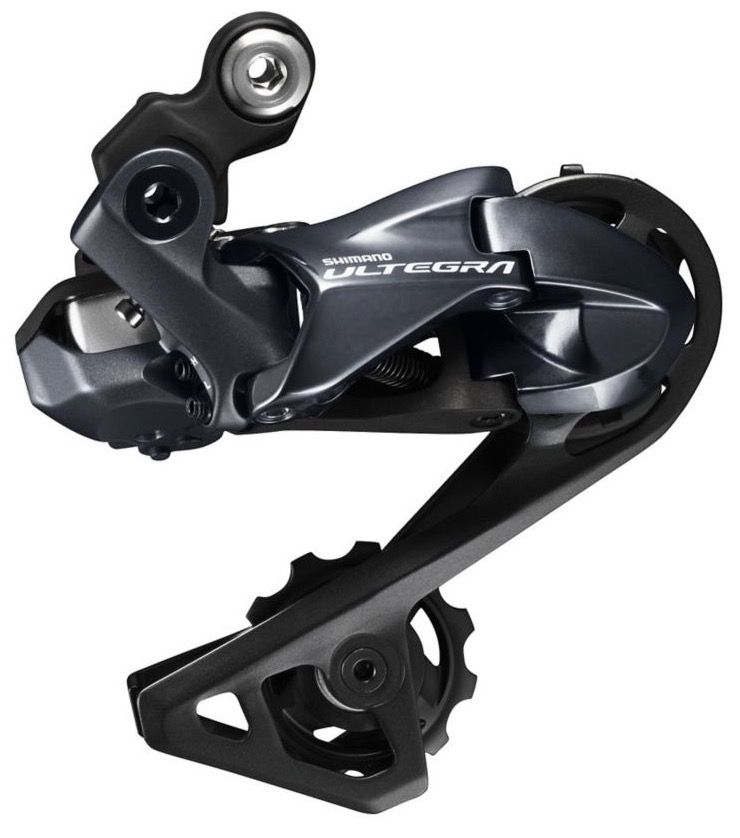
Say you come off and wreck a Shimano Ultegra Di2 rear derailleur, for example: a new one is going to cost you £255 at full retail price, compared with £87 for a cable-operated model — nearly three times as much — and you can’t save money by downgrading to Shimano 105 like you could with mechanical because there’s no Di2 version available. Well, not yet anyway.
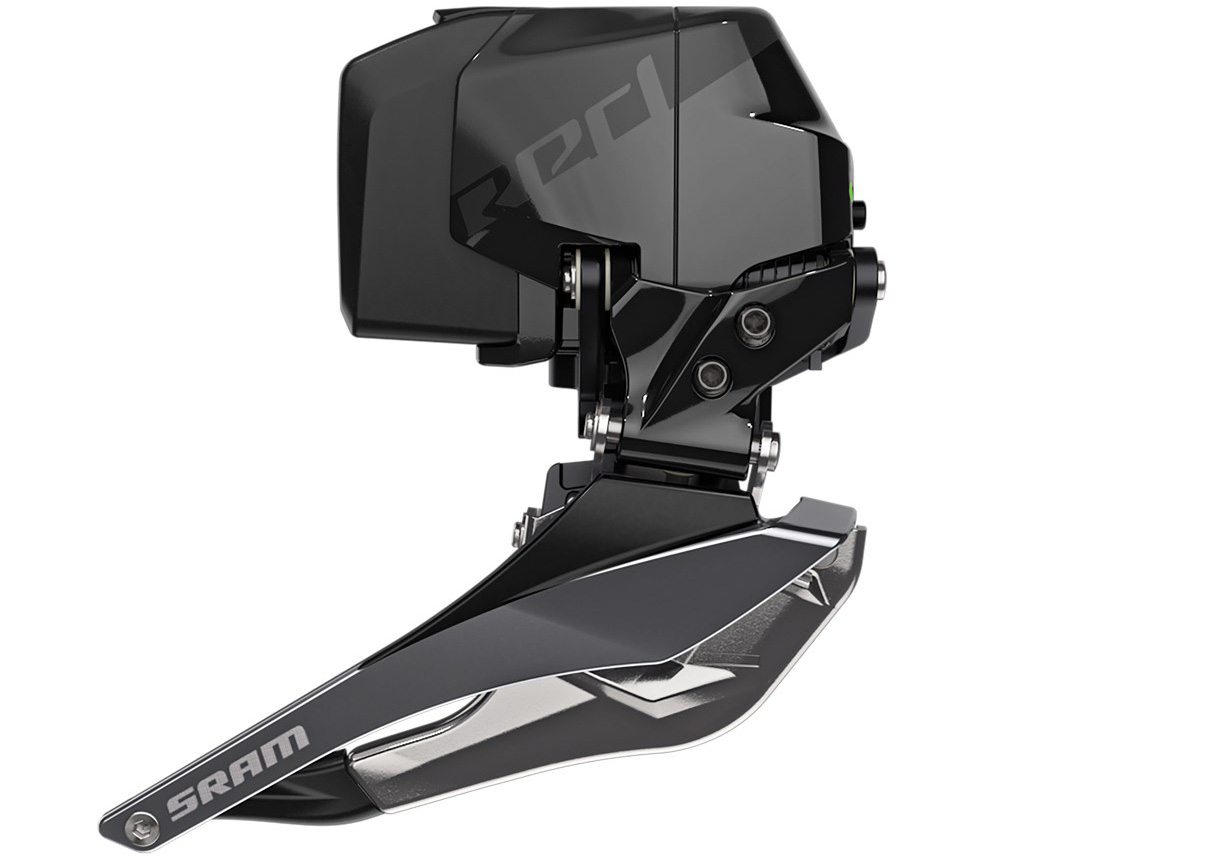
A SRAM Red AXS eTap front derailleur is £370 whereas a mechanical Red Yaw braze-on front derailleur is £102.
Check out 10 SRAM Red eTap road bikes
Granted, Ultegra Di2 shifters are slightly cheaper than the mechanical ones (£289.98 versus £319.99), but that’s unusual.
You might run out of battery charge
Running out of battery power is a possibility if you have electronic shifting. Like falling off at the traffic lights the first time you use clipless pedals, it’s the sort of thing you’ll do once and then make sure you never repeat.
A Shimano Di2 system runs on a single battery and each charge lasts several hundred miles (the exact distance depends on how often you shift and the temperature). You can check the charge status via the Junction A (which is either a box or a bar-end option).
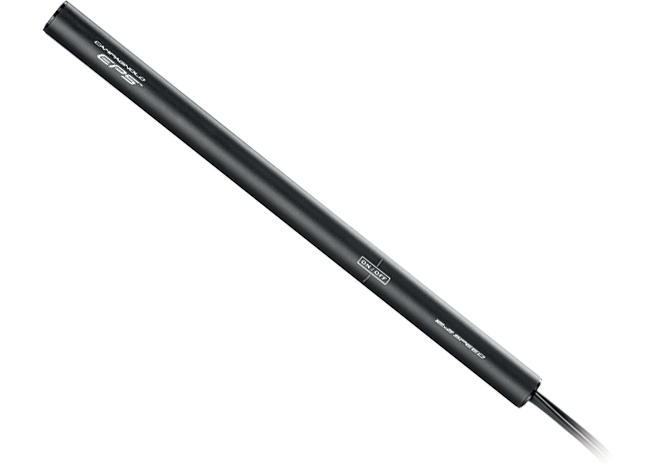
Campagnolo EPS has a similar colour-coded system and the indicator lamp will light up red every five minutes when the battery charge falls below 6%.
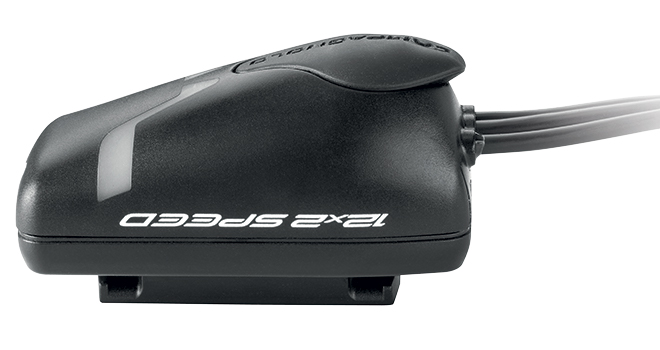
Each of the derailleurs of a SRAM eTap system has its own rechargeable battery that lasts for over 1,000km (625 miles) of typical riding. A green indicator light on each component turns on after each shift. Once the battery charge is below 25%, that light turns red and below 15% the light starts to flash red.
The CR2032 batteries in the shifters will need changing on average about once every two years, and there’s a similar LED system to tell you how much juice is remaining.
Constant pressure on the button can eventually drain the battery of an electronic shift system. We’ve heard of this happening during air travel, the rider finding that the battery they’d topped up before leaving home was completely empty by the time they came to build the bike up before the start of their training camp. You can avoid this by unplugging the wires or removing the battery/batteries.
That goes double for eTap because the rear derailleur is the brain of the system and wakes up when it detects movement. A long car or plane journey can involve a lot of wake/sleep cycles and take care of a significant part of the rear battery’s charge, so take it off for transport.
Technical issues can be difficult to diagnose/repair
If you have a shifting problem with a mechanical system, the issue is usually pretty obvious. You can tell instantly if the cable has snapped, if it’s too loose, or whatever, and put it right.
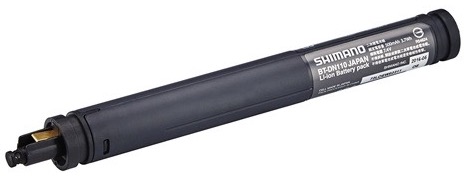
It can be more difficult with an electronic system. road.cc technical editor Dave Arthur had a Di2 battery fail while out on the road, for example (it stopped working entirely; it hadn’t just run out of charge). It took a while to get to the root of the issue and he was left with an unrideable bike until he’d sourced a new battery. That could be a big problem if you’re in the back of beyond.
Read Head to head: Shimano Dura-Ace R9150 Di2 v SRAM Red eTap
We would say, though, that in our experience problems like this are rare and Shimano does have very good diagnostics tools.
Shimano Di2 shifts can be tricky in winter gloves
Some people find it difficult to distinguish between the upshift and downshift buttons of a Shimano Di2 road system while wearing thick winter gloves. This is something that we hear quite a lot although other users report no issues whatsoever.
With Di2, the upshift and the downshift buttons sit just behind the brake lever, one beside the other. It’s possible to hit the wrong one in big gloves, or to hit both together.
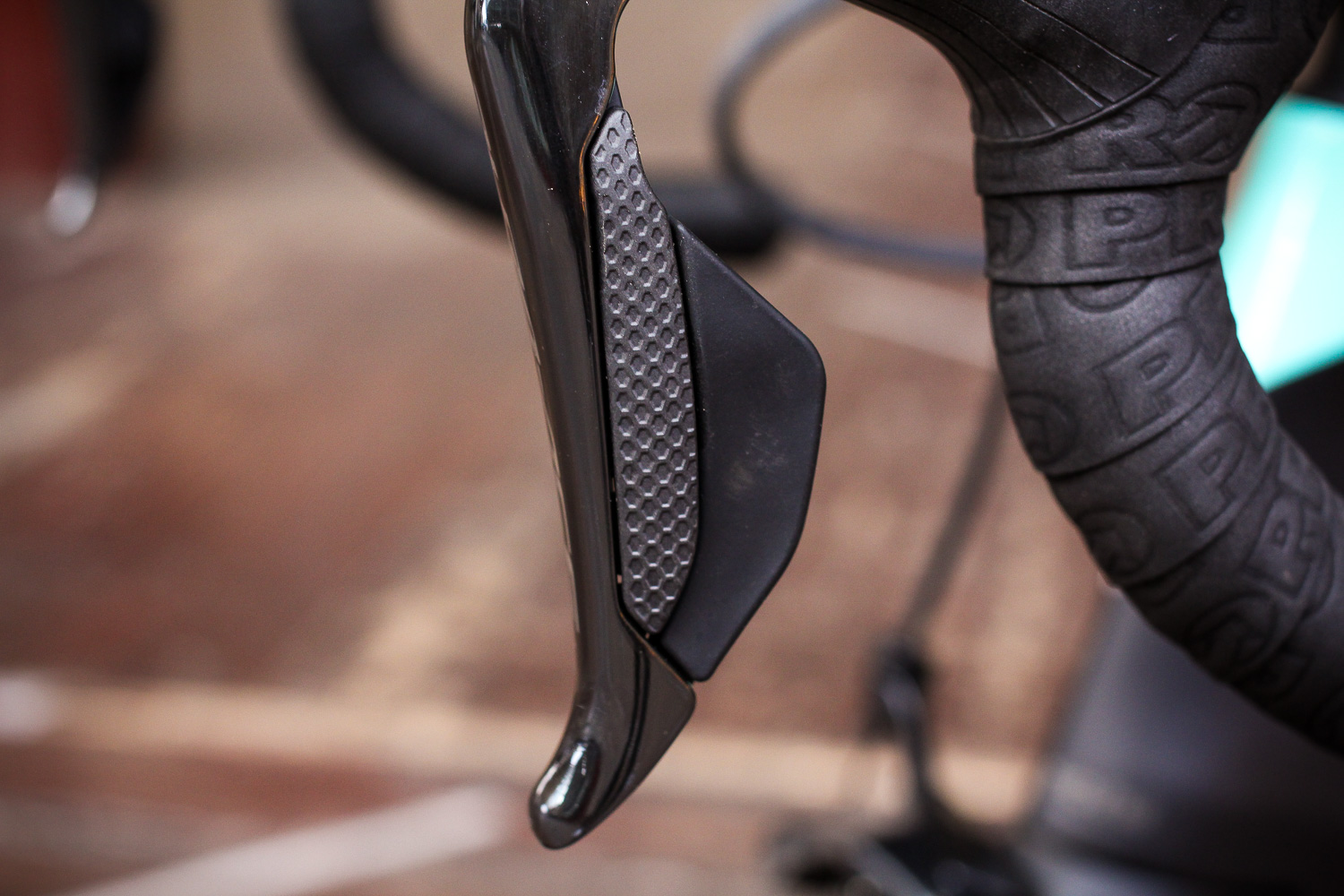
That said, Di2 is customisable. You could reconfigure the system and make the button that’s hidden at the top of each hood perform upshifts, for example, to sidestep any problem.
On the flip side, when we discussed this in the road.cc office, one member of the team said he finds it simpler to operate a Di2 shifter than a mechanical shifter with frozen hands. A tap on the button is slightly easier than sweeping a lever when your fingers are dead.
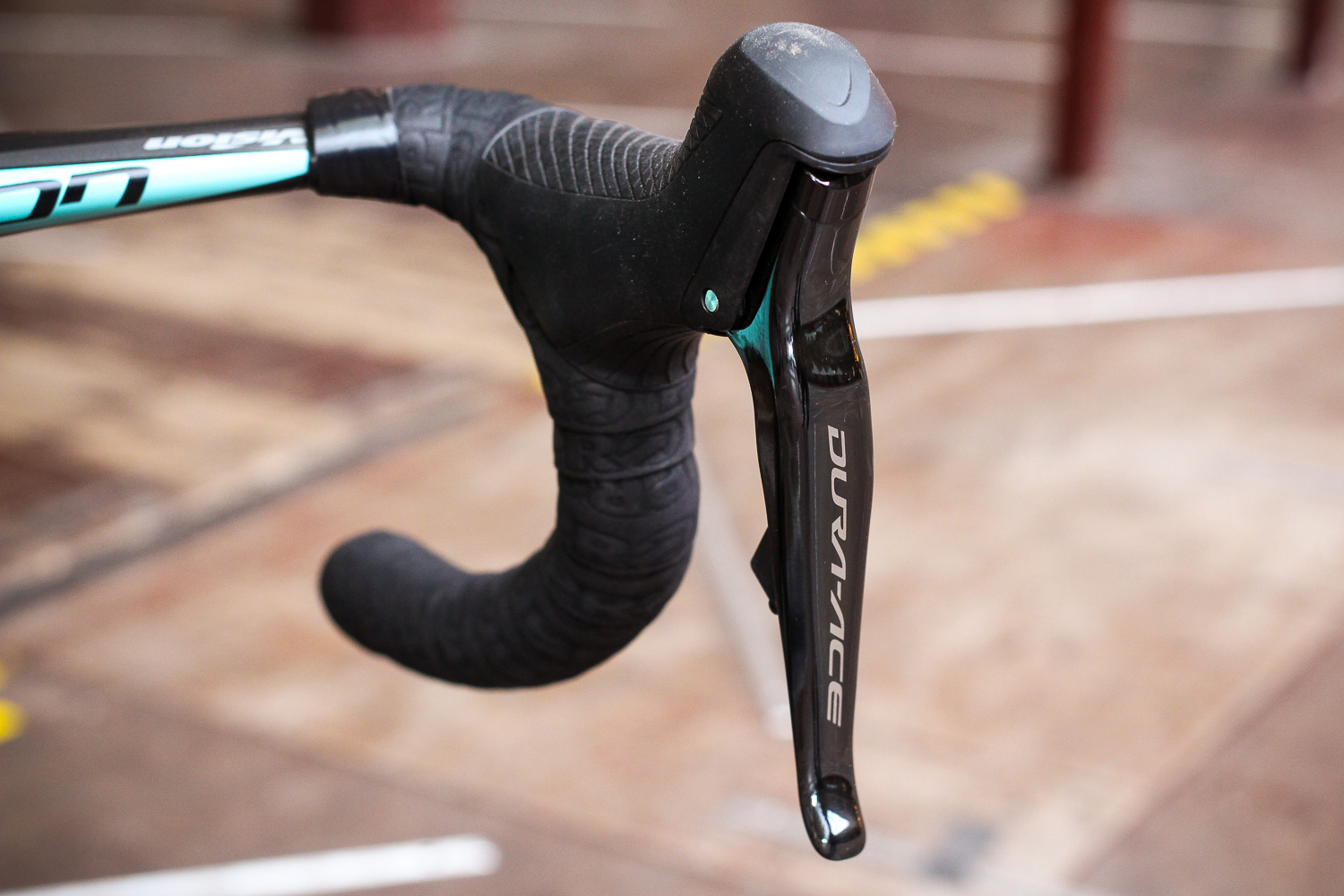
Due to the different ways in which shifts are performed, this isn’t an issue with either Campagnolo EPS or SRAM eTap.
It’s easy to become complacent
Chances are that you won’t need to adjust an electronic shift system often so it’s easy to fall into the trap of thinking that you never need to touch it at all.
With a mechanical system you’ll almost certainly need to adjust the gear cable tension after the first few rides, and probably occasionally after that, but that’s not an issue with electronic shifting.
You still need to keep an eye on the various components of an electronic system, check the indexing and make any adjustments necessary, especially if your bike takes a knock or you break it down and reassemble it for travel.
Sooner or later you’ll lose a charger
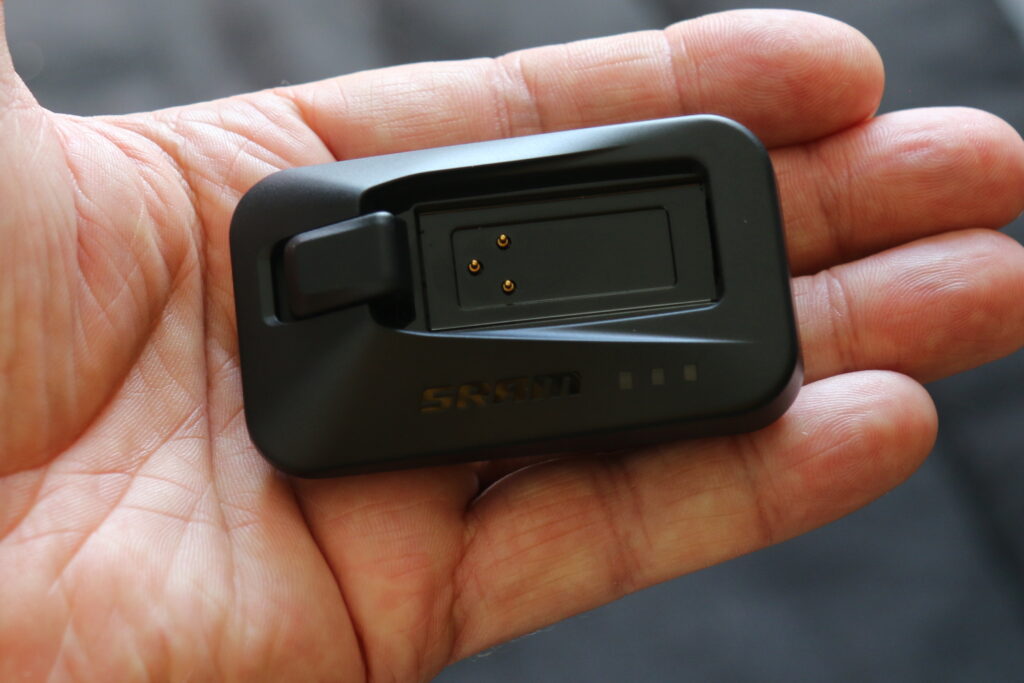
Both the SRAM eTap charger (above) and Shimano’s USB Di2 Internal Battery Charger are quite titchy and easy to mislay, especially if you throw in the chaos of, say, a house move. Road.cc editor-at-large John Stevenson recently conceded defeat and bought a new eTap charger even though he’s certain his old one is in a box somewhere. He says next time he moves house he’s gaffa-taping it to his bike and is taking bets on how quickly the old one will now turn up.





54 thoughts on “Get to know 7 downsides of electronic shifting; the annoying things they never tell you about”
As an alternative to the
As an alternative to the standard Di2 junction boxes (i.e. the handlebar end or under the stem box), you can use the SC-MT800 (or SC-M9050/1): https://bike.shimano.com/en-EU/product/component/deorext-m8050-di2/SC-MT800.html
It adds Bluetooth/Ant+, but I really like the display so that you can easily see what gear you’re currently in and whether you’re in semi/full synchro mode and also a battery level indicator.
hawkinspeter wrote:
Hello, don’t know if it’s relevant to anyone at this point and time, but seeing your postcount, I believe you’re still active on this forum. I just made this account to reply you as I almost threw out the money through the window for that component you’ve mentioned.
It has only 3 plugs, meaning it’s kinda designed for a battery, a lever and a (rear) mech. The kit being 1×11(12,13) hence the deore xt(r) which is mtb line and the high end ones roll like that.
The only way this could work on a road setup (2xsomething) is to have another junction box. Maybe that b box in the crankset area (you might have it if you’re using this), I don’t know the di2 line very well (either :p) as I just bought my bike.
Cheers.
biros wrote:
As an alternative to the standard Di2 junction boxes (i.e. the handlebar end or under the stem box), you can use the SC-MT800 (or SC-M9050/1): https://bike.shimano.com/en-EU/product/component/deorext-m8050-di2/SC-MT800.html
It adds Bluetooth/Ant+, but I really like the display so that you can easily see what gear you’re currently in and whether you’re in semi/full synchro mode and also a battery level indicator.
— biros Hello, don’t know if it’s relevant to anyone at this point and time, but seeing your postcount, I believe you’re still active on this forum. I just made this account to reply you as I almost threw out the money through the window for that component you’ve mentioned. It has only 3 plugs, meaning it’s kinda designed for a battery, a lever and a (rear) mech. The kit being 1×11(12,13) hence the deore xt(r) which is mtb line and the high end ones roll like that. The only way this could work on a road setup (2xsomething) is to have another junction box. Maybe that b box in the crankset area (you might have it if you’re using this), I don’t know the di2 line very well (either :p) as I just bought my bike. Cheers.— hawkinspeter
Sorry, only just seen your reply.
Yes, it takes only 3 plugs – I’ve got the left control, the right control and the other wire goes into the frame where there’s another junction box that connects the battery and derailleurs. My road Di2 system came with the standard stem-mounting (via rubber band) 3 plug junction box so it was a simple swap out and plug the cables in (I didn’t need to get an additional junction box).
I’ve been running my 2×11 setup like this for ages with no problem (apart from when my battery died in less than a year – replaced under warranty). The display shows the current rear gear with a number (1..11) and the current front gear with either an L or a T. It also shows the synchro mode (M, S1, S2) and the battery charge (5 levels).
Now in my 3rd year of Di2
Now in my 3rd year of Di2 ownership and it is running as sweet as the day it left the bike shop. Never missed a gear, absolutely hassle free, once ran out of power because I failed to check. Only irritating aspect is remembering where I put the charging cable for safe keeping.
It is an uneccessary luxury, but I can atest to the ease of use with cold tired hands, and the hydraulic disc brakes are one finger operation from the hoods. The only changes I have made to the standard setup was to put a closer ratio cassette on so I have more choice of gears in my preferred cadence range.
Only irritating aspect is
[quote]Only irritating aspect is remembering where I put the charging cable for safe keeping[quote]
Been there
Also into my third year but
Also into my third year but with EPS. Haven’t regretted it for a second. Effortless and trouble free gear changing especially when braking. I’m thinking of replacing my touring bike and I hope I can get it fitted with triple electronic shifting.
You also win on battery life.
You also win on battery life. In 3 years with EPS, I charged only every 2000 miles, & it wasn’t screaming to be charged even then. I’m currently running Di2 & you need to be much more vigilant as to the charge level. I get about 800 miles before I lose the front mech, which is my reminder!
Dingaling wrote:
There isn’t a triple option for EPS. In fact I don’t think there’s a triple option for any e-shifting system.
Miller wrote:
There is, but it’s expensive. You can run an Shimano XTR front and rear mech,with road shifters.
There is an XTR/XT triple Di2 front mech, but you have to use the XTR/XT rear mech.
I’ve 2 bikes with Di2, it’s faultless and you dontd need to buy brand new, most of my hardware is 2nd hand, and has been perfect.
The only issues I’ve witnessed is with two owners of SRAM etape systems who didn’t charge their batteries, so were stuck with limited years in the Pyrenees, but they could swap the front and rear mech batteries round, so low gears for the climbs and then big gears for the descents. Didn’t seem ideal.
I would like wireless Di2, then it’d be perfect
maviczap wrote:
T’Da!
maviczap wrote:
I hope there is a solution. I don’t have a problem with the expense but I have not found the info. on the Shimano web site that says it will work. I have seen the XTR Di2 derailleurs but I couldn’t find the information that said Di2 road shifters would work a triple and the info seems to restrict the front derailleur to 40T. What size is your largest chainring?
Dingaling wrote:
My triple crank is Deore XT 48/36/26 . Works beautifully, I have Synchro-shift enabled which keeps cross chaining to a minimum. The setup you see, i use for mountains with a 11-40 cass.
I can spin up 25+% gradients and hit over 50mph on descents with the gearing.
I took my bike to Tenerife recently and there were lots of compliments about how I could hold 90rpm up steep multi hour climbs. At the end of a long week my legs felt very good and not wrecked like some others
Dingaling wrote:
As CXR94Di2 has demonstrated and I can confirm that road shifters do work with the XT mechs, but as I said you must use front and rear. I took my advice from CXR94Di2
One thing to note is it’s probably easier to have it on a frame without a fixed front mech braze on, the XT mech has a specific band on mount, so would suite you if you went to a titanium frame
maviczap wrote:
The bold text is quite important, because you need the adjustment freedom a band mount derailleur offers. Its not difficult to setup and once correctly aligned provides precise and reliable front mech changes time and time again. Ive not adjusted the position once since I initially dialled in the position.
Dingaling wrote:
I think that’s the last bike I would put electronic shifting on is a touring bike! Something, anything goes wrong in the middle of nowhere you can’t fix it like you can mechanical shifting on the side of the road.
froze wrote:
You’re right. When I finally spec’d my bike for a local bike shop in March I had come round to your way of thinking. To get low gearing I settled on FSA sub-compact with SRAM Red 22 mechanical derailleurs.
I have not had the slightest hitch with my Campag EPS in 3 years and 9000km but you just never know when electronic kit might cause trouble. I have to say though, using the paddles on the SRAM kit is a big step backwards compared to the Campag EPS. I guess that’s the price for perceived reliability .
The main benefit for me is
The main benefit for me is the lack of maintainance If you do all your own mechanics and don’t have that much time it’s fantastic. I have had to replace a front derailleur but that was my fault and other than oiling and cleaning it’s set and forget.
I went disc on my new bike and had to dump di2 because of the additional cost but I’m regretting it now constant adjustments to keep it running smooth
If running Shimano, use the
If running Shimano, use the SRAM 1190 casette, Record 11 Campy chain AND Yokozuna reaction cables. You usually get 11,000-15,000 kms of whisper quite elite level performance until the front chainrings wear out. Chains will last 4000 km at 35-45km/hr efforts… So issues is what 9000 or 9000 or 9100 or 7800 have as default. Once adding the best parts in the world. you forget having a mechanical system.
The Gore cables in the pic pulled after 12000 kms, changing frame they were too short. BUT, zero stretch, zero permanent deformation. Still good as new..
CXR94Di2,
CXR94Di2,
thanks for the info. I don’t think I will be going far up 25% and/or pedalling 90rpm for hours but, when I have eventually ground my way to the top, I want to be able to go hell for leather back down hence my “need” for the wide range that a triple setup provides. My current tourer has xtr 3×9 – 44/32/22 and 11-32 in an aluminium frame. I have a carbon frame road bike and had a steel one years ago. I have got it into my head that I should try a titanium frame before it is too late (bucket list) but, as discussed, I need the triple set up and J.Laverack, for example, don’t have a triple solution in their offering.
“The stuff they never tell
“The stuff they never tell you about electronic shifting”. Really? Or is it just me who thinks the writer was scrabbling to find something make a story about an issue that isn’t really an issue?
Anyone contemplating electronic shifting would probably do the basics in terms of reading about the options available (if they didn’t at the price points of electronic shifting they are either rich or gormless).
This research would reveal that Sram’s system is wireless, Di2 and EPS are not. They would presumably therefore realise that they would need wires for the non wireless systems. Oh, and a battery. Unless they thought the battery was disposable they would probably realise that they would, at some point need a battery charger. If they thought it was disposable they would wonder how long the charge would last and how much would replacement batteries be.
The most basic research would reveal how to wire it all up and thus the need for a couple of junction boxes and the various options available. If they were buying a bike with it fitted they may no nothing of these junction boxes, but that wouldn’t be an issue as they are already fitted.
Nobody in their right mind assumes that batteries last forever, so they would assume that the battery(ies) would drain during use and at some point they risk getting a flat battery on a ride. Wouldn’t this be one of the first things you looked into if contemplating getting electronic shifting? How long do batteries last, how do I tell what charge they have remaining, how far can I get if charge is running low and how long do they take to charge up? Oh, and what happens if I have a flat battery (is there a backup/ reserve?)
”Technical issues can be difficult to diagnose”. Really? It’s not a complex electronic schematic with hundreds of components. With Di2 you run the app and it communicates with your system showing a simple schematic. You can make adjustments to settings simply and diagnose problems. If you have a faulty component you just need to swap it out – individual components aren’t really user repairable, so just like a modern car you swop the component. May be expensive, but not really difficult. How many cyclists have had shifting issues with cable operated components which are annoying as hell, just won’t cure and ultimately end up in swapping components such as cable inners, outers and eventually shifters due to something like a worn spool in the shifter itself? I know I have.
The winter glove issue has been addressed by Shimano by increasing the paddle/ shifter button sizes, plus of course having the fully customisable options through e-Tube. So again, not really an issue eh?
So the dealer didn’t tell you cost of replacement parts was high? That info is at the consumer’s fingertips. If it is a deal breaker then perhaps the consumer really can’t afford electronic shifting and should avoid it. There is a hierarchy amongst groupsets – the top end ones cost more to buy and thus more to get replacement parts for. Shock horror.
And “it’s easy to become complacent”? What, due to excellent reliability? So now excellent reliability is being used as an argument against electronic shifting? Good grief I’ve heard it all now… I don’t need to constantly fettle and tinker with mechanical shifting because I fear becoming complacent… what I do like is having to spend less time fettling and tinkering with my electronic groupset and having absolutely nailed, spot on, trouble free shifting so I can fettle and tinker on new builds, oh and just ride my bikes.
Seems to me Pete you already
Seems to me Pete you already know it all so this article probably isn’t for you.
“The stuff they never tell
“The stuff they never tell you about electronic shifting”…. Don’t bother attaching the wires to your genitals.
Disapointed of Gusset Skraping.
Wow, so research is the
Wow, so research is the secret to learning things… better take notes
I’ve never seen the point . I
I’ve never seen the point . I still ride the lightest option set up which is sram red mechanical 10 speed . I’ve tuned my rear mechs they weigh 90/ 80 grams . I tuned the shifters . I don’t use front derailure so took all the gubbins out of that Shifter . So it’s just one cable into the rear mech very simple . Don’t have to worry about any electronics etc . It shifts just fine I can multi shift as well . And it weighs zilch . That’s my preference . Keep it simple . I use my Kevlar housing which doesn’t even register a gram on my scales for each section . No inner liner needed just simple housing and gear cable . No hassle and pretty easy to spot if you did have any issues .
Xena wrote:
Interesting comment, what exactly do you mean by “tuned”?
Xena wrote:
Are the wheels strictly necessary? You’d save a fair bit of weight there.
Xena wrote:
Well done you.
I’ve had two bikes with
I’ve had two bikes with Shimano Ultegra Di2 and these days run Potenza and Dura-Ace mechanical – frankly, unless you’re a racer or ride a lot in an urban situation where Di2 can give you a nano-second more time (I’m neither and live in the Pyrenees), I don’t really see the advantage of electronic compared with the cost; particularly with top-end mechanical groups like Dura-Ace.
Indeed. I combined my Dura
Indeed. I combined my Dura Ace with a SRAM 1190 monoblock cassette, Campry record 11 chain- the best metallurgy on the planet, and Yokozuna Reaction cables as Gore went out of business. 150ms per gear change, easily 5 per second. QUIET. So quiet, that I have to check gear! I crossed 10 times in 40,000 kms for it being so quiet and not realizing being on 53/28 or so. Either case, after years and years of no cable issues, 4000 kms per chain etc, no I cannot get the Di or EPS madness. Now they go 12 speed… So, let’s say i HAD to go electornic, i would choose Di2, with a SRAM 1190 and campy chain of course. Nope, Shimano cannot make metallurgy if you pay them to..
Other stuff I want to know
Other stuff I want to know about (Di2) electronic shifting:
1) Can you have multiple batteries? Simultaneously?
2) Can you charge the battery with a dynamo? (Can anybody’s electronic shifting battery be charged with a dynamo?)
3) Why does the E-tube app demand permission for location?
Friendly tip: Don’t use the E-tube up for anything other than installation of the optional wireless unit.
Virtual Dynamo wrote:
Virtual Dynamo wrote:
I guess you could if you were desperate. If you have USB out from your dynamo somewhere you could connect to the charging port, but for Shimano this would involve the slightly bulky charging thing as well. As the battery lasts so long it may be easier to charge when stationary (when on tour) from the mains or external battery if that’s not possible?
Virtual Dynamo wrote:
3 is quite easy; bluetooth device access is handled by the ‘location’ category.
Battery charge lasts over
Battery charge lasts over 1000 miles on Di2, winter conditions, riding mostly in the chilterns with lots of short sharp climbs, so plenty of gear changing.
My Garmin 520 connects with the di2, and can display di2 battery charge as a data field. If it goes below 10% it switches to limp home mode and will no longer shift from small ring to big ring on the front mech.
wycombewheeler wrote:
Love my Ultegra Di2 but you can still get caught out by missing that warning – last year I was on a 180kms ride and the whole shebang ran out of juice with about 30kms to go, because it was such a flat route that at no point had I had to go into the small ring. Fortunately after 5kms of cursing my idiocy and being laughed at by my (mechanical gears) wife came across a lovely bike shop cum cafe that sold me a capuccino and a bun and let me borrow a charger and their leccy supply for free. As the article says, like going out without a pump or a spare tube, once you’ve done it once you never do it again!
What’s this I see about
What’s this I see about getting the etap battery tabs breaking off ?
A bloke on wiggle has gone through multiple in the space of a couple of years but still rates it.
Don’t laugh, but I went with
Don’t laugh, but I went with Di2 (last gen Ultegra) because I thought it would be less faff and lower maintenance than cabled 105. I think this was driven in part by nightmares with getting SRAM Force front mechs to work properly and generally dodgy SRAM shifting.
It ended up being no less faff, and with a bunch of ugly cables and batteries tied to my frame. No internal routing available (and don’t get me started on that particular rabbit hole).
In order to fund an N+1 I stripped it all off, sold it for what I paid for it secondhand, and went to Tiagra. Learnt how to align mechs properly and tune cable tension and have never looked back. Well, until I’ve dropped myself into Alivio/Acera hell with my new MTB, which is probably going to see me going 1X as soon as funds allow.
Had etap since it came out.
Had etap since it came out. Generally great but hard to get parts for 11 spd now. Worst thing is front mech limit screws, the metal is the weakest flakiest out, have wrecked one mech. Why not use plastic/ carbon screws?
Not done homework properly.
Not done homework properly. My SRAM Force etap AXS groupset came with a charger and you don’t need a dongle to update the firmware. You can use the app on your phone.
Greif, now this is slow news
Greif, now this is slow news day, Christ if you didnt know all this, you should not be buying, as ive said for years, lern the subject ???
tony.westclassics [at] live
Now let’s have a think, how can people learn about the subject…tell you what I’d do, I’d look for articles in knowledgable online cycling magazines, they’d probably be helpful…
Well… having said I’d never
Well… having said I’d never go electronic, what was the point etc, I bought a second-hand Genesis 953 team frame, for a very nice price, intending to convert it to mechanical… and lo and behold it came with all the internal Di2 wiring, over £100 worth, probably because the vendor couldn’t be bothered removing the Hope bottom bracket which needed a special tool. So, long story short, and a lockdown project later, I now have a second-hand-and-NOS Dura-Ace 9070 Di2 setup, which has been a fun learning exercise, as I’ve been all Campag in recent years.
So far, it seems flawless if a little bland. I’m surprised by the brutality of front shifts! Di2 fairly slams the chain on to the big ring, having learnt from mechanical setups to apply gentle pressure and wait for the pins to catch the chain. But certainly blingtastic – and the whole bike on the road cost less than £1800.
The only change I might make is add some satellite shifters to the inside of the hoods, so I can downshift with the thumb like a Campag shifter: those two buttons really are close together and a bit of a fumble.
Each time I came close to
Each time I came close to going electronic, I balk at the potential complications, and had I not devised a perfect mechanical groupset, I would have switched a long time ago. The saga started with the 9000, and its breaking plastic casettes (no, they are not carbon), fraying Shimano polymer cables, putrid wobbling DA chains etc. It as if we were egged to switch electronic as if the mechanical had reached limits. After thousands of kms or trial and error, the solution became evident. Went for Gore cables (now defunct- and got Yokozuna), SRAM XG-1190, and after multiple ‘editorial’ criticisms, Shimano eventually redesigned to the 9100RD. Chain was still is a problem- at 5.8mm Shimano was just bad, touching all sides of the cassette etc. Then the store Guru, 40 years in the business, got me on Campy. we went from 400km reliable DA chain to 4000kms of nirvana metallurgy, tak tak solid, no wobbling, etc. gained 2-3 km/hr just by troubleshooting these issue. Across all bikes, recreated the 9100/Yokozuna Cables, SRAM 1190 Monoblock with a campy Record 11 chain. Rest all Shimano.
That brought the system to a degree of precision and speed (150-200ms per gear changes, and I did not have the eqpt to measure faster changes); or5-6 per second. QUIET. So quiet, in fact, whether at 30, 40 45 50 km/hr, that I accidentally crossed and that was the only Humm that woke me up. Also use a special oil that ensures the whole thing shiny for 500 kms, never gunks up (I do clean x1 weekly or after rain). Trying Di2 once a year, see if missing anything, WHY, why go for it and add more uncertainty? Yes programmable etc.. But not superior! I would still use a SRAM cassette and campy chain irrespective of combo even if going electronic. Yes, Di2 is the best, but benchmarked against a poorly designed 9000/9100/7800/8000 with poor tolerances. When other bikes got the same setup, resolving the grinding, wobbling, etc, Shimano’s reaction? Threaten those LBSes,all of them. Someone fixing their bad design with a SRAM (5.5mm) or Campy chain (5.3 mm metallurgy bliss) was a No No.
When I saw a SRAM ETAP fail to stay withi nfront mech limits, I could not believe it. WHY? Liek why? that can kill downhill!
Yes, did write a thank you email to SRAM, they were happy for the feedback, though tryign to get me all SRAM..
Presently, Yokozuna am at 20,000 kms per bike per cable, zero issues front or rear. 35-50 km/hr, hammer hammer hammer zero issues in 5 years. I do avoid the rain, and clean after. But, each time I chit chat near a LBS and see a frustrated EPS or Di2 owner coming in cursing his glitchy electronic system, what can I say?
1190s- i done mine at 15,000kms am told they have no wear from 11t to 28 or 30… I will keep them longer.
Chainrings- Hallowtech Shimano- so clearly 15,000-17,000 kms no more and sucks commence reason is the Campy chain is to brutally solid metallurgy, it does wear the Shimano chainrings. but… 15,000 kms of flawless is darn good.
So, years and tens of thousands of kms, faster mechanical shifting that I can perceive,never fialing state of the art cables, and no, am not yet ready for electronic given the quirks I read or see..
In the pic, 5.3mm Campy Record on a SRAM 1190, 150-200 ms per gear change, and nevr had a Gore or Yokozuna cable frail or fail…Business card added to demonstrate the clearance, both sides, of chain vs cog. Shimano you cannot slide one, let alone two …
If you run a Di2 battery flat
If you run a Di2 battery flat you have no one to blame but yourself. I think you could easily stretch the “several hundred miles” to well over a thousand, even in hilly areas of the country.
Buttons are always consistent no matter how cold your hands are, and the brake lever doesn’t flap around.
Non flappy brakes and
Non flappy brakes and consistent levers have been a mainstay of mechanical Campagnolo for years. Don’t have to worry about charging it either, win win
Have to say that when my Di2
Have to say that when my Di2 went flat the other day condemning me to a fixie ride I did contemplate eBaying it for 11 speed Chorus. I have 10 speed Record on two older bikes and the only thing that runs flat is me!
So I throw in my two cents.
So I throw in my two cents. When I custom built Cervelo S3 (2019) I decided to go with SRAM eTap Red. I was already a huge fan of SRAM so I had no issues. I had the derailleurs and shifters on with 10mins and setup in another 10. I haven’t touched it since, 2 years later even with ROTOR QRings. It shifts like a charm. Battery life has never once been an issue. LIke any battery device, you know to keep it charged. My Wahoo Bolt Elemnt lets me know when I need to charge in any case. Plus I just take them off and charge where ever I want to. I ride with a fully charged spare so even if I do get into trouble thats sorted. Finally there is certainly a lot less to go wrong with no wires, batteries and junction boxes etc with eTAP.
Recent adopter of GRX Di2 on
Recent adopter of GRX Di2 on a self build – Dec ’20. If I had known what a pain in the ass it was going to be I probably would have skipped it, or would have gone for Rival AXS if 4 months later. (Force AXS was just a few hundred quid too much, Rival not launched).
My 2 cents:
Pro’s
Neutral
Surprised how noisey the front mech is – even when just auto-trimming.
Loss of the diagonal movement of the levers for combo braking and shifting on the RHS takes some getting used to.
Con’s/TBD’s
I’m intrigued by the mix of
I’m intrigued by the mix of Campag/Sram/Shimano components mentioned below by Belisarius. Has anyone else tried this? Everything I’ve read says don’t mix – and that the pick up angles are different which could cause excessive wear….
Basically most 11sp cassettes
Basically most 11sp cassettes, chains and cranks are interchangeable, to all intents and purposes. You will need matching derailleurs and shifters, and – if running disc – matching calipers [unless you go for a specific aftermarket one, like Hope]. The old SRAM red 11sp cassette on an otherwise Shimano system was a classic weight weenie move. You’re seeing that come back as you can still actually get SRAM cassettes, whereas Shimano are getting scarce. Campag chains have been notoriously durable since the Ark, tbh, so what the chap said below doesn’t surprise me. Whether or not it actually saves you money is more debatable, as if the cassette wears first, you’ll have to change the chain anyway.
12sp and/or 1x specific is where it gets complicated. There is some Campag/SRAM cross-compatibility – there are guys running SRAM AXS shifters and derailleurs but Campag cranksets and cassettes – but it’s not perfect, I believe because neither chain plays perfectly with the other’s system.
There’s obviously the added potential complications of different freehubs and bottom brackets, so if you do go down this route, work everything out on paper first, very carefully.
At the moment, also check availability of everything before buying anything and if possible buy it all in one go. I’ve just had a build almost holed below the waterline because I could get everything but the relevant freehub adapter.
Dagnammit – another Di2
Dagnammit – another Di2 battery bites the dust.
It was starting to hold less charge so I was checking the charge the night before wanting to ride and was charging it back up on a weekly basis. Yesterday morning, I rode into work and it was on 4 bars and working fine, parked it up and worked for the day. Started my ride home and it’s completely dead (checked the cable, unplugged it and plugged it back in again) so I ended up getting the train home rather than do 20-odd miles on a fixie.
I’d bought a new battery when I saw it first starting to play up, so I plugged that in this morning and everything has come straight back to life. (The battery doesn’t even need a firmware update so must be a new model).
Dagnammit – another Di2
Dagnammit – another Di2 battery bites the dust
Some of these Li-ion batteries do seem to go amazingly suddenly. My Fitbit battery was still doing well, lasting about 6 days, and was fully charged when I set off for a few days in the Lakes. It was still OK when I got there, but sometime during the following day it died completely- nothing on the screen and no response. On charging at home it came to life only while connected, and went suddenly from 1% to 100% with no intervening stage.As soon as it was disconnected it returned to no response before it even managed a pulse reading, and as again back at 1%. It still remembered the correct time throughout! It won’t be worth getting a new battery, even if it’s possible.
I tried charging the dead
I tried charging the dead battery in case it had just run itself flat for some reason, but no response at all. Only about 2 years old as well.
I’ve solved the Shimano
Further to my earlier comment, I’ve solved the Shimano ‘buttons too close’ issue – which coming from Campag I found an absolute pest – by fitting sprinter shifters in the Campag thumb button position and programming it all to work like Campag, i.e. right thumb = upshift rear and left thumb = downshift front. I’ve programmed both buttons on each lever to do the same function following the Campag pattern, thus right = upshift front, left = downshift rear. Now it all works perfectly and I’m never missing a shift again or shifting down rather than up at the wrong moment.