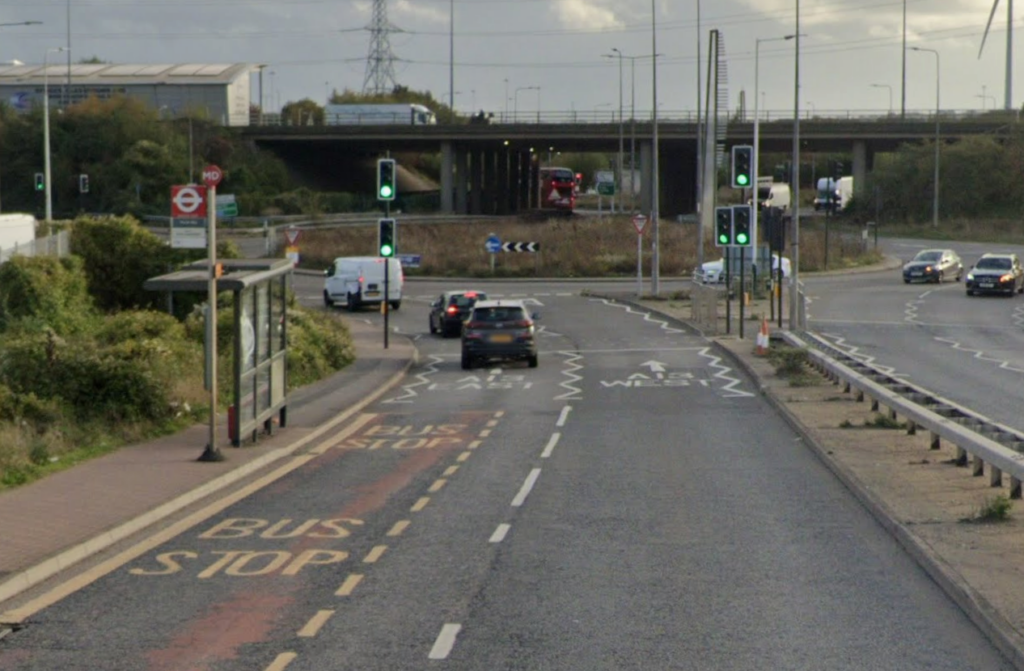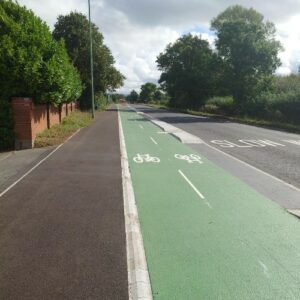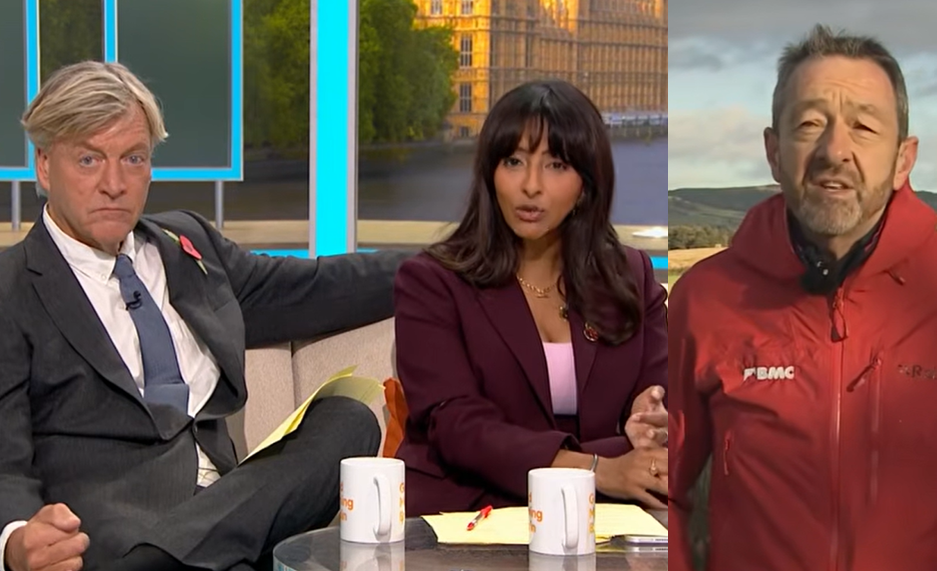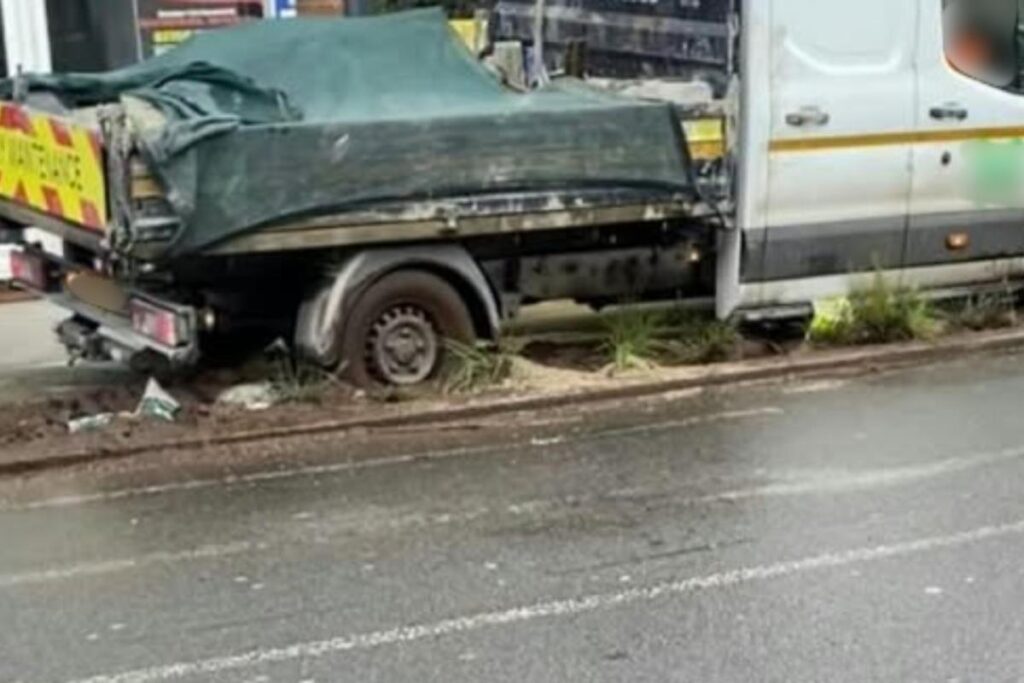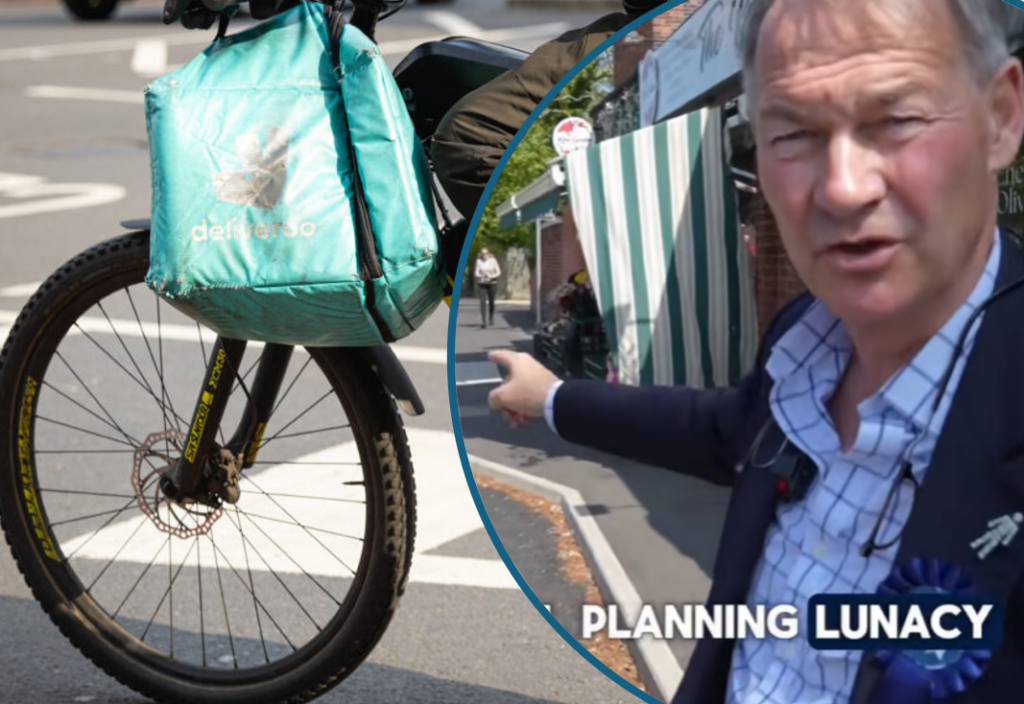


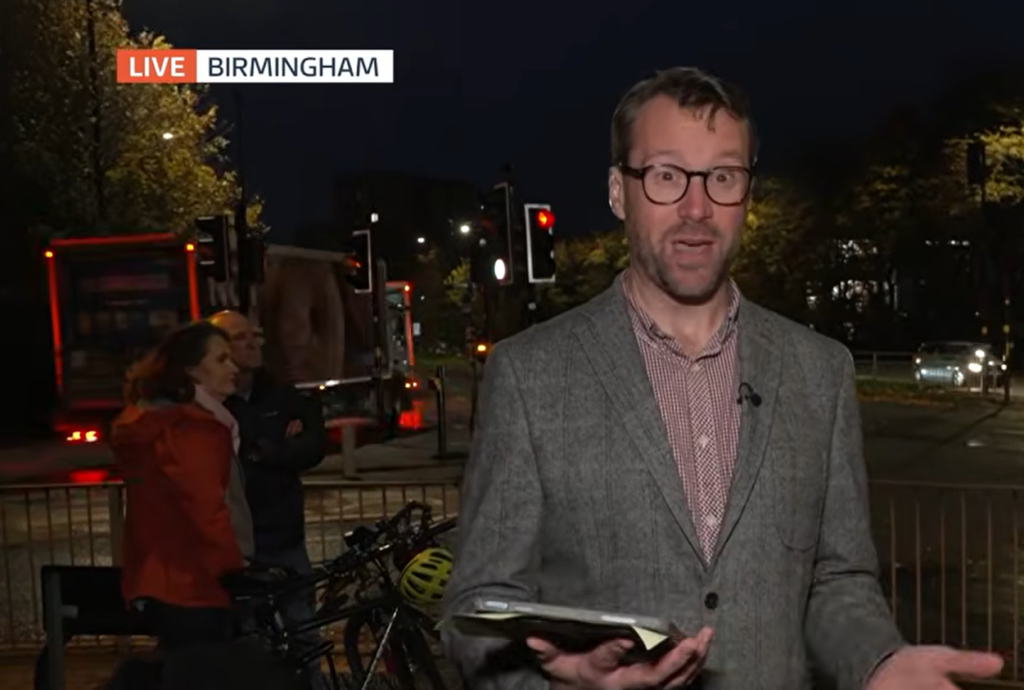

On Tuesday morning, Good Morning Britain set up its outside broadcast on Belgrave Middleway in Birmingham to tell the nation that police forces aren’t fining cyclists. If it felt familiar, that’s because it was largely a rerun of a recent Times piece and many national media pieces before it that regularly misplace the real cause of danger on our roads.
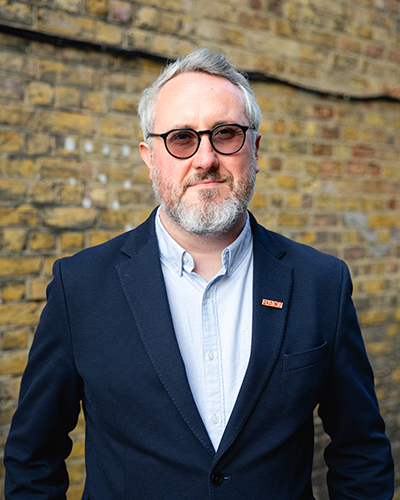
I know Belgrave Middleway well. As West Midlands Cycling & Walking Commissioner, I stood next to it with police, watching countless red light running drivers finally get enforced against, for a few days a year when there were the resources to do so. Any road user in Birmingham will attest that dangerous driving is rife and the police face an uphill battle to tackle it.
In May 2023, husband-to-be Hussien Nur Teklise, 45, was killed while cycling on Belgrave Middleway by a hit-and-run driver. He was one of a string of people killed or seriously injured walking and cycling on Birmingham’s roads in a matter of weeks that summer.
I wrote to the Chief Constable, the Police and Crime Commissioner and the council at the time, and said publicly that this was an emergency. It kick-started better collaboration and a clampdown on the causes of harm on West Midlands roads. None of the focus, rightly, was on cyclists. Statistically, pedestrians and cyclists are most likely to be killed by motorists.
On today’s edition of Good Morning Britain, however, Gillian Keegan, the former Secretary of State for Education, suggested cameras would be a good replacement for police enforcement, and that cyclists in the Netherlands have number plates. They don’t. As Chris Boardman later pointed out on the segment, the only place to insist on registration plates for cyclists is North Korea. Not a model most of us aspire to.
Ironically for Gillian Keegan’s suggestion, Belgrave Middleway already has a red light camera. It just doesn’t work. There was no revenue funding to keep it up to date and calibrated. There was no back-office support to process all the fines that would come from it. So it was switched off.
How we got here
The lack of revenue funding for red light and speed cameras is not an accident. It is the product of years of a successful lobbying campaign and a narrative about a war on motorists.
Until 2007, camera partnerships could recycle fine income into running and maintaining cameras. Accused of treating drivers as a cash cow by a powerful media narrative, the government of the time ended that and sent the money directly to the Treasury instead, bypassing local authorities.
The grants that replaced it were then cut from 2010 by a government promising to end the war on the motorist. In layman’s terms, none of the money raised from fines stays in the local area. That starved local authorities and police of the funding to make their roads safer, and many cameras, including the one on Belgrave Middleway, were turned off.
Most collisions with vulnerable road users happen at junctions. Yesterday I talked to local residents near Belgrave Middleway; many recounted near misses they’d experienced.
Here’s an example of instant karma from one of @WMPolice’s #OpTriton safer junction operations yesterday. https://t.co/ToqRg6yKVv
— Adam Tranter (@adamtranter) November 17, 2023
Ironically, it was the same simplified media debate that led to this massive own goal for road safety. It’s the kind of approach that gives all the airtime to an activity that isn’t inherently dangerous and rarely hurts people, with no real scrutiny of the real causes of harm.
> Police stop more than 70 motorists in crackdown following cyclist hit-and-run deaths
A driver ran a red light every three minutes and 24 seconds on Belgrave Middleway, according to research in 2023 by campaign group Better Streets for Birmingham.
The same dangerous behaviour from drivers of motor vehicles is still happening in 2026. A recent AI camera trial at just two sites in the West Midlands flagged almost 19,000 potential seatbelt and mobile phone offences in a fortnight, including 1,920 drivers apparently on their phones. Two cameras found nearly a year’s worth in two weeks. Again, there aren’t even the resources to send warning letters to the drivers caught by these cameras; let alone spending limited police time being seen to crack down on people cycling.
The ideal world
I’d like to live in an ideal world, at least on our roads. One where the cameras work, we invest in technology, there are no ghost plates, and roads are safe for everyone. But we don’t. And we won’t ever.
The current status quo is that most vulnerable road users who die on our roads are killed by motorists, and even then we don’t have the resources and effort to enforce against them, even though we have the technology. In 2025 alone, 364 pedestrians were killed and 5,960 seriously injured, almost all of them hit by drivers of motor vehicles. Working closely with West Midlands Police, I quickly realised that with limited resources they have to focus on the biggest causes of harm.
Good Morning Britain featured the horrific case of Kim Briggs, who was killed by a brakeless rider, Charlie Alliston. The case was horrible, and Alliston’s actions and attitude were despicable. But a cyclist killing a pedestrian is so rare that many people, myself included, can still recall Charlie Alliston’s name immediately, a decade on. How many drivers who killed pedestrians could you name? Even the most empathetic judge or road safety campaigner would lose count.
That’s the problem. When bad cycling gets all the column inches, it fools people into thinking cycling is one of the biggest dangers to us all. It isn’t. If broadcasters want to stand on Belgrave Middleway and talk about red light running, they could start by asking why the camera above them is switched off.
And by the way, Hussien Nur Teklise’s hit-and-run killer (who was driving a car with a number plate) has still not been brought to justice over three years later, as is the overwhelmed nature of the justice system. Perhaps someone should talk about that too.