


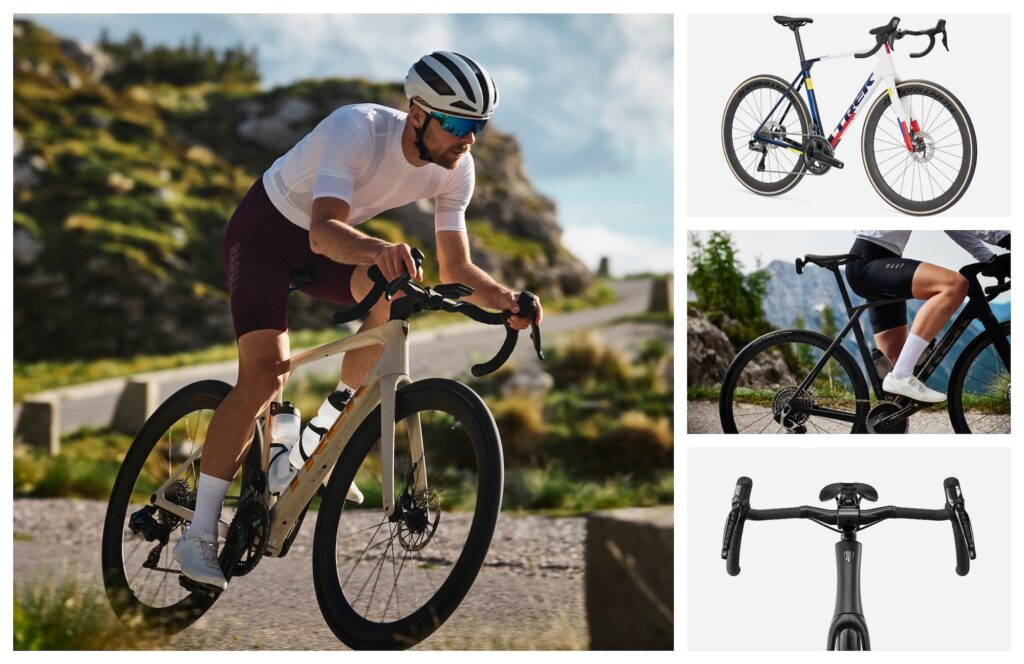

Trek has launched the fifth generation of its Domane endurance road bike, ditching its bump-softening IsoSpeed frame technology, adding a new seatpost designed to flex and absorb chatter, increasing tyre clearance and dropping weight in the process; the top-level Domane SLR frameset is a whopping 305g lighter than before.
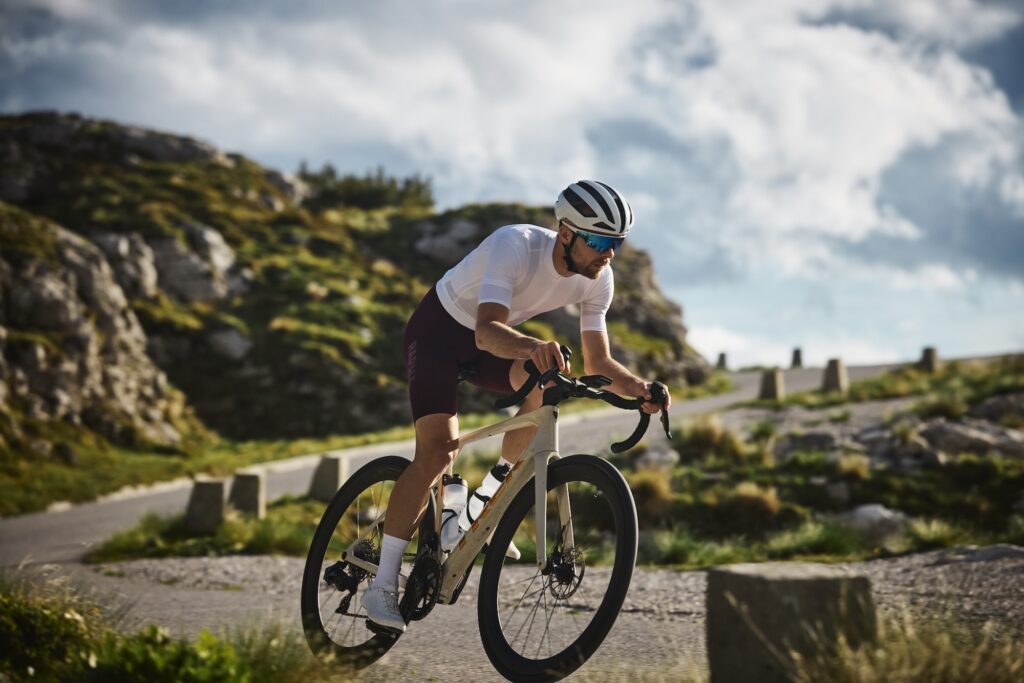
2027 Trek Domane action (Image Credit: Trek)
Trek IsoSpeed is a mechanical decoupler technology designed to smooth out rough road vibrations, and it has been a Domane feature in one form or another since the range was introduced in 2012. In short, IsoSpeed provided a non-rigid junction between the seat tube and top tube. It allowed the seat tube to flex far more than a traditional frame to add smoothness and comfort.
We’ve covered IsoSpeed here on road.cc a million times and you’re probably familiar with how it works, but if you need a refresher, check out one of our older articles from back in the day.
> Trek Domane launch: Pave-busting road bike with… suspension + video
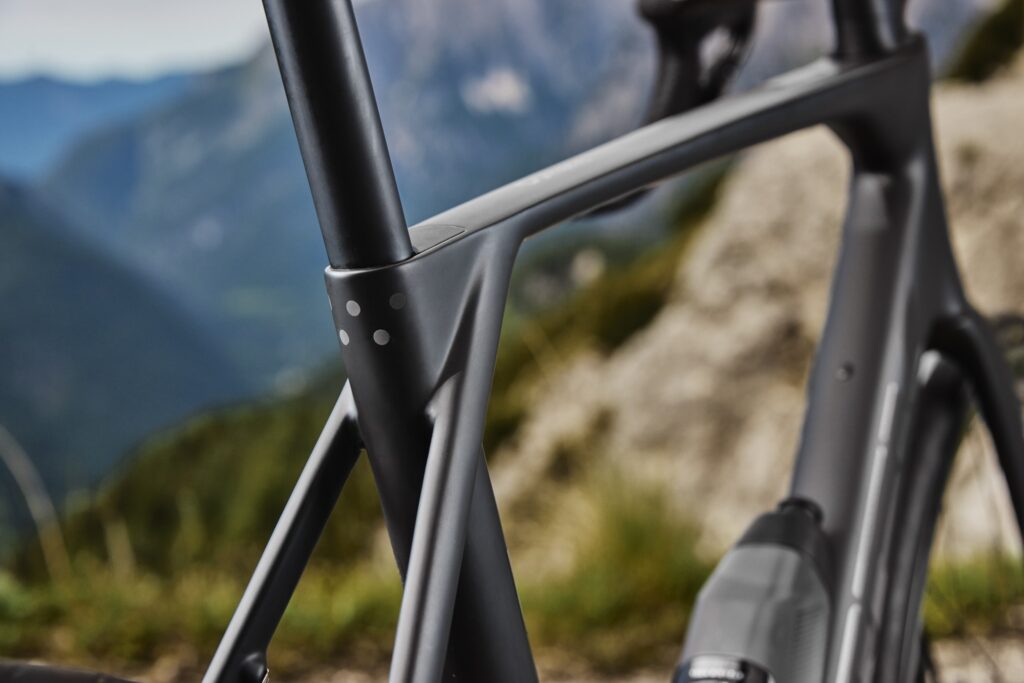
IsoSpeed has now gone from the Domane lineup, replaced by a new carbon frame layup, an updated seatpost that’s designed to flex, and wider tyres. Domane’s down tube storage has also gone. The simplified design means Trek can offer weight savings across the Domane range, the headline figure being that the new Domane SLR frameset is 305g lighter than before “thanks to a streamlined design and advanced OCLV Carbon construction”.
That might not sound massive when you consider the full weight of a bike and rider, but it’s a big chunk of a Domane frameset’s total weight. Trek boasts that an unpainted Domane SLR frame (size ML) is now 835g and the fork is 367g.
A complete Domane SLR 9 AXS 1x Gen 5 is nearly 1kg lighter than previously, coming in at a claimed 6.63kg. To give that some sort of context, the UCI’s minimum bike weight limit for racing is 6.8kg.
So what’s been going on over at Trek?
“The new Domane strips endurance road performance down to what matters most: a light frame, a smooth ride, confident handling, and clean style,” says Trek.
Okay, but IsoSpeed has been a big deal for Trek over the past 14 years.
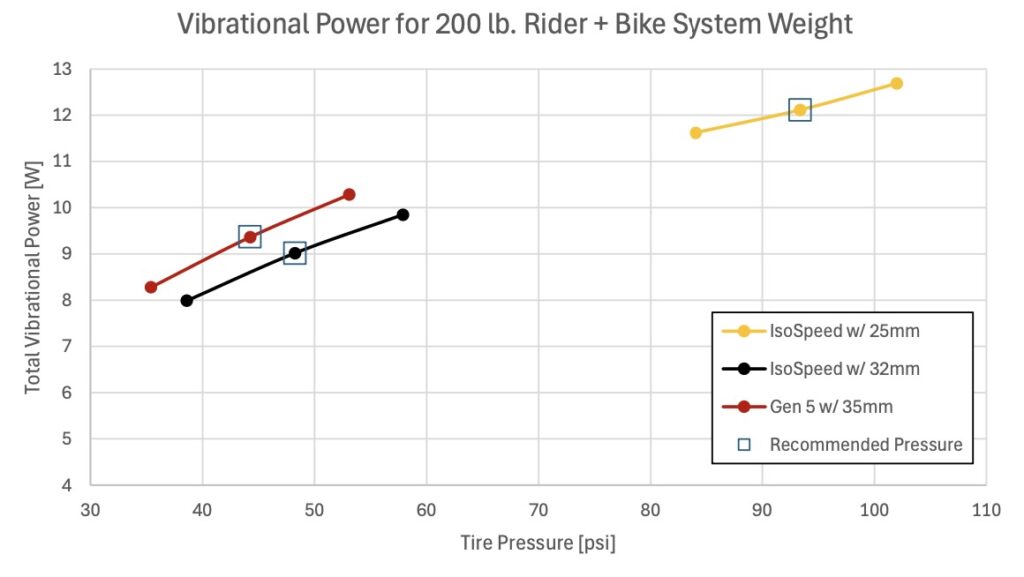
Trek says, “For the fifth generation, [we] removed IsoSpeed but kept the comfort riders expect from Domane. Through smart carbon design, high-volume tyres, and a new road-smoothing seatpost, Domane stays within 5% of the previous generation’s vibrational energy performance — Trek’s comprehensive comfort metric — when using spec tyres.”
Trek isn’t exactly comparing like with like here; it’s comparing vibration at the handlebar and saddle from a Gen 5 Domane with 35mm tyres and a Gen 4 Domane with 32mm tyres. Those are each specced as standard on each version, so we get where it’s coming from (get a fuller explanation down below in ‘Why is Trek ditching IsoSpeed on the Domane?’)
So Trek is ditching IsoSpeed but saying that “a carbon layup optimised for vertical compliance”, a round 27.2mm seatpost – like the olden days – and larger tyres can take up a lot of the slack.
“The new seatpost is designed to flex vertically and absorb road chatter, helping riders stay comfortable and ride stronger longer. A new sleek riser bar adds 20mm of rise, giving riders a more upright position without adding clutter to the front end.”
Comfortable ride, a fairly upright riding position… these are features that have been part of the Domane DNA since day one. Trek is keen to emphasise that although the means are different, the ends are the same as ever.
“Domane now has clearance for up to 40mm tyres, giving riders more volume for comfort, grip, and confidence on everything from fresh pavement to rough roads and light gravel,” says Trek.
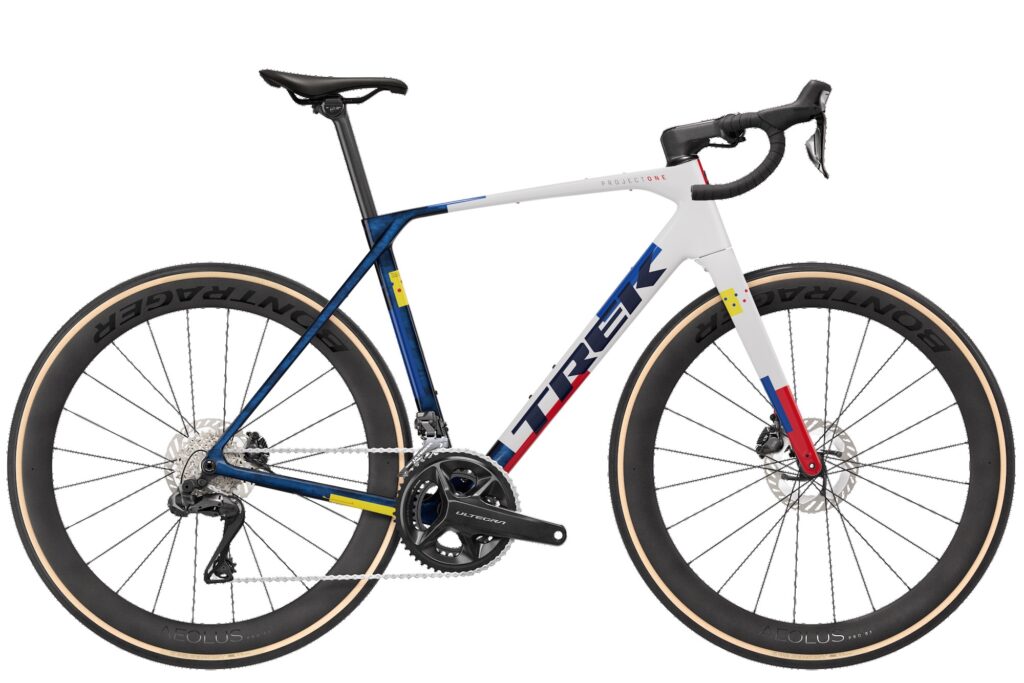
Domane was already an all-road bike with space for 38mm tyres. Now it shifts even further into that camp, although the bikes come fitted with 35mm tyres.
Why? Trek says that the wider tyres (up from 32mm fitted as standard) offer a comfortable and confident ride on varied terrain and give you the versatility to shift easily from paved roads to smooth gravel.
For a fuller explanation, check down below: ‘Why is Trek ditching IsoSpeed on the Domane?’
“It also maintains Trek’s Road Endurance Geometry for a more upright position that is stable at speed and comfortable for long days in the saddle. Integrated mounts make it easy to add a top tube bag, frame bag, triangle bag, or fenders [mudguards] for bigger days, messier weather, and rides that keep going past the plan.”
In other words, the new Domane is the same, but different – a comfortable endurance bike that’s now a little lighter than before.
“The new Domane strips endurance road performance down to what matters most: a light frame, a smooth ride, confident handling, and clean style,” says Trek.
“The result is a road bike that feels familiar in all the right ways, with a sleeker, no-frills design that pairs classic road looks with the modern compatibility riders expect.”
Classic endurance geometry… with a twist
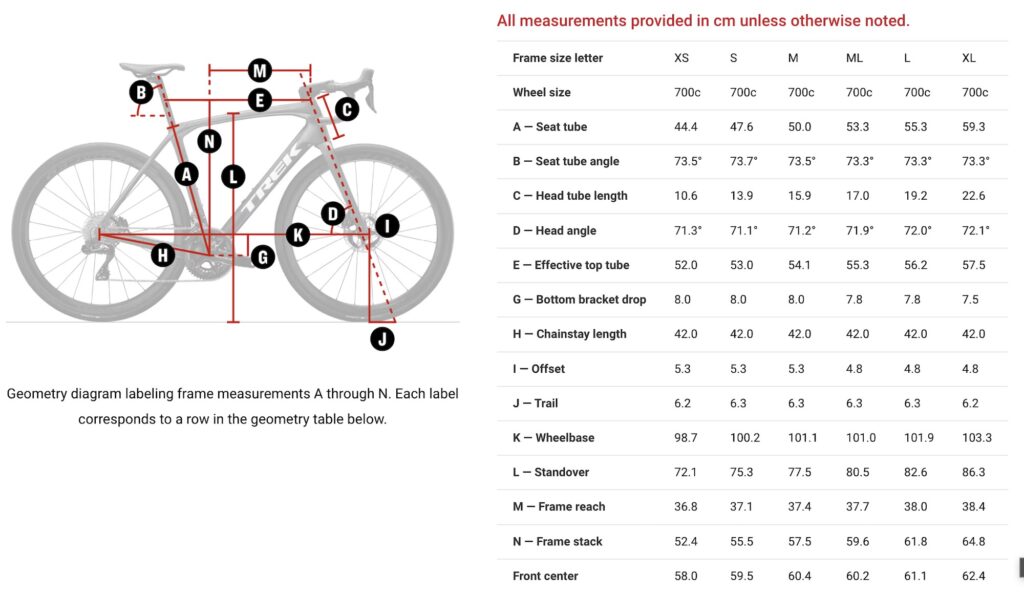
The new Domane is built to the same frame geometry as the previous version, meaning that it puts you in a riding position that’s more relaxed and upright than that of a standard race bike.
The difference, though, is the introduction of new Bontrager riser bars that add 20mm of rise at the hoods. In other words, the bars kink upwards from the stem’s clamp.
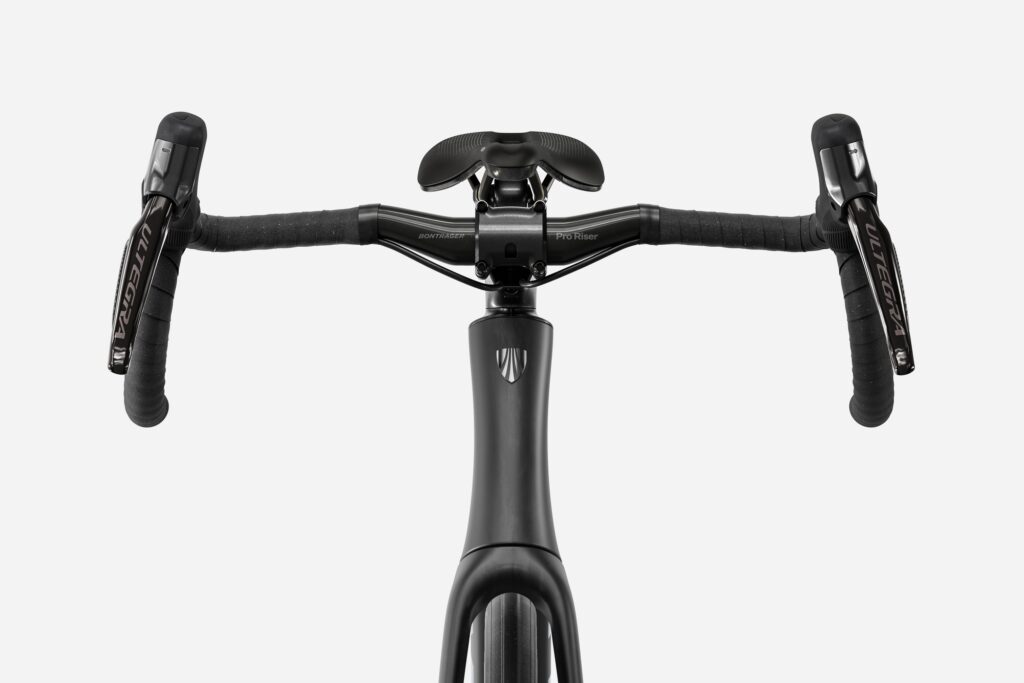
The tops of the handlebar sweep backwards a little for improved ergonomics and the drops flare outwards so that your stance is 4cm wider down there than at the hoods for extra control.
Cranks are shorter than previously because… well, everyone’s at it, aren’t they. If you want the deets, you get 160mm cranks on the XS and S sized bikes, 165mm on the M and ML, and 170mm on the L and XL.
Still fast
Have all these changes – including the shift from an aero seatpost to a round model and the move to wider tyres – affected speed?
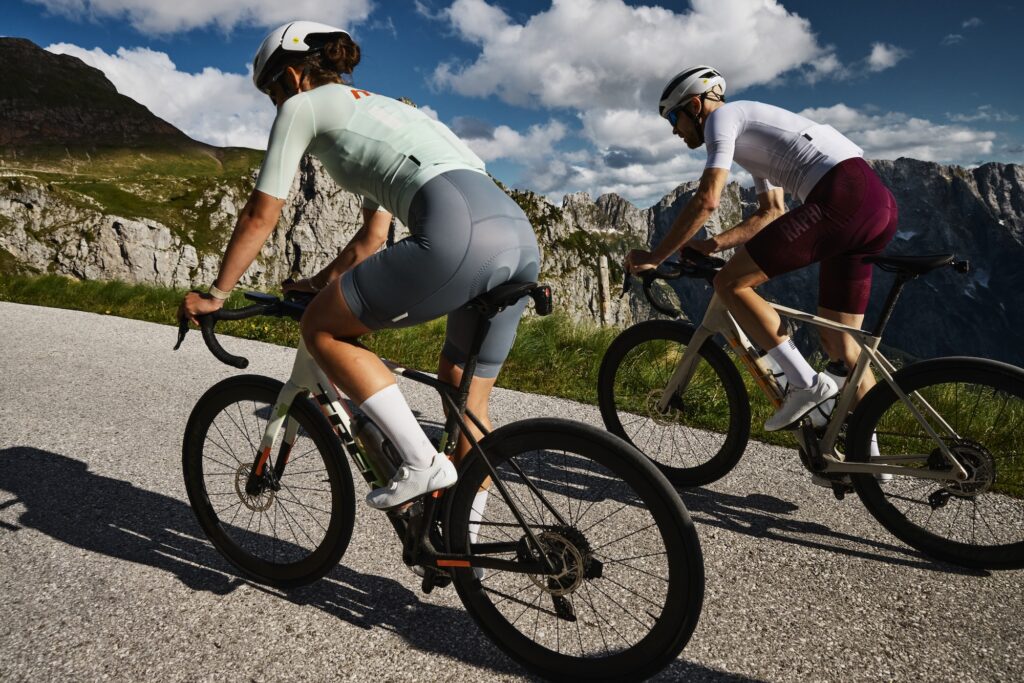
Trek says not. How come? Because speed on an endurance road bike comes down to more than just aerodynamics. 35mm tyres have a little more drag than 32mm tyres, but their rolling resistance is lower – low enough to outweigh the aero disadvantage at 20mph, according to Trek.
Details, details
We’ve mentioned the 27.2mm round seatpost and the riser handlebar that adds 20mm to the front end height. The bottom bracket is T47 (threaded), as before, and you get mounts for a top tube bag and triangle bag.
The rear derailleur hanger is UDH, the front derailleur mount can be removed it you want to switch to 1x (a single chainring setup) and you get hidden mudguard mounts.
> What is UDH and is it the future of all bikes? SRAM’s Universal Derailleur Hanger explained
The Domane range
The new Domane carbon range is divided into two. First you have the SL models. Whereas last year’s Domane SL 5 Gen 4 had a standard retail price of £2,800, the 2027 Domane SL 5, the most accessible complete bike in the UK range, is £2,500. The SL lineup tops out with the Domane SL 7 AXS 1x at £4,750.
The Domane SL is made from Trek’s 500 Series OCLC Carbon and an unpainted frame (size ML) is said to weigh 1,055g, with the unpainted fork coming in at 442g.
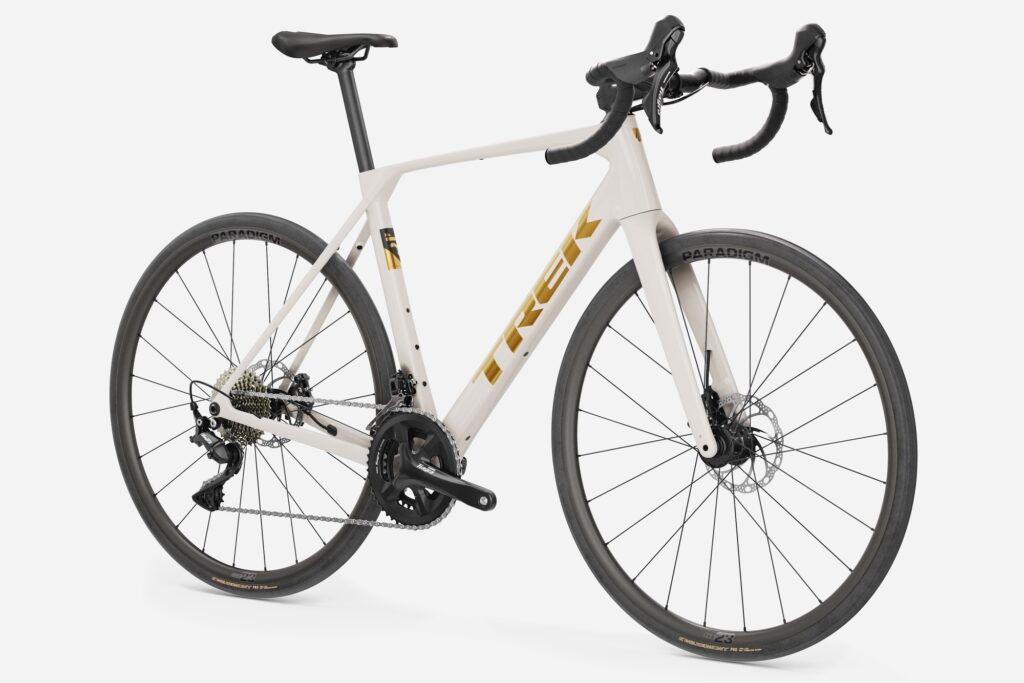
Then there are the Domane SLR models, made from 900 Series OCLV Carbon SLR, which are said to “deliver top-tier performance, premium builds, and Trek’s best Project One customisation option”.
The previous generation Domane SLRs used Trek’s 800 Series OCLV Carbon. Trek introduced its high-end 900 Series OCLV Carbon in 2024, debuting the new lightweight carbon layup on the Gen 8 Madone SLR road bike.
As mentioned earlier, an unpainted Domane SLR frame (size ML) is 835g and the fork is 367g. Complete bikes start with the Domane SLR 7 at £6,300 and go up to the Domane SLR 9 AXS and the Domane SLR 9 AXS 1x at £9,000.
Here’s the full UK range:
Domane SL 5 £2,500
Frame 500 Series OCLV Carbon
Fork Domane SL carbon
Groupset Shimano 105 R7100 12-speed mechanical
Wheels Bontrager Paradigm 23
Claimed weight 8.837kg
Domane SL 6 AXS £3,750
Frame 500 Series OCLV Carbon
Fork Domane SL carbon
Groupset SRAM Rival AXS 12-speed
Wheels Bontrager Aeolus Elite 50, OCLV Carbon
Claimed weight 8.640kg
Domane SL 7 AXS 1x £4,750
Frame 500 Series OCLV Carbon
Fork Domane SL carbon
Groupset SRAM Force XPLR AXS 1×13-speed (with power meter)
Wheels Bontrager Aeolus Pro 51, OCLV Carbon
Claimed weight 8.144kg
Domane SLR 7 £6,300
Frame 900 Series OCLV Carbon
Fork Domane SLR carbon
Groupset Shimano Ultegra R8100 12-speed
Wheels Bontrager Aeolus Pro 51, OCLV Carbon
Claimed weight 7.657kg
Domane SLR 7 AXS £6,700
Frame 900 Series OCLV Carbon
Fork Domane SLR carbon
Groupset SRAM Force AXS 12-speed (with power meter)
Wheels Bontrager Aeolus Pro 51, OCLV Carbon
Claimed weight 7.734kg
Domane SLR 9 £8,500
Frame 900 Series OCLV Carbon
Fork Domane SLR carbon
Groupset Shimano Dura-Ace R9200 12-speed
Wheels Bontrager Aeolus RSL 51, OCLV Carbon
Claimed weight 7.344kg
Domane SLR 9 AXS £9,000
Frame 900 Series OCLV Carbon
Fork Domane SLR carbon
Groupset SRAM Red AXS 12-speed
Wheels Bontrager Aeolus RSL 51, OCLV Carbon
Claimed weight 7.294kg
Domane SLR 9 AXS 1x £9,000
Frame 900 Series OCLV Carbon
Fork Domane SLR carbon
Groupset SRAM Red XPLR eTap AXS 1×13-speed (with power meter)
Wheels Bontrager Aeolus RSL 37, OCLV Carbon
Claimed weight 6.630kg
You might also see a Domane SL 4 internationally, but it’s not coming to the UK.
And then there’s Project One
If none of that lot is exclusive enough for you, there’s always Trek’s Project One custom bike programme.
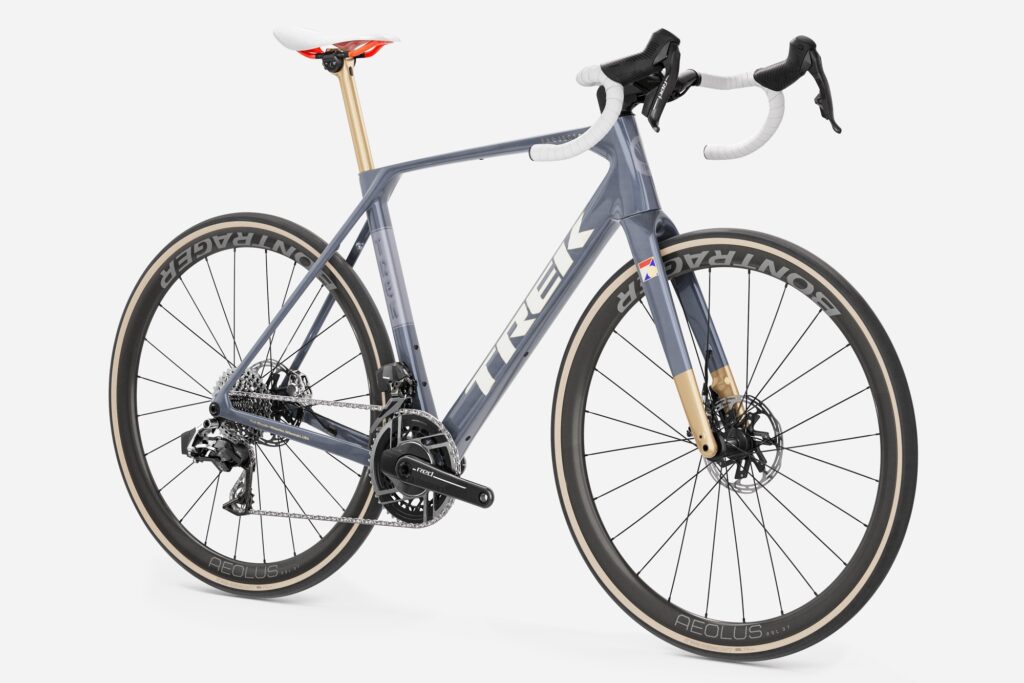
Trek says, “Project One lets riders build Domane exactly how they want it, from parts to paint. They can go super light or extra aero, matte or metallic, and customise their bar width, crank length, and more at no extra cost.
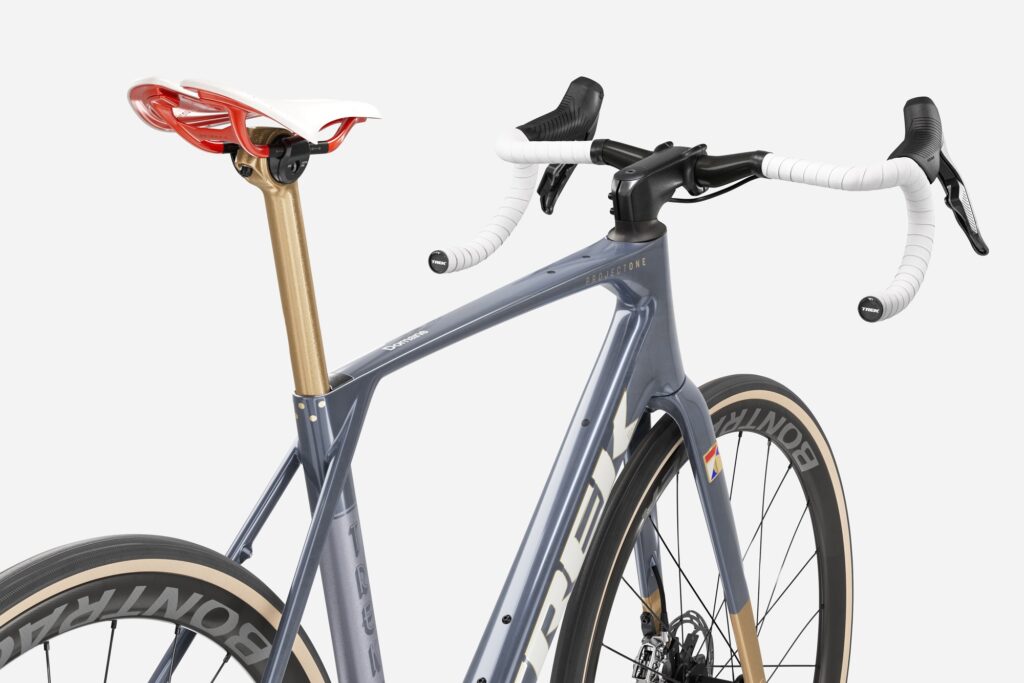
“Back by popular demand, Project One ICON No. 76 also returns on the all-new Domane. Only 124 bikes will be available globally in this special 50th anniversary edition scheme, complete with premium finishing details.”
This one comes in at a claimed weight of 7.191kg and is priced at £11,250.
Why is Trek ditching IsoSpeed on the Domane?
First up, Trek isn’t abandoning its IsoSpeed tech altogether. IsoSpeed remains a feature of its Checkpoint gravel bikes – for the time being, at least – but it’s leaving the Domane lineup.
How come?
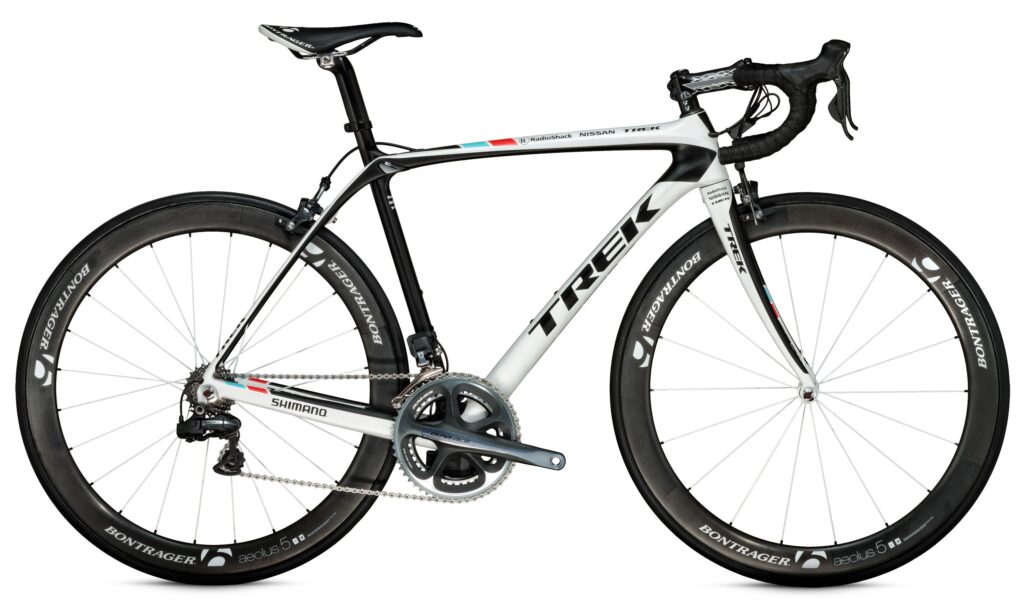
Essentially, Trek is saying that times have changed. The first-generation Domane (above and below) was built around 700Cx25mm tyres and rim brakes. These days, we’re using disc brakes on the road, so there’s far less restriction to tyre sizes.
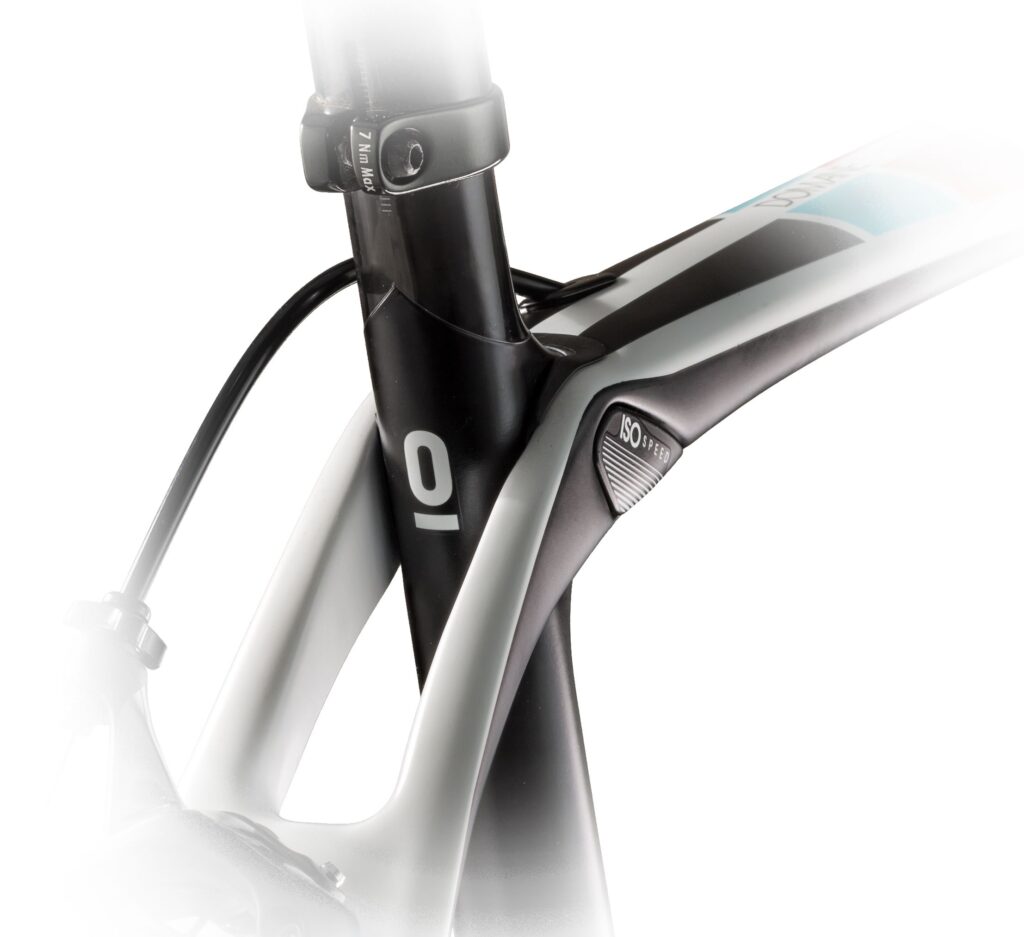
“Tyre volume has incrementally increased as riders have sought smoother, more capable road rides. This tyre revolution has opened the door to create a much lighter bike with less complexity, similar compliance, and improved pedalling stiffness,” says Trek in a white paper supporting the launch of the Gen 5 Domane.
“The design team for Gen 5 Domane set out with three goals in mind: limit the vibrational power transferred to the rider, improve pedalling stiffness, and reduce bike weight… So how does a bike that notably omits IsoSpeed still provide a comfortable ride while also offering increased pedalling stiffness? The answer comes down to three components: seatpost, frame, and tyre.
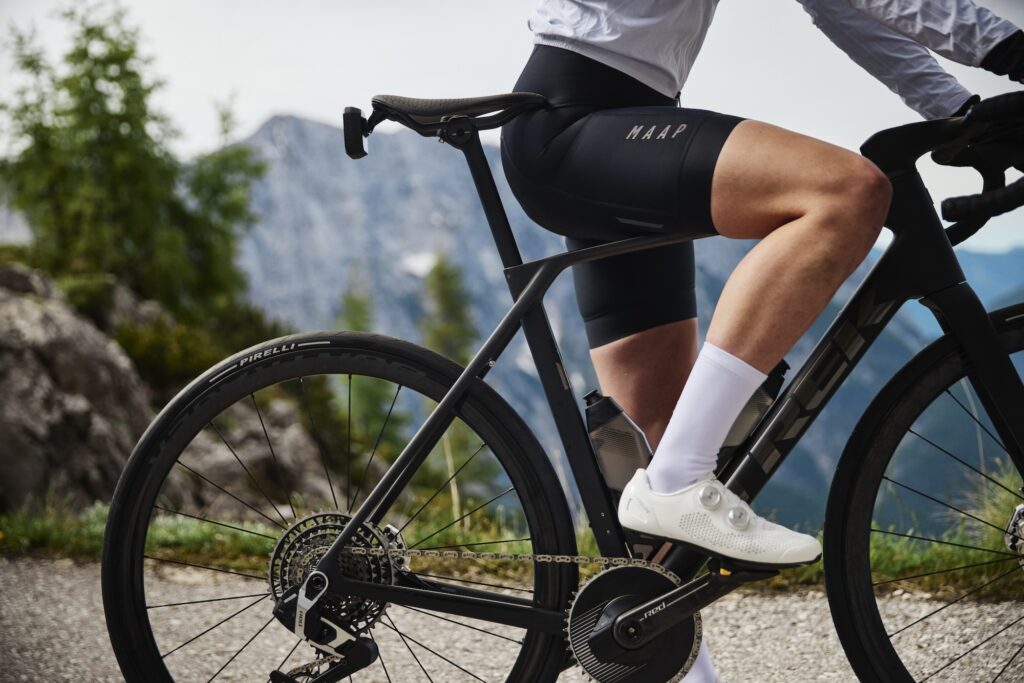
“The seatpost geometry and carbon fibre layup were optimised for vertical compliance and lateral stiffness. The post has an ovalized internal cross-section that allows it to flex under harsh impacts while retaining lateral stiffness when the saddle is loaded…
“On the frame side, the layup has been optimised for both vertical compliance and pedalling stiffness. The new bike has a 6% increase in the Tour Magazine Pedalling Stiffness test, which places Gen 5 Domane in the “sweet spot” directly between the Gen 4 Domane and the Gen 8 Madone…”
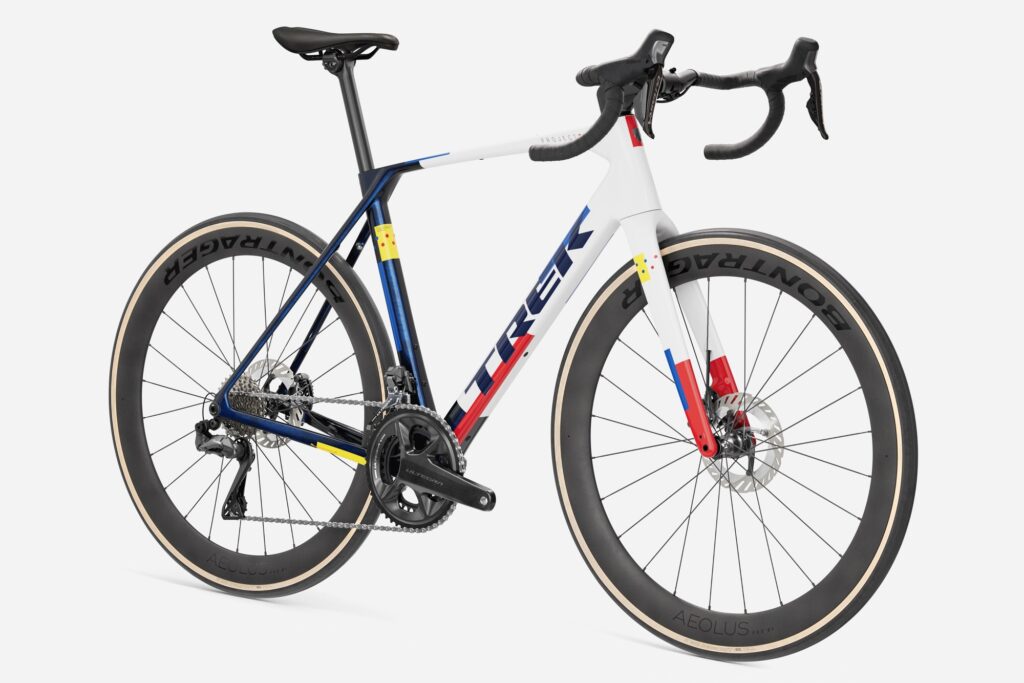
Then, of course, come the tyres. Going from 25mm on the original 2012 Domane to 32mm on Gen 4 and 35mm (with space for 40mm) on Gen 5 makes a big difference.
Trek says, “Going from the 32mm tyre to the 35mm tyre increases the internal surface area of the tyre by roughly 10%. If pressure is kept the same, the total outward force acting on the tyre casing therefore increases by 10%. With that in mind, to keep the outward force on the tyre casing constant between the 32mm and 35mm tyres, we need to decrease the pressure by 10%.
“Doing so puts Gen 5 Domane within 5% of the vibrational power of the Gen 4 bike with IsoSpeed…
“Gen 5 Domane is a lighter and simpler bike that delivers on its promise to provide a smooth, efficient ride due to the geometry and carbon fibre layup of the seat post and frame, as well as the 35mm tyre spec*. Gen 5 Domane also retains the same beloved endurance road geometry and fit, giving riders the comfort, confidence, and efficiency that have defined Domane from the beginning.”













6 thoughts on “Trek ditches IsoSpeed on new Domane, offering lighter weights, space for 40mm tyres and a lower entry price”
What’s the point and purpose of this bike, then?
@tomlew Doesn’t seem to have one.
@tomlew Ive owned a few Treks over the years and I agree, I cant see where they are going with this. The Madone has gone back to being an all rounder, lightweight, aero superbike. The Emonda as a result was canned, which was as shame since nearly all their main rival brands still carry a specific ultralight model in their ranges. There is clearly still a market for weight weenies. The problem they have now is the range is an aggressive aero bike with styling that divides opinion or this. and this seems to try and plug a gap in the range with no real aforethought to its MO.
They should maybe of tried to make it a Checkpoint ‘lite’ with more focus on endurance than gravel. But if I were to buy a new Trek today, it would be either a flat out road bike = Madone SLR or a Checkpoint to do anything else. Nothing about this bike draws me in. from looks to usability over anything else out there.
For anyone who wants a Shimano groupset, there’s a big gap in the range between the 105 SL & Ultegra SLR. 105 Di2 &/or Ultegra SLs (like Madone range) are missing…at least for my wallet
So they’ve trimmed the weight but you’ve still got to pay more thank £6k for a sub 8kg bike now. How Trek keep going mystifies me, been massively overpriced for years.
Don’t get this bike or Trek’s thinking.
It looks like a last gen Canyon Endurace.
But while most brands are adding in frame storage, they’ve removed it.
And a bike that already had ‘endurance’ geometry now has riser bars and not very well hidden cables.