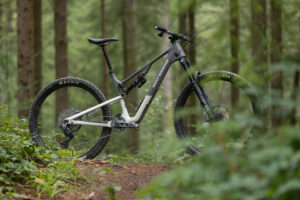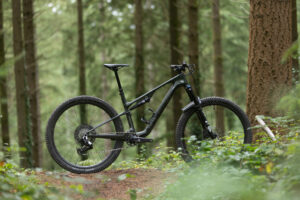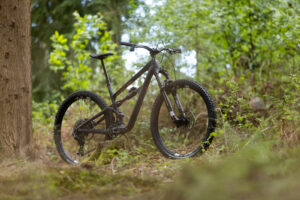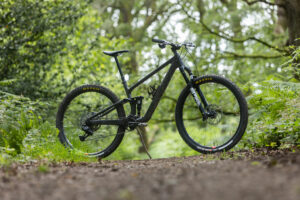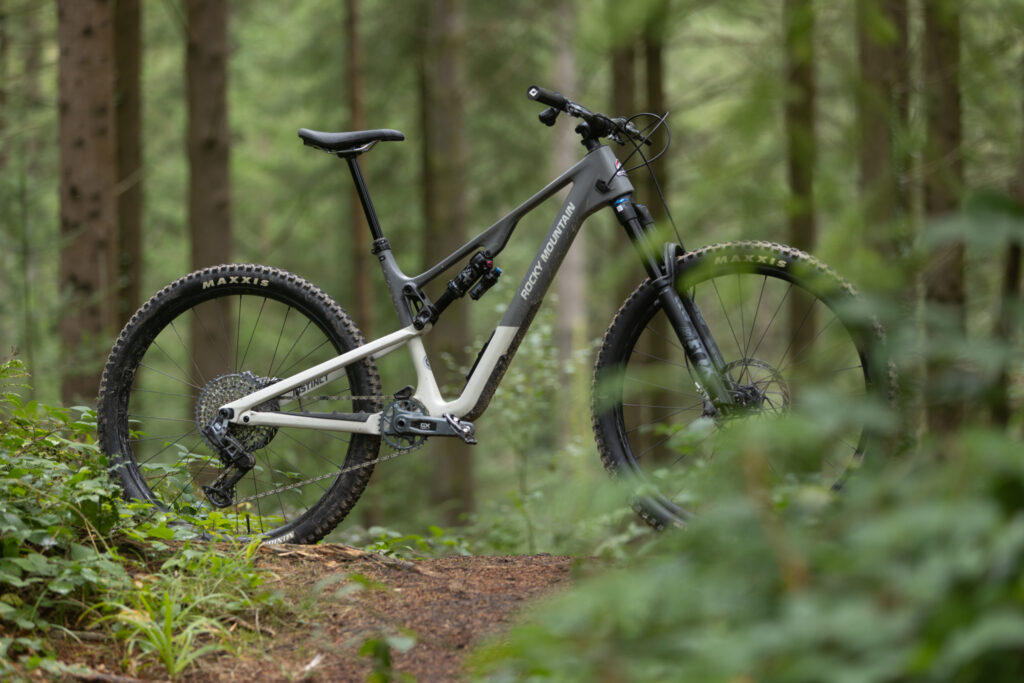

Coming packed full of geometry adjustments, Rocky Mountain’s Instinct C70 has proven to be super adaptable to different tastes and trail types while packing a superb descending character that punches well above its weight. However, it’s not the keenest on the pedals, and the press-fit bottom bracket can be a little problematic.
Rocky Mountain Instinct C70 – Technical details
Built for utmost versatility, the Instinct boasts 145mm of travel at the rear combined with 160mm at the front, but what makes it extra interesting is that, true to Rocky style, it’s packed full of features. The most notable is its absolute heft of adjustability.
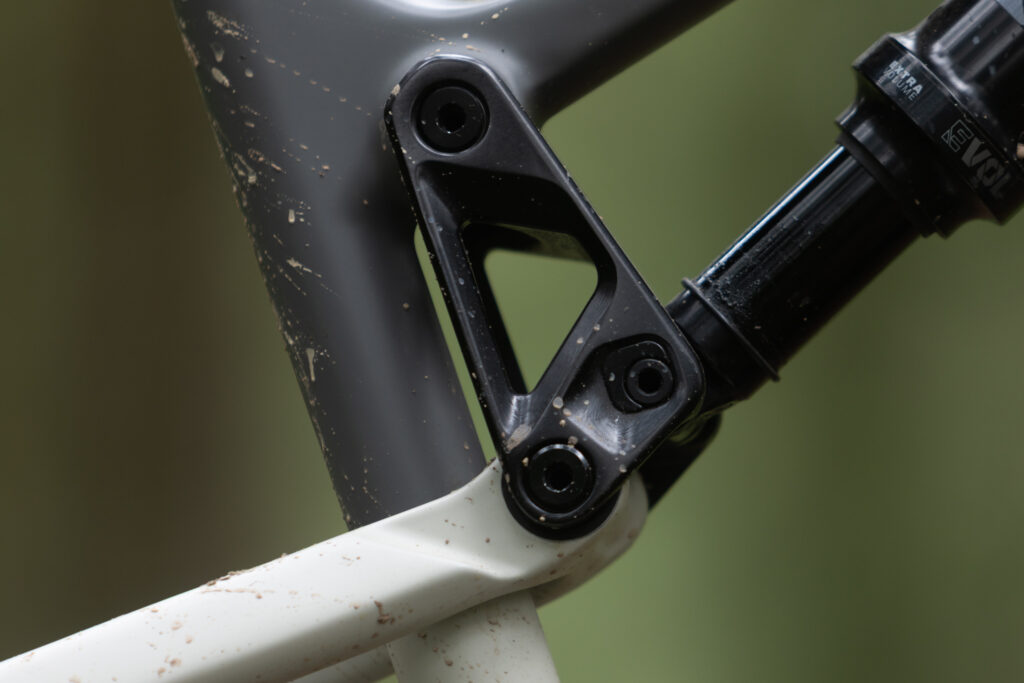
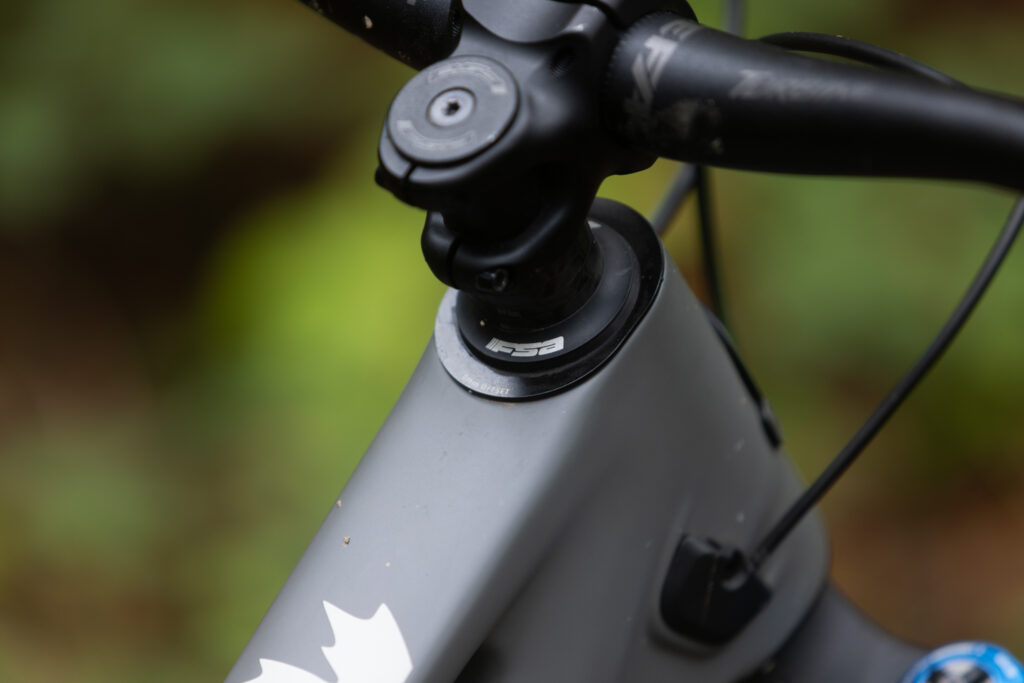
Thanks to the Ride-4 system, a four-way flip chip hidden at the lower shock mount, the Instinct can offer four different seat and head tube angles and four bottom bracket heights. But that’s not all, as a chainstay-adjusting flip chip presents a choice of two chainstay lengths, and changeable headset cups rustle up +/- 5mm of reach adjustment. All of the necessary flip chips and cups are included in the box. Neat.
If that’s not enough, it can run full 29-inch or mixed wheel setups.
To put the Instinct’s geometry into numbers, on a large frame with the Ride-4 system set at position three, the geo settles with a 480mm reach, a 77-degree seat tube angle, a 64-degree head tube angle, and a 450mm chainstay in its longest setting. The chainstay can be shortened to 440mm. There’s then a 40mm bottom bracket drop. In its steepest setting (position four), the bike shapeshifts to offer a 64.3-degree head tube, a 77.3-degree seat tube angle, and a 32mm BB drop. So even with just that Ride-4 flip chip, there’s plenty of adjustment to play with.
But it could be properly slacked out to achieve a head angle of 63.5 degrees, which is pretty mad for a trail bike. I chose to keep things a little more down to earth and stuck with the flip chip in position three, while playing with the reach-adjust headset, settling on its longer setting.
Moving away from the geometry, the Instinct’s Smoothwall carbon frame benefits from Rocky’s Smoothlink suspension system. This is shaped to be efficient on the pedals across many of the bike’s gears while offering a rate curve that the brand promises feels more than the 145mm may allude to. The system also controls the shock’s end stroke to stave off bottom-outs.
On the subject of suspension, each frame size comes with its own suspension tune in a bid to keep the suspension performing at its best, regardless of the rider’s size.
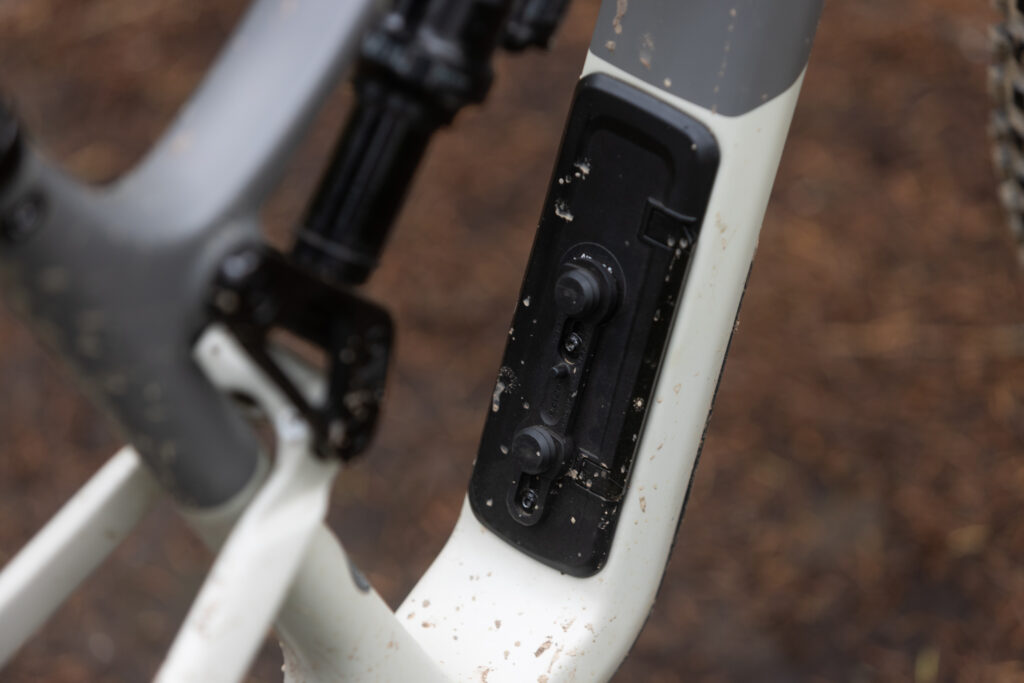
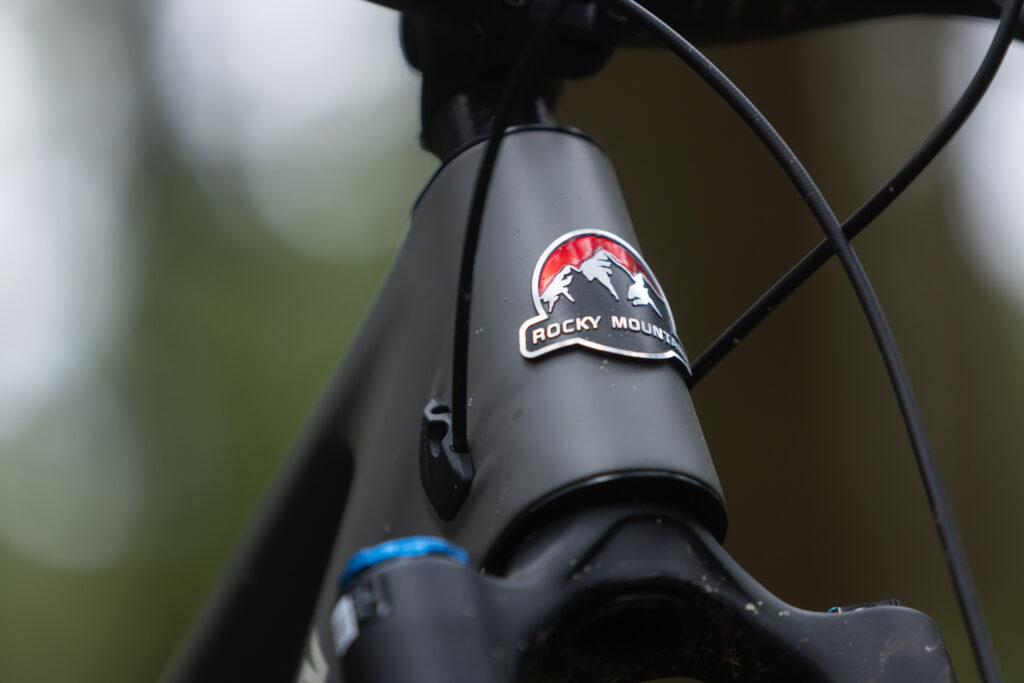
Other bits and pieces include internal cable routing, but not the headset type, a press-fit bottom bracket, and downtube storage.
Rocky Mountain Instinct C70 – Componentry
Now, there’s a bit of a caveat to this whole review: the Instinct C70 is no longer listed on Rocky Mountain’s website, although it’s still available to buy through several shops. That said, the models on the brand’s website still use the very same frame; there are just a few specification changes.
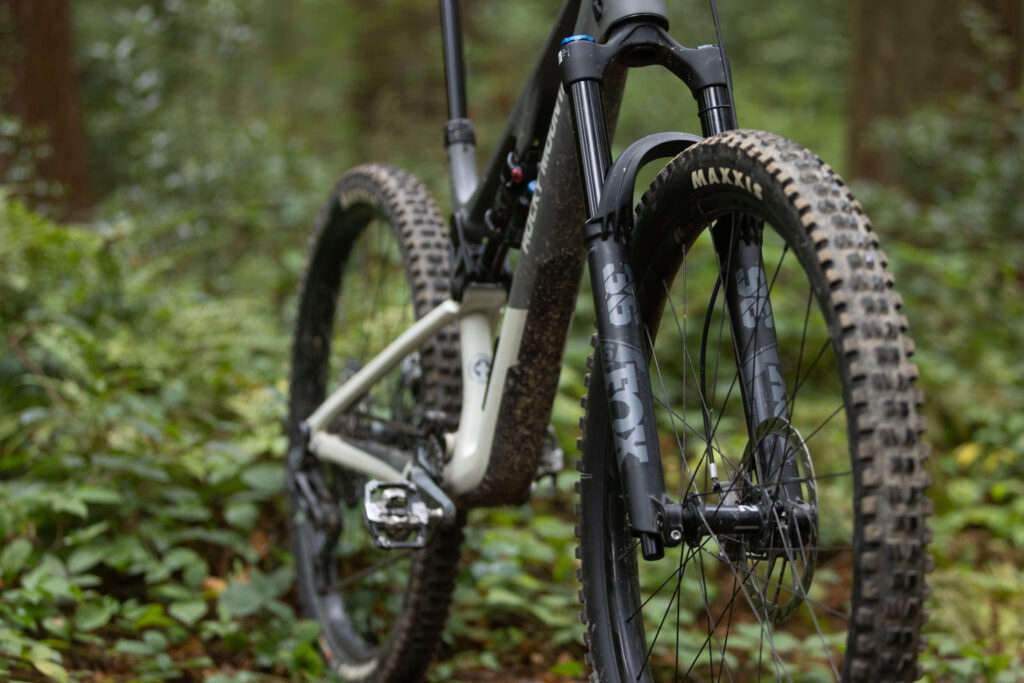
But for the C70 build of the Instinct, £5,499 buys you pretty much everything you need but nothing you don’t. Damping 160mm of squish at the front is Fox’s 36 GRIP X Performance Elite fork. This uses Fox’s newer but simpler GRIP X damper, as opposed to the GRIP X2, and honestly, setting it up has been a breath of fresh air, with just a single rebound dial to fettle with. Of course, you don’t get dedicated high- and low-speed rebound settings, but for simplicity’s sake, I don’t mind.
The 145mm of bounce at the rear is handled by Fox’s Float X Performance Elite shock.
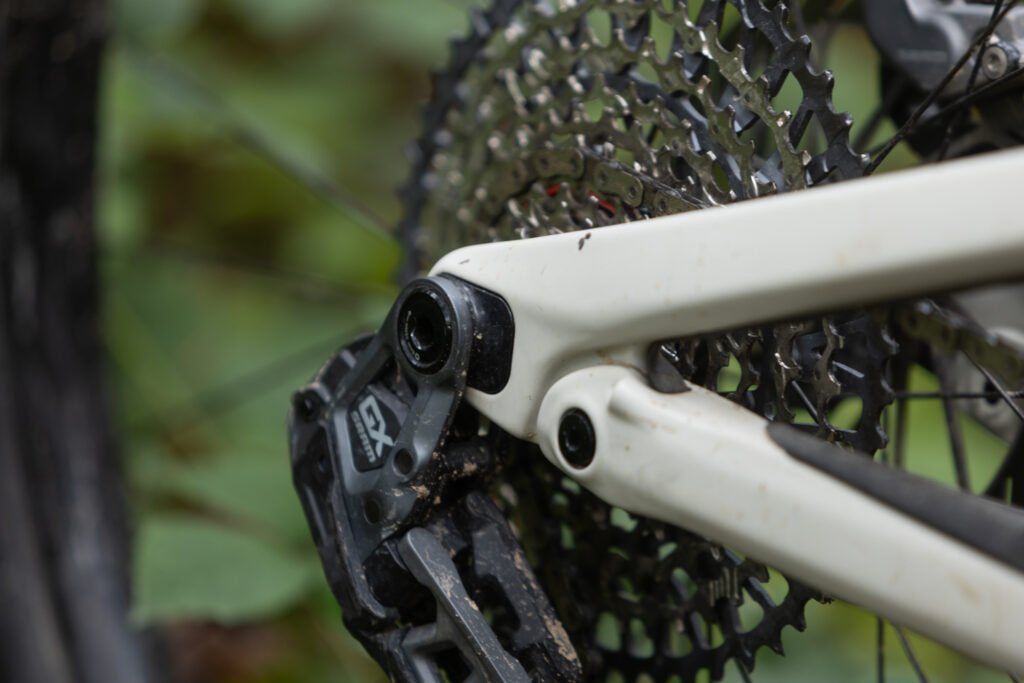
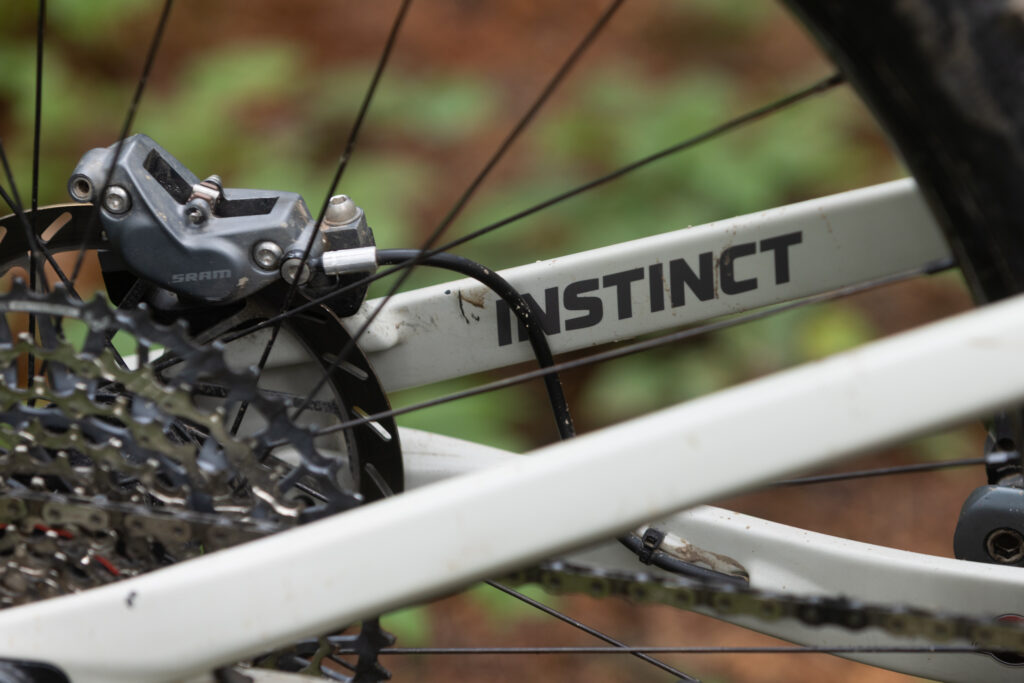
Shifting is provided by SRAM and its GX AXS T-Type drivetrain, and the bike’s slowed by SRAM’s Code Bronze brakes, mated to a 200mm HS2 rotor up front and a 180mm rotor at the rear.
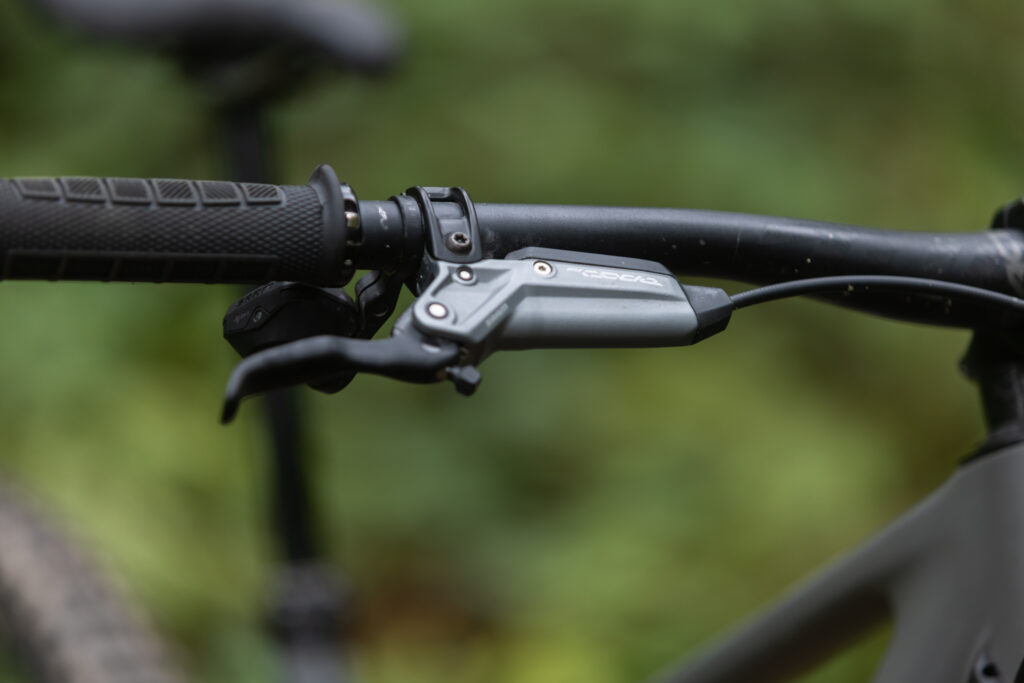
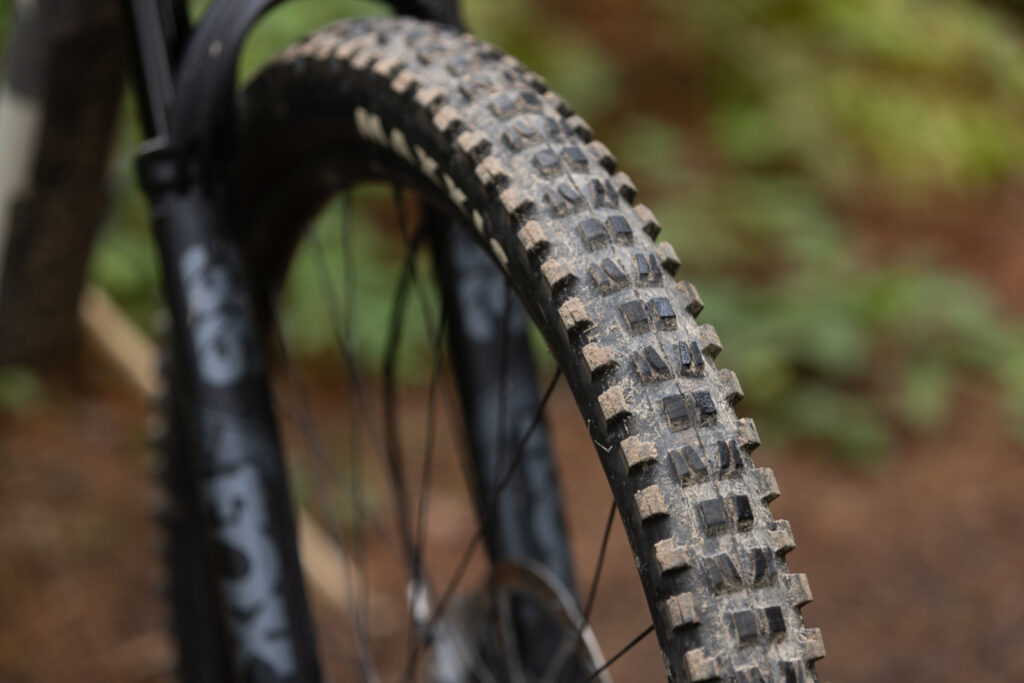
Elsewhere, there’s a Fox Transfer Performance Elite dropper post with 200mm of travel, a Race Face finishing kit including Race Face rims laced to a DT Swiss 240 hub at the rear, and a Novatech hub at the front. Those wheels are wrapped with the old classic Maxxis Minion duo, with a DHF up front and a DHR II at the rear. Both of those use EXO+ casings and MaxxTerra rubber.
Rocky Mountain Instinct C70 – Performance
Ever since seeing Jesse Melamed’s success on Rocky Mountain bikes, I’ve been desperate to see what the fuss is about, and only after the brand’s return to the UK have I had an opportunity. And for the most part, I’ve been impressed with what the Instinct C70 has to offer, but it’s not without a couple of areas for improvement.
One of which is its pedalling. It’s not the spriteliest or keenest of pedallers. It’s by no means intolerable, but there’s certainly a touch of movement in its suspension under pedalling loads, which sucks some potential forward momentum. It’s not fast, nor is it as efficient as others in its category, but it is comfortable enough to bear with.
Speaking of comfort, its angles promote a good seated position. In position three, its actual seat angle is a touch on the slack side, but it’s not distractingly so. That said, I wouldn’t want it any slacker. However, if your riding is a little flatter and features more climbs, that’s where the Ride-4 system comes in, allowing riders to adjust the angles to their terrain.
But where that suspension moves around a fair bit when pedalling, the compromise here is that the rear wheel hooks up rather well when climbing. So, as always, swings and roundabouts.
Although the pedalling isn’t as sharp as I would like it, the Instinct C70 comes to life on the descents. In position three, Rocky has settled on an excellent geometry that encourages speed and confidence, which supports braver line choices, and really, despite coming with 145mm of travel, it doesn’t hold back when things get lively.
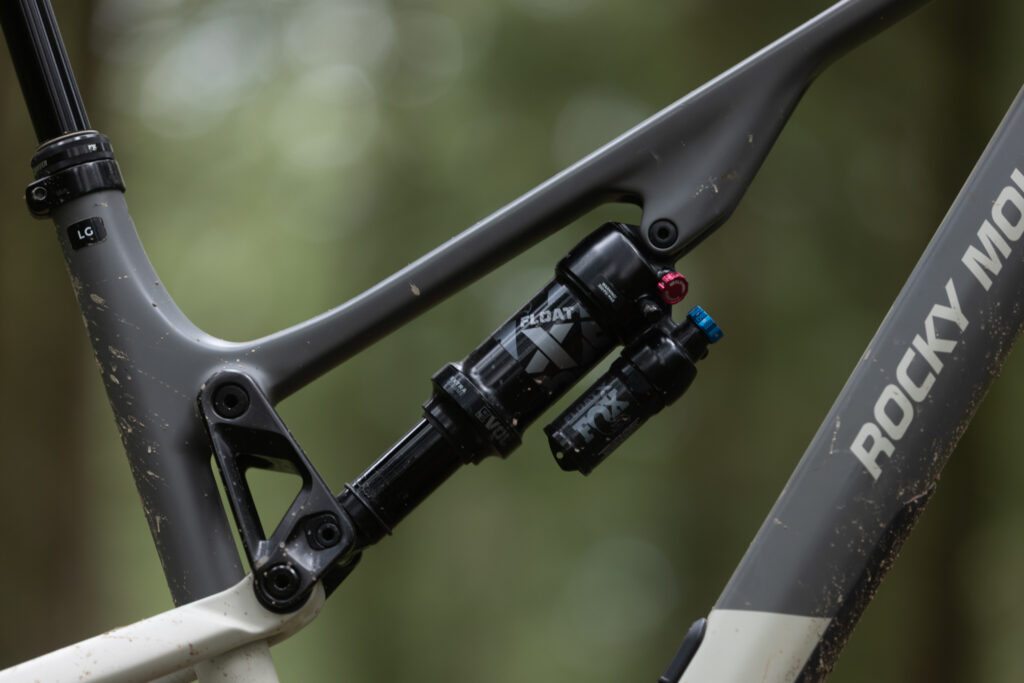
To stick with the subject of the suspension, Rocky has it absolutely nailed when the bike’s pointed down. It’s supportive and comfortable, but it brings tons of composure when riding terrain where you would expect a bike of this travel to get super lairy. It’s not going to hit those sections with the same speed as an enduro bike, for example, but it does very little to hold itself back. Instead, the rear wheel tracks the ground beautifully, boosting traction but without rattling the cartilage from your knees.
Furthering the air of forgiveness that’s conjured is the super long and unbraced seat stay. It’s reasonably rare to find a trail bike without bracing between the seat stays, but that’s a string to the Instinct’s bow. Rather than stiff, there’s a welcome hint of compliance around the rear wheel which helps the Instinct track a line without pinging from rock to rock. It’s another facet that makes it feel like a bigger-travelled bike than it actually is.
Although the Instinct brings superb composure and capability as it’s pushed through technical terrain, it’s not all about monster truck sensibilities. It’s still an interesting and fun ride that’s rich in feedback, and it’s easy enough to hop around and get airborne when the feeling hits. It straddles the enduro bike line, but without forgetting the type of bike it really is.
The Instinct’s absolute heft of adjustability plays a large role in how it performs in every scenario, and while it may get a little confusing, I like the fact it’s there. For example, I’ve run the bike in its 450mm chainstay setting and felt it was throwing a bit too much weight over the front when the trail got steeper. So I counteracted that by extending the reach. That in turn lengthened the wheelbase, which brought more stability and a calmer ride. It offers up loads of options, too. For example, you could slacken the angles completely, and flip the headset cups to achieve a +5mm reach to retain the reach measurement to be similar to what it was before slackening the angles.
But regardless of the geometry setting, I’ve been surprised by the bike’s agility and liveliness. I quite like turning a bike with its rear wheel, and on a machine with a longer chainstay, that can become tricky. But there’s enough of a platform in the Instinct’s suspension to hop around and properly manipulate the direction it’s pointed. In position two, the bottom bracket drop is fairly low, too, which helps the bike feel planted in the corners, while placing the rider’s centre of gravity a touch lower in the bike. This then aids the bike in driving through technical sections and makes the most of what its suspension has to offer.
Adding to that agility is its rather lightweight feel. It’s not the lightest of trail bikes, but the bike promotes a serious level of response, even when it’s properly stretched out through its geo adjustments. It’s very sensitive to rider input, where the more you put in, the more it gives. Want to corner a bit tighter? Lean it just a touch more, and it turns on a dime. It feels a bit weird to say, but it’s a bike that wants to be ridden and moved around underneath the rider, and small tweaks to weight distribution and body position result in serious reward.
Although I’m a big fan of how this bike descends, to the point where I can forgive its lacklustre climbing performance, almost, there are a few things about it that I’m not a fan of. Mostly, that’s Rocky Mountain’s use of a press-fit bottom bracket. Before I got the bike, it was clear that it had been ridden a fair bit, and there was a bit of a creak in the BB. Of course, it’s also not as straightforward to service and maintain as a threaded bottom bracket, and given the UK’s usual conditions, easy servicing would be a very big plus.
I would also like a slightly taller handlebar to further counteract the negative effect of the chainstay in its longer setting, and to provide a touch more support over steeper terrain. Some riders may want to swap the DHF tyre at the front for something with a softer rubber compound, too, just for an extra touch of traction. Finally, the freehub is a little slow on the engagement front. This is all more personal though, and things people might naturally change anyway.
Rocky Mountain Instinct C70 – Verdict
Considering that Rocky Mountain isn’t a direct-to-consumer brand, the Instinct C70 packs good performance for its £5,499 price tag. Compared to Santa Cruz’s Bronson S, which would set you back £5,699, it stacks up rather well in terms of its specifications, with the Bronson donning Performance-level Fox suspension and SRAM’s GX mechanical drivetrain. I prefer the Instinct’s Code Bronze brakes over the Bronson’s DB8s, but the Bronson is a better pedaler and very comparable on the descents. Its tyre spec is better, too, but it’s not nearly as adjustable.
One of the most comparable bikes when it comes to adjustability is Specialized’s Stumpjumper 15 EVO Comp. It costs £5,000, and its specification reflects that saving. Yes, there’s a carbon frame, but Fox’s 36 Rhythm fork isn’t quite as excellent; there are SRAM Maven Bronze brakes, which deliver more power than the Instinct’s Codes, and there’s SRAM’s S1000 Eagle AXS shifting, which is a more affordable OEM-only T-Type option.
If you’re happy to trade carbon for aluminium, Trek’s Fuel MX is well worth a look. It gets top-end Fox Factory suspension, Shimano XT Di2 shifting and XT M8220 brakes. Its geometry isn’t as adjustable, but its travel can be changed via links and new suspension, which is pretty neat.
Although £5,499 is a lot of money to spend on a bike, if you’re in that price bracket, the Instinct C70 has a lot to offer, although there are some spec changes I would make to boost minor parts of its performance.
While the Rocky Mountain Instinct C70 isn’t the most proactive on the pedals, the way in which it descends is what it’s all about. As long as the trail is pointed down, the Instinct is one impressive machine, owing to its superb suspension kinematic and its lively, engaging, and surprisingly maneuverable feel. Its adjustability is a genuinely useful touch, too. A move to a threaded bottom bracket would make it an even more attractive purchase, however.
Test Report
What does the manufacturer say about this product?:
“In search of a quiver-killer? We’ve got you covered. Designed to thrive on technical trails, but still allows you to push the distance and crush the climbs.”
Tell us some more about the technical aspects of this product:
Smoothwall carbon frame, smoothlink suspension, size-specific suspension tune, ride-4 adjustment system, reach-adjustable headset, two-position axle.
Any further comments on performance?:
Superb descender but not as eager up a hill as I would expect of a trail bike
How does the price compare to that of similar products in the market, including ones recently tested?:
More expensive but better equipped with the Specialized Stumpjumper Evo Comp, cheaper and better equipped than the Santa Cruz Bronson S.
List the components used to build up the bike:
Fox Performance Elite 36 fork, Fox Float X Performance shock, Race Face wheels on DT Swiss and Novatech hubs, SRAM GX T-Type shifting, SRAM Code Bronze brakes, Race Face bar and stem, Fox Transfer Performance Elite dropper post.
Tell us what the bike is for and who it’s aimed at. What do the manufacturers say about it?:
Rocky Mountain says that it’s a trail bike that’s designed for utmost versatility.
Where does this model sit in the range? Tell us briefly about the cheaper options and the more expensive options:
Unknown.
How was the bike in terms of sizing and angles? How did it compare to other bikes of the same stated size and intent?:
Spot on, but very adjustable.
How much suspension travel does the fork have?:
160mm
How much suspension travel does the rear end have?:
145mm
Was the bike comfortable to ride? Tell us how you felt about the ride quality:
Good comfort and useful compliance.
Did the bike feel stiff in the right places? Did any part of the bike feel too stiff or too flexible?:
Rear end promotes useful compliance but without feeling too flexy.
How did the bike transfer power? Did it feel efficient?:
No.
How would you describe the steering? Was it lively, neutral or unresponsive?:
Depending on the geometry adjustment, it can be one of each.
Tell us some more about the handling. How did the bike feel overall? Did it do particular things well or badly?:
Lively, reponsive to input and fun, but can be stable and plowy through more technical terrain.
Which components had the most effect (good or bad) on the bike’s performance? Would you recommend any changes?:
All’s well, but I would change the handlebar and freehub for personal tastes. Not a fan of the press-fit BB.
Any comments on sprinting?:
Uses a lot of travel under pedalling loads.
Any comments on technical climbing?:
Good rear end traction.
Any comments on climbing efficiency?:
Not the best
Any comments on rear suspension performance?:
Excellent, apart from when pedalling.
Any comments on rear suspension efficiency?:
Not as good as others in this category.
Any comments on the balance and performance of the suspension overall?:
Exceptional, but not as keen on the pedals as I had hoped.
Any comments on wheel performance?:
Freehub is a little slow to engage.
Any comments on tyre performance?:
They’re good, but some might want a softer rubber compound at the front.
Did you enjoy using the product? Yes
Would you consider buying the product? Yes
Would you recommend the product to a friend? Yes
Use this box to explain your overall score
The Rocky Mountain Instinct provides a ride for those who are all about the descents, and are happy taking their time getting up a hill. It’s build kit is great for the money.
About the tester
Age: 34
I usually ride: Santa Cruz Bronson
I’ve been riding for: 10-20 yearsI ride: A few times a weekI would class myself as: Experienced
I regularly do the following types of riding: Mountain bike Enduro