


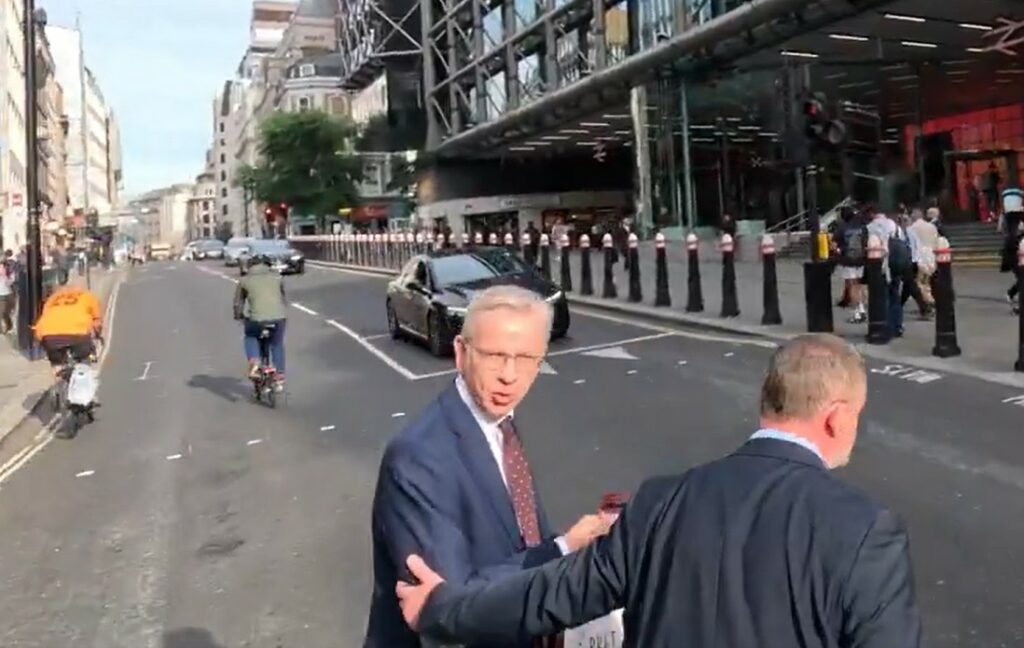

“You’re on a red light, you idiot!” Cyclist almost crashes into Michael Gove on crossing, slamming politician for “ignoring the Highway Code” – but Gove hits back at “unmannerly” rider
Like any popular entertainment format over the past three decades, it’s only a matter of time, surely, before Big Jobber heads down the celebrity route with some of his road safety analysis (I can see it now: ‘I’m a Celebrity, Am I Liable?’).
Well, if the liability expert ever does want to stray into the celeb world, he could do worse than starting with this clip, featuring none other than Tory mainstay and Spectator editor Michael Gove, which has sparked quite the debate on social media today:
Michael Gove just wandered out in front of my bike against a red light. What a remarkable commitment to proving @MPIainDS wrong. Turns out the biggest menace to cyclists is middle-aged politicians ignoring the Highway Code
As the song goes, he ain’t the sharpest tool in the shed pic.twitter.com/xMcoW25wVE
— Greg N (@n00dles71) June 15, 2026
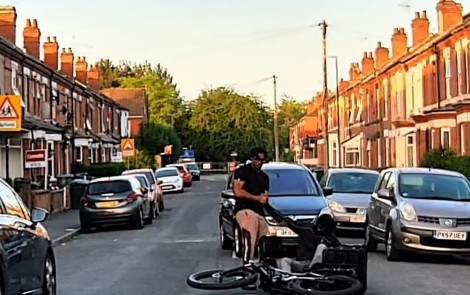
The video shows Gove, coffee cup and papers in hand, shepherded by an aide, attempting to cross a London road on a red light on Monday. And nearly being hit by a cyclist in the process.
“Oi come on, you gotta watch!” the cyclist, Greg, who regularly posts clips of his rides in the capital on social media, shouted at the Conservative peer, sparking a prolonged glare from Gove as he was ushered across the road.
“You’re on a red light, you idiot!”
“Michael Gove just wandered out in front of my bike against a red light,” Greg posted last night.
“What a remarkable commitment to proving Iain Duncan Smith wrong. Turns out the biggest menace to cyclists is middle-aged politicians ignoring the Highway Code. As the song goes, he ain’t the sharpest tool in the shed.”
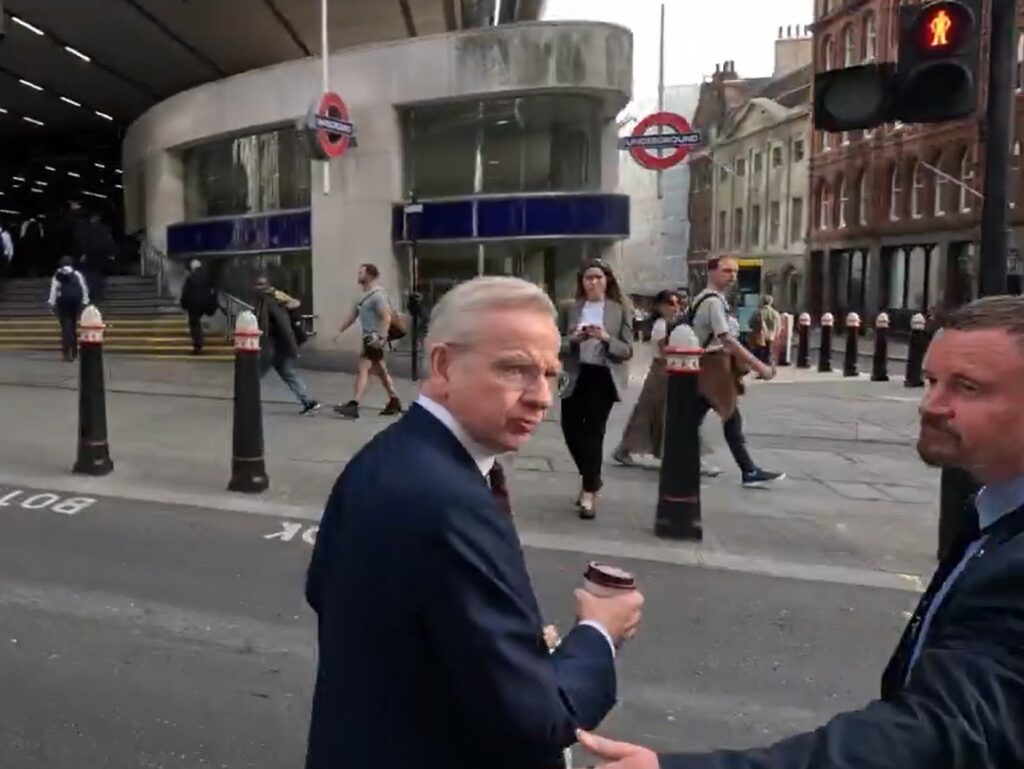
Greg’s post has kicked off a, let’s say, spirited discussion on the not-at-all malevolent social media platform X, concerning who would have been at fault if the pair had collided.
According to the Highway Code, cyclists “should give way to pedestrians crossing or waiting to cross a road into which or from which you are turning”.
However, the code also states that pedestrians have “priority when on a zebra crossing, on a parallel crossing, or at light controlled crossings when they have a green signal”, while there is nothing in the hierarchy of vulnerable road users to suggest that Gove wouldn’t have been liable for any collision.
While some viewed the question as binary, others suggested the road’s tricky layout was to blame for the near miss, not Gove or Greg.
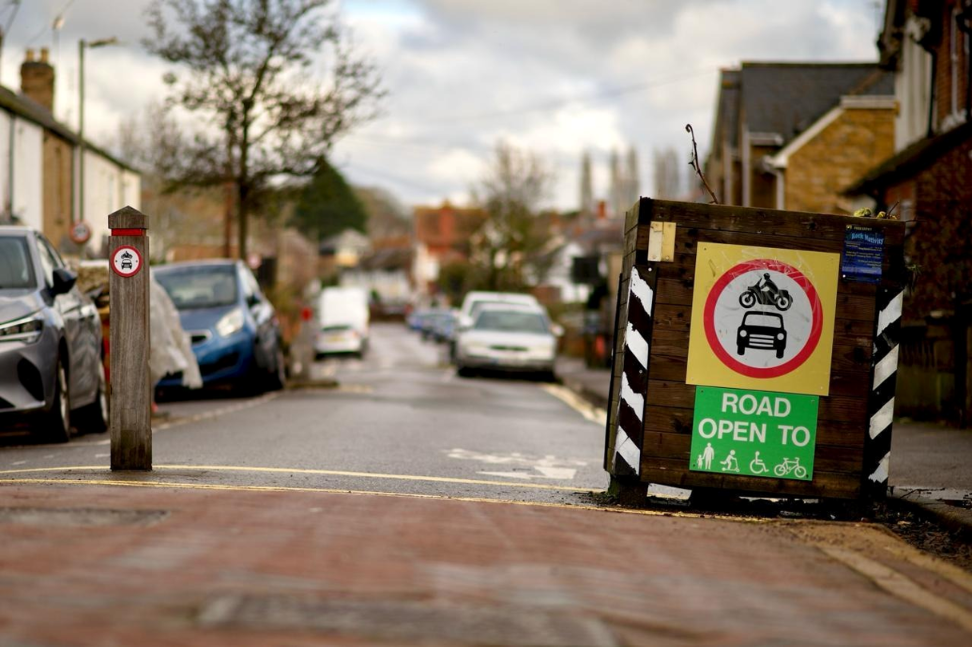
“I work here. This junction is a menace,” wrote James. “The lights are a vestige of when the street was open to traffic (hence: bollards and bad signage). All are mistimed, allowing green men when traffic is flowing. I see it every day. The layout is at fault, not the cyclist or pedestrian.”
While this debate was raging on, Gove took to X himself this morning to address the video, and take a dig at Greg in the process.
“As a cyclist myself can I apologise on behalf of the community for this unmannerly individual,” the former cabinet minister posted.
In response to Gove, Somerset-based Conservative councillor Lucy Trimnell used it as an opportunity to criticise the peer’s ‘cycling community’, writing: “Cyclists in London seem incredibly aggressive, too many ride at speed, come out of nowhere, ride through red lights and, as someone points out, turn left where it clearly says no left turn.”
Right, where’s Big Jobber when you need him?
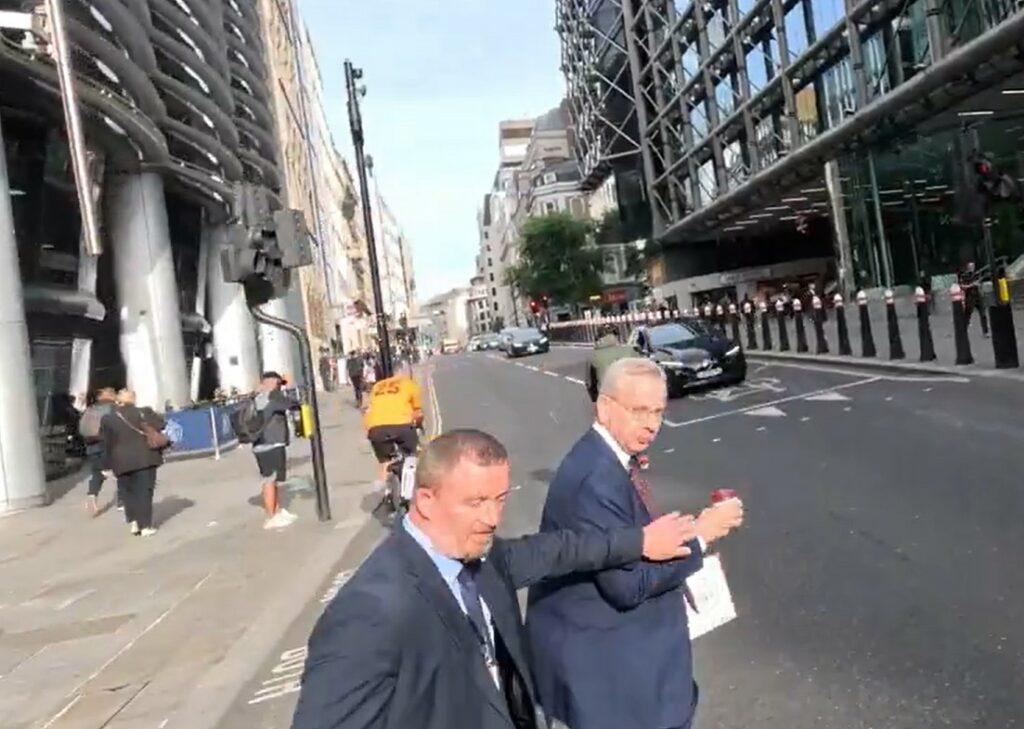
Ironically, this isn’t the first time Gove has nearly been struck by a cyclist in the capital. Last March, a Reddit user claimed he “nearly flattened” the Spectator editor after he stepped out onto the CS3 cycle lane.
“I was coming out of the lights from Parliament Square into Great George St with a whole peloton of witnesses,” Minimus said at the time.
“With his back turned to traffic, a man with grey hair and a deep blue suit practically leapt into the cycle lane. Someone yelled out from the crowd behind me. I panicked and hit the brakes hard, coming to an emergency stop just in front of the pedestrian.
“We locked eyes for just a moment, he wasn’t wearing his customary round glasses, but it was unmistakably Michael Gove. After a second, he mumbled a ‘sorry’ and retreated to the pavement.
“The cyclist behind me told me I should have floored it.”
I’ll just leave that there…
“Many of our roads were built for cyclists, not cars”: Liability YouTuber slams “empty-headed” anti-cycling hypocrisy after driver with “observational skills of a garden gnome” doors cyclist… but motorists fixate on whether rider was on illegal e-bike
God bless Big Jobber.
The content creator, who reviews dashcam clips of road collisions and helpfully explains liability to the internet, has earned plaudits within the cycling community thanks to his refreshingly balanced take on bike-related incidents, along with his unerring ability to correct confused or malicious motorists in the comments.
And this week, he’s really taking no prisoners. Commentating on a clip of a rider being ‘doored’ by a driver on a narrow residential street, Big Jobber took the opportunity to call out the “anti-cycling brigade” who enjoy nothing more than shifting the road safety goalposts when it comes to people on bikes.
View this post on Instagram
“This cyclist is doored by a car driver with the observational skills of a garden gnome. Who will be at fault for this collision if there are any claims made for damages or injuries? Well, obviously it will be the car driver,” Big Jobber started the video, in typically succinct fashion. Lovely jubbly.
The content creator then pointed out that it’s a driver’s “legal duty” to ensure it’s safe to open their door, in case a motorist, cyclist, or pedestrian is passing, while the Highway Code recommends the use of the Dutch Reach technique or blind spot mirrors to avoid nasty collisions like the one in the clip.
And this is where Big Jobber turned on the moaning motorists that tend to proliferate in his comments section.
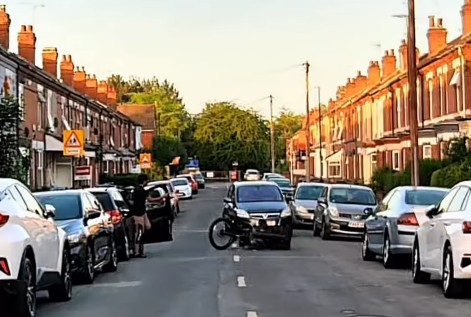
“I do know that some bungalows and empty heads will come along to say that a cyclist shouldn’t be so close to a car driver’s door. However, you can clearly see that they’re trying to make room for the car that’s approaching in the opposite direction,” he said.
“And it’s funny that you’d want them to be riding further out into the road, because normally you would be saying that you’d want them closer to the edge of the road so you can pass them.
“It’s funny how the anti-cycling brigade will completely change their arguments depending on the situation that they’re analysing.
“Like, for example, when a car turns left into a junction across a cycle lane and collides with an established cyclist who’s in that cycle lane, all of a sudden you’ll get them saying that cyclists shouldn’t be passing cars on their near side in a cycle lane and that they should move out into the road. Even though their usual argument is ‘get out of the road and get into a cycle lane’.”
He continued: “Obviously yes, where possible, cyclists and car drivers should be outside the swing of a car door. But this is the UK. Many of our shared use roads were built for cyclists and horse riders only, not for motor vehicle drivers. But motor vehicle drivers were graciously allowed to use the roads that were designed for the cyclists and the horse riders.
“And that means you’re not always able to be away from the swing of a car door when you’re driving down a road, because a lot of our roads are narrow. And if you have the emptiest of empty heads, you would ask why the cyclist doesn’t have to be 1.5 metres away from a motor vehicle whilst passing it, but a motor vehicle has to be 1.5m away from a cyclist when passing it.
“That is because a bicycle is a few inches wide and a rider of a bicycle is not going to have difficulty in understanding the width of their bicycle or the awareness of their surroundings. As we see on the roads every day, many car drivers have issues with the width of their vehicle and awareness of their surroundings.”
Can’t argue with that. And one more time, for the ‘dangerous cycling’ crowd in the back.
“Vehicle drivers cause millions of pounds of property and injury damage every day and cause a major incident on the roads every 15 to 30 minutes,” he concluded. “Cyclists as a whole on any given day will not even cause hundreds of pounds worth of damage. And they cause a major incident, on average, once every three to six years.
“And yes, that’s also why vehicle drivers need mandatory insurance and cyclists do not. Lovely jubbly, sound as a pound.”
Lovely jubbly, indeed. I reckon that speech needs to be preserved in a road safety museum, cracking stuff.
Unsurprisingly, Big Jobber’s ‘Address to Hypocritical Motorists’ (or at least that’s what I’m calling it) didn’t go down too well with some sensitive souls in the comments, who accused him of spreading the good word by “being rude to car drivers”.
Even more unsurprisingly – and just as he predicted – a few commenters also did their best to shift those plastic, collapsable, Diana Ross-approved road safety goalposts by doing their utmost to absolve the dooring driver of any responsibility.
“So, as it appears to be an illegal bike, and if it is, then it shouldn’t be on the road, so, is the driver still at fault?” asked one commenter, kicking off a pretty intense, heated exchange.
“If it was a car, and said car didn’t have insurance or an MOT, it would still be the fault of the parked car driver?”
“How can you tell if it was illegal or legal? The rider could have been freewheeling. Your ‘appears’ and ‘if’ are doing a whole world of heavy lifting in your post,” replied another.
“Making baseless assumptions things like this are what many drivers/non cyclists do to anyone on a bike: cyclists all go through red lights, should have number plates, pay road tax etc.”
“Training has gone very well”: The most ominous sentence in cycling?
Be afraid, be very afraid. Because Tadej Pogačar is going well.
Or at least the world champion says he is (who are we to doubt him), a day before his debut at the Tour de Suisse, one of the few major stage races that have eluded him so far in his glittering career.
And no wonder he’s confident. While racking up the miles in preparation for what could be a record-equalling (if we don’t count the Texan) Tour de France victory, Pogačar watched his young Mexican teammate Isaac del Toro dominate proceedings at the Dauphiné.
Which, if you’re anybody but UAE Team Emirates, was pretty frightening.
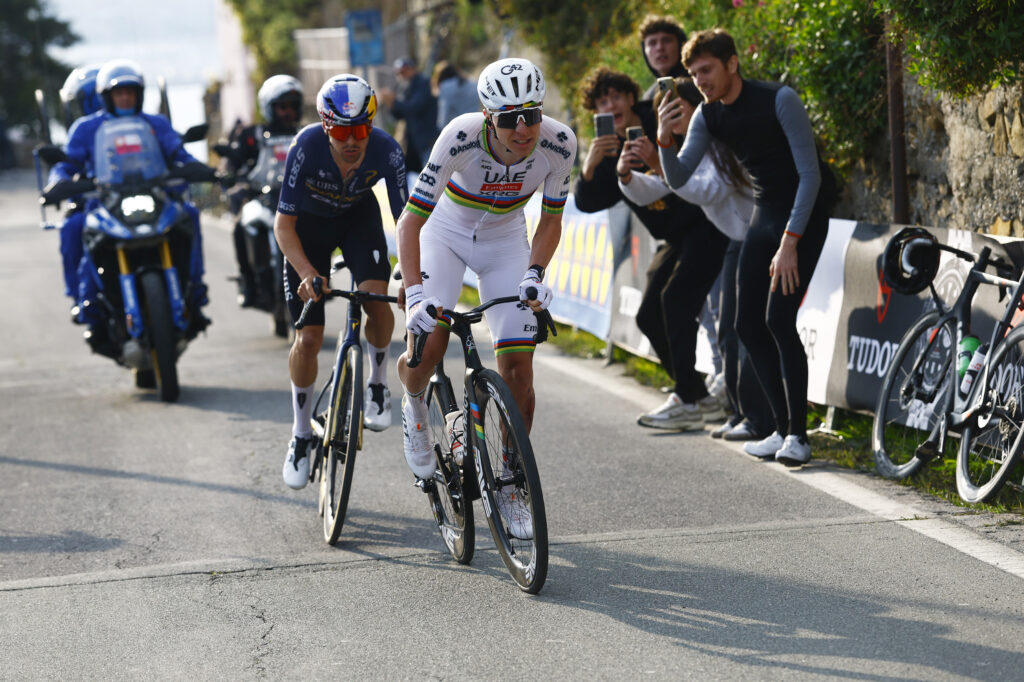
“Training has gone very well, both individually and as a team, and I’m arriving at the Tour de Suisse feeling strong and motivated. It’s my first time racing here, which makes it even more exciting,” the Slovenian said in a statement shared on his team’s website.
“We’ve had a good block of training done at altitude over the past few weeks, and after watching our teammates racing and doing well at other races, we can’t wait to put our race numbers on and put that work into action.”
It’s like the start of a horror film…
The Bradbot now speaks!
Remember Bradley Wiggins’ AI-powered coaching app that the 2012 Tour de France winner helped launched back in February?
No? Well, here’s a quick recap: for just £22 a month, you can sign up to receive AI-generated responses to your training queries based on “deep and wide-ranging” interviews from Sir Wiggo, as well as Dame Sarah Storey, Steve Redgrave, and some cricketers (who’ll be able to tell what the best local pubs are, I imagine).
And just when you thought that concept couldn’t get any better, Wiggins announced today that you’ll even be able to hear his voice, too! Seriously, what will they think of next?
View this post on Instagram
“Since launch I’ve had hundreds of signing up and asking the kind of questions I hoped you would. About training, racing, the head stuff, the days when none of it makes sense. Thank you for that. Genuinely,” Wiggins said, in what I’m reliably told was definitely not an AI-generated response.
“But typing only gets you so far. The conversations I valued most as a rider were never typed. They happened on the road, on the bus, sat at a kitchen table with someone who’d been through it.
“So we’ve added my voice. You can now actually talk to the app. Ask the question out loud, the way you’d ask me in person, and get an answer back in my own voice. Same thinking, same experiences, just a conversation rather than a search bar.”
Spooky stuff. Don’t say I never warned you when the Bradbots rise up and take over the world, one mod haircut at a time…
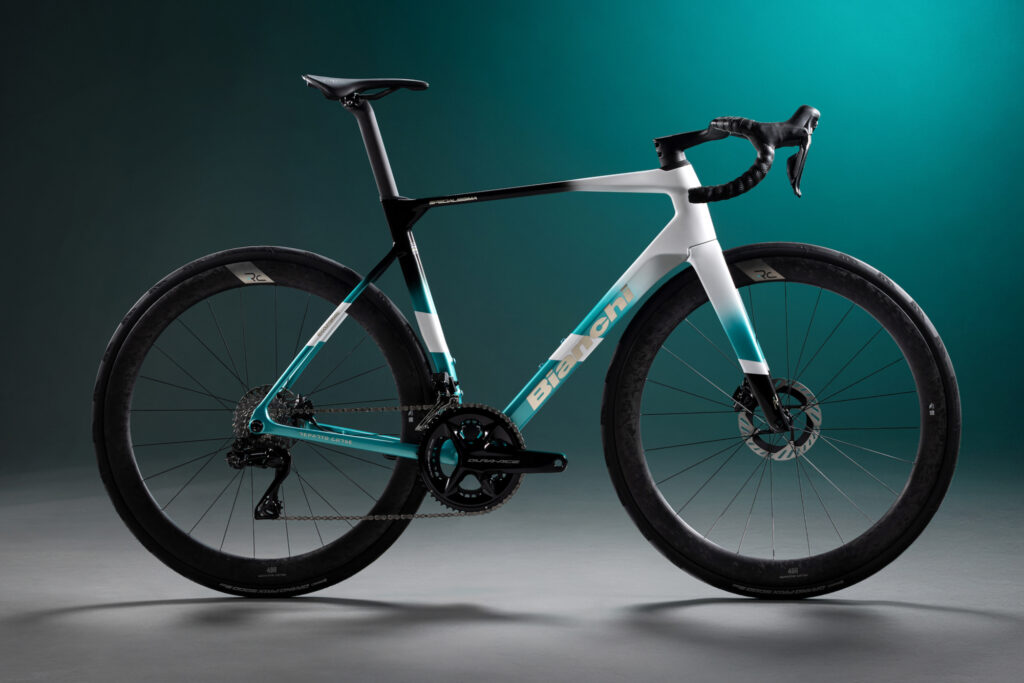
New Bianchi bike alert
Tom Pidcock’s pre-Tour de France plans changed after “mild viral infection” rules British star out of Tour de Suisse
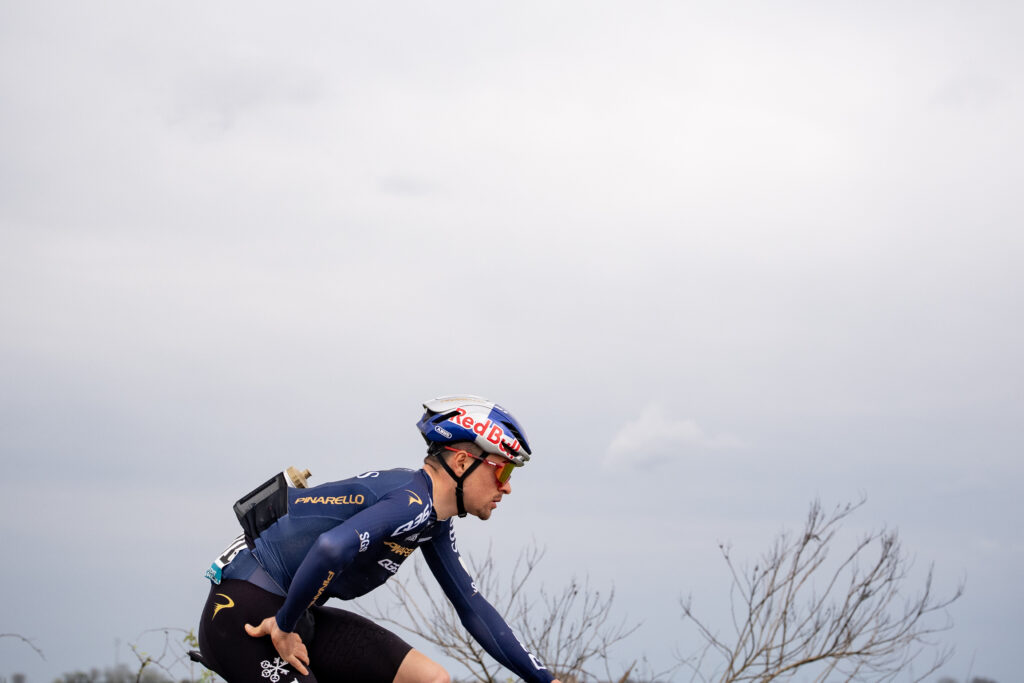
The build-up to Tom Pidcock’s first Tour de France in Pinarello Q36.5 colours isn’t going exactly to plan, following this morning’s news that the British star will miss this week’s Tour de Suisse after picking up a mild viral infection.
Pidcock was set to lead the team at the five-day stage race, which starts tomorrow, but after missing a few days of altitude training thanks to the infection, a decision was made to amend the 26-year-old’s pre-Tour programme.
“Following a small number of missed training days at the team’s altitude training camp in in Sierra Nevada due to contracting a mild viral infection, the Pinarello Q36.5 Pro Cycling Team has decided to amend Tom Pidcock’s June race programme to allow for additional recovery and training time,” the team said in a statement this morning.
Instead of the Tour de Suisse, Pidcock will now, “health permitting”, take part in the Andorra MoraBanc Classica one-day race on 21 June.
That means since finishing second at Eschborn-Frankfurt on 1 May, Pidcock will have raced just one day on the road in the two months leading up to this year’s Tour, after spending the end of May on his mountain bike. His last competitive outing was at the UCI Mountain Bike World Cup in Nové Město, Czech Republic, on 24 May, where he won the cross-country Olympic event and placed second in the short track.
“While disappointed to miss the Team’s home race, Tom has returned home to Andorra where he will continue to train and is now very much looking forward to competing on his adopted home roads around the mountains of Andorra. Further updates will be provided in due course,” Pinarello-Q36.5 said this morning.
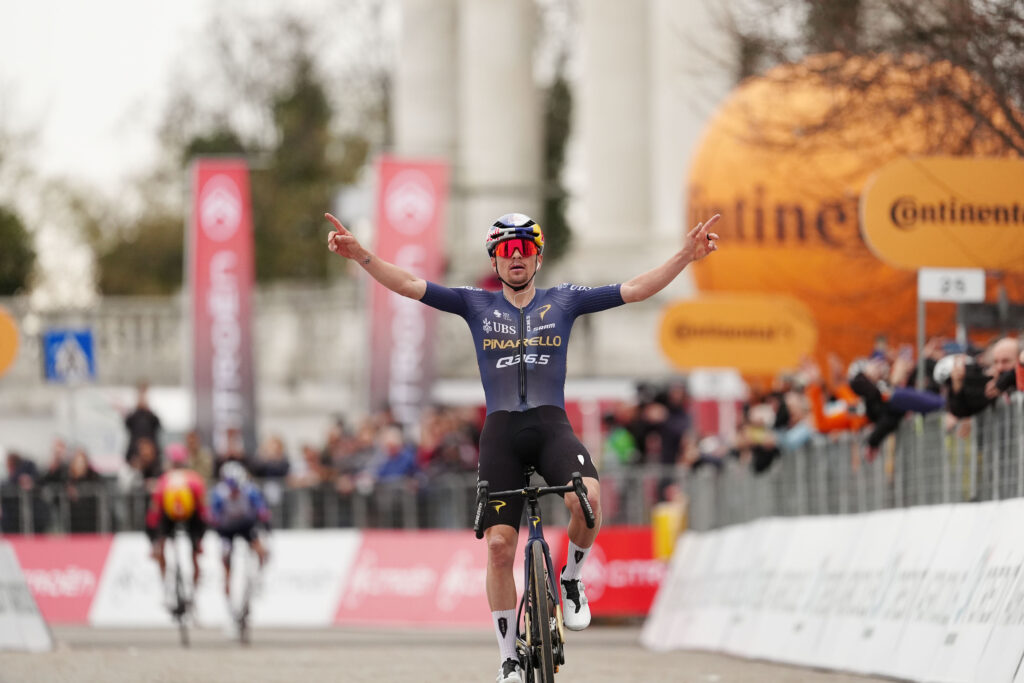
This year’s Tour will mark the Swiss team’s debut at cycling’s biggest race, after wildcard entries to the Giro and Vuelta last year, with Pidcock finishing on the podium at the Spanish grand tour.
Pidcock, now in his second season at the squad following his high-profile move from Ineos, enjoyed a successful spring campaign, winning Milano-Torino, along with stages at the Ruta del Sol and Tour of the Alps, while also narrowly missing out on a first monument win to Tadej Pogačar in a thrilling edition of Milan-Sanremo.
Tour of Britain Men 2026 stage towns revealed: Britain’s national tour goes retro as race heads back to Lincoln and Skegness for first time in over 30 years and Scottish Borders set to host finale
Fashion, they say, is cyclical. And that must also be the case for bike race route design, with this year’s Tour of Britain Men set to rock a retro nineties look, as the biggest race in the UK heads back to Lincoln and Skegness for the first time in over three decades this September.
The old-school, Milk Race vibe of the 2026 Tour of Britain Men was unveiled this morning, as British Cycling announced the start and finish locations of this year’s race, which will head through Lincolnshire, East Yorkshire, and North Yorkshire, before finishing in the Scottish Borders, as part of a mini dress rehearsal ahead of next summer’s Tour de France Grand Départ.

The race will kick off on 2 September with a loop around Lincoln, a city ignored by the Tour of Britain’s organisers since the days of the Milk Race, when it was a regular stop on the route from the 1960s to the early 1990s (the city still retains its links to bike racing thanks to the annual Lincoln Grand Prix).
Stage two is also a bit of a throwback to the era of Malcolm Elliott and Joey McLoughlin, starting in Boston and ending in the seaside town of Skegness, last visited by the Milk Race back in 1991. The riders will set off from Hull (18 years on from its last stage start in 2008, when Edvald Boasson Hagen won in Dalby Forest) for stage three, which will end in Beverley.
The penultimate stage through the North Yorkshire hills, from Helmsley to Leyburn, could prove decisive, while a loop around Earlston (a newcomer on the race route, in any of the tour’s iterations) in the Scottish Borders will bring the curtain down on the 2026 Tour of Britain Men.

“We are delighted to be bringing the Lloyds Tour of Britain Men to these fantastic locations later this year,” Jonathan Day, the director of events for British Cycling Ventures, said in a statement announcing the route.
“We are bringing new hosts and stages in Lincoln, Boston and Skegness, and Leyburn, and it is fantastic to return to previous hosts of the race in Hull and Beverley, Helmsley, and the Scottish Borders.
“Taking the Tour to Lincoln for the first time, a city synonymous with its love for cycling, will be special for the opening stage of the men’s race, before the route winds its way up the east coast via North Yorkshire, before reaching the Scottish Borders in Earlston.
“On behalf of British Cycling Ventures, I would like to pay thanks to our partners across the five stages for supporting the hosting and delivery of this September’s race and enabling us to bring another memorable and action packed five days of world class racing to their communities, spreading the joy of cycling along the route, and inspiring more people to get on a bike and live healthier lives.”
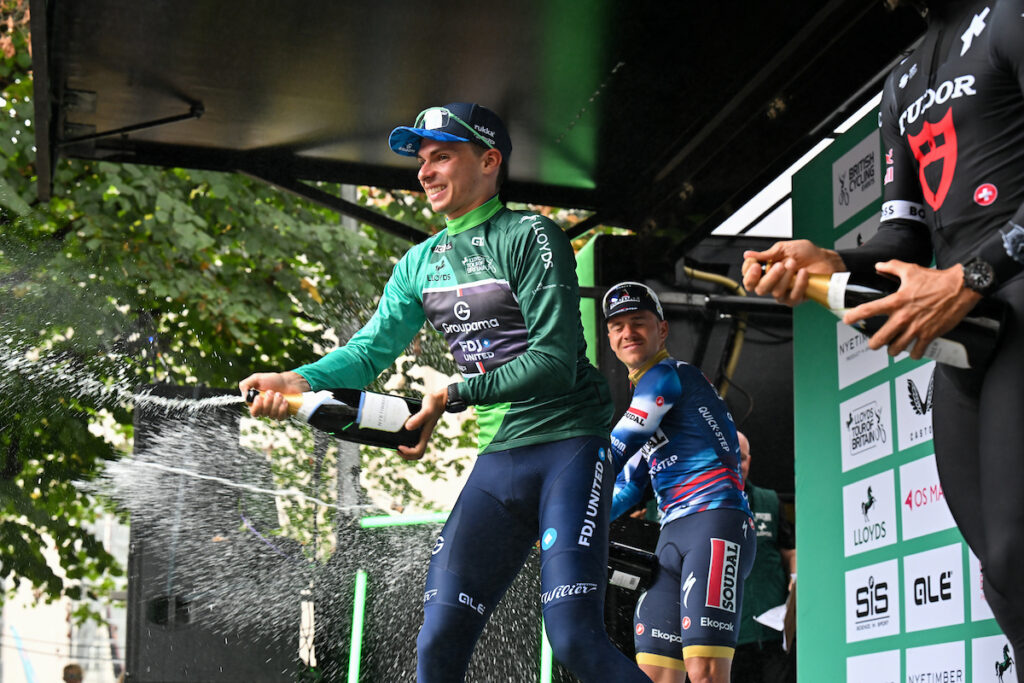
The full list of stages for the 2026 Tour of Britain Men, starting on 2 September and ending on Sunday 6 September, is:
Stage 1: Lincoln – Lincoln
Stage 2: Boston – Skegness
Stage 3: Hull – Beverley
Stage 4: Helmsley – Leyburn
Stage 5: Earlston – Earlston
Paul Seixas: Future Tour de France winner and limbo world champion?
His Dauphiné may have ended in the back of a Decathlon team car, a day after crashing hard on a descent and mounting a glorious, if ultimately futile comeback in the Alps.
But Paul Seixas isn’t slowing down when it comes to his pre-Tour de France training, not even for an extremely low traffic barrier:
View this post on Instagram
Paul, if the whole winning the Tour thing doesn’t work out, the limbo world will always be waiting for you…
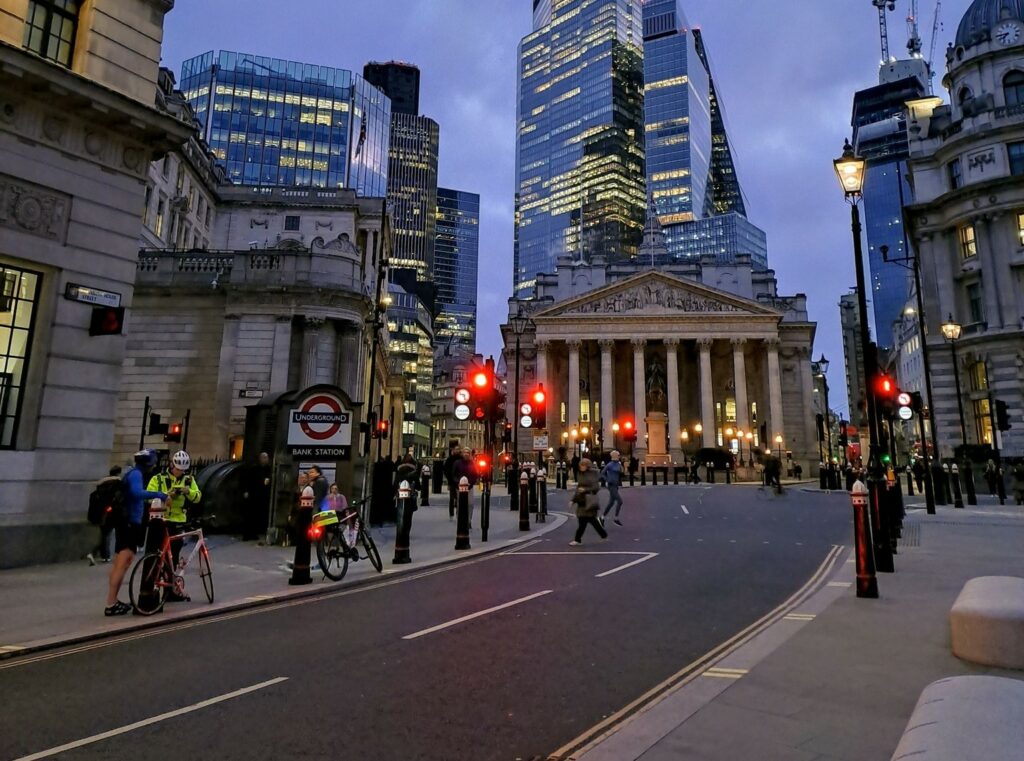
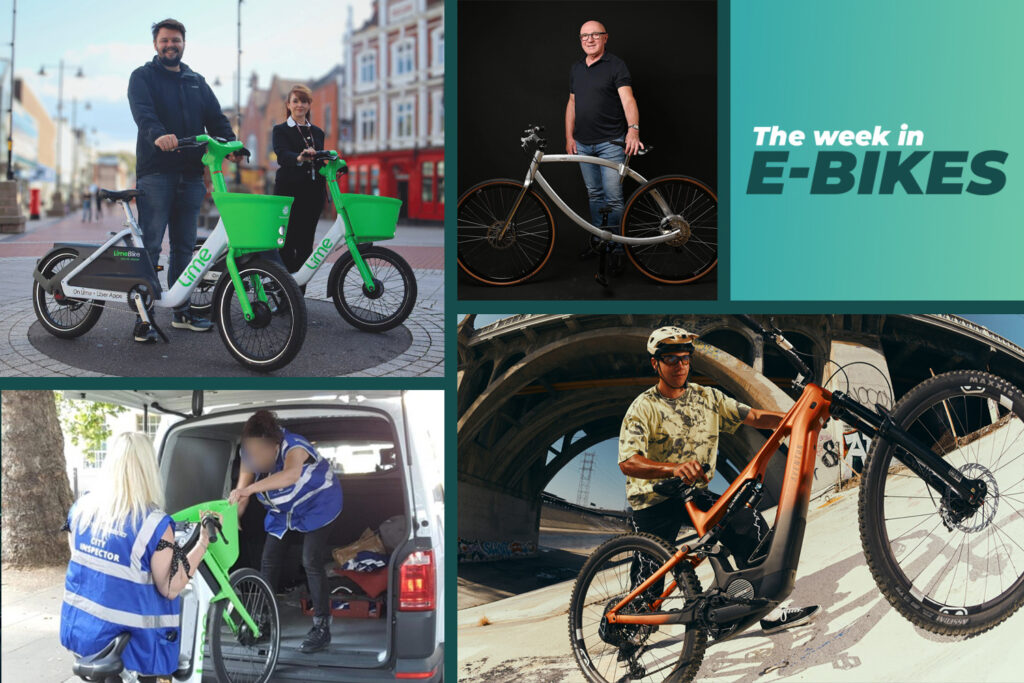
Bikes overtake motor vehicles in City of London for the first time thanks to surge in dockless hire e-bikes
It’s official: there are now more people on bikes in London’s Square Mile than in motor vehicles. That feels like a big thing…
Can Jonas Vingegaard beat Tadej Pogačar at the Tour de France? Michael Storer reckons he can
After his suffocatingly dominant display at last month’s Giro d’Italia/Visma’s bespoke three-week-long Italian training camp, it’s fair to say the pre-Tour de France hype around Jonas Vingegaard is currently the highest it’s been for years.
The two-time Tour winner was clearly on sparkling form at the Giro despite, rather ominously, appearing to spend at least part of the race building his form slowly and steadily with July in mind. But will it be enough to beat Tadej Pogačar and stop the Slovenian joining the Tour’s illustrious five-time winner’s club?
Michael Storer thinks so. The Tudor rider finished seventh at the Giro, six minutes adrift of Vingegaard, so has painful first-hand experience of the Dane’s scintillating form.

“He’s in some red-hot form, in my opinion,” the Australian told Domestique. “I think he’s going to be even better at the Tour than he was at the Giro.
“I think he even said in an interview that he is usually better in the second grand tour than the first. He’s also had a pretty clean run.
“So I would bet on Vingegaard rather than Pogačar for the Tour this year. I’ll just put it out there.”
Big call, Michael.
However, Storer believes that Vingegaard’s relatively conservative style at the Giro only served to underplay how strong he really was.
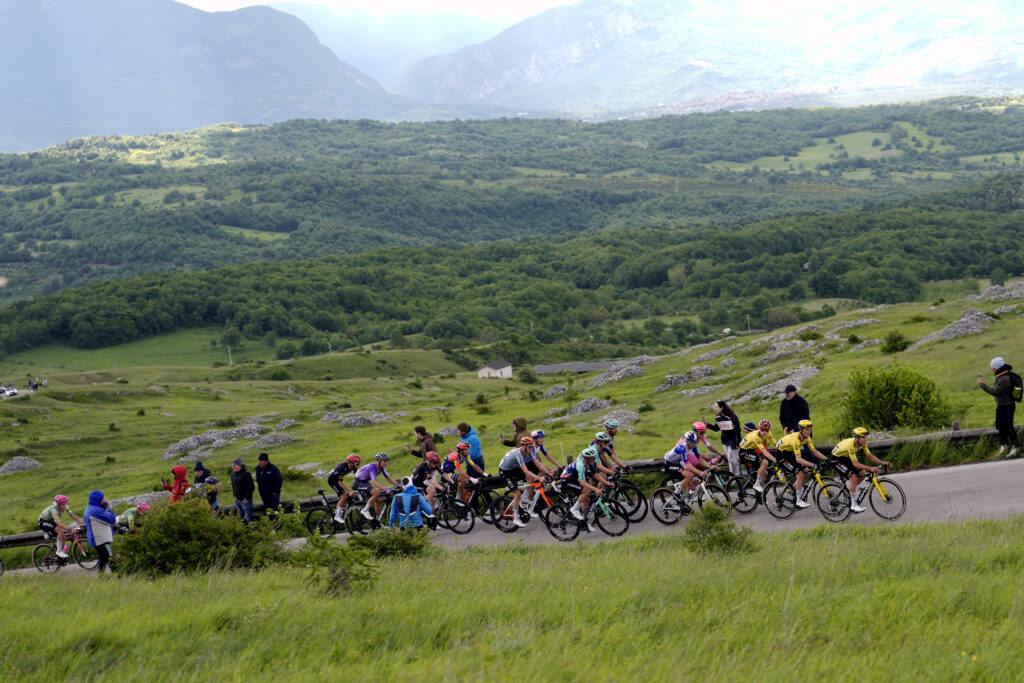
“It’s not fair to say that he wasn’t riding aggressively,” he said. “He just didn’t need to make a big attack.
“He could drop us while staying seated. It’s a lot less spectacular, but the time gaps he was putting into us showed how strong he was.
“I was doing better than in previous years at the Giro and I was still getting quite big time gaps from Vingegaard. So I would say he can beat Pogačar this year at the Tour.”
Now, if that doesn’t get you excited for this year’s Tour, I don’t know what will.
Wout van Aert misses start of Tour de France training camp due to elbow pain caused by time trial bike crash
One potential barrier to Jonas Vingegaard’s bid to regain the yellow jersey next month is the form and fitness of key lieutenant Wout van Aert, whose build-up to this year’s Tour de France has been severely impacted by an elbow injury suffered in a training crash while riding his time trial bike.
The Paris-Roubaix winner, despite winning a bunch sprint at last week’s Tour Auvergne-Rhône-Alpes, was in pain throughout the race formerly known as the Dauphiné, the friction between his TT bars during the event’s team effort causing the injury to worsen, it was reported.
And, after withdrawing from the race following his stage win, Van Aert has missed the start of Visma-Lease a Bike’s key pre-Tour altitude training camp at Tignes.
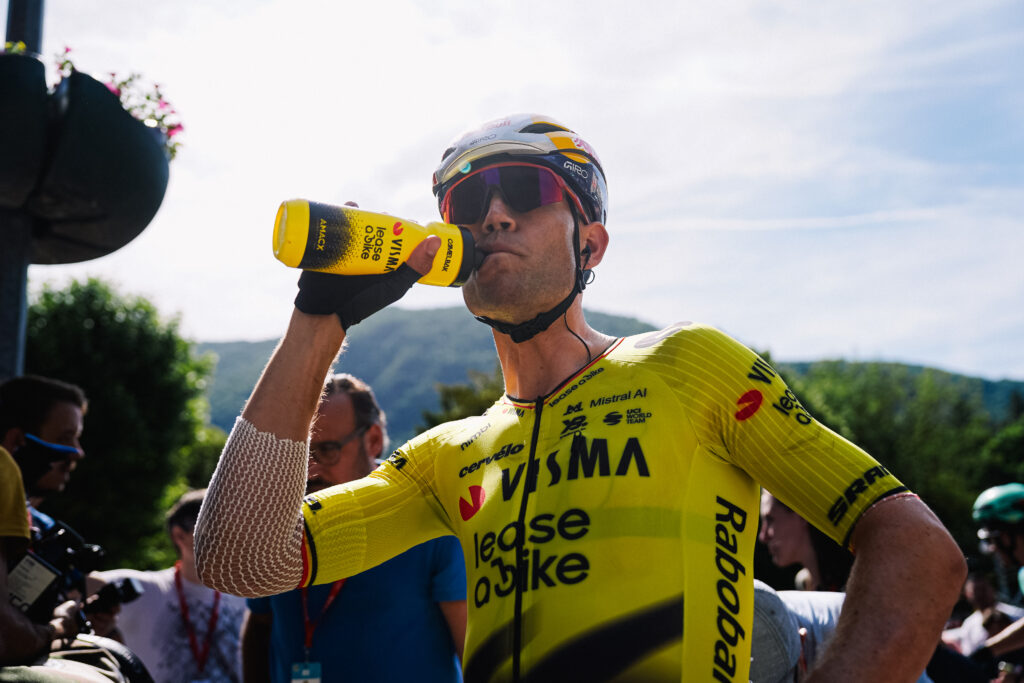
“We already knew that he didn’t have much margin,” Visma sports director Maarten Wynants told Het Nieuwsblad. “He was already ‘below baseline’, and this certainly isn’t going to help.”
It’s been reported in the Belgian press that Vingegaard will be supported at the Tour by Van Aert, Matteo Jorgenson, Eduardo Affini, Victor Campenaerts, Bruno Armirail, Per Strand Hagenes, and Sepp Kuss.
However, when asked if time was running out for Van Aert’s Tour hopes, Wynants replied: “You could certainly say that, yes.” Ouch.
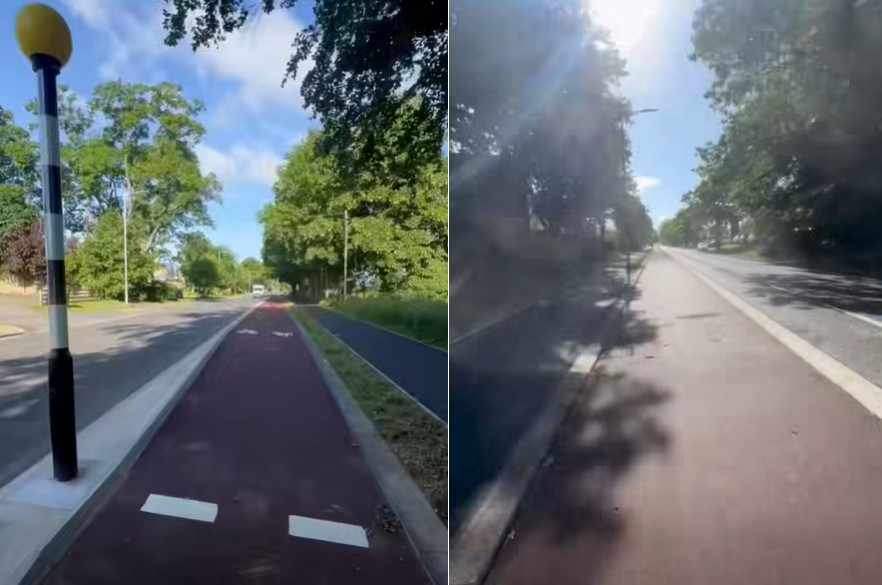
A ride on London’s newest cycle lane
POV first section of the Clerkenwell Rd separated cycle lane. You love to see it @camdencc.bsky.social
— Bob From Accounts 🚲 (@bobfromaccounts.bsky.social) June 15, 2026 at 3:06 PM
Thoughts?
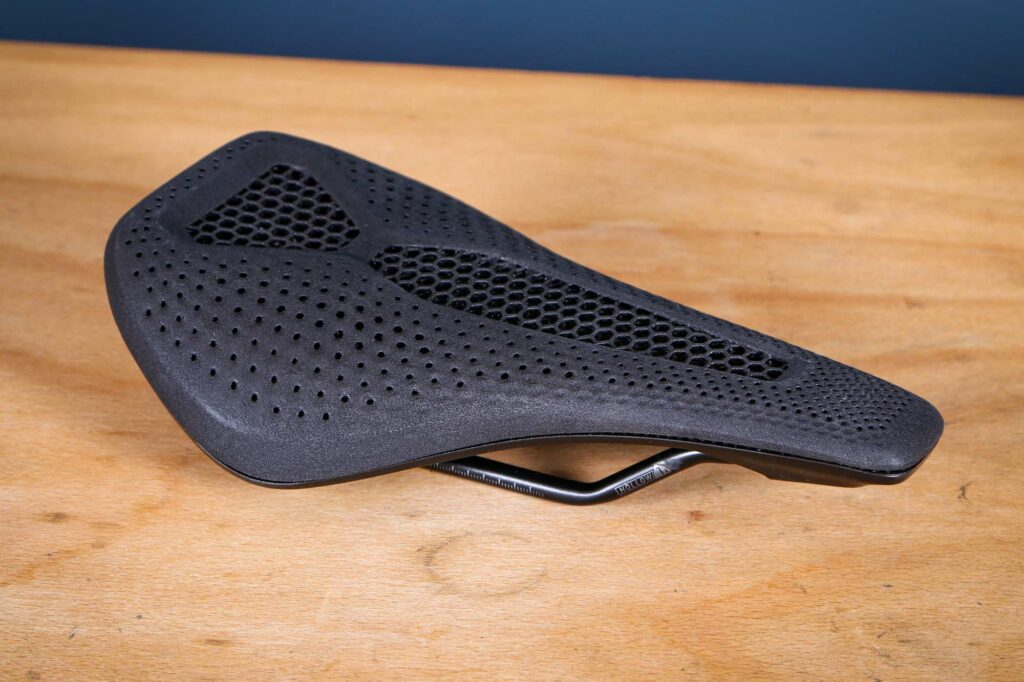
Your custom paint job is so last year, wood veneer frames are where it’s at these days…
View this post on Instagram
“Because of how narrow the road is now, if there’s a couple of wagons or buses passing, it’s going to be close. I think there’s more risk to every road user now than there was before”







26 thoughts on ““You’re on a red light, you idiot!” Cyclist almost crashes into Michael Gove on crossing, slamming politician for “ignoring Highway Code”; Driver with “observational skills of garden gnome” doors cyclist; Pidcock Tour plans changed + more on the live blog”
Good work there by Big jobber, especially on “roads were not built for cars”.
One question though: what is an “established cyclist” and do the same rules apply as for “established red lights” eg. you can apparently drive drive though either before they are “established”?
At least six months of Strava history.
@mdavidford
: ) but is Strava included in the proposed social media ban law?
Love Big Jobber’s clips and explanations.
But he needs to change is language from “car did x,y,x” to “driver did x,y,z”.
Grrrr…
https://www.bbc.co.uk/news/articles/c4gye8l8jedo
@ktache Good grief, that is bad “reporting”.
It basically starts with “a study by a consultancy, which we’re not going to link to…”
And then moves on to talk about “cyclist casualty rate” which in Reading is 29% and in The City is 48%, making it the most dangerous place for cyclists, apparently.
As the study isn’t provided, I’m left to assume they haven’t controlled for the number of cycle journeys, with the earlier item on road.cc showing the number of cycle journeys are more or less even with car journeys in The City.
“So, as it appears to be an illegal bike, and if it is, then it shouldn’t be on the road”
Does that mean if I see a car with an illegal 3D number plate, or blacked out windows, or a modified exhaust I can vandalise it and it is not an offence?
@Pub bike 3D plates are legal, sadly. I won’t risk being quarantined for posting a link, but if you search for “displaying number plates”, there’s a gov page that says they can be raised.
@quiff Not all 3D plates are legal. Obviously I was referring to the illegal non-compliant ones. That wasn’t the main point of my post though was it?
I won’t be visiting X to check, but I hope someone pointed out to “Somerset-based Conservative councillor Lucy Trimnell” that what the sign actually clearly says is “no left turn – except cycles”.
The signage there is pretty confusing – it’s not immediately obvious which sign the ‘Except cycles’ is meant to be modifying – the turn right, or the no left turn. On closer inspection, it turns out that they both effectively mean the same thing, because the route straight ahead is no entry, but that sign is across the road, and in itself is slightly obscured by potential confusion with the adjacent tube station signs. Any signage that requires you to look in multiple places and solve a logic problem to interpret it isn’t really doing its job as a sign very well.
I’ve just spent far too long pondering whether “turn right (except cycles)” and “no left turn (except cycles)” both amount to the same thing in this case, which probably reinforces your point. To further confuse things, it looks like those no entry signs across the road are waiting to unveil “except cycles” modifiers.
“Accept cyclists”?
But what we can say is that Gove was crossing on a red man and really wasn’t paying attention.
@ktache Someone should educate him on the highway code.
@ktache You have to realise that Michael Gove, one of the elite, gifted team of Brexit architects, operates on a highly elevated plane of thinking.
This leaves a lot less spare brain capacity for functions like coordination and awareness of his surroundings.
In fact I once read a column in the Sunday Times that described his jogging style as “…like a nun being chased by a bee…”.
@Mr Blackbird – Gove’s attention must be stretched with considering all the many, many benefits that we’ve reaped from Brexit over the years.
@mdavidford I followed you on the signs attached to the traffic light pole, but not sure what you’re getting at when you bring the London Underground roundel into it?
The rather small no entry sign is easily lost among the visual clutter of the somewhat similar (red circle with a paler horizontal strip) underground signs, which just increases the cognitive load involved in spotting everything you need to and deciphering the instructions.
Greg really should have a horn fitted as Mr Gove is famous for paying attention if there’s toot in the vicinity.
Steady – he might just blow through the lights…
@chrisonabike See those white lines mate? That’s a Gove Way that is.
Gove: “As a cyclist myself….”
No need to go any further.
“Many of our roads were built for cyclists, not cars” – can’t believe you didn’t link that back to Carlton Reid’s (very comprehensive) book on that exact topic “Roads were not built for cars”.
Some excerpts were on the web site, though that site appears to be offline now. Archive.org might still have them (will add link in reply).
The Archive.org link for the currently offline website for the “Roads were not built for cars” book: https://web.archive.org/web/20200303025630/https://roadswerenotbuiltforcars.com/
@road.cc There must be a better way than forcing* your users to reply to themselves to post links.
(* admittedly that’s ‘forcing’ as in ‘forcing dangerous overtakes’)