
Although the phenomenon has been around since the birth of full suspension mountain bikes, pedal kickback has been the talk of the town for a good few years now. And brands are developing technologies to combat it to deliver a smoother ride and better suspension performance. But in a way, it’s a weird forward step backwards.
Pedal kickback is what occurs during the compression of a full suspension mountain bike’s rear suspension. As it compresses, the bike’s chainstay lengthens a bit, which engages the freehub, causing the chain to pull backward on the crank. Not only can this be uncomfortable and distracting while riding technical terrain, but it can also hinder suspension performance by making it less sensitive.
Though this is still a reasonably heavily researched topic, with some brands, like Rimpact, claiming that the feedback felt through the pedals is more likely to be transmitted through chainslap. That’s because, as the upper portion of a chain flaps about between the crank and cassette, it produces a very surprising amount of energy – around four to five joules (according to Rimpact). That, as you can imagine, could be noticed as feedback on the pedals.

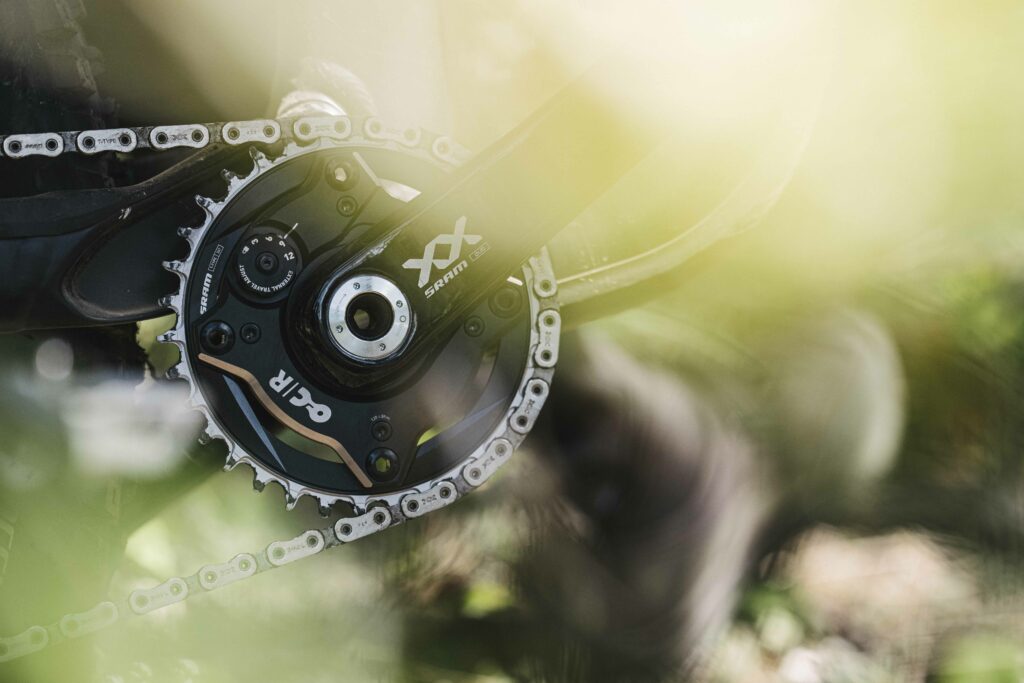
Over the past few years, there have been loads of methods for reducing pedal kickback that have popped up on the market, with the best known being the Ochain, a spider-based system that introduces some damped play between the chainring and crankset, to put it simply. There’s also Rimpact’s Chain Damper, which is designed more to address chain slap, as mentioned. DT Swiss has jumped into the ring with its Degrees of Freedom tech, and e*thirteen has its Sidekick system, both of which sit inside a wheel’s freehub.
All of these products do bring a noticeable improvement to how a mountain bike performs. Having ridden all of them, I confidently tell you that they each improve suspension sensitivity and result in a smoother ride. They all do it in different ways, but the result is similar.
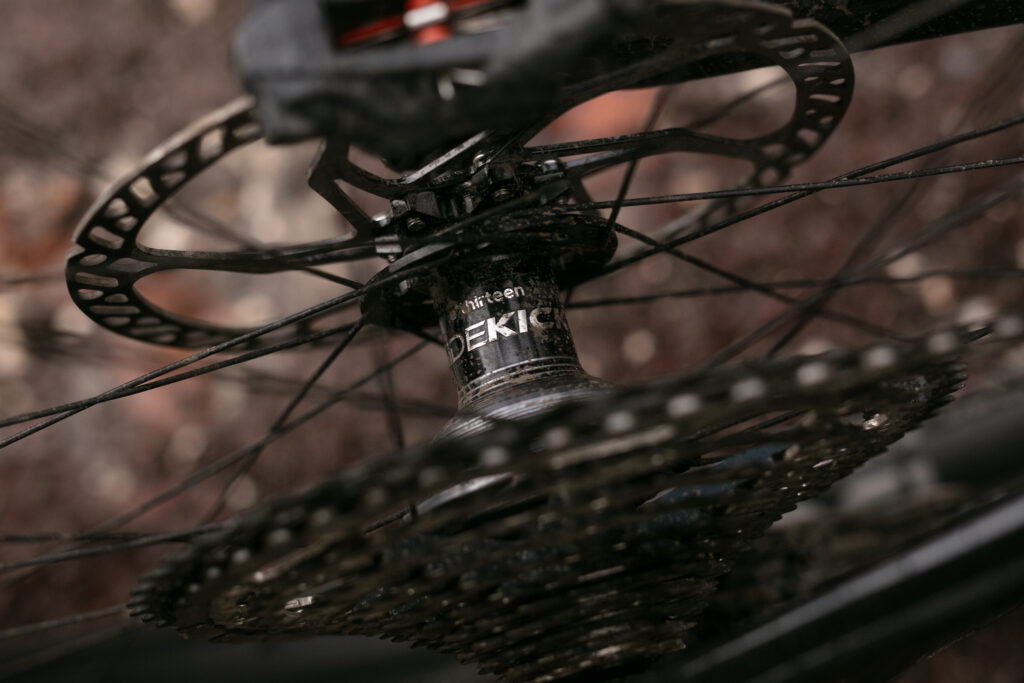
With all of that said and done, perhaps we’re overcomplicating things because pedal kickback can be noticed more with modern high-engagement freehubs. These do great things by increasing the response between crank and freehub. A faster engagement will transmit power to the rear wheel much quicker, whereas a slower freehub, or one with fewer points of engagement, will introduce some free motion, or play, before it engages, thus slowing down how quickly power can be transferred to the rear wheel.
But as high engagement freehubs engage that much quicker, perhaps that’s where pedal kickback is becoming a problem?
I say that because each of these anti-pedal-kickback devices introduces play, or free motion, into the drivetrain… not too dissimilarly from a low-engagement freehub. Additionally, by installing one of these systems on a bike paired with a high-engagement freehub, you’re effectively reducing the engagement speed anyway, but by spending more money and adding complicated components to your bike.

Because of the free movement produced by a low-engagement freehub, they’re essentially doing the same thing – allowing for a touch of movement in the freehub before it engages under pedalling load, or when tugged by the chain. This smidgeon of play surely helps to absorb some of the effects of pedal kickback before it reaches the chainring, or crank. Though not to quite the degree of purpose-built anti-pedal-kickback devices, where the Ochain can offer 12-degrees of deadband, free-motion or play.
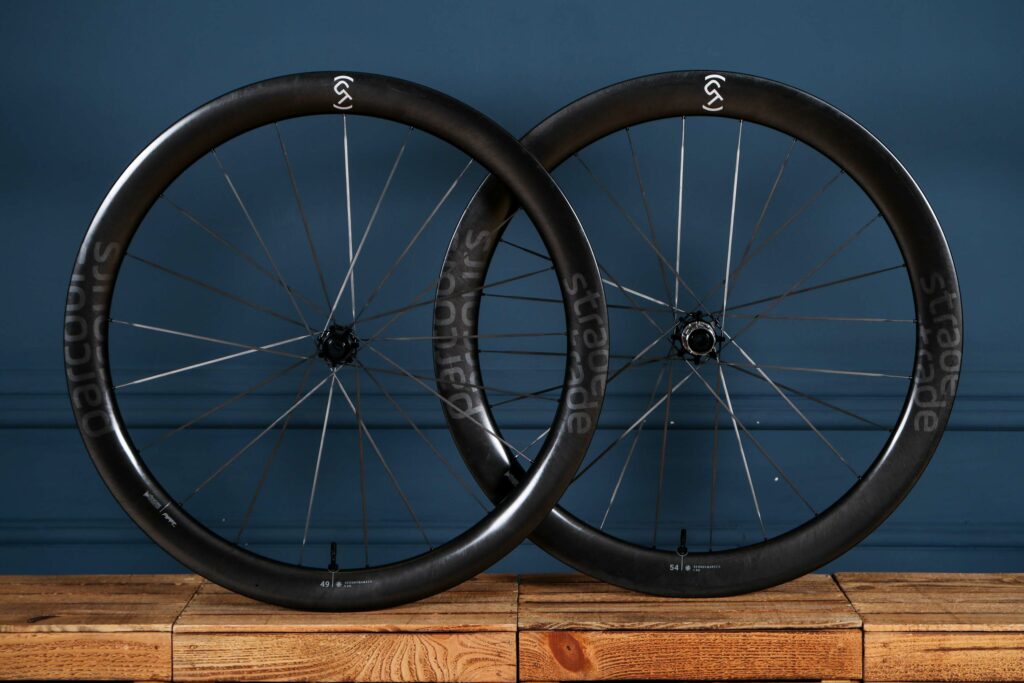
Now the problem is, it’s pretty tough to find a lower engagement hub on a new wheelset these days. The technology has become more affordable, with Hunt’s £499 Enduro V3 wheelset’s H_Ratchet XL hub offering a nine-degree engagement, which is pretty feisty. DT Swiss’s 350 hub, when dons a 36t ratchet drive, is the brand’s slower-going system, and even that’s nothing to sniff at.
So really, if pedal kickback is an issue caused by high-engagement freehubs, investing in a pedal-kickback reduction product is an easier and more affordable way of reducing the phenomenon, but they feel like a sliver of duct tape slapped onto the demand for fast freehubs.