



If you’re a regular rider then you’ve probably realised that your road bike requires the odd bit of maintenance. There are some bits like changing an inner tube that are pretty simple and cheap to do by yourself, and sometimes necessary if you’re on a ride; but what about the bigger jobs, like replacing a bottom bracket or cables? Is it always worth investing in quality tools to do it yourself at home, or is your time and money better spent dropping your bike off with the professionals?
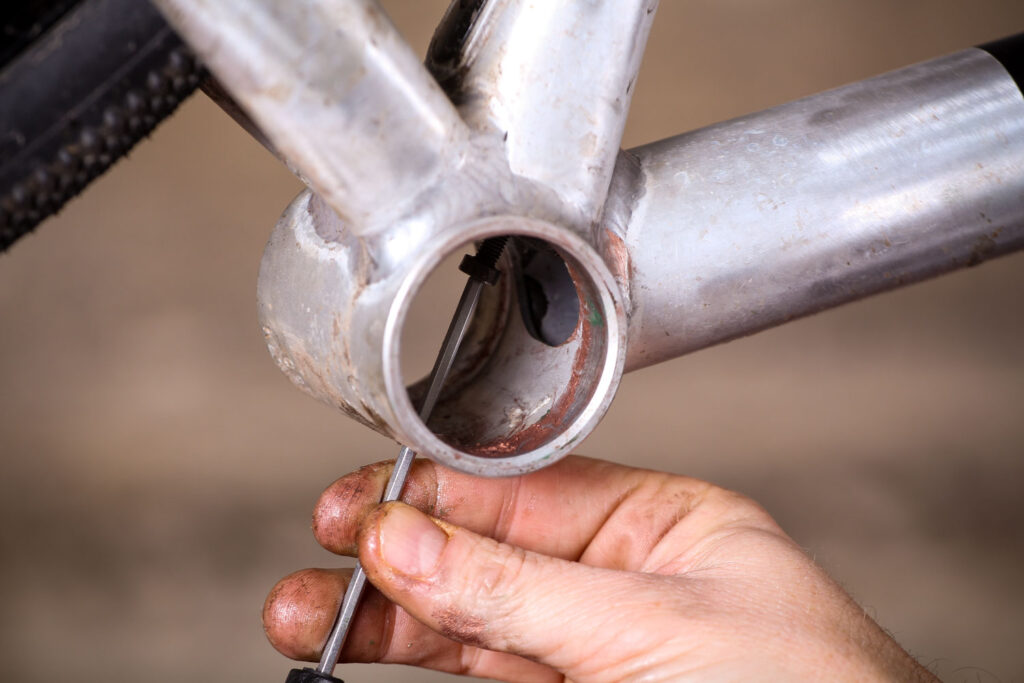
For bike shop staff reading this… don’t worry, we’re absolutely not suggesting anyone should work on their bike without proper tools or knowledge. And we know how frustrating it can be when a customer brings in a bike and claims not to have fiddled with the limit screws, except there they are, hanging in by a thread.
To save everyone’s time and frustration, we wanted to put the theory that working on your bike yourself will save you money – particularly in the long run. So, we’ve got some pretty standard bike maintenance scenarios and put them to a local bike shop, The Bike Mill, based in Queensbury, West Yorkshire to price up. We’ve been told that Ralph the shop dog accepts tips in the form of dog biscuits, so make sure you add that to your tally.
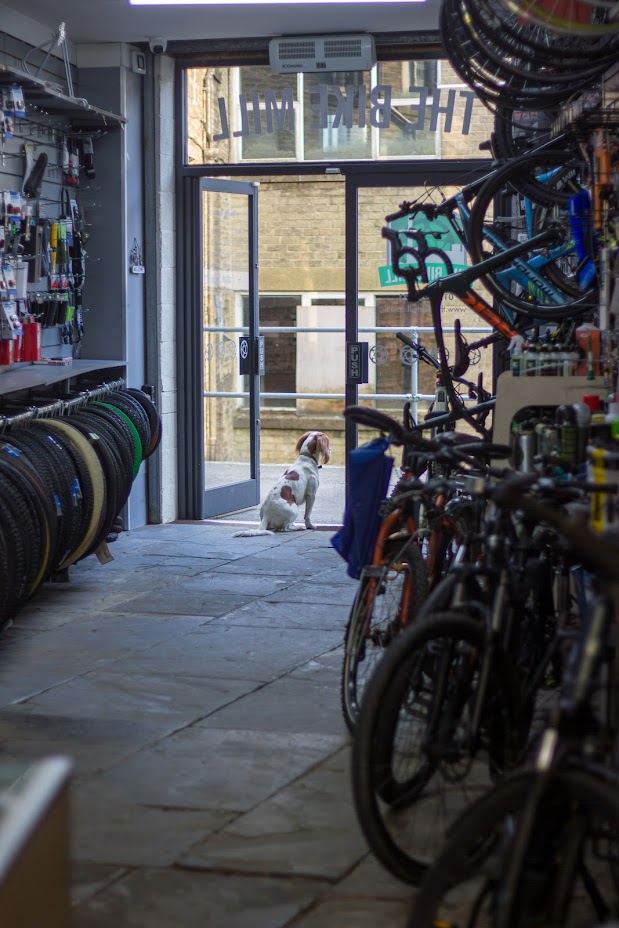
Alongside this, we’ve calculated roughly how much doing the same bit of maintenance would cost if you did it at home.
Let’s dive in…
Replacing or repairing an inner tube
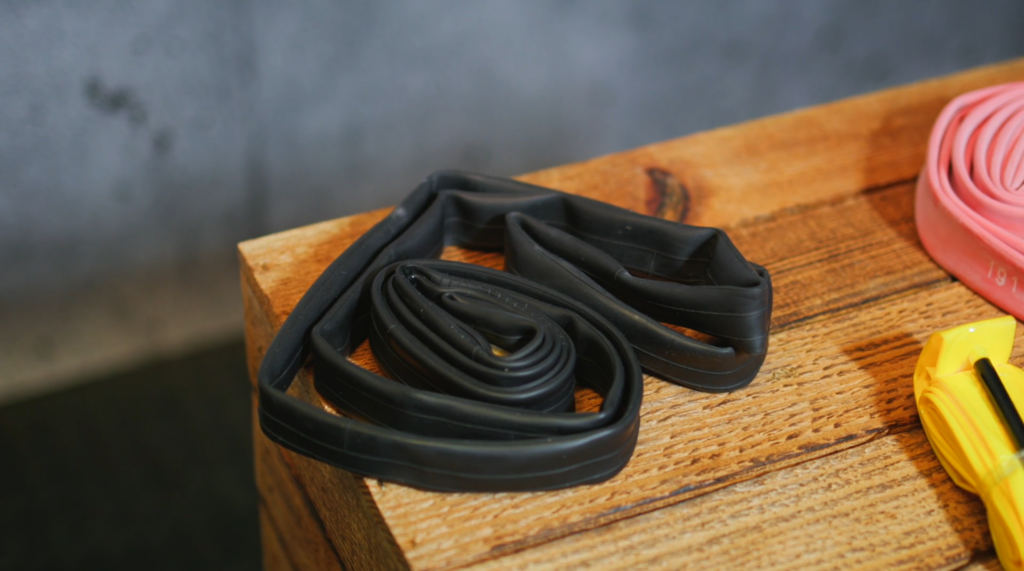
Replacing your inner tubes (if you run them, of course) is one of the first things you learn when you’re figuring out how to maintain your bike. Unfortunately, punctures are more of an inevitability than an ‘if’ if you ride in the UK so it’s important you know how to fix one in case you’re not in a shop when your tyre goes flat.
How to patch repair a bike inner tube
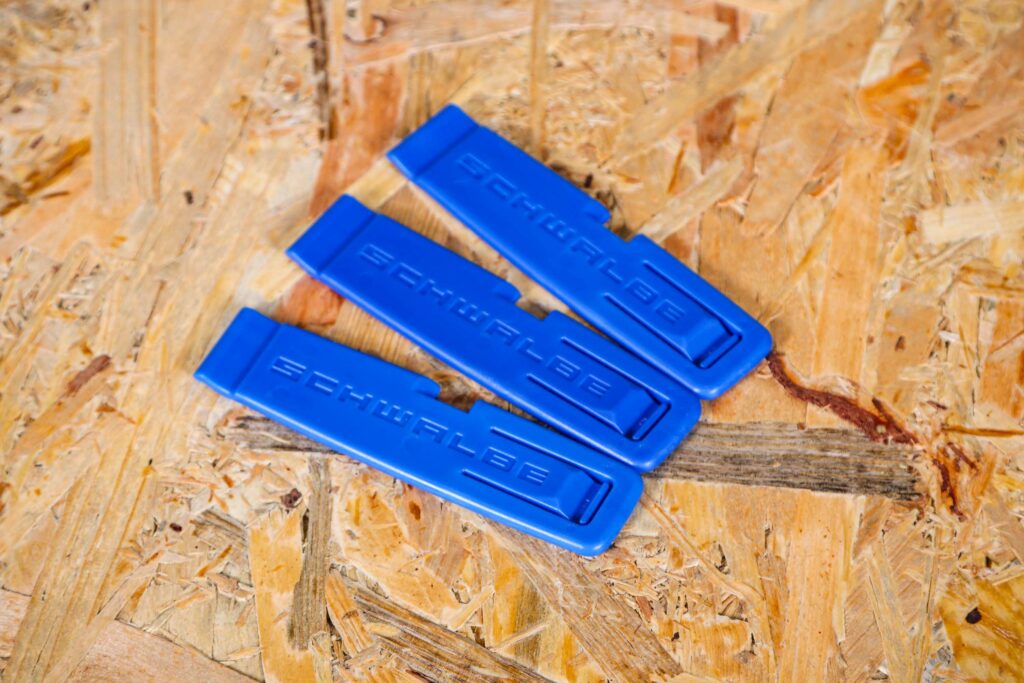
How much it costs at home: If you were to do this at home, you’d need a pump, a replacement tube if you’re replacing it, or a patch kit if you’re wanting to repair it. And then some tyre levers if you have a really stubborn tyre.
If we say a replacement tube costs around £5 (depending on brand, width and valve length required), a hand pump costs around £20, a patch kit is usually a couple of quid, and tyre levers you can also pick up for around £5. The total if you’re replacing/repairing the tube at home (and need to buy the equipment to do so), is around £25-30. If you already have the kit? Then around £5 just for the tube.
How much it costs at a shop: Around £10 to get someone to replace the inner tube for you and pump your tyre back up.
Changing a bottom bracket
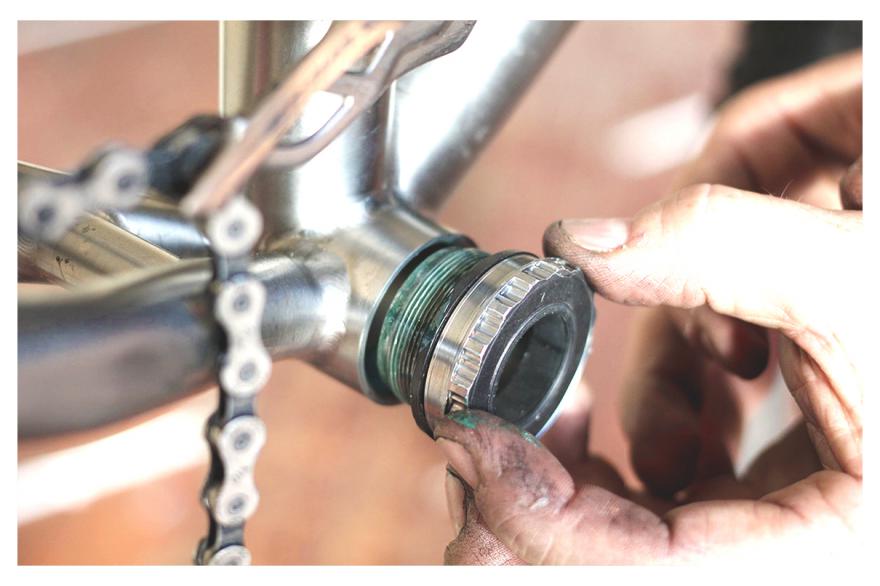
Bottom brackets – get the insider info on your bike’s beefiest bearing
Now this one is a bit more time consuming and requires more tools than changing an inner tube, but is still handy to know how to do. If you start to feel your bottom bracket grinding a little when you’re riding, (especially if you’ve been riding your bike through a British winter), it could be time for a new one.
First up, you need to find out what type of bottom bracket you have. The two main types are press fit and threaded. Both require specific tools to remove and replace, and within each type there are several more subsets of standards just to keep you on your toes. So unless you have the same BB across all your bikes, you may need more than one tool to replace each one.
How much it costs at home: For the sake of this extremely scientific article, we’ll assume the threaded BB is a BSA or English threaded bottom bracket. So, what do you need to remove/replace one? Firstly, a compatible bottom bracket tool. Like most things, you can spend a lot or a little, so we’ll go somewhere in the middle and say roughly £15 will get you a threaded BB tool.
Then, you’ll need your bottom bracket, which again, depends on the make and model of your BB, but roughly around £20 should see you get a semi-decent one. If you want a bit of bling from the likes of Hope or Chris King, expect to spend much, much more.
You may also want a torque wrench that tightens up to 40Nm, which may set you back around £40+ for a set. So, for a threaded BB removal/replacement, you’re looking at around £75+ for the tools and bottom bracket.
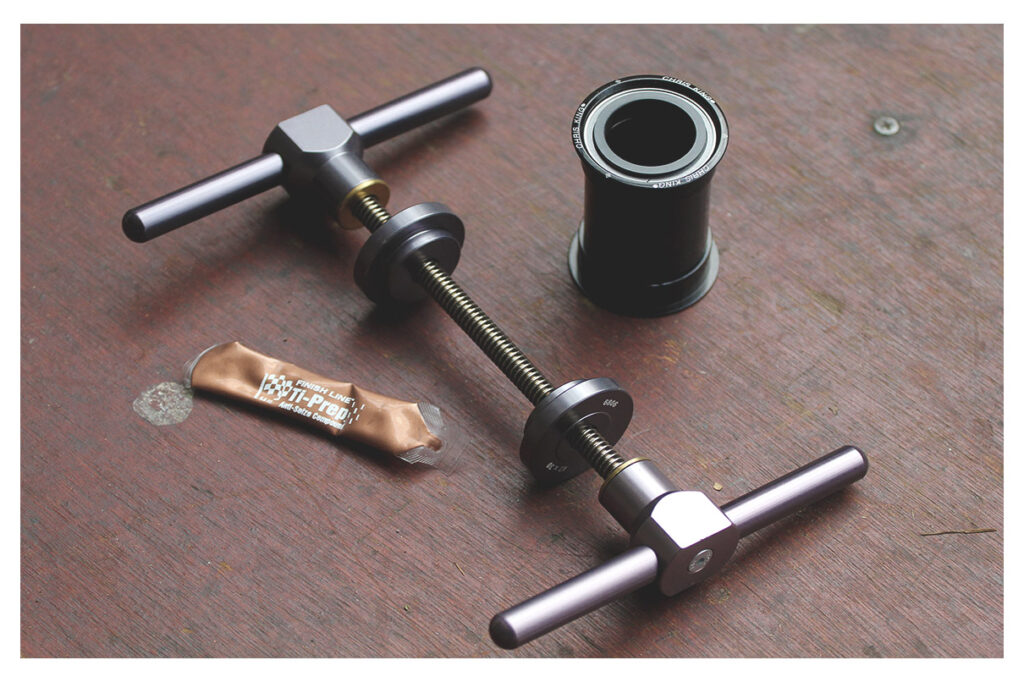
When it comes to a press fit BB, you need a bit more specialist kit, including tools to remove the crankset (perhaps an Allen key), a bottom bracket removal tool, mallet and a bearing press. We’re going to assume you have the Allen keys lying around, but if not you can pick up a decent set for around £15-20.
The bearing press is probably one of the most expensive tools you can buy for a bike maintenance, with ones like the Park Tool HHP3 retailing at £100. You can get cheaper options, of course, for around £50. A press fit BB removal tool will set you back around £25, and a soft mallet won’t cost much – you can even use the one you bought for camping many years ago. A replacement BB will set you back between £15 and £100+ depending on the brand/type.
In total, that’s around £95 at the cheapest, depending on tools bought and BB type.
How much it costs at a shop: For a press fit BB, The Bike Mill quoted us £45, and for a threaded basic BB, £40. And, something we think is important to highlight if you have a press fit BB – if you take it to a shop, you don’t have to psych yourself up to hit your lovely frame with a mallet.
Replacing gear cables
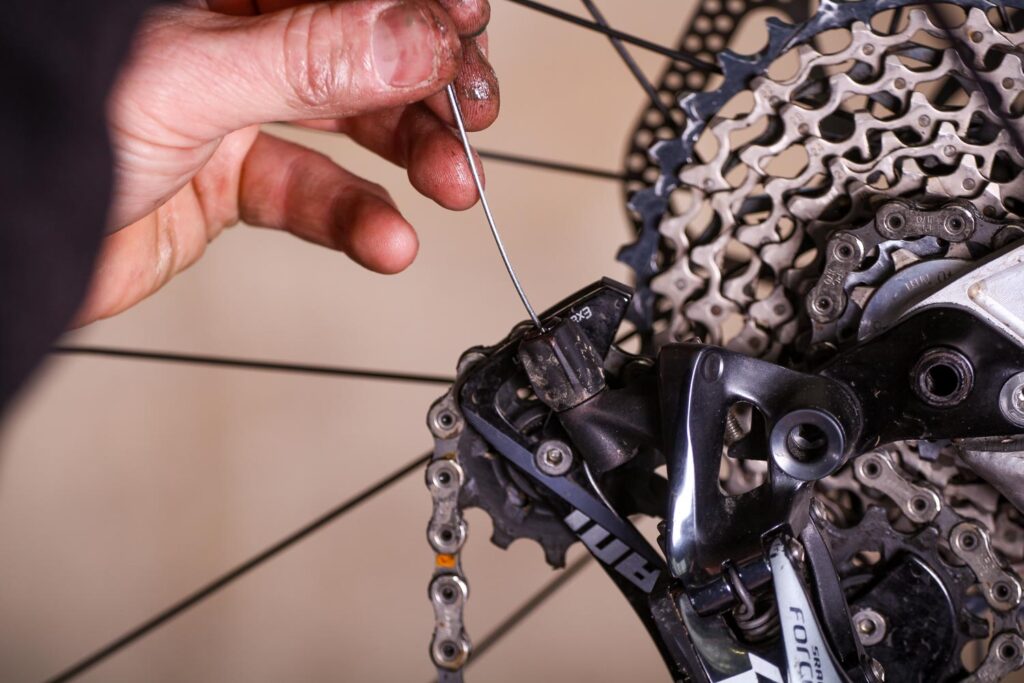
Over the last decade or so we’ve seen the majority of bike brands shift to internal cables and reduce as many of the outers on show as possible. This has led to some pretty radical bar, stem and headset designs, which we know cause a few grumbles from those who work on them regularly. But how much does it cost to actually replace your bike’s cables?
How to replace gear cables on your road bike: 2 top tech tweaks for smoother shifting
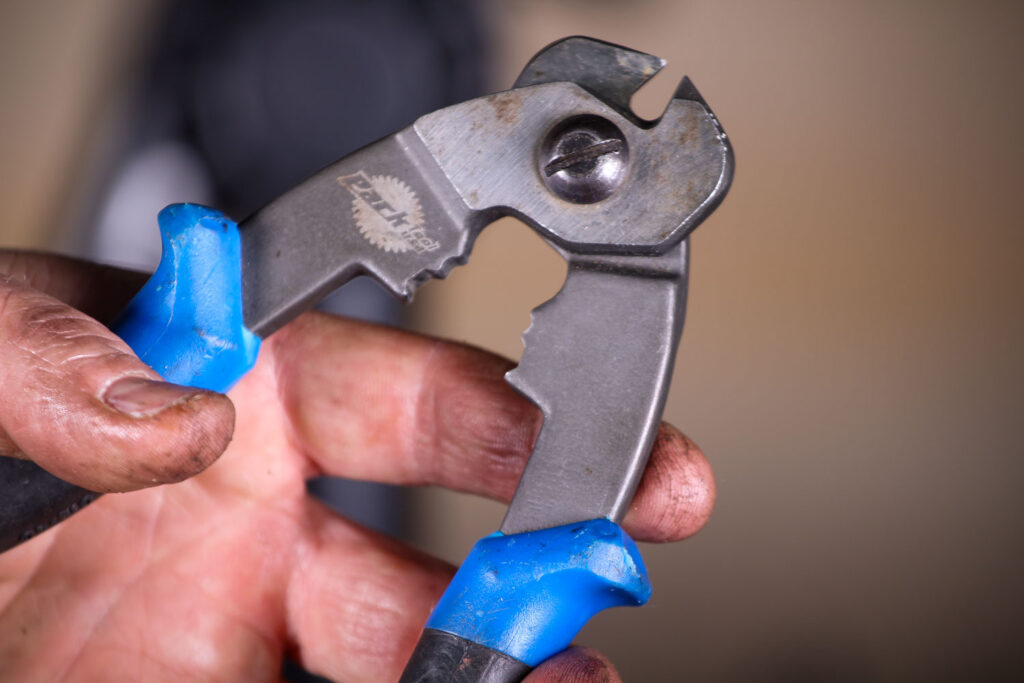
How much it costs at home: Cable sets from a reputable brand like Shimano or Jagwire cost around £20 for both inners and outers and usually include all necessary fittings. Tool-wise, you’ll need cable cutters (usually around £25, like these from Topeak), Allen keys (roughly £15-20), a pick (don’t need to be road bike specific and can be picked up from a hardware shop or Amazon for around £5-10 a set).
This brings the total to around £65+.
How much it costs at a shop: Going off the basis the cables are for a 2x mechanical groupset setup, around £50.
Replacing your bar tape
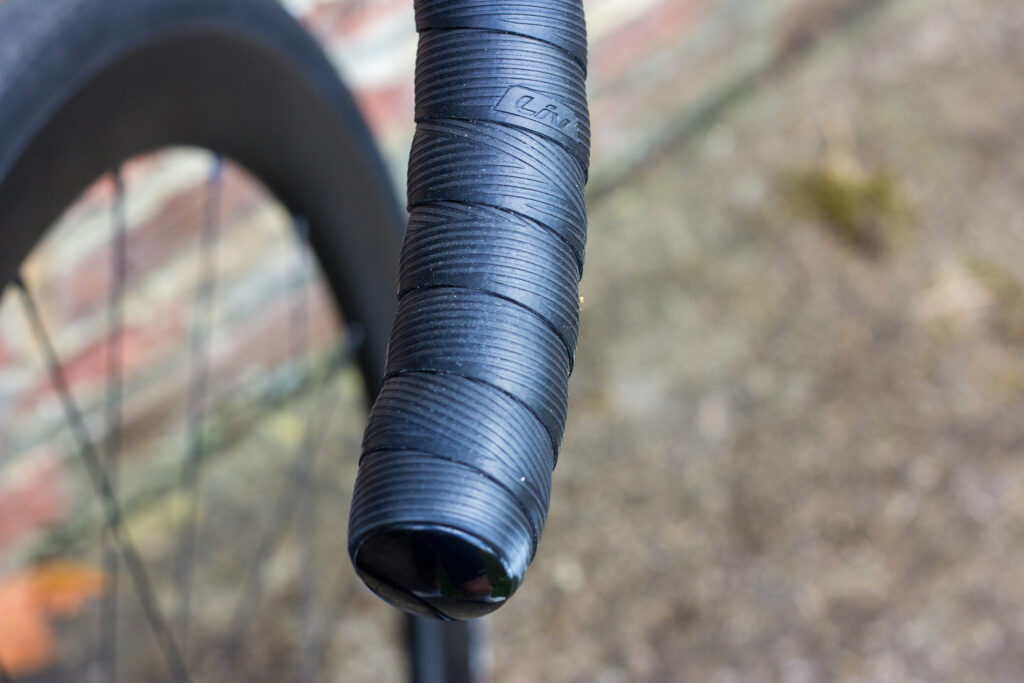
Ahh, the old bar tape conundrum. Do you wrap from the inside out or outside in? Match on both sides or go opposite? It’s an argument that still remains rife within workshops and social media today, but the main takeaway is that it looks neat and it’s functional. But is it worth doing yourself?
How much it costs at home: Thankfully you don’t need many tools for this job. Just something to prize the bar end caps off (usually a flat head screwdriver or an Allen key) and then the bar tape (usually between £10-40) and some scissors and electrical tape for a really neat finishing job.
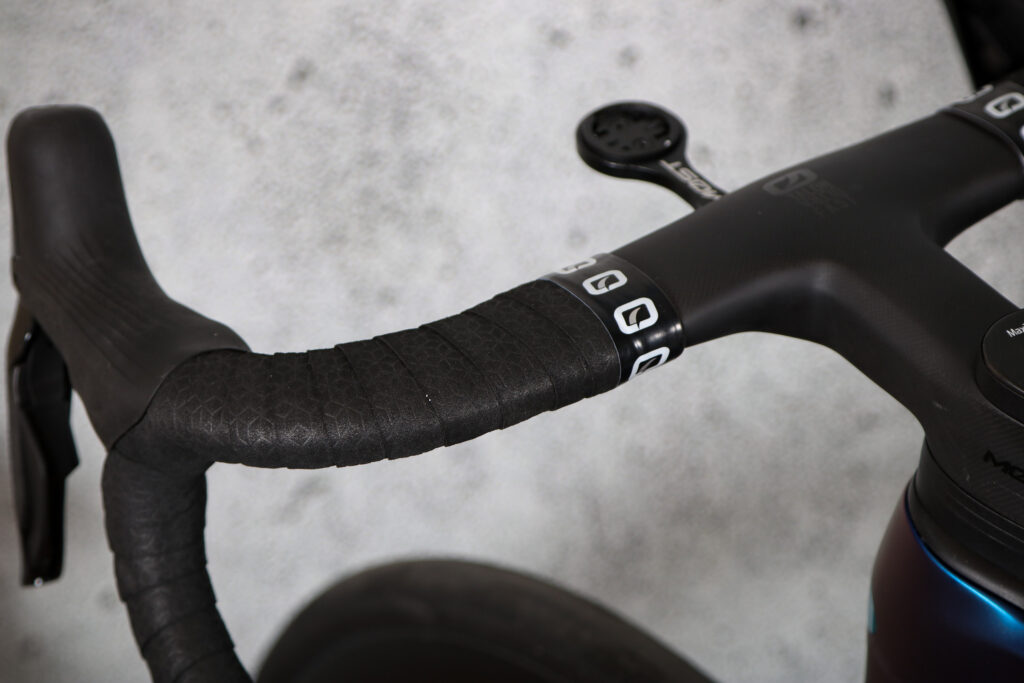
Wrapping your own bar tape can be incredibly frustrating if you’re not well-versed in it, or it can take literally minutes to do if you are. If you fall into the former category, it might be worth your time just asking the local shop to do it for you.
How much it costs at a shop: If the customer supplies the bar tape, then £15 for labour. If not, expect to spend between £15-40 depending on the bar tape.
Bleeding your disc brakes
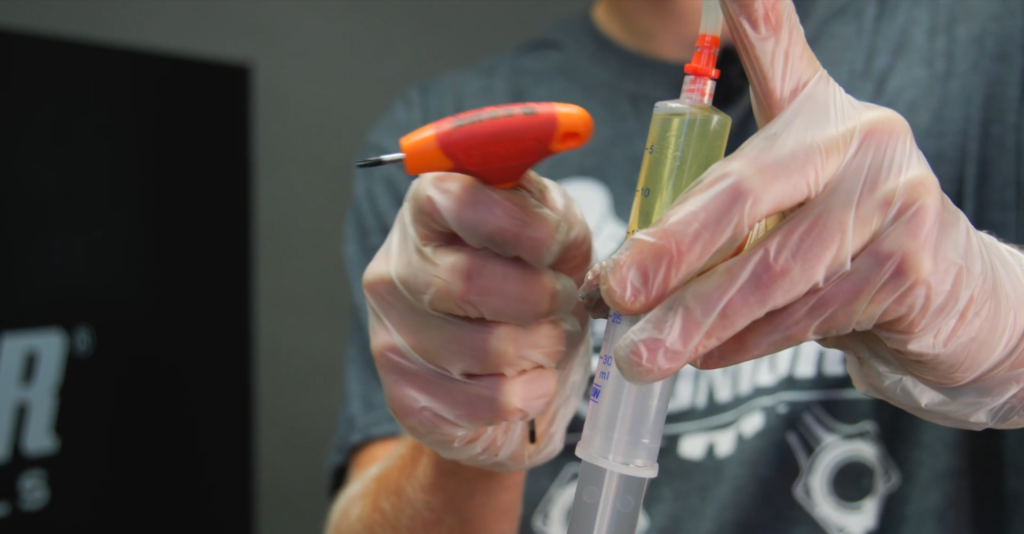
If you’ve noticed your brakes becoming spongy and you’ve still got plenty of life left in your pads then it could be time to give them a bleed. Bleeding your brakes can be a messy affair if you’re not 100% sure on how to do it, and personally, after an incident involving DOT fluid and some cream carpet, I’d rather let the professionals handle it.
But, if you’re keen to try it yourself, could it be cheaper?
How much it costs at home: Depending on the brand of brakes you use (SRAM or Shimano, for example), the price of equipment needed to bleed your brakes may vary. That being said, you can buy brake bleeding kits for both SRAM and Shimano, with ‘official’ ones costing around £50. If you go off-brand, however, they can be cheaper.
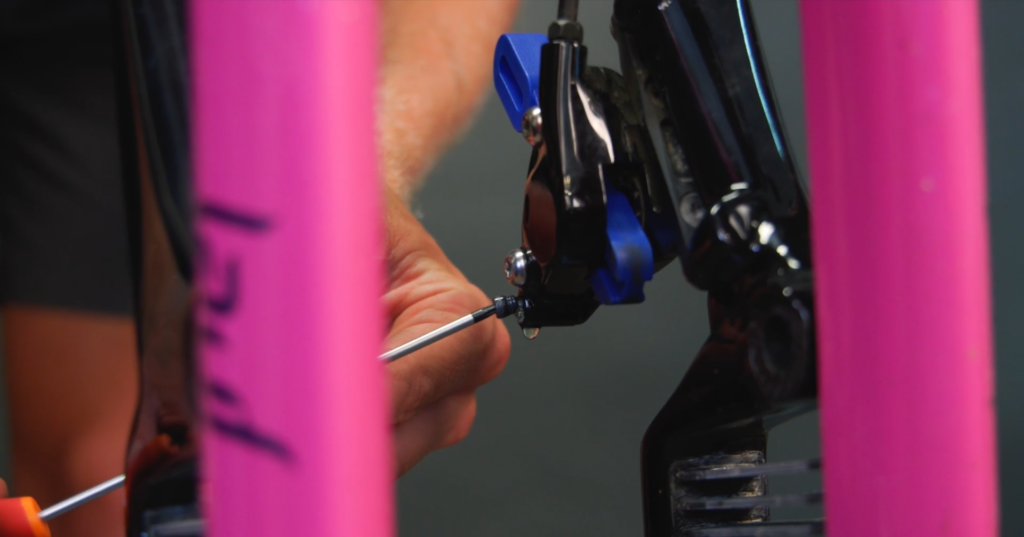
The kits often contain syringes, master cylinder funnels, and caliper bleed spacers. You’ll also want some nitrile gloves which you can buy a multipack for a couple of quid at the local hardware shop, and the brake fluid (mineral oil or DOT) which costs around £10.
You’ll also need a Torx bit and/or Allen keys (which one depends on your brake calipers) and some pliers would be helpful when removing the brake pads so you don’t contaminate the surface. The cost of these is around £15-20 for a set of good Allen/Torx bits, and around £10 for pliers.
Disc brake refresh: maintenance and top tech tweaks for effective and quiet braking
So in total? Roughly £80. Of course, you can re-use these things again and again, so if you do it annually, it’ll pay for itself in about two years.
How much it costs at a shop: The Bike Mill quoted us £20 per brake, or £40 for both front and rear brakes to be bled.
Conclusion: bike shop or DIY?
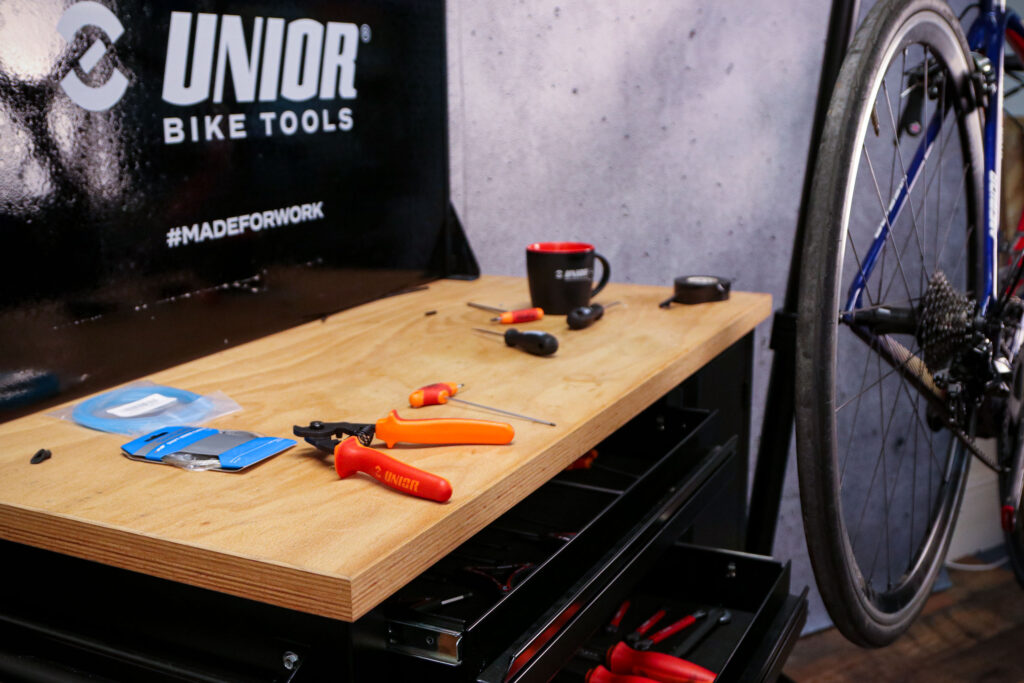
It goes without saying that every job is different, and everyone’s knowledge of bike mechanics and ability to dedicate time to fixing their bike is different. And we would never suggest doing your own maintenance if you’re not confident about what you’re doing – the most important thing is that you keep your bike in a safe enough condition to ride, and sometimes that means dropping it off at the bike shop so they can take care of it.
It might be surprising to some to find that the bike shop is often cheaper than doing it yourself, usually because the investment in some tools can be pretty significant. That being said, if you develop the knowledge and acquire the tools to use again, they will pay for themselves over time.
But, neither doing it at home or letting the professionals work on it is right or wrong. Everyone’s circumstances are different, and if you don’t feel confident working on your bike, then there is no shame in dropping it off at a shop.
Equally, we wouldn’t recommend making the bike shop’s job harder by having a go at something and then creating more problems than you started with. If you don’t know how to bleed brakes and aren’t comfortable following YouTube or reading an article, it’s not worth the hassle of potentially getting mineral oil all over the carpet and/or stopping your brakes from working entirely.
What jobs do you do at home, and what would you leave to the professionals? Let us know in the comments.








52 thoughts on “Is it always cheaper to do your own bike maintenance? We do the sums to work out when the bike shop is best”
I can do most jobs. I leave
I can do most jobs. I leave bigger jobs like messing with the headset/wheel servicing/truing and messing with the bottom bracket for the LBS to deal with. mainly because I dont have the tools or the required skill to do it. Although servicing wheel hubs is probably very simple these days as all you need to do is pop the old one out and put a new one in or clean and repack the old one with fresh grease if its still in good condition.
As per the Clint Eastwood
As per the Clint Eastwood line, ‘a man’s got to know his limitations’..
Cartridge bearings generally
Cartridge bearings generally require a bearing press kit to fit them, as it’s supposed to be a tight fit to prevent unnecessary play. I bought one as my Hunt rear wheel had excessive play, only to find it was the nut adjacent to it that was loose, so my very shiny, new kit is sitting gathering dust in a corner of the bike room!
If we’re getting down to the
If we’re getting down to the cost of a set oftyre levers, you’d have to factor in the time and trouble of in my case two 12 mile round trips to an LBS (less of the L, I’m afraid).
You can get a lot of
You can get a lot of specialist tools massively cheaper on AliExpress, and if that makes you queasy then Amazon often has the same things marked up a little more. I’ve got loads; a particular highlight being the bearing press kit for £25 that is totally comprehensive (or the disc brake bleed kit that I use really frequently).
Generally I prefer to do what I can myself because it’s a faff booking a slot for work at a bike shop, taking it there, being without that bike for a little while etc. I get that some jobs make people nervous doing themselves, but there are so many good Youtube videos talking you through things step by step these days, very much lowers the bar for required knowledge.
super_davo wrote:
super_davo wrote:
Absolutely agree about AliExpress – although a very few frequently used tools I’ve replaced with Park Tools, but only when they’ve worn out or been lost in the man-cave or been “borrowed” by one of the younger cyclists in the family.
All the knowledge beyond “Richard’s Bicycle Book” ** in the 1980s I’ve toppedup with YouTube
** not everyone will remember that far back 🙂
super_davo wrote:
And you can even buy them more than once! 😉
For that reason, and others, unless you only plan to cycle for a short period of time, buying quality tools is worthwhile — for the most part. There are a few tools that are sufficiently exorbitantly priced that I’ve just manufactured my own version, but that’s a rare situation.
Admittedly, I own tens of thousands of dollars of tools — only some are bicycle-specific — but if you use a tool a few times, the difference between having spent 10 or 50 on it stops mattering, and you’re more likely to be happy with the latter as the number of uses increases.
“Buy once, cry once”.
Also, one needs to be extremely careful with Chinese tools. For example, someone applied a Chinese measuring tape to my cabinet saw, before I obtained it. I later measured the measuring tape, after finding the saw inconsistent, only to realize that the tape was both long and short, by several mm, depending on the location. Apparently it was a hand-painted, artisan measuring tape, but I didn’t appreciate those qualities in this instance.
dh700 wrote:
You can get a lot of specialist tools massively cheaper on AliExpress, and if that makes you queasy then Amazon often has the same things marked up a little more.— dh700 And you can even buy them more than once! 😉 For that reason, and others, unless you only plan to cycle for a short period of time, buying quality tools is worthwhile — for the most part. There are a few tools that are sufficiently exorbitantly priced that I’ve just manufactured my own version, but that’s a rare situation. Admittedly, I own tens of thousands of dollars of tools — only some are bicycle-specific — but if you use a tool a few times, the difference between having spent 10 or 50 on it stops mattering, and you’re more likely to be happy with the latter as the number of uses increases. “Buy once, cry once”. Also, one needs to be extremely careful with Chinese tools. For example, someone applied a Chinese measuring tape to my cabinet saw, before I obtained it. I later measured the measuring tape, after finding the saw inconsistent, only to realize that the tape was both long and short, by several mm, depending on the location. Apparently it was a hand-painted, artisan measuring tape, but I didn’t appreciate those qualities in this instance.— super_davo
Jeez not the “its Chinese its rubbish” angle….
Bearing in mind this entire article is “is it worth buying the tools to do a job yourself” I am pointing out that these days you can get fairly decent tools that are easily good enough for occasional home mechanic usage for way cheaper than the prices quoted.
I would suggest those “few tools that are sufficiently exorbitantly priced that you’ve manufactured your own” are exactly the sort of things AliEx does so well. I would buy a top quality torque wrench because I use it all the time and the quality of the tool really matters. I would buy a steerer cutting guide from AliEx because its something I don’t use that often and its way better than the old stem I always used instead. I’d also buy tools like internal cable routing guide that you can perfectly well live without, but life is easier when you have one (and you wouldn’t buy unless it was a fiver). There are also tools that you can only get on AliExpress because the only brands that make them only sell them there, like lazer steerer alignment gauges and the tool to convert your mech alignment gauge to align your shifters.
If you think it is all cheap Temu tat, you are very much mistaken.
I have bought Chinese made
I have bought Chinese made tools and suffice to say, they were universally poor quality and ended up in the scrap bin; all my tools are now Taiwanese made and I would recommend these for their quality of design and material.
super_davo wrote:
Which is very much what I did not say. I did not say that everything from China is rubbish. I did say that one has to be very careful buying tools from that country — which places very little value on quality and has zero respect for intellectual property. Do I own some Chinese-made tools? Yes — although almost-exclusively ones that need very little precision, or have no moving parts at all, or can present no danger to the user upon failure.
I also referred to the fact that many people who save two-thirds by buying cheap Chinese tools wind up buying three of them before a better tool would’ve even been broken-in.
Much of that is debateable, but the counterpoint is that a home mechanic will never wear out or break a quality tool. So if one has decades of cycling ahead of them, the added expense of that quality tool is quite likely zero or less, over its lifespan, versus buying N cheaper versions. N+1 is cool for bikes, but not so much when replacing broken or worn-out tools.
Stripping one fastener with a poor-quality tool and spending a day trying to remove the subsequent lump of metal overwhelms the proposed cost-savings of most such cheap tools.
You may not get what you pay for, but you always pay for what you get.
I have recently obtained a
I have recently obtained a SPD axle removal tool from eBay, ali, anodised in blue, wanted orange. I presume it’s Chinese made, too much of a bargain to have been made anywhere else. Far better than the Shimano plastic version.
Now my Japanese JIS2 driver is incredible, and I have only just found it’s perfect on my Crane Rittan brass bell, also Japanese. Odd that…
“Equally, we wouldn’t
“Equally, we wouldn’t recommend making the bike shop’s job harder by having a go at something and then creating more problems than you started with.”
But that would take away a general source of amusement at my LBS.
When I have mucked it up
When I have mucked it up (rare, but I do!), I upfront admit it. They know me at the LBS and will work with me.
Geoff H wrote:
Oh yeah, me too. I’m in the particularly fortunate position that my LBS (which isn’t actually my most local one these days) is owned by a friend of mine.
i will happily pay for
i will happily pay for someone else to endure the faff of restoring wheel concentricity, trueness and dishing..
I my be one off, but I enjoy
I my be one off, but I enjoy working on my bikes! But for those rare jobs that take an expensive tools (and some expetise) that will sit, … and sit, …. and sit. I leave to my LBS. For them it’s just the cost of doing business AND they will perform these jobs on a regular basis. I do splurge on quality tools that I will use regularly (“cheap” tools are an absolute waste of money!).
I enjoy working on my bikes
I enjoy working on my bikes as well to the extent that I assembled them from the frameset, built wheels etc. This said my bikes are of a past age (low-tech) and possibly much more straightforward to work on. This does mean that I get the bike I want (gearing, etc) and know how to fix it when things go wrong. I do use a local bike mechanic for things like facing where I don’t have the tools.
I’ve tried building wheels
I’ve tried building wheels and I could do it adequately, but to really do it well, is an art I leave to others, but I will re-true when needed. My bike too, is “low-tech”, I still have rim brakes.
I run maintenance sessions to
I run maintenance sessions to support people doing maintenance on their own bikes and 1:1 for people who want to go full strip down. I don’t cover bleeding brakes, extended wheel repairs etc
I will balance, I still essentially book time out for my own bikes, my down time is for riding not fixing bikes.
I’ll balance all of this though, you’re paying for the experience, knowledge, tooling and piece of mind that should you have an issue the workshop will handle it. It’s all good until the BB is seized, bearing race stuck, Pad retaining pin rounded. I get lots of failed bleeds through, lots of poorly setup mechs from keen enthusiasts etc
Greater integration means jobs can take longer, some cable routing can be sub 15 minutes or over an hour.
Power to you if you’re capable with the tools, otherwise support your local workshop.
Mpcleathero wrote:
The problem with that is that, to get to the point of being capable with the tools, pretty much everyone has to first go through the stage of being somewhat ham-fisted with them.
I have gradually done more
I have gradually done more and more jobs myself mainly because there was a long wait to get into the LBS and also some of the jobs I could have done better myself – have picked up after services to find gears jumping, loose cassettee. You are lucky if you have a good, reliable one …. I have mastered tubeless tyres now and Di2 is straightforward as are headsets, disk brakes, BBs (not PF) the only thing I can’t seem to get my head around is cables (brakes and gears) on my commuter bike so leave that to the pros.
I’ve just bought new brake
I’ve just bought new brake calipers, hoses and brake levers all separately, bought the hydraulic oil and put the lot together and bled it myself. Why didn’t I use a bike shop? Everything is on youtube. In fact I’ve not been to a bike shop for over a decade because of youtube.
For my press-fit bottom
For my press-fit bottom bracket I use a blind bearing puller to avoid whacking the frame with a hammer, £20 on ebay
I do as much of my own
I do as much of my own maintenance as I can because I like to learn new stuff. Also it means I can operate independently if I need to and can get repairs and maintenance done when it’s convenient for me.
My only maintenance regret
My only maintenance regret was replacing the headset bearings on my 2015 Synapse in about 2021. Everything fine until torquing up the stem bolt to the specified torque. Heard a small crack …..end of original carbon fork. A few months and £300 later, LBS found a best fit Cannondale fork and pretty much saved the bike. It did make me wonder though. The original cannondale stem wall thickness was about 2-3mm thinner than the one the LBS sourced from Cannondale UK distributors…. hmmm..
I think you’re missing a
I think you’re missing a major cost factor (in time and money): Getting the bike to a bike-shop, getting back (without bike), returning to the shop (without bike) and returning from the bike-shop. What a faff!
And then you may have to wait for weeks to get a workshop-appointment. And you have to hope that they have the right part (brand, dimension, group-set) in stock.
Personally, I cannot think of getting anything done in a bike-shop other than swapping a headset or getting an emergency repair on a long ride, far from home, having forgotten to bring spares…
I was going to say exactly
I was going to say exactly the same, specifically the time “without bike” element. I wouldn’t want to criticise LBS, but I find the unpredictable faults nearly always occur on the night before an important ride. So being able to do them yourself is very handy in this situation. But modern bikes are more complicated and some people are scared of having a go, and that’s their choice I guess.
I do a fair amount of my own
I do a fair amount of my own maintenance on the fleet, for me it’s not really about saving money, especially once the equipment cost is taken into account, it’s about doing it at my own convenience rather than having to book in elsewhere, and the enjoyment and satisfaction of working on bikes as a hobby without the pressure of having to do it as a day job. I also keep a few consumables in my workshop (chains, cassettes, tyres, cables, brake pads, etc), and did a Cytech training course a few years ago too. As well as my own stuff, I do the odd job for friends & family if they can’t afford to take something to the shop.
Decent LBS around my way were a bit scarce for a while, up until a few years ago the two nearest shops I trusted were an equidistant 30 miles in opposite directions from home. However a new place has recently opened in town which I go to for certain jobs (use it or lose it), for example, things that only need doing on occasion such as hydraulic brake bleeding, frame facing, etc, it’s worth booking in and paying for.
Finally, one point not mentioned in the article, which can make a huge difference in running costs and can save a lot of money – is having the facilities and know-how to carry out timely servicing on the drivetrain. Keeping it clean and properly lubed, and knowing how to use a chain checker can make the difference between just replacing a chain, and facing a bill for chain, cassette and chainrings.
mark1a wrote:
You forgot to mention the draught beer…
+1 on the “preventative maintenance”. Which can also help you in a pinch – because you’ll know where things are on the bike / how they should be.
Also making it more of a hobby than a chore by giving yourself permission to just take it to the bike shop sometimes.
I don’t think anyone should
I don’t think anyone should be riding a bike who can’t fix a flat on the road. Fixing a flat is easy, and a person should know how to do that, You can go to You Tube University and watch how it’s done, it’s not rocket science.
I was taught about 66 years ago, when I was 7 by my neighbor who showed me how to fix a flat without even removing the wheel from the bike! First find the penetration point and move the wheel so you can remove part of the bead without the frame being in the way, then remove half the bead with the hole in the center of the half, then pull out about a quarter of the tube with hole in the center of that, buff/glue/patch and put it all back together. Of course that won’t work every time, but I estimate I can do that with about 75% of my flats. To fix a flat you will need 2 tire irons, I like Lezyne Power XL levers, for a road bike the Lezyne Road Drive mid size pump is the best one, because the smallest one is way too much effort, you need a spare tube, and a patch kit.
Cables is not a once in a year thing, unless you have either a Shimano 9001 STI levers, or a 6800 STI levers, those ate cables for breakfast, otherwise all your cables should last at least 10 years. I know that 10 years goes against the bike shops all telling you to replace your cables every year, but that’s nonsense. If you know how to check your cables for wear or damage then there is no reason to change them. I have a 12 year old bike with about 40,000 on it and the original cables are still fine. I do once a year put some Tri Flow lube on the brake cable at the housing to help keep crud out of the housing and make the cables operate smoothly by holding the bike in a position that will allow the lube to flow down into the housing, then work the levers.
I guess it’s all about level
I guess it’s all about level of ability as you say, but some people can’t do tyre removal because of hand strength. I’m of the view you shouldn’t ever need to use tyre levers if you know how to get tyres of properly, even the tightest of tubeless tyres come off with some strong thumb pushing – if done correctly.
Hard disagree. No-one should
Hard disagree. No-one should *have* to know how to fix a flat. A bike is a mode of transport not a skills test and if its not working it goes to the Shop.
How many people in the Netherlands know how to remove the rear wheel of a hub geared bike to fix a flat…let alone have the tools to do it…..?
the key is having a decent
the key is having a decent LBS, one you can trust to do the work, and not invent things to do, or start overcharging you, and not everyone has that within practical distances, its just the way it is. Theres always the thought that well theyre the experts at this doing it every day, so theyll just do a better job than I can, and maybe the hassle is still worth it, but that isnt always the case either.
The consequence is people learn to do the work themselves out of necessity rather than primarily efforts to save money, though its surprising how much some bike shops charge thesedays, almost like some are trying not to do the work anymore.
It was Roy Keane wasnt it who had some mechanical issue with his bike, and just went and bought a new one instead to avoid fixing it, not everyone can do that of course, but the cost of some components thesedays, plus the cost of fitting them at an LBS, sometimes replacing the whole bike could be a better option based on total age of your bike and its other worn components.
and the thing about psyching yourself up to hit your bike with a mallet to replace a BB, dont forget taking it to a LBS, your letting some complete stranger whose skill levels you dont know hit your bike with a hammer instead. Ive walked in a bike shop once where two mechanics were busy hitting a bike with a hammer, my bike never went near that place again.
I do most of my own servicing
I do most of my own servicing and maintenance. But a good bike shop is a godsend when I encounter something new or especially tricky.
For example, I ran into shifting problems after changing a chain. Nothing I did seemed to help, so I took it to my local bike shop. The mechanic took one look and said “your chain is on backwards.”
I didn’t realise that some Shimano chains are directional!
The shop never charged me for the advice either. One reason I’ve been a loyal customer for 20 years.
(BTW: It’s the Friendly Bike Shop on Lantau Island, Hong Kong. Run by the inimitable Jacky Chan — master of Bike-Foo)
Cheers
I can certainly solve the bar
I can certainly solve the bar tape one:
If it’s 15 quid labour, to rewrap your tape, that’s effectively two rolls of bar tape. So, buy two, instead of one, and don’t worry about getting that first wrap perfect. Do a dry run – get things wrong, work out the process. Take your time. Keep unwrapping, and rewrapping. At the end of it, it probably won’t look brilliant – but so what. You just take it all off, bin it, and use the second roll of tape. Every lesson you just learned, you’ll put into practice. You’ll get it looking way better, you will be able to breeze through it, next time around, and even though you might have “wasted” 15 quid, you won’t have to bother paying someone else to do it, ever again.
(and maybe, just maybe, you watch enough Youtube tutorials, so the first wrap actually looks great. If that’s the case, you’ve already got your next roll of tape, for whenever you need it)
I have never ruined bar tape
I have never ruined bar tape by wrapping and re-wrapping… its always been actual physical damage thats caused a replacement.
I dont think you need 2 just get 1 good quality one. (Not supacaz cush which is awful stuff)
I usually have a go at
I usually have a go at maintenance work myself, even if it means buying new tools for the job. That way I learn how to do it and don’t have to buy the tools the next time.
But, I do occasionally screw things up. I managed to break a hydraulic brake trying to bleed and refill the fluid, and ended up having to buy a new one. I did fit and fill the new one, but I decided that hydraulic brakes were a bit of a pain so that might be a bike shop visit next time.
I used to fear bike
I used to fear bike maintenance, now I find it a pleasure. Youtube is your friend, my advice is to watch the videos a few times first and to keep your phone handy whilst you work. Parts and tools are always an obstacle for the bigger jobs, and you will often encounter a small delay in sourcing them, plus if you’re like me, you’ll probably forget where they are next time. I bought an £80 Park Tool cone wrench set only to find I had a brand new Topeak set in the garage a while later… but it becomes addictive, there’s nothing like quality tools and the feeling that you have done something yourself.
Then you move onto lacing wheels, headset and wheel bearings and customising your ride, I’ve changed my 27 speed Specialized into an electronic shifting 8 speed, which may sound bonkers, but actually has made it lighter, quieter and far more durable. Would you ever get a quote from a bike shop for that? My parting advice is to have a basic spare bike to use whilst you’re ‘working’ on the other!
Shock!!!! You mean that there
Shock!!!! You mean that there are bikers with only ONE bike????? I thought N+1 was the standard!!!
I do most of my own work but
I do most of my own work but I just had one of the bikes into the shop for new headset bearings, BB and rear derailleur. I’ve done it all in the past but my circulation after chemo is terrible and I didn’t really consider it an indoor job. Washing the bike is hard/sore enoughat this time of year :-/
Yes, sometimes you need
Yes, sometimes you need specialist tools or equipment. But some of the examples above are laughable. Fixing a puncture. Bear in mind you may need to buy a pump / repair kit the FIRST time you do it, but then you have it. From there on you’re at worst halving the cost to the bike shop, and if you can manage to patch, you’ll be able to fix dozens of punctures for £3.99, or worst case each puncture for the cost of a tube, instead of £10+ EVERY time.
Surely every cyclist already
Surely every cyclist already has a pump at home anyway? All tyres lose pressure over time and need to be pumped up again. So, in reality, it’s just the cost of tyre levers the first time on top of the patch kit or new tube.
Bigfoz wrote:
Which I guess is why they said
I can do the basics, but
I can do the basics, but largely I prefer to take my bike to the LBS when it needs a service, when they check all the big things and sort them out at the same time. I don’t get bike grease all over my flat, I do my bit to keep the LBS in business, and I know someone who is more mechanically minded than me has made sure my bike’s in good shape to ride.
Quote:
You haven’t seen the state of it – I wouldn’t let it anywhere near my bike after the toll years of camping have taken on it.
mdavidford wrote:
You haven’t seen the state of it – I wouldn’t let it anywhere near my bike after the toll years of camping have taken on it.
I wouldn’t let a mallet anywhere near my tent pegs either.
Tried most things but gave up
Tried most things but gave up on self extracting cranks – could not shift them. Was also worried id round something off if I tried too hard.
Did you try the Ultegra ones?
Did you try the Ultegra ones?
No problem with ultegra –
No problem with ultegra – have replaced the BB before and regreased.
My wife’s bike was the problem one. Ended up removing the chain rings instead !
Same.
Same.
I do all the work on my bikes
I do all the work on my bikes, i source the frame, the parts and put them together.
Maintainence everything.. part of the hobby for me.
Then again i’m a trained mechanic (agraculture) i own all the tools or build my own.
Cheers